
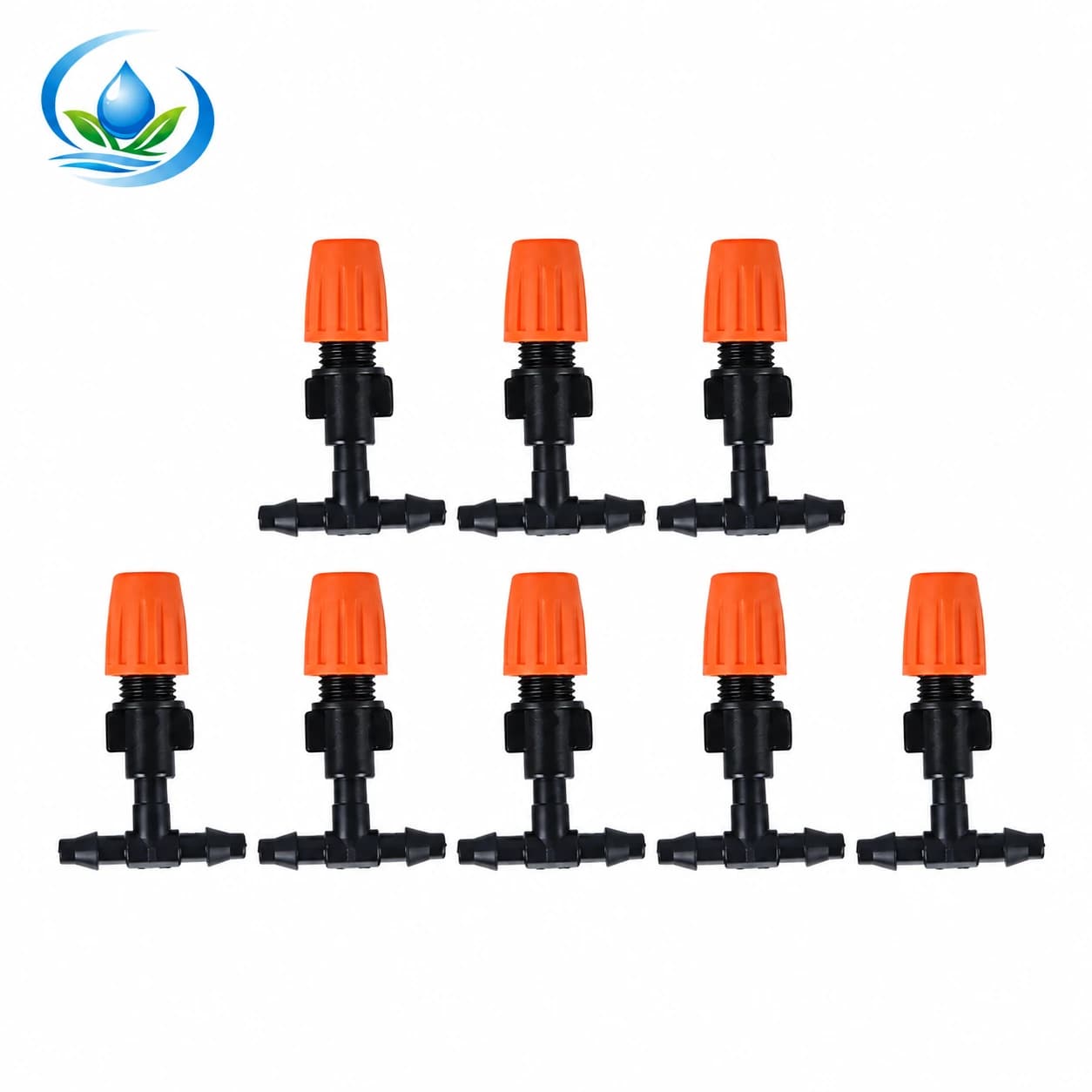
misters
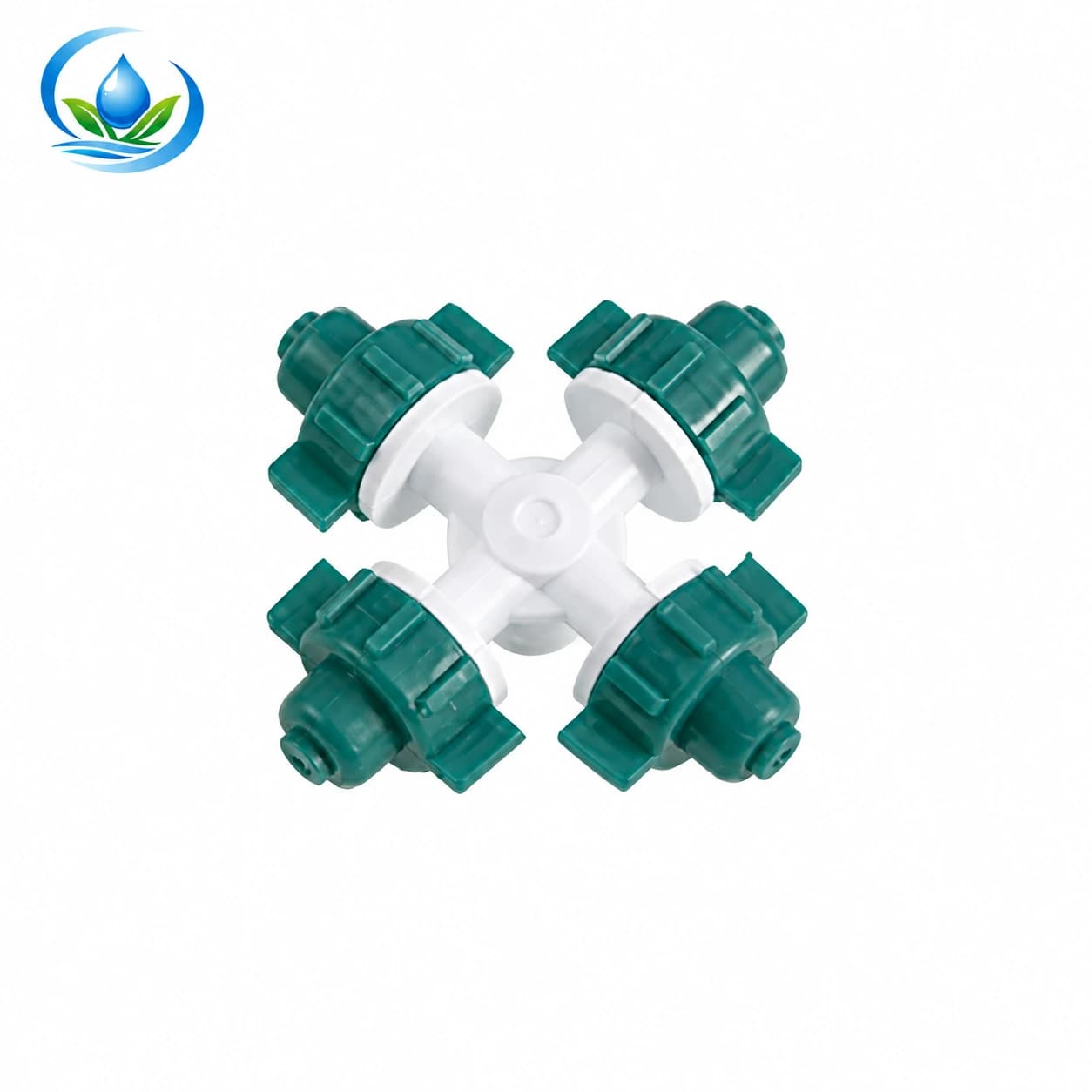
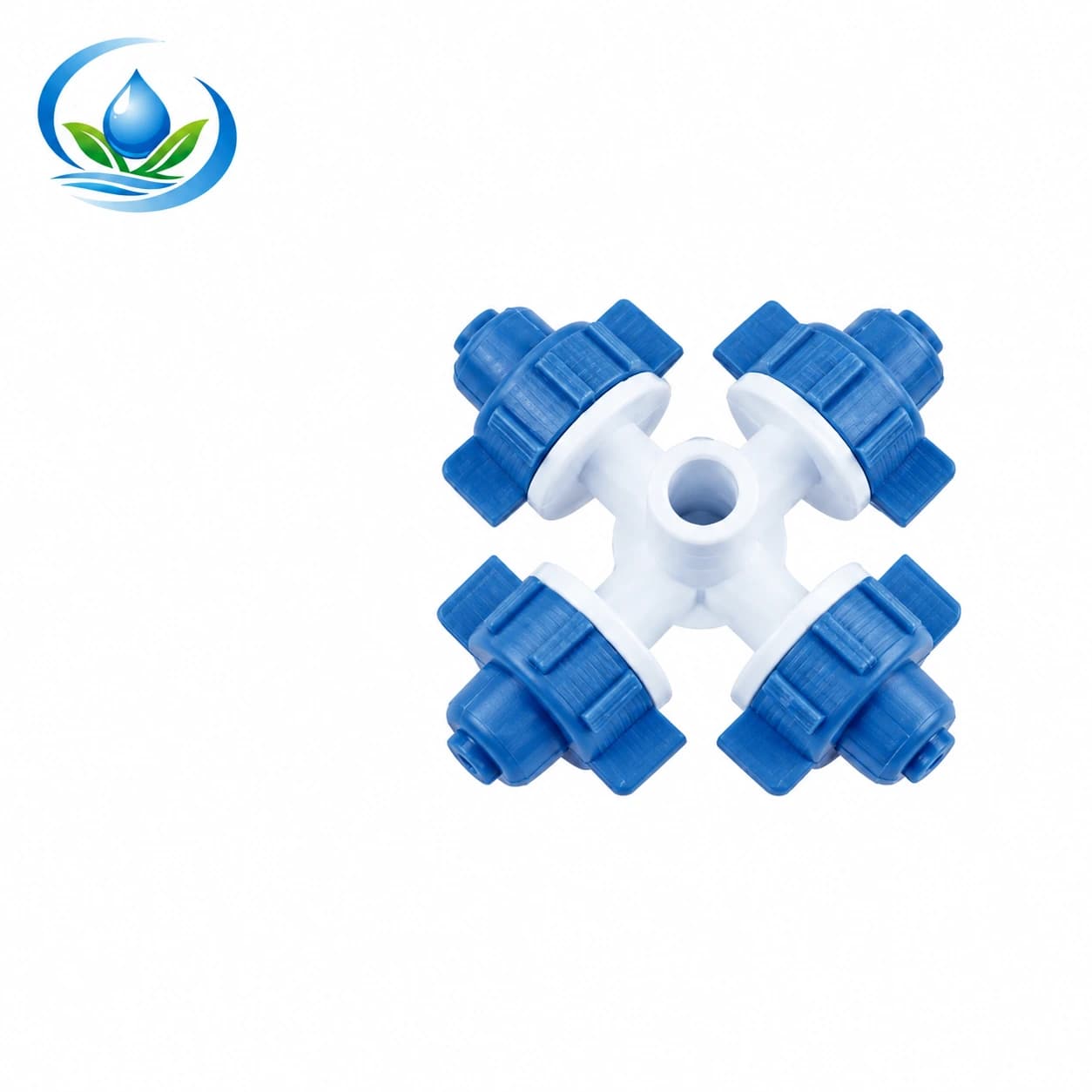
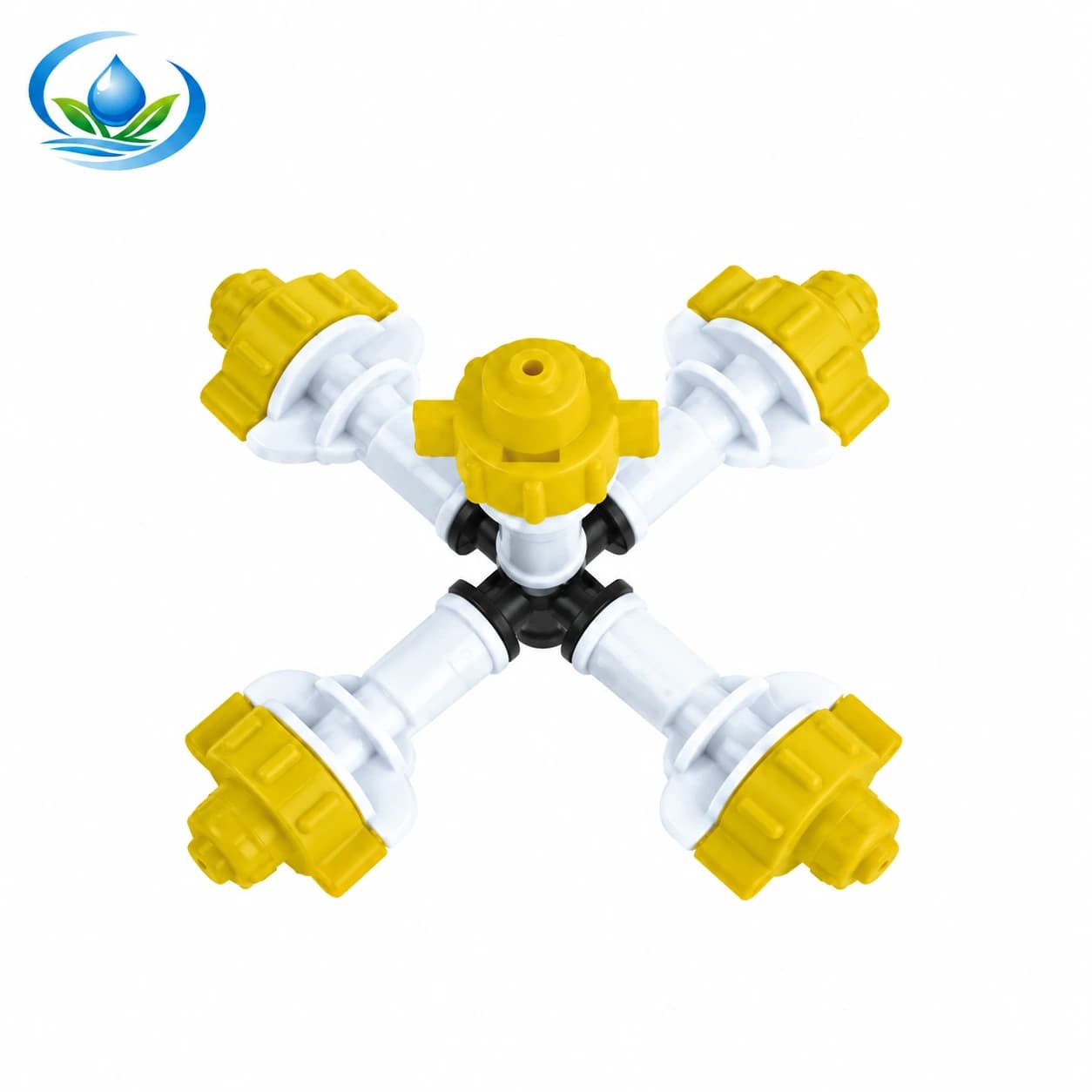
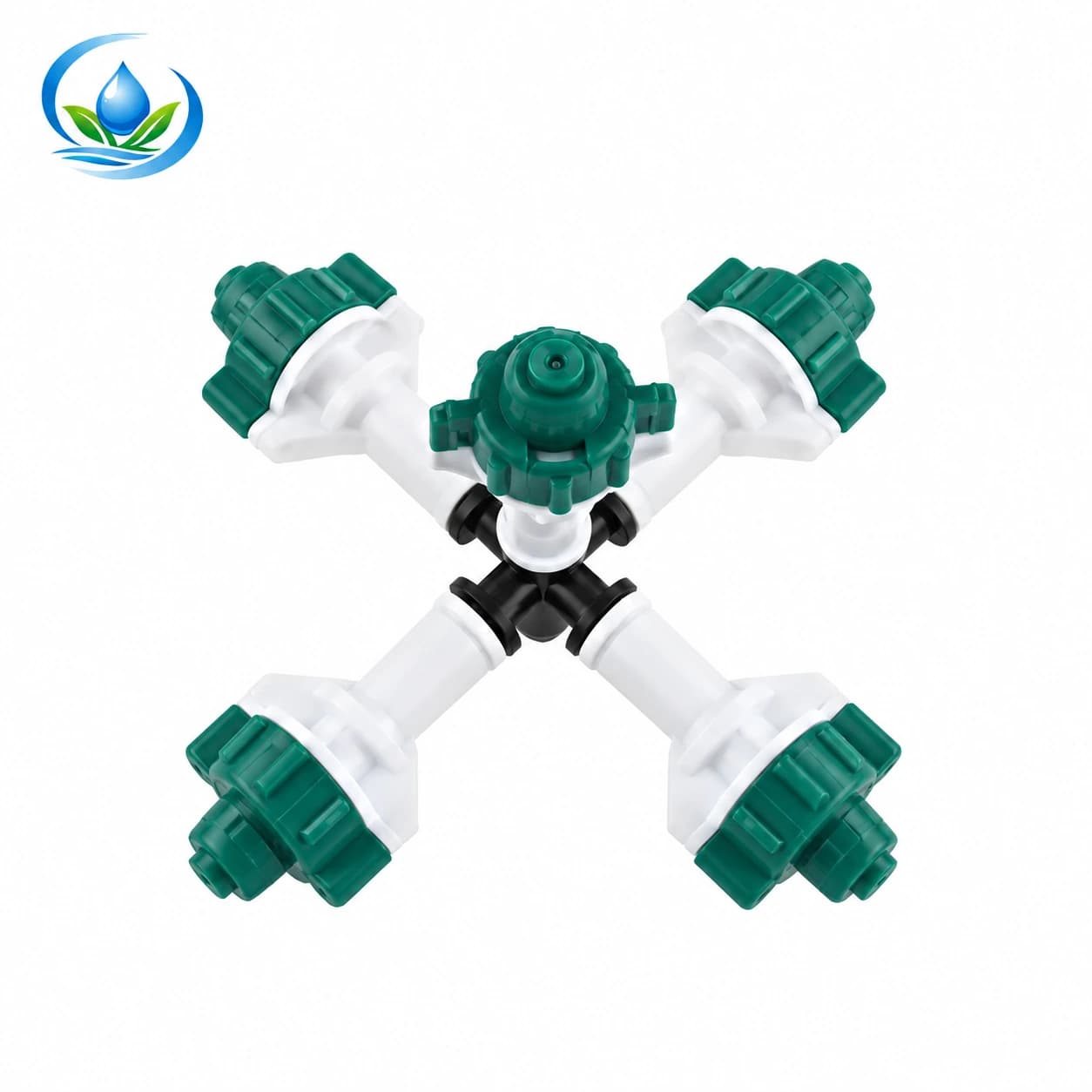
Adjustable Fogger Nozzle for Greenhouse Misting Lines
- Flow Rate
- 6 / 8 / 12 / 18 / 24L/h
- Droplet Size
- 50 - 100μm
- Operating Pressure
- 0.15 - 0.35MPa
- Spray Pattern
- Cross mist 4 outlets
$0.21
Agricultural irrigation, direct to you
Compare misting nozzles and foggers for greenhouse humidity, propagation and cooling layouts. Check nozzle output, pressure and filtration.
10 products
Showing 1–10
misters
$0.21
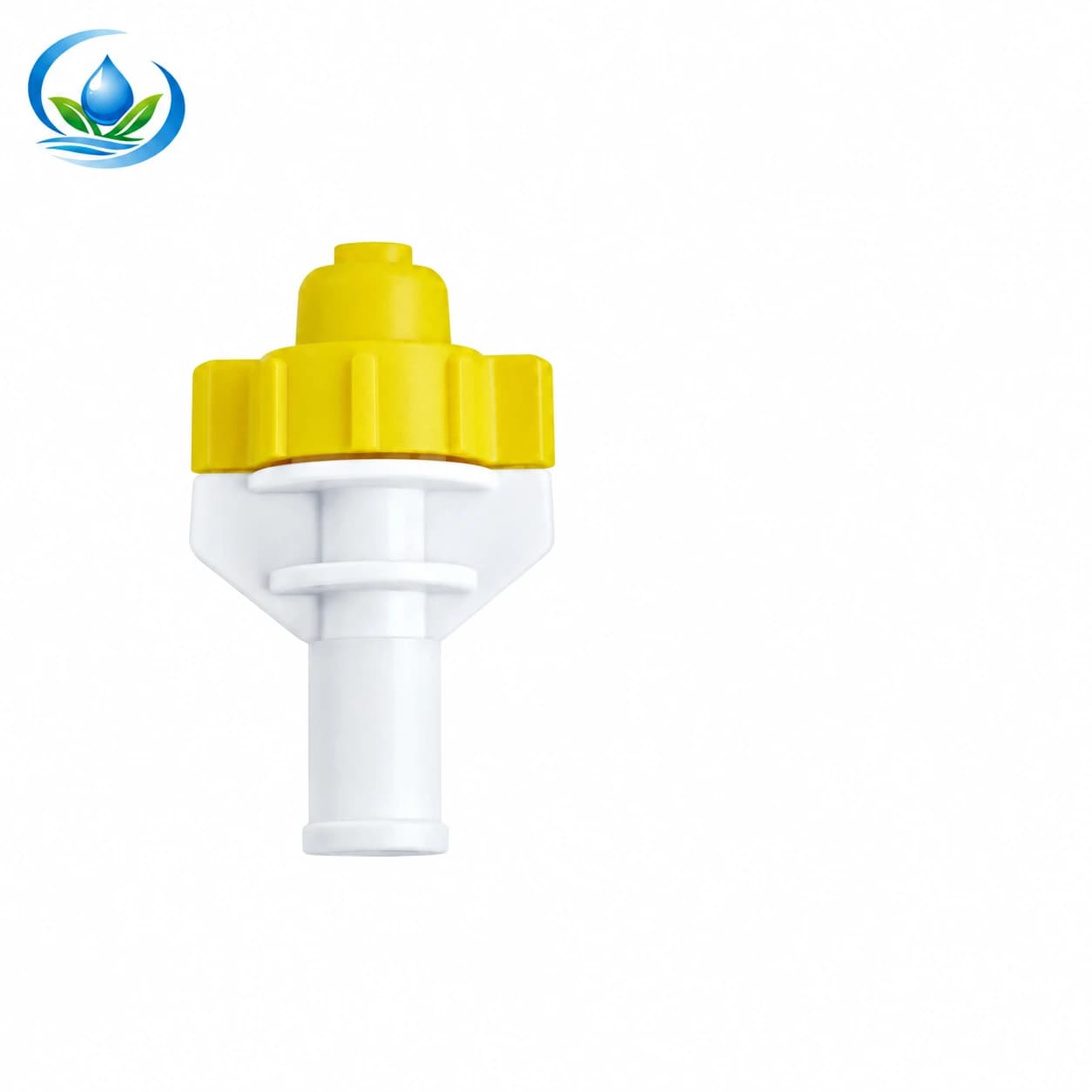
misters
$0.23
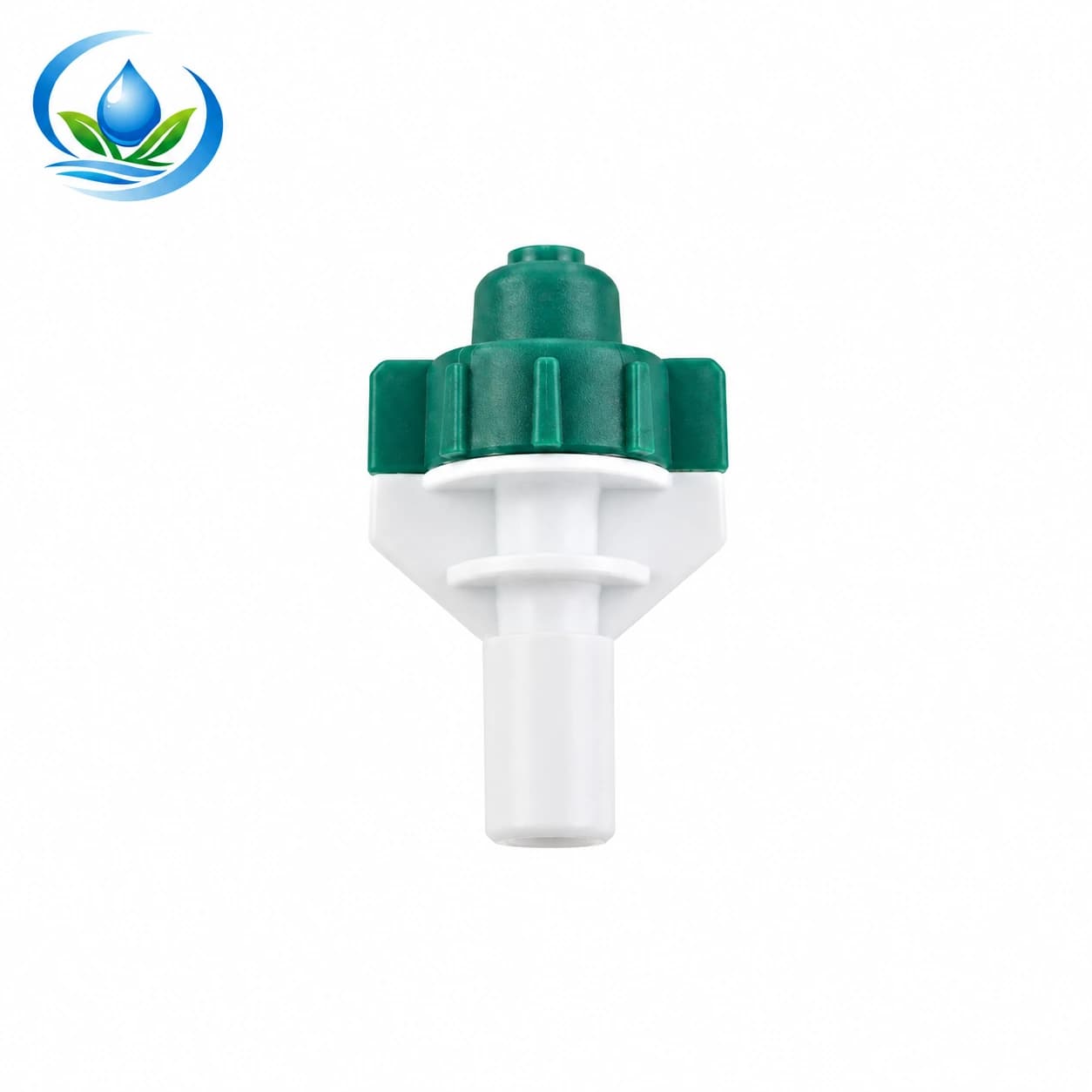
misters
$0.23
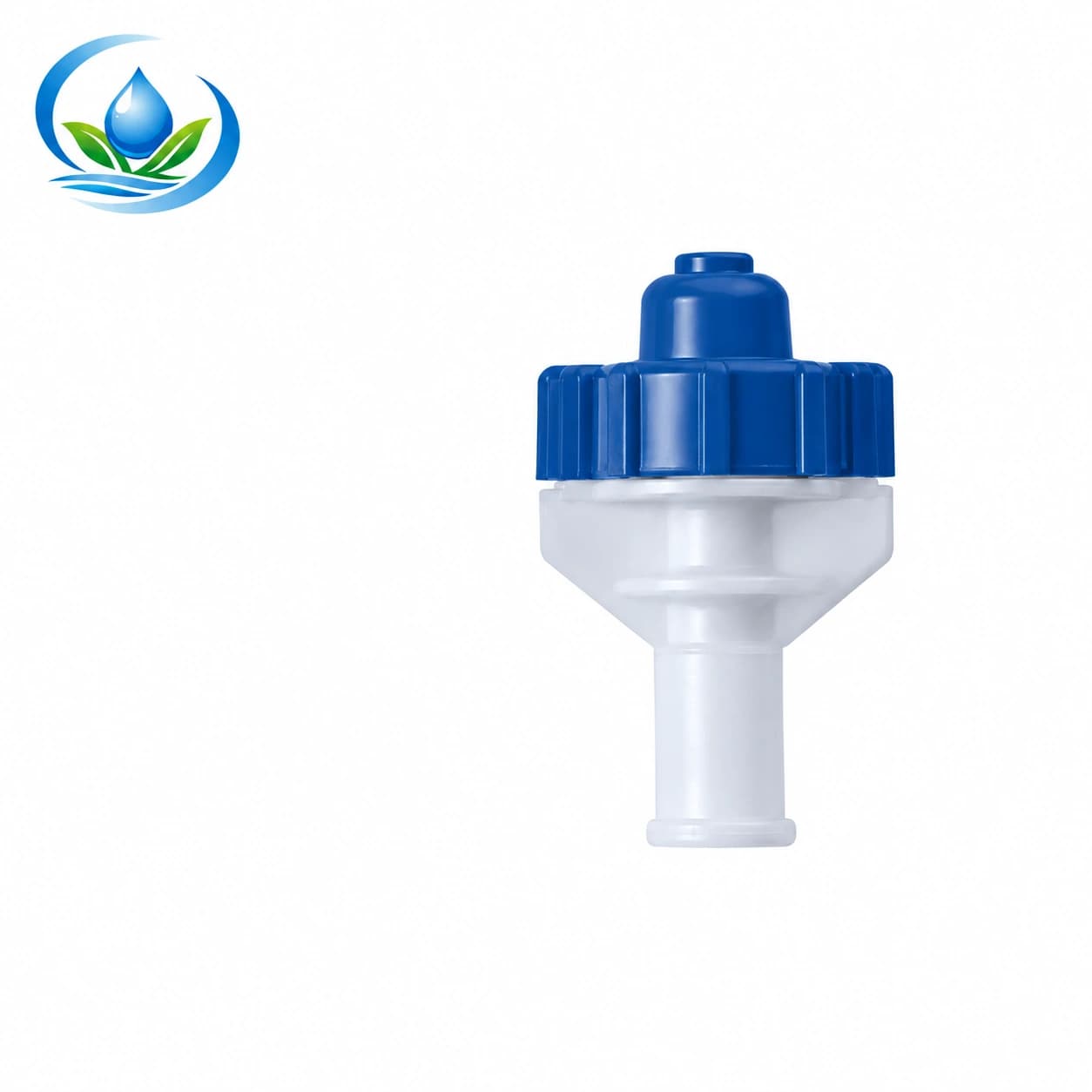
misters
$0.23

misters
$1.96
misters
$1.96
misters
$1.96
misters
$1.96
misters
$1.96
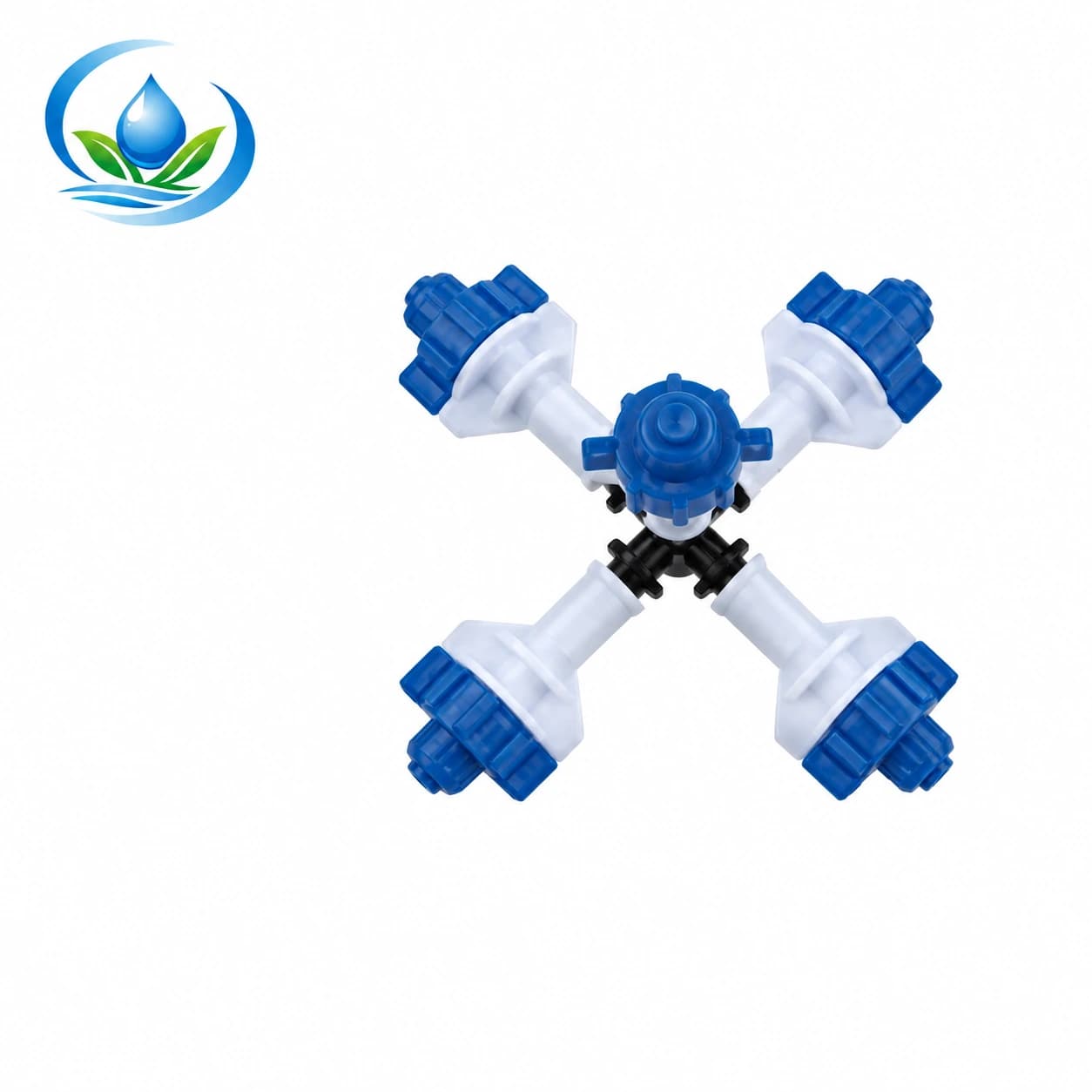
misters
$1.96
Match your tubing diameter, connector type and water pressure before you add the finishing touches.
Field guide
Misting nozzles create a finer spray than standard irrigation sprinklers. A greenhouse misting system may use them for propagation or humidity management, but actual droplet size and coverage depend on the selected nozzle and operating pressure. The available products include individual nozzles and assemblies, so check what each listing includes.
Select by outlet count, flow, connection and the pressure available at the nozzle. Fine openings can be sensitive to particles; confirm filtration and a maintenance plan. Avoid assuming a misting nozzle alone provides a complete greenhouse cooling system.
Greenhouse misting systems can help maintain humidity around propagation material or provide evaporative cooling when ventilation and climate support it. Fine spray is also used over benches, but irrigation and cooling are different design goals. Identify whether the crop needs leaf wetting, how quickly surfaces should dry and where excess water will drain. This category lists nozzles and assemblies rather than a complete controlled system.
A misting nozzle divides pressurized water into small droplets. Nozzle design and pressure influence droplet size, flow and coverage; humidity response also depends on air movement and ventilation. Fine orifices are sensitive to particles and mineral deposits. A greenhouse fogging system generally needs more than a nozzle: suitable water treatment, plumbing, controls and safe electrical installation may be required.
An irrigation misting system is selected by the nozzle's droplet output, flow and pressure, plus the ventilation and humidity target of the growing space. A greenhouse misting layout should be tested for wet spots and drift before it is used for sensitive seedlings.
Monitor clogged or dripping nozzles, deposits and wet floors. Clean with the method specified for the nozzle material; forcing wire into a tiny orifice can change the pattern. Check humidity as well as leaf and media wetness. If disease risk or condensation rises, revisit timing and ventilation instead of simply increasing mist frequency.
Set a humidity and watering goal, then size a filtered supply for the combined nozzle flow at the manufacturer's pressure. Space compatible nozzles for even coverage, add accessible valves and drainage where needed, flush the piping and test with ventilation running. Avoid assuming mist alone supplies the crop's full root-zone irrigation.
Particles and mineral deposits can obstruct small passages. Match filtration and water treatment to the nozzle and inspect the line after maintenance or repairs.
Technical reference: Penn State Extension, Greenhouse Production. Use the selected product manual and local requirements for final design.