
filters
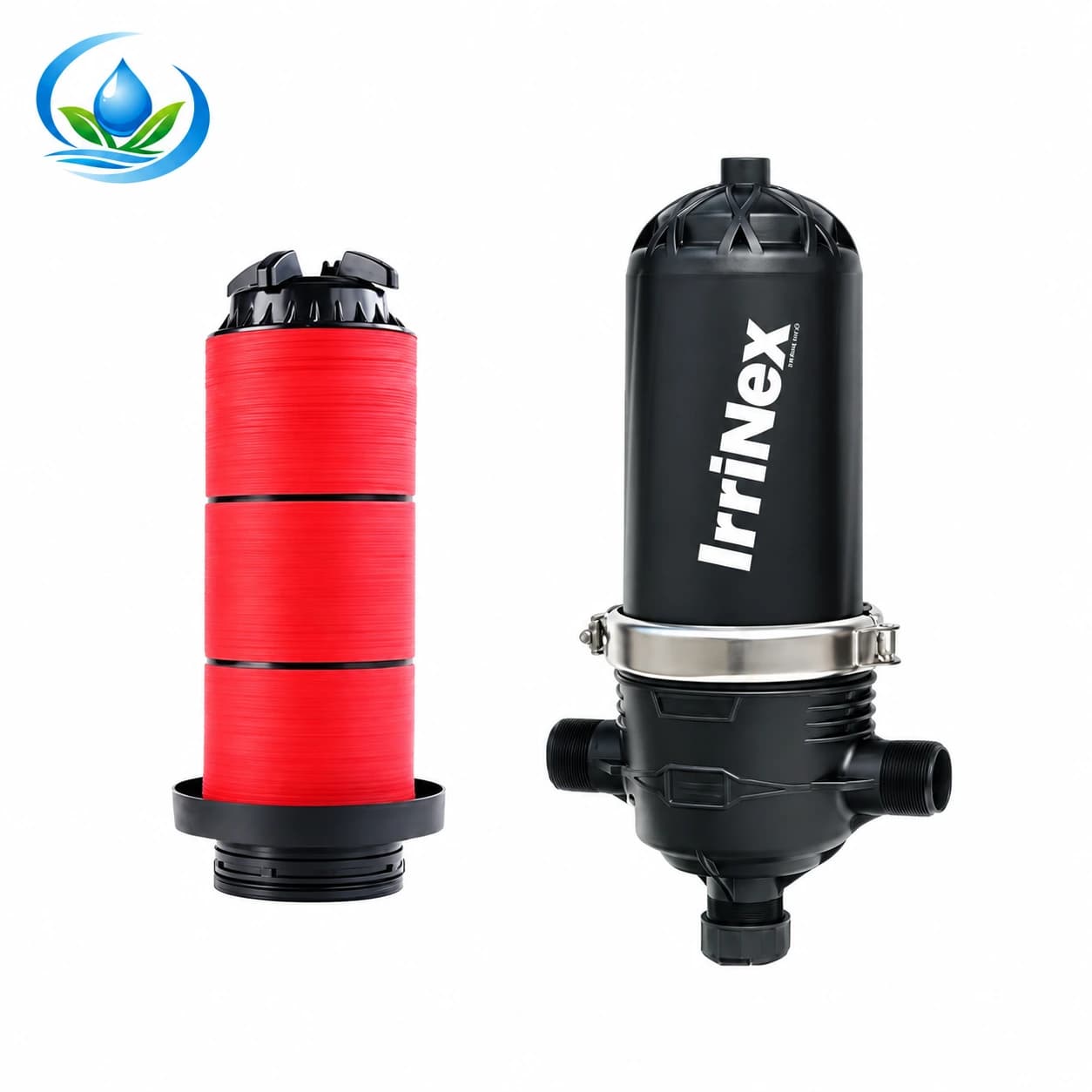
T-Type Disc Filter for Higher-Flow Irrigation Lines
- Connection
- 2" (63 mm) / 2-1/2" (75 mm) / 3" (90 mm)
- Filtration
- 120 mesh
- Max flow
- 30 m³/h / 40 m³/h / 50 m³/h
- Max pressure
- 10 bar
From$68.79
Choose optionsAgricultural irrigation, direct to you
Compare irrigation filter options, including disc, screen and sand-media models. Match the water source, flow, connection and cleaning method.
8 products
Showing 1–8
filters
From$68.79
Choose options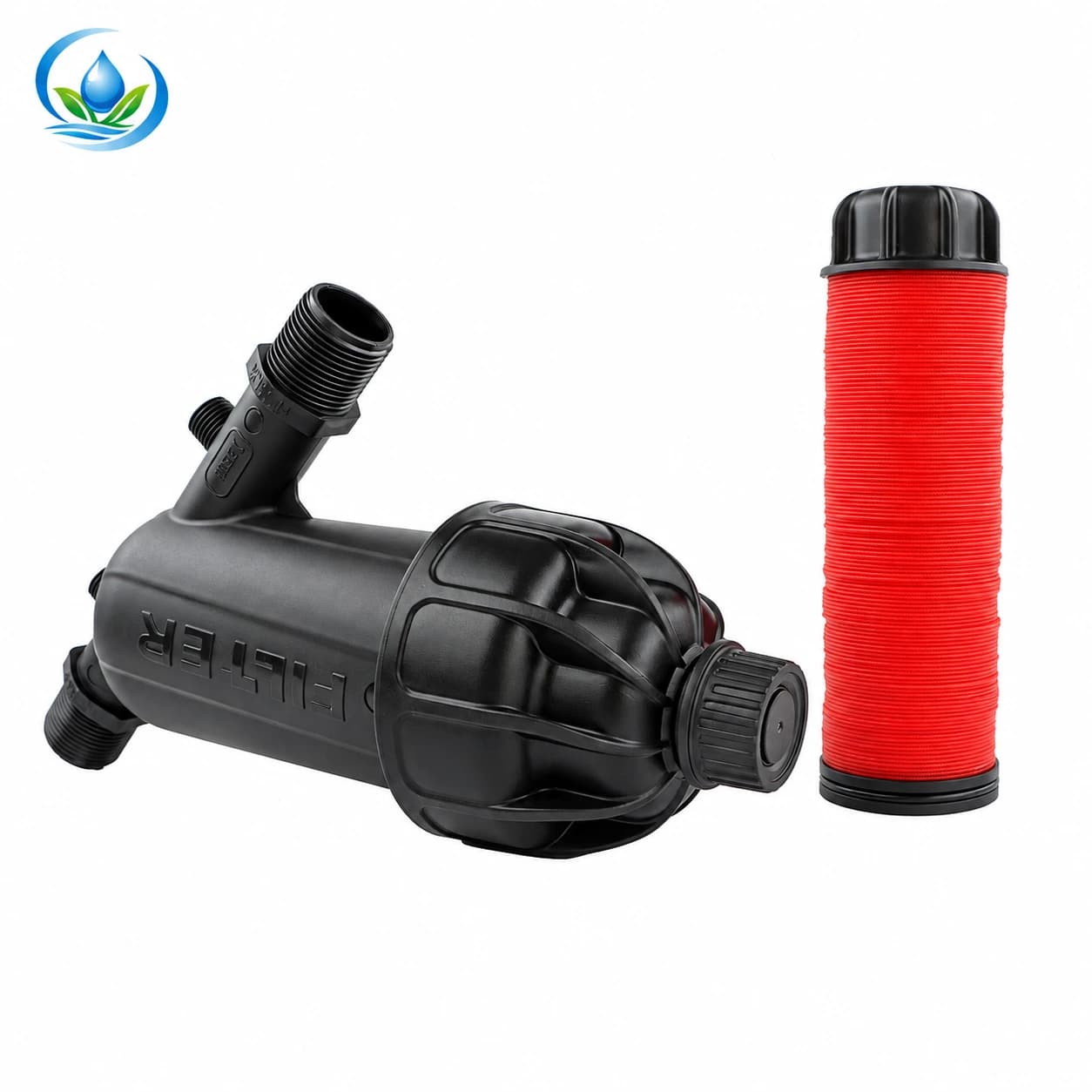
filters
From$13.19
Choose options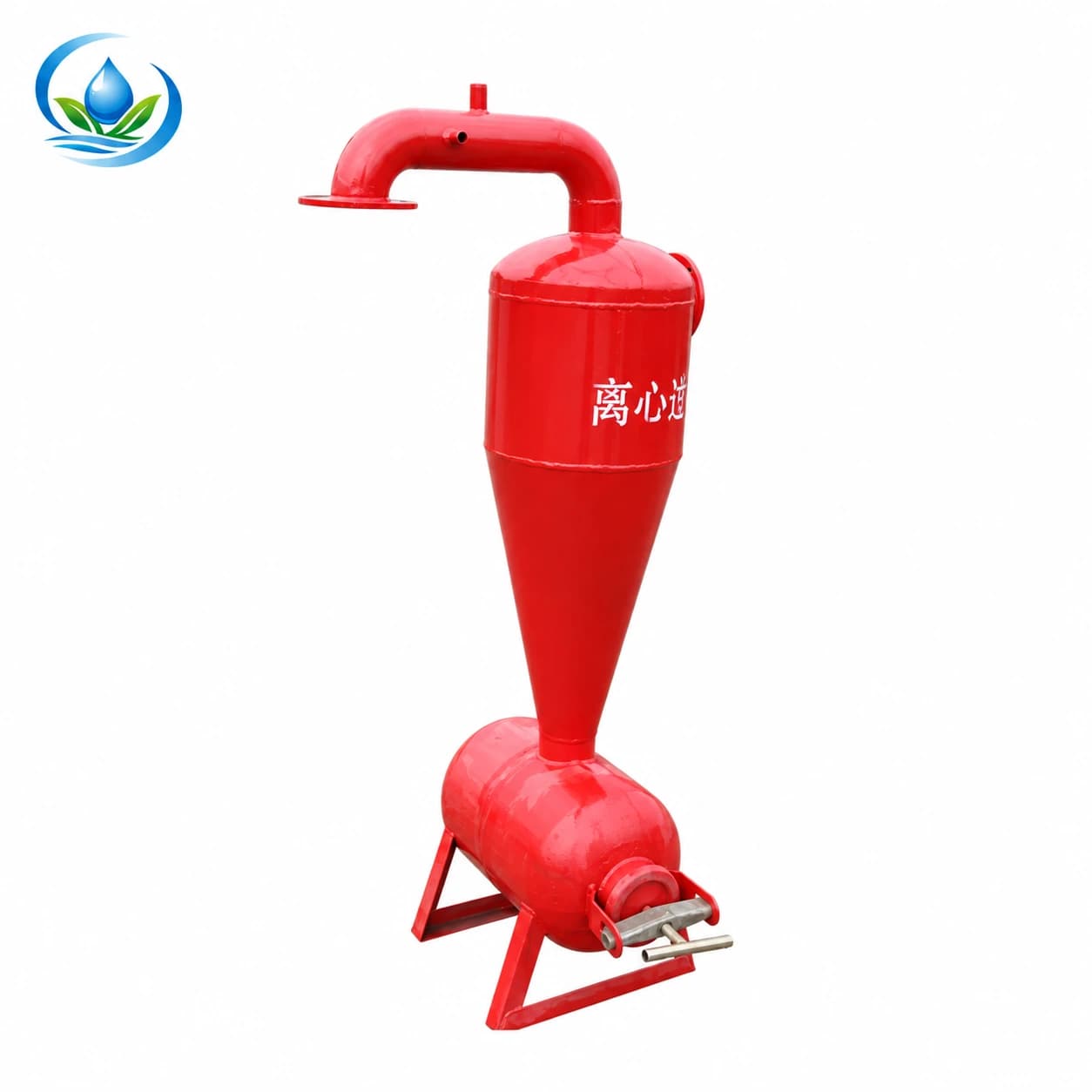
filters
Out of stock
View details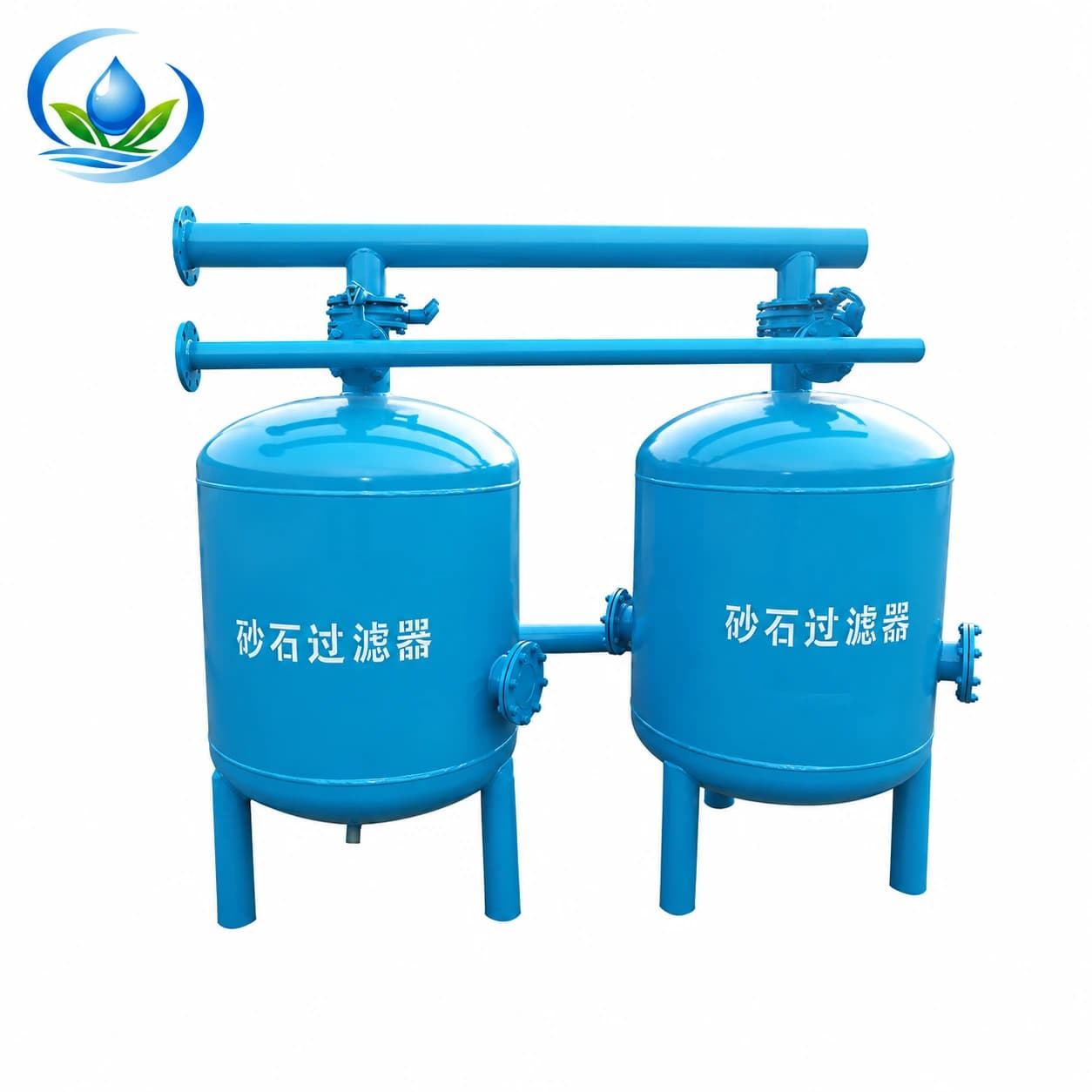
filters
Out of stock
View details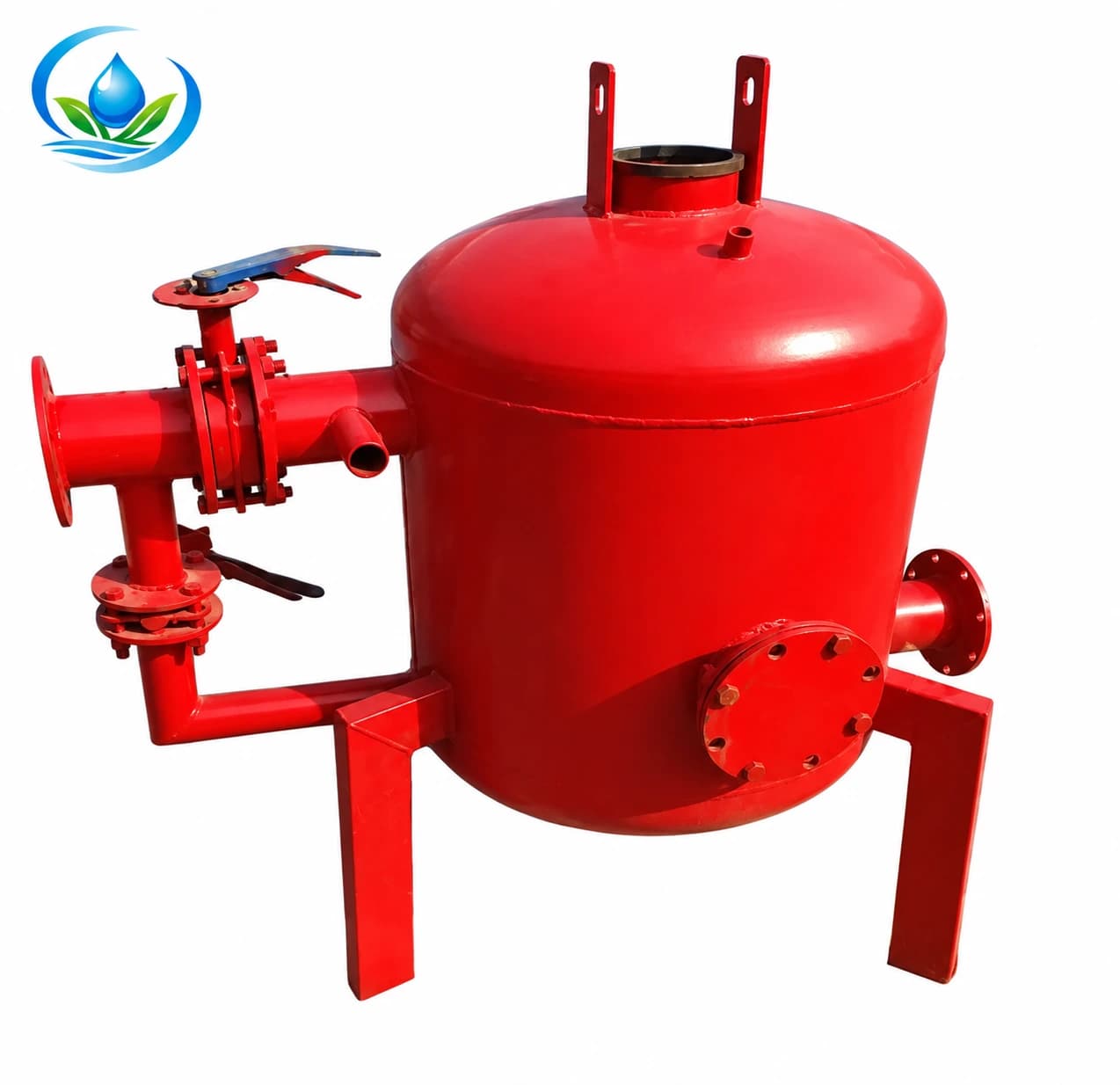
filters
Out of stock
View details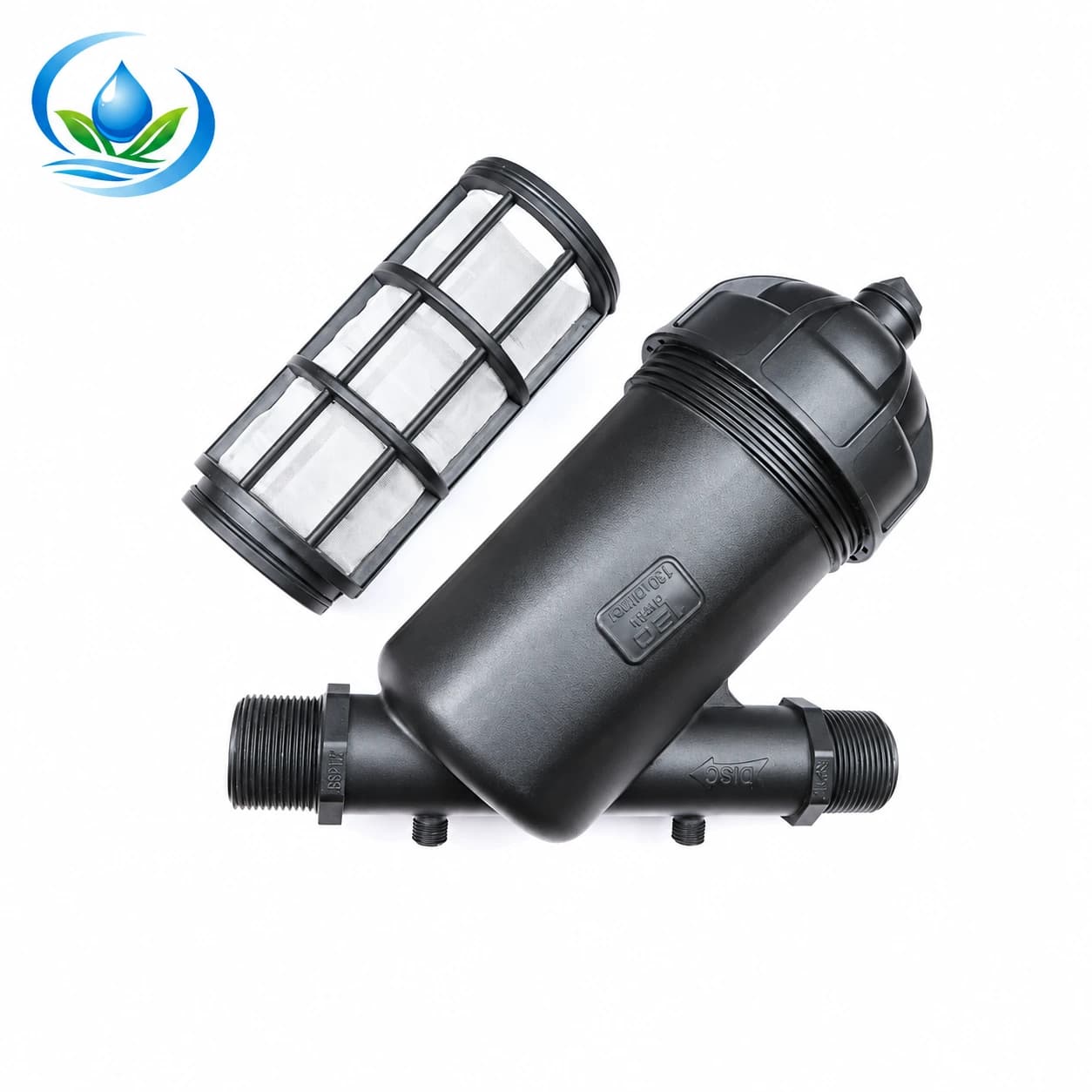
filters
Out of stock
View details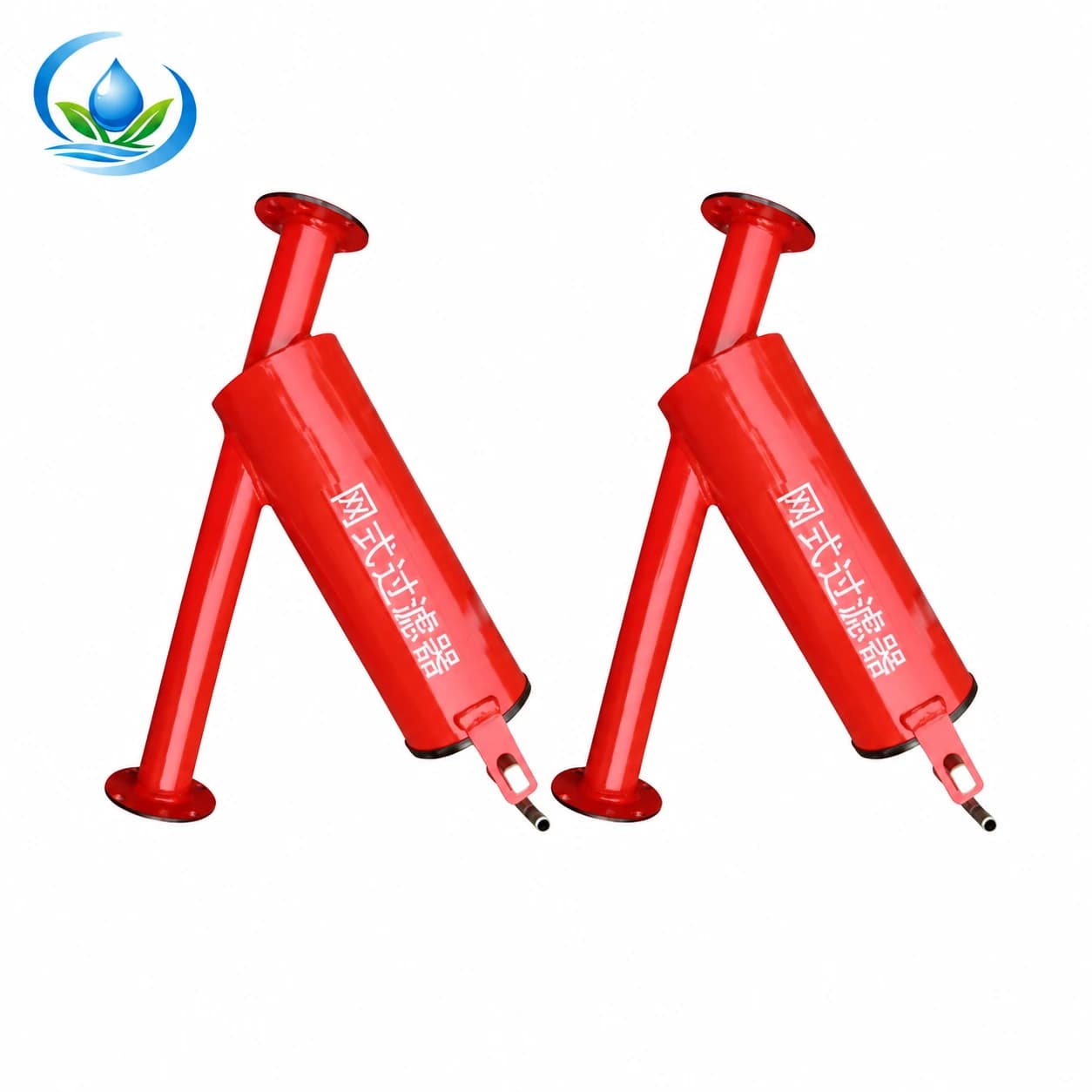
filters
Out of stock
View detailsMatch your tubing diameter, connector type and water pressure before you add the finishing touches.
Field guide
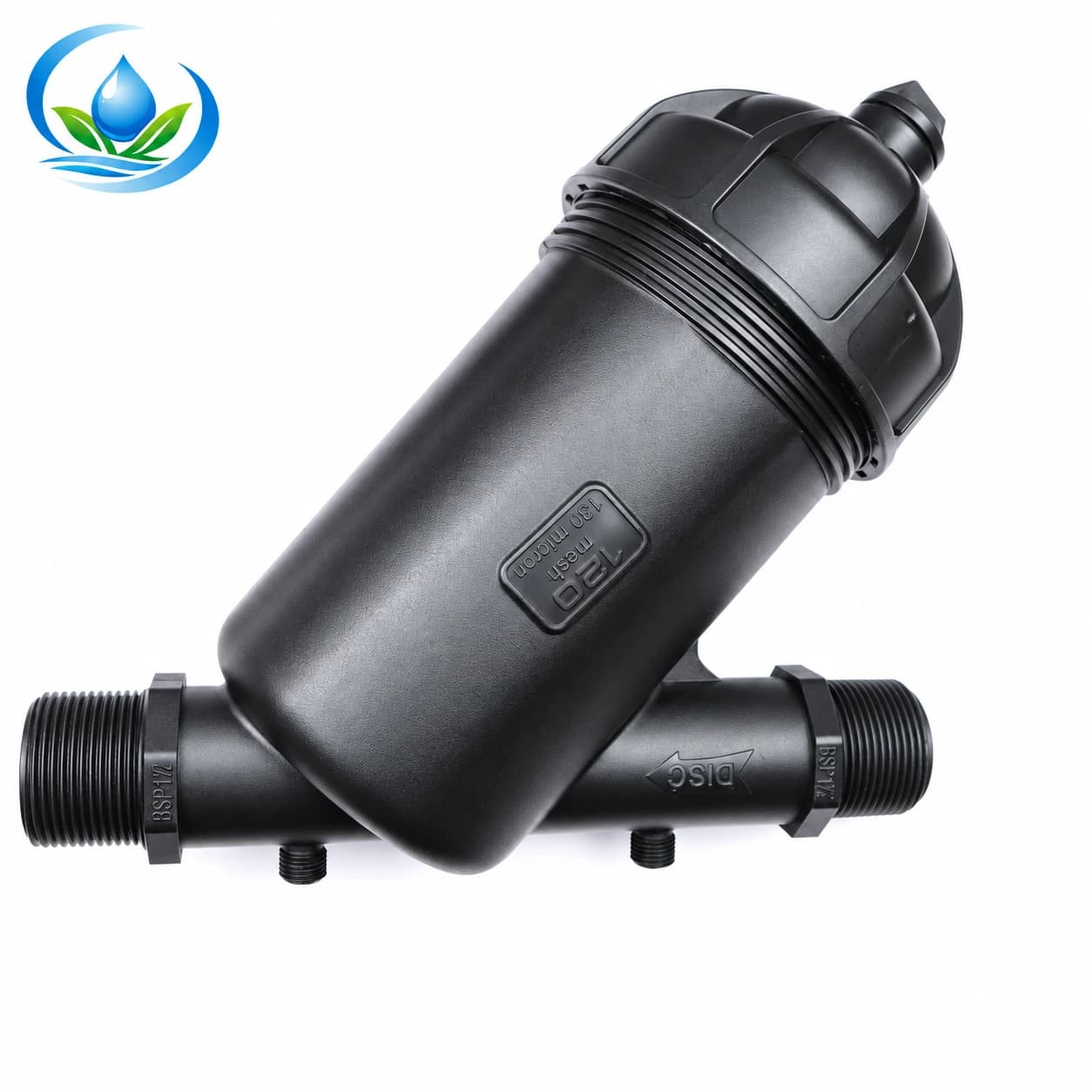
An irrigation filter protects downstream emitters and nozzles by capturing particles before they enter the distribution line. Disc filter irrigation is often considered where a removable element can be cleaned; screen and media filters serve different particle loads and maintenance needs. The correct filter depends on water quality and the smallest outlet in the system.
Check mesh or filtration rating, maximum flow, working pressure and inlet and outlet size for the selected model. Allow access for cleaning and pressure checks. A sand separator handles heavier grit but does not automatically replace fine filtration.
An irrigation filter should be chosen from the actual water source and the smallest emitter or nozzle downstream. Wells may carry sand; surface water may carry organic debris; a stored supply can develop other loads. Disc filter irrigation, screen cartridges and sand-media units solve different maintenance problems. The filter that fits a pipe thread but is undersized for zone flow will create avoidable pressure loss.
Water passes through a filtering element that retains particles above a design threshold. Pressure drop increases as material accumulates. A screen is accessible for rinsing; stacked discs create a grooved flow path; media beds can handle appropriate higher particle loads when correctly sized and backwashed. None removes every dissolved substance, so water testing and treatment may still be necessary.
A sand filter for drip irrigation is often considered for water with organic or suspended loading. Confirm the media vessel's rated flow and backwash demand; it may be paired with a screen or disc stage when the emitter specification requires finer protection.
Compare pressure across the filter during operation. Clean or backwash at the maker's trigger, and inspect seals before closing the housing. After cleaning, verify pressure recovery and check distant emitters. A repeated rapid pressure rise suggests a source-water problem or a filter size that needs reconsideration.
Isolate and depressurize the filter first. Follow its model instructions to rinse a screen, separate and wash disc elements, or backwash a media bed; the methods are not interchangeable. Reassemble seals correctly, restore flow and compare inlet and outlet pressure with a clean baseline.
Use the manufacturer's allowed pressure differential and your measured baseline. Dirty sources may need more frequent attention than a clean well.
Technical reference: USDA NRCS, National Engineering Handbook: Microirrigation. Use the selected product manual and local requirements for final design.