
filters
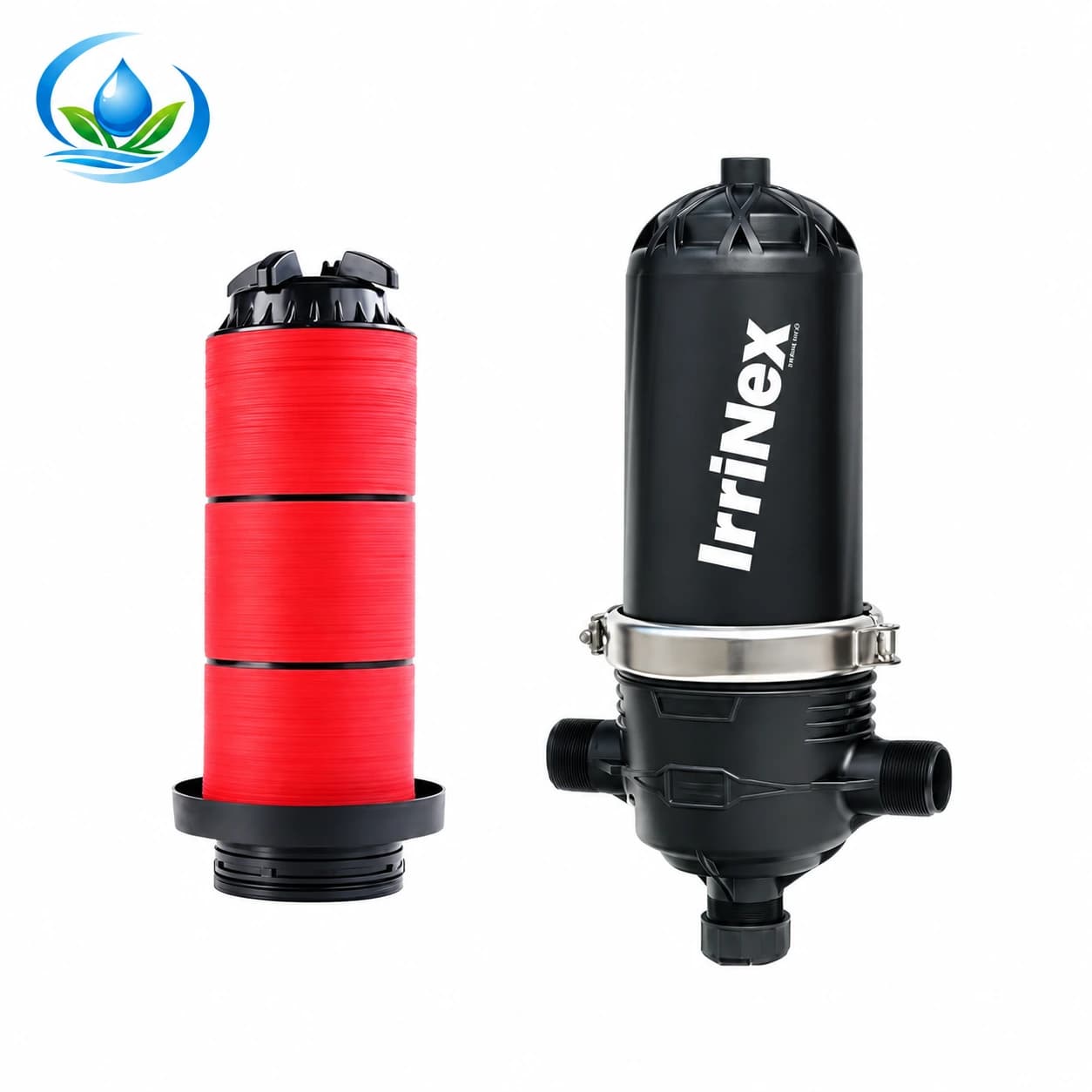
T-Type Disc Filter for Higher-Flow Irrigation Lines
2" (63 mm) / 2-1/2" (75 mm) / 3" (90 mm)
From$68.79
Choose optionsAgricultural irrigation, direct to you
Shop disc filters for irrigation lines and drip emitter protection. Compare disc filter for irrigation flow, rating and clean-out access.
2 products
Showing 1–2
filters
2" (63 mm) / 2-1/2" (75 mm) / 3" (90 mm)
From$68.79
Choose options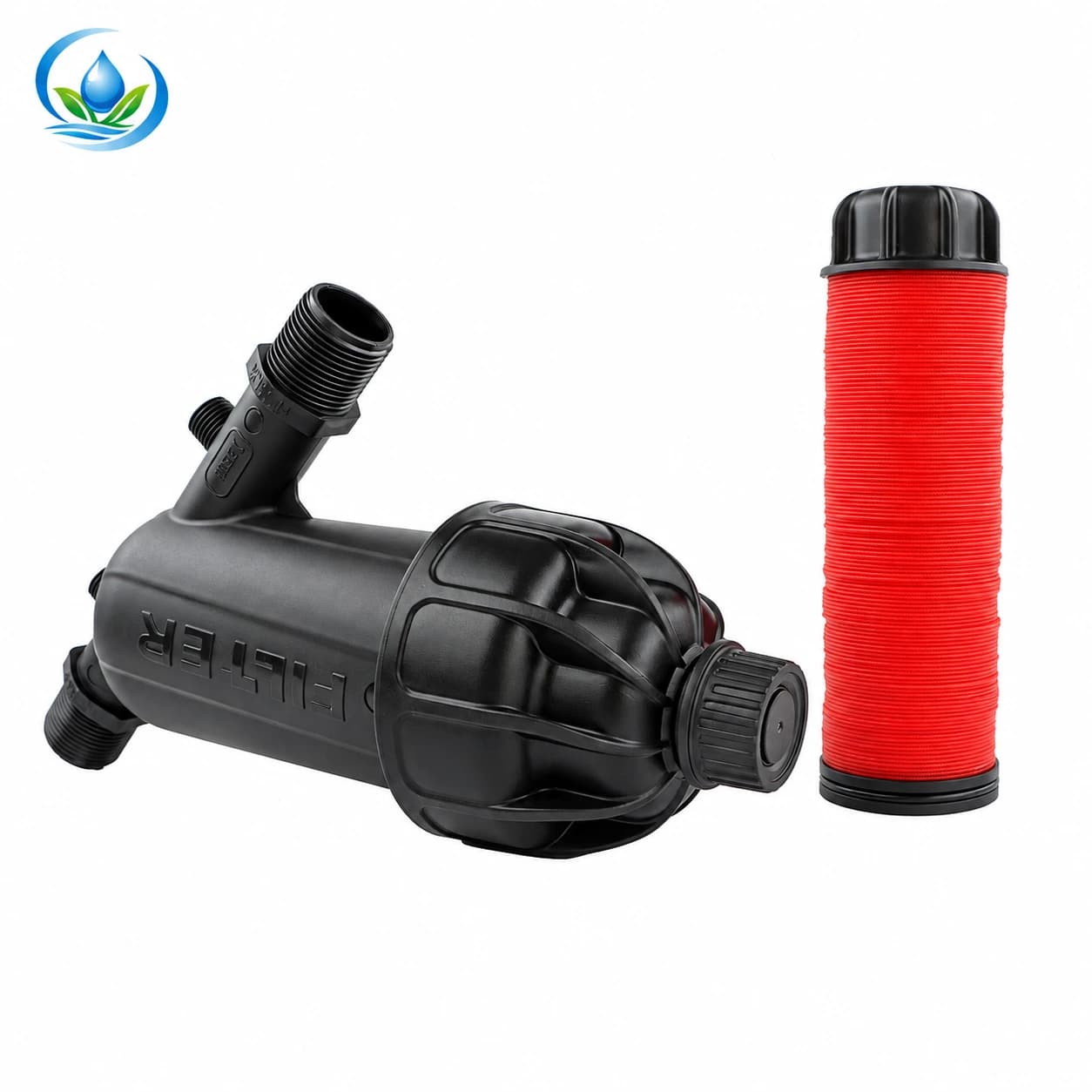
filters
3/4" (25 mm) / 1" (32 mm) / 1-1/2" (50 mm) / 2" (63 mm) / 2-1/2" (75 mm) / 3" (90 mm)
From$13.19
Choose optionsMatch your tubing diameter, connector type and water pressure before you add the finishing touches.
Field guide
Disc filters trap particles in a stack of grooved discs and can be cleaned according to the product's procedure. This diagram shelf links the listed disc filter for irrigation models, which differ in body shape and connection size.
Choose a filtration rating for the smallest downstream outlet, then compare operating flow, pressure loss, maximum pressure and cleaning access. Check the source water and any sand-separation step; a disc element may clog rapidly when asked to handle heavy grit alone.
A disc filter for irrigation protects small downstream passages where its rating and flow match the water source. The diagram route has a limited set of related products. Position it where an operator can remove or backwash the element and measure pressure loss. A compact filter that fits the pipe may still be too small for the combined zone flow.
A stack of grooved discs creates a particle-retaining flow path. Solids accumulate and increase differential pressure until the element is cleaned. Disc filters have different ratings and cleaning methods, including manual removal and automatic backwash. Filtration grade should follow emitter recommendations and real water quality, not an arbitrary color or label.
A drip irrigation disc filter traps particles between grooved discs and requires periodic cleaning as the pressure difference rises. Match the model's rated flow and filtration grade to the selected emitters and leave room to remove the cartridge.
Clean when the permitted pressure loss is reached, inspect seals and reassemble the disc stack correctly. Retest pressure after cleaning. If disc filter irrigation performance degrades rapidly, investigate incoming solids or an undersized unit rather than repeatedly increasing pump pressure.
Isolate and depressurize it, then follow the model's disc-removal or backwash procedure and inspect seals before restart.
Match required particle retention, real zone flow, allowed pressure loss and cleaning capacity.
Technical reference: USDA NRCS, National Engineering Handbook: Microirrigation. Use the selected product manual and local requirements for final design.