
Pipe, Tubing & Hose
Shop irrigation pipe, PE tubing and layflat hose for mains, submains and laterals. Compare diameter, pressure and connection type.
Pipe, Tubing & Hose
5 products
Showing 1–5
pipe tubing hose
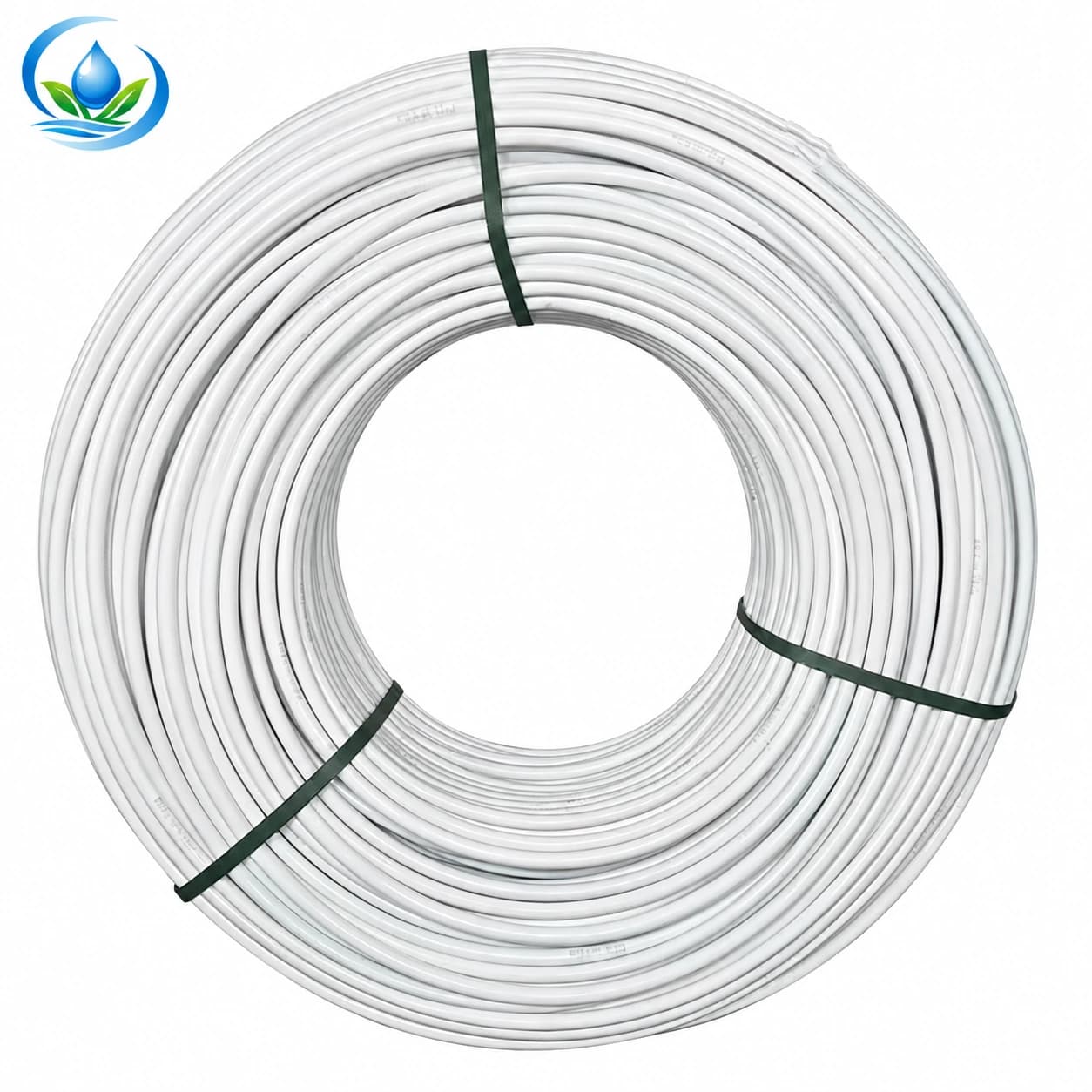
Blank PE Drip Irrigation Tubing for Custom Emitter Layouts
- Outer diameter
- 16 mm / 20 mm / 25 mm
- Wall thickness
- 1.0 mm / 1.5 mm / 1.8 mm
Out of stock
View details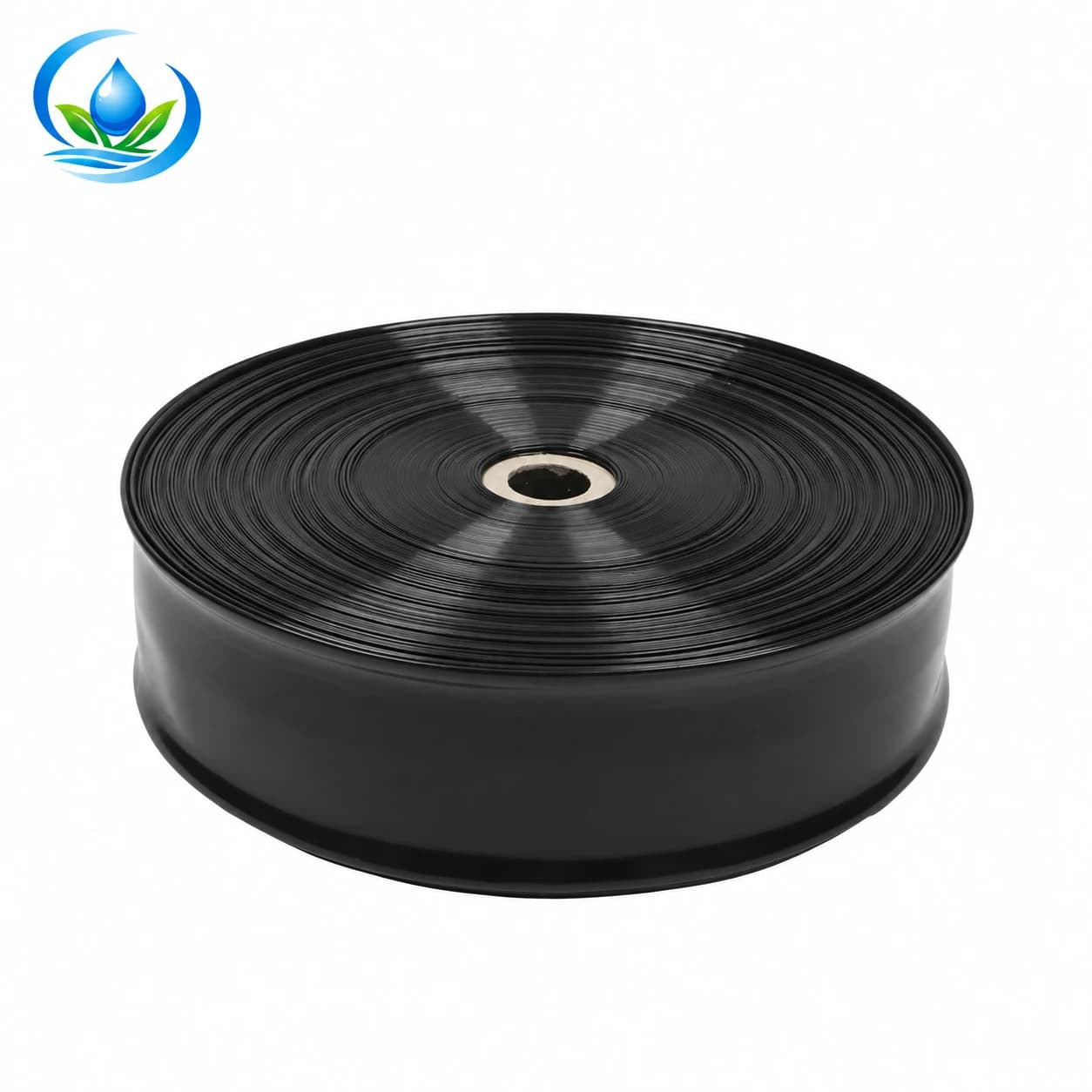
pipe tubing hose
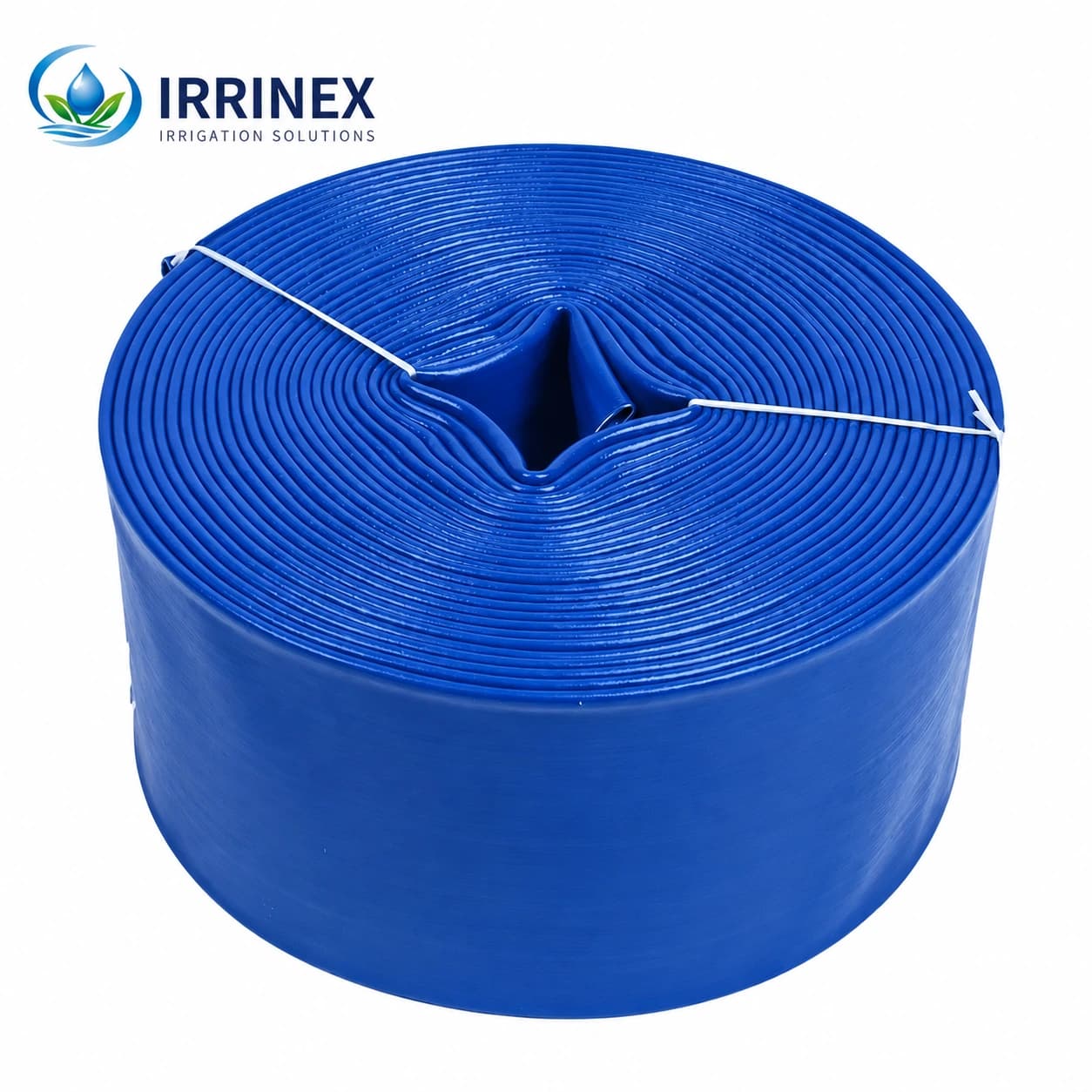
PE Layflat Irrigation Hose for Field Water Transfer
- Diameter
- 1" / 2" / 3" / 4" / 6"
- Working Pressure
- 2 / 3 / 4 / 6bar
- Burst Pressure
- 6 / 9 / 12 / 18bar
- Roll Length
- 50 / 100m
Out of stock
View details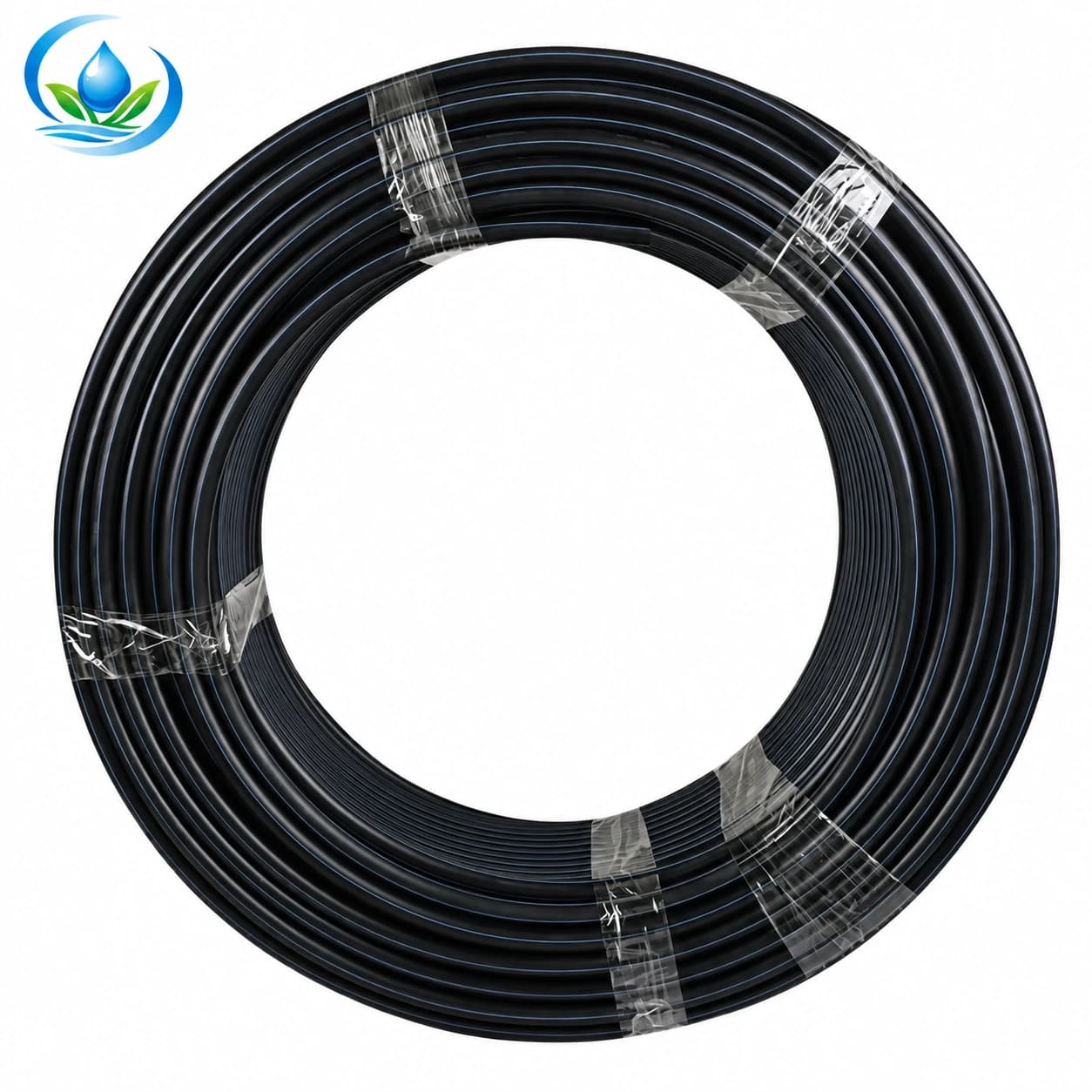
pipe tubing hose
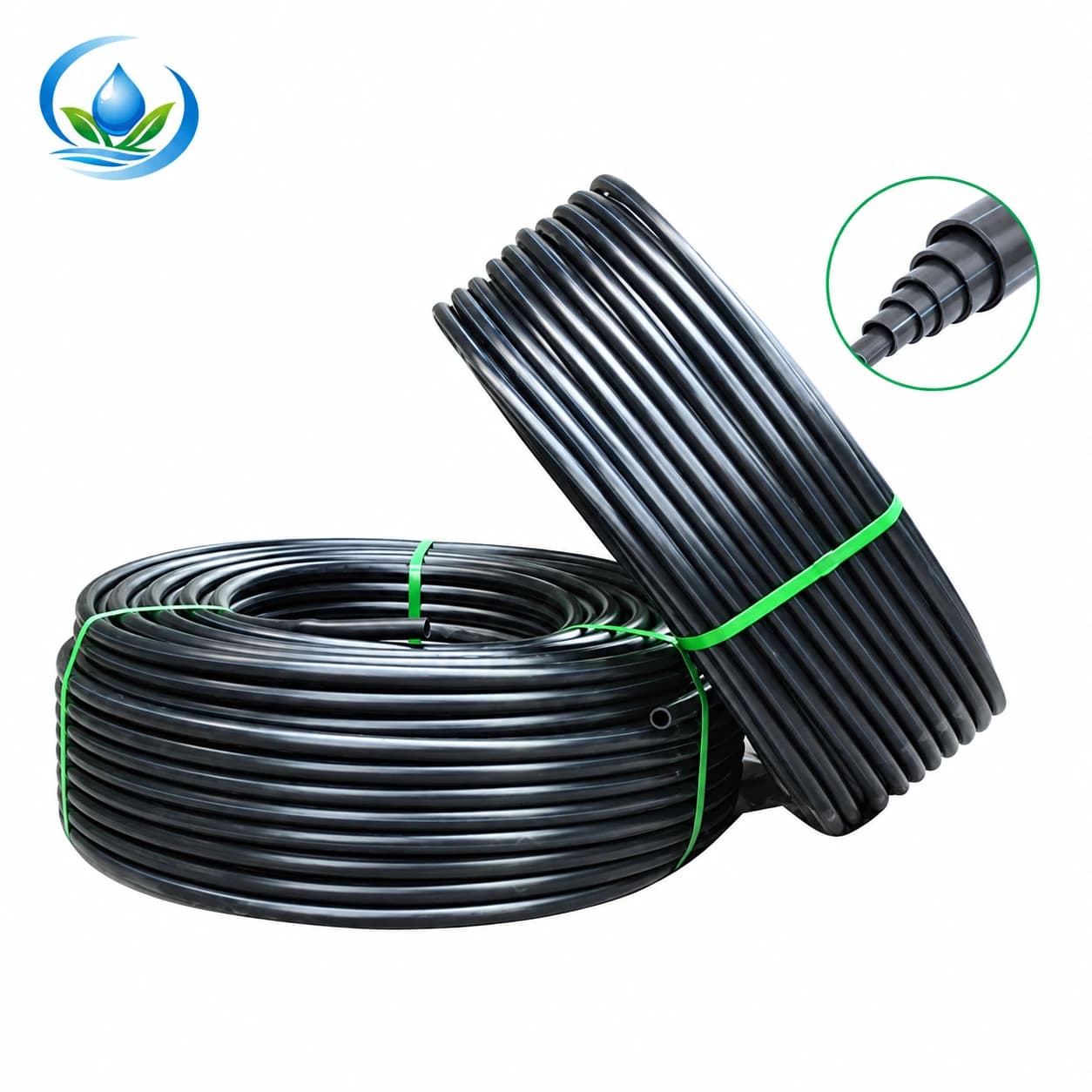
PE Irrigation Mainline Pipe for Farm Water Supply
- Outer diameter
- 32 mm / 40 mm / 50 mm / 63 mm / 75 mm / 90 mm / 110 mm / 160 mm
- Material
- PE80 / PE100
- Pressure class
- PN10 / PN16 / PN6
- SDR
- 13.6 / 9 / 17 / 11 / 21 / 26
Out of stock
View detailsCheck compatibility before ordering
Match your tubing diameter, connector type and water pressure before you add the finishing touches.
Field guide
Guide to pipe, tubing & hose
Irrigation pipe carries water from the source to the field or greenhouse; smaller tubing distributes it to emitters. The available range includes PE mainline, blank lateral tubing and layflat hose. An irrigation supply pipe must be sized for the number of outlets running at once and acceptable pressure loss.
Check inside and outside diameter, wall or pressure rating, roll length and the intended joining method. Match fittings to the actual pipe material and dimensions. A layflat discharge hose may need different connectors from a permanent PE mainline.
Where and when to use it
Irrigation pipe carries water from the source to zone valves, then smaller tubing or hose distributes it toward crops. This category currently has a limited range, including flexible options; do not assume every pipe type is offered. A permanent buried main, movable lay-flat hose and drip lateral have different pressure, handling and connection needs. Draw lengths and elevations before choosing material.
How it works
Friction reduces pressure along any line, and loss rises with flow and length. Pipe diameter, wall and material affect the internal passage and pressure rating. Lay flat irrigation hose is easy to store when empty but needs compatible connectors and protection from abrasion. An irrigation supply pipe must safely carry the combined flow of the zones downstream of it.
Irrigation tubing serves local crop outlets, while lay flat hose often acts as a movable supply line. Compare diameter, pressure class, material, joining method and sun exposure before treating these as substitutes for a buried mainline.
How to plan and install it
- Mark the source, valves, branches and farthest outlets on a scaled route.
- Calculate simultaneous flow and pressure losses, including filter, fittings, elevation and pipe length.
- Select rated pipe or hose and matching joins, supports and protection for surface or buried use.
- Flush the route, pressure-test joints and compare pressure at the farthest operating point.
Operation and maintenance
Inspect surface hose for abrasion, crushing and UV exposure beyond its rating. Fix leaking couplings and avoid sharp bends that reduce flow. Keep an as-built route so future digging avoids buried pipe. If pressure is weak at the end, check for leaks and size losses before replacing the pump.
Common questions
How to fix broken irrigation pipe?
Shut off and drain the affected section, identify the pipe material and dimensions, and cut back to undamaged ends. Fit a repair coupling rated for that pipe and pressure, flush the line before closing it, then pressure test and inspect for leaks.
When is lay-flat hose useful?
It can suit temporary or movable water transfer where its rated pressure, coupling method and abrasion protection fit the job.
Technical reference: UGA Extension, Irrigation and Technology Assessment. Use the selected product manual and local requirements for final design.