
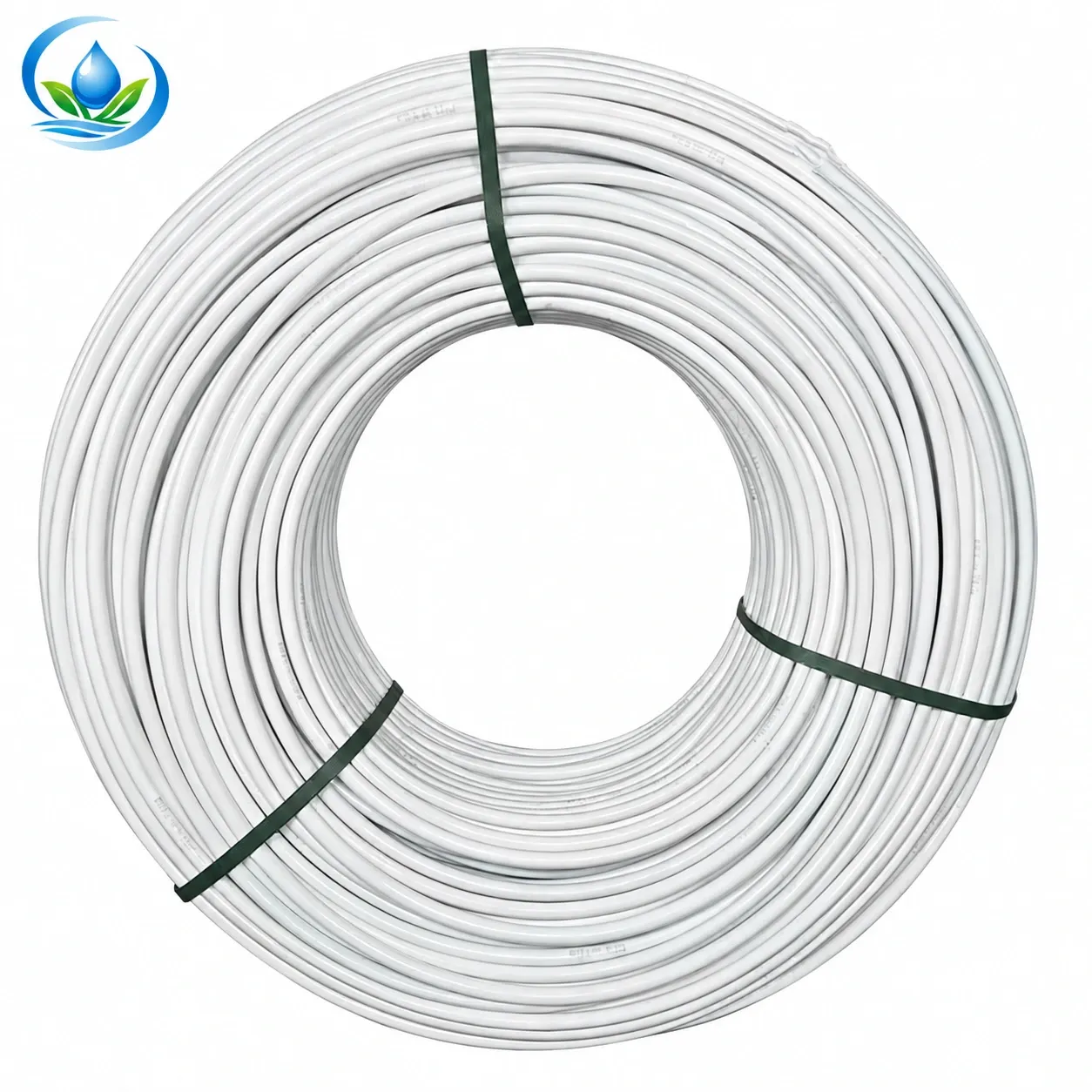
White PE Tubing for Greenhouse Drip Irrigation
White PE supply tubing for greenhouse watering layouts with separate outlets. Confirm inside diameter, outside diameter and coil length to match the intended connections.
$250.00
Agricultural irrigation, direct to you
Find polyethylene irrigation pipe for field mains and supply runs. Compare PE irrigation pipe diameter, pressure class and joining method.
3 products
Showing 1–3
White PE supply tubing for greenhouse watering layouts with separate outlets. Confirm inside diameter, outside diameter and coil length to match the intended connections.
$250.00
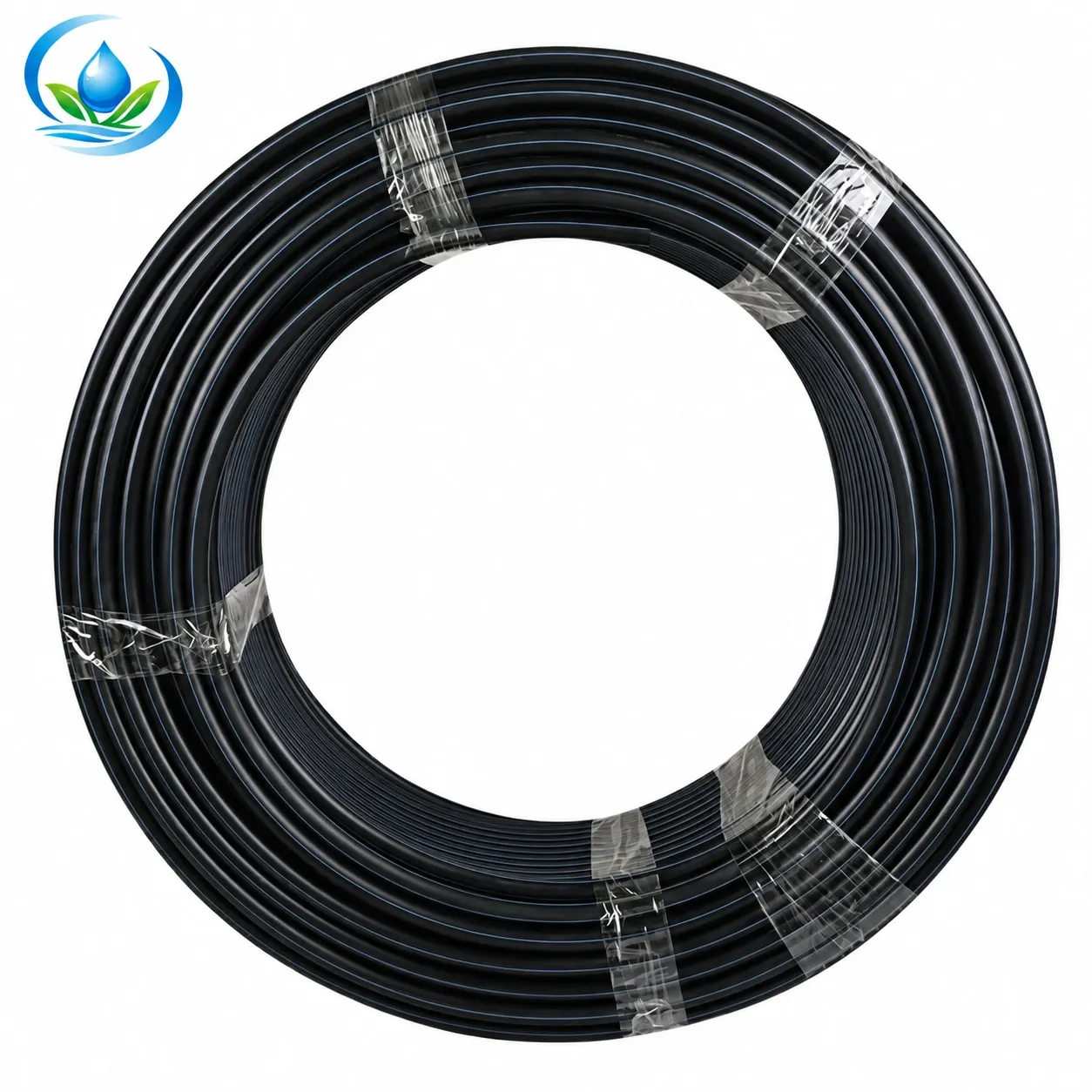
32 mm / 40 mm / 50 mm / 63 mm / 75 mm / 90 mm / 110 mm / 160 mm
From$5.70
Choose options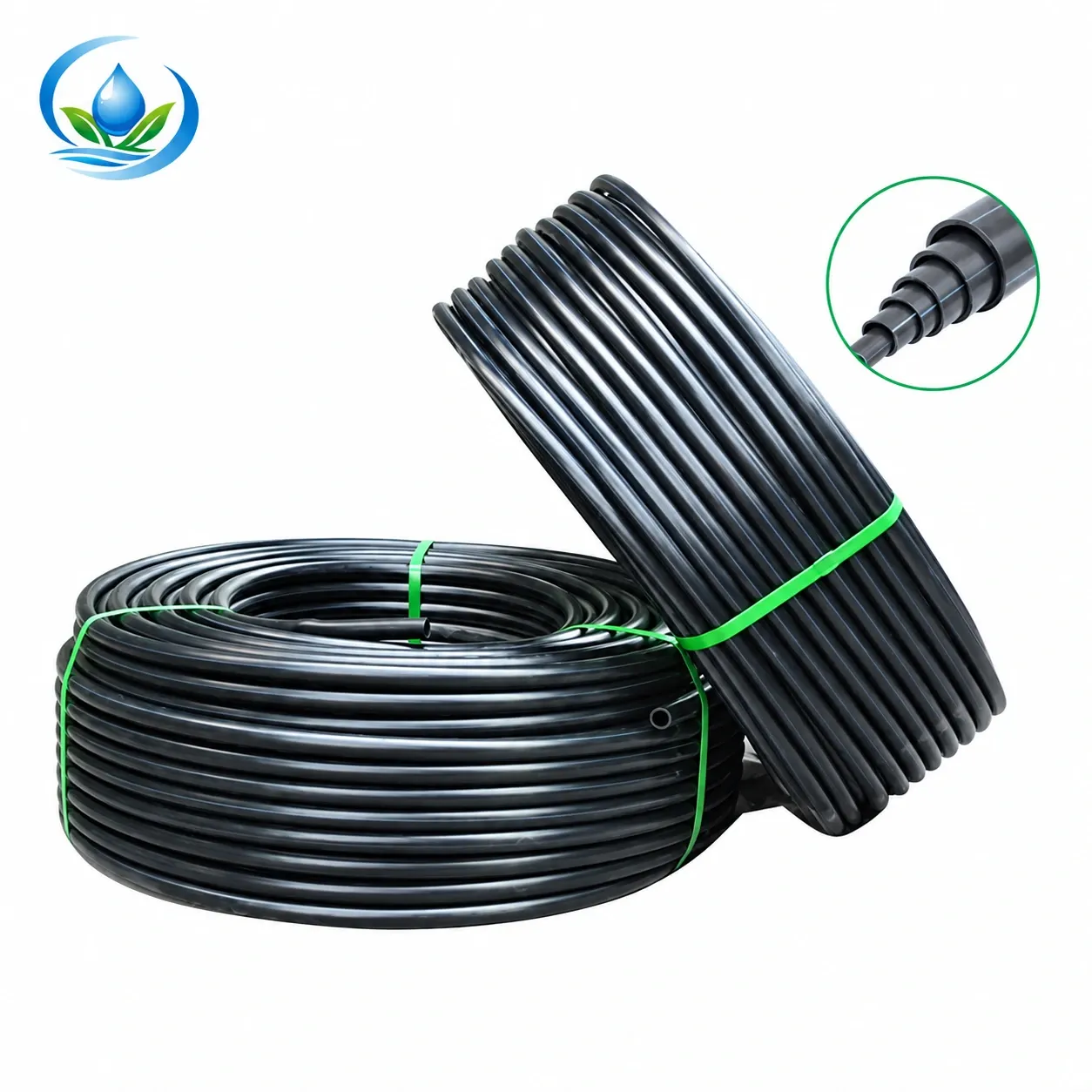
Match your tubing diameter, connector type and water pressure before you add the finishing touches.
Field guide
Polyethylene irrigation pipe carries water between the source, valves and smaller distribution lines. This diagram shelf includes blank PE tubing and a mainline pipe, with different sizes and intended roles. PE irrigation pipe is chosen for the system flow and pressure, not only for its nominal diameter.
Check outside diameter, wall or pressure rating, roll or straight length and the actual connection method. Match fittings to the selected pipe material and dimensions. Plan access to valves and filters along the run.
Polyethylene irrigation pipe is a flexible distribution material used in some mains, submains and laterals when its rating suits the application. This diagram route has a small product selection, so compare the actual PE pipe marking rather than assuming every size is available. Plan buried depth or surface protection, connections and the route around sharp bends or traffic.
PE pipe carries water under its stated pressure rating; the internal diameter and length determine friction loss. It changes dimension with temperature and load, which affects how it is restrained and joined. PE irrigation pipe and HDPE irrigation pipe can refer to different grades and dimensional systems. Those names alone do not prove fitting compatibility.
Protect exposed pipe from abrasion and unintended vehicle loads. Keep a map of buried routes and inspect joints after pressure cycling. If a fitting leaks, verify the pipe's measured dimension and seal condition before replacing only the connector.
Identify the PE pipe's outside diameter and pressure class, shut off and drain the line, and cut out damaged material. Use a compatible repair fitting with the required insertion depth, flush out debris and pressure test before burying the connection again.
Use the actual outside diameter, material grade, wall or SDR and fitting approval.
Technical reference: USDA NRCS, National Engineering Handbook: Microirrigation. Use the selected product manual and local requirements for final design.