
pipe tubing hose
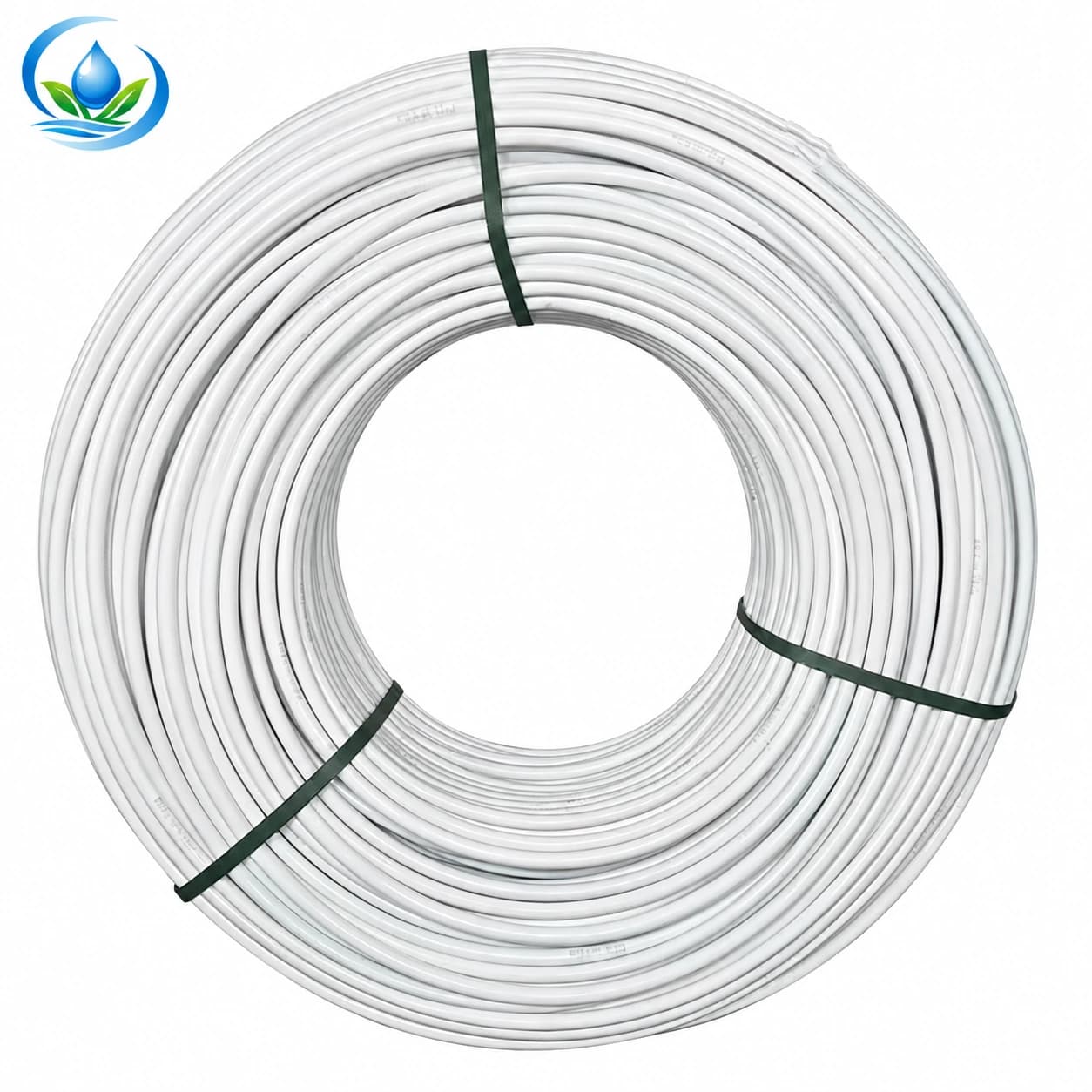
White PE Tubing for Greenhouse Drip Irrigation
Route irrigation water through greenhouse benches or rows with white PE tubing. Add compatible take-offs and emitters where each crop needs them.
Out of stock
View detailsAgricultural irrigation, direct to you
Compare drip irrigation tubing for a lateral line serving emitters. Match irrigation lateral pipe diameter to row length and outlet flow.
3 products
Showing 1–3
pipe tubing hose
Route irrigation water through greenhouse benches or rows with white PE tubing. Add compatible take-offs and emitters where each crop needs them.
Out of stock
View details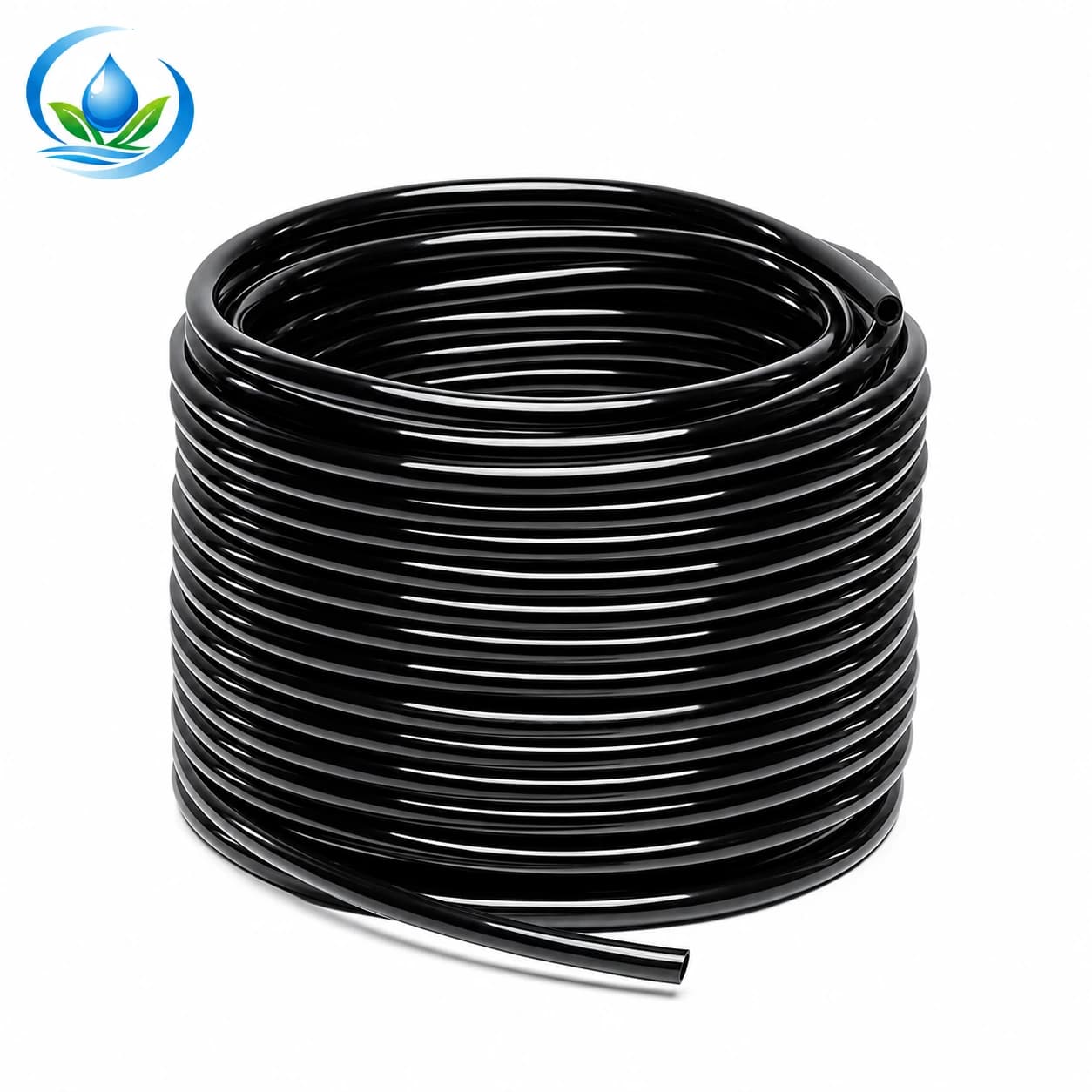
dripline drip tape
5 mm / 7 mm
From$0.42
Choose options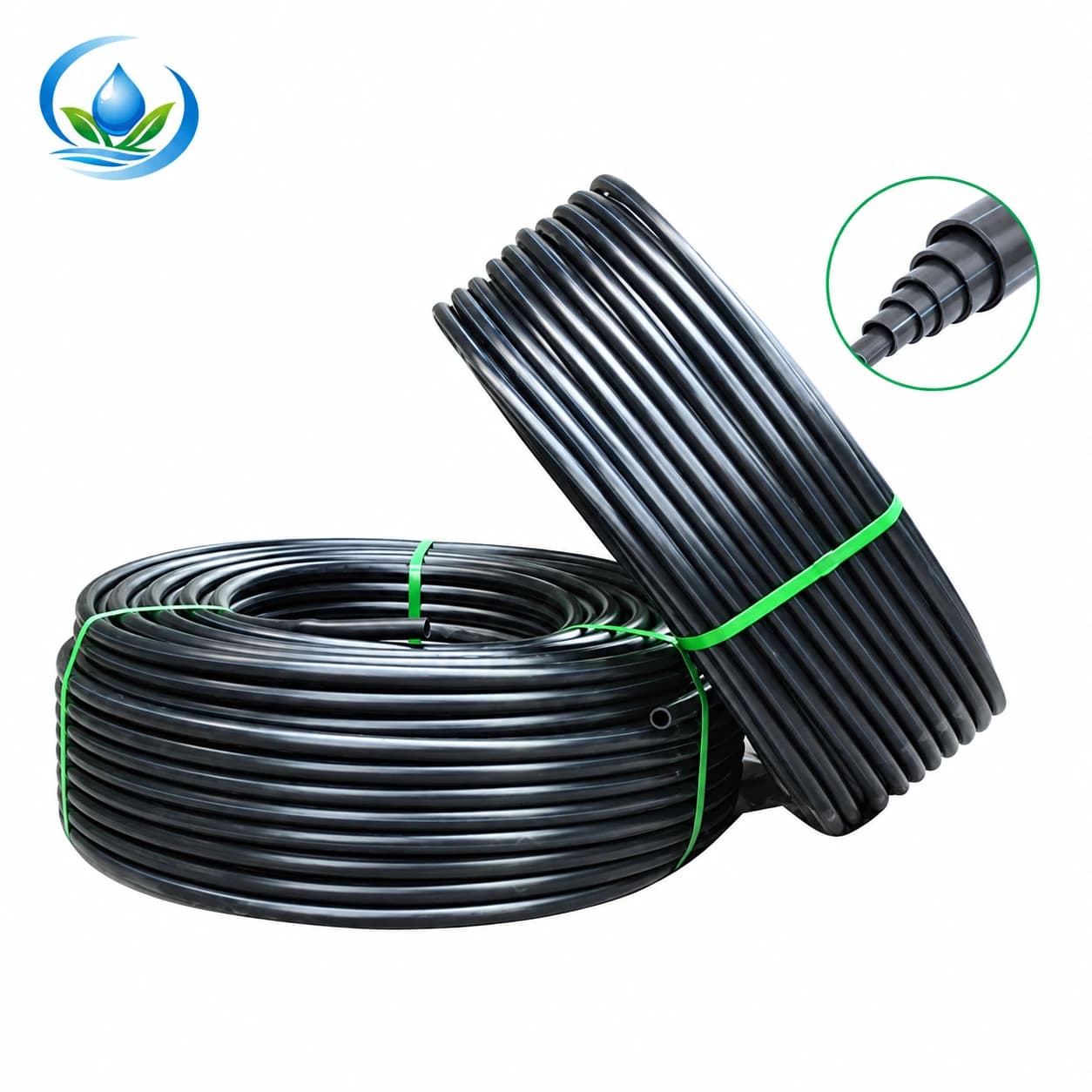
pipe tubing hose
16 mm / 20 mm / 25 mm
Out of stock
View detailsMatch your tubing diameter, connector type and water pressure before you add the finishing touches.
Field guide
A lateral line runs from a submain through the crop row or growing bench. This shelf contains blank tubing and small distribution lines used with installed emitters. Irrigation lateral pipe must carry enough water to the farthest outlet without exceeding the selected tubing's working pressure.
Choose drip irrigation tubing by actual inside and outside diameter, line length and the number and flow of attached emitters. Confirm that punches, barbs, takeoffs and end closures fit the chosen material.
An irrigation lateral pipe leaves a submain and runs alongside one crop row or a small group of plants. It is the last distribution line before drip emitters, micro sprinklers or another outlet. This route currently lists a small set of relevant products; inspect each for diameter and use. The lateral layout should make end flushing and repair possible without dismantling the main supply.
The lateral carries a declining flow as outlets discharge along its length. Friction, elevation and outlet count create pressure differences from first to last device. Drip irrigation tubing can be both lateral and emitter carrier if it has inline outlets; plain pipe needs separate emitters or branches. The correct maximum run comes from hydraulic and product data.
A lateral irrigation pipe carries water along a crop row or outlet group after the submain. Choose its diameter and run length from flow and allowable pressure variation, and leave a way to flush the downstream end.
Open the end for periodic flushing, especially after construction or filter service. Walk for leaks and blocked outlets and repair with compatible couplers. If flow varies along the row, check pressure and line length before assuming every emitter is defective.
The mainline transports combined supply nearer the source; a lateral serves the crop-side outlets in a zone.
It normally needs designed emitters or openings; a plain closed pipe only transports water.
Technical reference: USDA NRCS, National Engineering Handbook: Microirrigation. Use the selected product manual and local requirements for final design.