
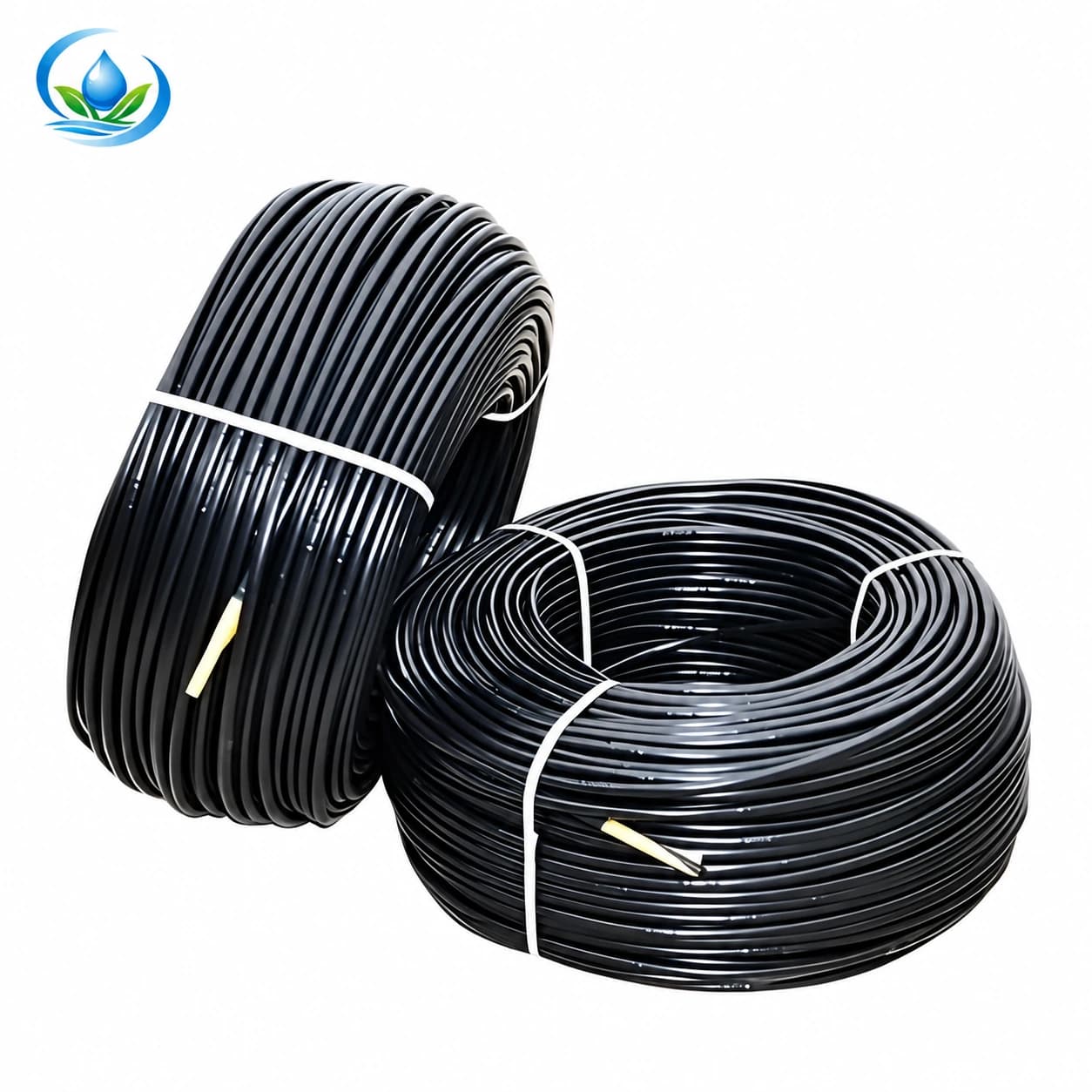
dripline drip tape
Inline Drip Line with Built-In Emitters for Crop Rows
- Diameter
- 16 mm
- Wall thickness
- 0.8 mm
- Emitter spacing
- 15 cm / 20 cm / 30 cm / 50 cm
- Flow rate
- 2 L/h / 3 L/h / 4 L/h
$150.00
Agricultural irrigation, direct to you
Compare drip tape and inline dripline for row crops, beds and orchards. Check line diameter, emitter spacing, wall type and flow before selecting a roll.
5 products
Showing 1–5
dripline drip tape
$150.00
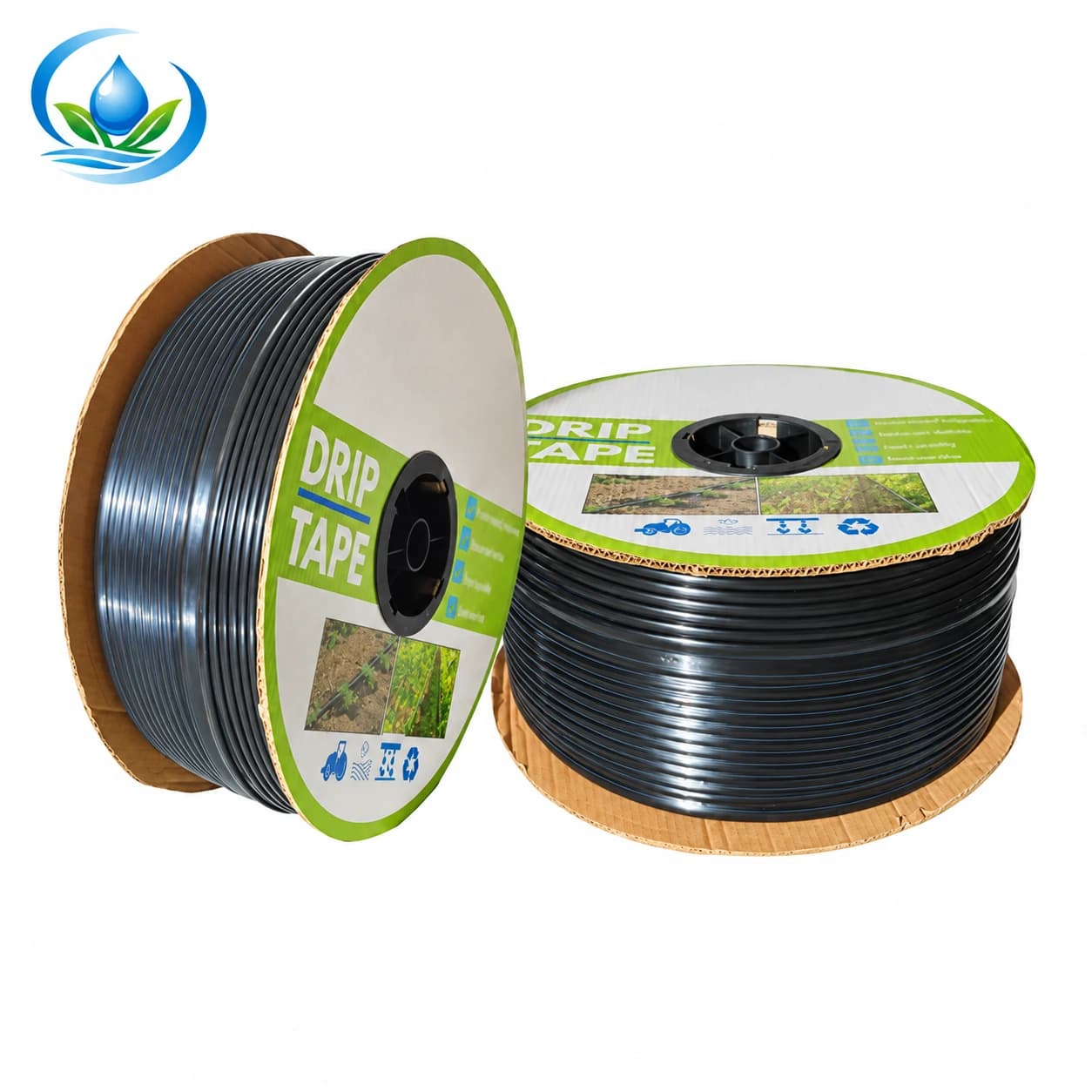
dripline drip tape
From$289.14
Choose options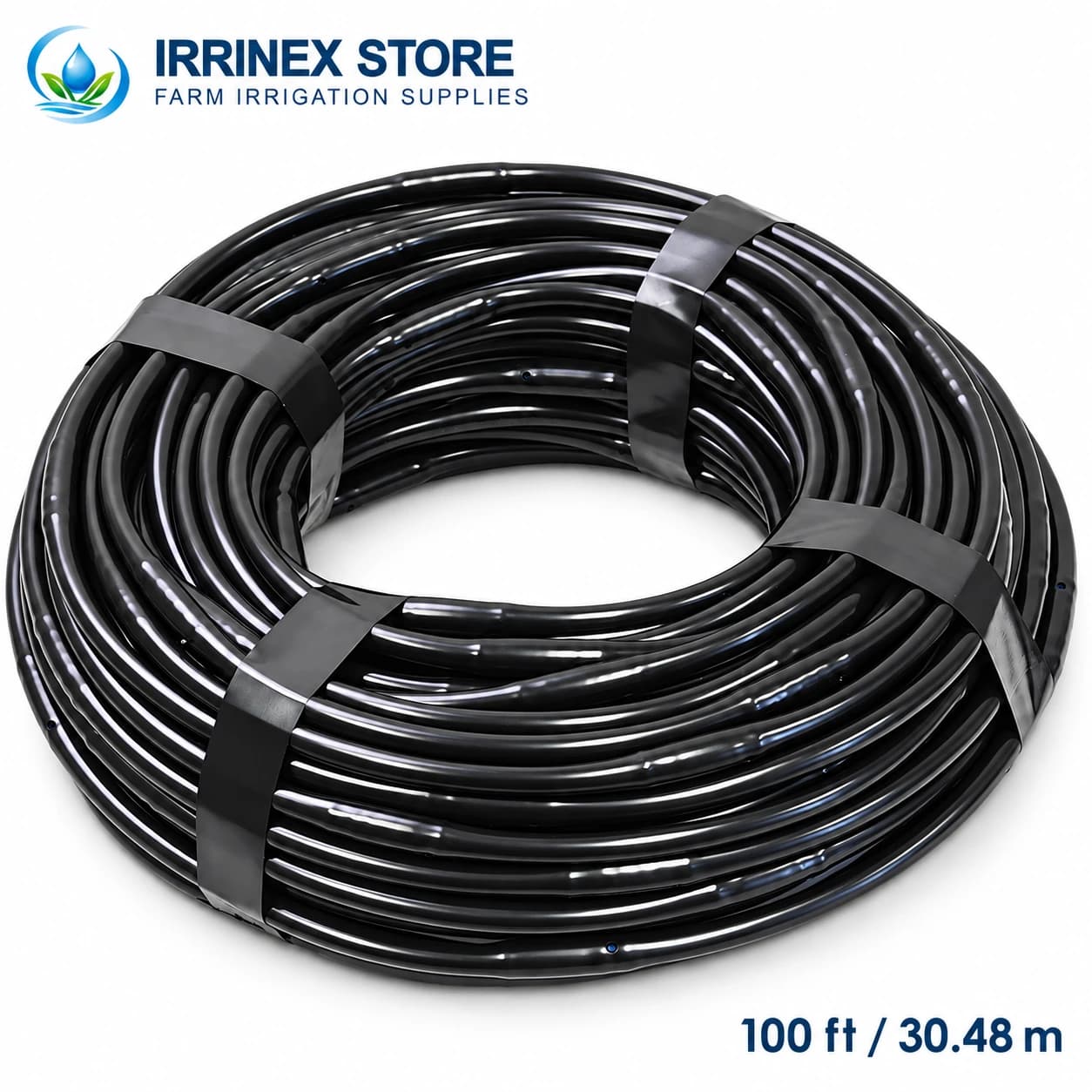
dripline drip tape
From$19.99
Choose options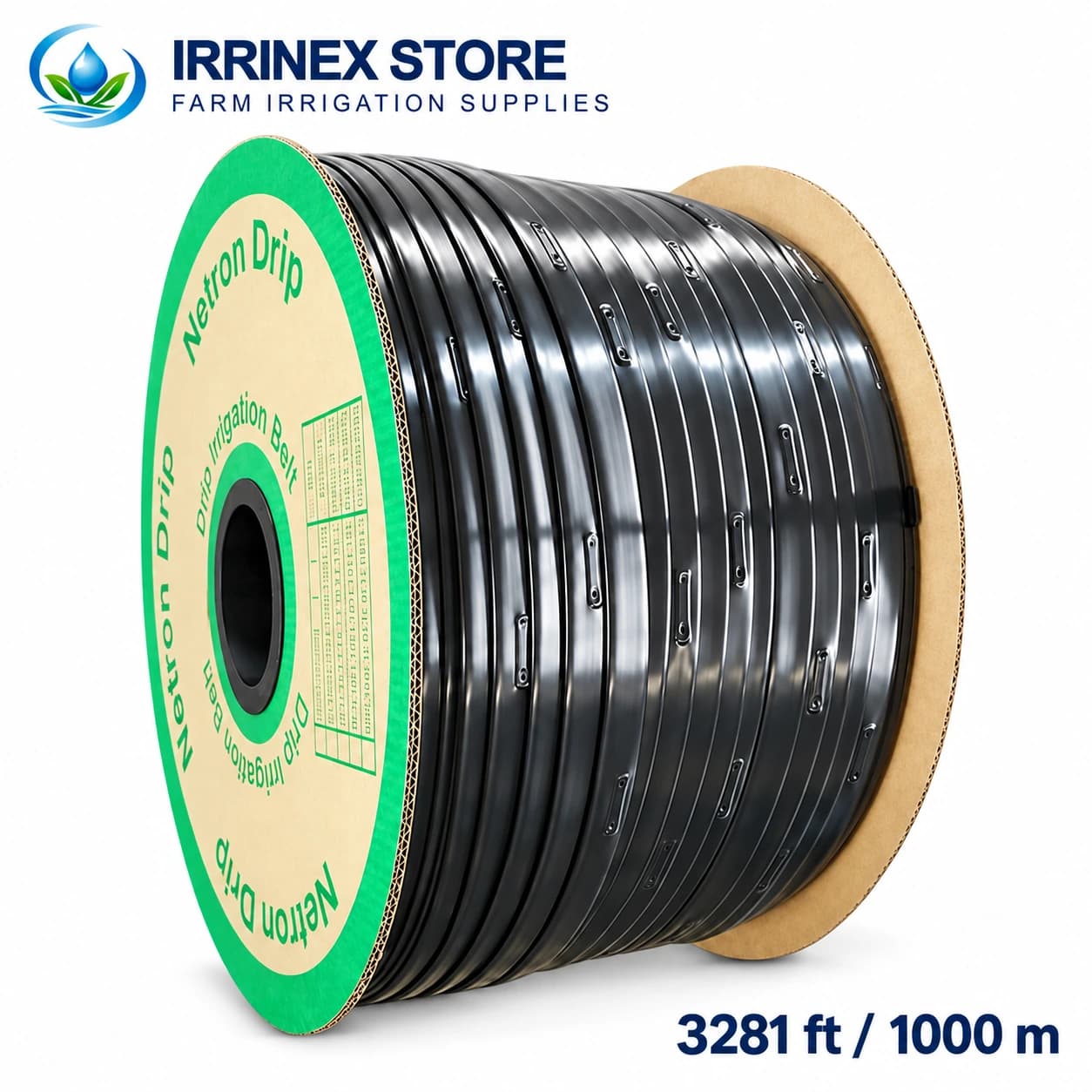
dripline drip tape
$149.99
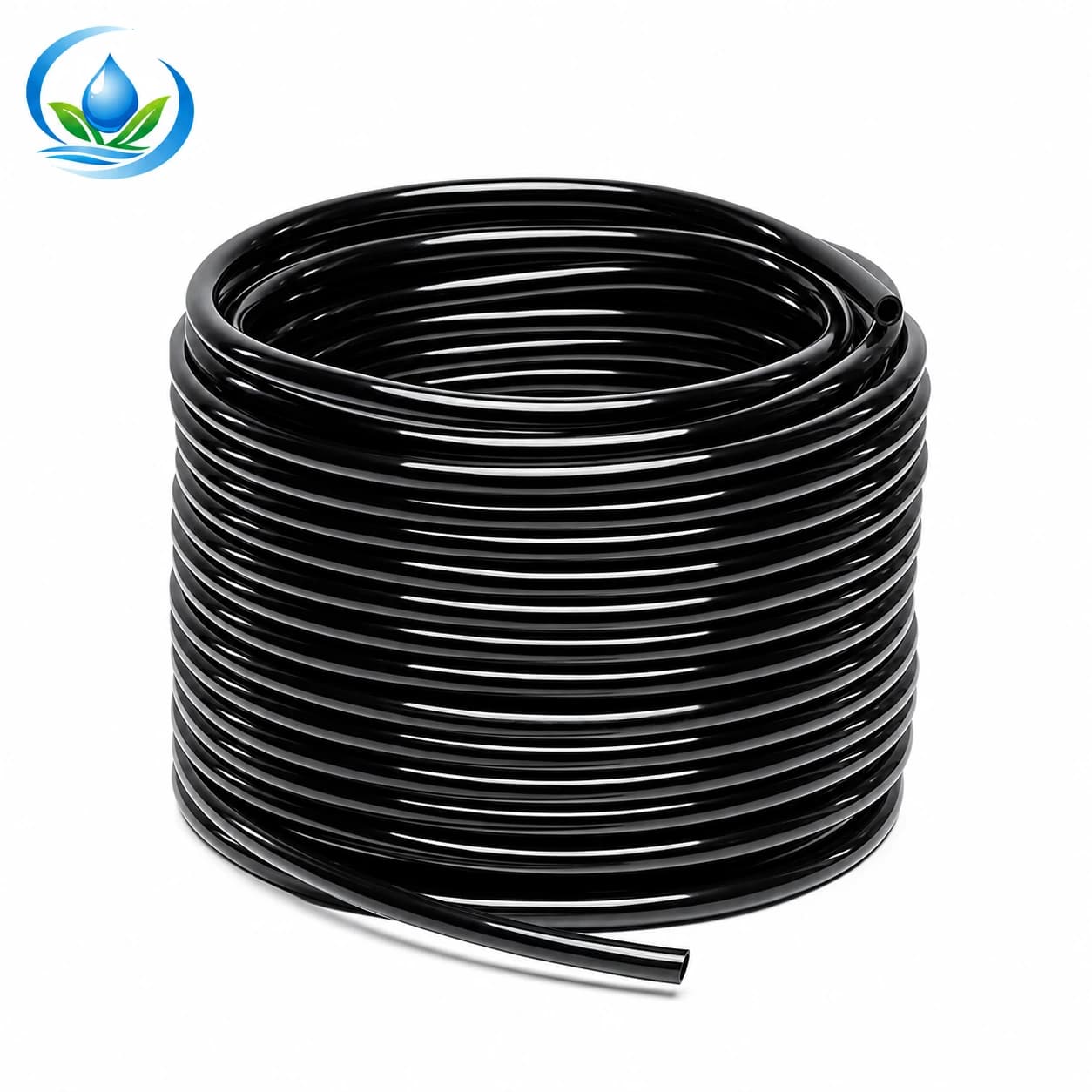
dripline drip tape
From$0.42
Choose optionsMatch your tubing diameter, connector type and water pressure before you add the finishing touches.
Field guide
Drip tape and dripline place emitters along a continuous lateral. Drip tape irrigation can suit closely spaced crop rows, while thicker inline dripline may suit layouts that need a more durable line. The right choice depends on the actual crop spacing, row length and installation plan, not on the name alone.
Compare inside and outside diameter, emitter spacing, flow per outlet, wall specification and roll length on each product. Check that the supply pressure and filter match the selected line, then choose compatible takeoffs, end closures and repair fittings.
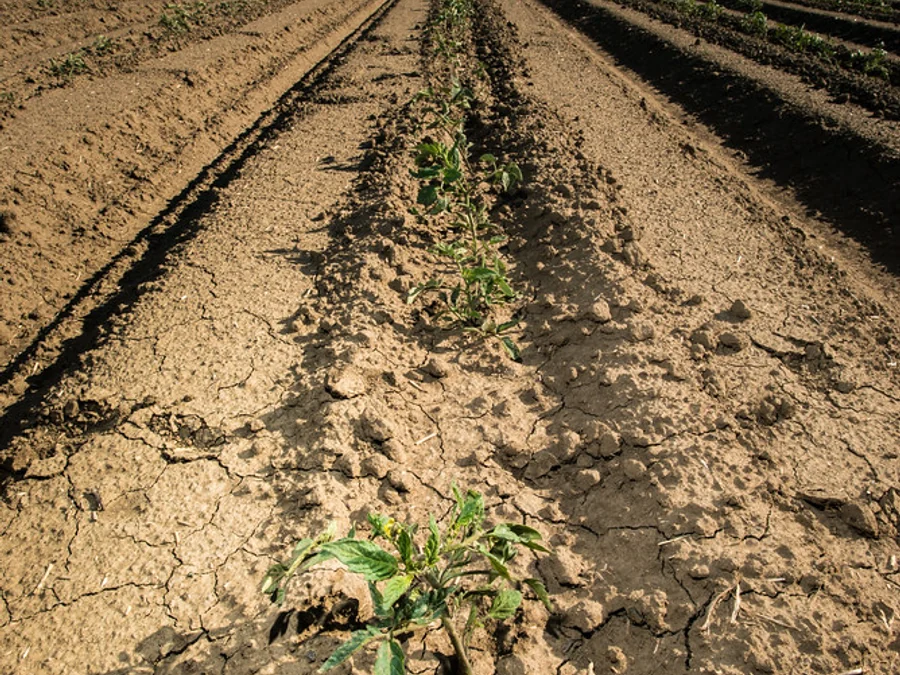
Drip tape irrigation is common in close, regularly spaced vegetable rows; inline dripline can suit repeated or longer-lived layouts when its wall and handling specifications fit the job. Neither term defines a universal lifespan. Consider how the line will be installed, retrieved and repaired, plus whether a crop has one or more planted rows per bed. A drawing of row lengths reveals the roll quantity and where end closures need access.
Both materials contain outlets at fixed intervals, so a lateral wets a series of points rather than a continuous strip instantly. Emitter flow, spacing and pressure determine the line's total demand. Long runs lose pressure through friction, and slope changes it further. A pressure-compensating model can moderate discharge variation only inside its published operating range; a thin tape and a thicker dripline should not be treated as interchangeable fittings.
Drip irrigation tubing usually has a thicker wall and a different reuse expectation than thin drip tape. For drip line irrigation in permanent beds or orchards, compare emitter spacing, flow per outlet, wall thickness and the maximum run length at your available pressure before choosing a line.
Inspect line ends for sediment and periodically flush according to water quality and field conditions. Check for kinks, punctures and uneven wet patches. At seasonal removal, coil or dispose of line according to the material and product instructions; never assume a tape intended for one installation can be reused indefinitely.
Lay the tape with its outlets in the orientation specified by its maker, connect it to a filtered and pressure-controlled supply, and keep row lengths within the design limit. Flush the tape before fitting end closures, then check that the first and last outlets wet the crop row evenly.
The maximum useful run depends on diameter, emitter flow and spacing, inlet pressure and slope. Use the manufacturer's length chart or a hydraulic calculation, then verify end pressure in the field.
Technical reference: Penn State Extension, Drip Irrigation for Vegetable Production. Use the selected product manual and local requirements for final design.