
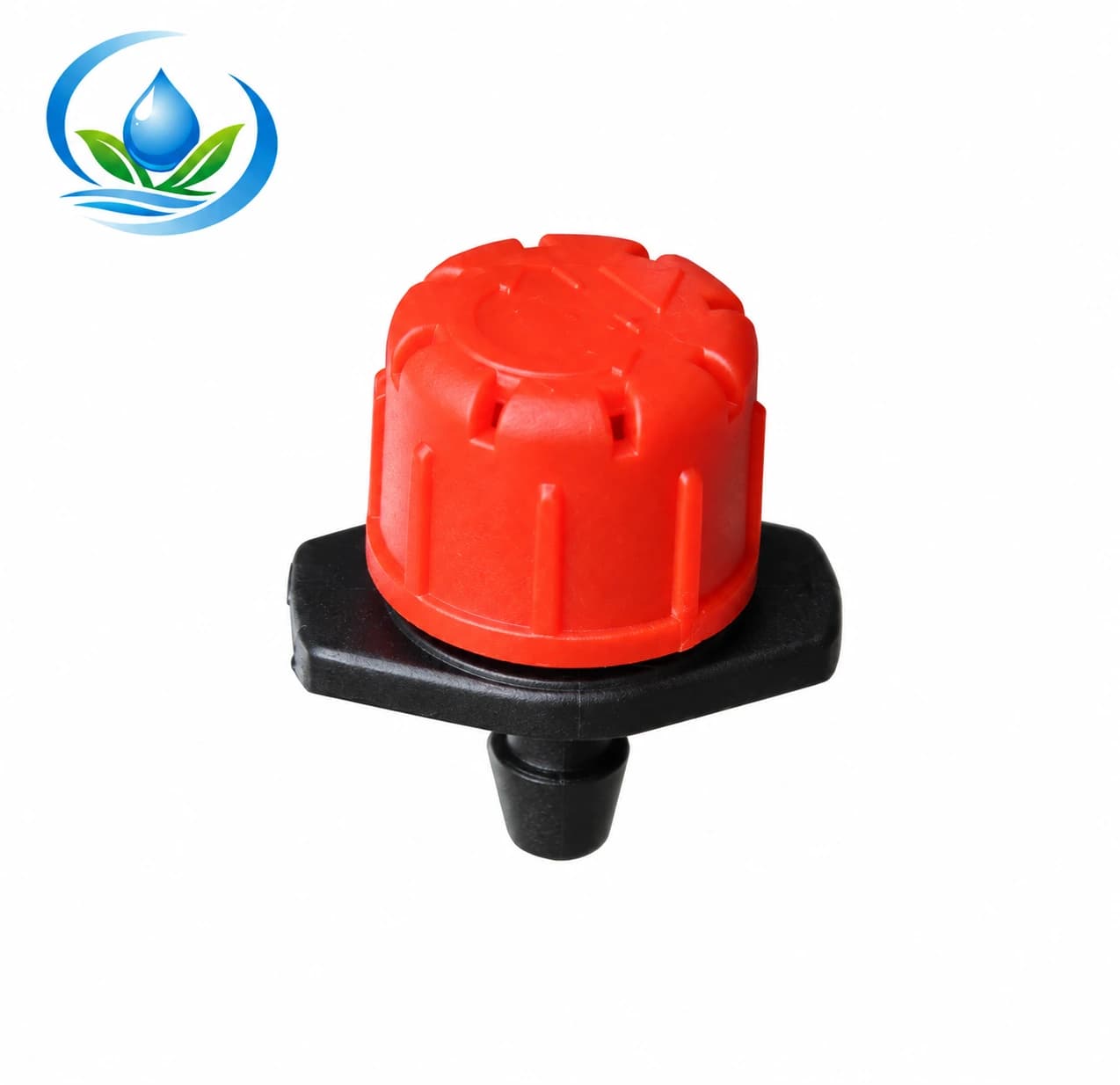
online drippers
0–70 L/h Adjustable Drip Emitter for Individual Plants
- Adjustable flow
- 0–70 L/h
From$6.99
Choose optionsAgricultural irrigation, direct to you
Shop drip irrigation emitters for point-source watering, including adjustable and pressure-compensating drippers. Match flow, pressure and tubing connection.
7 products
Showing 1–7
online drippers
From$6.99
Choose options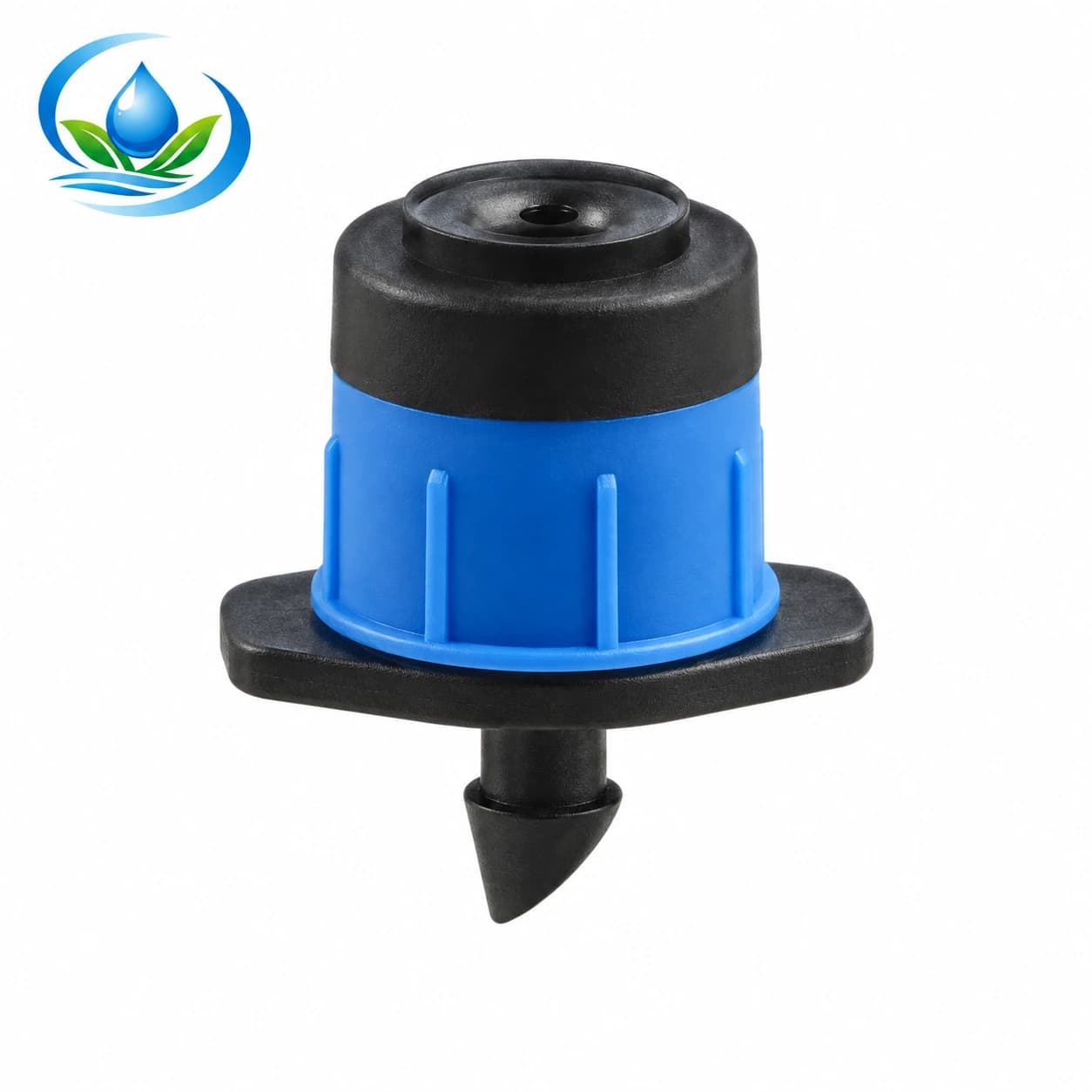
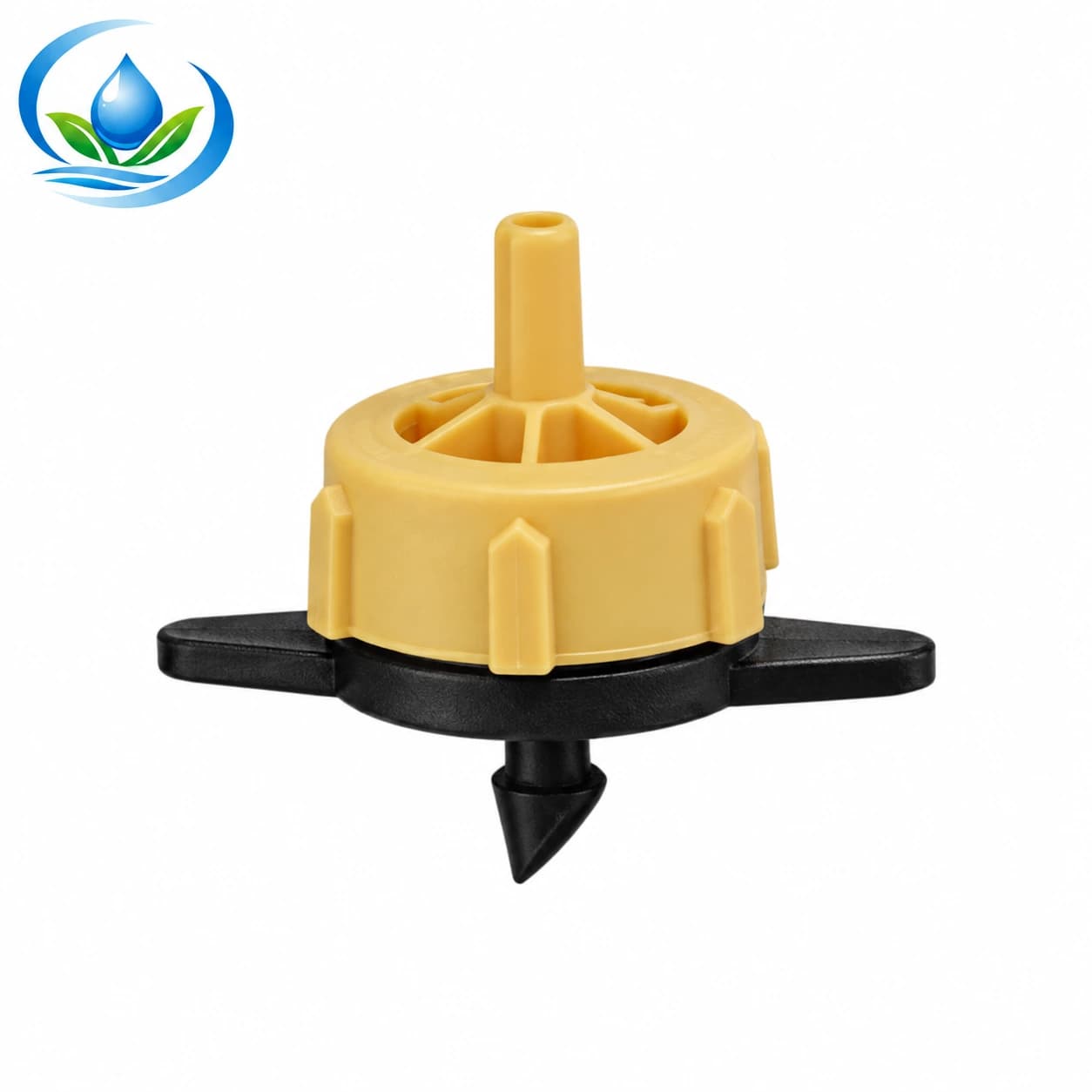
online drippers
From$0.30
Choose options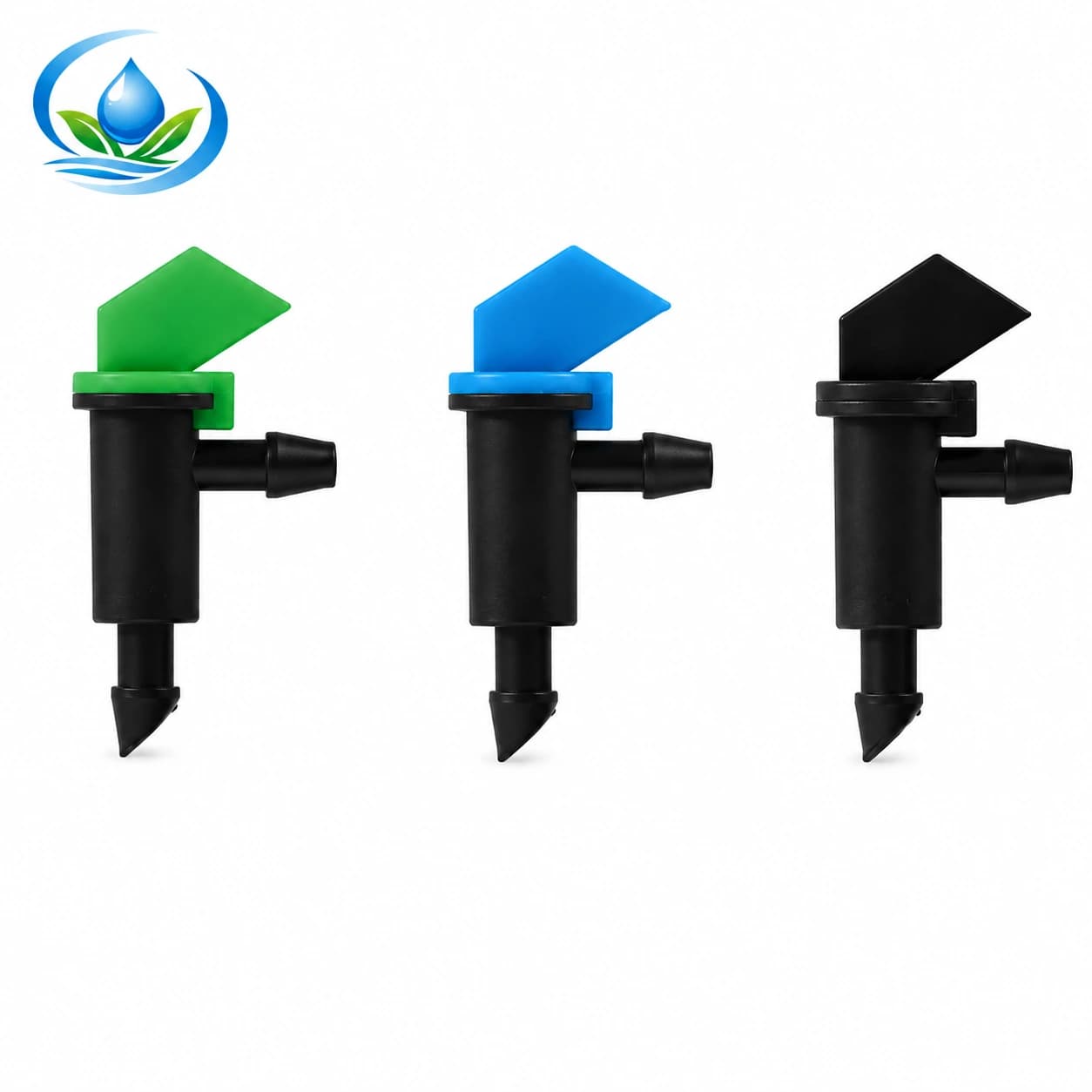
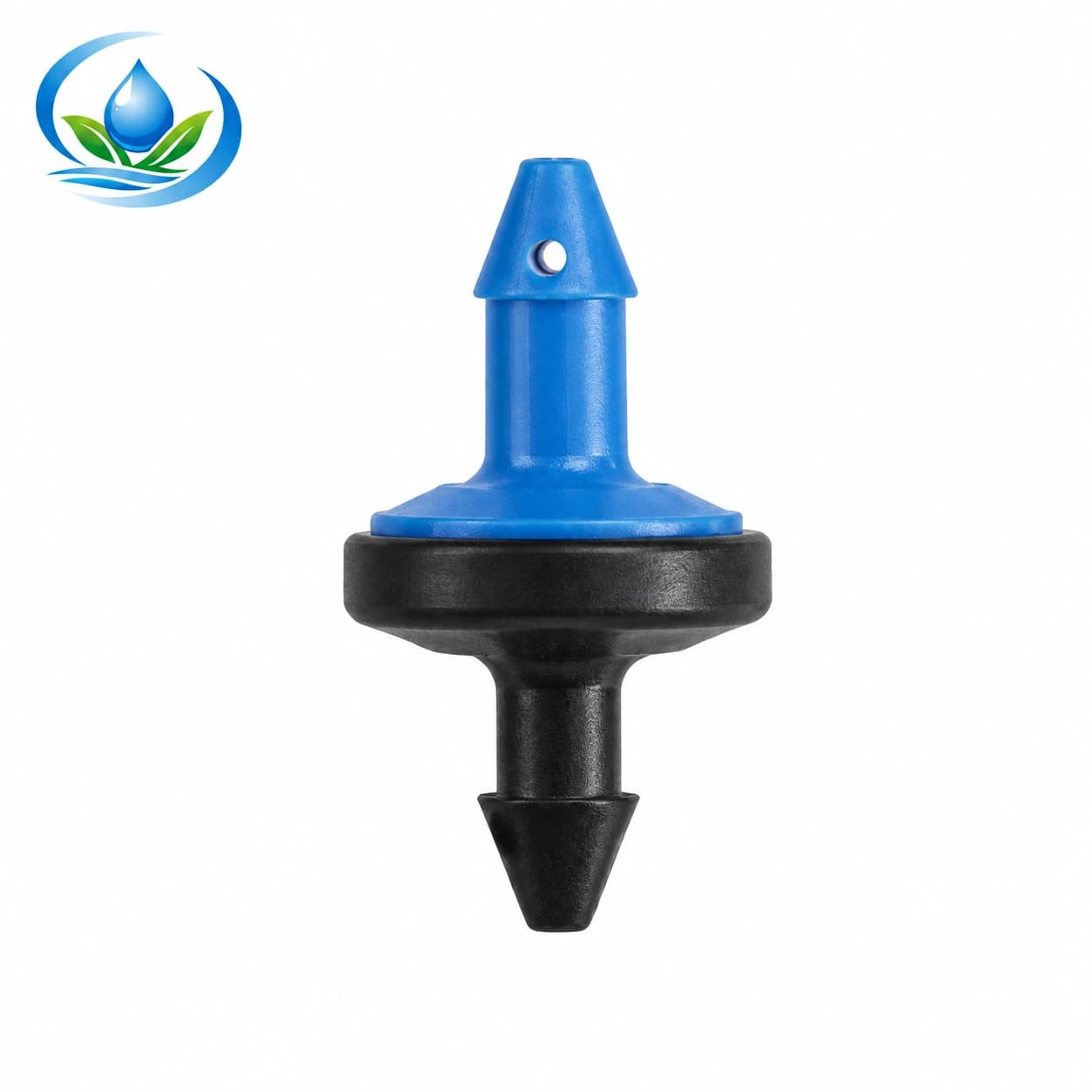
online drippers
From$0.30
Choose options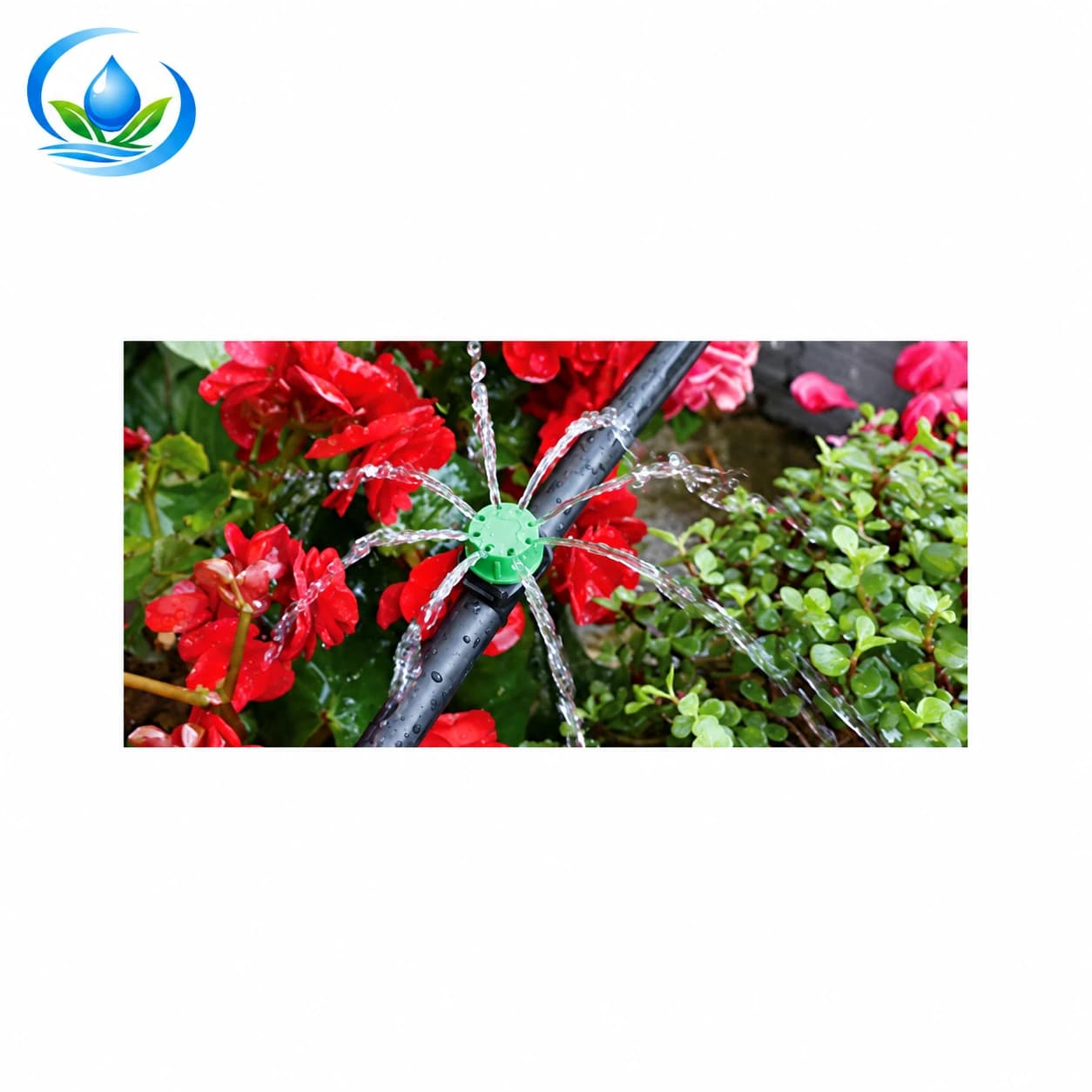
online drippers
From$1.12
Choose optionsMatch your tubing diameter, connector type and water pressure before you add the finishing touches.
Field guide
Online drippers are installed at chosen points along distribution tubing, making them useful where plants or containers need individual outlets. Pressure compensating drippers can help keep discharge steadier within their stated operating range; adjustable models let you set output at the emitter. Neither feature removes the need to size the supply line.
Choose a flow rate for each watering point and confirm the required pressure, filtration and hole or barb size. For trees, place drip emitters for trees according to the root-zone layout and use enough outlets for the planting plan rather than assuming one emitter serves every tree.
Point-source drip irrigation emitters work where tree, shrub or container positions are irregular and a fixed-spacing line would place outlets in the wrong spots. An orchard may need more than one wetted point around each tree as its root system expands; a nursery bench may need a separate branch to each pot. Draw the plant positions first, then count outlets per irrigation zone.
An online dripper is inserted into or connected to a distribution tube and meters water at a stated pressure. Pressure compensating drippers use an internal mechanism to limit flow variation within a specified range; adjustable drip emitters allow setting a local outlet but still need stable supply. The small flow path makes filtration and flushing central to dependable operation.
Check a representative outlet near the inlet and one at the far end; compare output and inspect for leaks at punched holes. Clean or replace blocked emitters using the maker's instructions and investigate upstream filtration before swapping many outlets. Shift tree emitters as the active root area changes rather than leaving all water at the trunk.
Choose the emitter's specified inlet size and operating pressure. Punch a clean hole with the matching tool in compatible tubing, seat the emitter fully without enlarging the hole, and flush the line. Run the zone and inspect each connection and discharge at the far end.
There is no universal count. Base it on tree size, soil wetting, emitter flow and the target root area, then confirm with a field wetting check.
Technical reference: USDA NRCS, National Engineering Handbook: Microirrigation. Use the selected product manual and local requirements for final design.