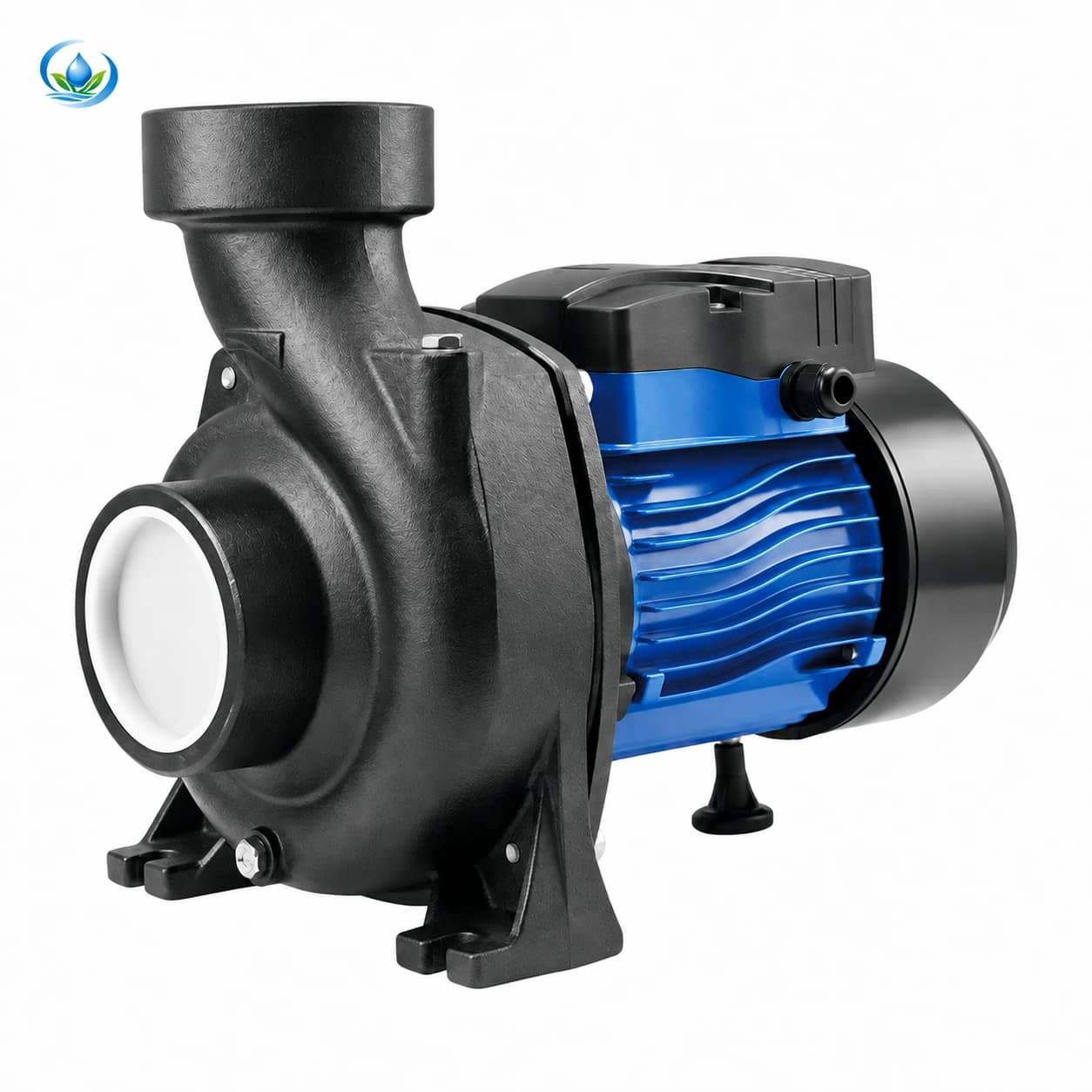
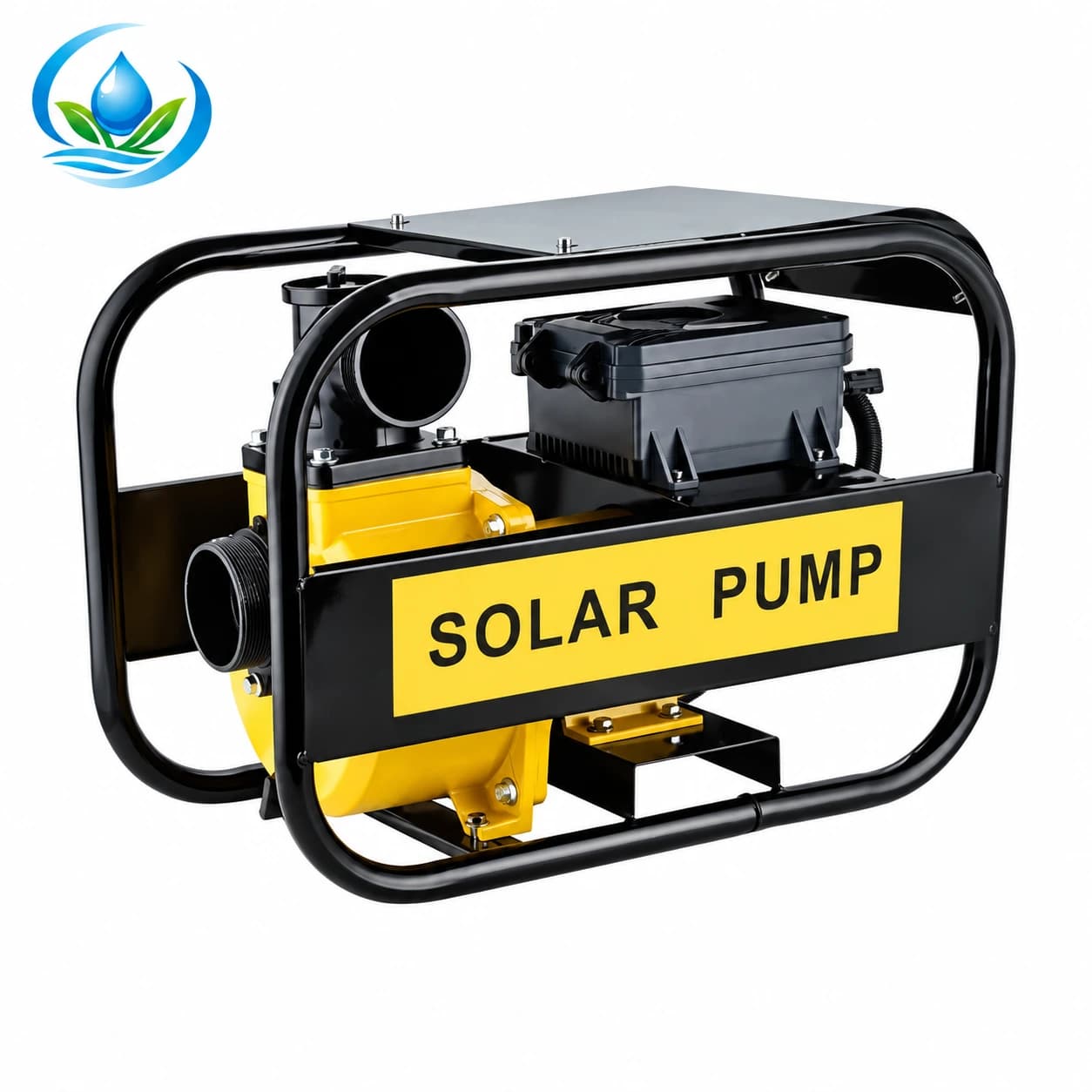
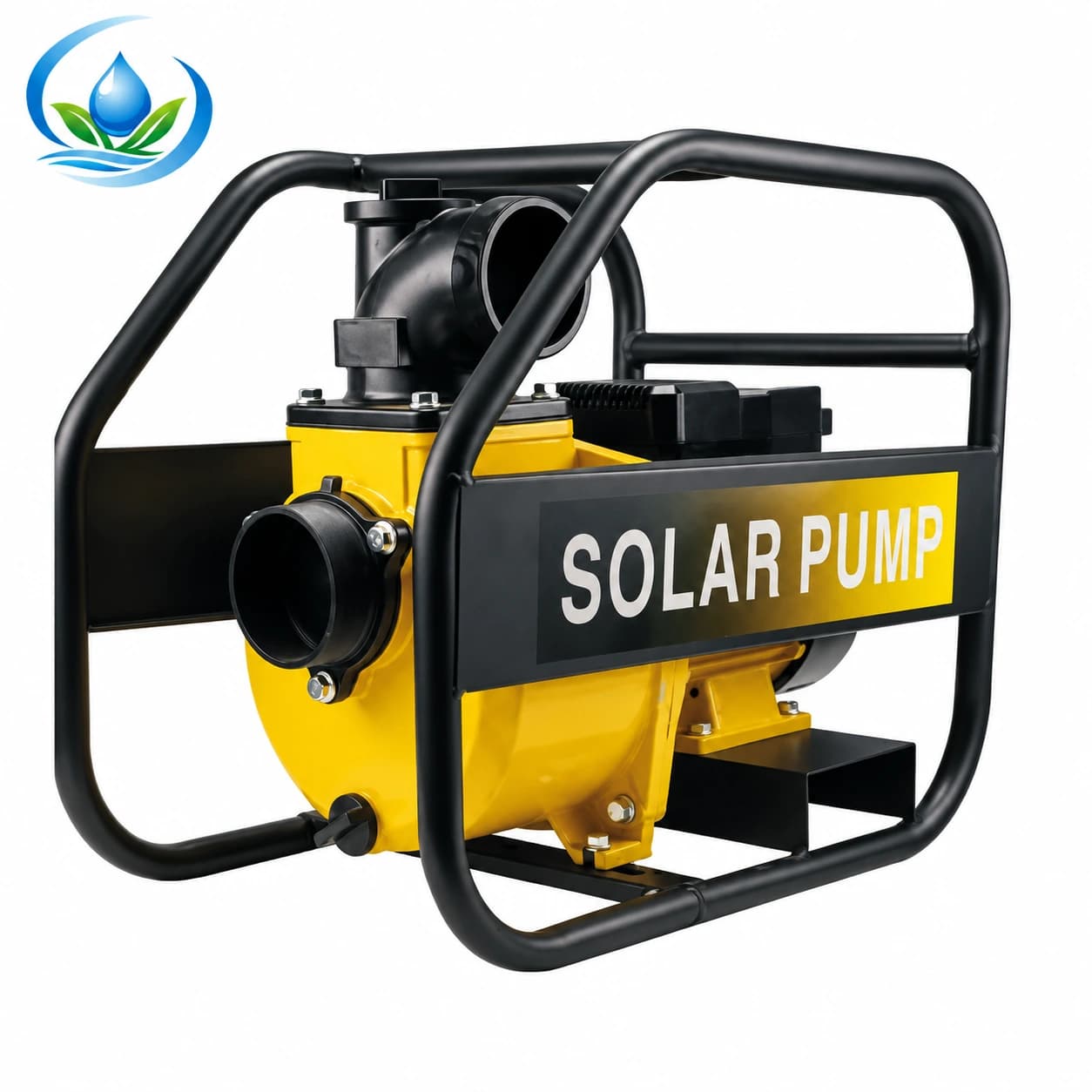
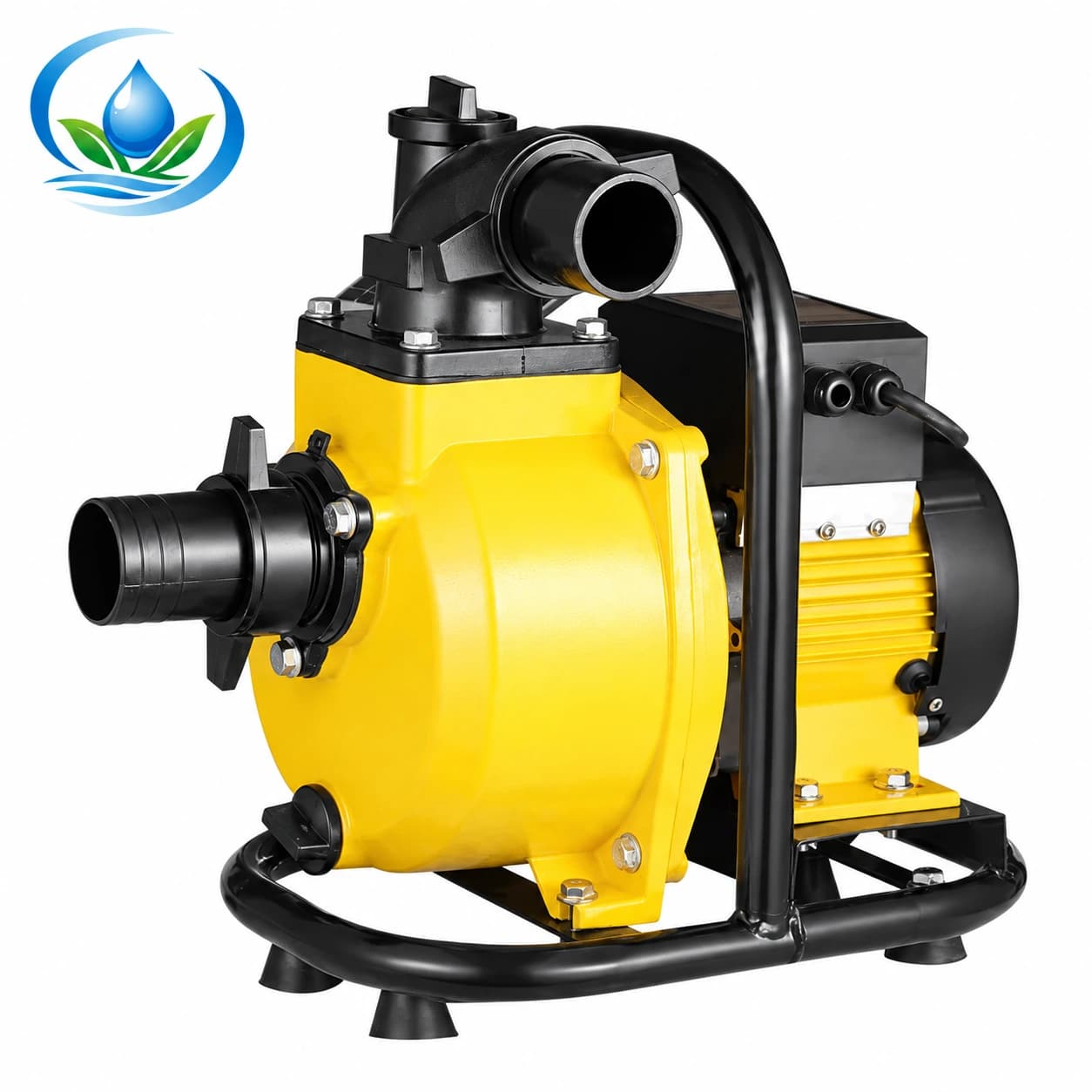
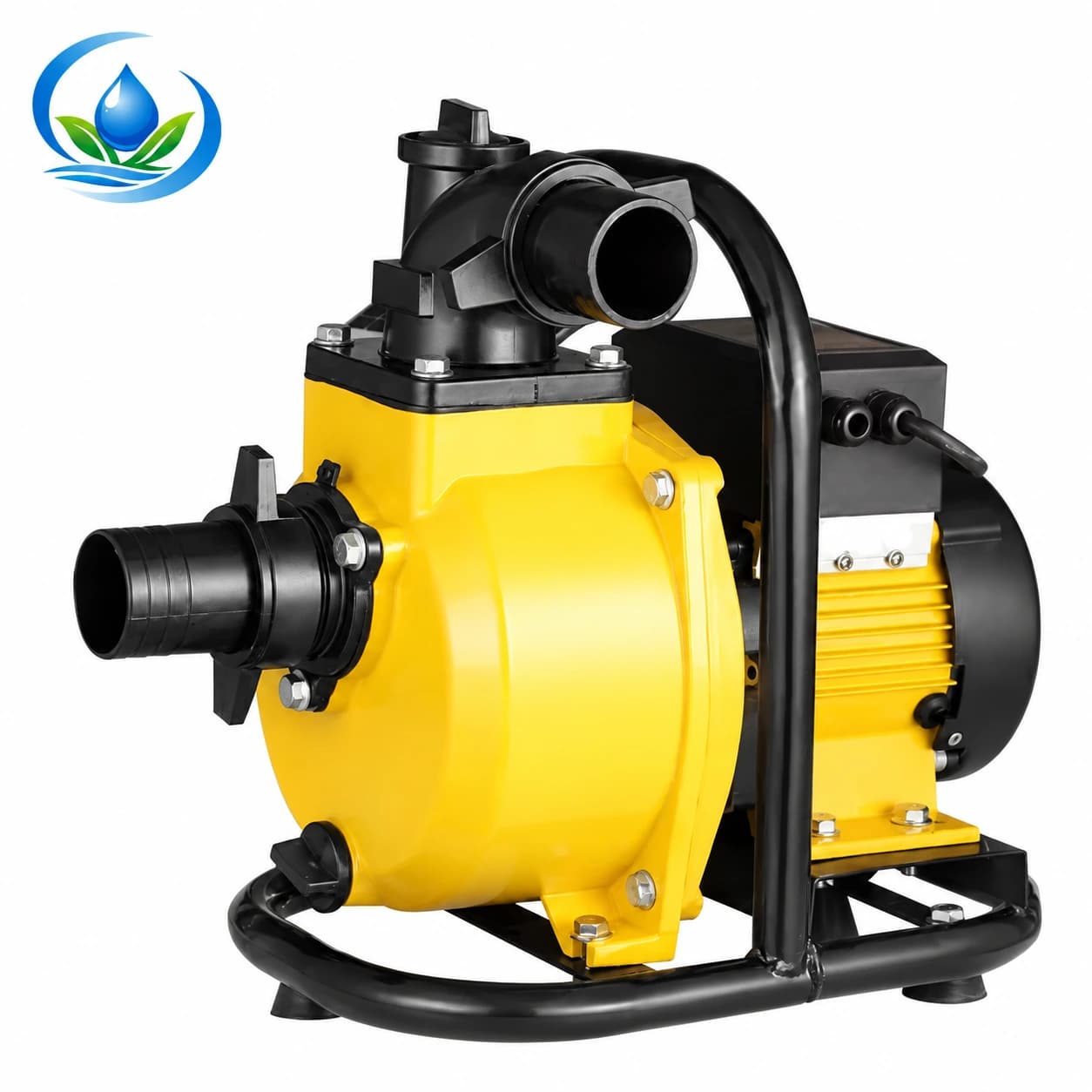
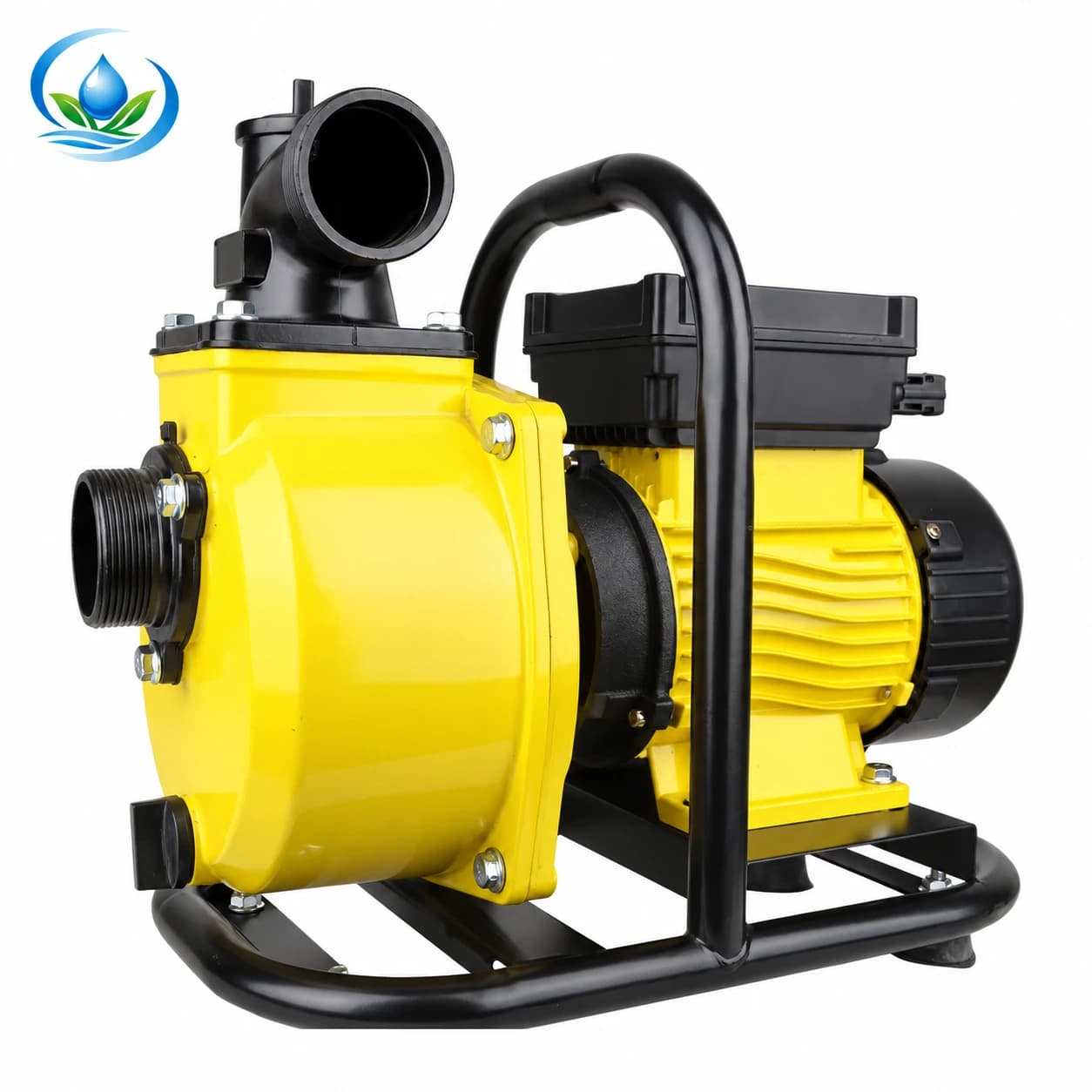
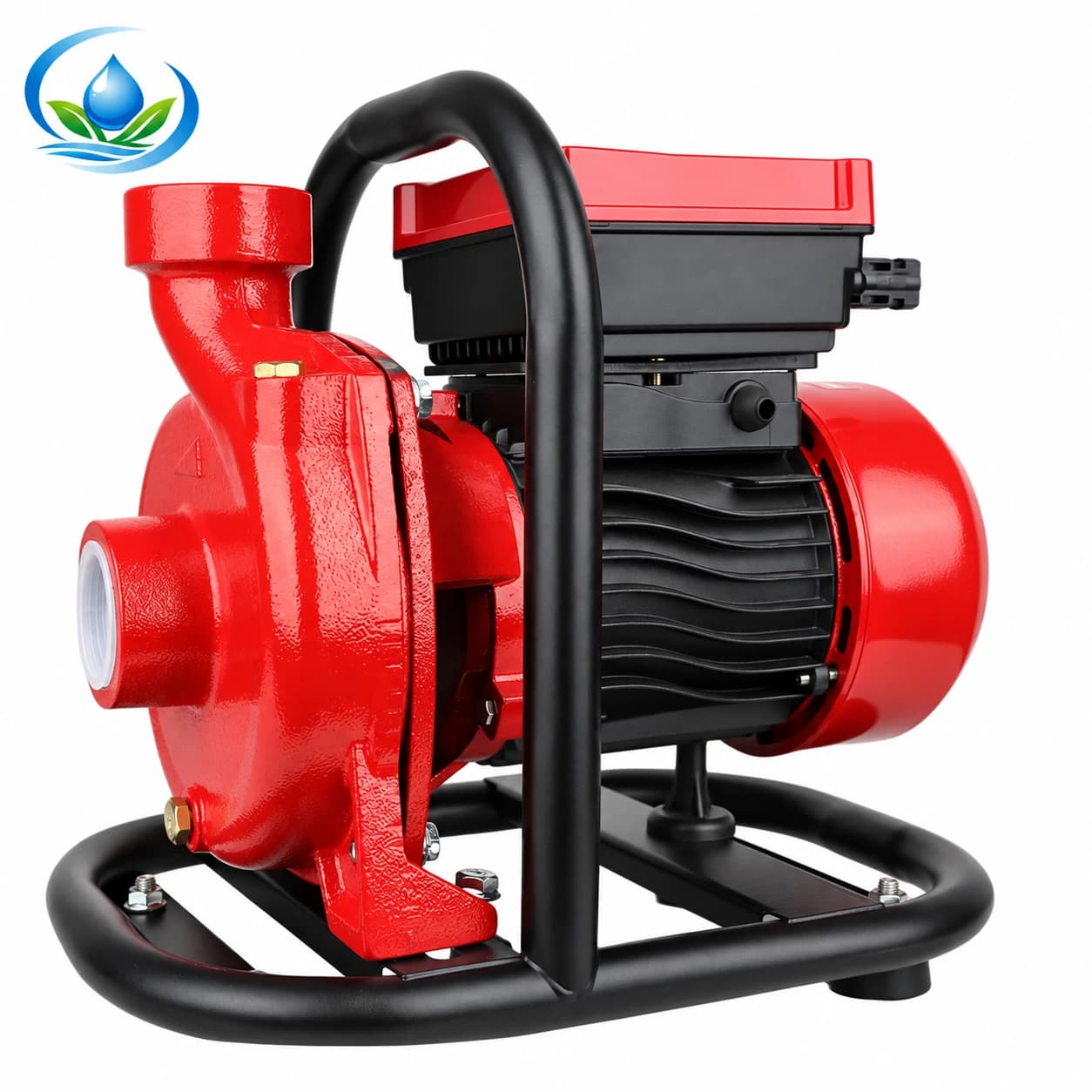
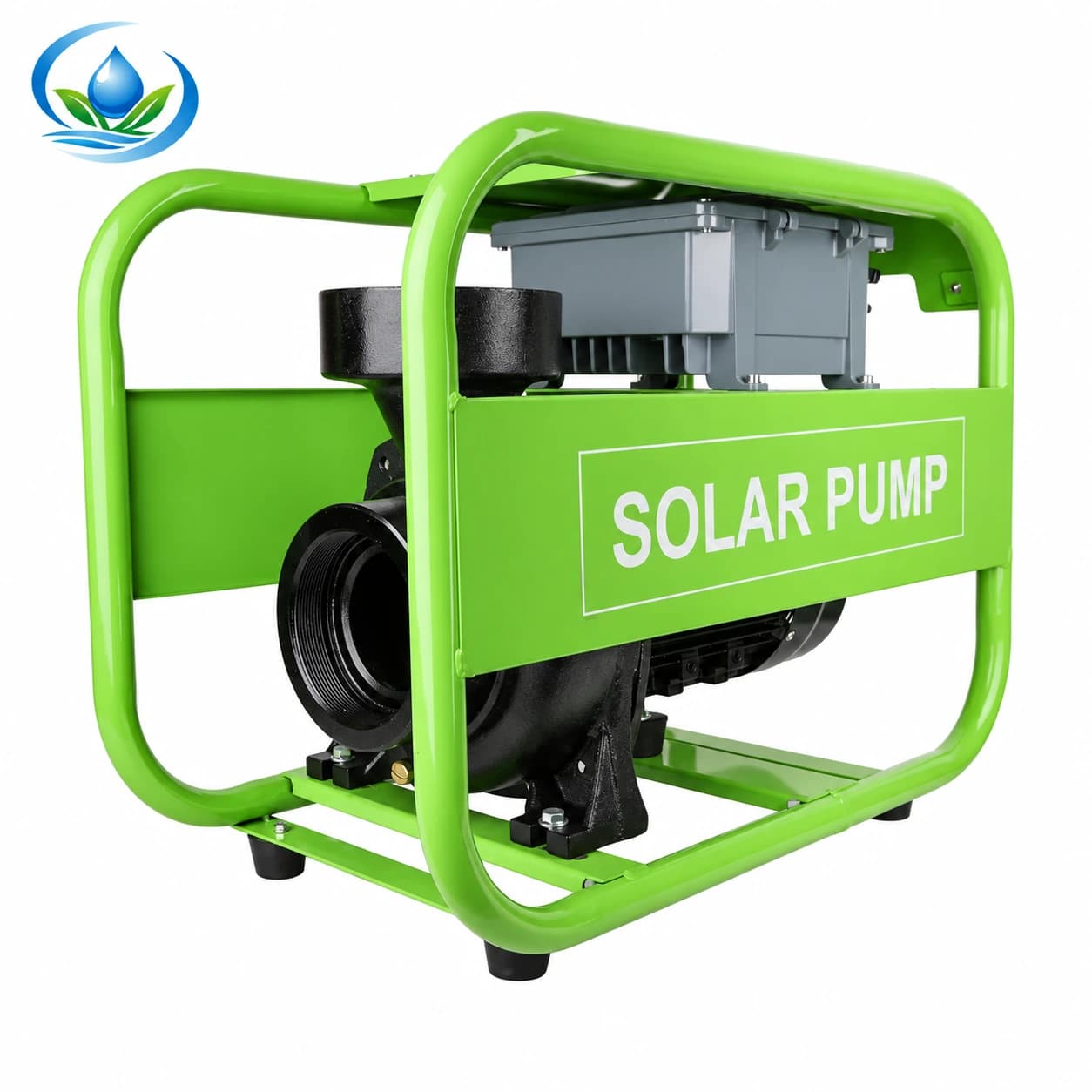
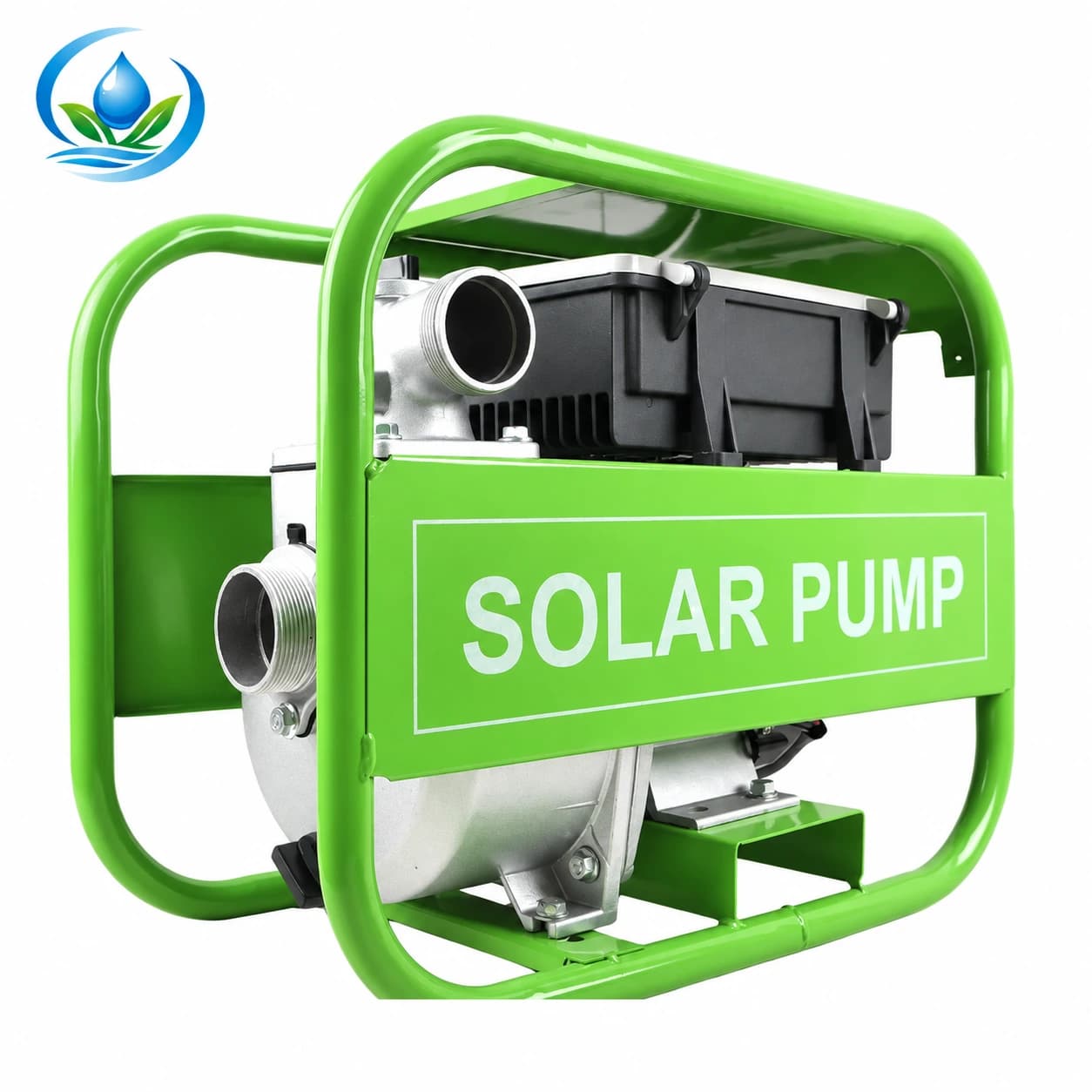
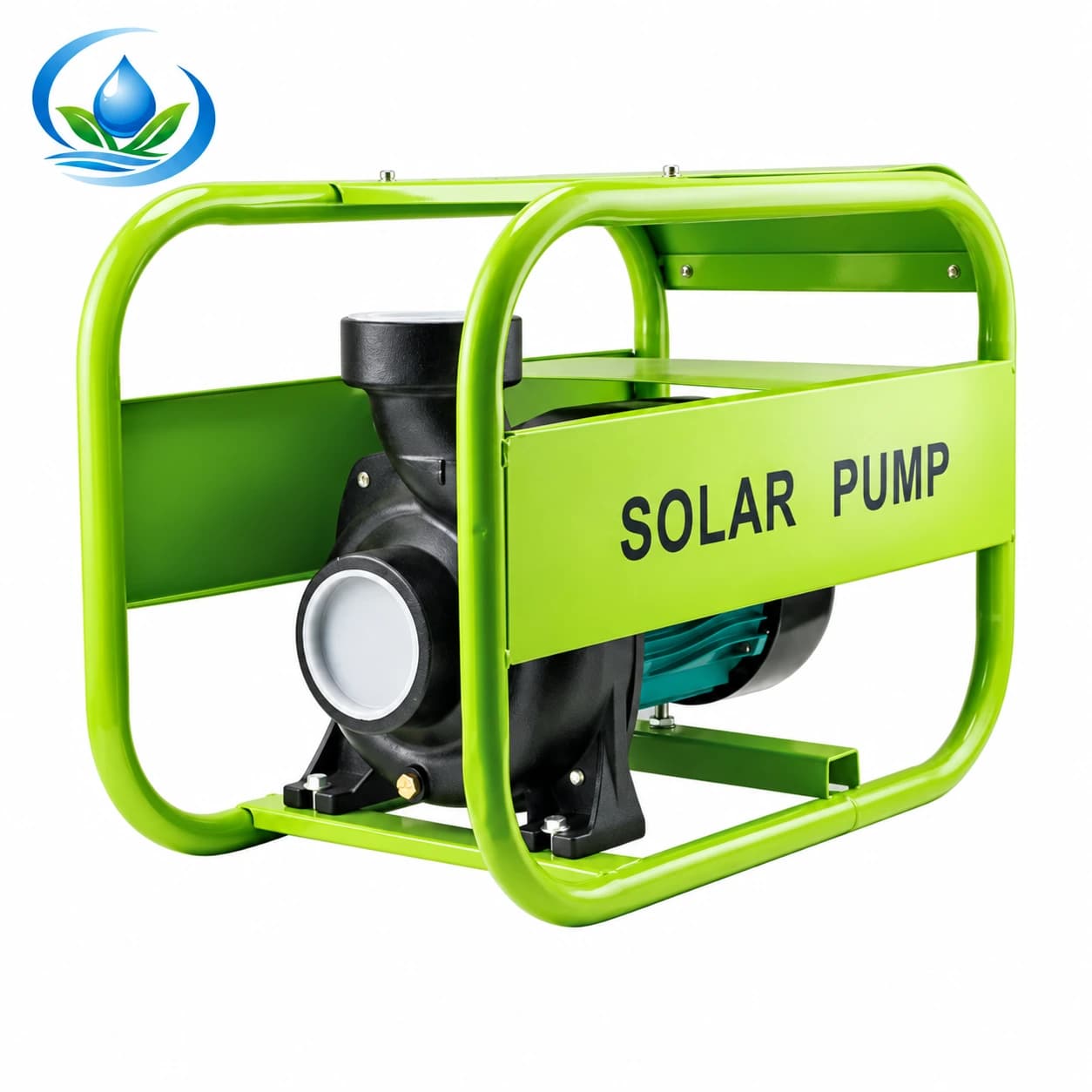
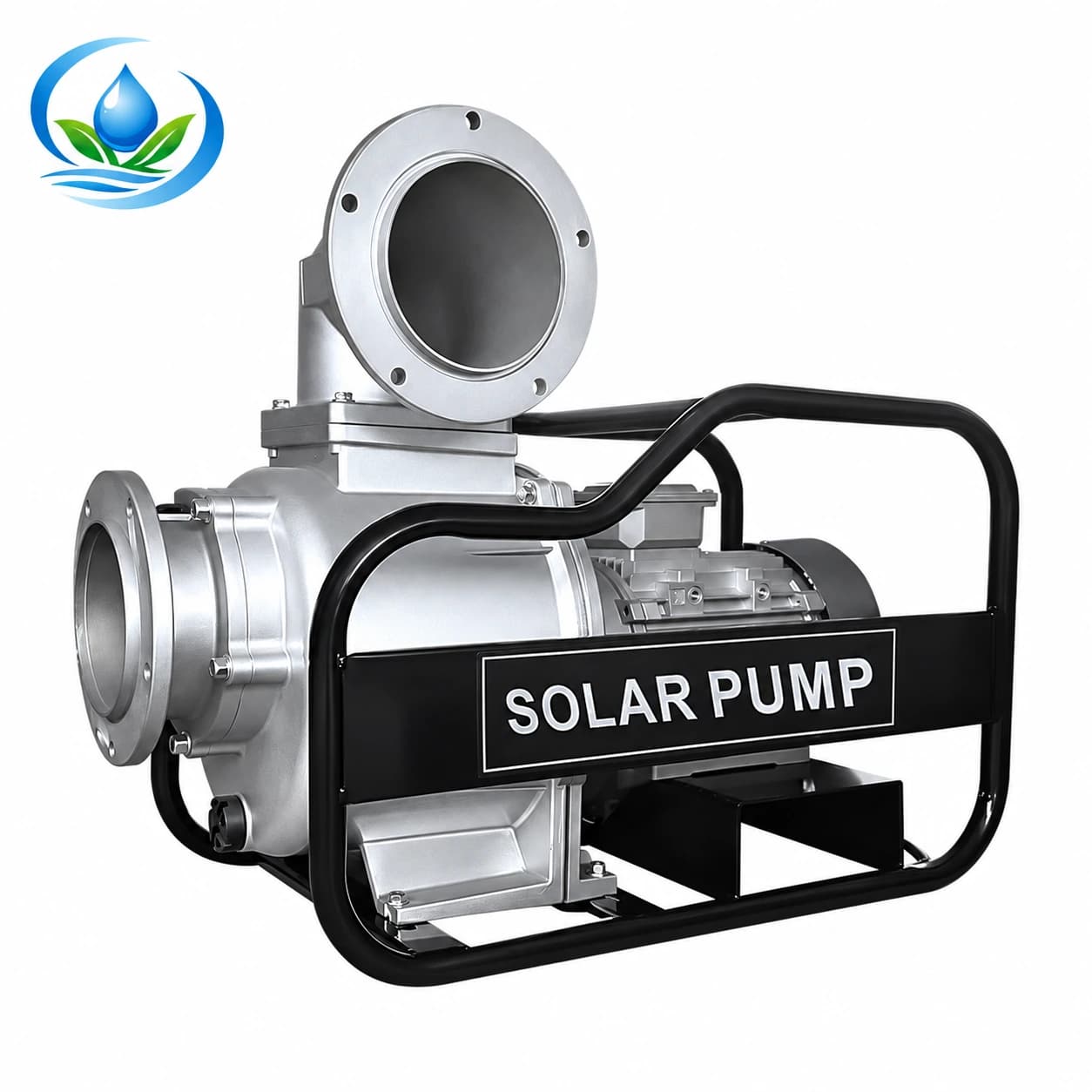
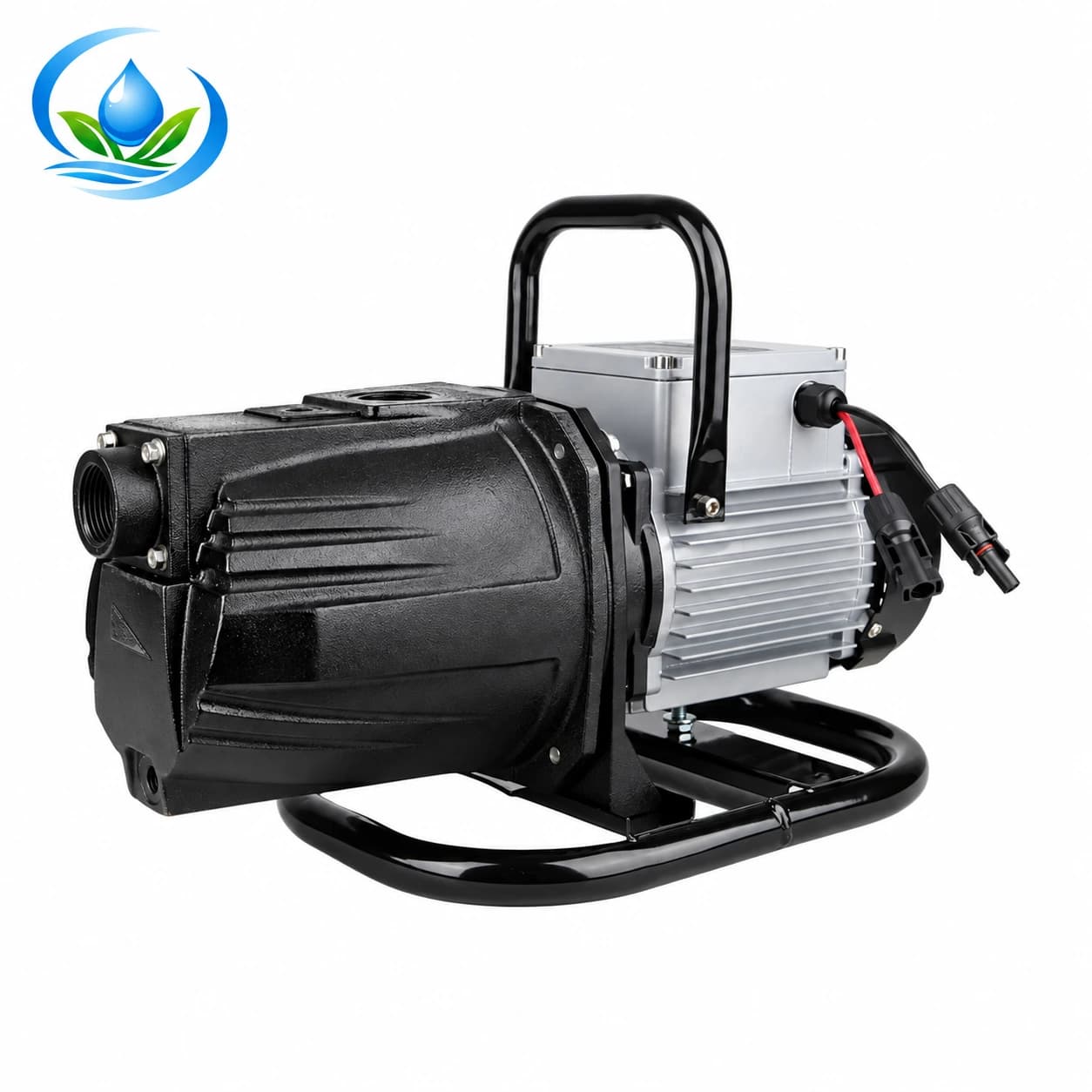
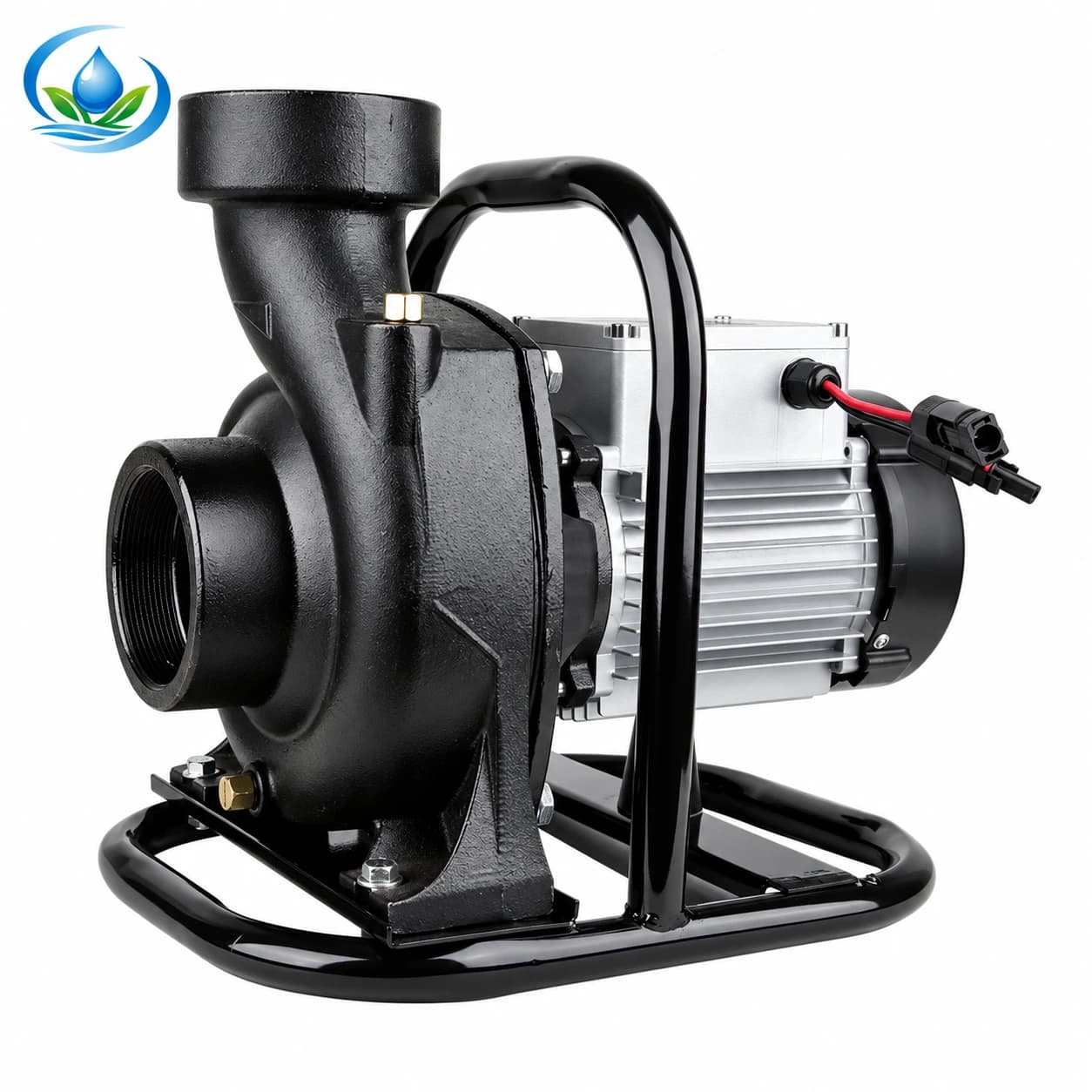
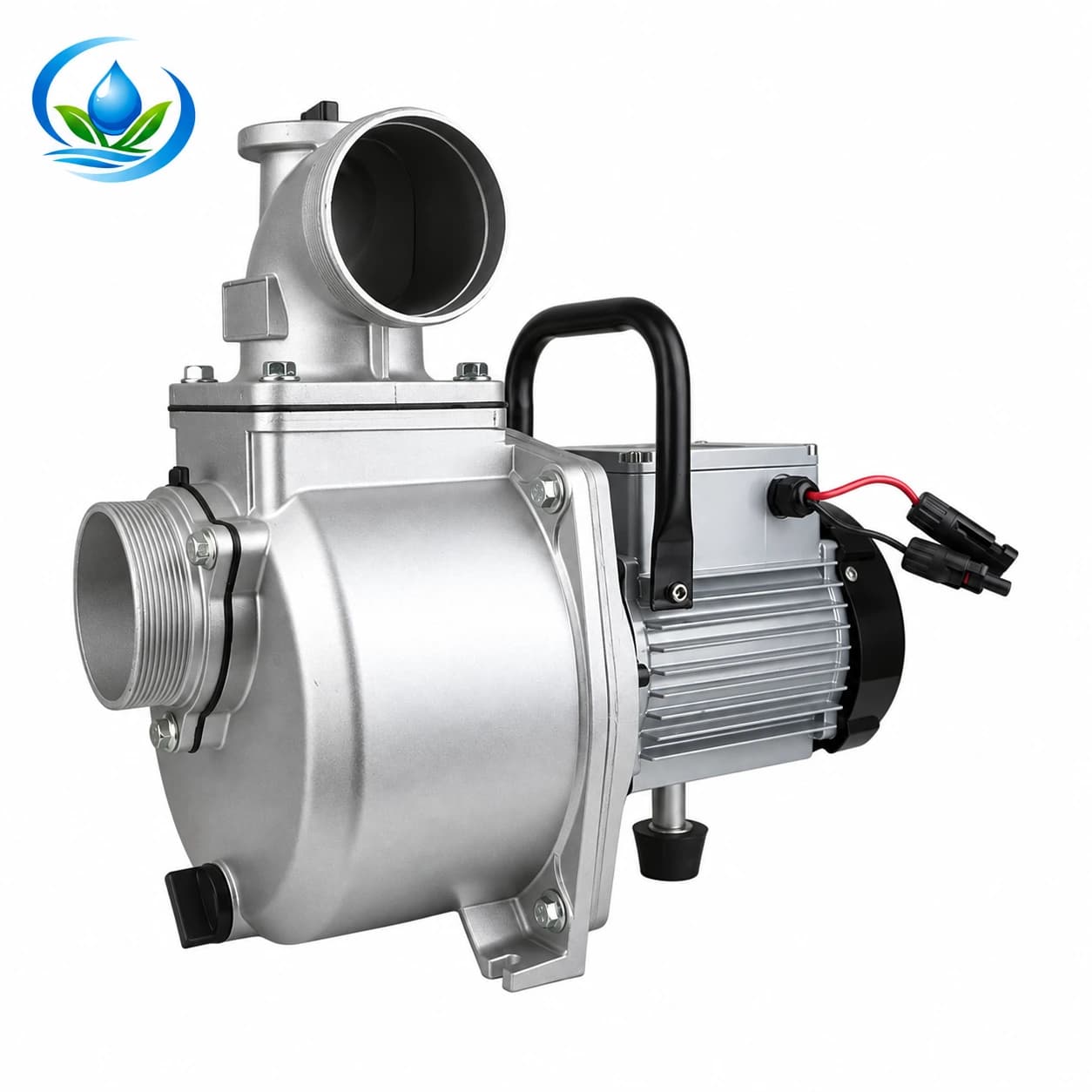
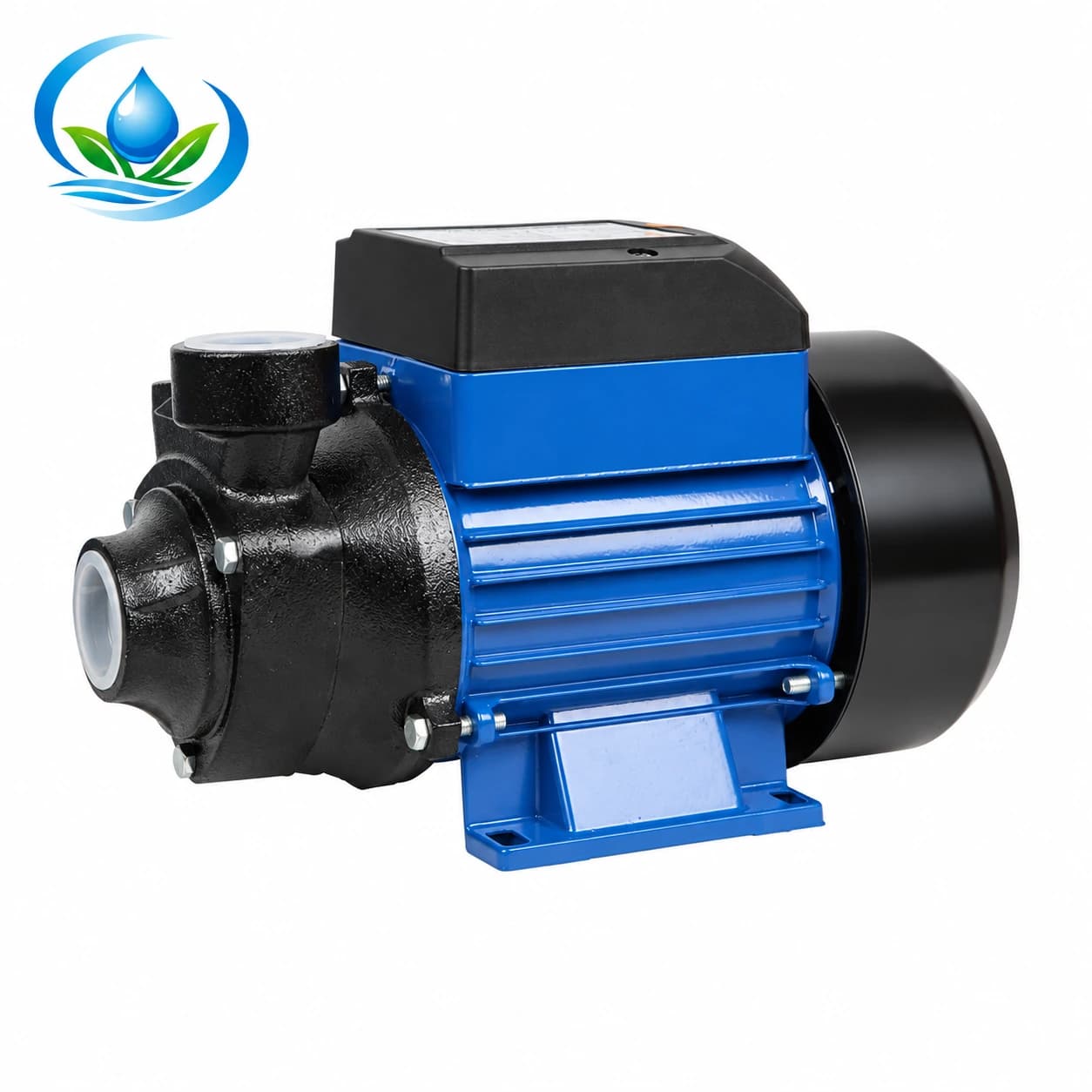
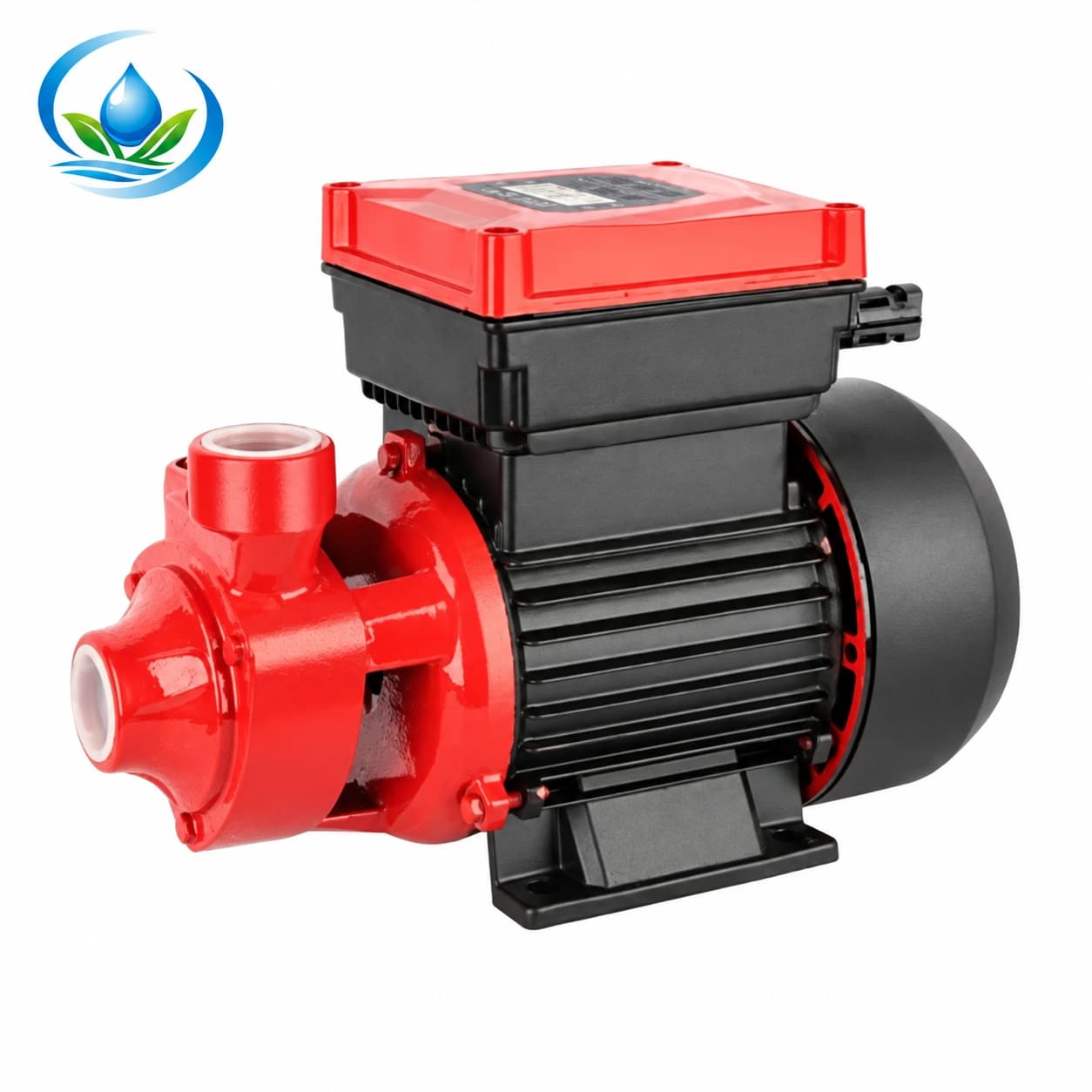
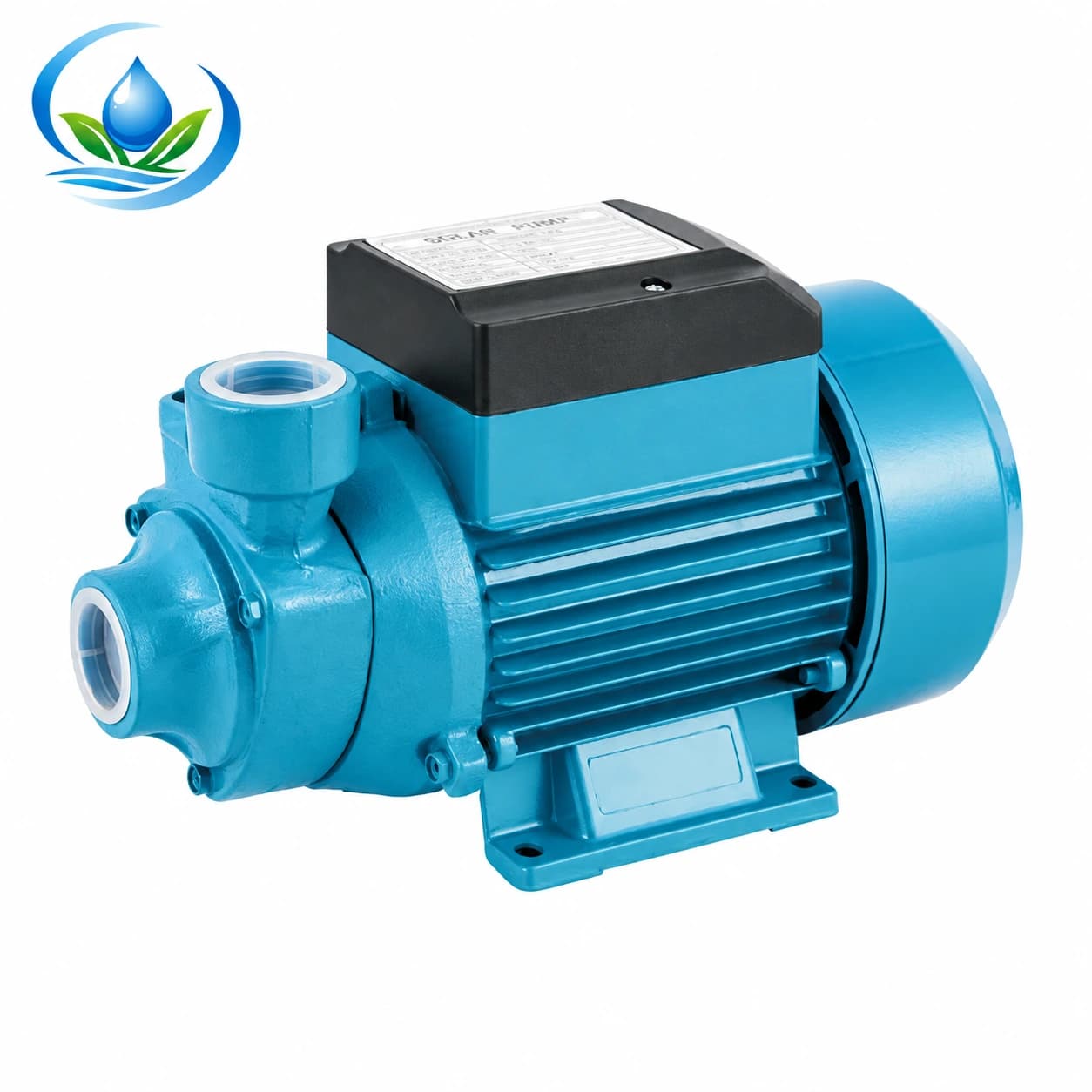
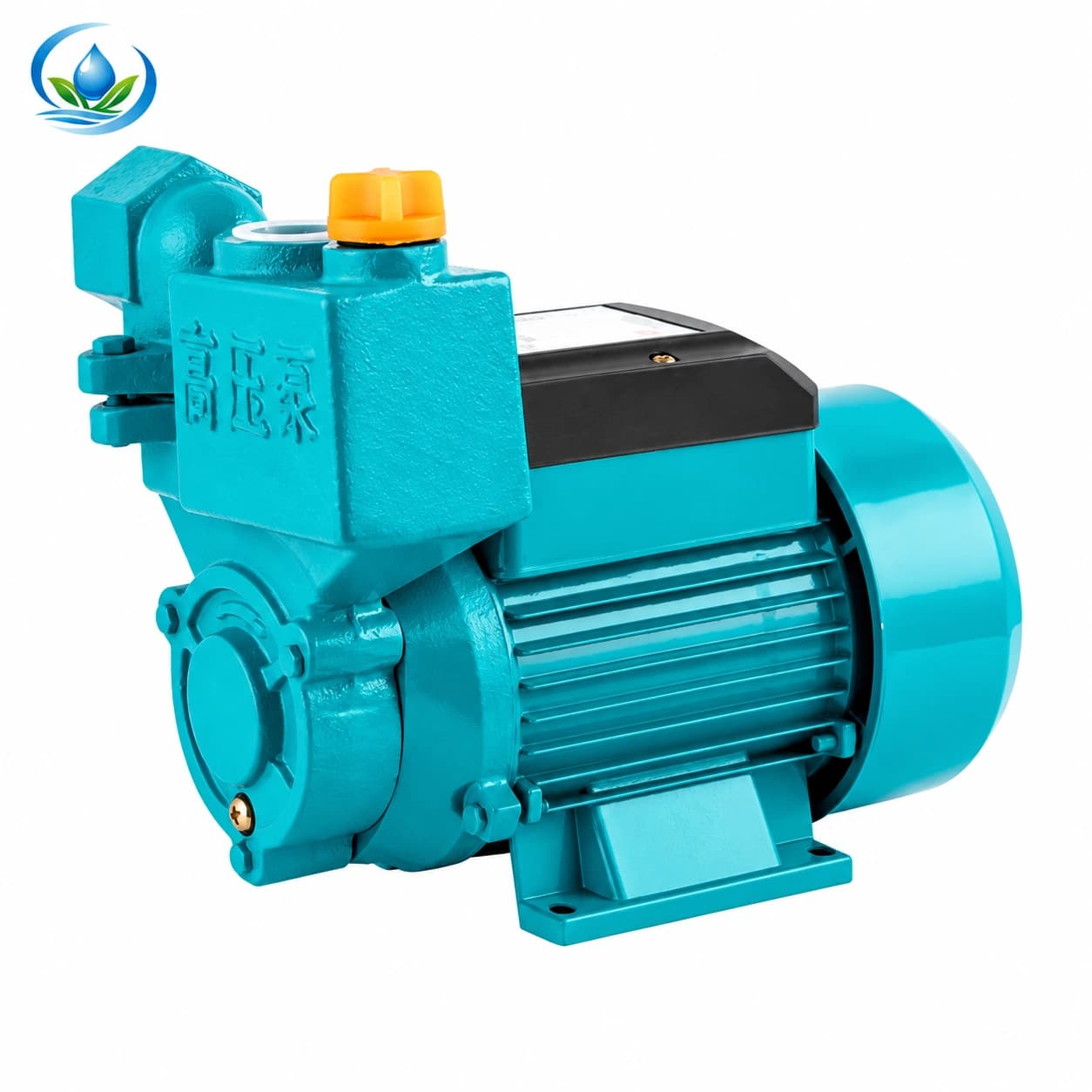
An irrigation pump must provide the required flow at the total head of the working system, including elevation and line losses. This category includes several pump types, and a solar irrigation pump has additional electrical and operating conditions that must be checked against the product.
Build the selection from water source, suction conditions, simultaneous zone flow and pressure needed at the farthest outlet. Confirm power supply, inlet and outlet sizes and pump curve for the exact model. A pump's maximum head and maximum flow do not occur at the same operating point.
Where and when to use it
An irrigation pump raises water from a source and supplies the flow and pressure that the farthest operating device needs. A field sprinkler zone and a filtered drip zone can have very different duty points. Before selecting a farm irrigation pump or solar irrigation pump, record source yield, lift, elevation, line length, zone flow and power availability. The pump must match the system curve, not only a headline horsepower.
How it works
A pump adds energy to the water. Its published curve shows delivered flow at a particular total dynamic head, which includes lift, elevation, friction and required outlet pressure. More head generally reduces available flow for a given pump. Solar-powered equipment adds panel, drive and storage or scheduling considerations; sunlight alone does not guarantee the required duty point.
A water pump for irrigation must supply the required zone flow at total dynamic head, including lift, friction and outlet pressure. A drip irrigation pump may face a lower outlet-pressure target than a sprinkler zone, but the pump curve and duty point still decide suitability.
How to plan and install it
- Measure source yield and minimum water level, then define the zone with the highest simultaneous demand.
- Calculate total dynamic head, including filtration, pipe and fitting losses and pressure at the outlet.
- Choose a pump from a manufacturer curve at that duty point, with suitable power and protection.
- Install intake and discharge equipment per the manual, prime if required and verify flow and pressure on site.
Operation and maintenance
Track discharge pressure, flow, energy use and unusual noise. Keep intake screens clear and protect the pump from dry running or electrical faults. A falling flow rate may come from lower source level, a clogged filter or a pipe leak. Maintain the pump according to its manual and site conditions.
Common questions
How to prime an irrigation pump?
Follow the pump maker's priming method: confirm a safe water supply, fill the casing and suction line if the design requires it, remove trapped air and check the foot valve or suction seal. Never run a model dry unless its instructions specifically allow it; then verify flow and pressure under load.
Will a solar irrigation pump work all day?
Output depends on solar input, controls and any storage. Match the needed daily water volume and operating window to a specific system design.
Technical reference: UGA Extension, Irrigation and Technology Assessment. Use the selected product manual and local requirements for final design.