
pumps
Bare Solar Centrifugal Pump for Irrigation Builds
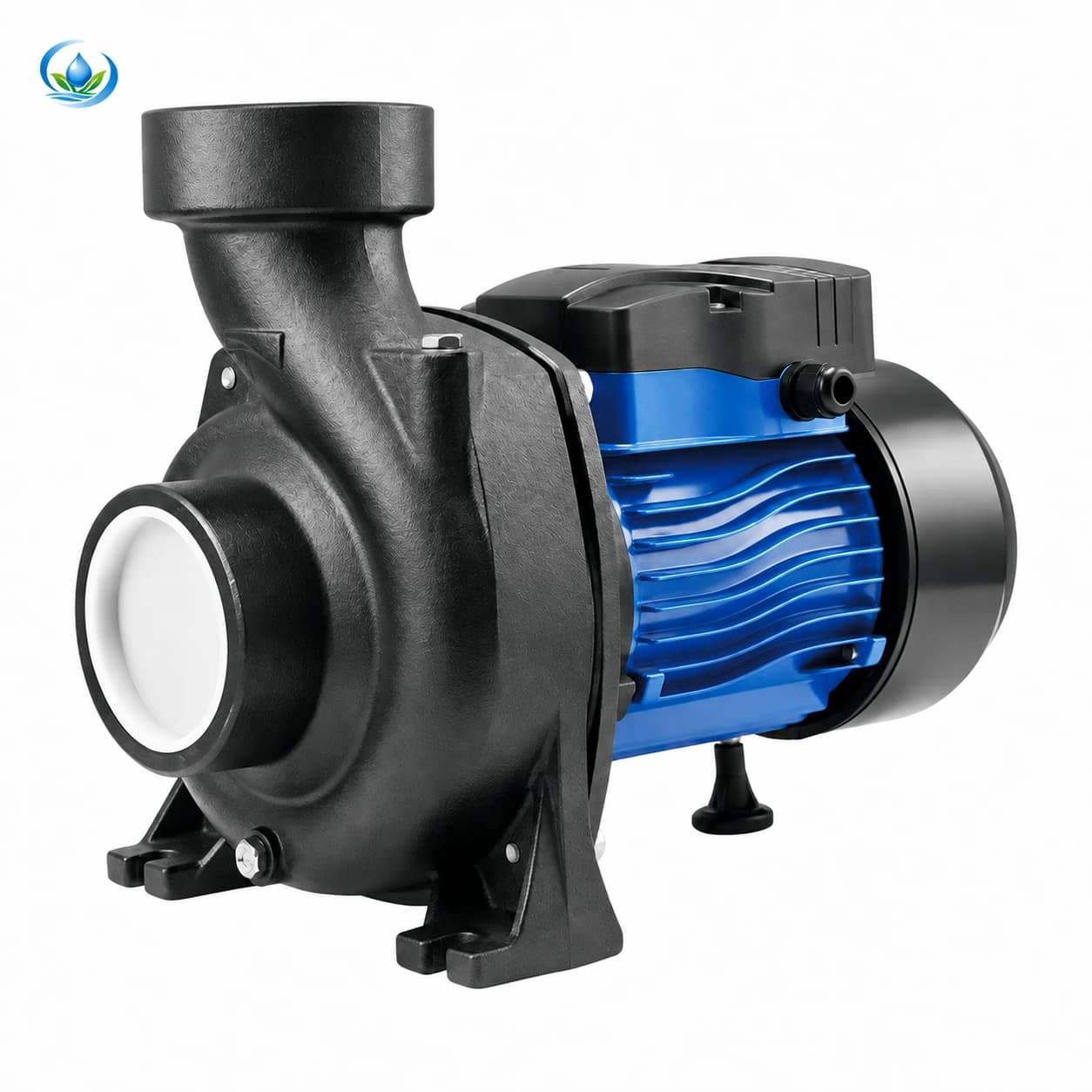
Add a bare brushless centrifugal pump to a planned solar irrigation build. Select the hydraulic output and complete the surrounding controls separately.
Out of stock
View detailsAgricultural irrigation, direct to you
Compare irrigation pump models for the source and zone demand, including solar irrigation pump options. Check flow at required head.
18 products
Showing 1–18
pumps
Add a bare brushless centrifugal pump to a planned solar irrigation build. Select the hydraulic output and complete the surrounding controls separately.
Out of stock
View details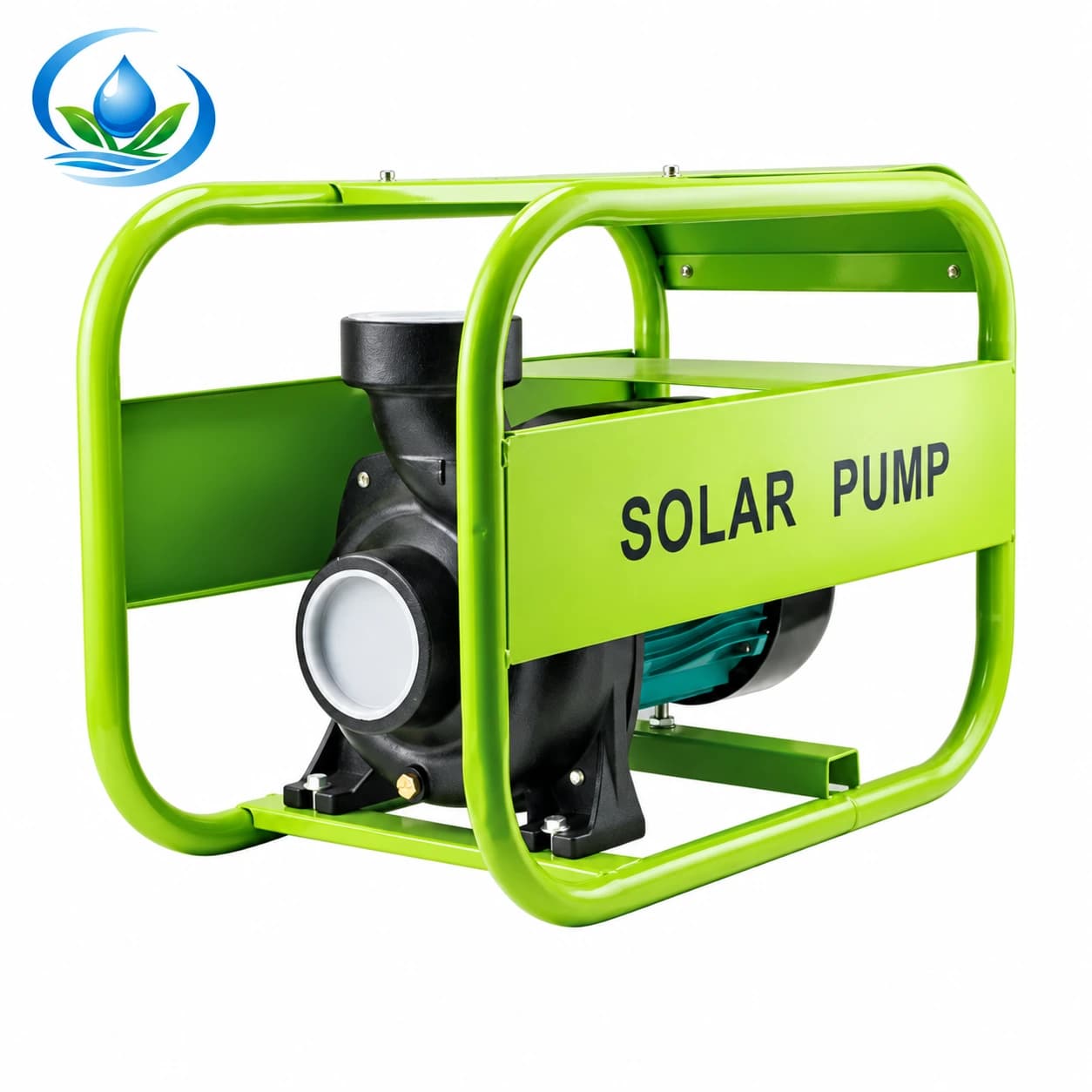
pumps
Set a brushless centrifugal pump in a protective frame beside a farm water source or irrigation supply line.
Out of stock
View details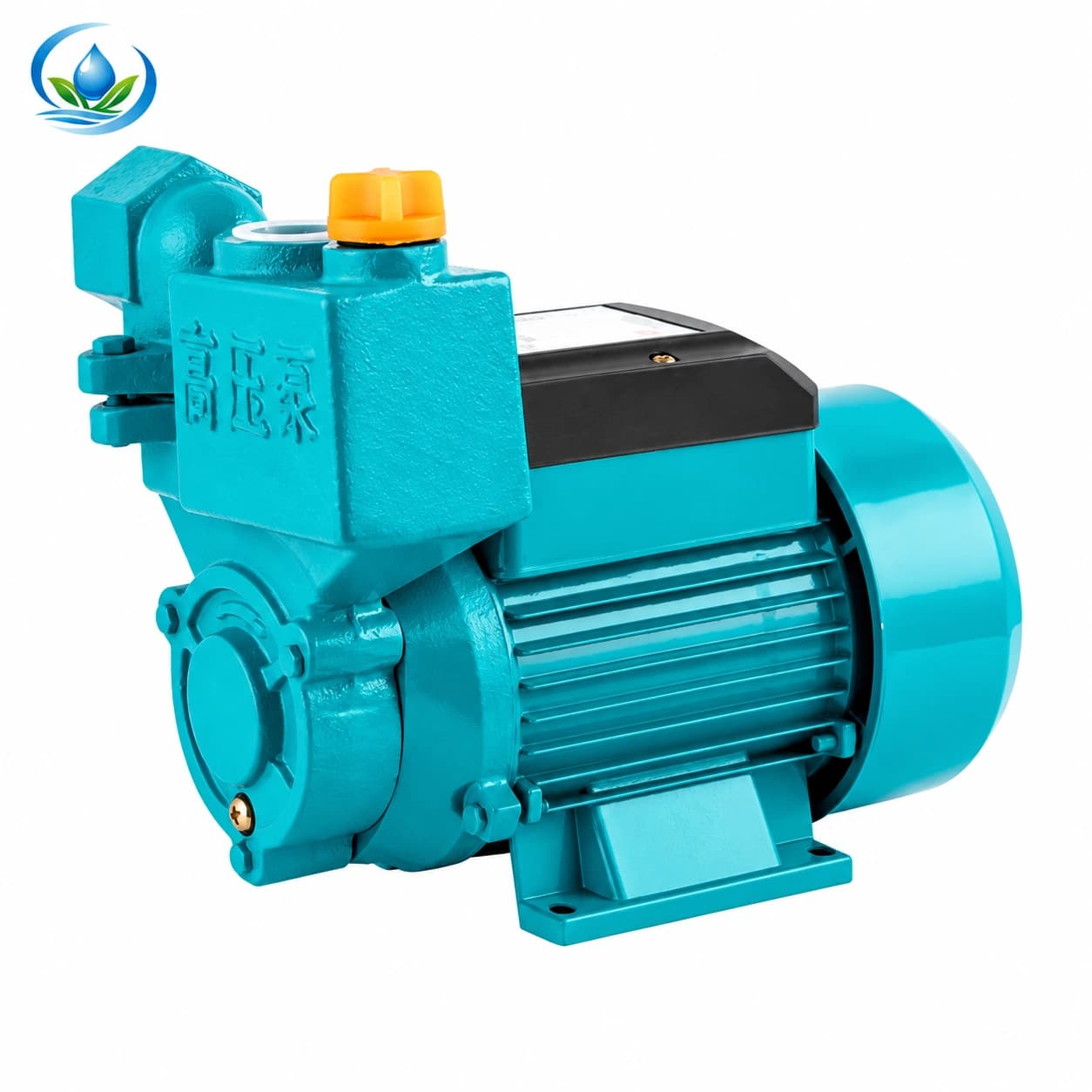
pumps
Move water from a nearby tank or shallow source into a small off-grid irrigation line with a DC self-priming surface pump.
Out of stock
View details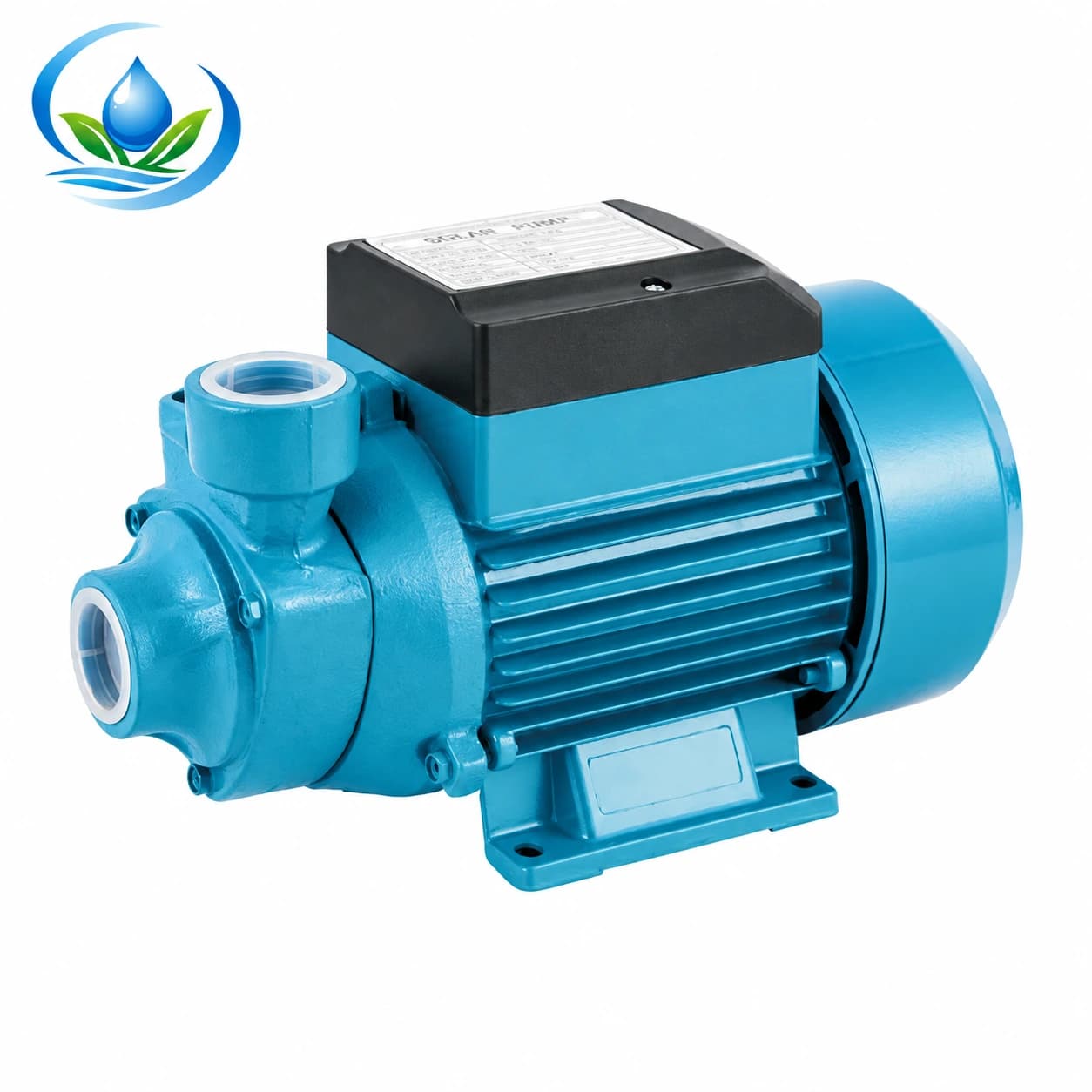
pumps
Supply a small irrigation point or garden water line with a low-flow DC vortex surface pump. Choose 12 or 24 volts to suit your power source.
Out of stock
View details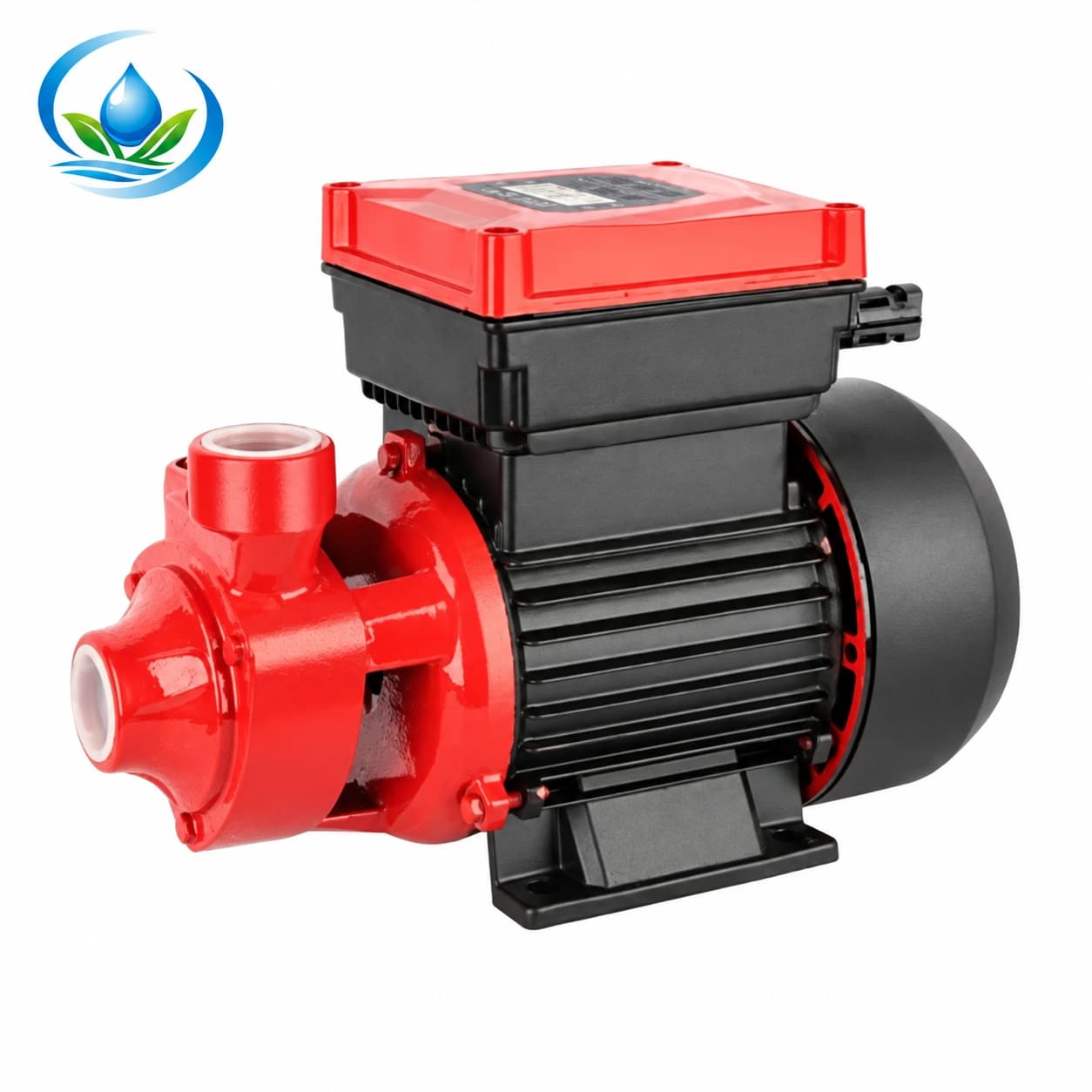
pumps
Feed a narrow or elevated irrigation line with a DC vortex pump offering higher-head options than basic transfer pumps.
Out of stock
View details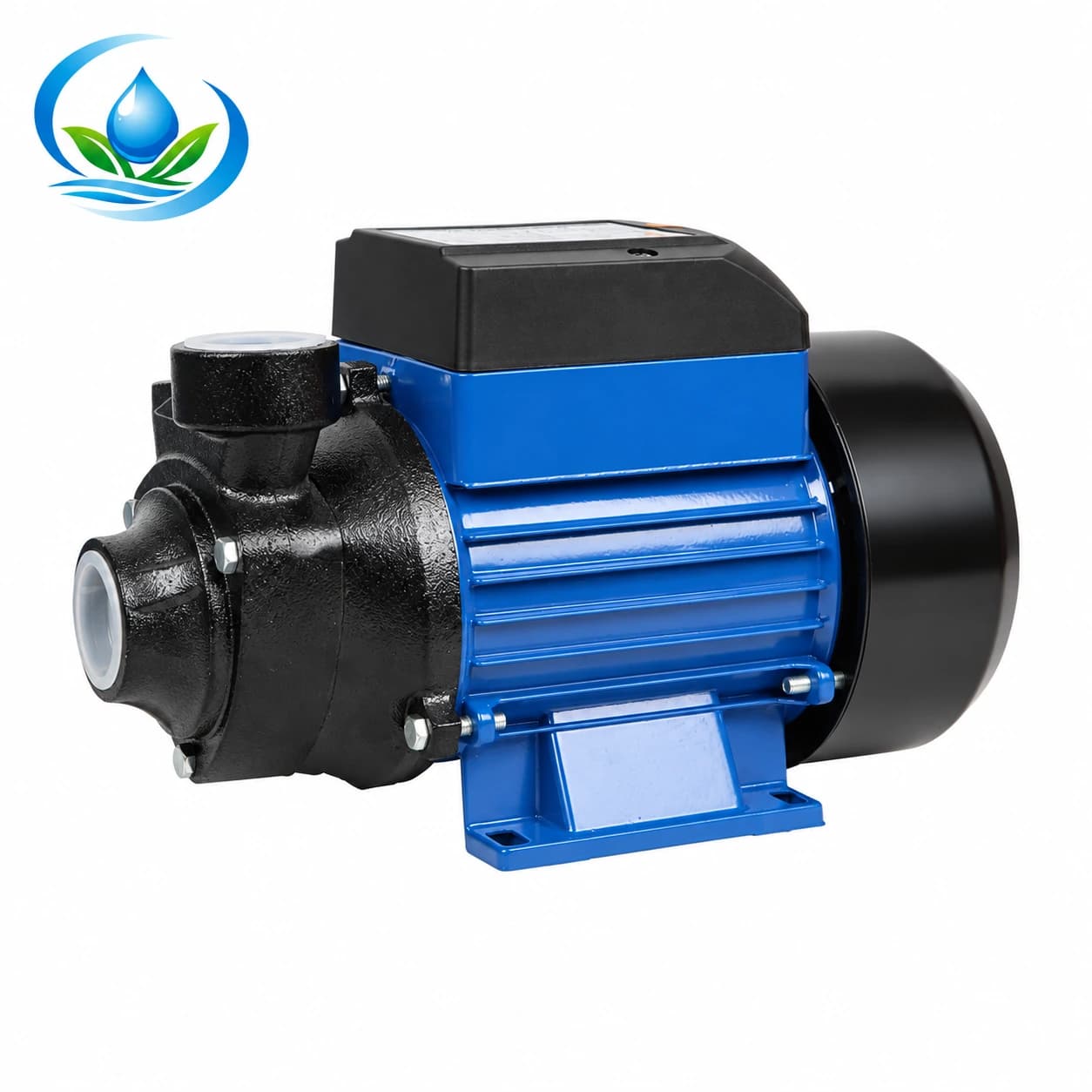
pumps
Move a modest water supply with a compact DC vortex pump. Choose voltage and outlet performance for a small farm or garden line.
Out of stock
View details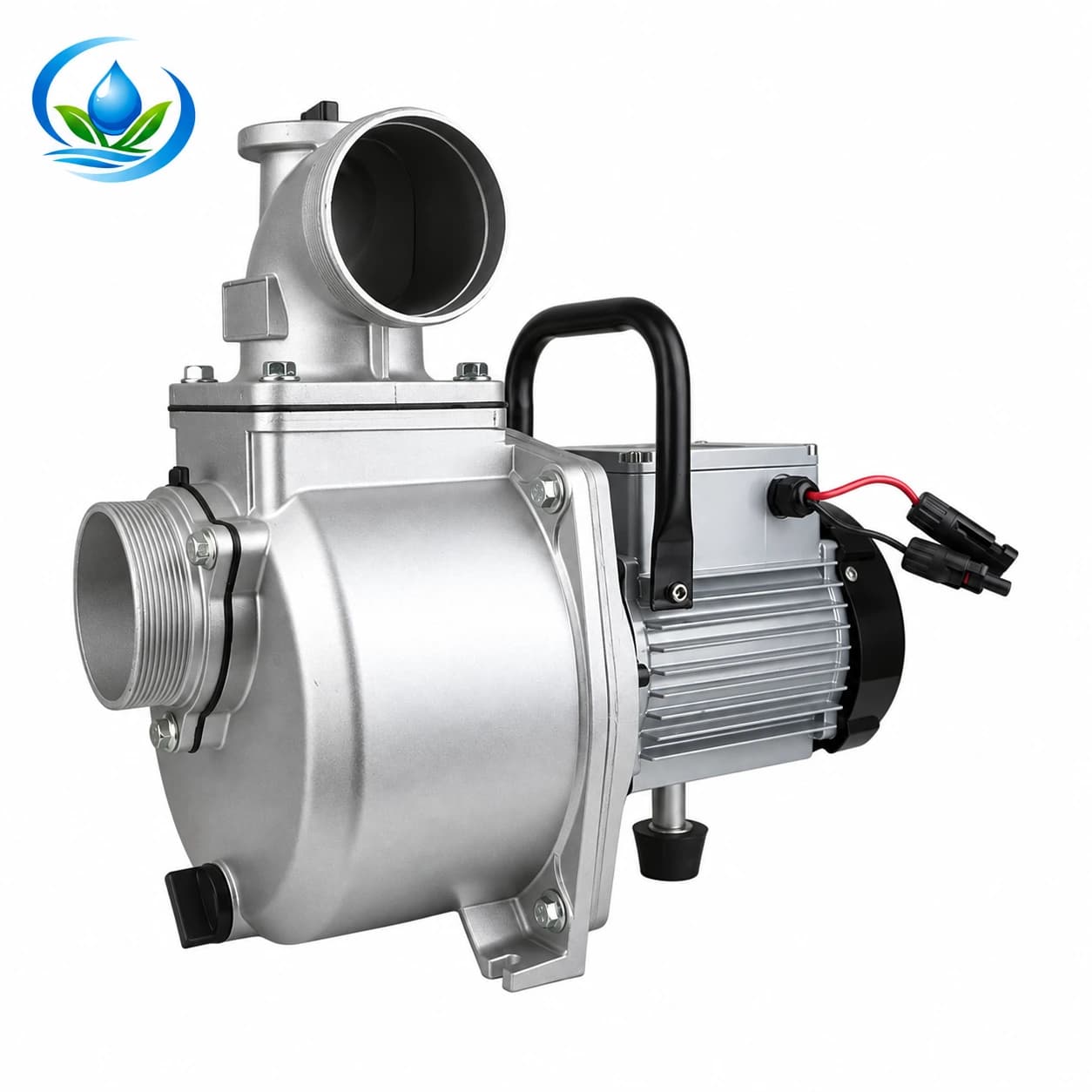
pumps
Draw water from a suitable nearby source into field irrigation with a solar DC brushless self-priming surface pump.
Out of stock
View details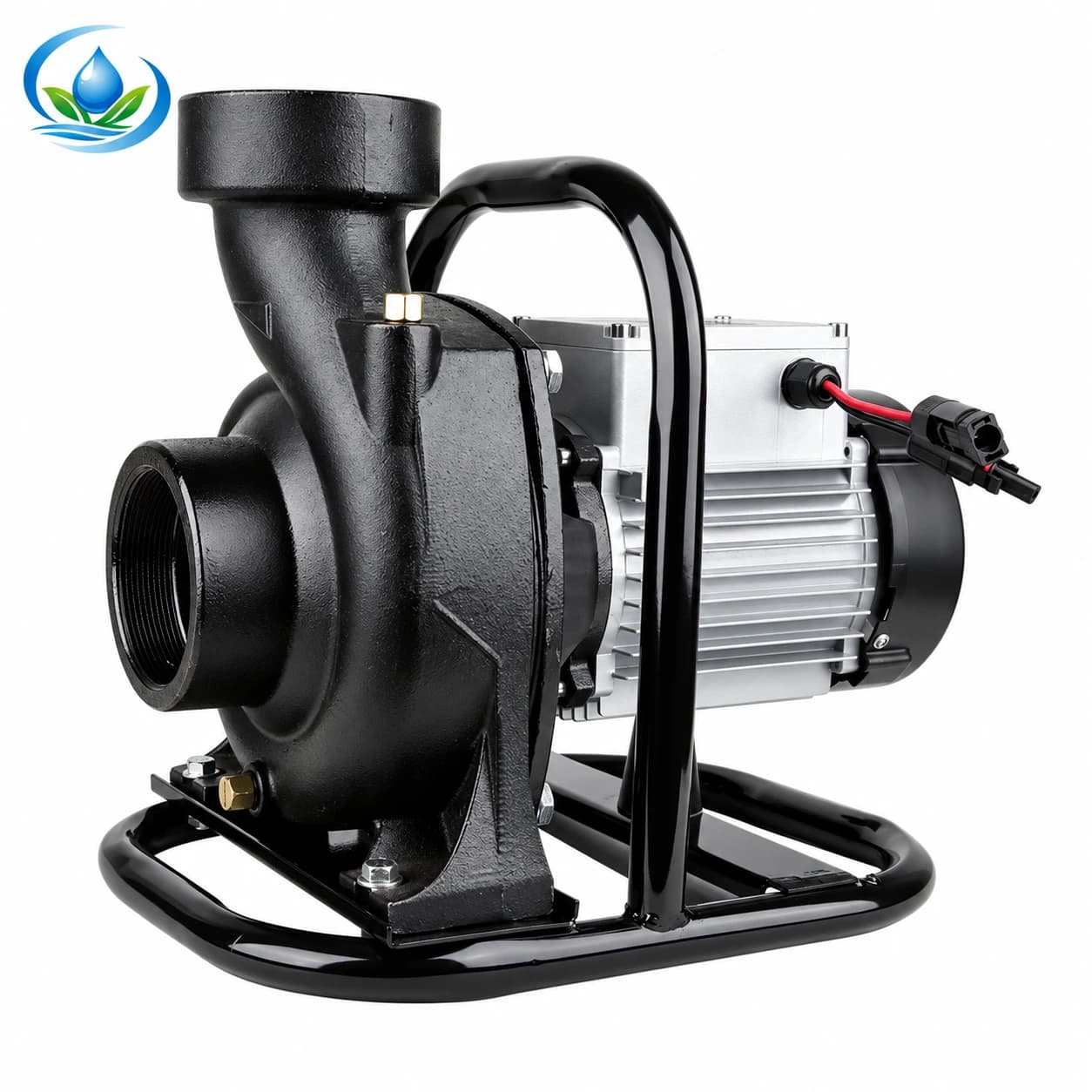
pumps
Supply a large irrigation branch or holding tank with a brushless solar DC centrifugal pump rated for high-volume transfer.
Out of stock
View details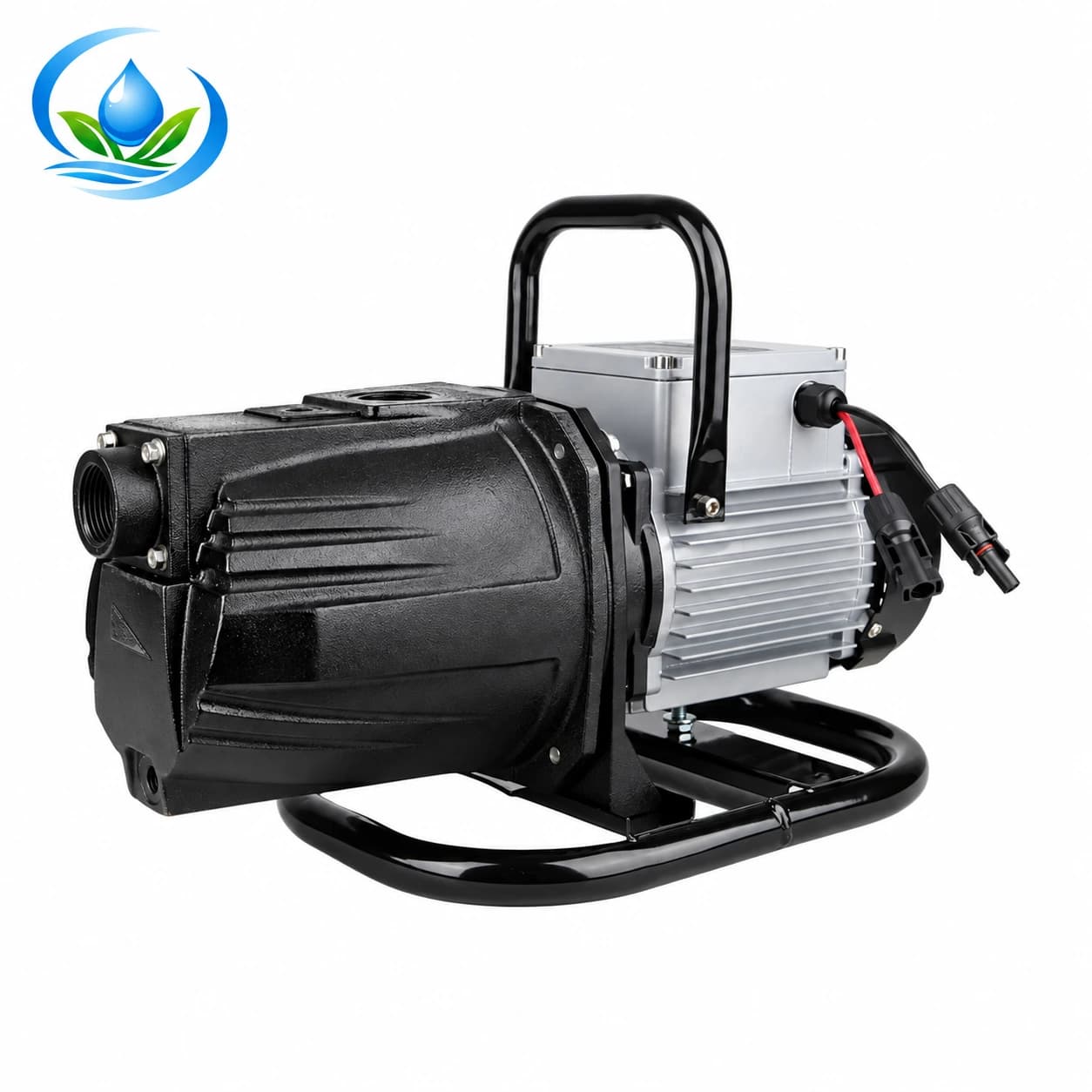
pumps
Lift water toward a higher irrigation outlet with a solar-compatible DC jet pump. Use its flow and head limits to plan the pipe route.
Out of stock
View details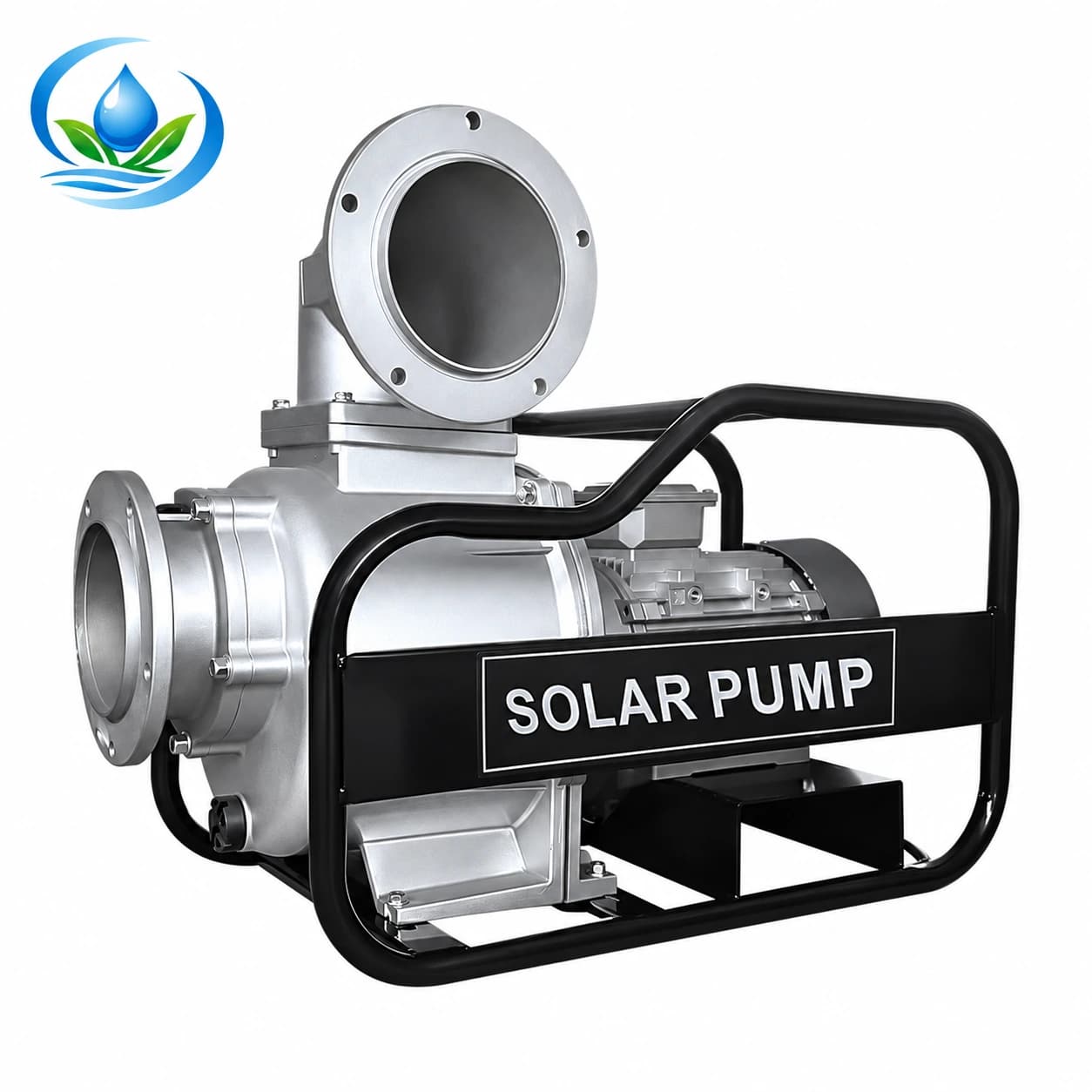
pumps
Move high volumes of water through a large agricultural supply line with an AC/DC-capable solar surface pump.
Out of stock
View details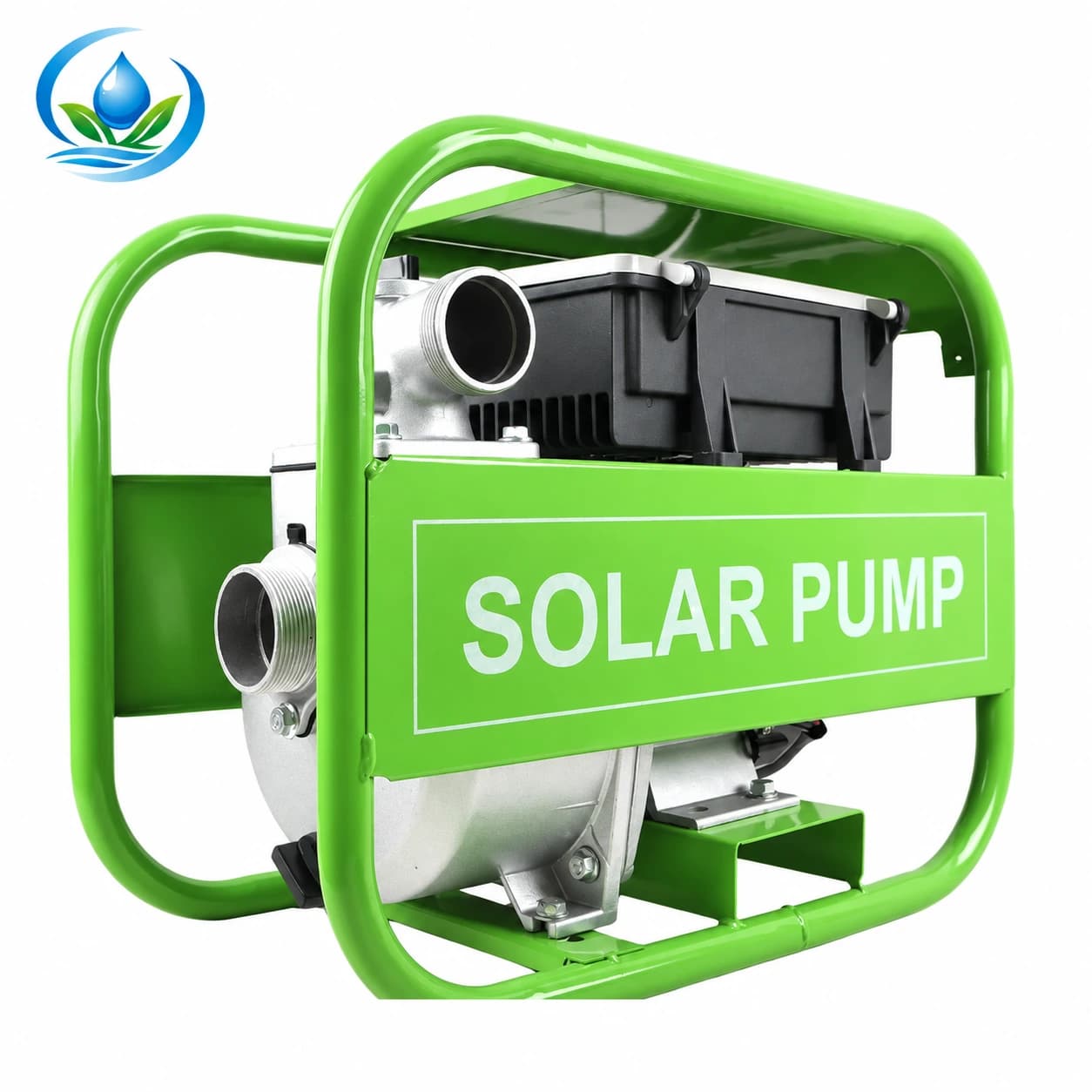
pumps
Transfer irrigation water with an AC/DC-capable self-priming surface pump with an aluminum inlet. Select the output for your field connection.
Out of stock
View details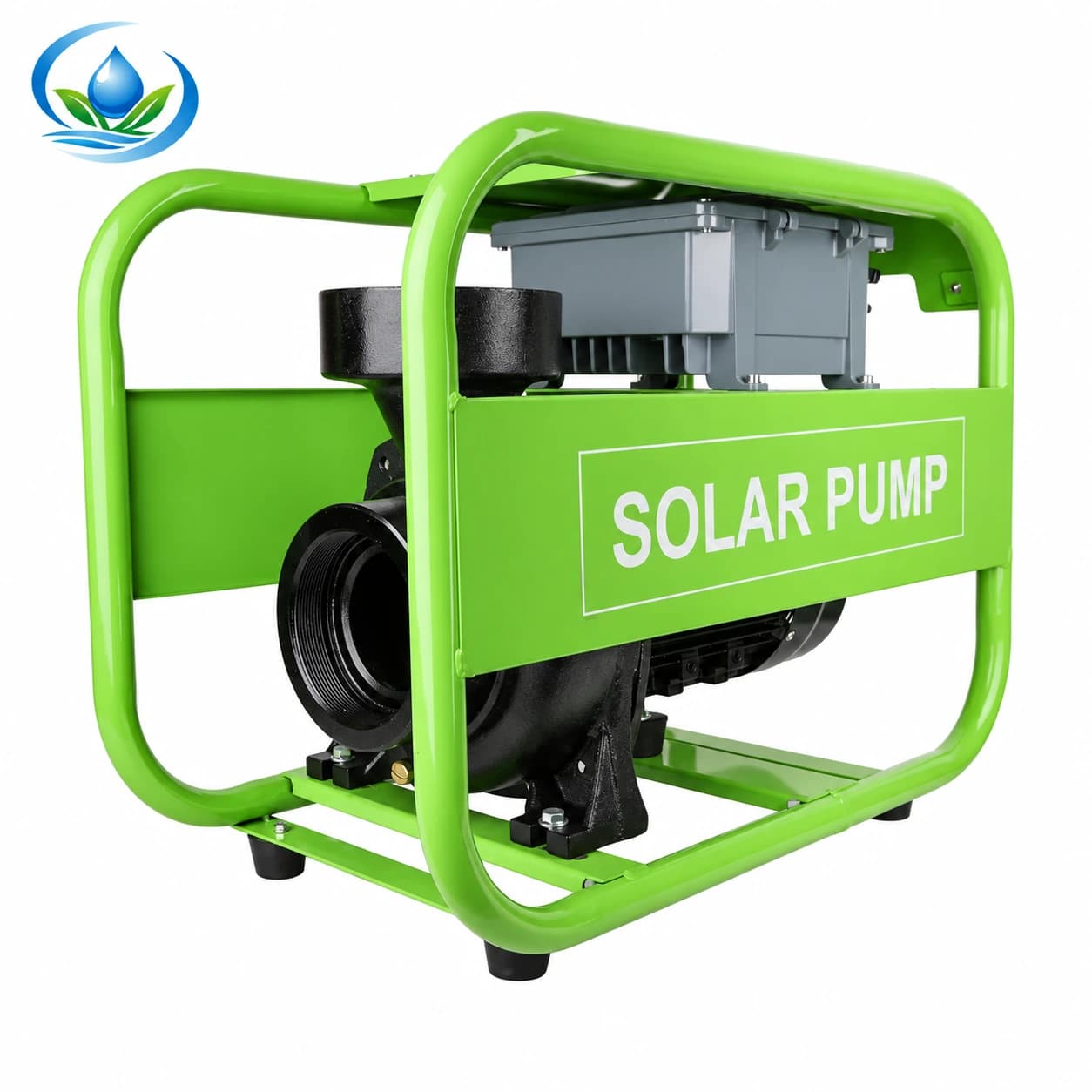
pumps
Place a solar-compatible centrifugal pump on a support frame for farm water transfer. Choose the output that serves your irrigation route.
Out of stock
View details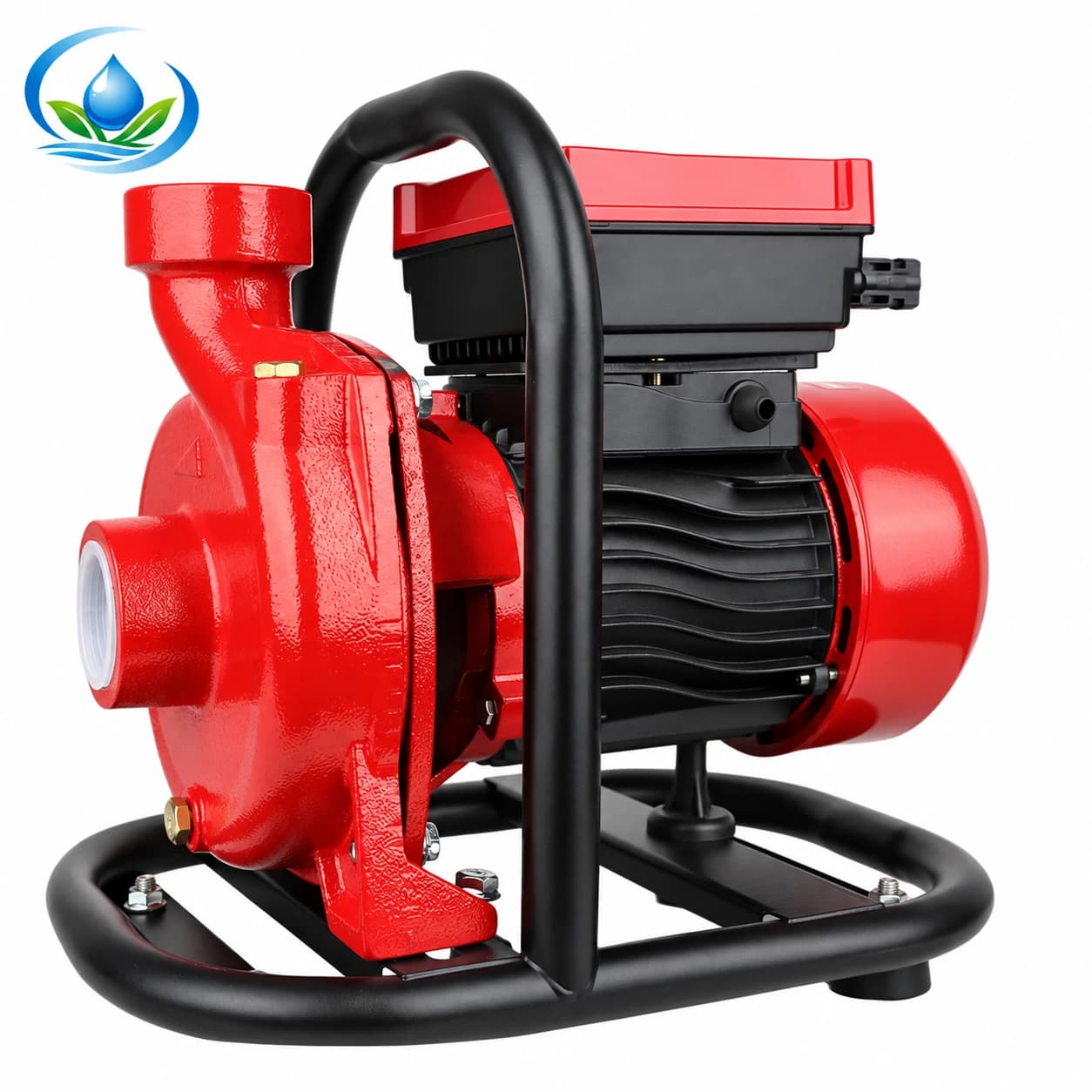
pumps
Feed a farm irrigation branch or storage tank with a solar brushless centrifugal surface pump. Compare pressure and flow to your route.
Out of stock
View details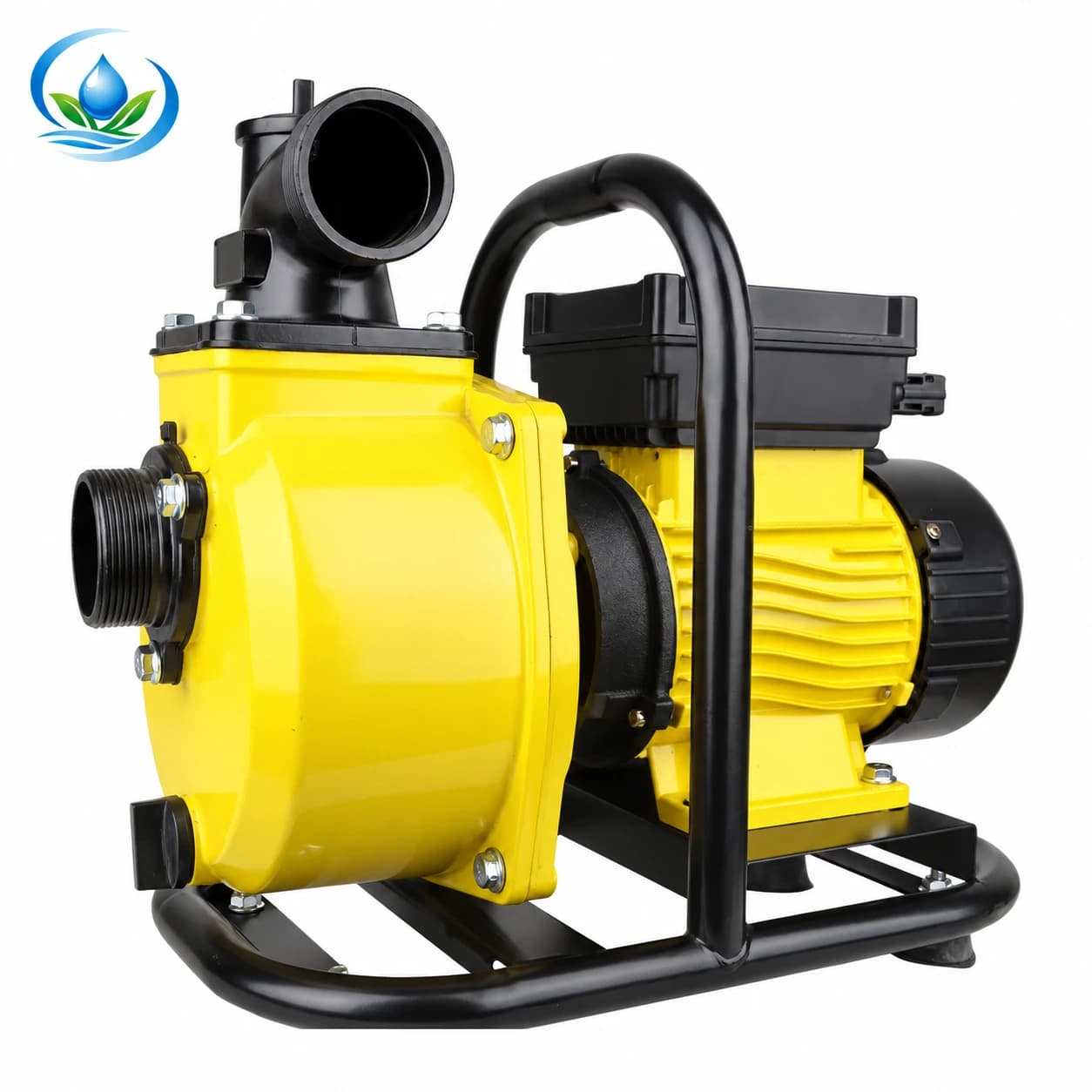
pumps
Lift water from a remote source with a high-suction solar surface pump. Select the flow and head that suit the distance to your crop or tank.
Out of stock
View details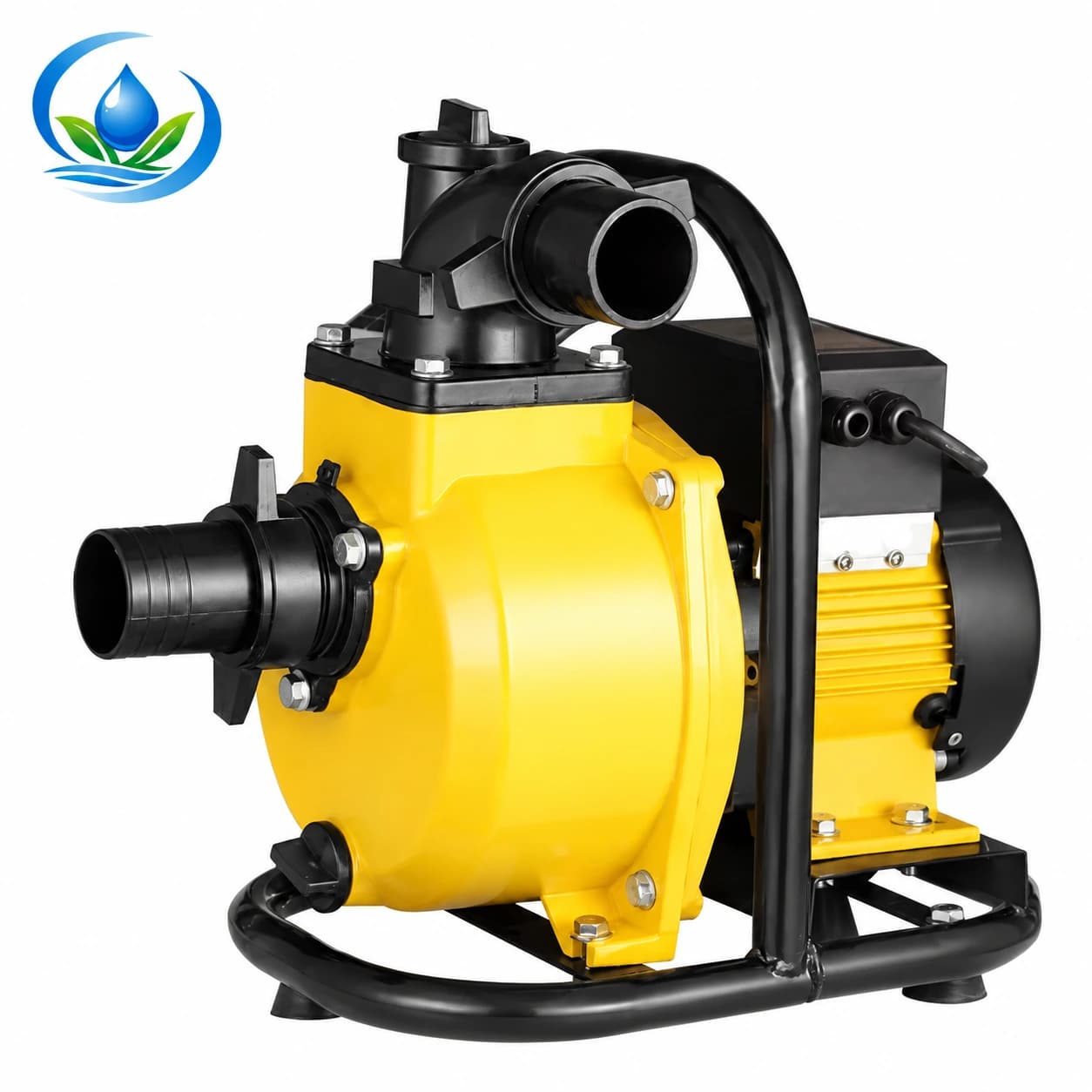
pumps
Use a brushless DC surface pump with a suitable battery supply for water transfer or irrigation. Compare the available flow and lift options.
Out of stock
View details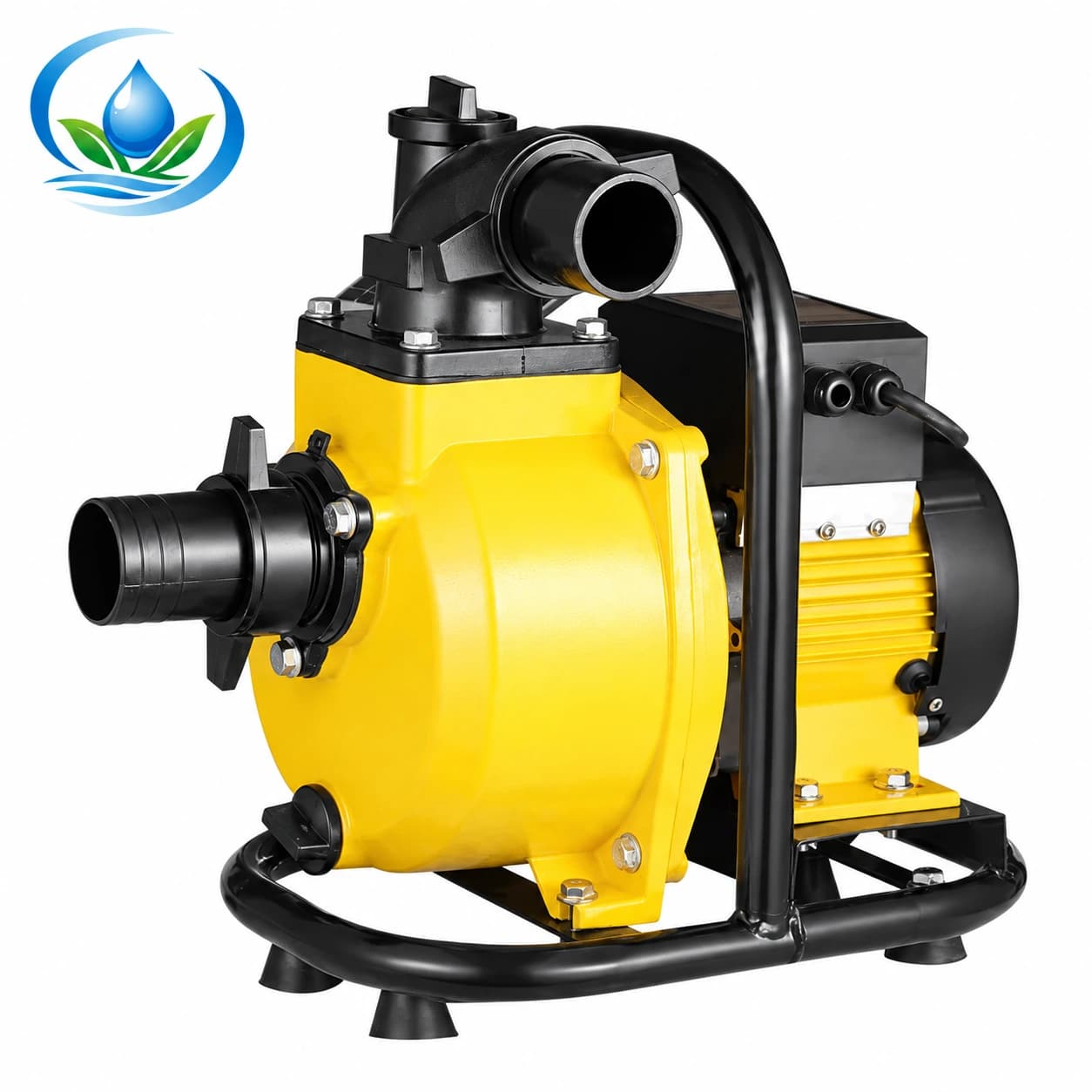
pumps
Draw water into a field irrigation system with a solar-compatible self-priming pump. Match the selected hydraulic option to your source and delivery height.
Out of stock
View details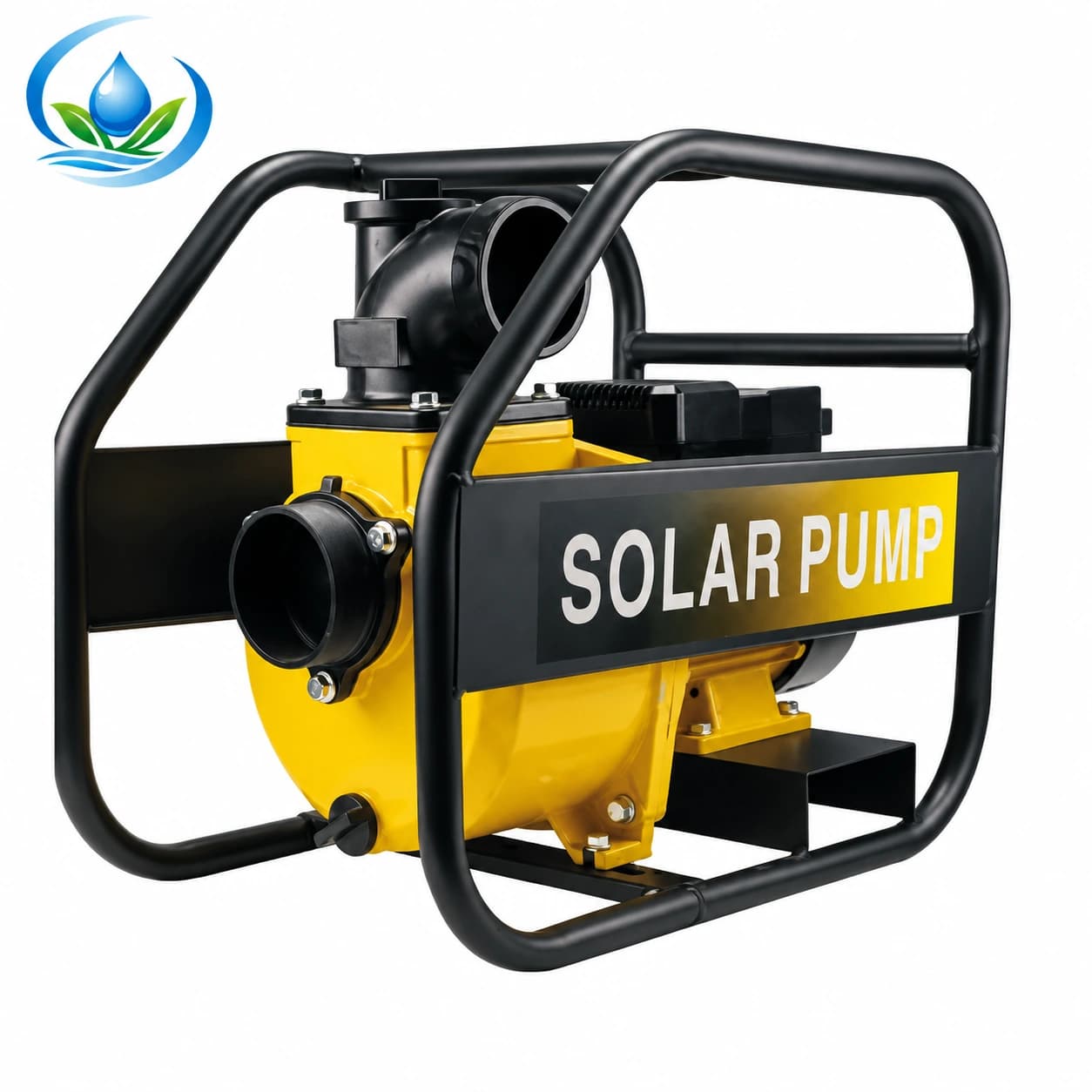
pumps
Supply crop rows or a storage tank with a solar brushless surface pump. Choose among flow and head options for the actual pipe route.
Out of stock
View details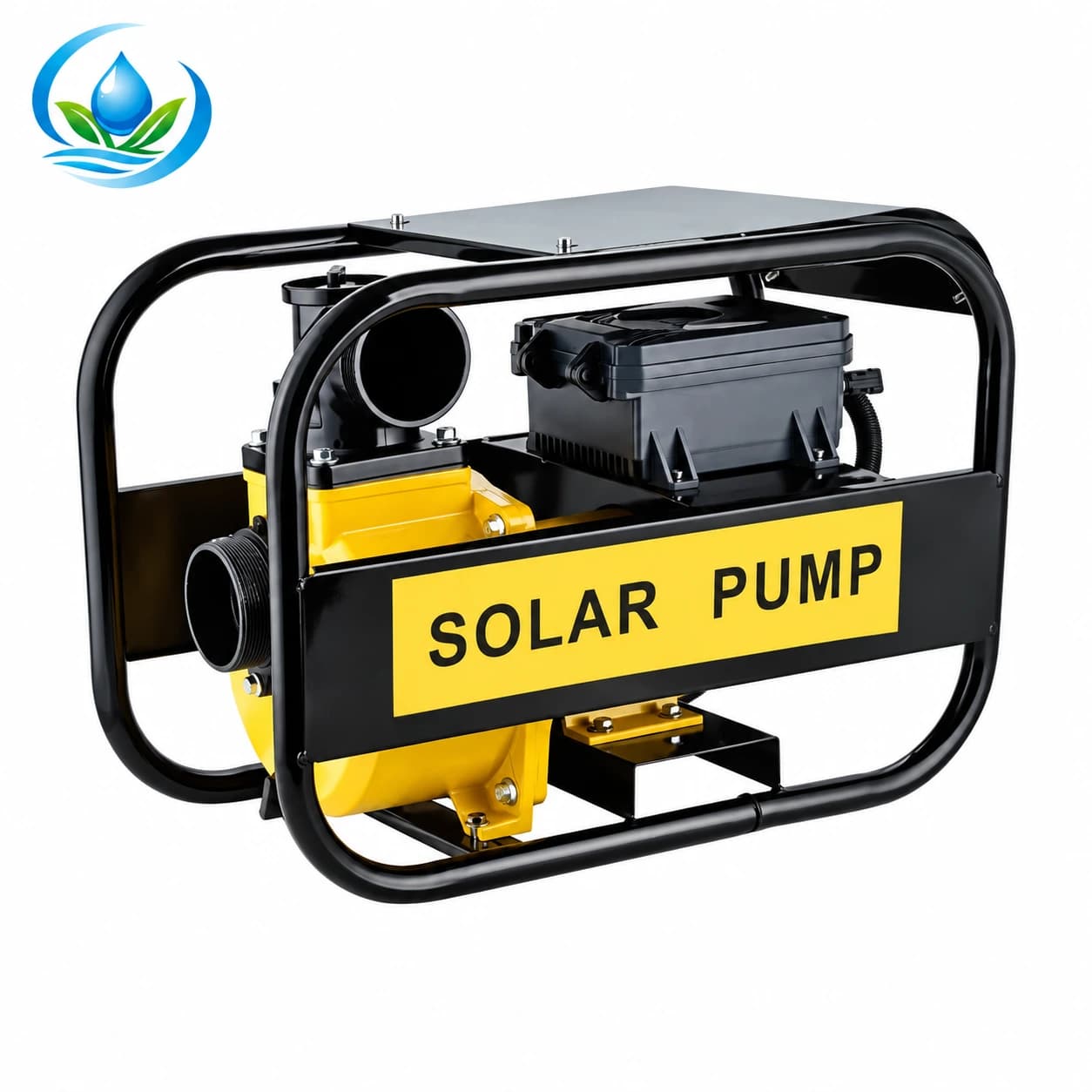
pumps
Move water from a nearby source into crop irrigation lines with a solar-compatible self-priming surface pump. Select the flow and lift needed for your field.
Out of stock
View detailsMatch your tubing diameter, connector type and water pressure before you add the finishing touches.
Field guide
This diagram shelf identifies the irrigation pump that moves water from the source to the treatment and distribution line. Listed pumps have different drive and installation types; a solar irrigation pump requires an electrical setup matched to its model.
Determine source conditions, total dynamic head and the flow of zones operated together. Then check the pump curve, power input and inlet and outlet size for the exact option. Do not size a pump by its maximum flow or maximum head in isolation.
The pump in an irrigation diagram links the water source to filtration, pressure control and distribution. This route points to the current pump range, but a listed model is suitable only if its performance curve matches the site. A solar irrigation pump also needs a defined operating window, source depth and power design. Separate the required crop-zone flow from the maximum number printed on a product label.
A pump converts energy into water head and flow. Total dynamic head includes lift from the lowest source level, pipe friction, elevation and the pressure needed at outlets. The chosen duty point lies on the pump curve; changing zones or dirtying a filter moves the operating condition. Dry running and electrical faults can damage equipment.
A farm irrigation pump can serve a field only when its curve reaches the combined zone flow at the calculated head. Check source yield, suction conditions and filtration loss before specifying a pump for this diagram position.
Track flow and pressure at the same zone configuration. Clean intake protection, inspect seals and follow the maker's service schedule. If capacity drops, check source level and filters before concluding the pump is undersized. Keep electrical and rotating equipment service with qualified personnel.
Isolate electrical power before inspecting wiring or terminals. With qualified help where needed, compare the switch's rated range and observed cut-in and cut-out pressures using a reliable gauge. A faulty gauge, tank or blocked sensing port can imitate a switch problem; follow the pump and switch manuals.
Only if a specific solar pump system can meet their simultaneous flow and head during the required operating window.
Technical reference: UGA Extension, Irrigation and Technology Assessment. Use the selected product manual and local requirements for final design.