
pipe tubing hose
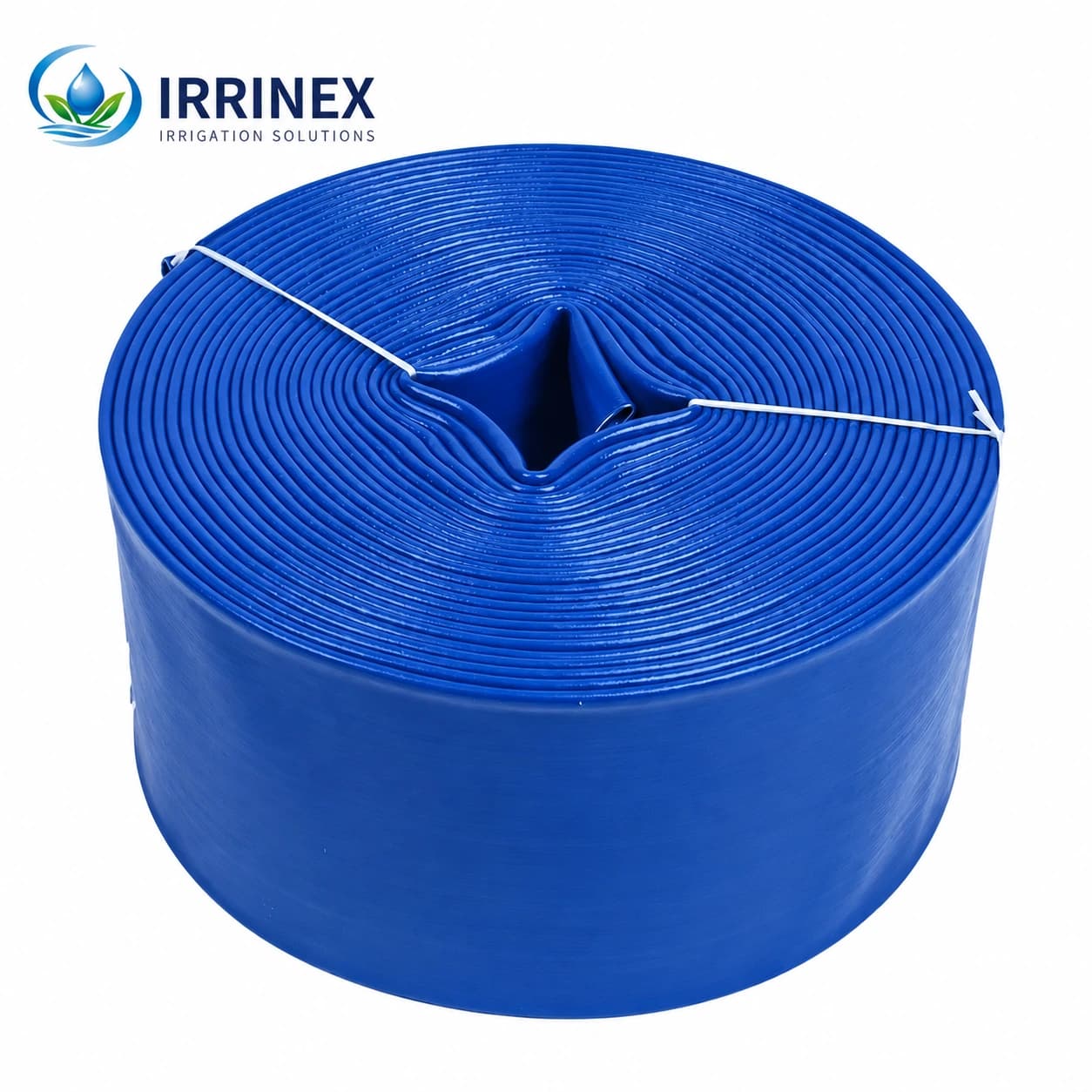
PVC Layflat Hose for Portable Irrigation Water Supply
Run water to a field, garden or portable sprinkler with PVC layflat hose. Drain and roll it away when the watering job is done.
Out of stock
View detailsAgricultural irrigation, direct to you
Choose irrigation pipe or lay flat irrigation hose for a submain that feeds multiple laterals. Compare flow capacity, pressure and connections.
4 products
Showing 1–4
pipe tubing hose
Run water to a field, garden or portable sprinkler with PVC layflat hose. Drain and roll it away when the watering job is done.
Out of stock
View details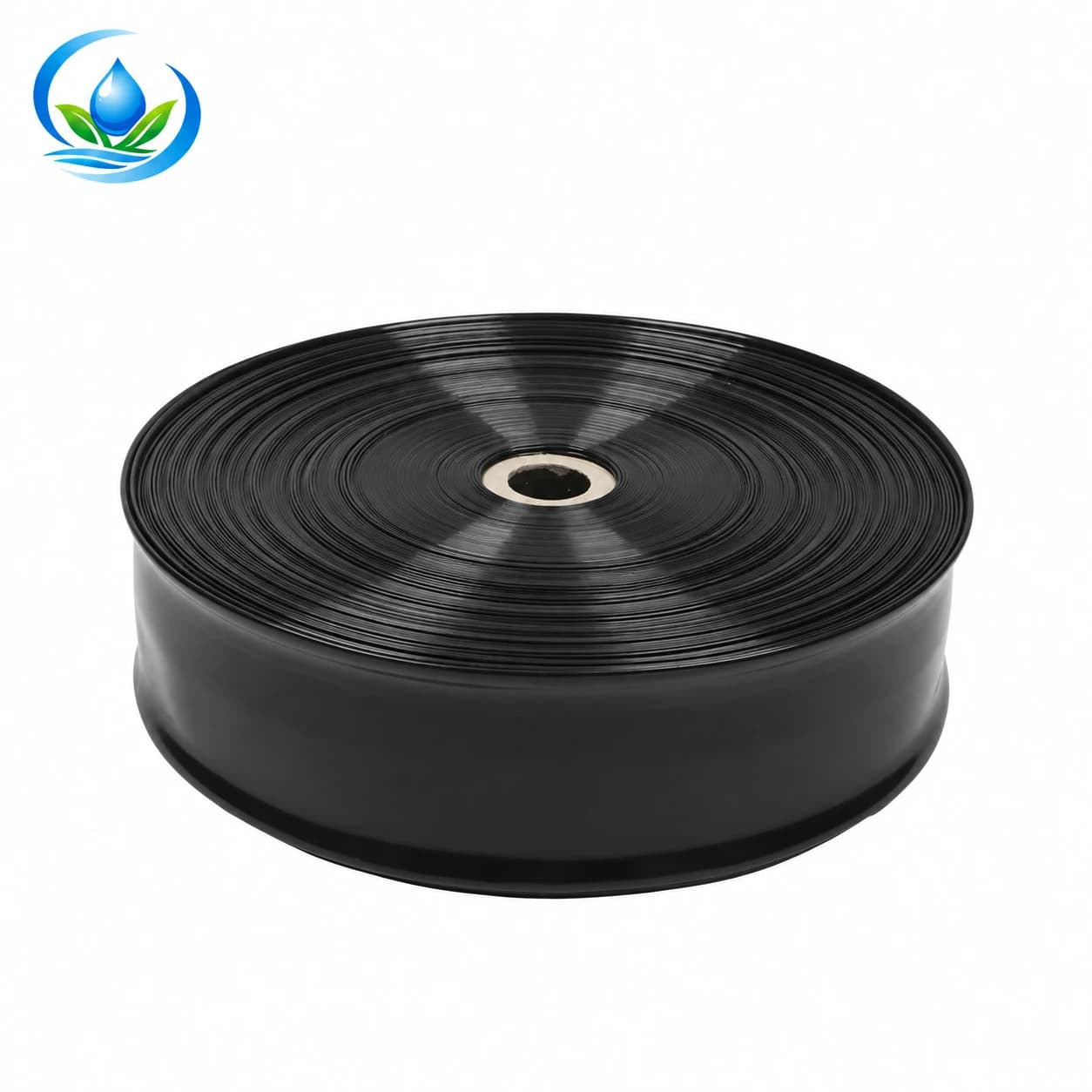
pipe tubing hose
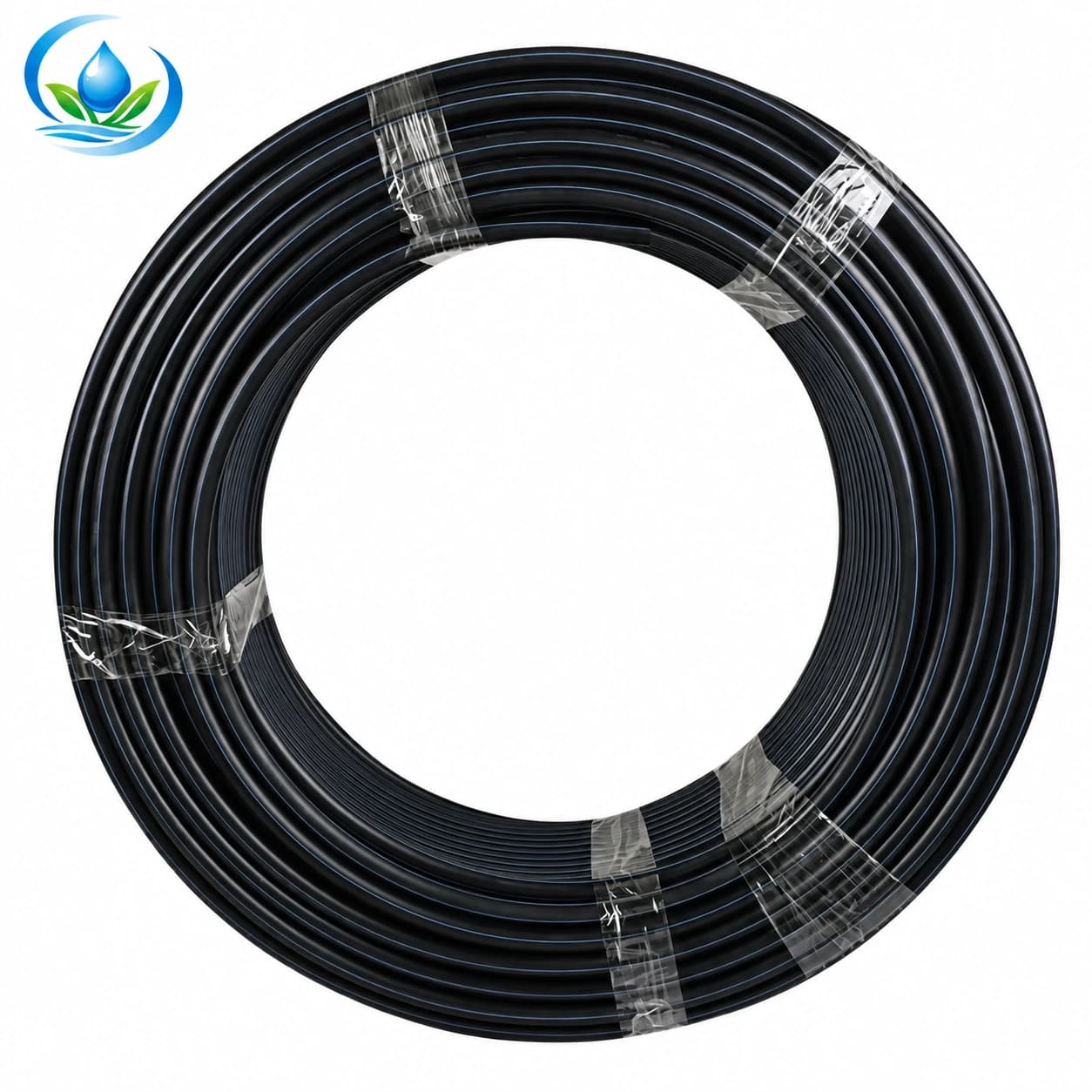
32 mm / 40 mm / 50 mm / 63 mm / 75 mm / 90 mm / 110 mm / 160 mm
Out of stock
View details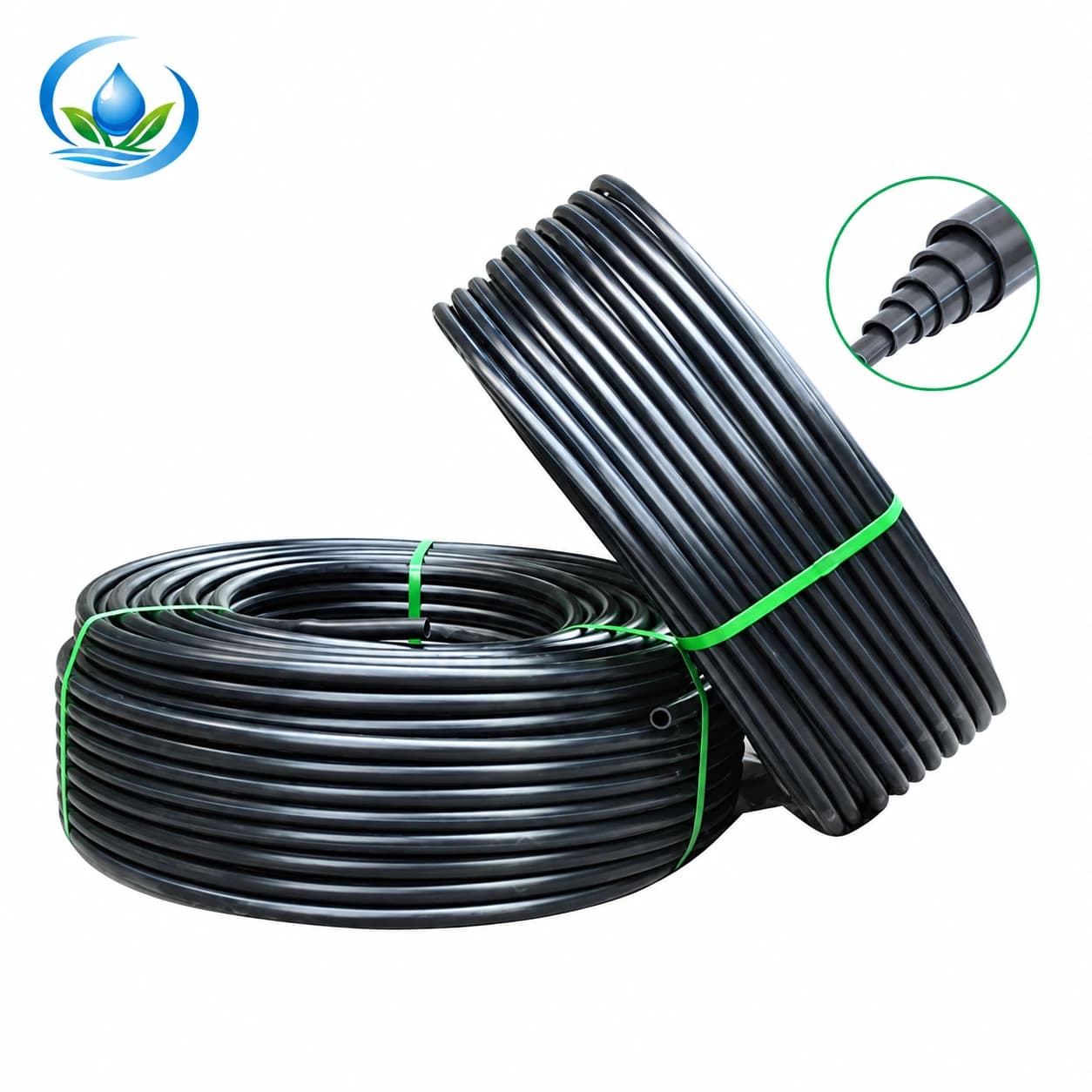
pipe tubing hose
16 mm / 20 mm / 25 mm
Out of stock
View detailsMatch your tubing diameter, connector type and water pressure before you add the finishing touches.
Field guide
A submain distributes water from a main supply to several field laterals. Rigid PE irrigation pipe and lay flat irrigation hose offer different handling and joining options; this diagram shelf links the relevant listed line materials.
Size the submain for the total flow of the zones operating together and the pressure needed at the last takeoff. Check pipe diameter, working pressure, length and end connections. A flexible discharge hose may be suitable for a movable run but uses different fittings from buried PE pipe.
A submain branches from the irrigation main line and feeds several crop laterals or sprinkler branches. In a diagram it sits between the mainline and the field outlets. The listed products include relevant pipe or lay flat irrigation hose options, but verify material and diameter. Place the submain where rows can branch cleanly and where isolation and flushing remain accessible.
The submain carries the sum of simultaneous downstream outlet flows. As water leaves at branches, flow decreases along its length, while friction and elevation affect pressure. An undersized submain can create uneven delivery even when each lateral is correctly specified. Flexible lay-flat hose and rigid pipe have different support, connection and pressure limits.
Inspect branch tees and temporary hose couplings for leakage or damage from field traffic. Keep an as-built record of hidden submains. If distant laterals are weak, test submain pressure before changing their emitters; the problem may be upstream.
There is no universal burial depth. Choose it from local frost and traffic conditions, pipe material, pressure rating, tillage depth and applicable requirements. Mark the route and protect the pipe where vehicles or tools may cross it.
It can where its rated pressure, flow, fittings and field protection meet the design requirements.
Technical reference: USDA NRCS, National Engineering Handbook: Microirrigation. Use the selected product manual and local requirements for final design.