
filters
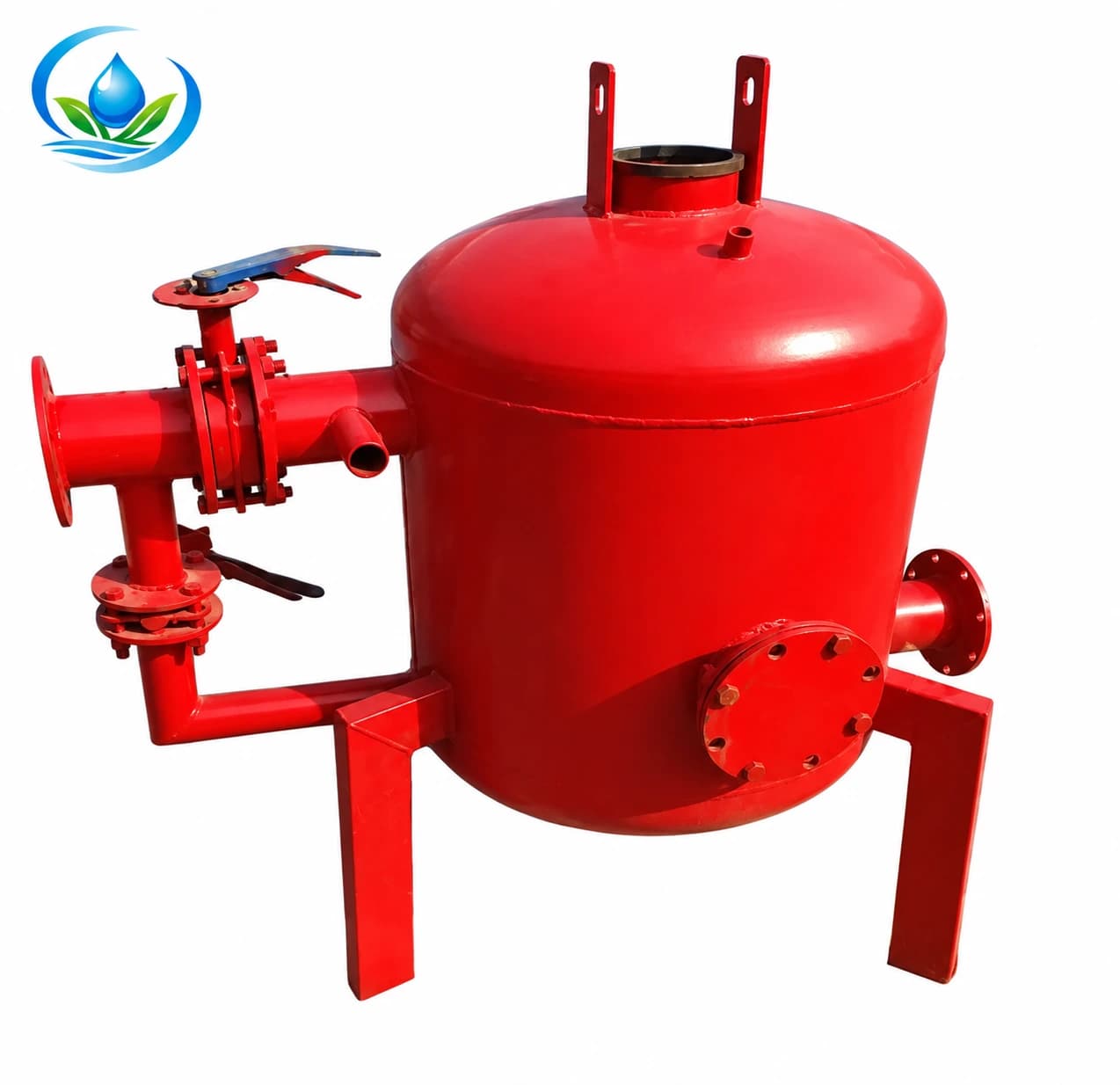
Single-Tank Sand Media Filter for Drip Irrigation
Filter organic debris from irrigation water with a single sand media vessel. Leave room for media service and a planned backwash outlet.
Out of stock
View detailsAgricultural irrigation, direct to you
Browse irrigation sand filter and media-filter options for larger water flows. Check tank size, filtration duty and backwash needs.
2 products
Showing 1–2
filters
Filter organic debris from irrigation water with a single sand media vessel. Leave room for media service and a planned backwash outlet.
Out of stock
View details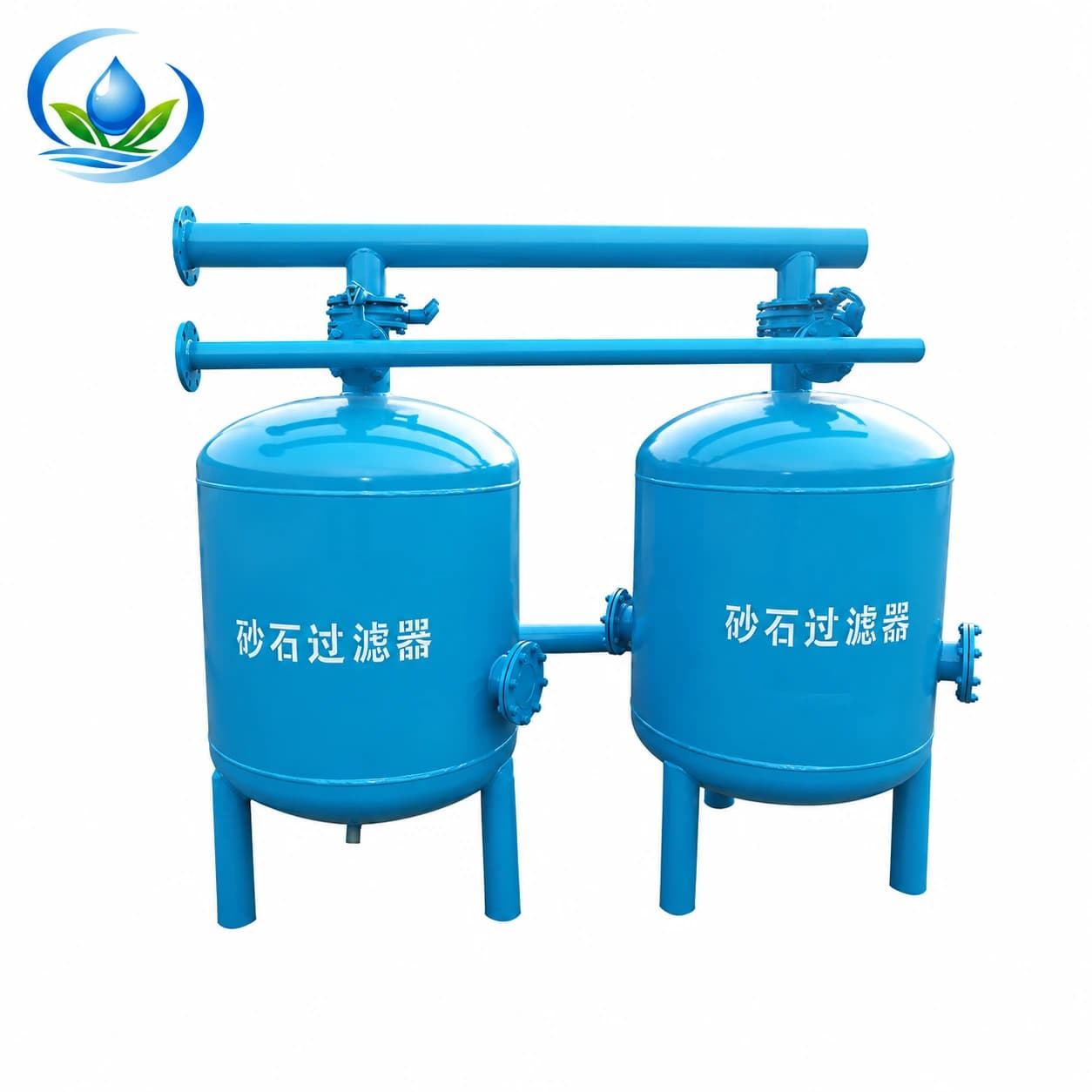
Match your tubing diameter, connector type and water pressure before you add the finishing touches.
Field guide
An irrigation sand filter passes water through media to capture particles before they reach smaller outlets. This diagram shelf links listed single- and twin-tank media filters. A sand filter for drip irrigation needs to be matched to the source water, zone flow and downstream emitter tolerance.
Review connection size, recommended flow, pressure rating and the media and cleaning procedure for each model. Allow service access and check whether a finer downstream filter is still needed for the selected emitters.
An irrigation sand filter or media filter can be part of treatment for water carrying organic or suspended material. The diagram route has a small selection of related units. It is not chosen by tank size alone: source water, filtration target, operating flow, backwash supply and downstream emitter passages all matter. Allow space for the vessel and discharge of backwash water.
Water passes through graded media that traps suspended particles. As loading increases, pressure loss rises; backwashing reverses or redirects flow to lift and clean the bed. A sand filter for drip irrigation may be followed by a screen or disc element where the design requires it. It cannot remove dissolved salts merely by straining water.
Watch differential pressure and backwash at the specified trigger. Check media condition and valve operation; poor backwash can channel or release trapped particles. Keep records of pressure recovery. Do not send backwash into an area where it can erode soil or contaminate a water source.
It may suit water with certain organic or suspended loads when correctly sized and maintained; source testing and downstream needs decide.
Not always. The design may require a downstream screen or disc stage to protect fine emitters.
Technical reference: USDA NRCS, National Engineering Handbook: Microirrigation. Use the selected product manual and local requirements for final design.