Flush Valves
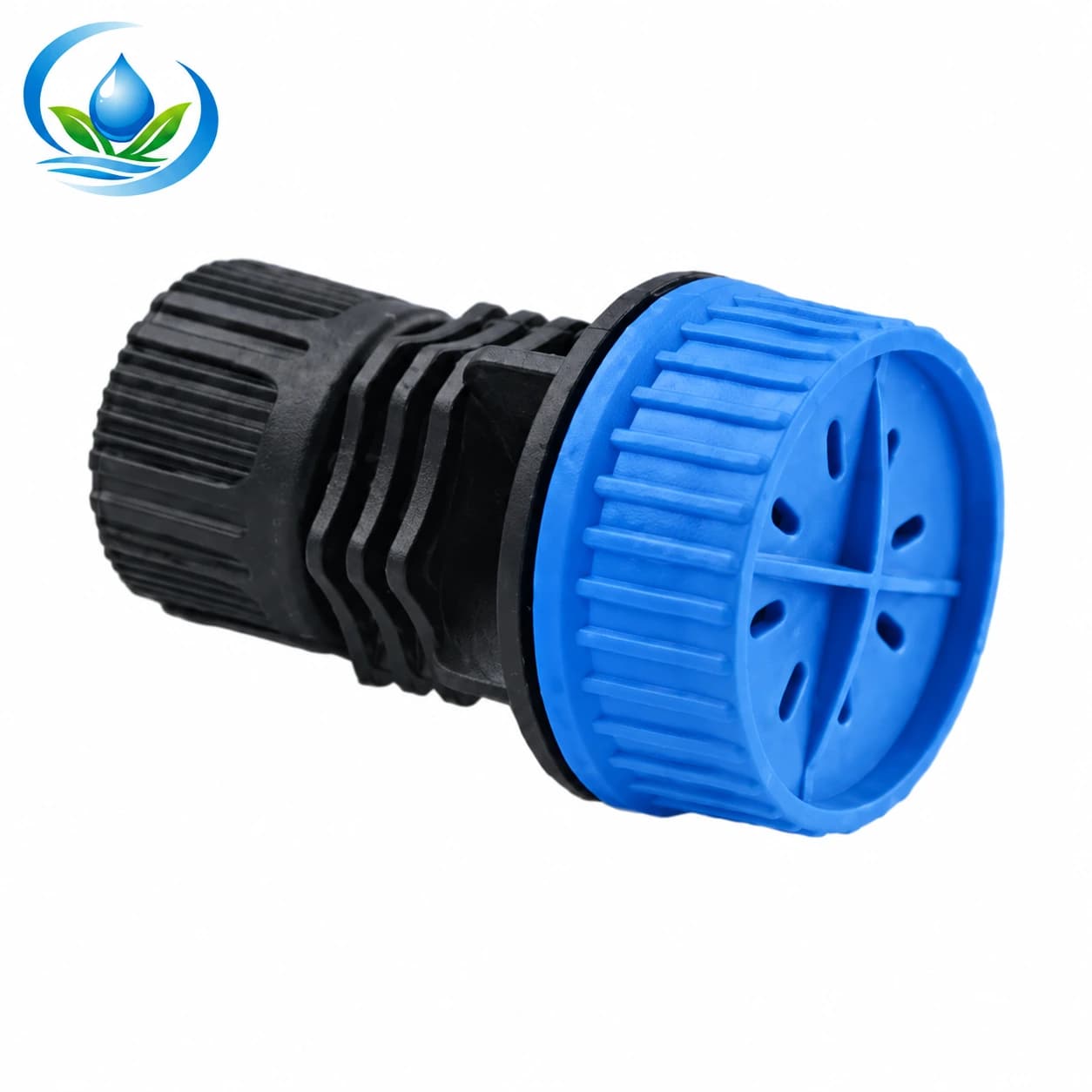
Shop irrigation flush valve parts for clearing a drip line end. Compare drip line flush valve threads, pressure rating and operation.
Flush Valves
3 products
Showing 1–3
drip fittings
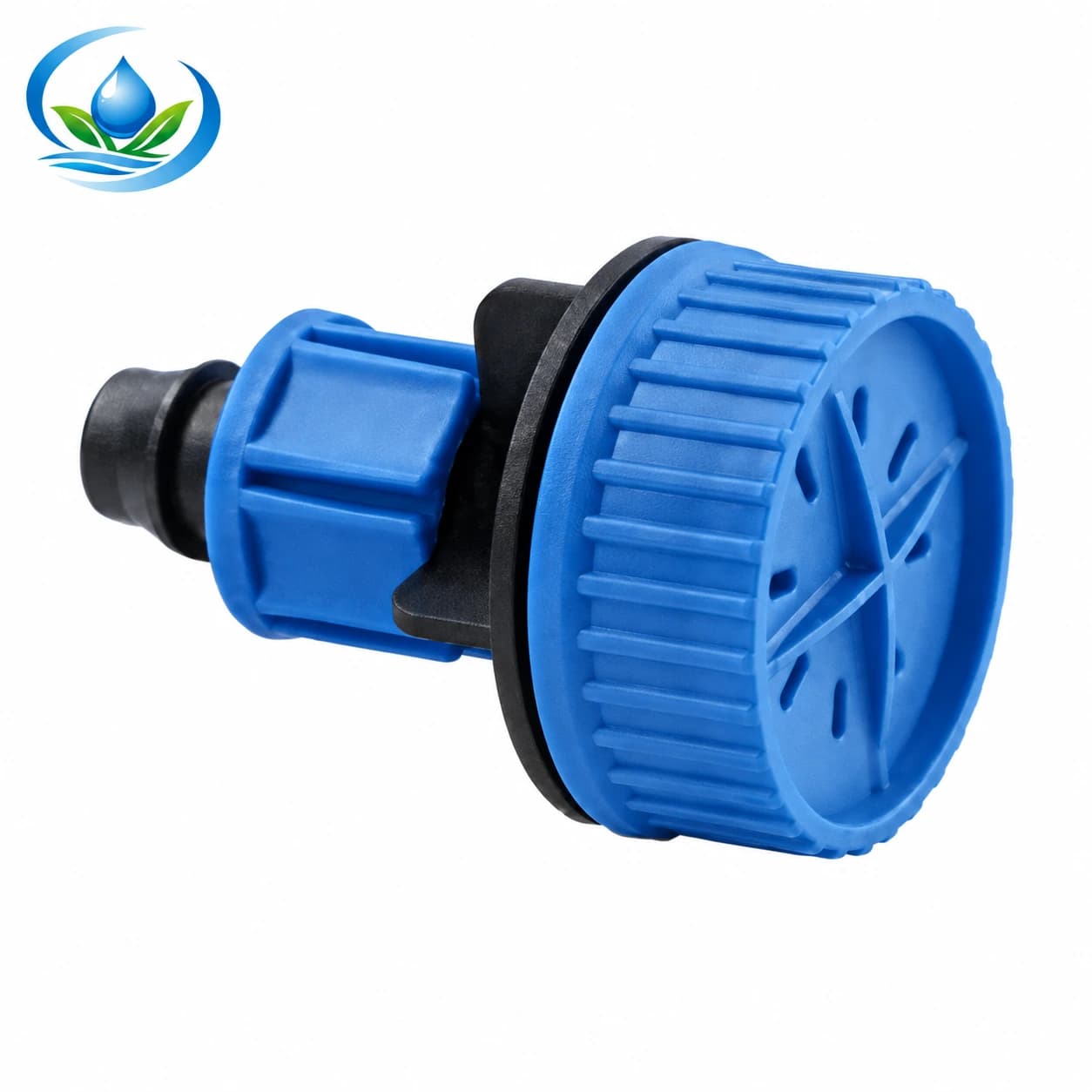
Inline Drip Tubing Flush Valve with Lock Connection
16 mm / 20 mm
Out of stock
View details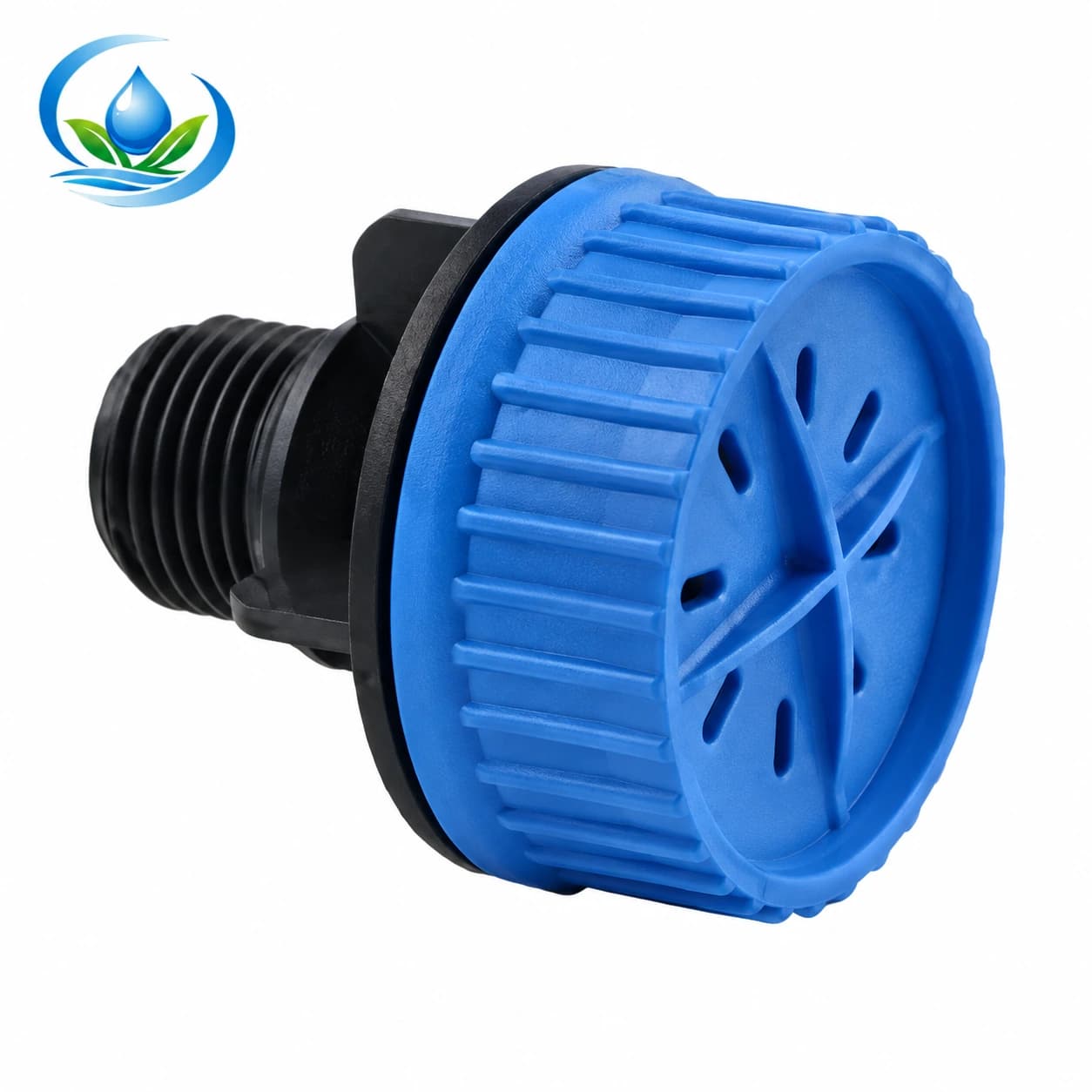
Check compatibility before ordering
Match your tubing diameter, connector type and water pressure before you add the finishing touches.
Field guide
Guide to flush valves
An irrigation flush valve provides an outlet to clear sediment from the end of a lateral or manifold. The available drip line flush valve styles have different end connections and opening methods, so the exact product matters.
Place a flush point where discharge can be managed safely and the valve remains accessible. Confirm the mating thread or tube size, flow direction if specified and working pressure. Flushing complements suitable source filtration; it does not replace the filter.
Where and when to use it
An irrigation flush valve gives sediment and construction debris an exit at the end of a lateral or manifold. In a drip diagram it belongs where a person can reach it and discharge water safely. This route has a few related products; check whether each is automatic, manual or simply an end closure. A drip line flush valve does not replace upstream filtration.
How it works
Opening an end outlet increases flow through the line and carries accumulated particles out. The discharge must be directed so it does not erode soil or damage nearby equipment. An automatic design may open during startup or shutdown according to its mechanism; a manual valve requires an operating schedule. Flush flow and pressure must stay within line limits.
A drip irrigation flush valve or accessible end closure lets sediment leave a lateral during startup and maintenance. Confirm the device's opening behavior and flow capacity so it flushes the line without wasting water during normal operation.
How to plan and install it
- Identify line ends or flush manifolds where debris can collect.
- Select a valve compatible with pipe dimensions, pressure and intended manual or automatic operation.
- Provide accessible space and a safe outlet for the expelled water.
- Flush before first use and confirm the valve reseals without starving the operating zone.
Operation and maintenance
Inspect for drips, stuck mechanisms and sediment near the outlet. Flush after repairs and when water-quality checks indicate it is needed. Record which line ends were opened; an unclosed valve can lower zone pressure substantially.
Common questions
Why install a drip line flush valve?
It provides a controlled way to remove particles from line ends and simplifies start-up maintenance.
Does flushing remove the need for a filter?
No. Filtration limits incoming particles, while flushing helps remove material already in the line.
Technical reference: USDA NRCS, National Engineering Handbook: Microirrigation. Use the selected product manual and local requirements for final design.