
drip fittings
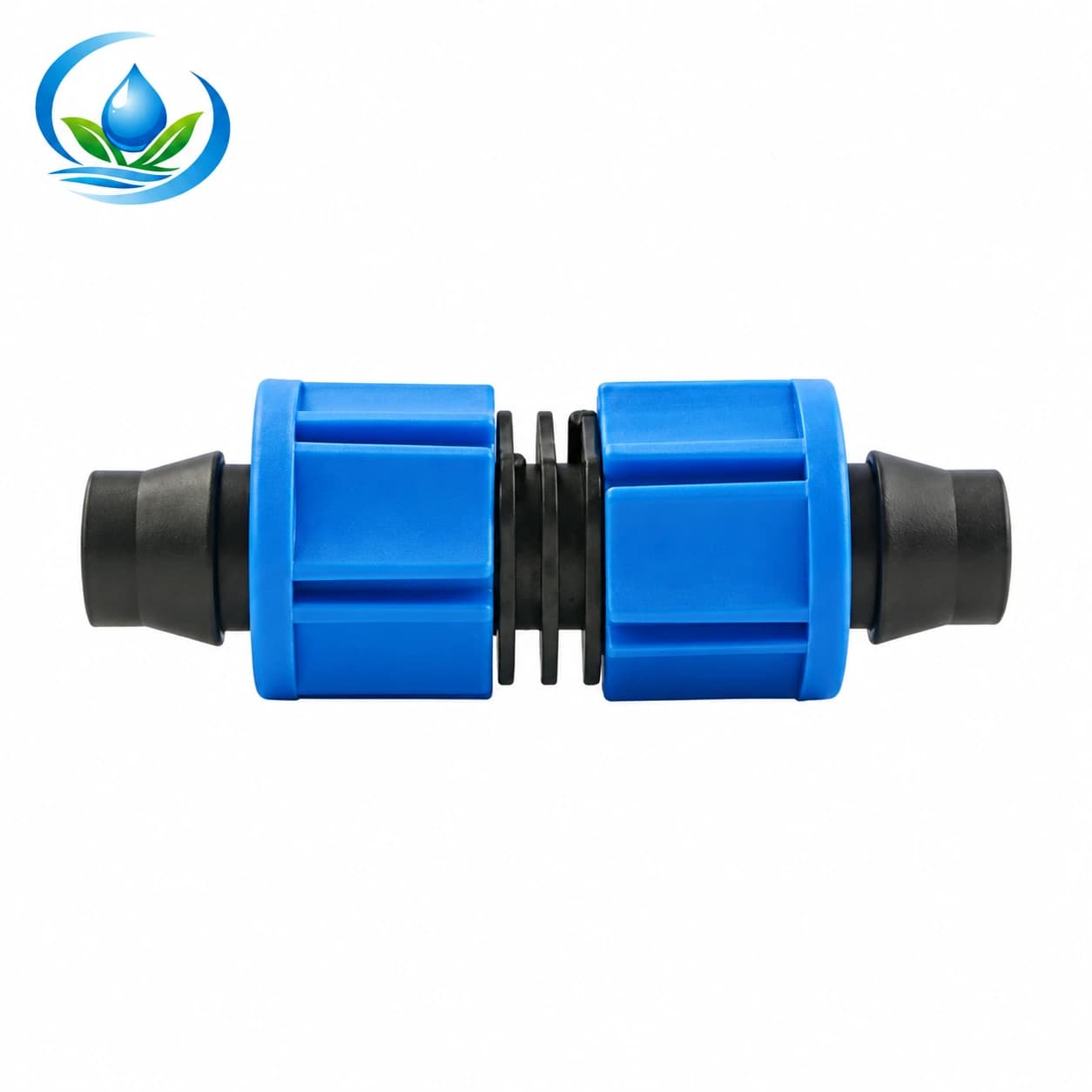
Lock-Nut Straight Coupler for Drip Tubing
- Available connection sizes
- 16 mm / 20 mm
Out of stock
View detailsAgricultural irrigation, direct to you
Shop drip irrigation connectors for drip tape and dripline, including takeoffs, barbs and end fittings. Compare line size and joint style.
49 products
Showing 1–18
drip fittings
Out of stock
View details
drip fittings
Out of stock
View details
drip fittings
Out of stock
View details
drip fittings
Out of stock
View details
drip fittings
Out of stock
View details
drip fittings
Out of stock
View details
drip fittings
Out of stock
View details
drip fittings
Out of stock
View details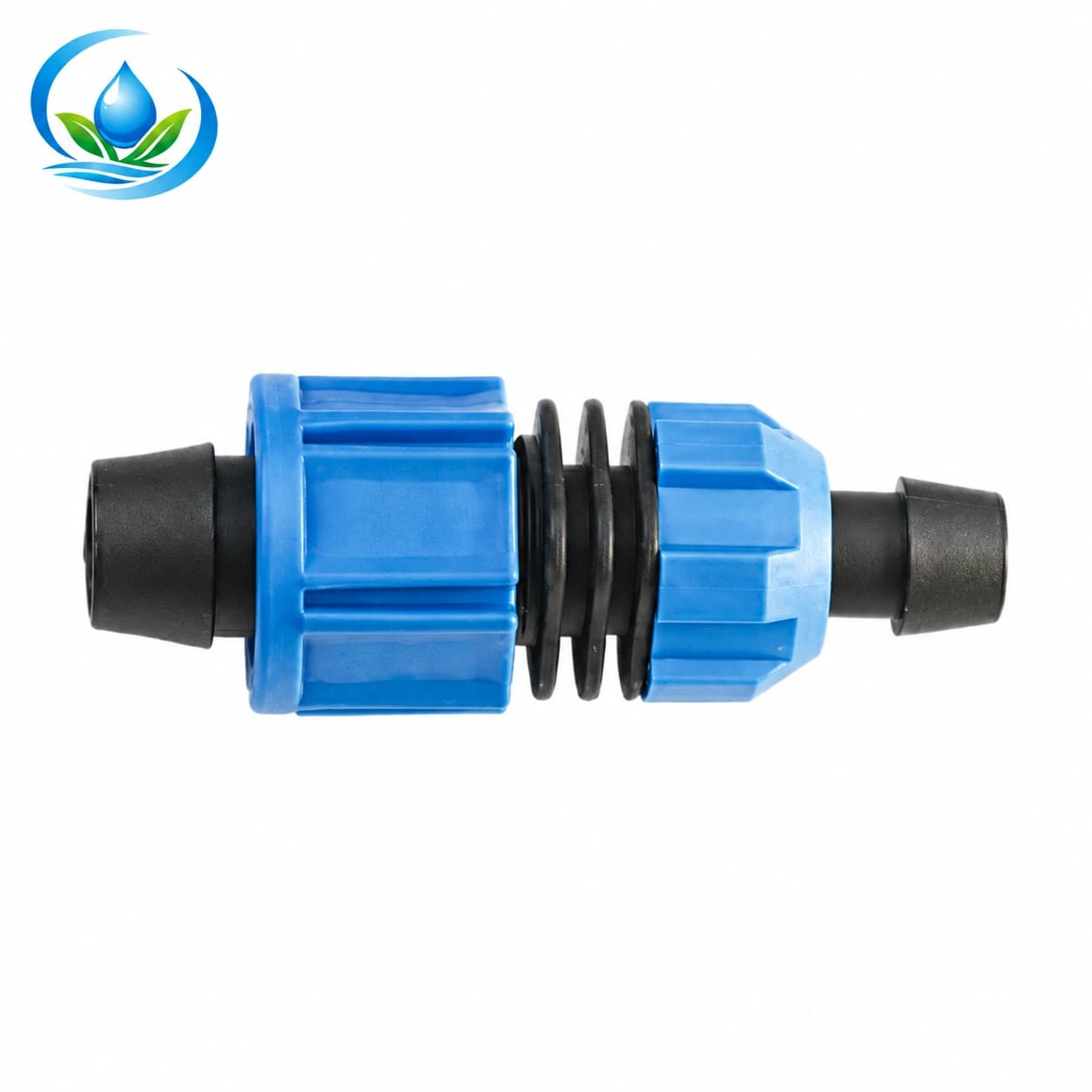
drip fittings
Out of stock
View details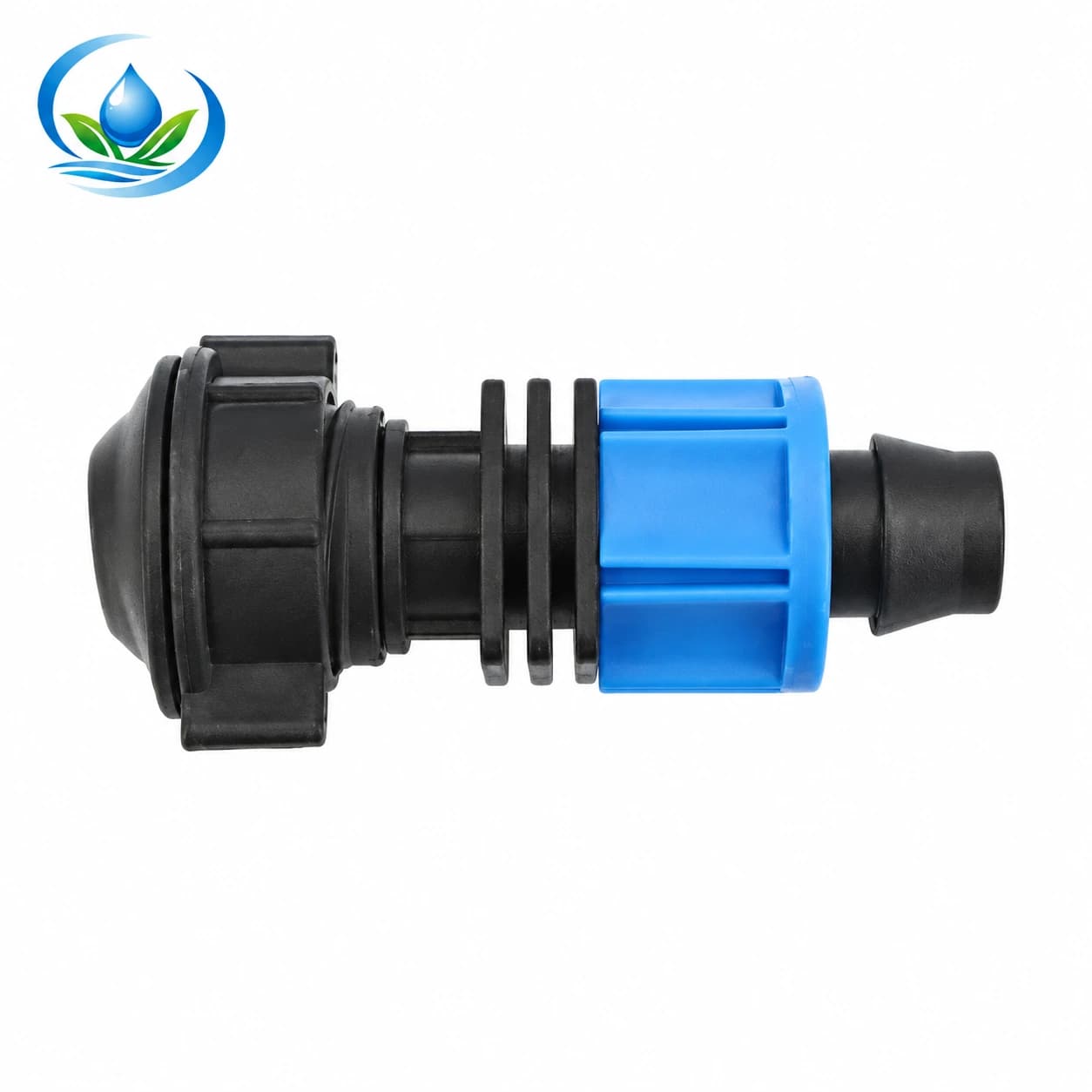
drip fittings
Out of stock
View details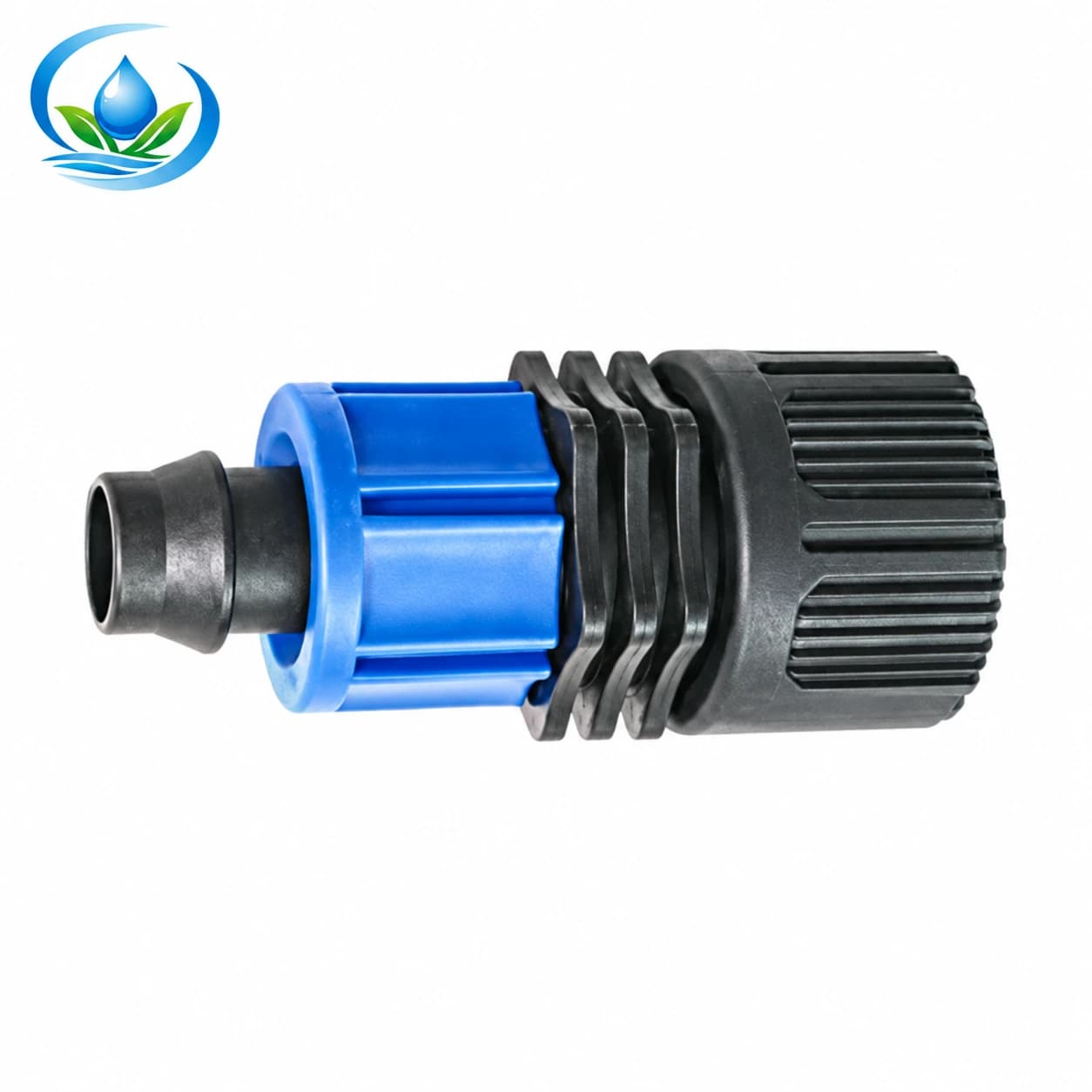
drip fittings
Out of stock
View details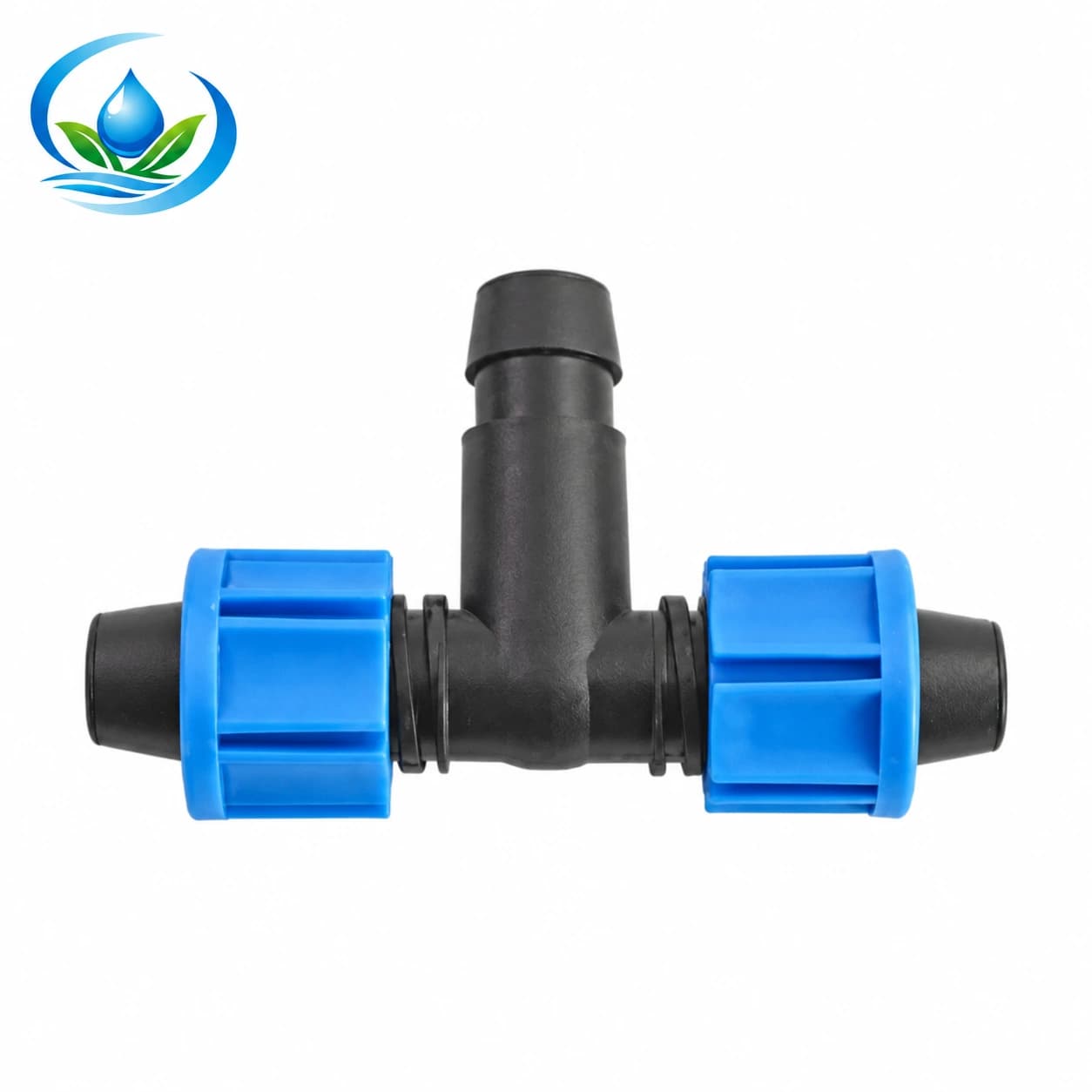
drip fittings
Out of stock
View details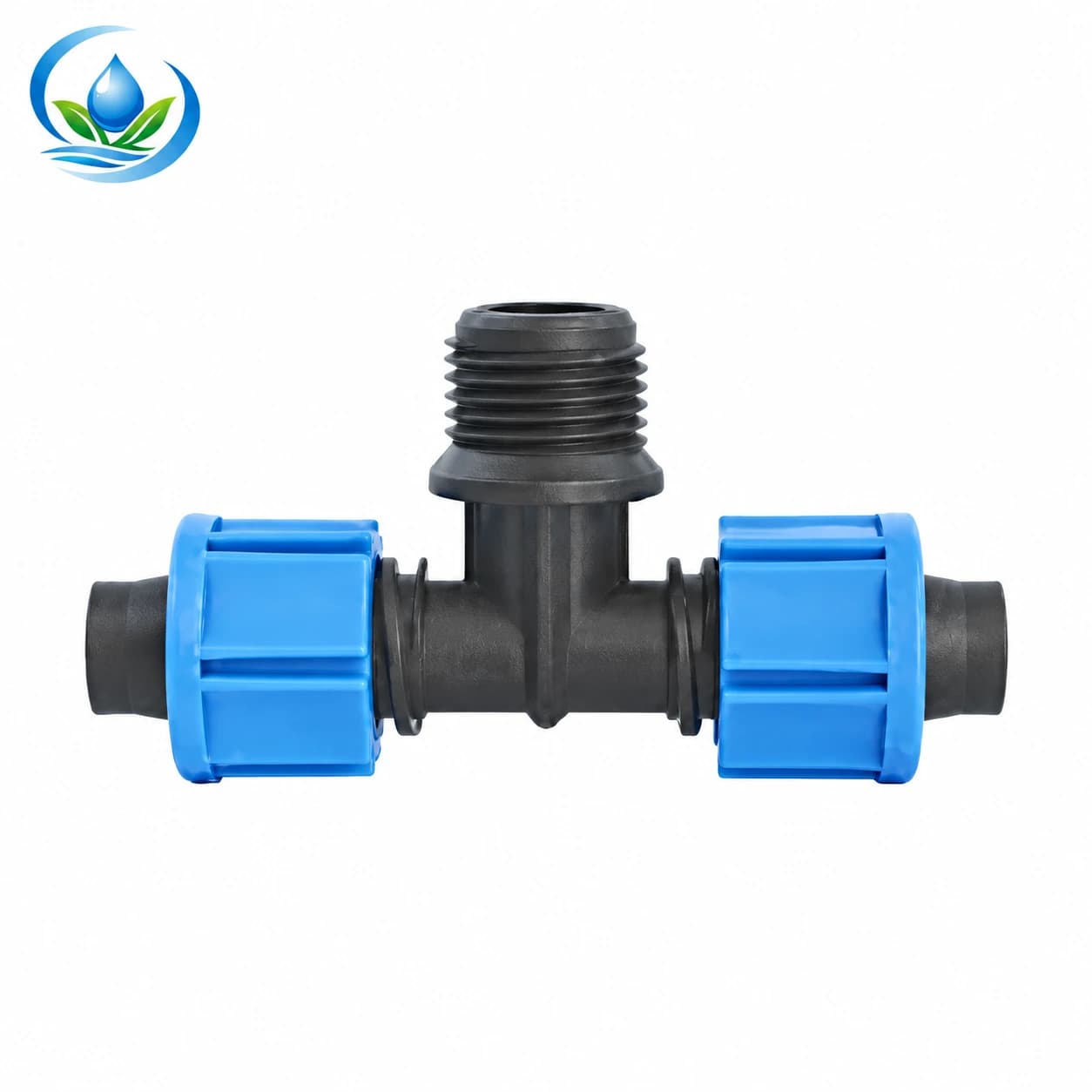
drip fittings
Out of stock
View details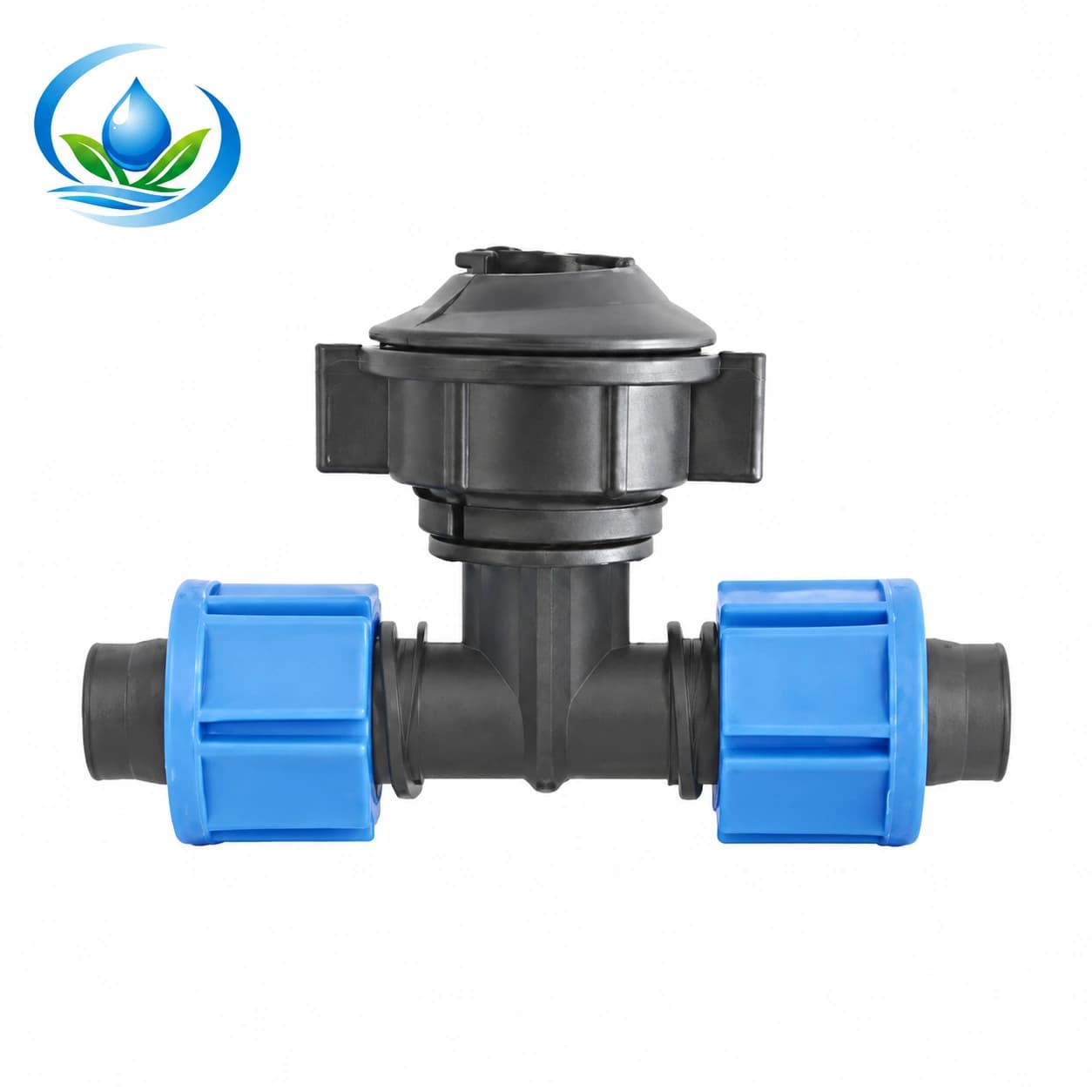
drip fittings
Out of stock
View details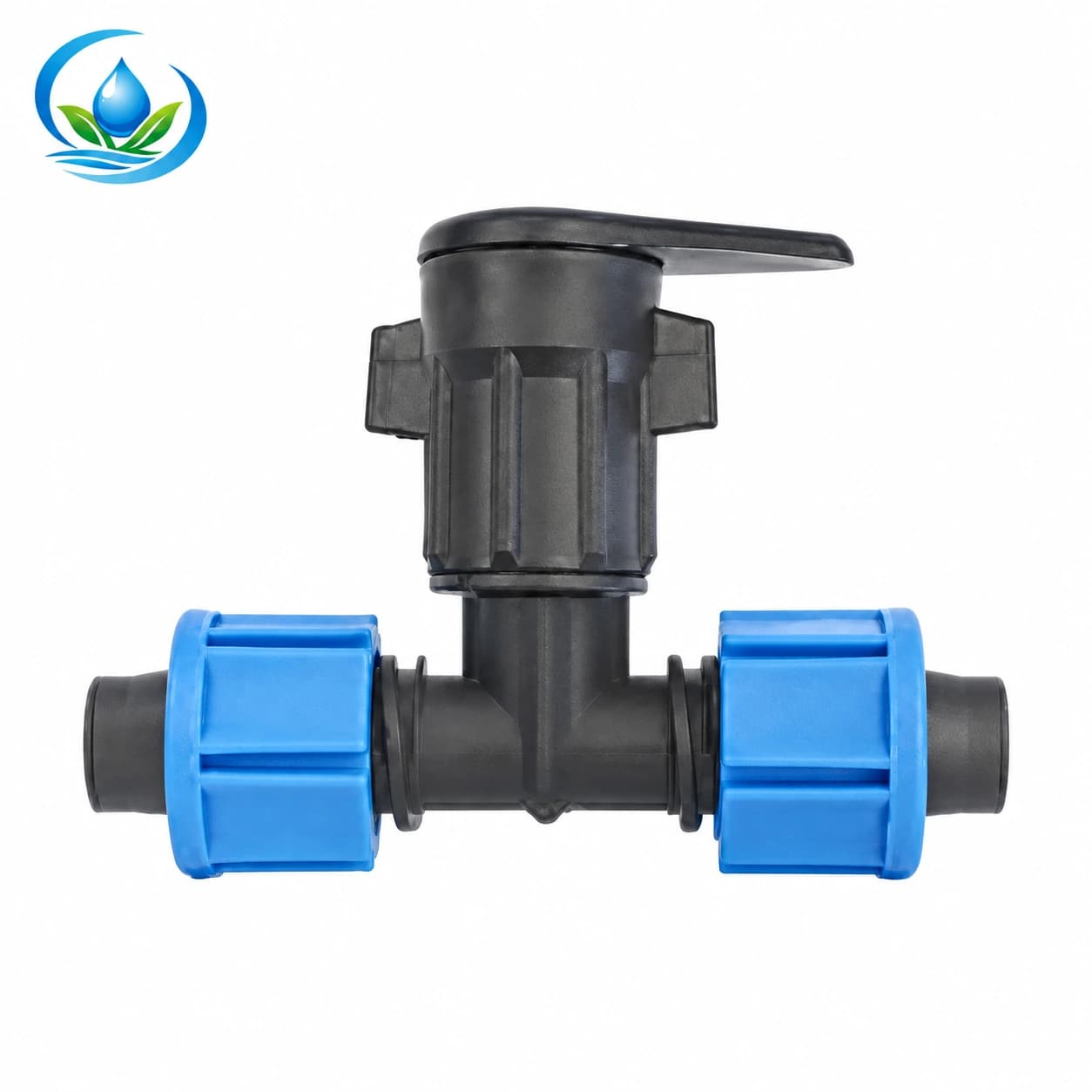
drip fittings
Out of stock
View details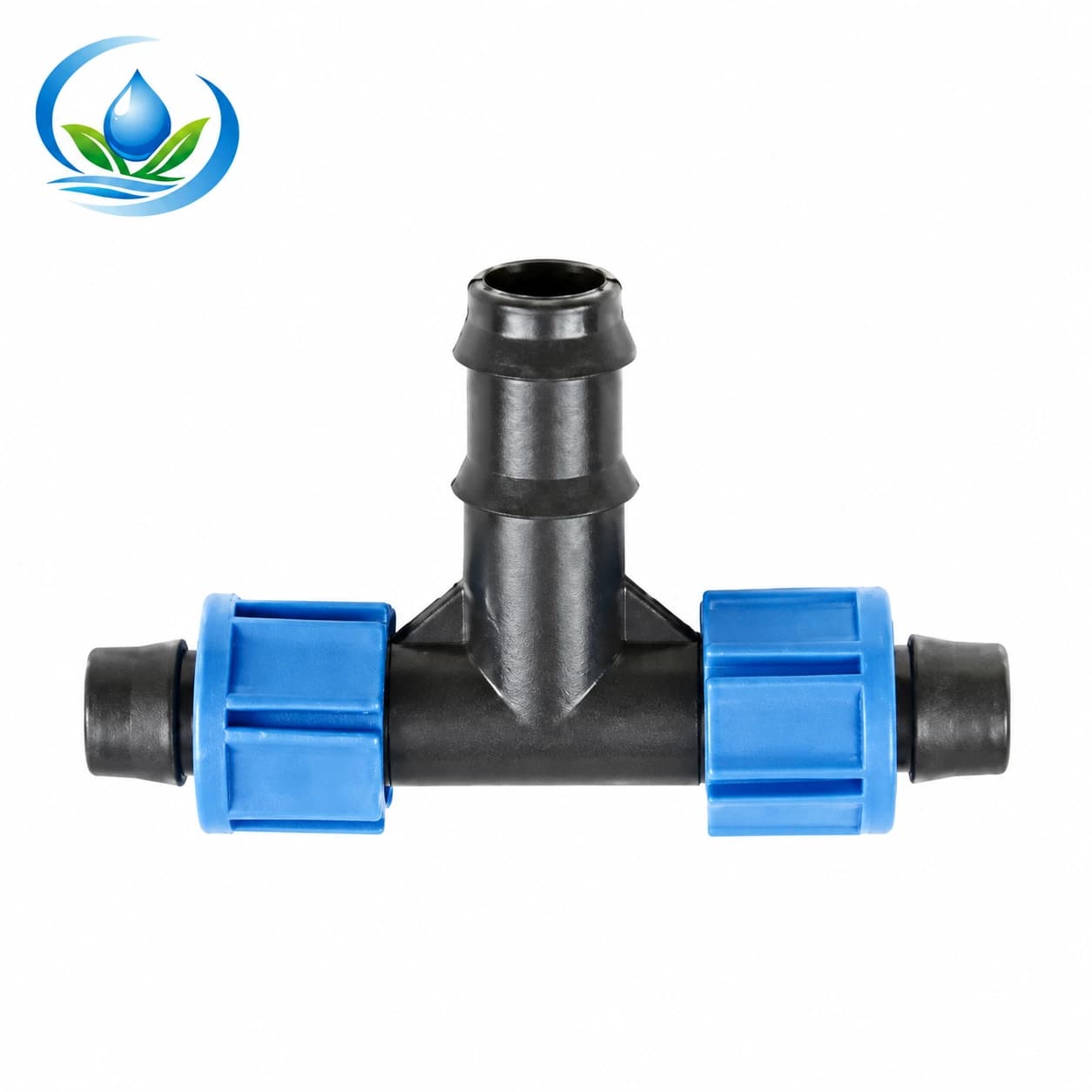
drip fittings
$0.51
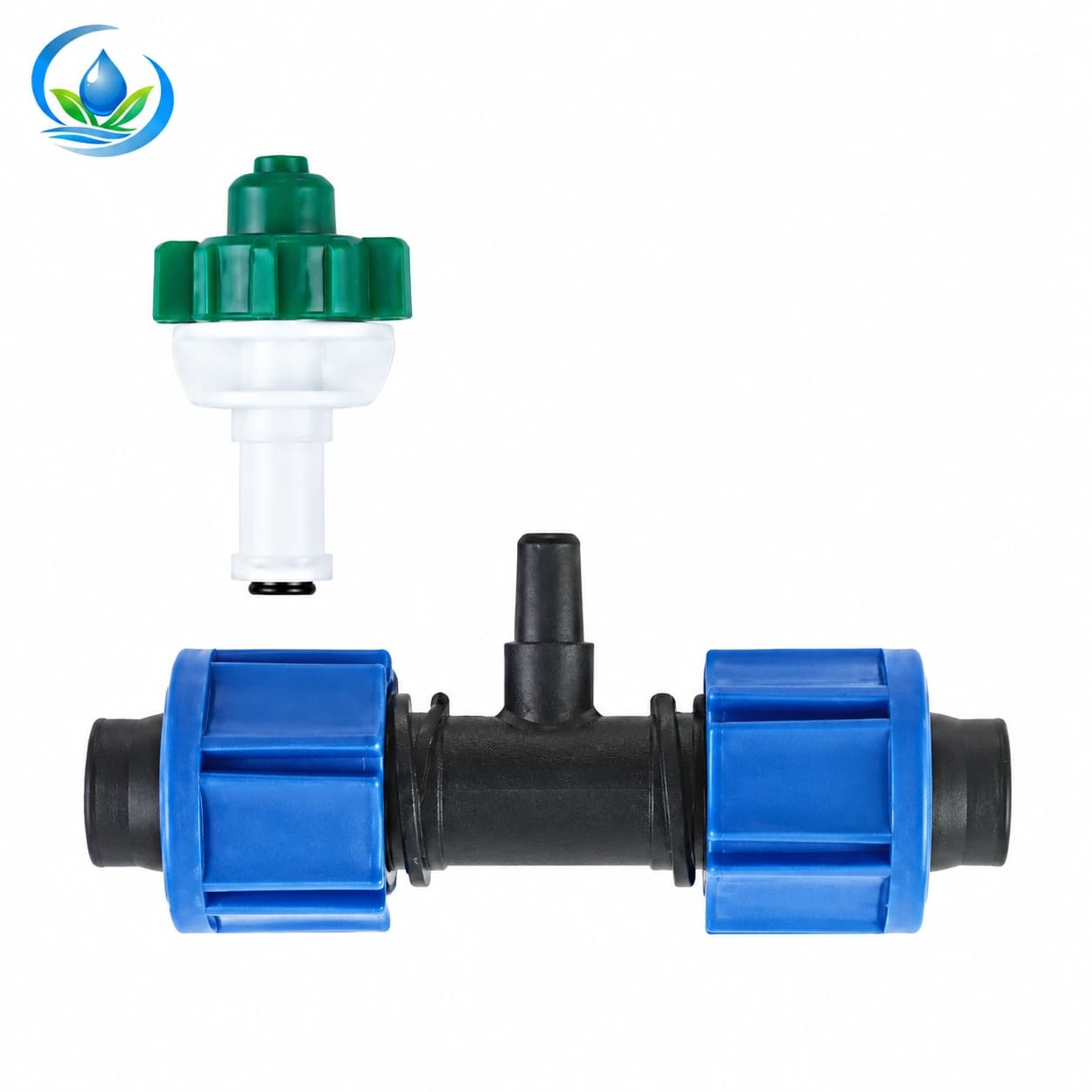
drip fittings
Out of stock
View details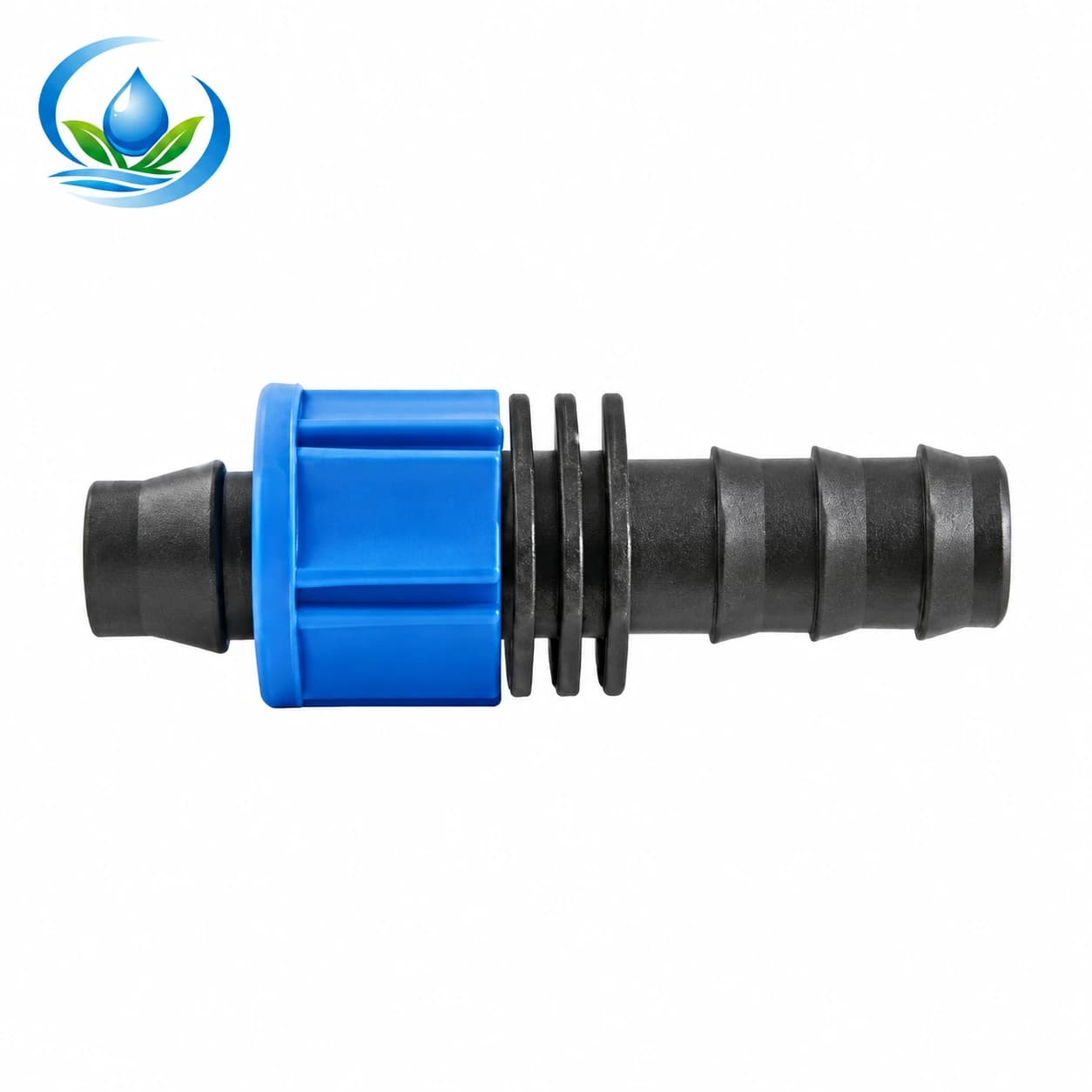
drip fittings
Out of stock
View detailsMatch your tubing diameter, connector type and water pressure before you add the finishing touches.
Field guide
Drip irrigation connectors attach laterals to supply pipe, join runs and close or flush their ends. Drip tape fittings need to grip the particular tape wall and size, while dripline barbs must match the tubing's actual inside diameter. One fitting family does not cover every line type.
Check the takeoff hole or thread, lock ring or nut, and the line dimension on both sides of each connection. Allow for end-of-line flushing and repairs in the layout. The listed product page shows available variants and package contents.
Drip irrigation connectors link a filtered supply to tape or dripline and close or repair the far end. A vegetable grower may need one takeoff per row plus several repair couplers; a nursery layout may branch into short laterals. Count row starts, ends and expected service points separately. Drip tape fittings must match the specific tape or tubing profile, not just the irrigation application.
A takeoff seals at the supply line and grips the lateral; a coupling joins cut ends; an end closure allows termination and sometimes flushing. Tape, round dripline and small microtube use distinct locking or barb geometries. Mis-sized components can leak or pull apart at operating pressure, reducing pressure available to downstream emitters.
Drip line fittings must match the line's measured outside diameter and wall type. Tape takeoffs, reusable dripline connectors and end closures can use different seals, so confirm the specific fitting and line pairing before making a permanent row connection.
Keep a few matching couplers for field repairs and make clean, square cuts on both sides of a puncture. Open ends during seasonal flushing. A connector that repeatedly slips may signal wrong line dimensions or excess pressure; do not rely on extra force to make an incompatible part seal.
Usually they are chosen by the actual lateral profile and dimensions. Check the specific fitting's compatibility chart rather than assuming tape and round dripline share a connector.
Depressurize, inspect the cut and seal, replace damaged parts with the correct size, then retest at normal operating pressure.
Technical reference: UGA Extension, Drip Irrigation Checklist: Start-Up. Use the selected product manual and local requirements for final design.