
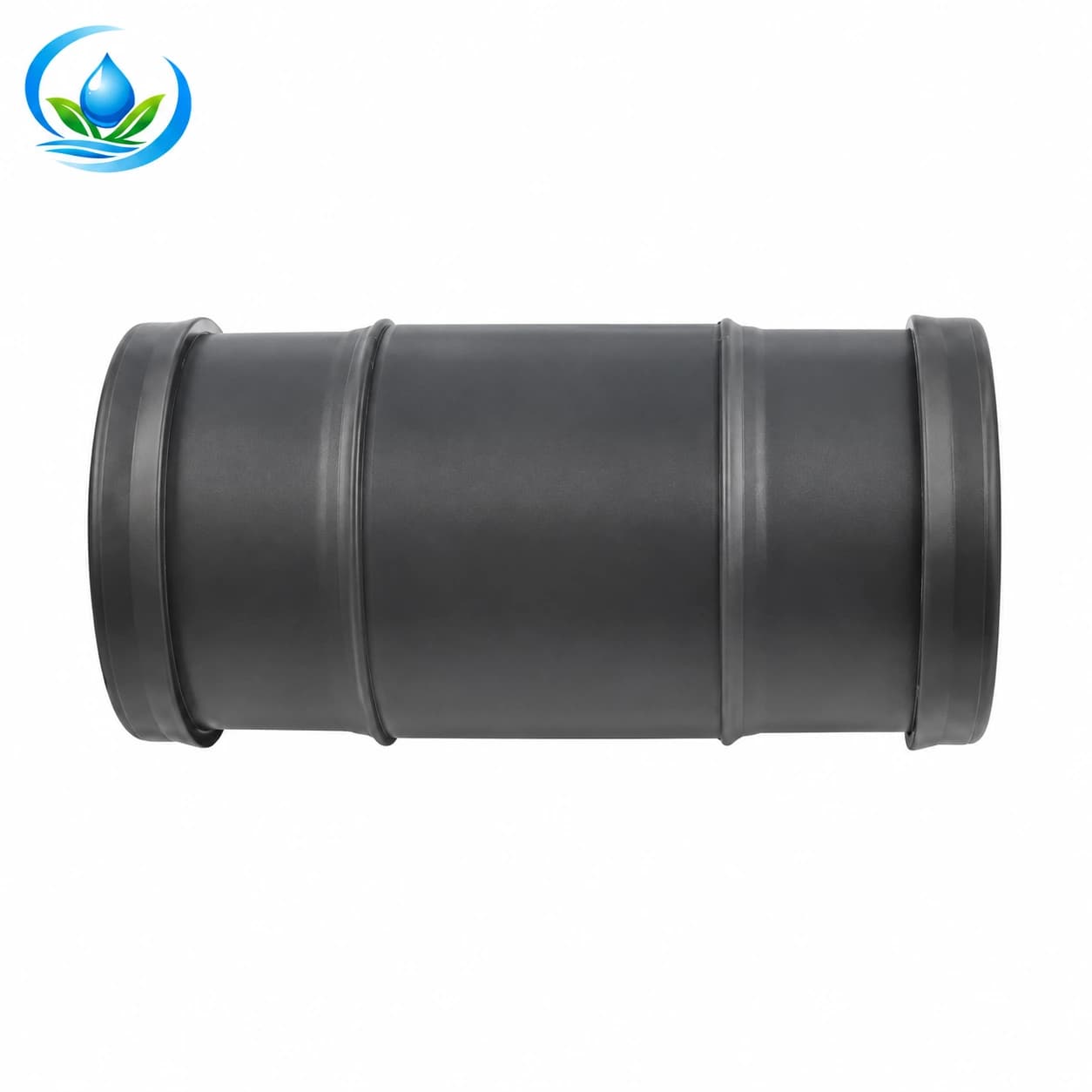
hose fittings
Straight Coupling for Irrigation Hose Lines
- Available connection sizes
- 32 mm / 40 mm / 50 mm / 63 mm / 75 mm / 90 mm / 110 mm
Out of stock
View detailsAgricultural irrigation, direct to you
Find barbed hose fittings and irrigation hose fittings for layflat and flexible lines. Confirm hose diameter, clamp style and pressure rating.
12 products
Showing 1–12
hose fittings
Out of stock
View details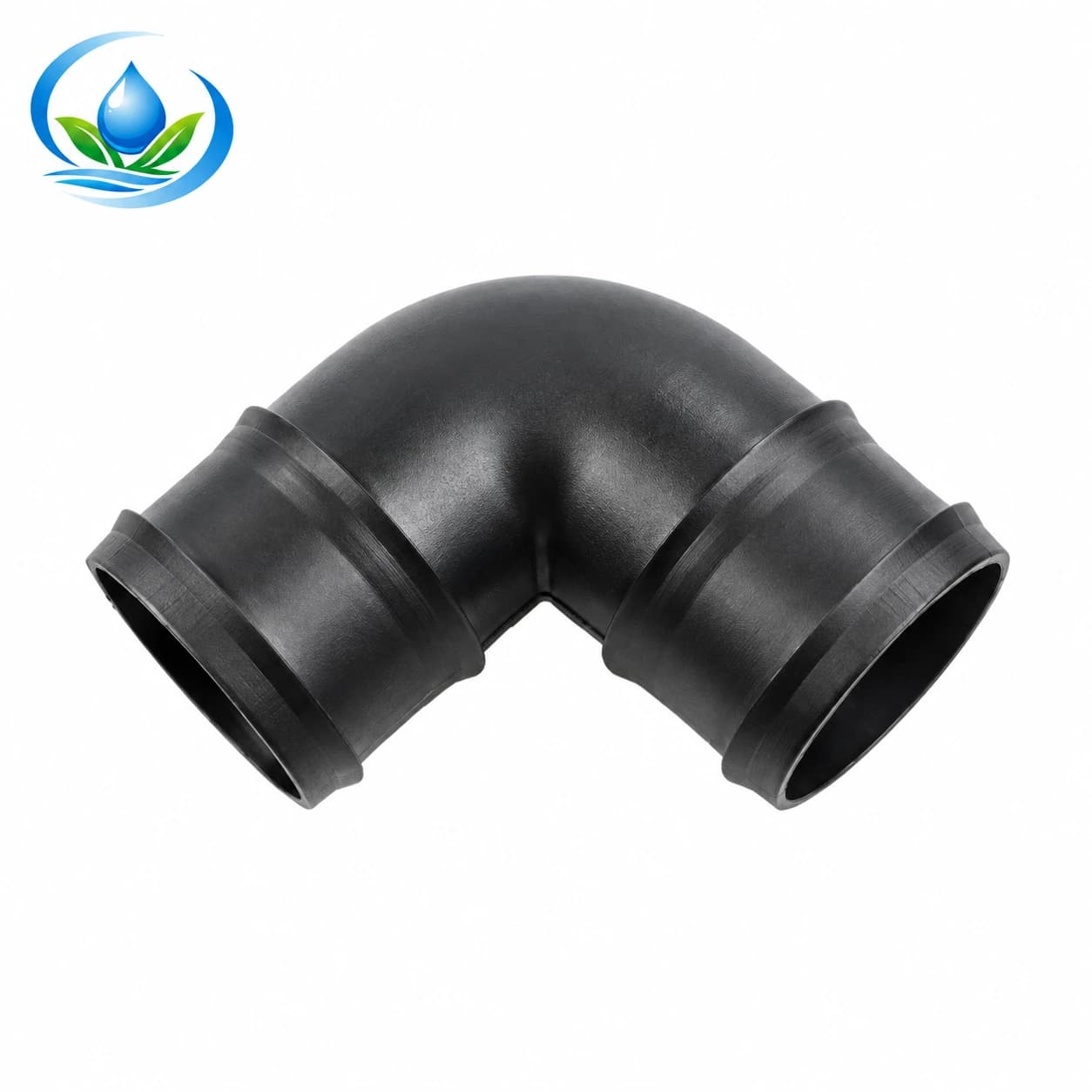
hose fittings
Out of stock
View details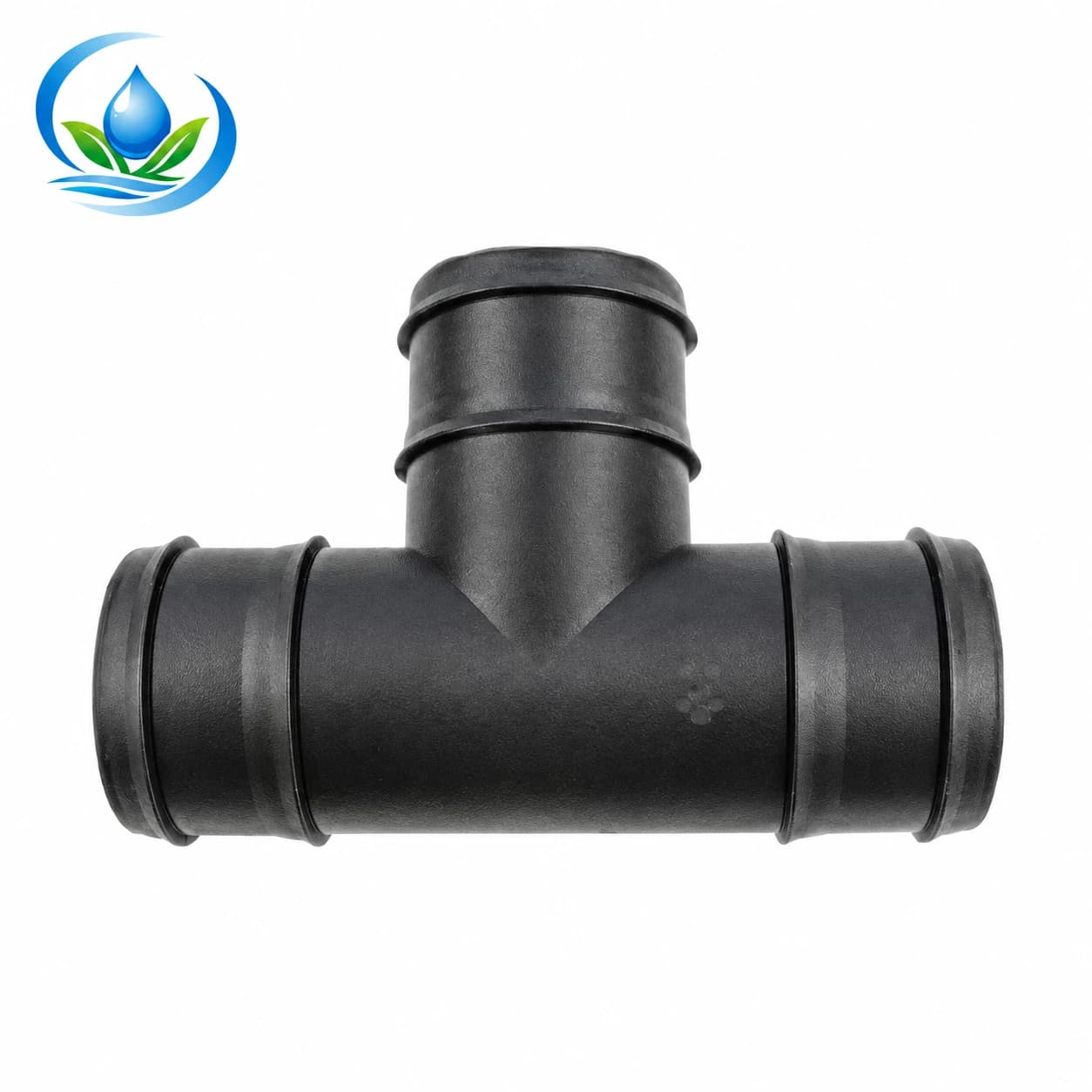
hose fittings
Out of stock
View details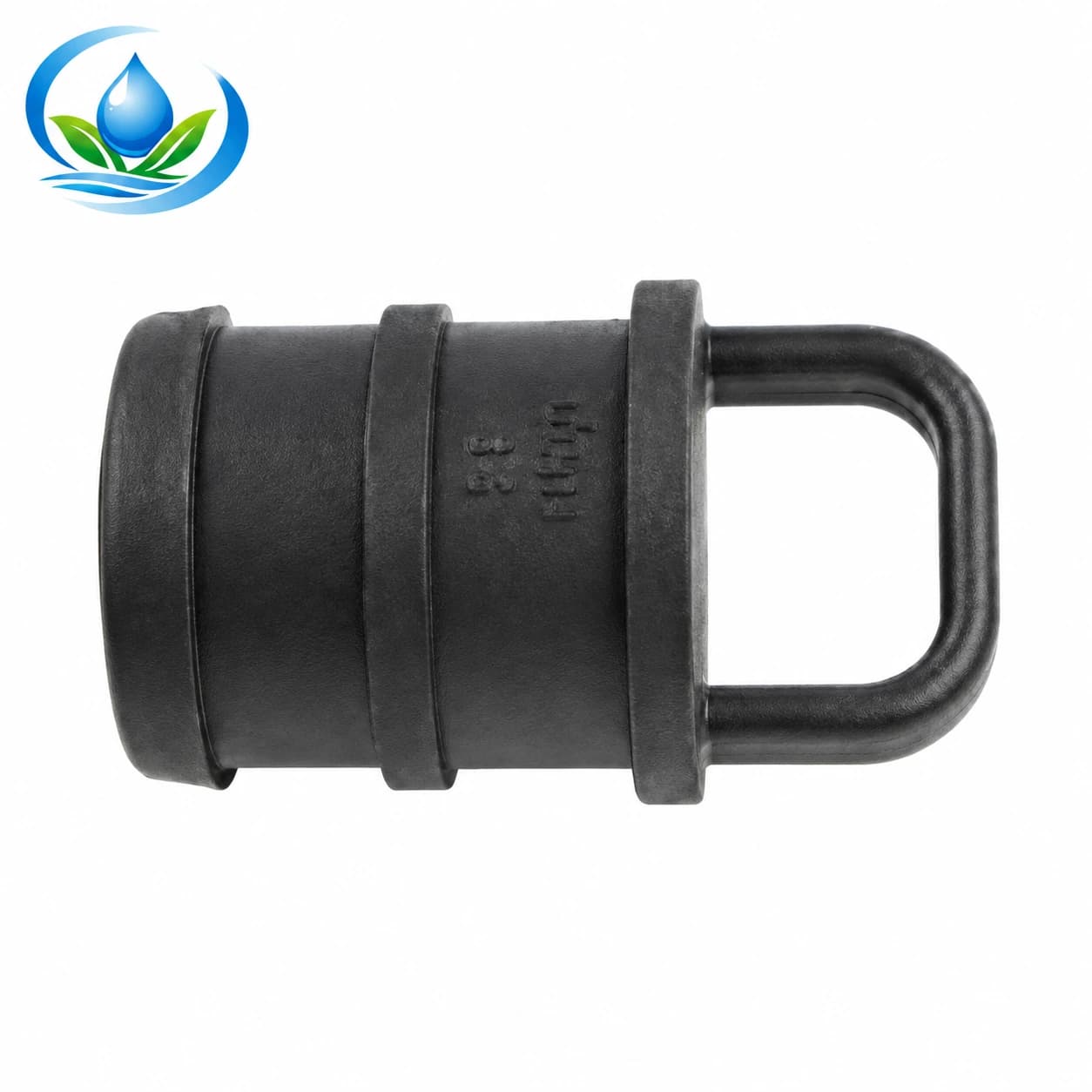
hose fittings
Out of stock
View details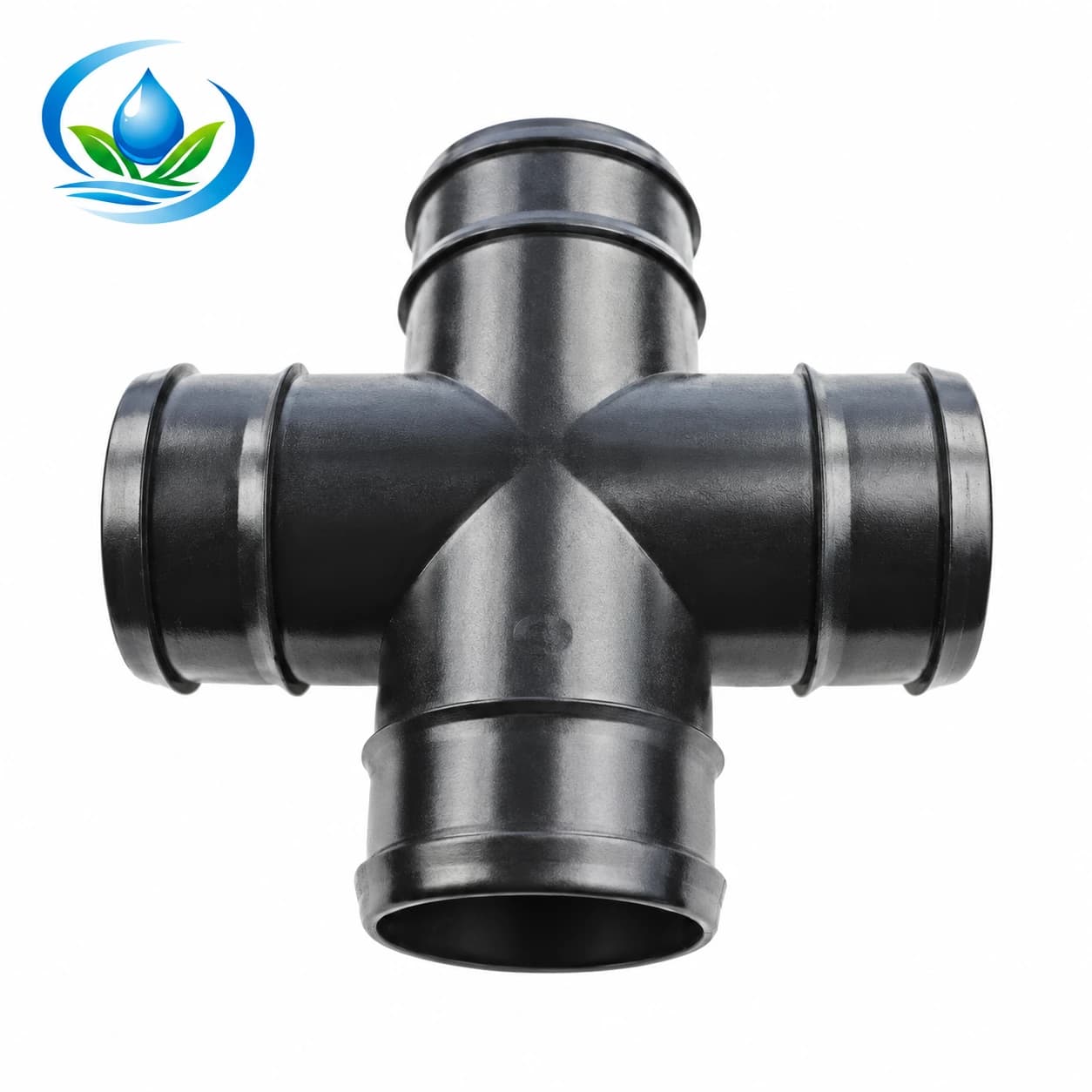
hose fittings
Out of stock
View details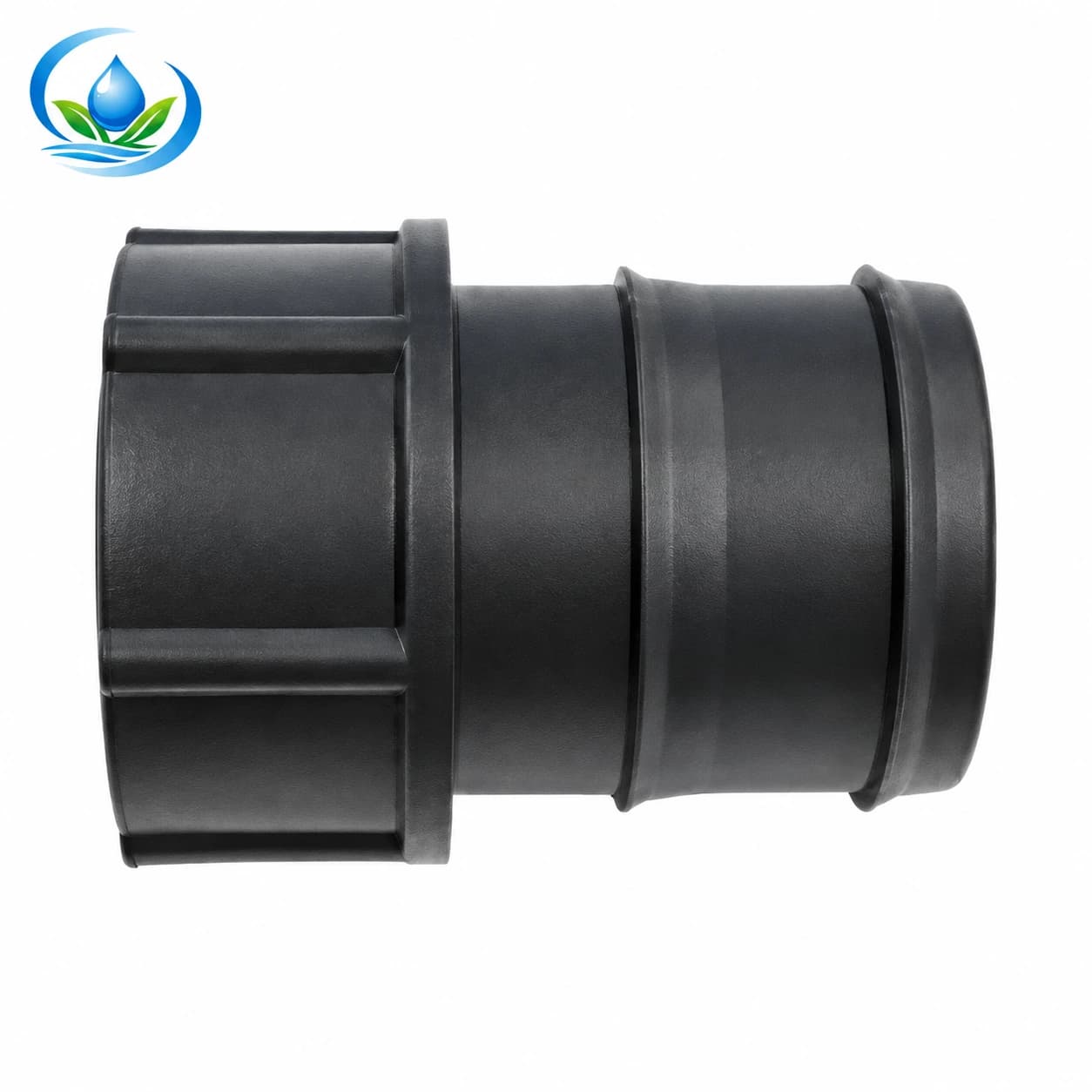
hose fittings
Out of stock
View details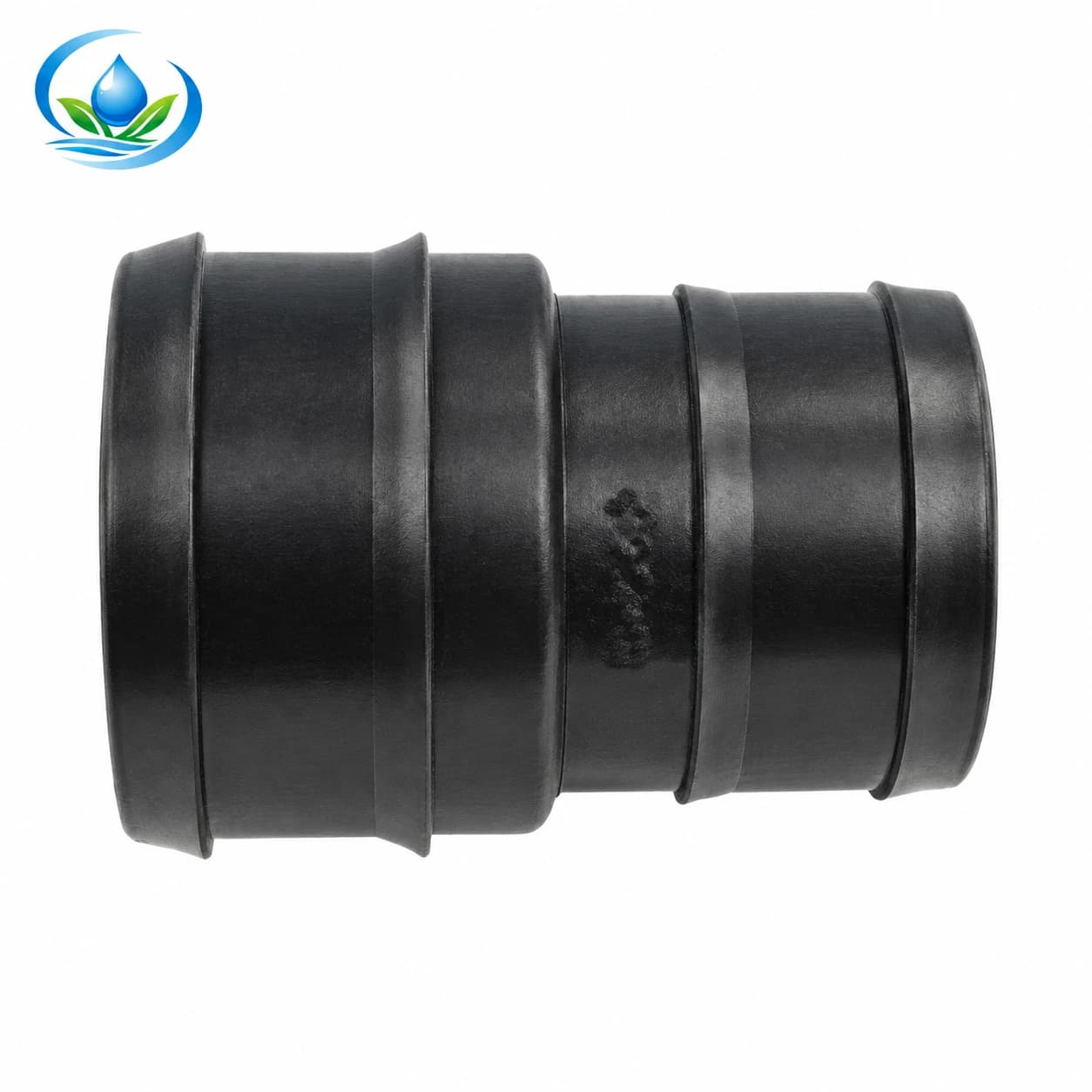
hose fittings
Out of stock
View details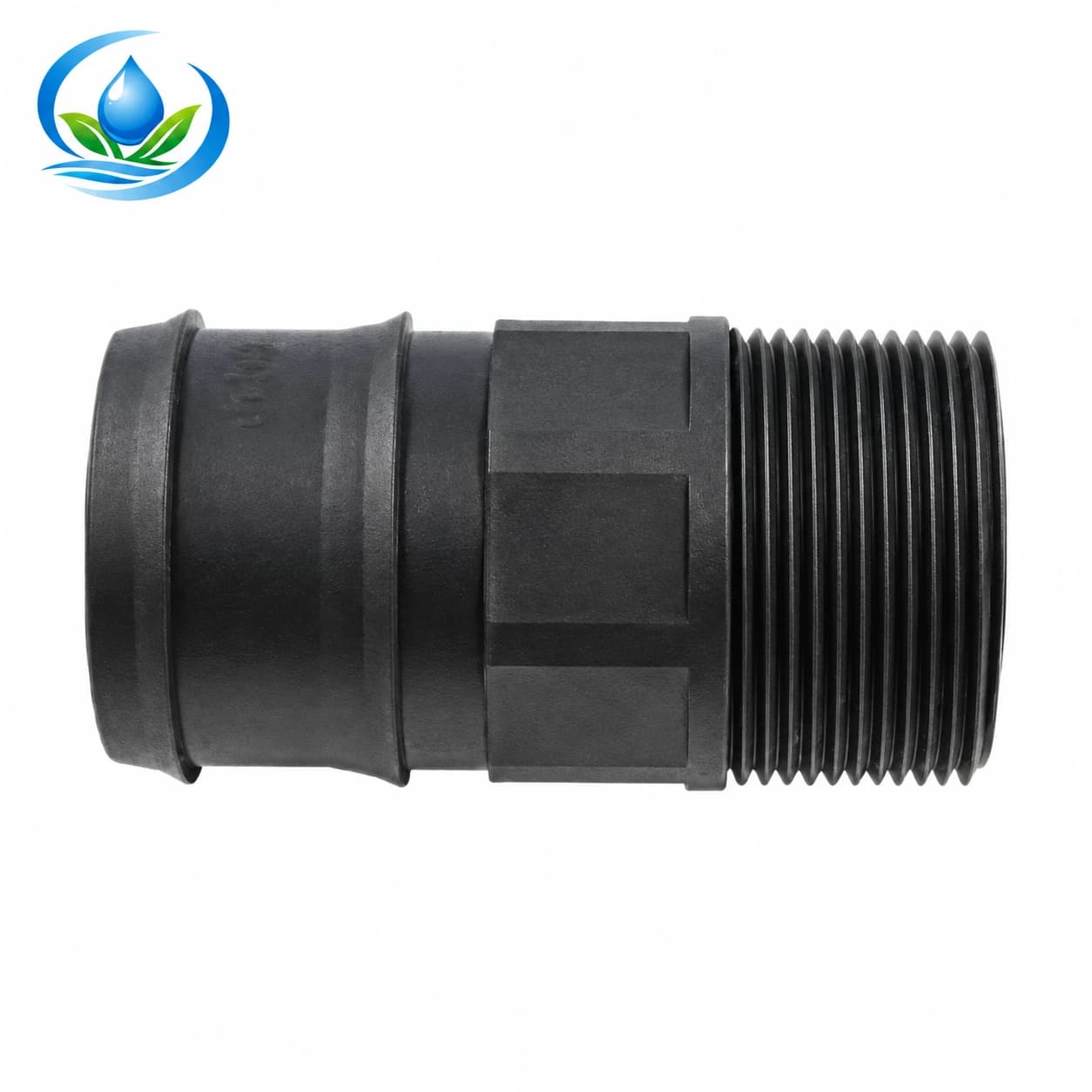
hose fittings
Out of stock
View details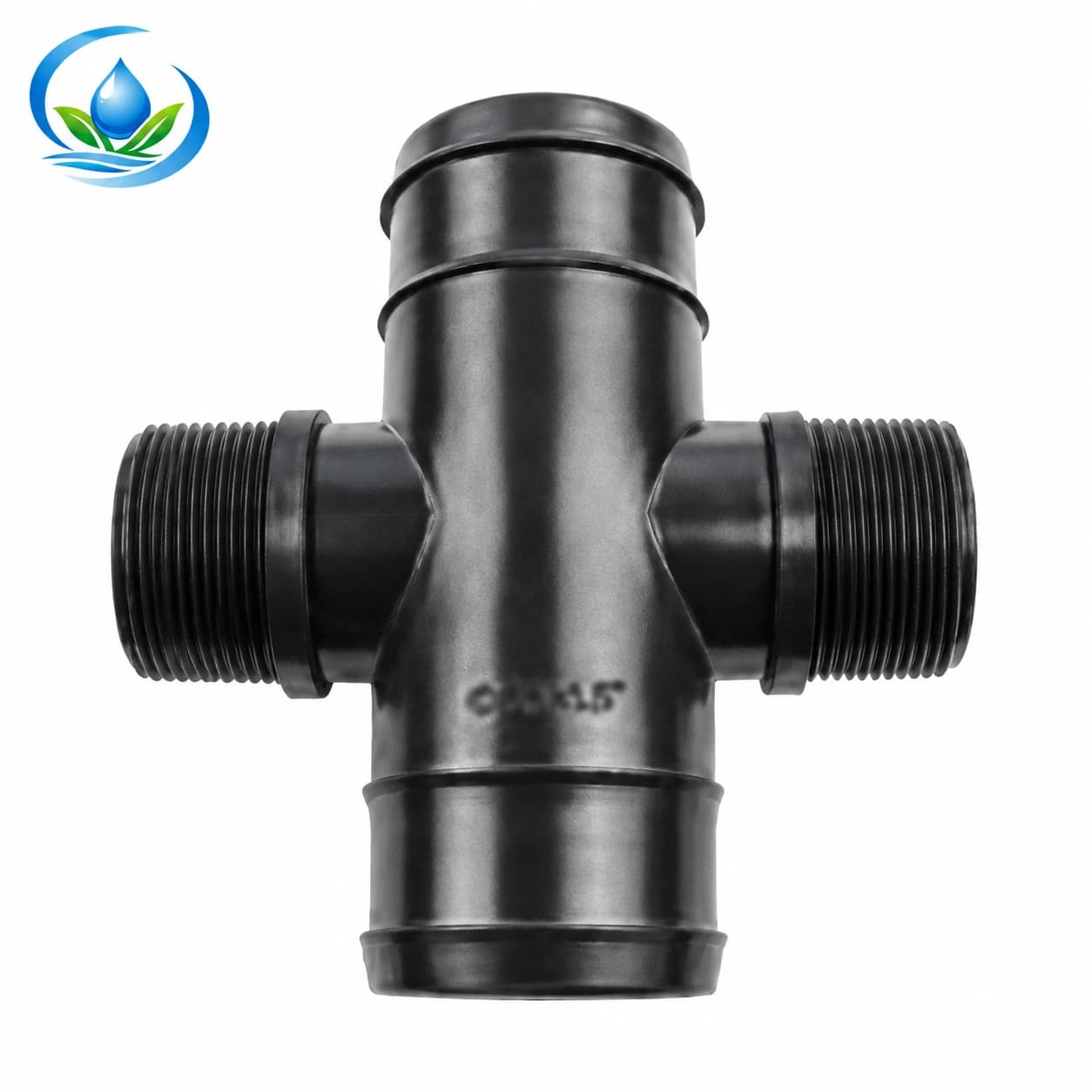
hose fittings
Out of stock
View details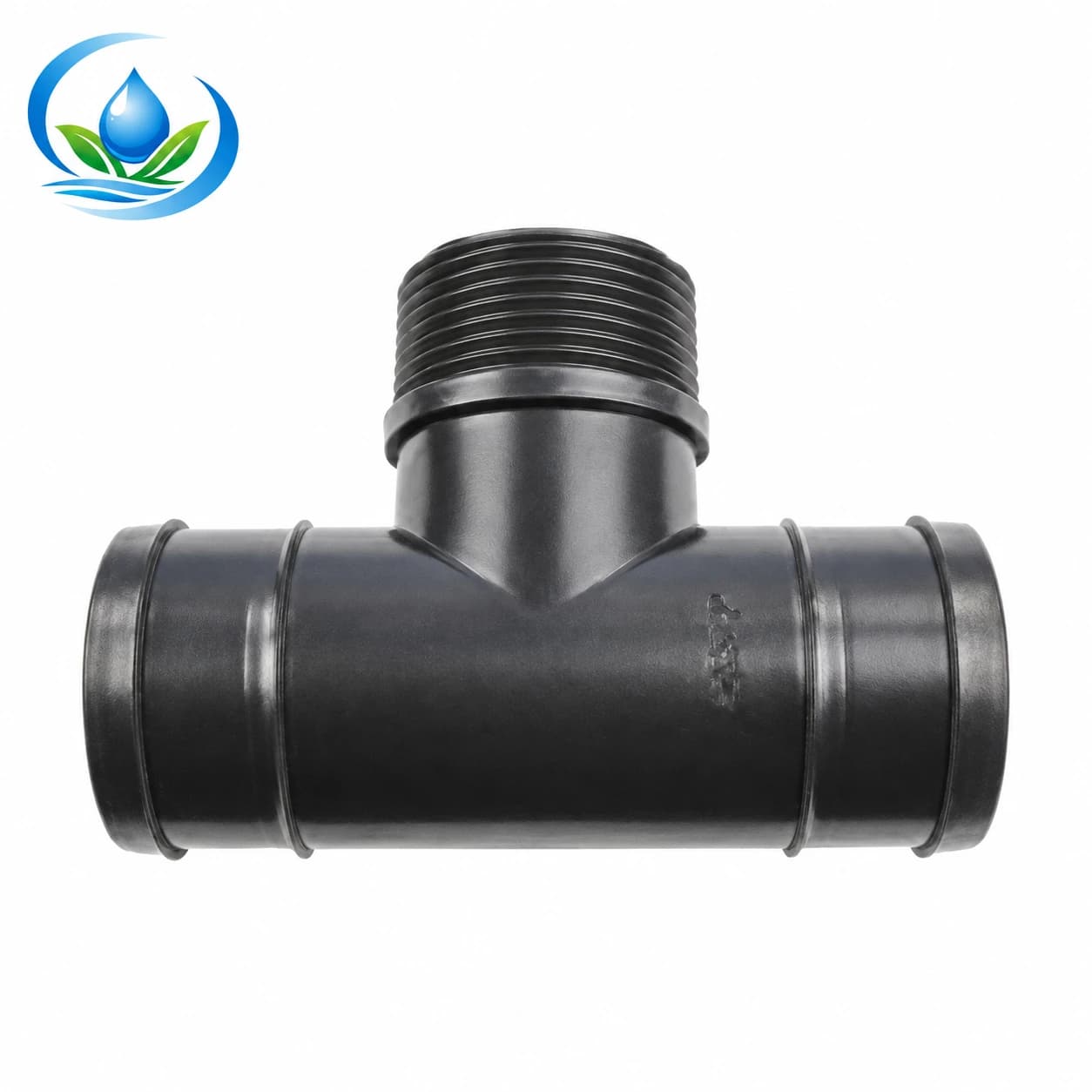
hose fittings
Out of stock
View details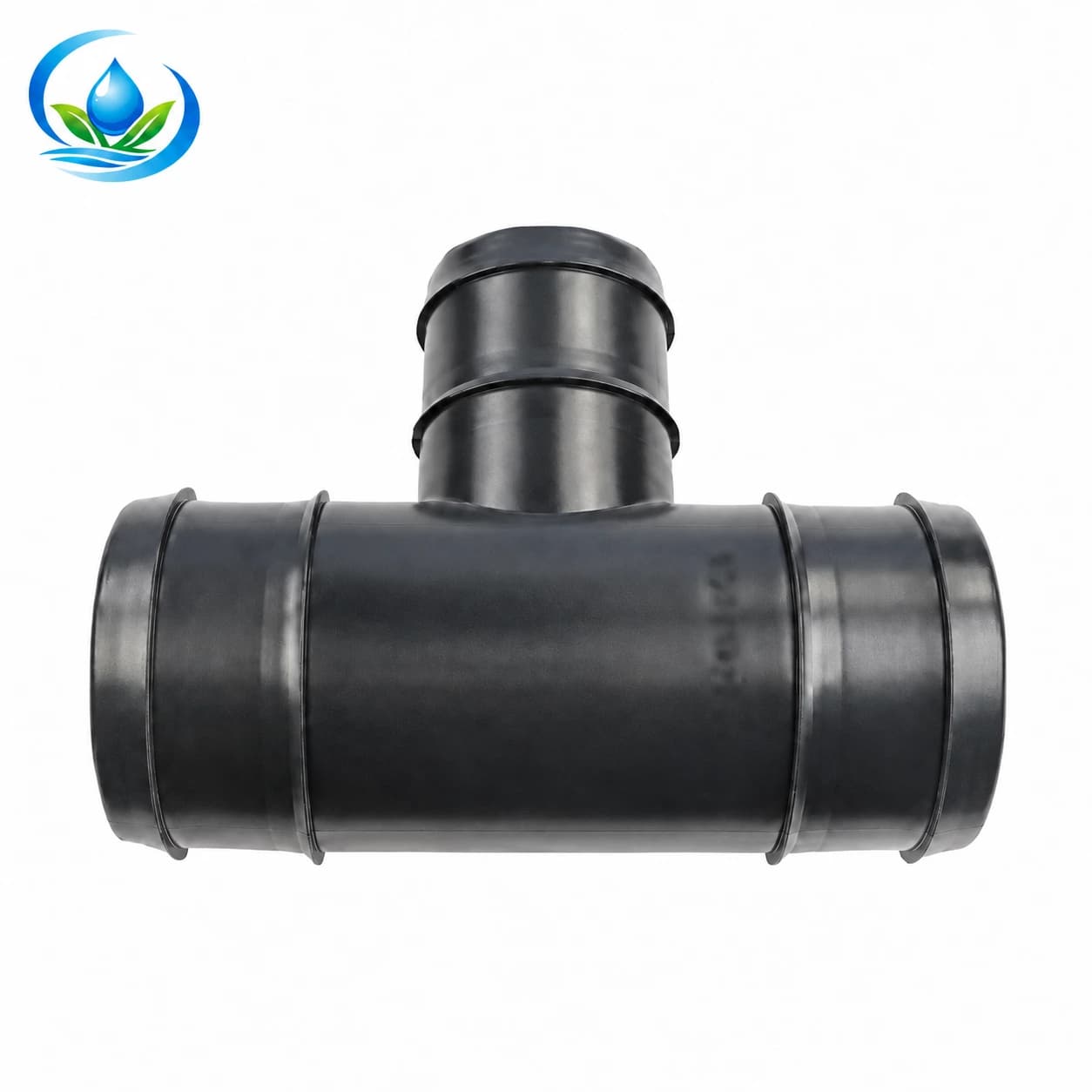
hose fittings
Out of stock
View details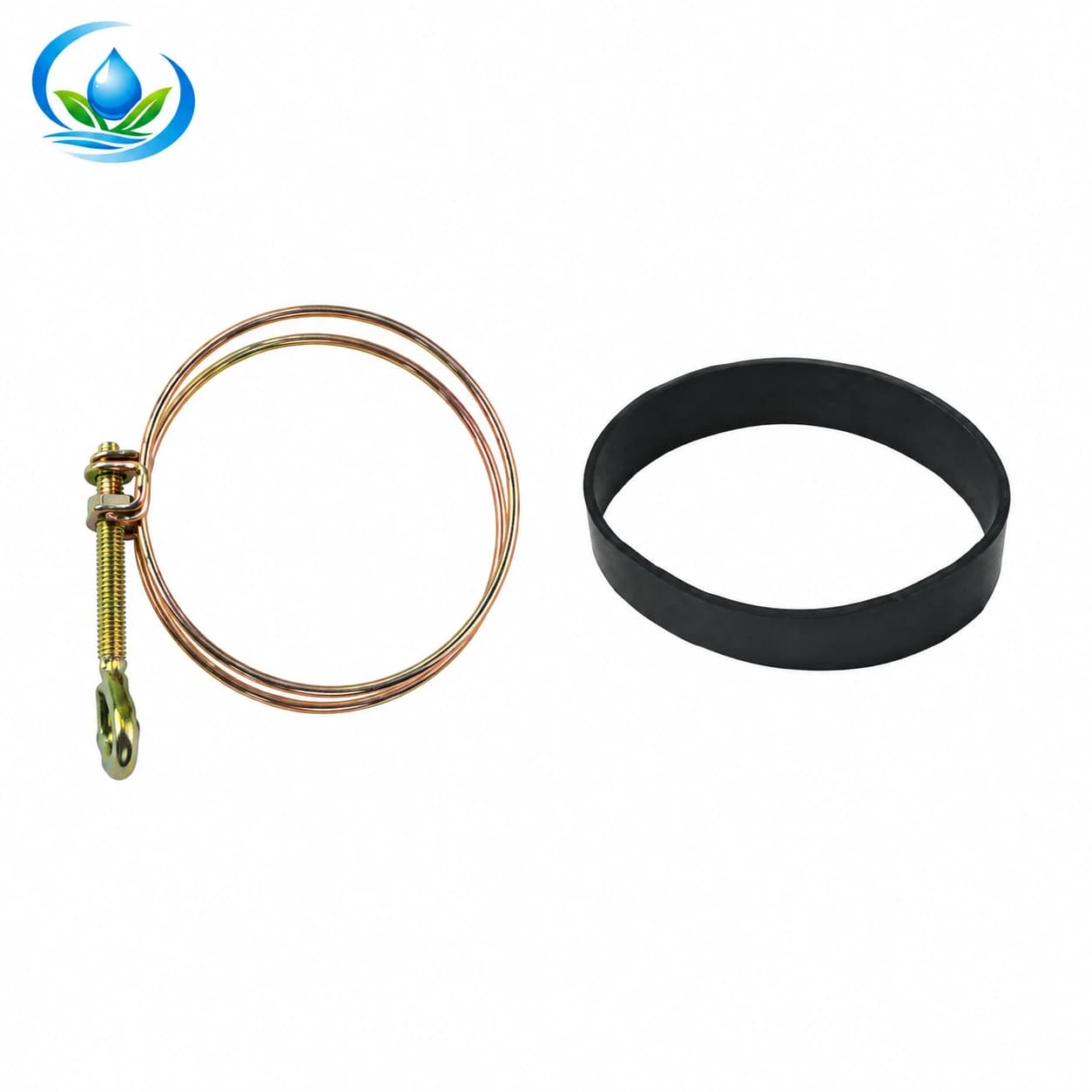
hose fittings
Out of stock
View detailsMatch your tubing diameter, connector type and water pressure before you add the finishing touches.
Field guide
Barbed hose fittings provide a mechanical connection inside a compatible flexible hose; layflat couplings and elbows use their own sealing and clamping methods. Irrigation hose fittings in this category include different shapes for joining, turning or branching a temporary supply run.
Match the hose's actual diameter and wall to the fitting and clamp. Check whether the joint is for suction or discharge, its working pressure and any required gasket. A barb that fits loosely or a clamp on the wrong size can leak under service conditions.
Barbed hose fittings connect flexible irrigation hose to valves, manifolds and other hose sections. On an orchard supply line or temporary field run, the connector must handle the hose's actual bore and pressure, as well as movement and repeated handling. Irrigation hose fittings can also transition to threaded equipment, but the thread standard and hose size both matter.
A barb grips the inside wall of a compatible hose; the correct clamp or lock ring resists pressure and pull-off where the fitting design requires it. Flow can narrow through elbows or undersized adapters, adding pressure loss. Lay-flat hose and rigid pipe may use separate coupling styles, so select by material and connection method.
Layflat hose fittings and lay flat hose connectors are useful search terms when planning a temporary field supply, but this assortment must be checked item by item for a compatible layflat coupling. A barbed fitting for round flexible hose does not automatically seal a flattened hose; verify hose bore, wall, gasket and clamp design.
Inspect clamps, barbs and hose ends for cracking, creep or abrasion. Drain and store temporary hose without sharp bends. Replace a damaged end section before reconnecting; tightening a clamp over split hose can create a sudden failure. Record the fitting size used in each field block for easier repairs.
Check the hose's inside diameter and pressure rating against the barb. Cut the hose square, seat it to the fitting shoulder, install the specified clamp or lock ring and test the joint at operating pressure. Use a purpose-built coupling if the hose construction does not accept that barb.
Only if the fitting is rated for that hose construction and uses the required clamp or coupling system. Check the product instructions.
Technical reference: USDA NRCS, National Engineering Handbook: Microirrigation. Use the selected product manual and local requirements for final design.