
pressure regulators
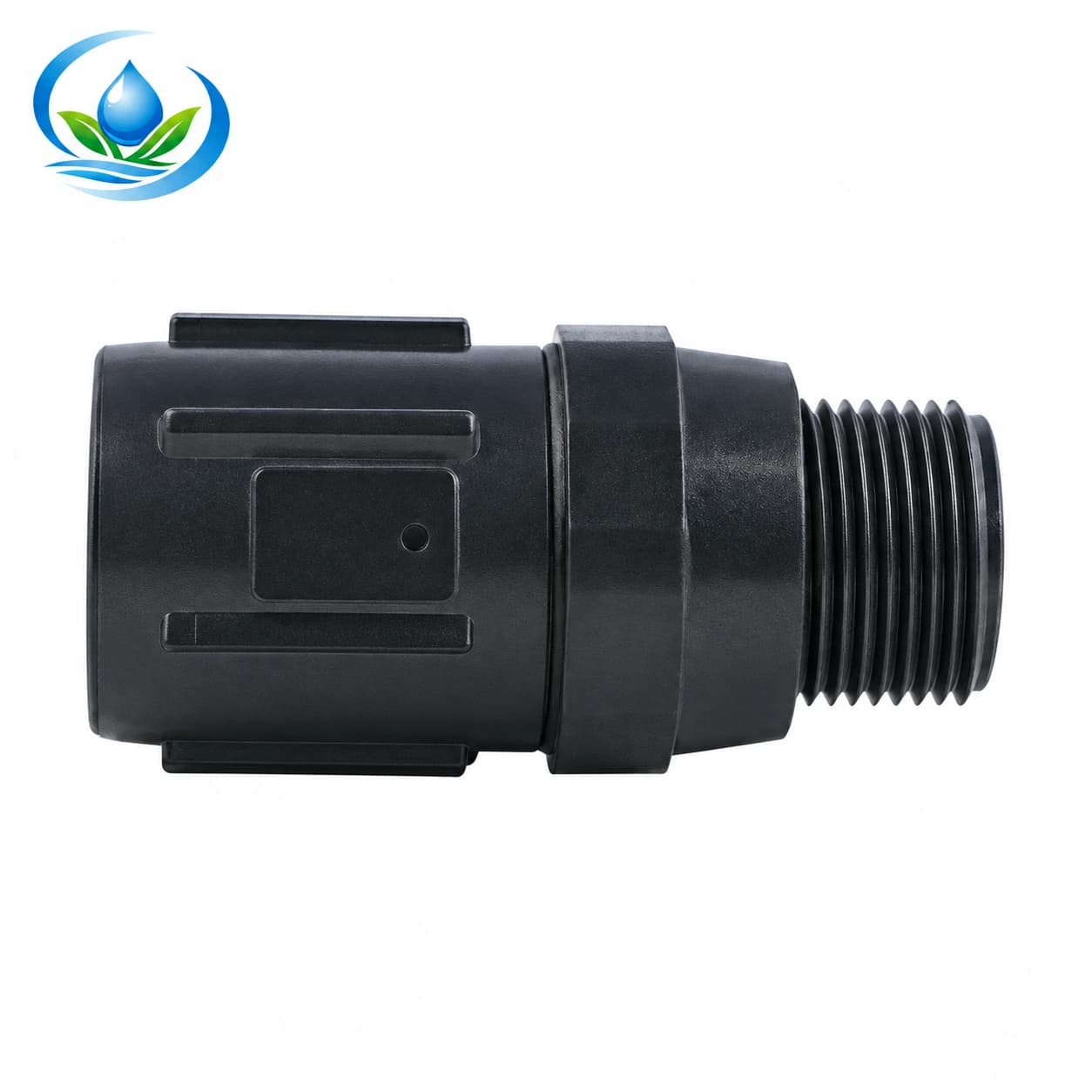
3/4-Inch Drip Irrigation Pressure Regulator
F3/4" × M3/4" — 15 PSI / F3/4" × M3/4" — 20 PSI / F3/4" × M3/4" — 25 PSI / F3/4" × M3/4" — 30 PSI
From$14.30
Choose optionsAgricultural irrigation, direct to you
Choose a drip irrigation pressure regulator for the flow and outlet pressure needed by a zone. Check pressure reducing valve irrigation specifications.
1 products
Showing 1–1
pressure regulators
F3/4" × M3/4" — 15 PSI / F3/4" × M3/4" — 20 PSI / F3/4" × M3/4" — 25 PSI / F3/4" × M3/4" — 30 PSI
From$14.30
Choose optionsMatch your tubing diameter, connector type and water pressure before you add the finishing touches.
Field guide
A pressure reducing valve irrigation layout uses a regulator to lower the pressure available downstream. This component shelf links the listed drip irrigation pressure regulator; it only regulates as specified within its operating flow and inlet range.
Measure inlet pressure while the zone runs, then compare the regulator's outlet setting, minimum flow, connection size and flow direction with the emitters. Use a gauge downstream to confirm the installed result rather than treating the label value as a field measurement.
The pressure-reducing valve in a drip system diagram sits upstream of a low-pressure block and downstream of the supply equipment as the design requires. This route has a limited related product selection. Do not choose a setting from the category name: tape, dripline and sprinkler nozzles may need different pressures, and the regulator must pass the entire zone flow.
A reducing valve controls its downstream pressure when inlet pressure and flow remain within the model's range. It cannot recover pressure already lost in an undersized mainline. Some devices need a minimum differential to regulate; excessive flow can also cause pressure loss. A gauge before and after the device makes diagnosis more reliable.
An irrigation pressure reducing valve must pass the designed zone flow while holding the downstream pressure required by the drip outlets. Check its minimum and maximum flow as well as its connection size before placing it on a large main or small branch.
Check outlet pressure when filters are cleaned or zone demand changes. Investigate pressure creep and leaks; avoid turning an adjuster past the product range. If far-end pressure remains low, recalculate pipe loss rather than simply raising the regulator setting.
Use regulation when the source or upstream operating pressure exceeds the drip component's permitted range or varies enough to disrupt uniformity. Compare measured flowing pressure with the exact emitter and tubing specifications; a regulator cannot compensate for an undersized supply line.
It may when properly sized and installed, but the whole zone must still stay within the tape's rated pressure.
Technical reference: USDA NRCS, National Engineering Handbook: Microirrigation. Use the selected product manual and local requirements for final design.