
pressure regulators
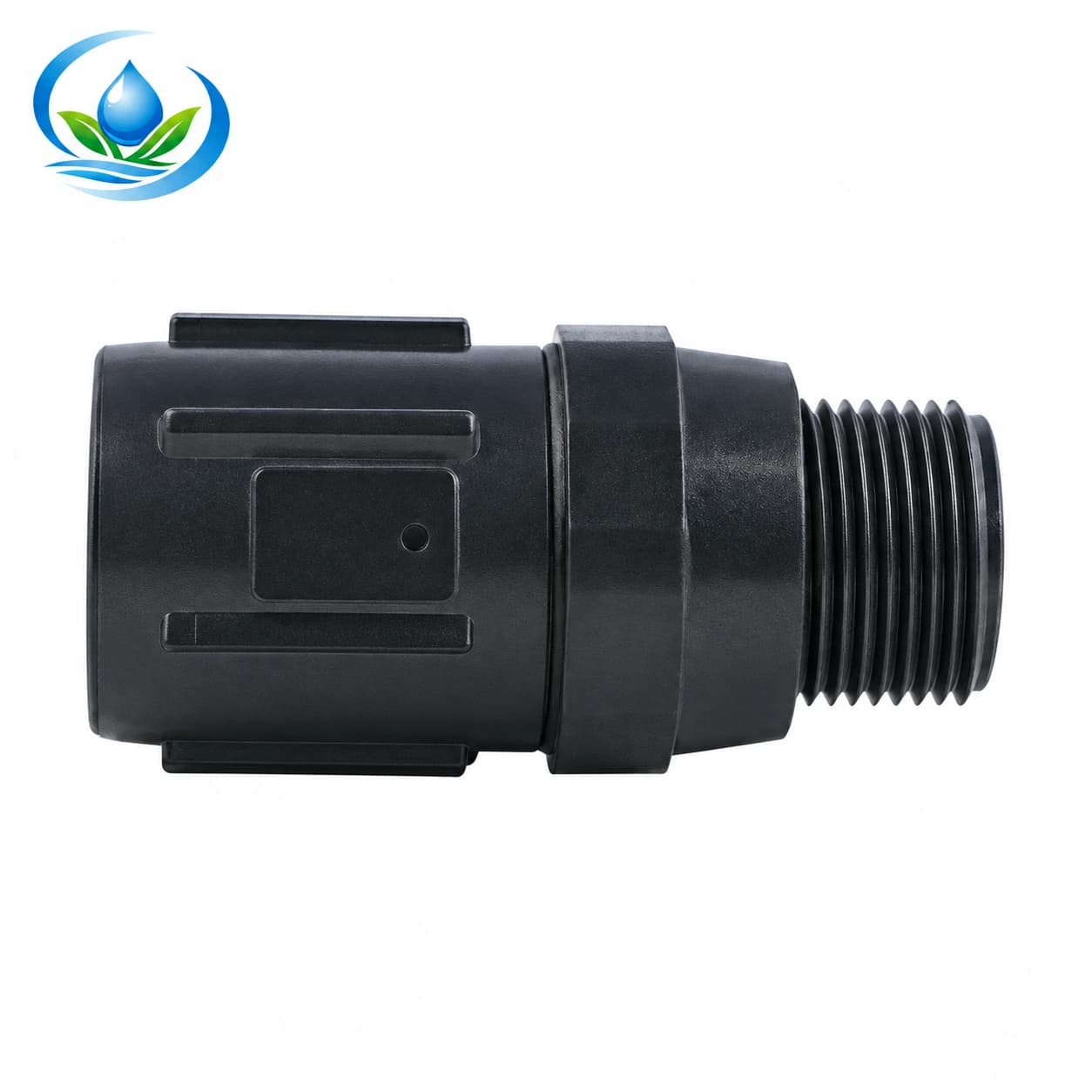
3/4-Inch Drip Irrigation Pressure Regulator
- Available connection sizes
- F3/4" × M3/4" — 15 PSI / F3/4" × M3/4" — 20 PSI / F3/4" × M3/4" — 25 PSI / F3/4" × M3/4" — 30 PSI
From$14.30
Choose optionsAgricultural irrigation, direct to you
Find a drip irrigation pressure regulator for a compatible flow range and outlet pressure. Check inlet limits, connection and direction.
1 products
Showing 1–1
pressure regulators
From$14.30
Choose optionsMatch your tubing diameter, connector type and water pressure before you add the finishing touches.
Field guide
A drip irrigation pressure regulator helps supply a lower, steadier downstream pressure when the flow stays within its specified range. A pressure reducing valve for irrigation is not a substitute for measuring the inlet pressure or checking emitter requirements.
Compare the regulator's inlet range, regulated outlet value, minimum and maximum flow, and connection size. Install it in the stated flow direction and verify actual pressure with a gauge during operation. One listed model may have several connection options; read the selected variant.
A drip irrigation pressure regulator protects low-pressure tape or emitters when the upstream supply varies or is higher than the lateral rating. This category currently lists a small selection, so read the individual pressure and flow specifications carefully. A greenhouse bench and a long vegetable block may need different regulator capacities even if both use drip.
A regulator reduces downstream pressure when inlet pressure and flow are inside its operating range. It cannot add pressure, cure an undersized pipe or make a badly balanced zone uniform. A pressure reducing valve for irrigation may be adjustable or fixed; the model's range and pressure-loss data determine where it can be used.
An irrigation pressure reducer lowers downstream pressure within its rated flow range. Check its set pressure against emitter requirements and measure pressure while the zone is flowing; a static gauge reading can hide excessive line loss.
Recheck set pressure after filter cleaning, new zones or pump changes. Inspect for creep, clogging and leaks. If downstream pressure falls too low, check inlet pressure and total flow before adjusting the regulator. Never set output above the weakest downstream component's rating.
Typically after the source protection and filtration stages and before the drip zone it controls, following the regulator maker's instructions. Provide access for a downstream gauge and maintenance; separate zones may need separate regulation when their design pressures differ.
No. It reduces pressure; the line may need a larger supply, shorter zone or revised layout after hydraulic calculation.
Technical reference: USDA NRCS, National Engineering Handbook: Microirrigation. Use the selected product manual and local requirements for final design.