
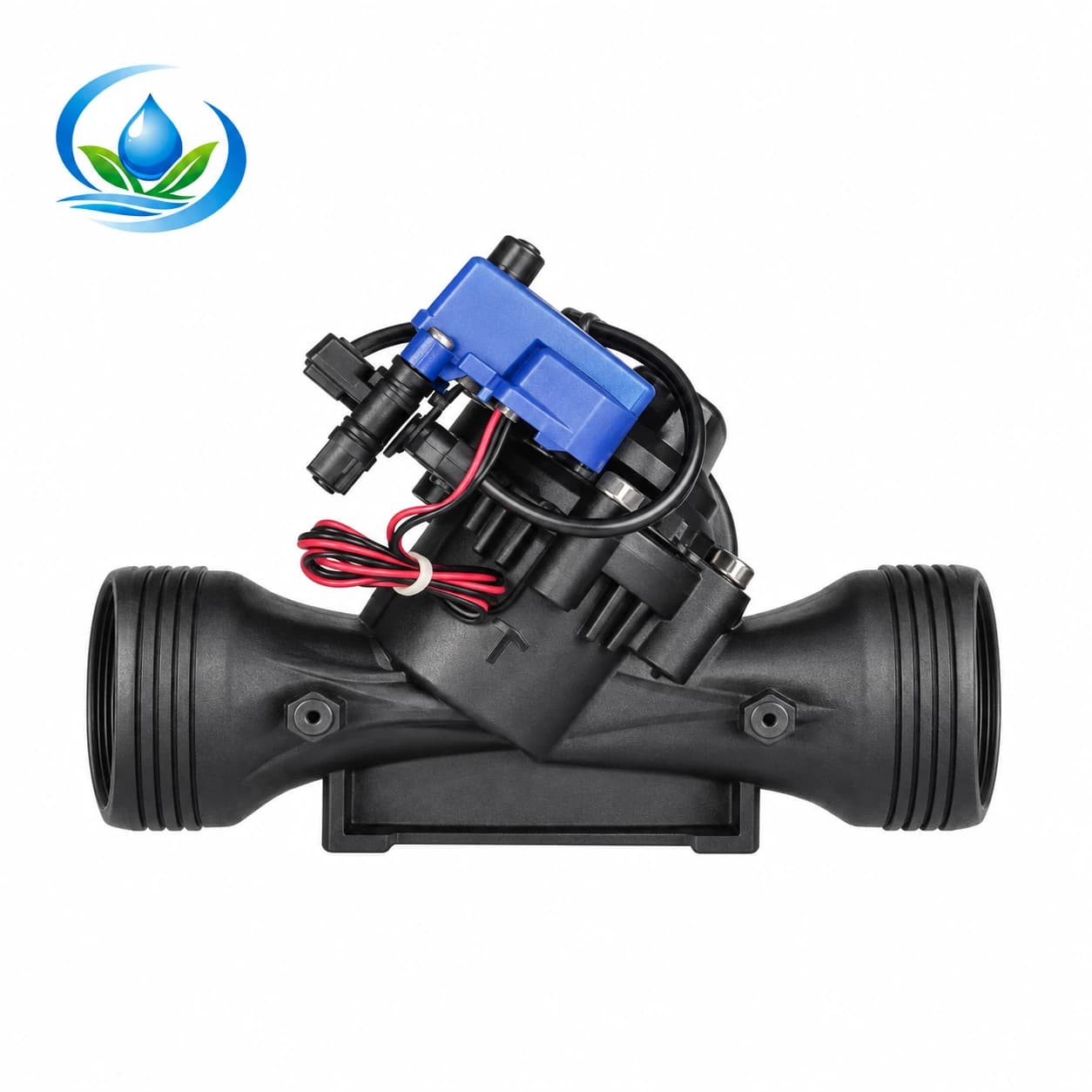
irrigation solenoid valves
Irrigation Solenoid Valve for Automatic Farm Zones
8 configurations
Price on request
View detailsAgricultural irrigation, direct to you
Shop irrigation solenoid valves for remotely switching watering zones. Compare coil voltage, pressure, flow and threaded or flanged connections.
1 products
Showing 1–1
irrigation solenoid valves
8 configurations
Price on request
View detailsMatch your tubing diameter, connector type and water pressure before you add the finishing touches.
Field guide
An irrigation solenoid valve uses an electrical coil and diaphragm to open or close a water zone when a compatible controller sends a signal. This category currently lists an electric diaphragm valve with threaded and flanged configurations; verify the selected variant and coil voltage. An electric irrigation valve is a control component, not a stand-alone automatic irrigation system.
For a solenoid valve for irrigation system design, record available pressure and zone flow, match the connection and controller output, and install in the product's specified flow direction with filtration and service access. An automatic irrigation valve still needs suitable wiring, power protection and commissioning. Check the actual listing for included parts before ordering.
An irrigation solenoid valve is useful when a controller needs to start and stop a watering zone without an operator turning a handle. Field blocks, greenhouse benches and fertigation branches may each need different connections and flow capacity. This category currently lists an electric diaphragm valve with several configurations; the selected body's connection and coil specification must match the site. Count the independently controlled zones before choosing the valve and controller outputs.
In a typical pilot-operated diaphragm valve, supply pressure holds the diaphragm closed while a small pilot passage is sealed. Energizing the compatible solenoid moves its plunger, changes pressure above the diaphragm and allows the main passage to open. Removing the signal lets the mechanism close again. That principle explains how an automatic irrigation valve works, but the exact voltage, minimum pressure and opening behavior belong to the chosen model's documentation.
If the zone does not open, check the water supply, controller command and the model's manual-operation method before replacing parts. If it does not close, isolate the line and inspect for debris at the pilot or diaphragm using the product instructions. Keep electrical work within the controller and valve ratings. A solenoid valve for irrigation system automation does not replace a main shutoff or required backflow protection.
A compatible electrical signal operates the solenoid pilot; the resulting pressure change moves the diaphragm to open or close the water path. Check the model's voltage and operating-pressure range.
No. Match the coil's voltage and electrical type to the controller output, then confirm zone flow, pressure, connection and wiring requirements before installation.
Technical reference: Hunter Industries, How an Irrigation Valve Works. Use the selected product manual and local requirements for final design.