
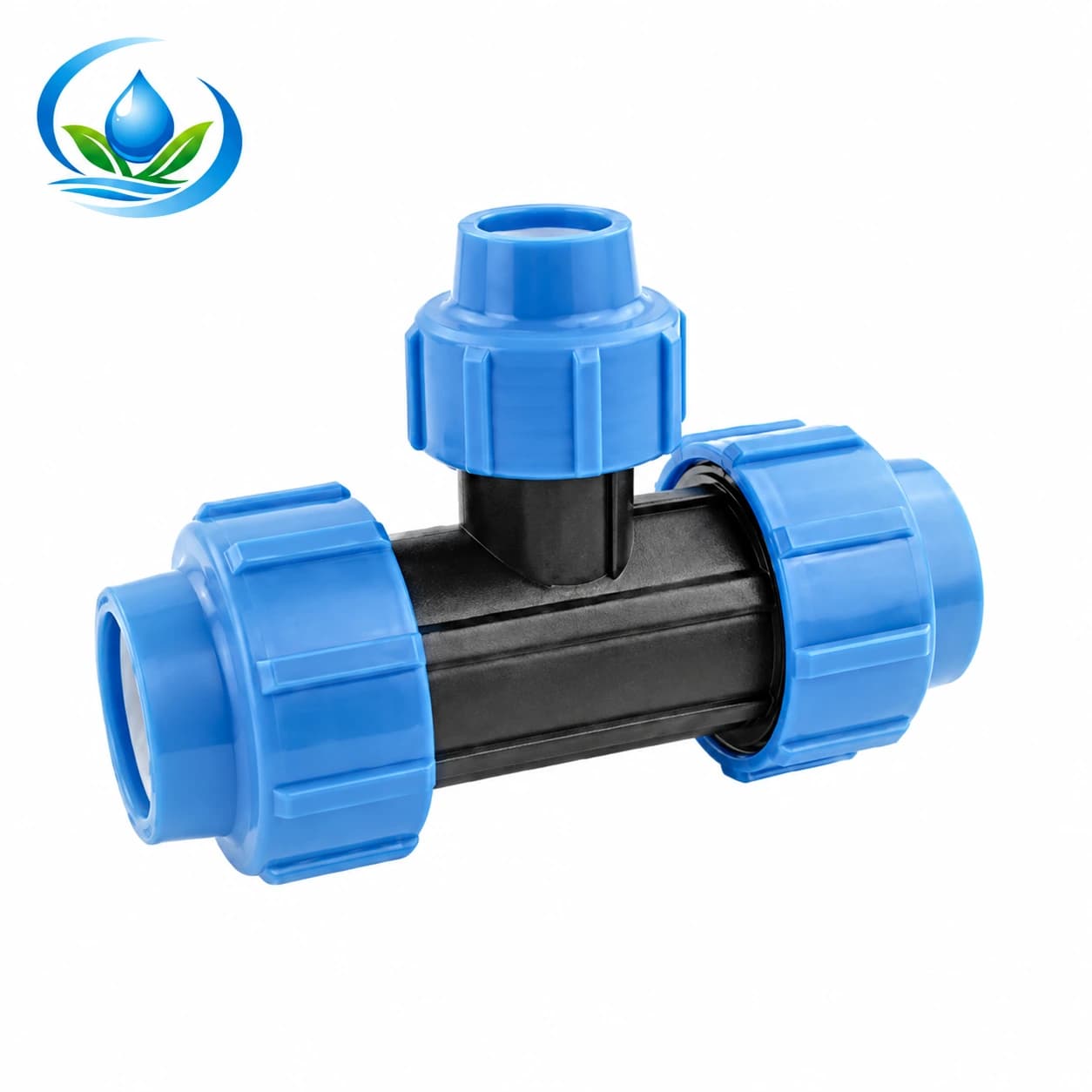
compression fittings
Poly Pipe Compression Tee with Reducing Branch
- Available connection sizes
- 25 × 20 mm / 32 × 20 mm / 32 × 25 mm / 40 × 20 mm / 40 × 25 mm / 40 × 32 mm / 50 × 20 mm / 50 × 25 mm / …
From$2.42
Choose optionsAgricultural irrigation, direct to you
Browse poly pipe compression fittings for rigid irrigation connections. Compare pipe outside diameter, fitting configuration and pressure.
24 products
Showing 19–24
compression fittings
From$2.42
Choose options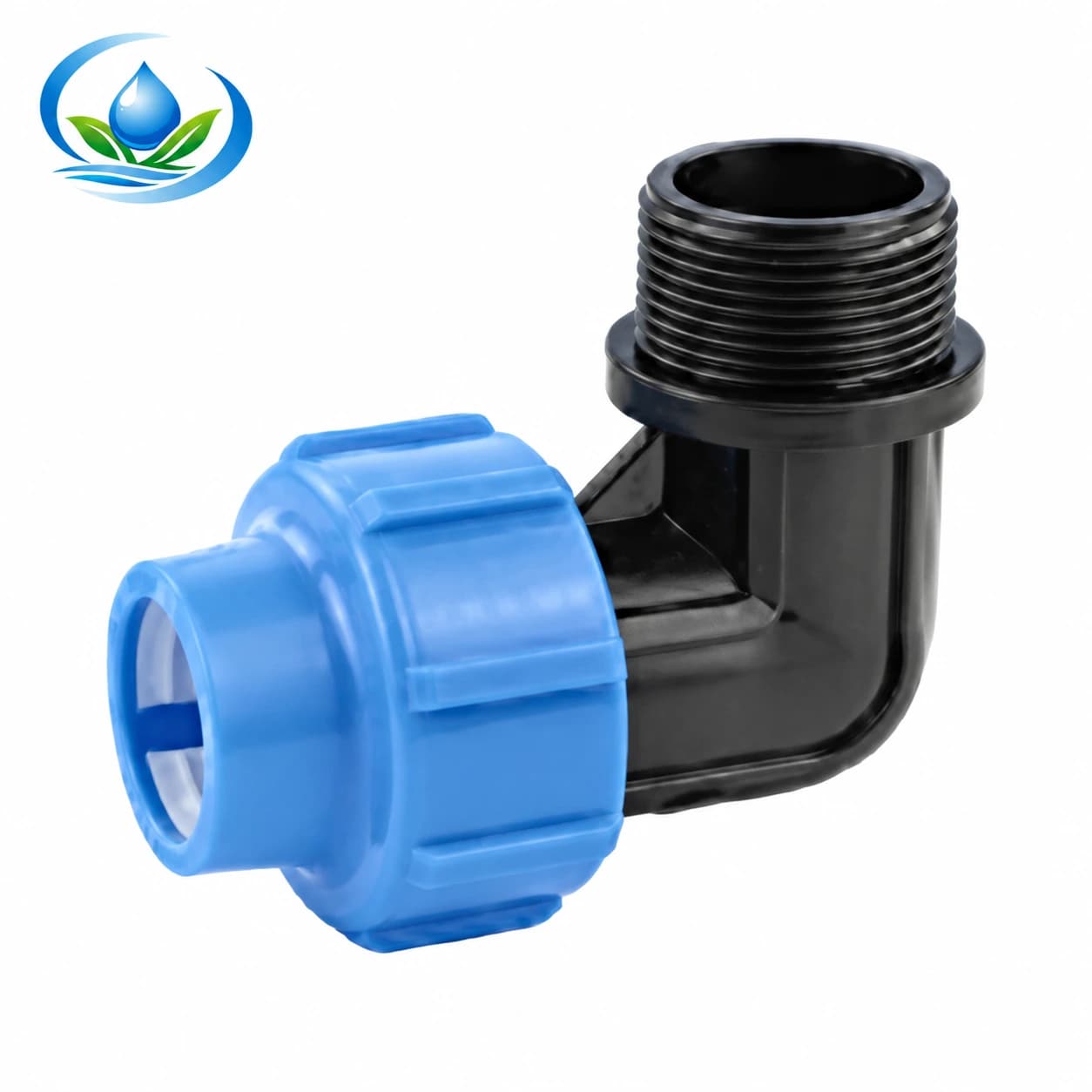
compression fittings
From$0.50
Choose options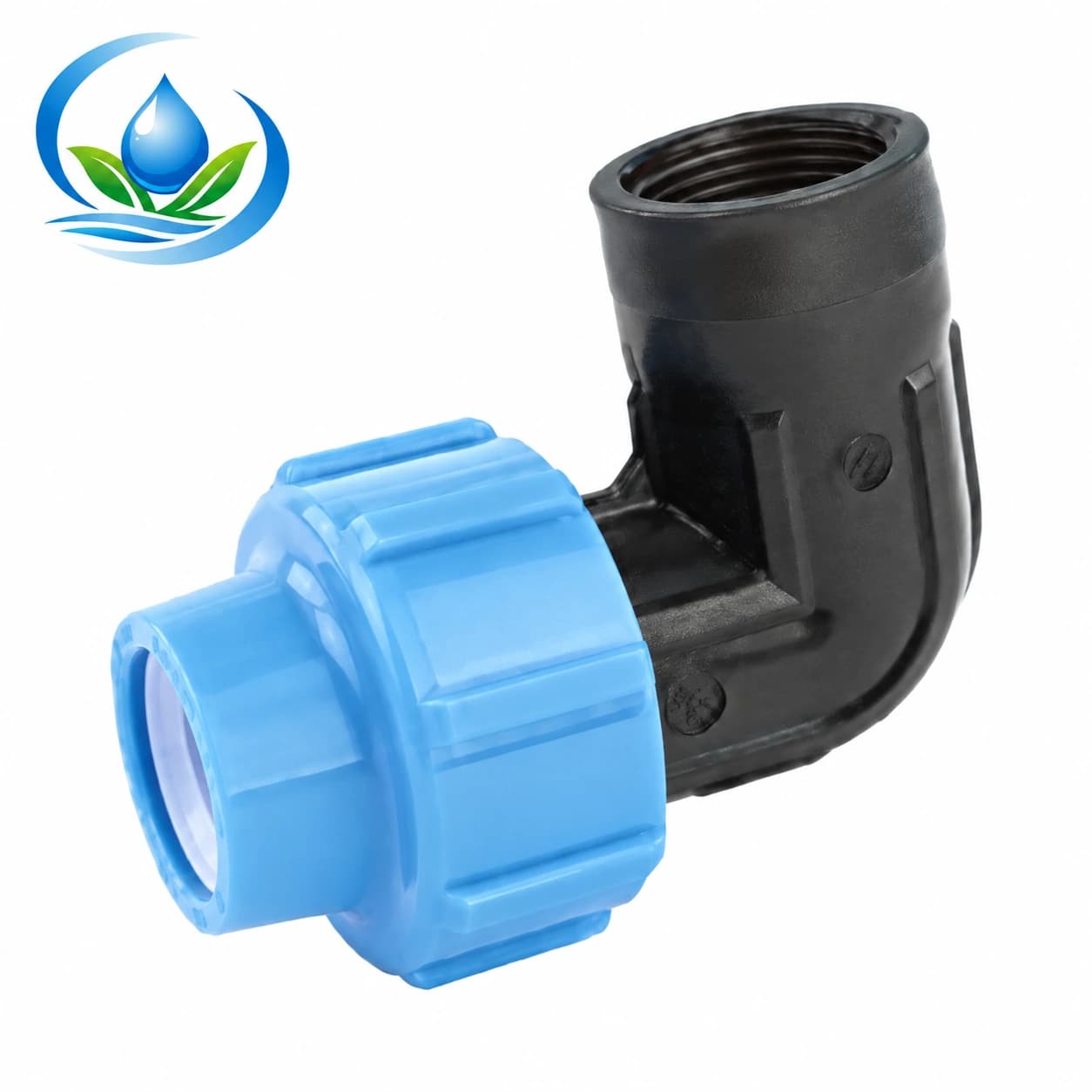
compression fittings
From$0.67
Choose options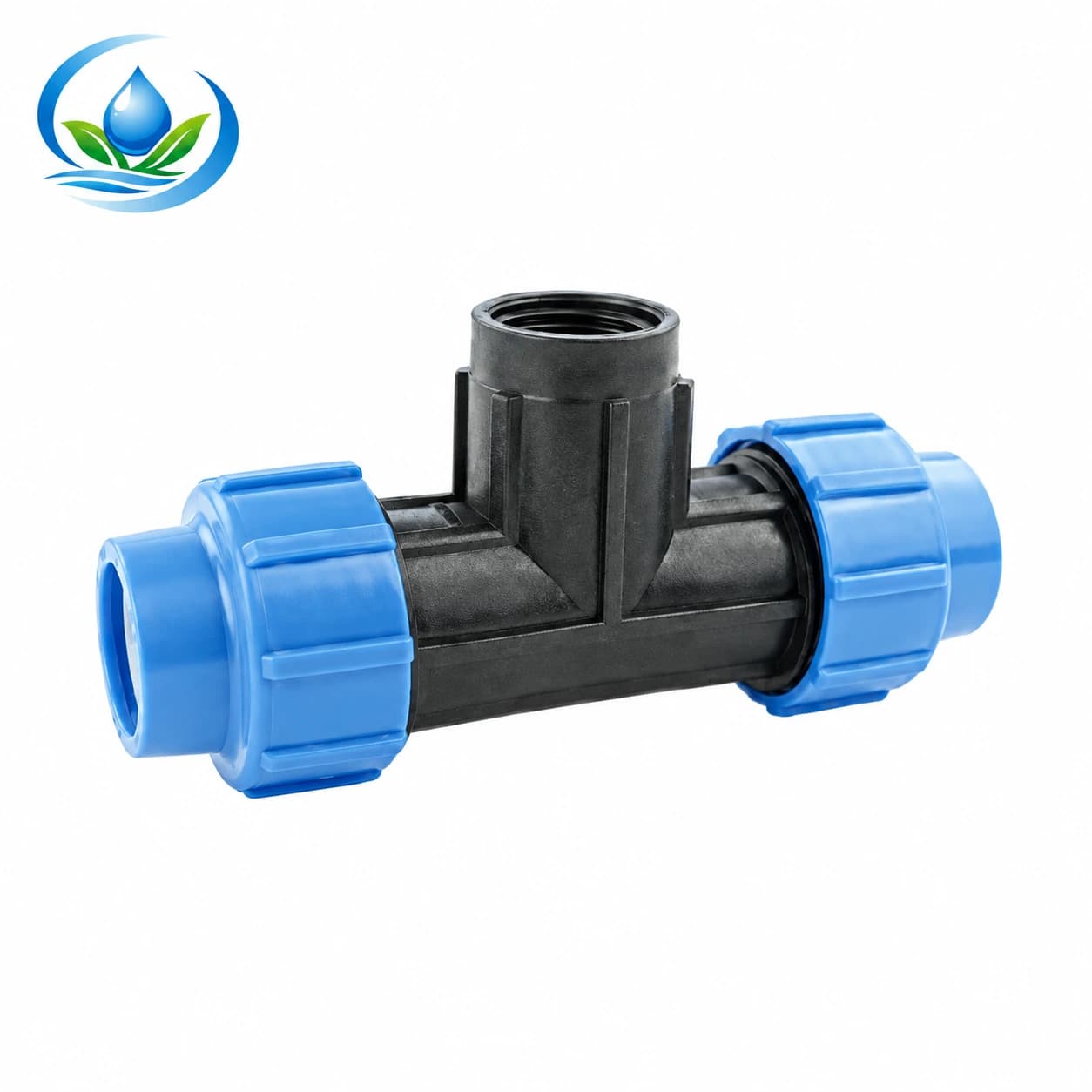
compression fittings
From$1.53
Choose options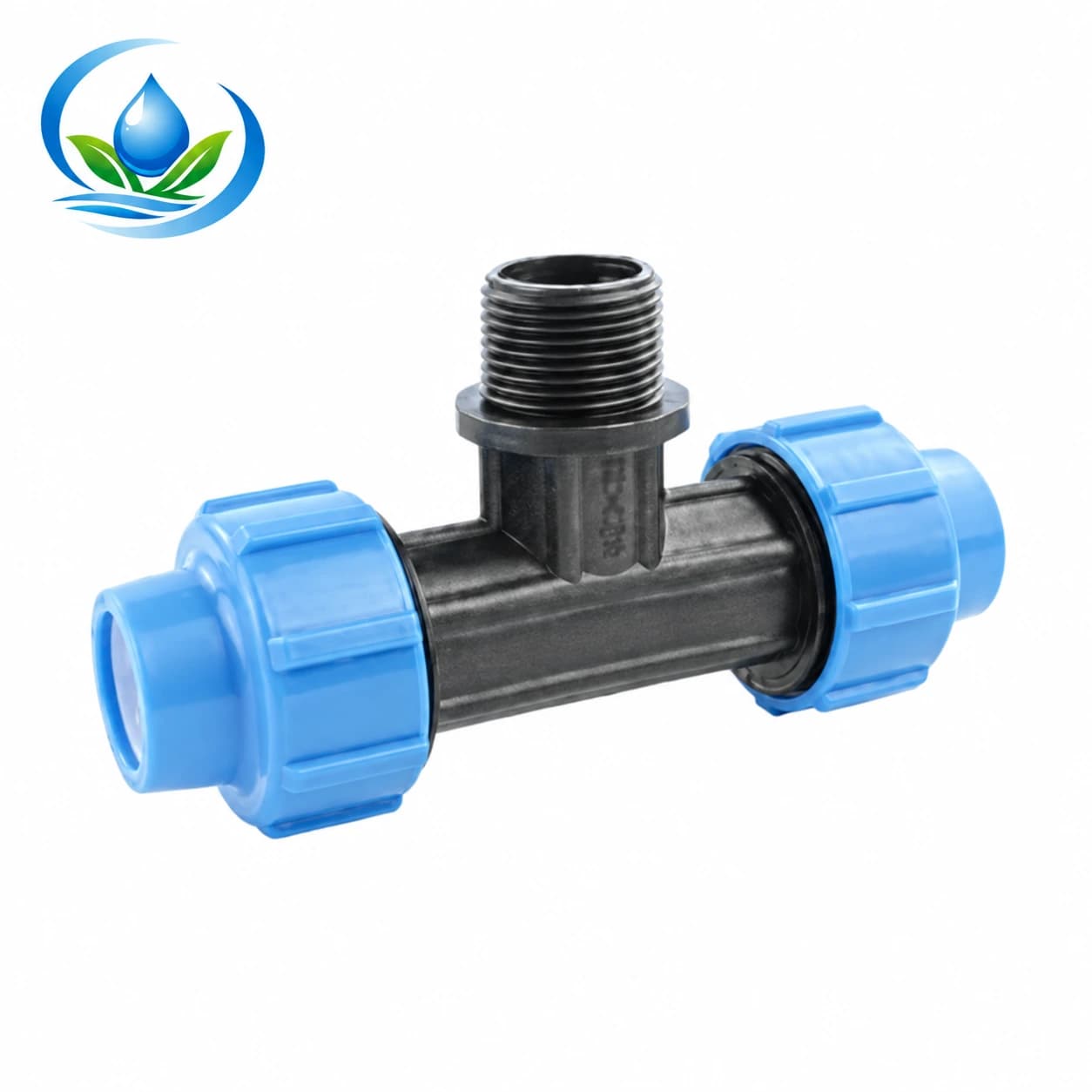
compression fittings
From$1.53
Choose options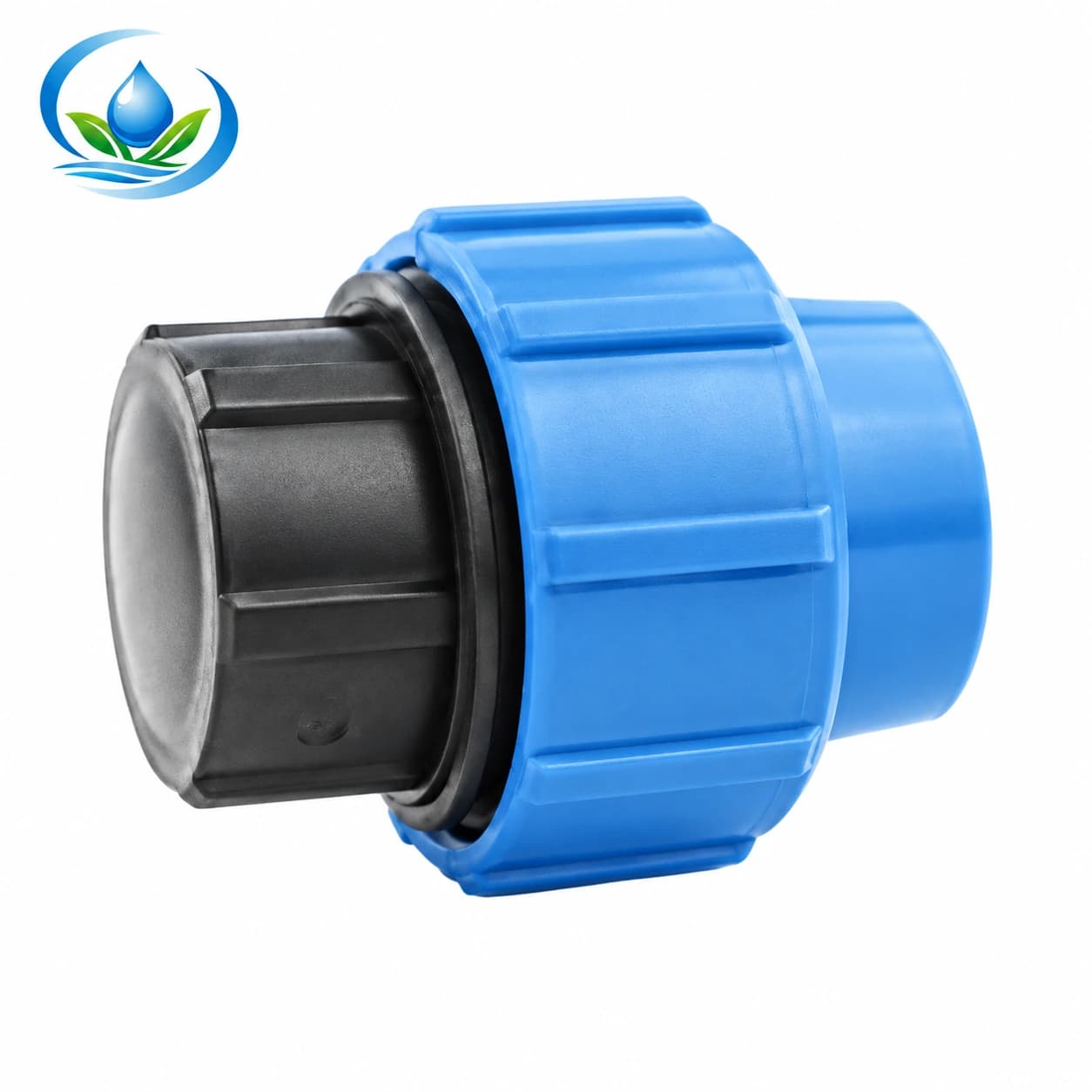
compression fittings
From$0.83
Choose optionsMatch your tubing diameter, connector type and water pressure before you add the finishing touches.
Field guide
Poly pipe compression fittings grip the pipe with a nut and seal rather than a barbed insert. This range includes couplings, elbows and tees; irrigation compression fittings may also have threaded ends for a transition to a valve or filter.
Measure the pipe's outside diameter and confirm the material and pressure class. Check whether the selected fitting is straight, reducing or threaded, and verify the thread standard on the mating part. Follow the product's assembly guidance so the pipe seats fully in the seal.
Poly pipe compression fittings provide serviceable joints on compatible distribution pipe. They are useful where a field branch, valve or repair needs a mechanical seal without a fused joint. The installed pipe's diameter and wall standard must be known first. A compression adapter selected only by a nominal inch label can leave too little grip or damage the pipe.
A compression fitting usually tightens a nut to compress a ring or seal around the pipe while a body supports the water path. The exact assembly and insertion depth vary by product. Irrigation compression fittings and pp compression fittings may use different materials or approvals; their pressure and temperature ratings must fit the system.
Compression fittings for plastic pipe are sized by the pipe dimensions and material specified by the maker. Measure the actual PE outside diameter, insert the pipe to the required depth and follow the fitting's tightening instructions; nominal pipe names alone are unreliable.
Check for weeping after the first operating cycle and after major temperature changes. If a joint leaks, depressurize and inspect the seal, pipe roundness and insertion depth before reassembly. Do not reuse a deformed compression ring beyond its instructions. Keep accessible joints visible until a successful pressure test.
Yes, when the fitting is rated for that pipe's material, outside diameter, wall or pressure class and application. Cut square, remove burrs, seat the pipe fully and tighten to the product instructions before pressure testing.
The pipe-gripping compression seal usually does not. A separate threaded adapter may have its own sealing instructions; follow the fitting manual.
Technical reference: USDA NRCS, National Engineering Handbook: Microirrigation. Use the selected product manual and local requirements for final design.