
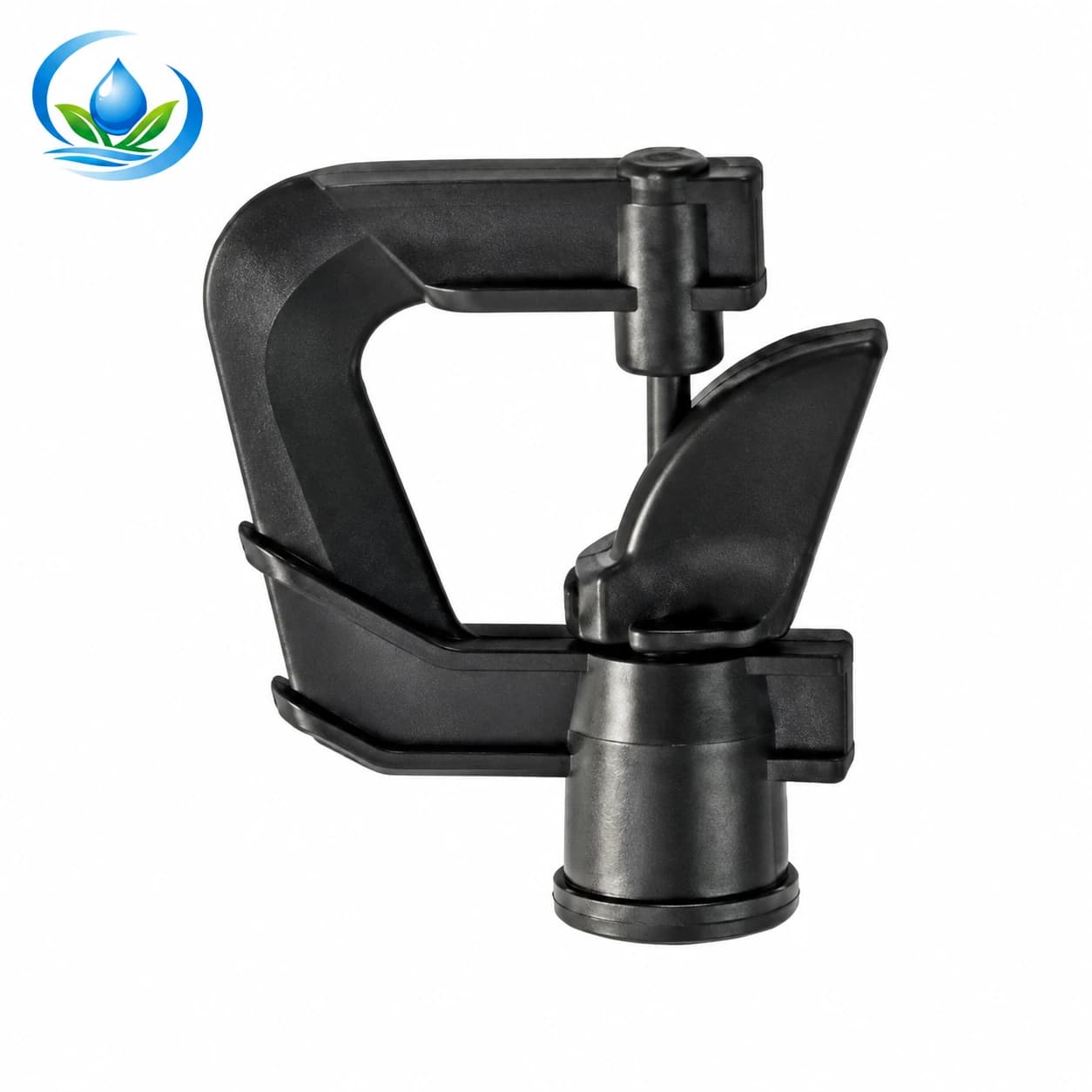
micro sprinklers
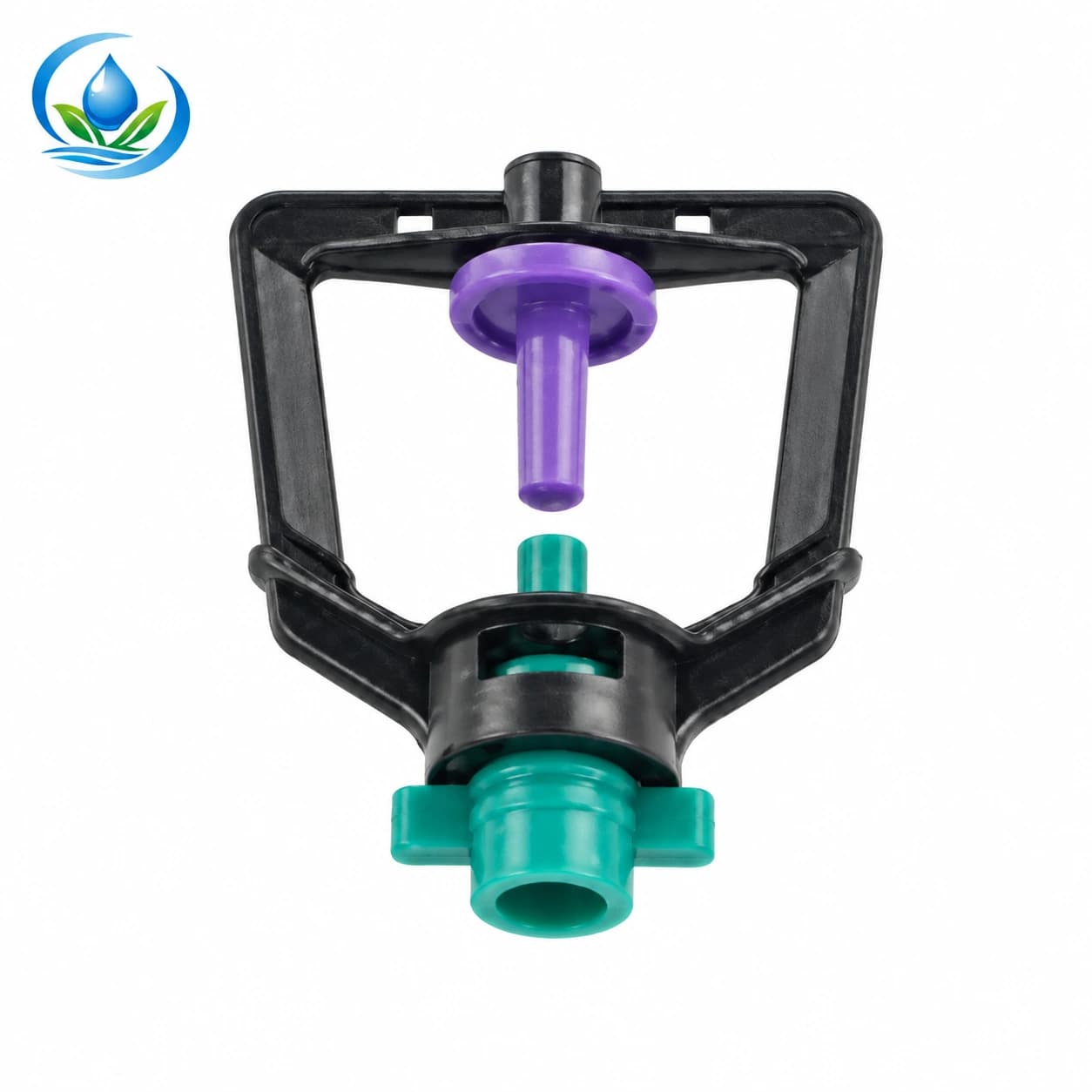
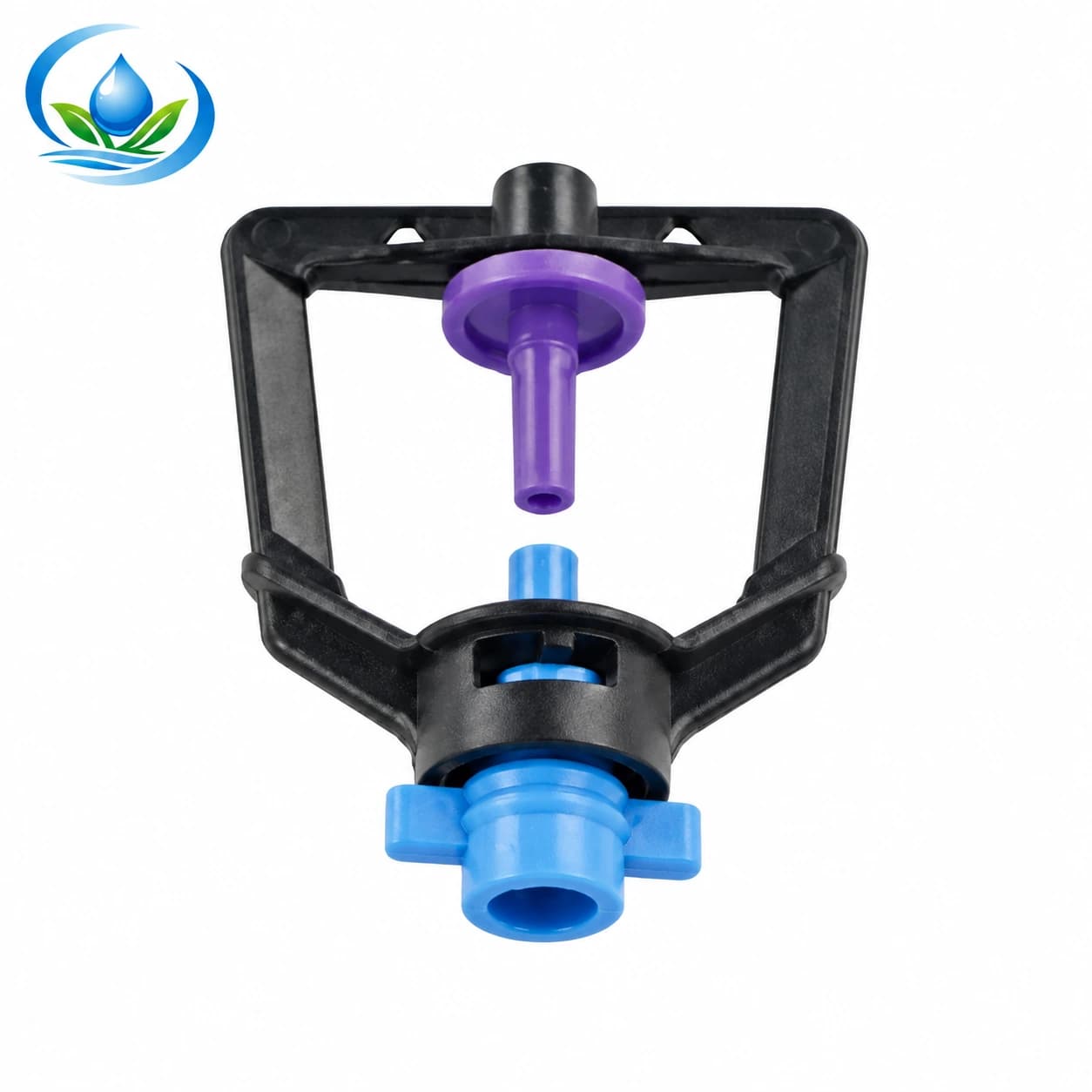
Offset Side-Wheel Micro Sprinkler for Orchard Irrigation
1.2-1.6 mm
From$0.75
Choose optionsAgricultural irrigation, direct to you
Compare micro sprinkler heads and assemblies for targeted spray coverage. Check irrigation misting nozzle options separately by droplet pattern.
66 products
Showing 19–36
micro sprinklers
1.2-1.6 mm
From$0.75
Choose options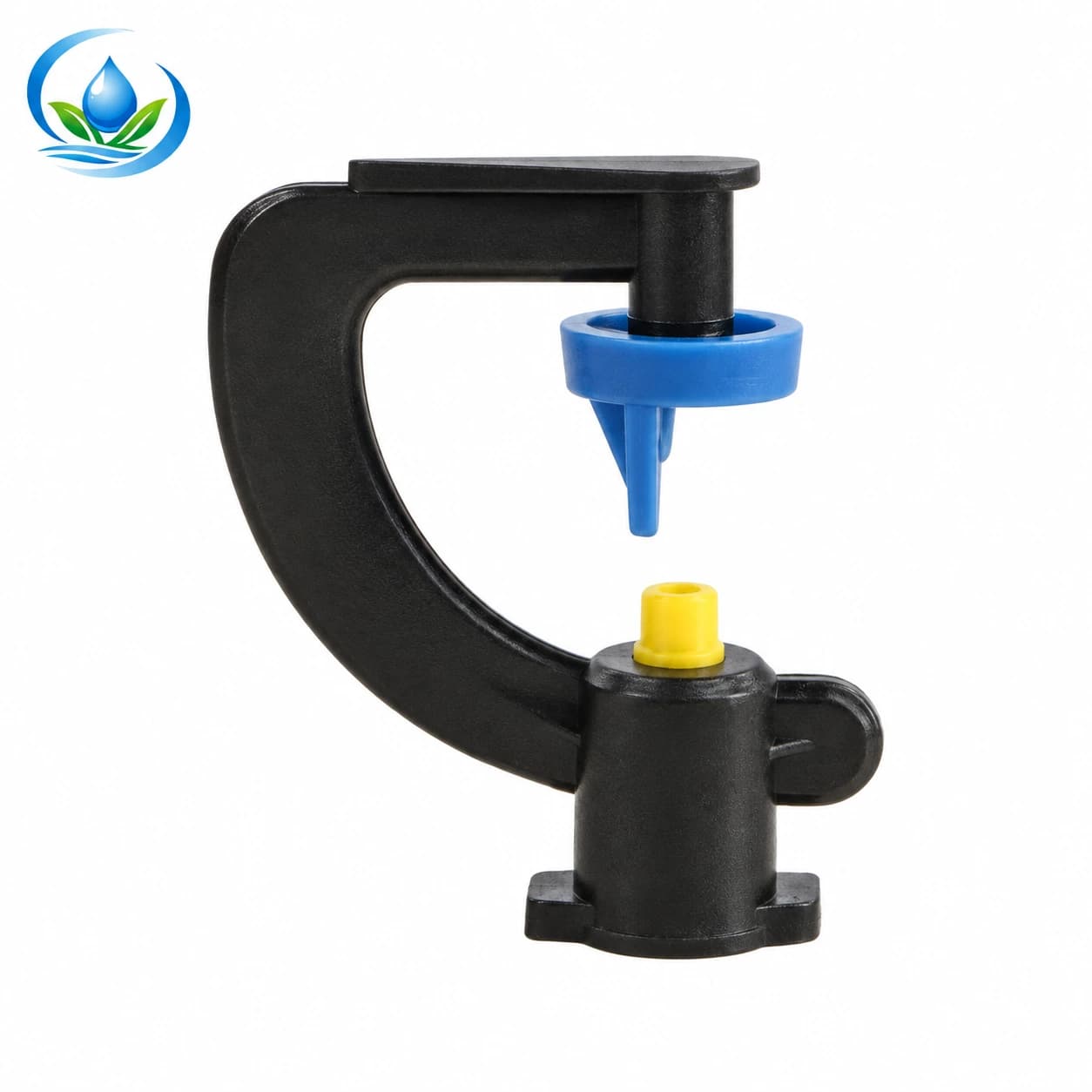
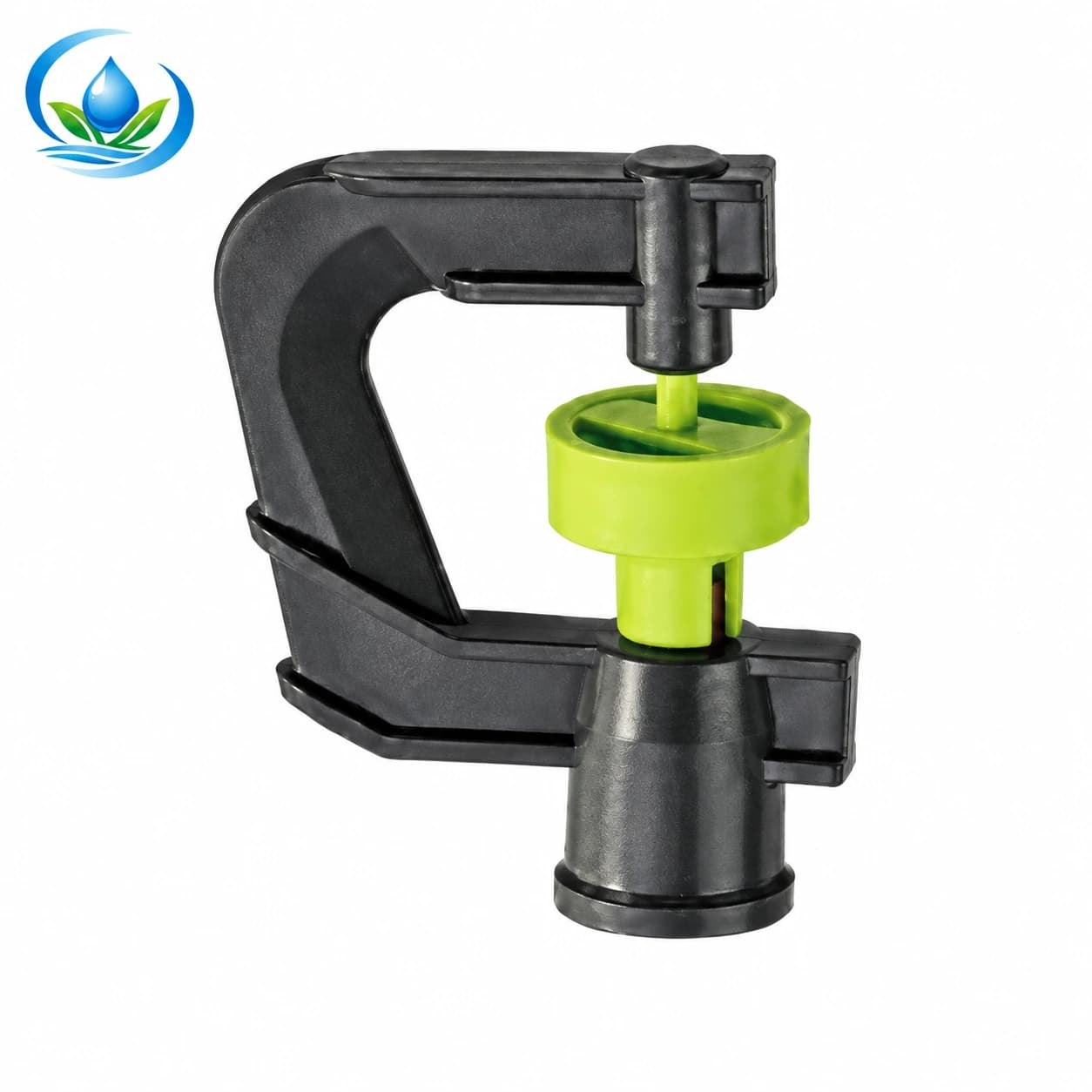
micro sprinklers
1.2-1.6 mm
From$0.75
Choose options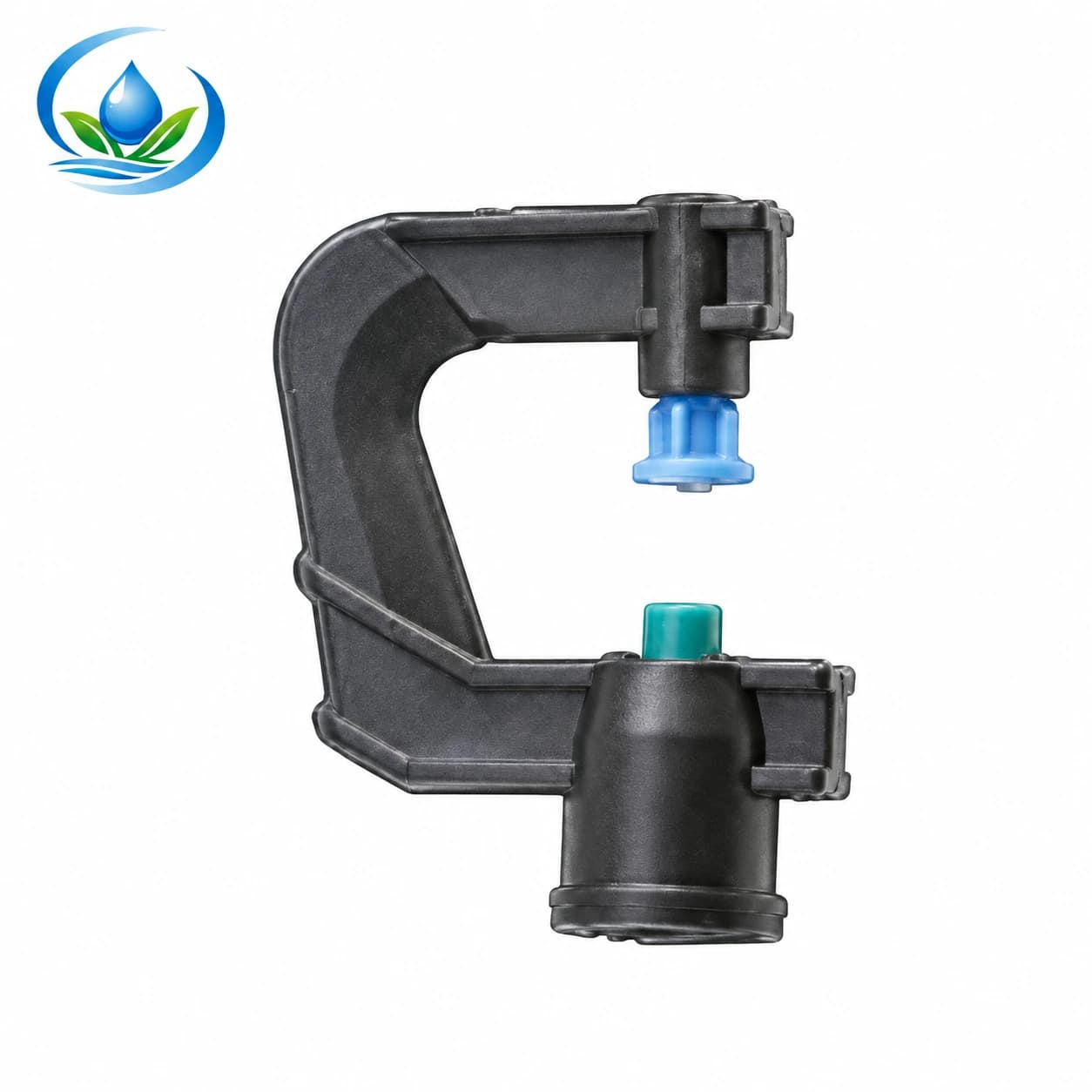
micro sprinklers
0.85-1.4 mm
From$0.23
Choose options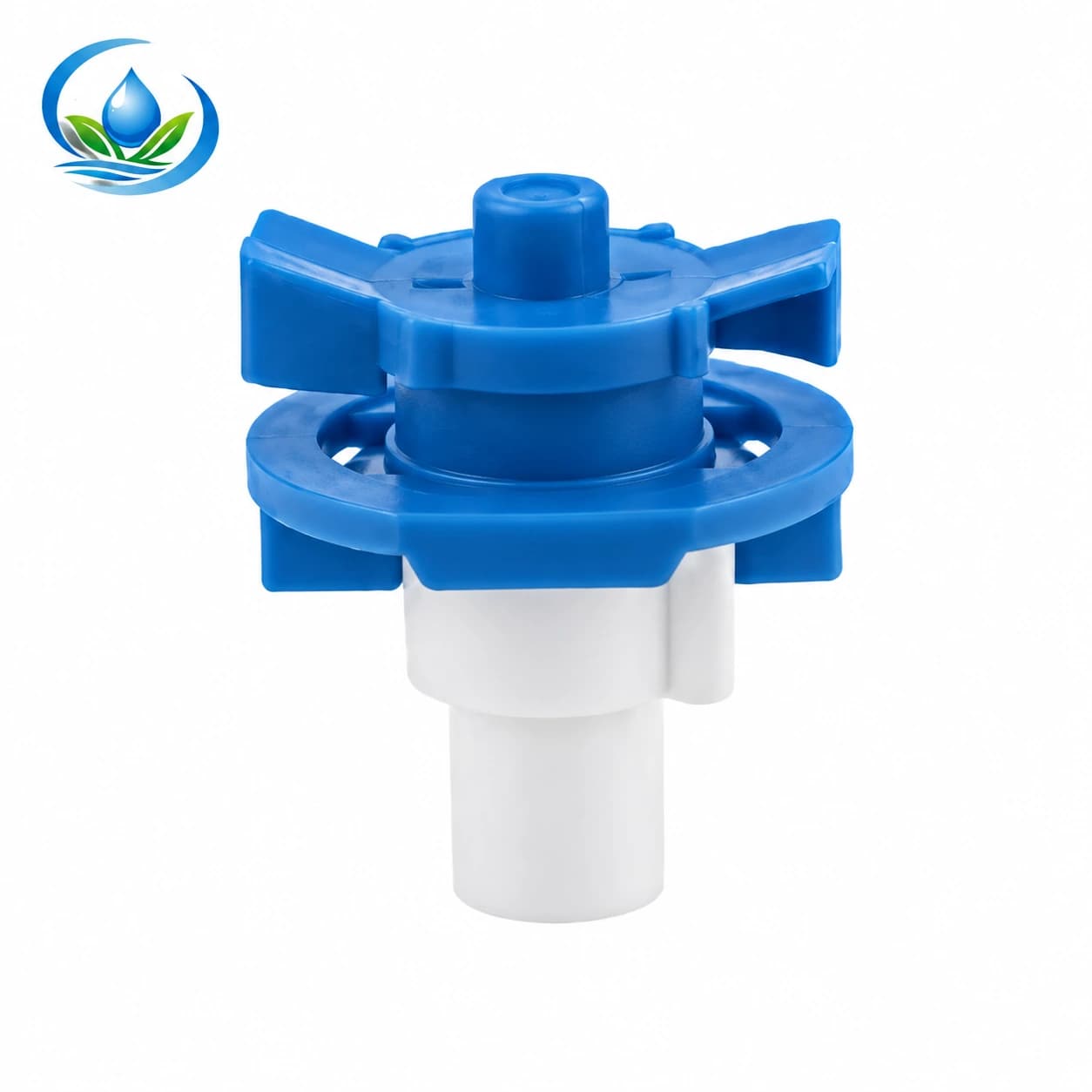
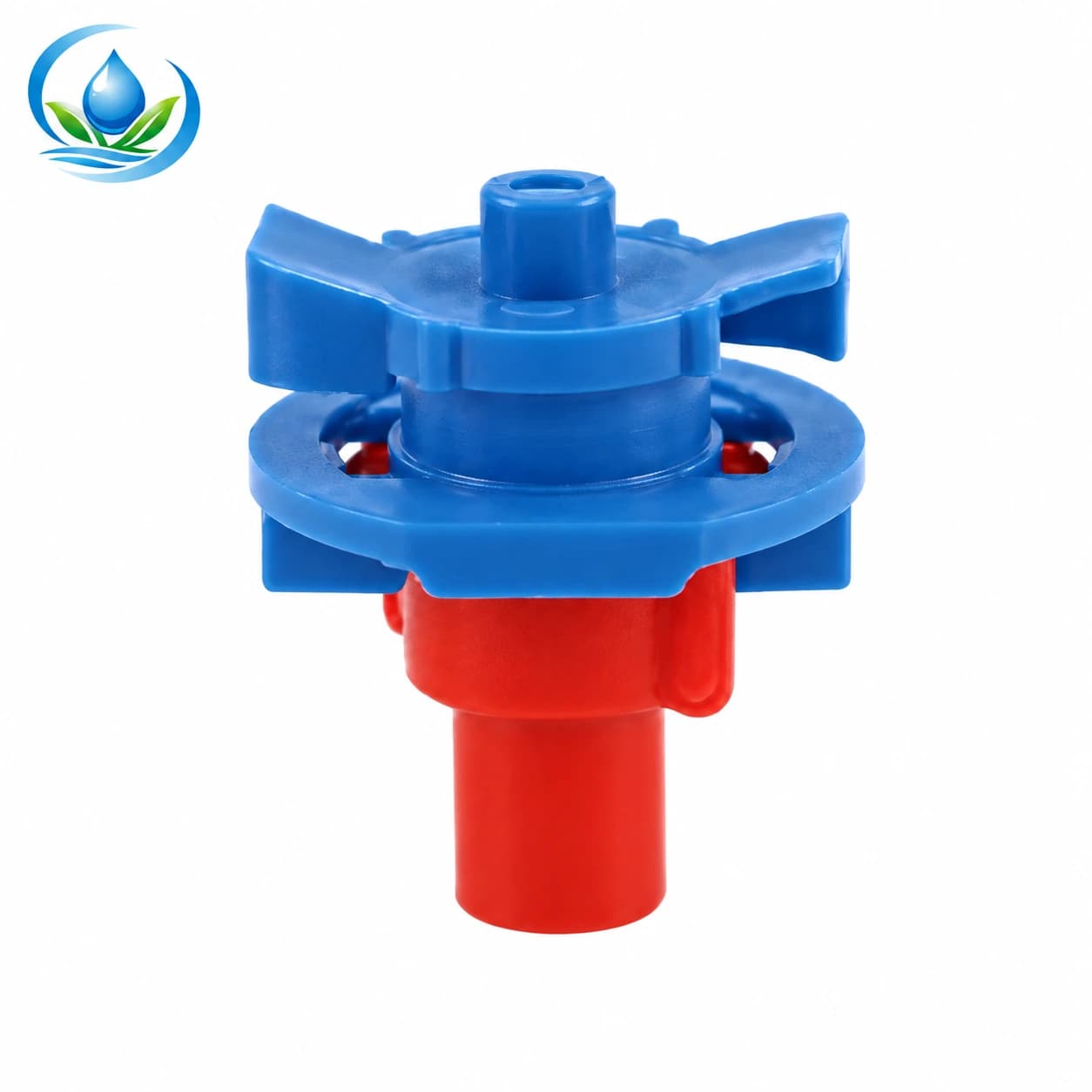
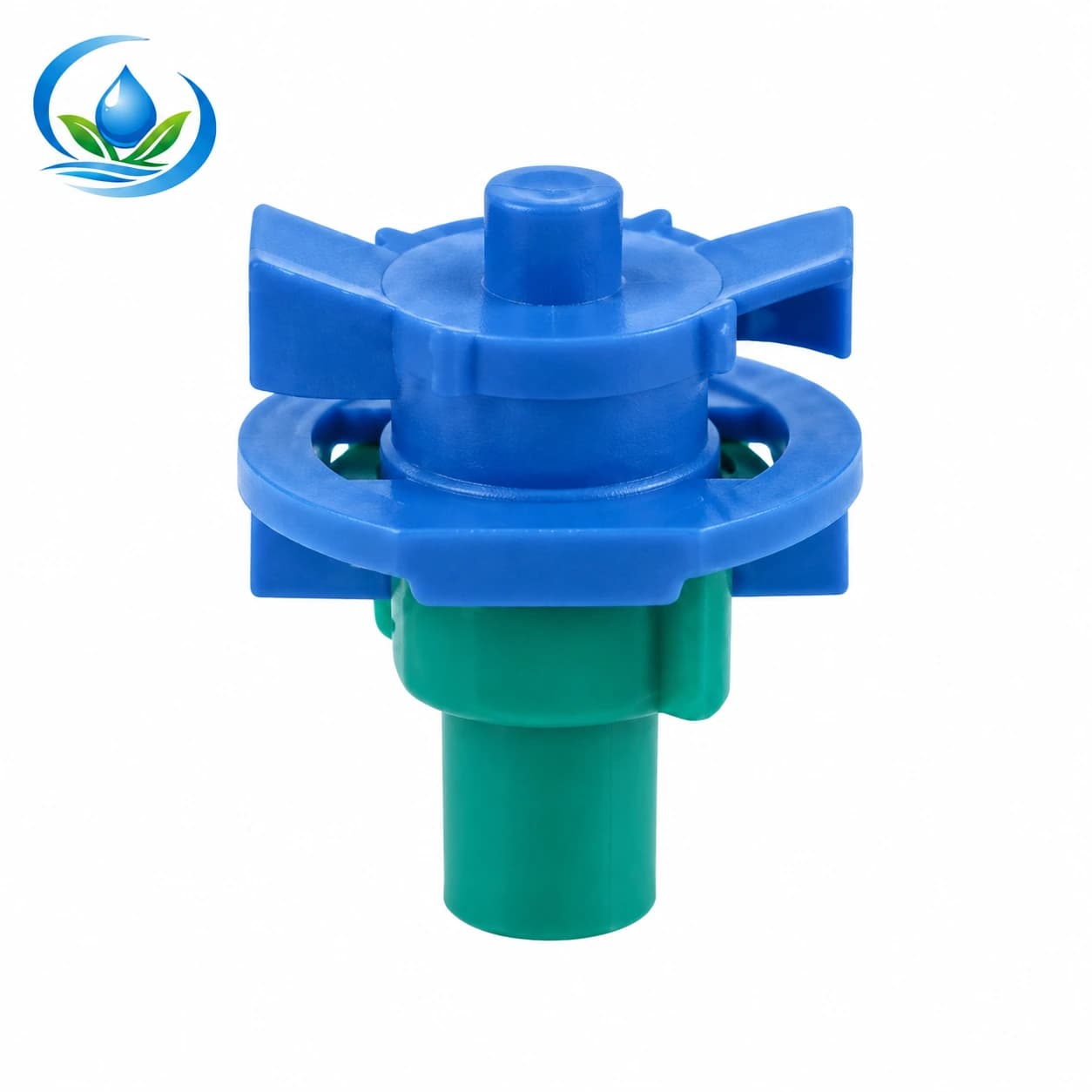
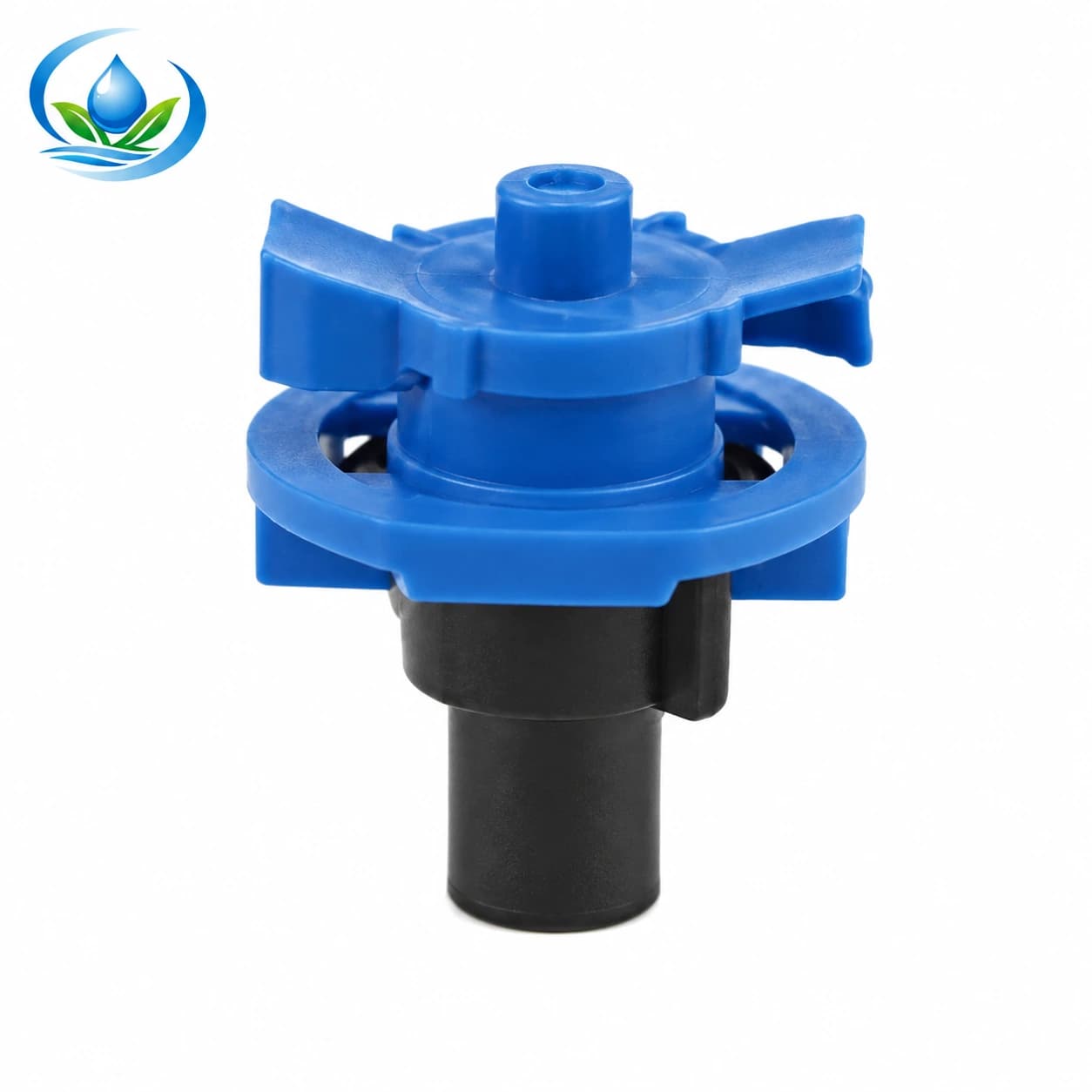
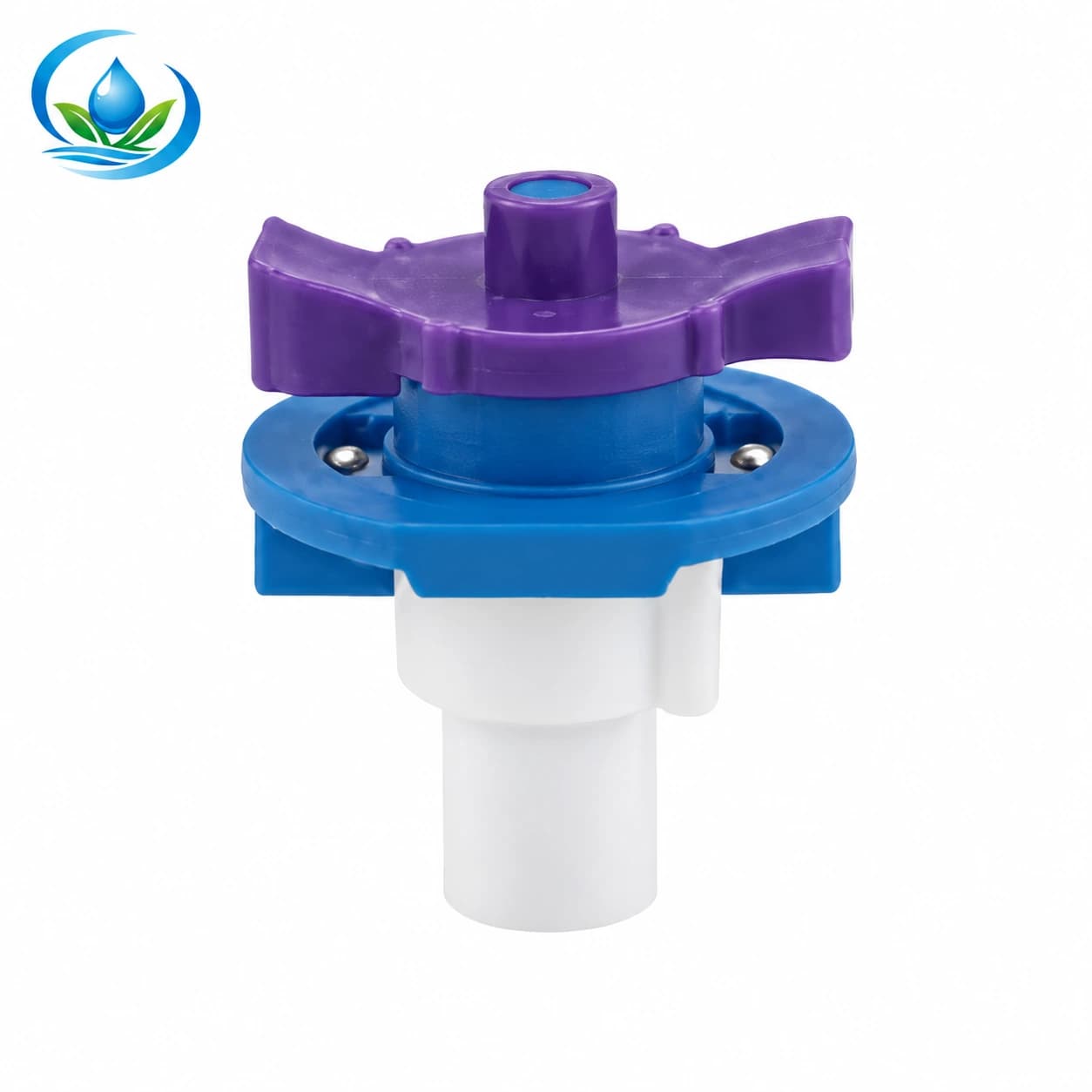
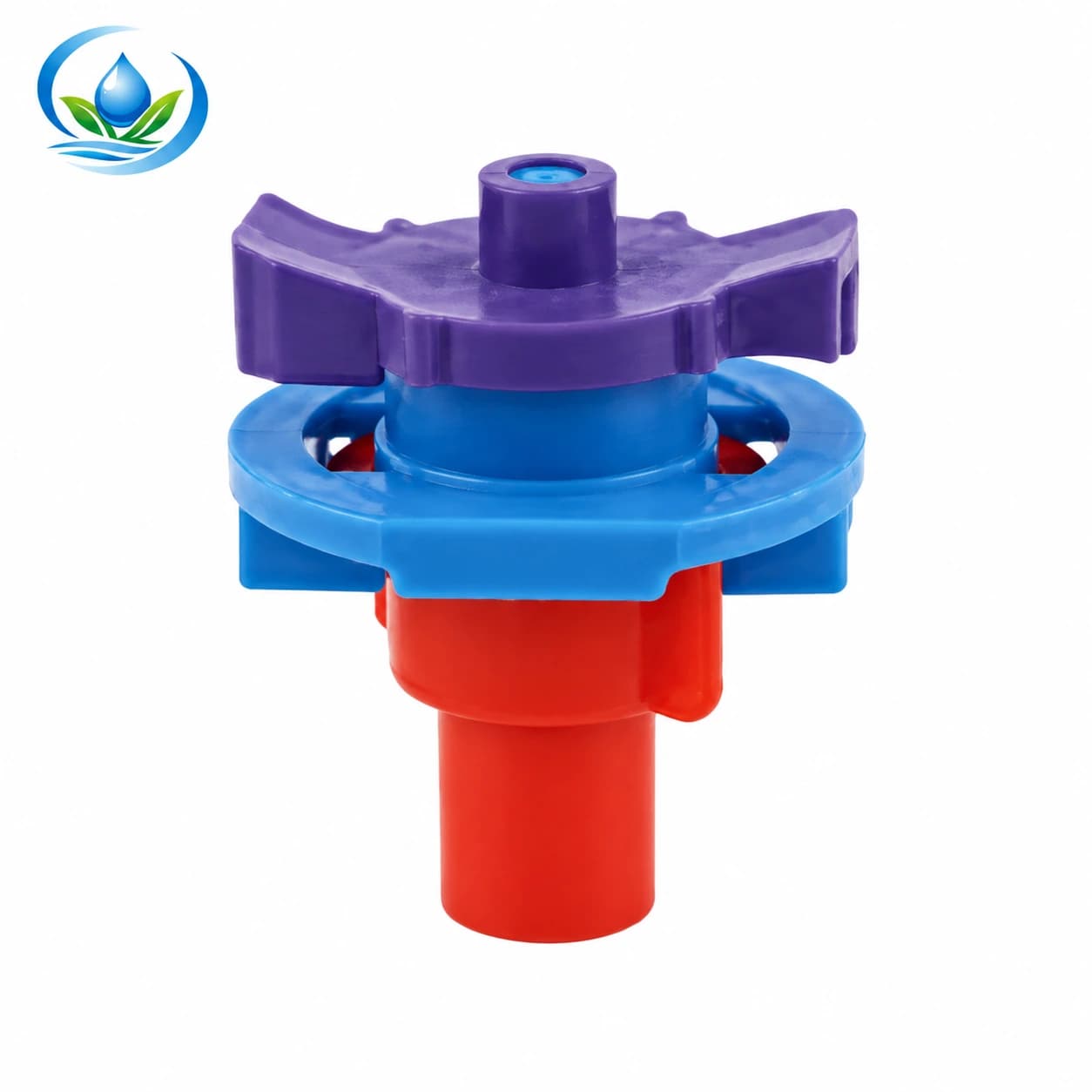
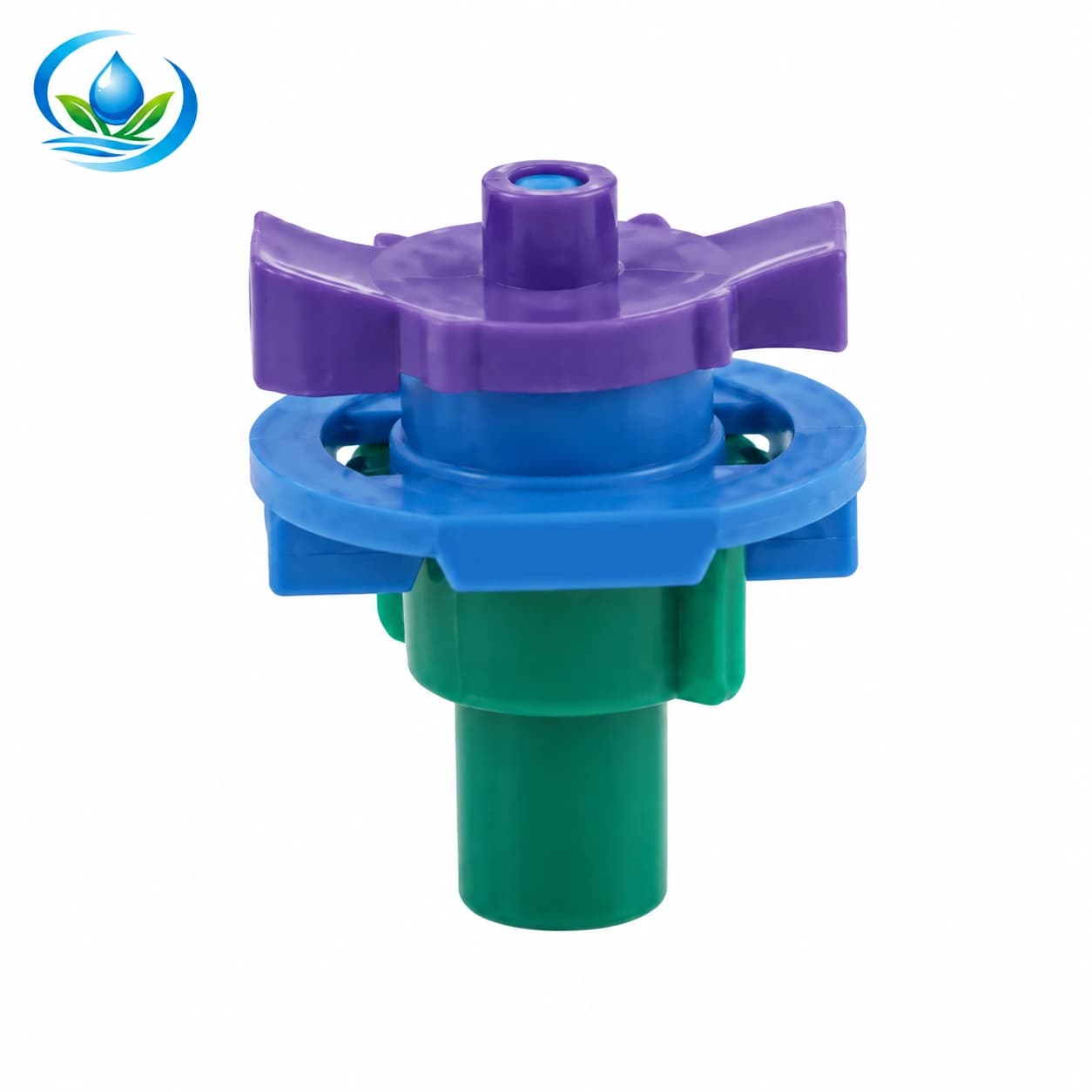
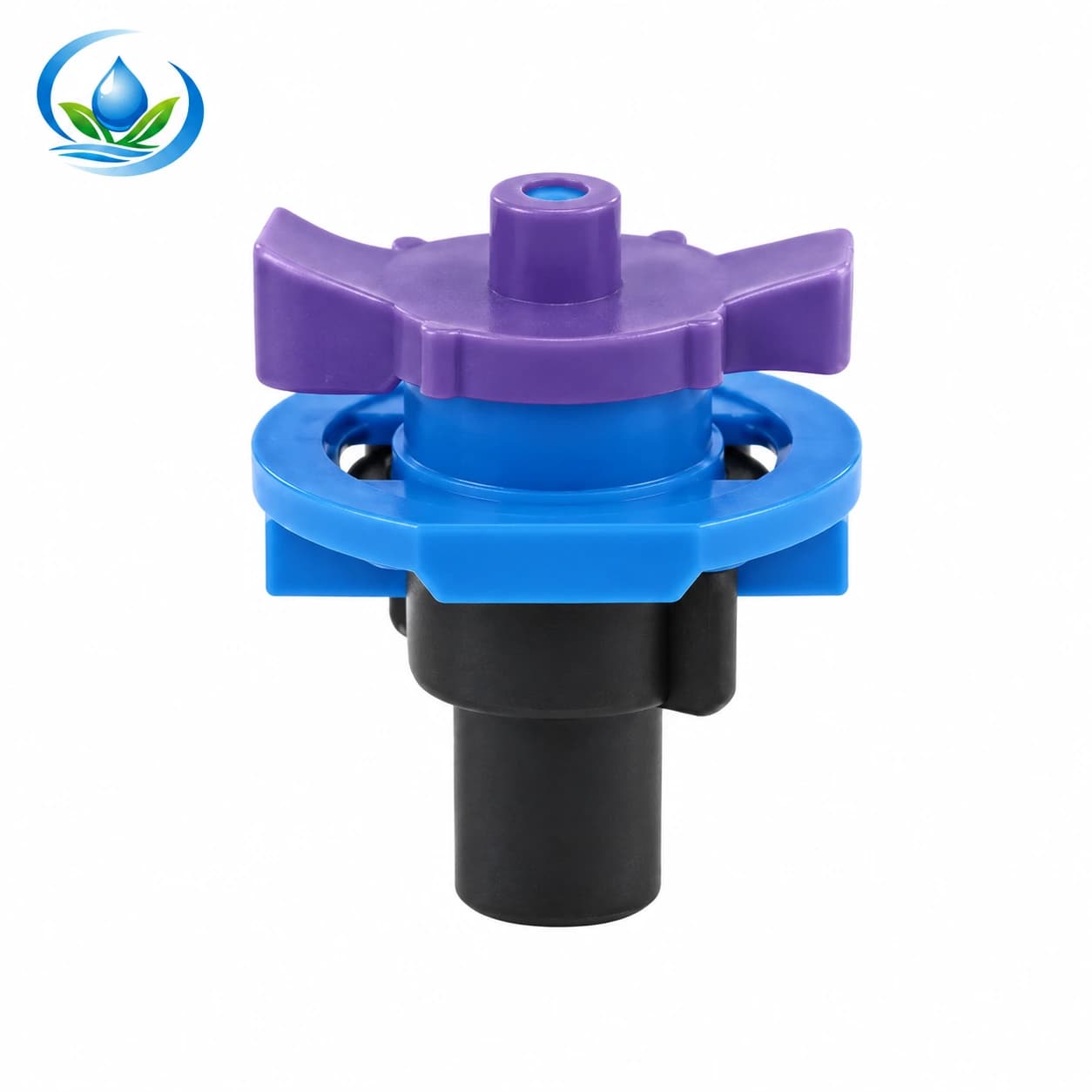
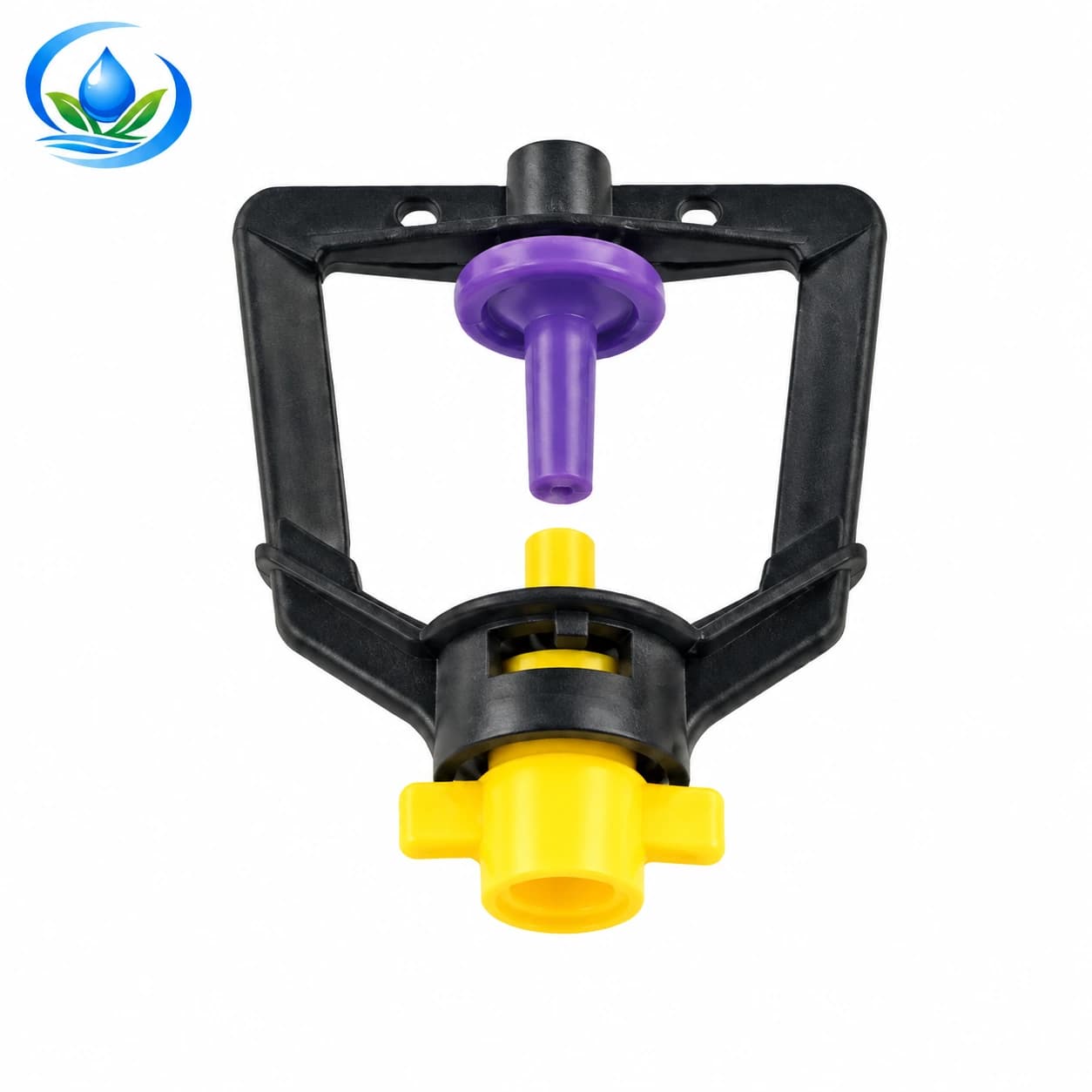
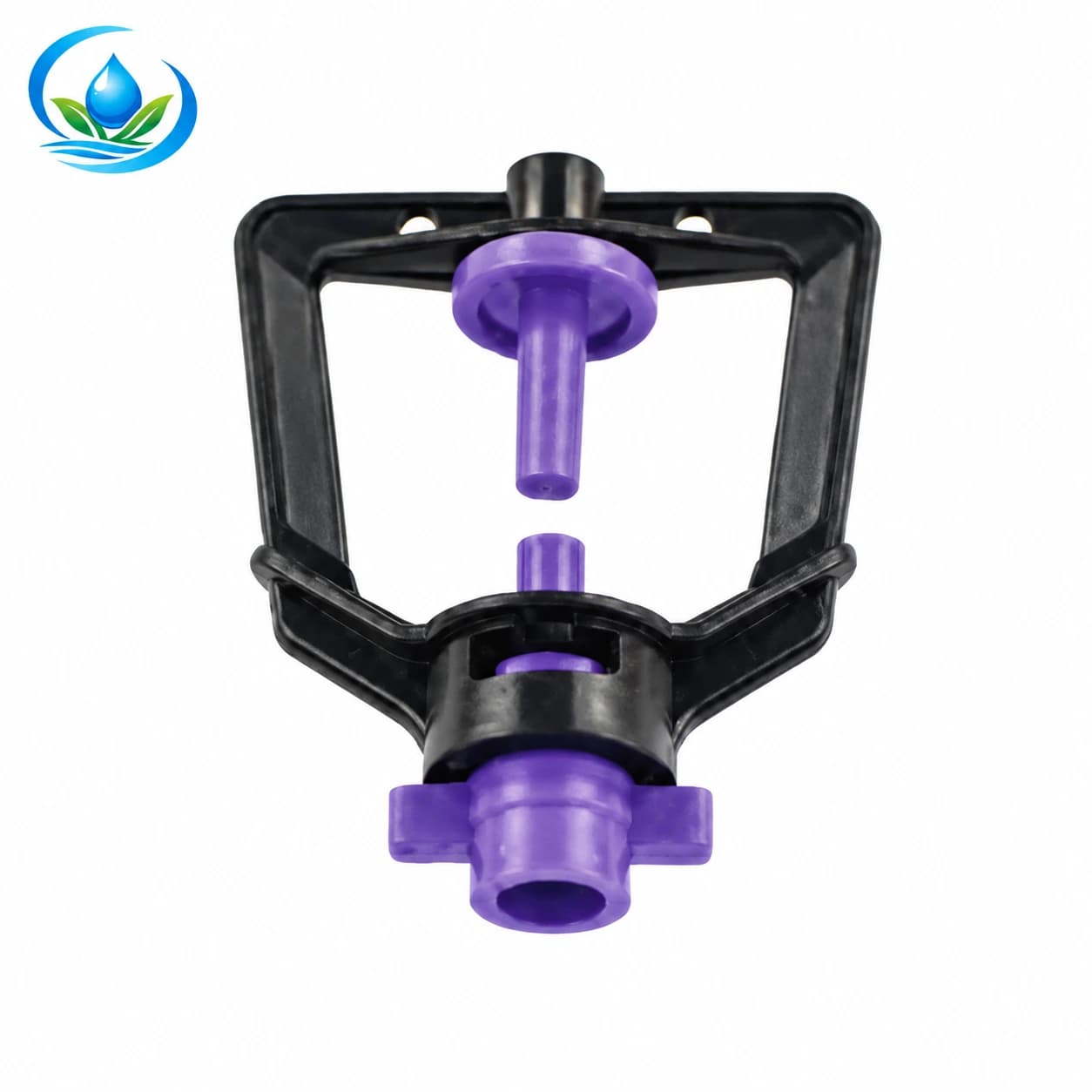
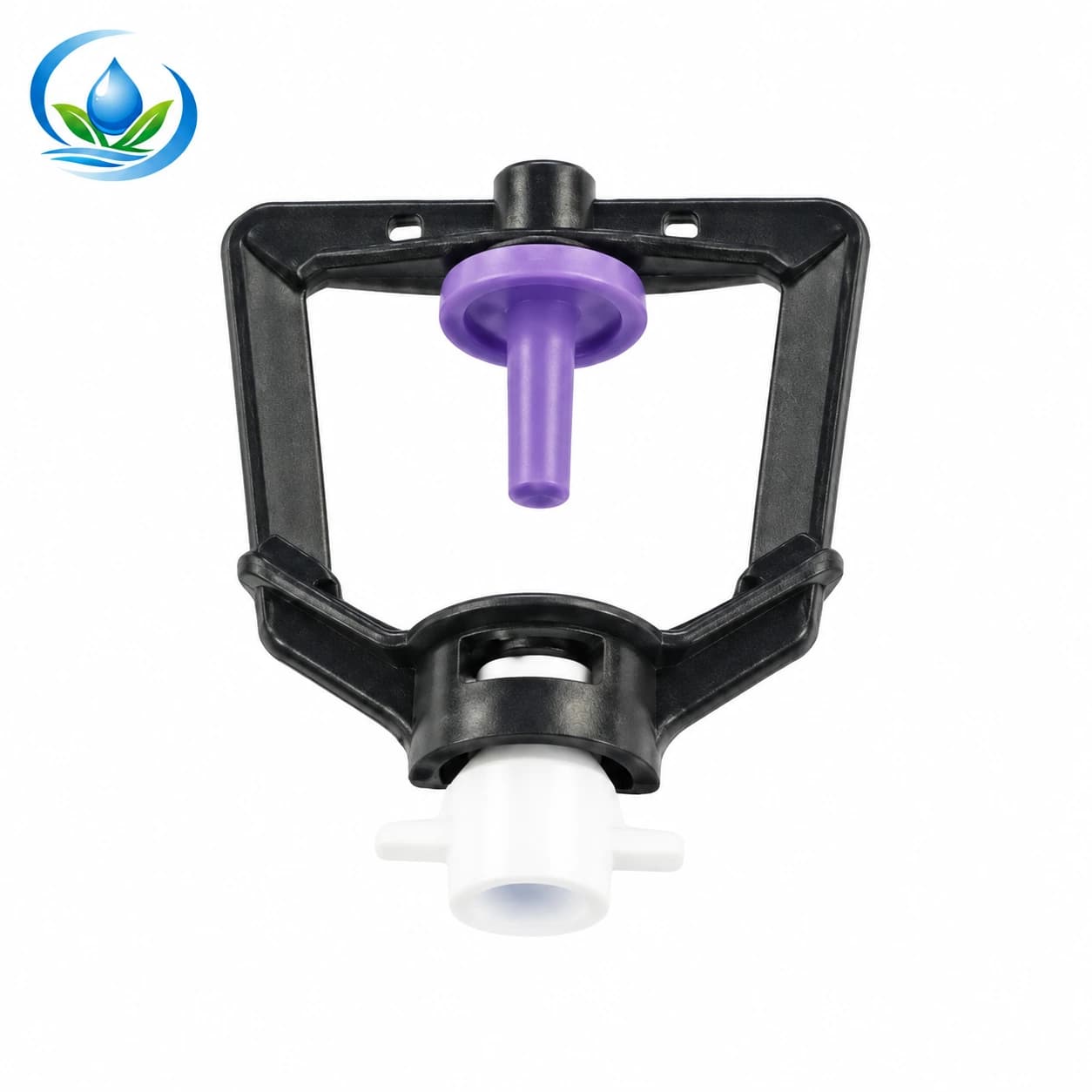
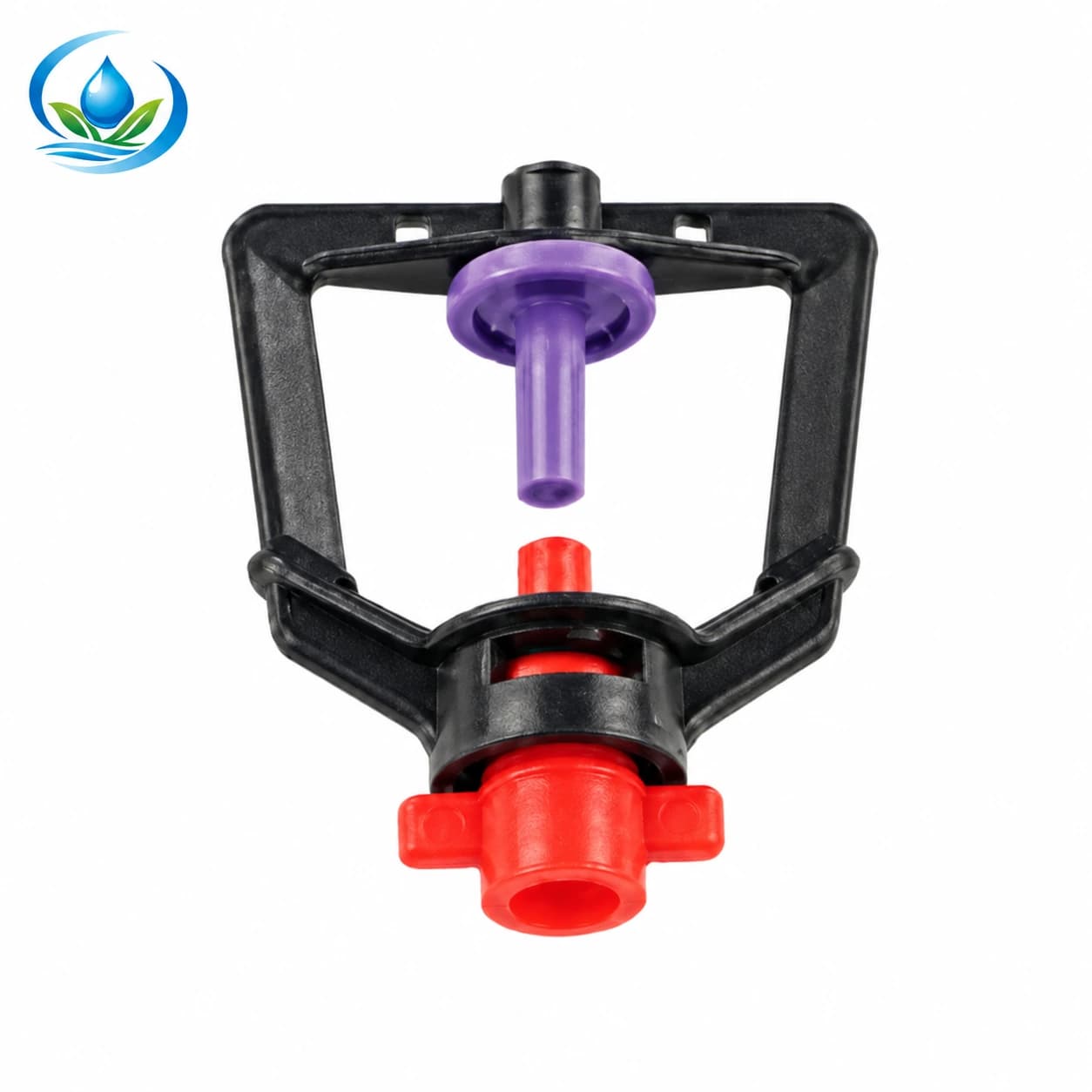
Match your tubing diameter, connector type and water pressure before you add the finishing touches.
Field guide
This diagram shelf groups micro sprinkler heads and assemblies that deliver a defined spray around plants or greenhouse benches. An irrigation misting nozzle makes a different, finer application and should be compared on its own pattern rather than treated as an interchangeable sprinkler head.
Use product-specific nozzle flow, wetted diameter, working pressure and mounting style to plan spacing. Confirm filtration and the thread or tube connection, and check whether the head, stake and supply tube are included together.
Micro sprinkler heads and nozzles set the spray pattern at the crop. This diagram route includes many nozzle-related products, so select the actual model for orchard, nursery or greenhouse use rather than treating them as one pattern. An irrigation misting nozzle may be listed nearby but can serve a different humidity or droplet-size goal. Mark obstructions and target wetted area first.
A nozzle shapes water as pressure drives it through a small opening. Geometry, flow rating and mounting position control droplet pattern and wetted diameter. A tiny nozzle can clog quickly with poor filtration, and an oversized nozzle can exceed the zone's available flow. A pressure figure should be checked at the operating head, not only at the pump.
Clean blocked nozzles with the maker's method and inspect filter condition. Compare spray shape across similar heads; a distorted pattern may indicate wear or damage. Keep replacements organized by size and color code so mixed nozzles do not unbalance a zone.
Estimate each nozzle's flow and wetted diameter at operating pressure, lay out enough overlap for the crop, and size the filtered supply for the simultaneous outlets. Fit compatible stakes and tubing, flush the line, then test the farthest nozzle and adjust spacing for wind and obstructions.
Not necessarily. Misting often targets much finer droplets and different coverage or control.
Technical reference: USDA NRCS, National Engineering Handbook: Microirrigation. Use the selected product manual and local requirements for final design.