
Micro Sprinkler Nozzles & Assemblies
Compare micro sprinkler heads and assemblies for targeted spray coverage. Check irrigation misting nozzle options separately by droplet pattern.
Micro Sprinkler Nozzles & Assemblies
67 products
Showing 1–18
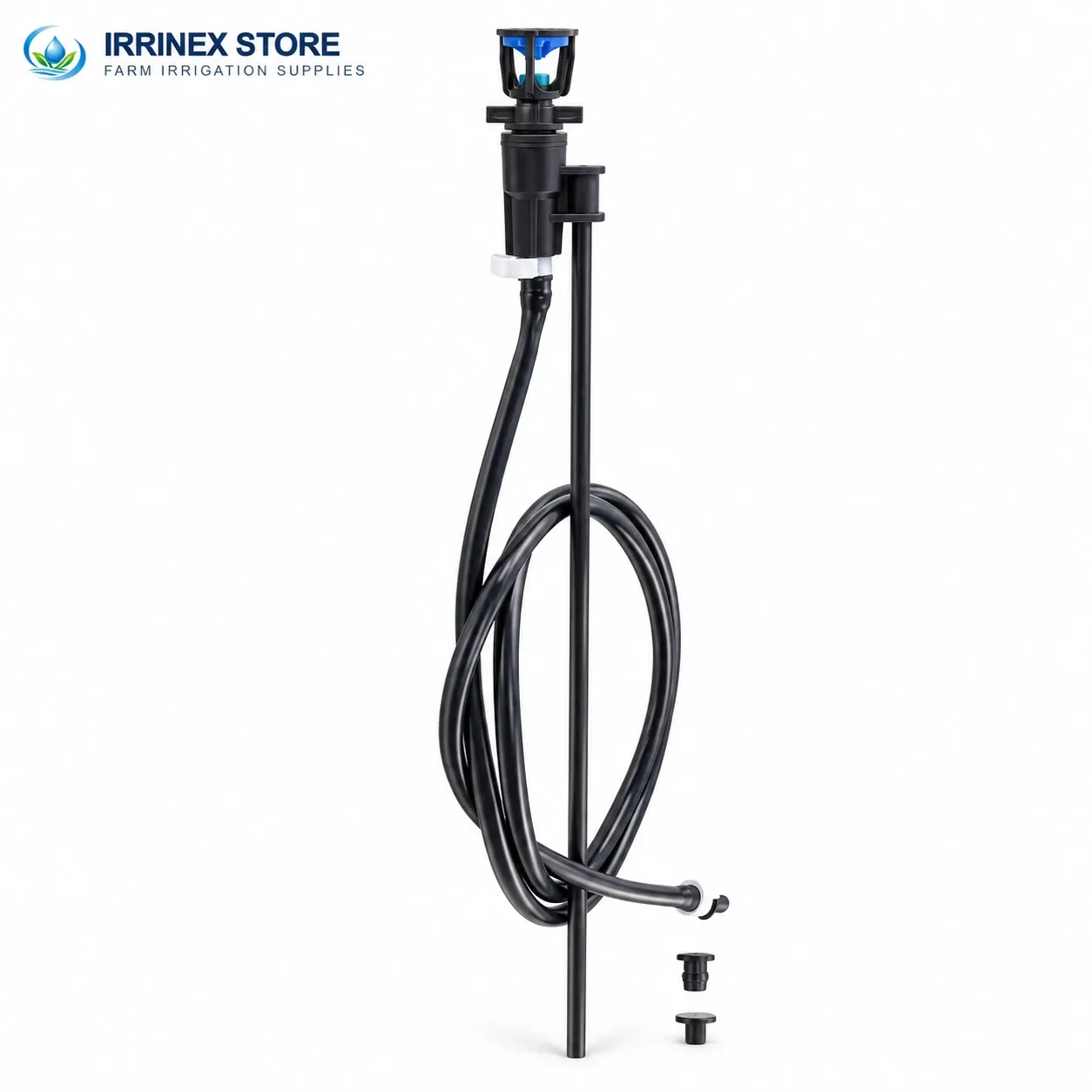
Micro Sprinkler Stake Kit with Fiber Rod and Tubing
Add a rotary watering point beside nursery pots, garden beds or young plants. A blue-rotor sprinkler, long fiber rod ground stake and flexible supply tubing help you position the head and connect it to your irrigation line.
$1.35
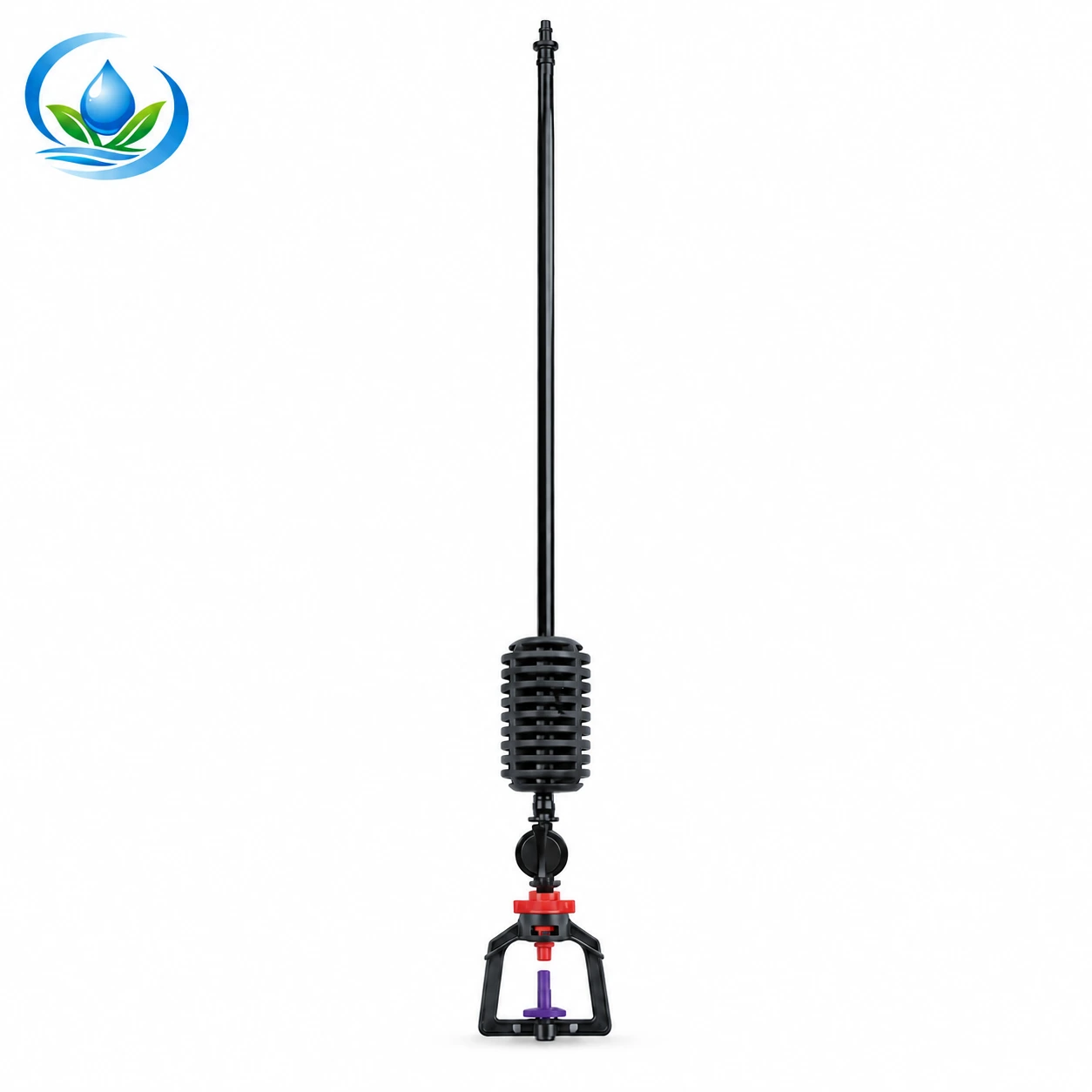
Hanging Micro Sprinkler Assemblies for Greenhouses
40, 45, 50, 60 and 80 cm hanging options
From$0.33
Choose options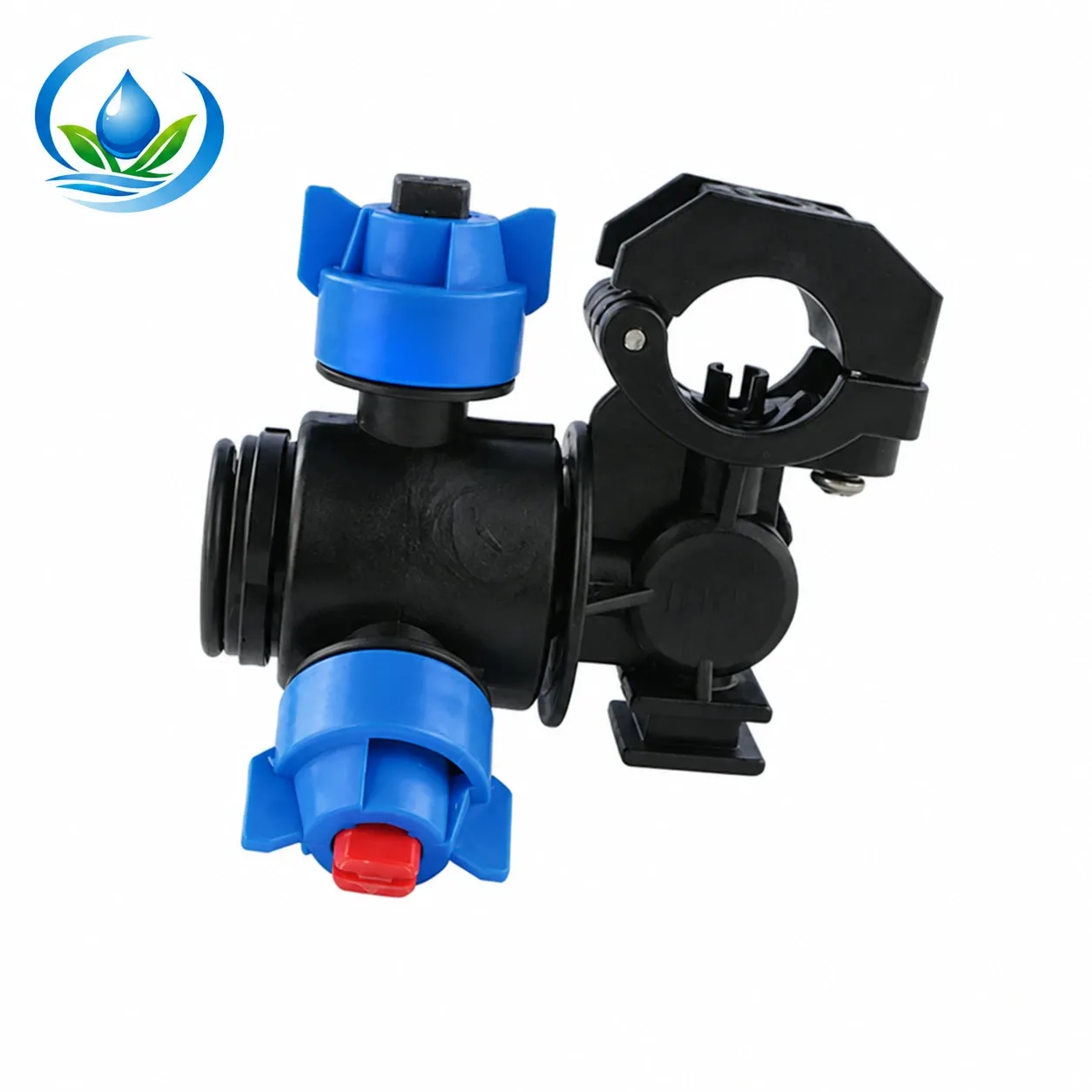
Water-Wheel Spray Nozzle with 25 or 32 mm Pipe Clamp
Fit a multi-nozzle water-wheel assembly to a compatible 25 or 32 mm spray pipe. Select the nozzle position and tip configuration for the intended application.
From$6.00
Choose options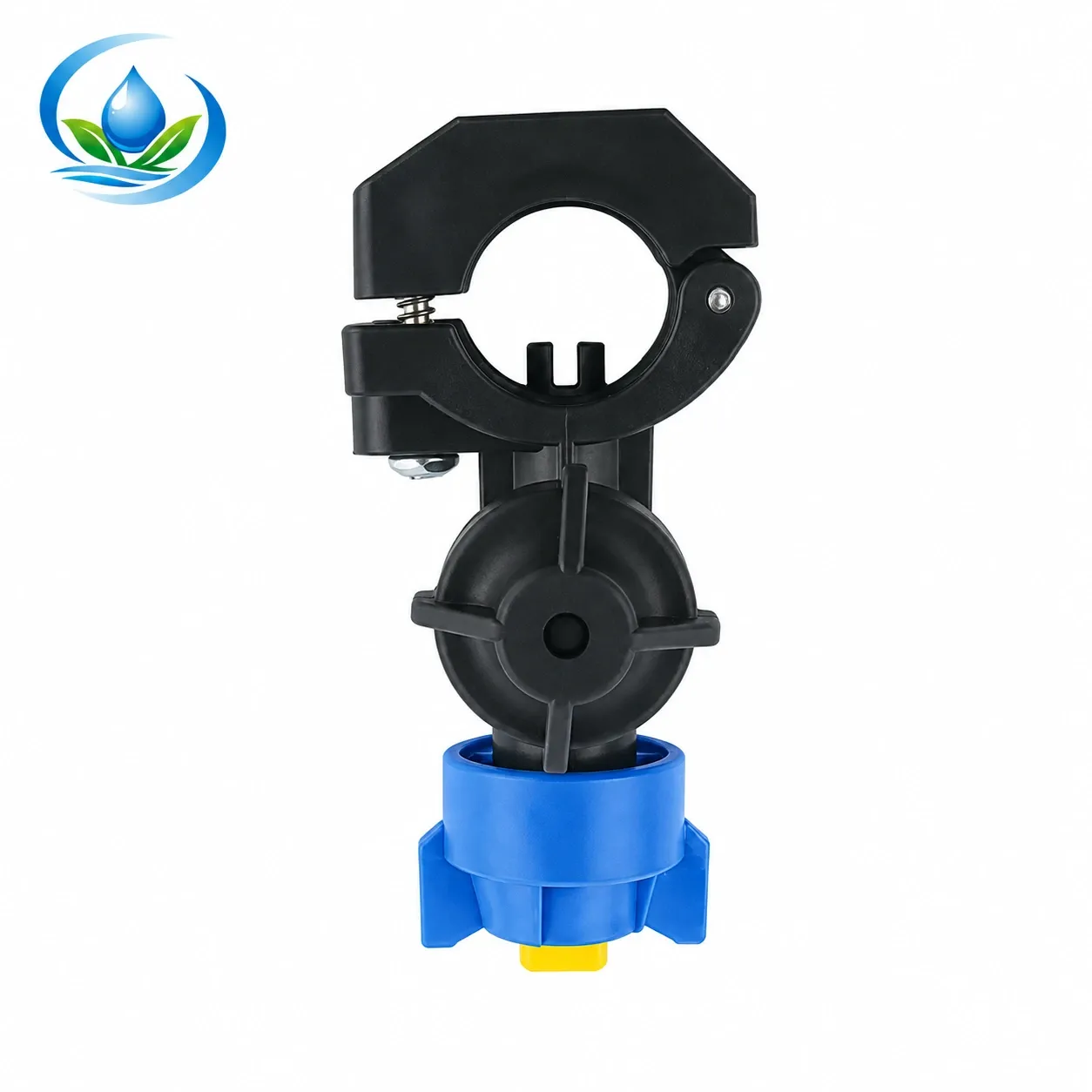
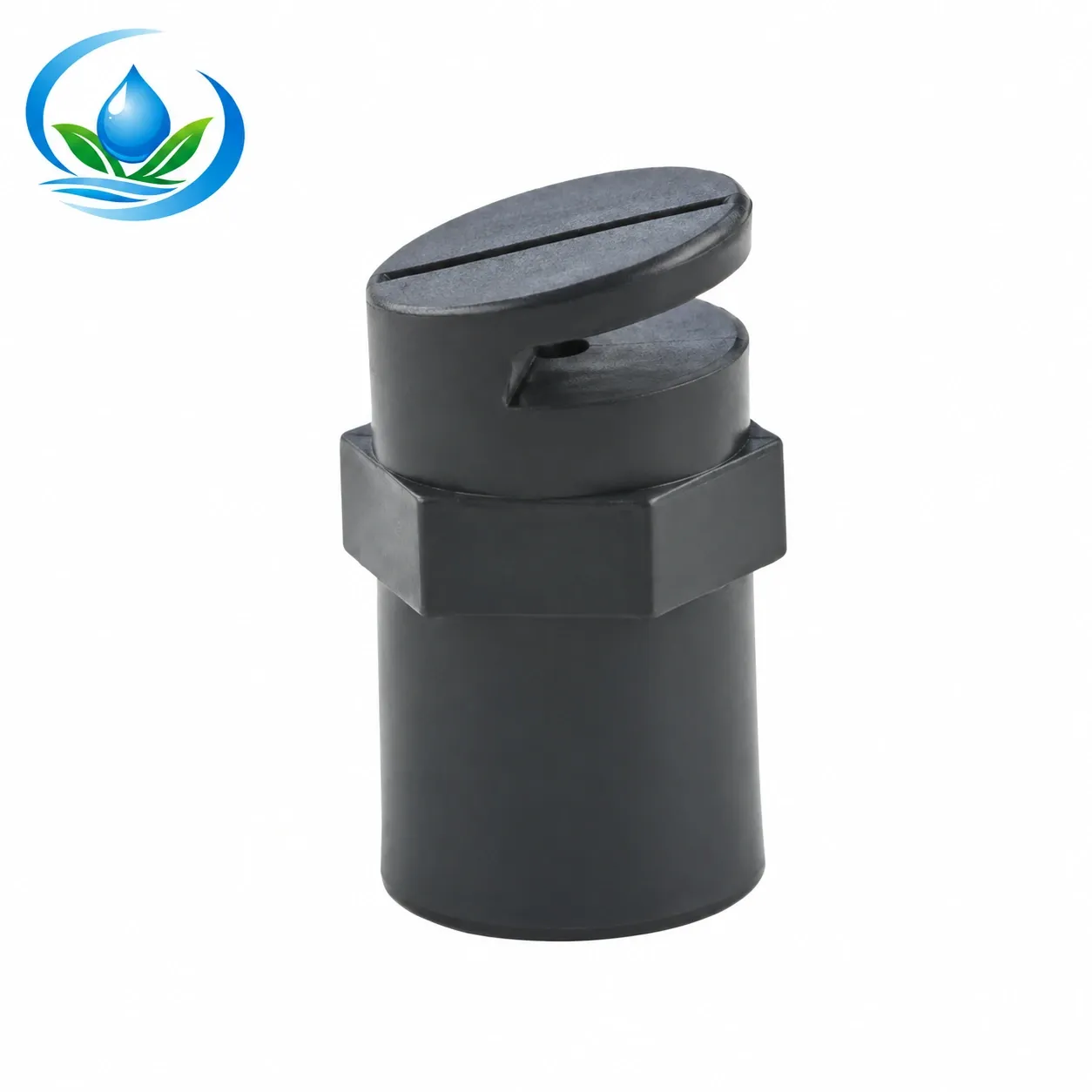
Clamp-Mounted Flat Fan Nozzle for Greenhouse Spray Lines
Direct a flat spray from a clamp-mounted nozzle body on a compatible greenhouse or agricultural spray line. Match the tip to your required flow and coverage.
From$0.85
Choose options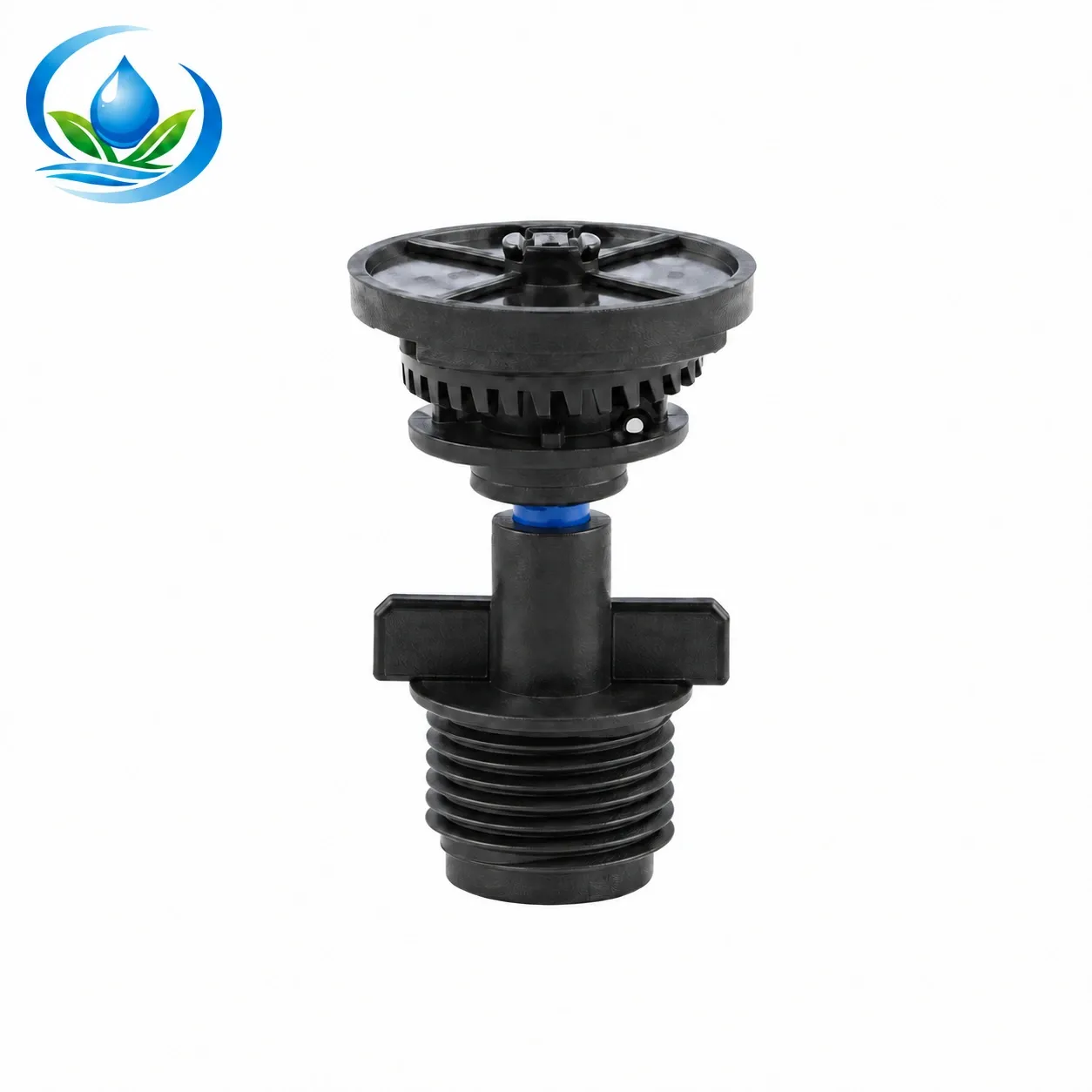
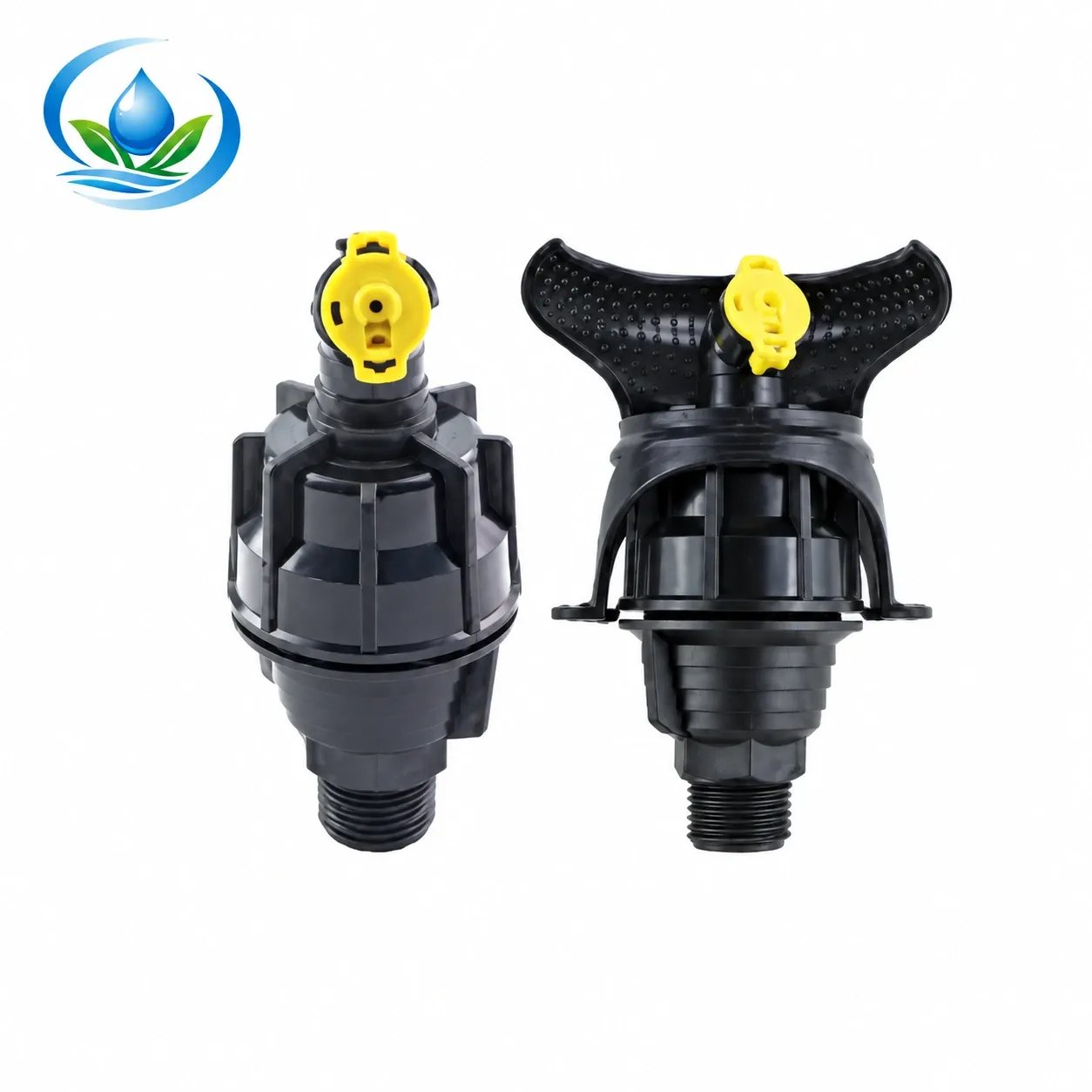
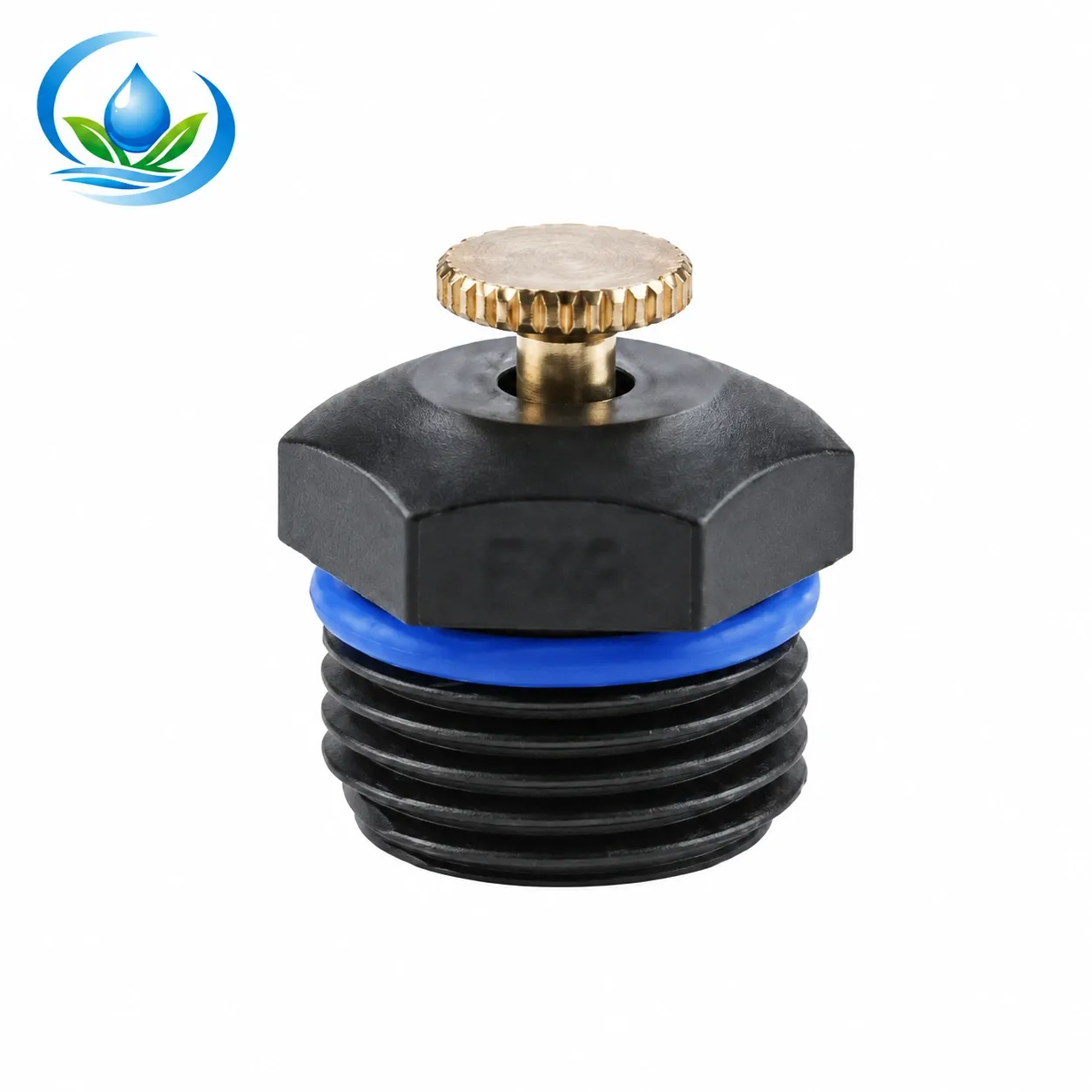
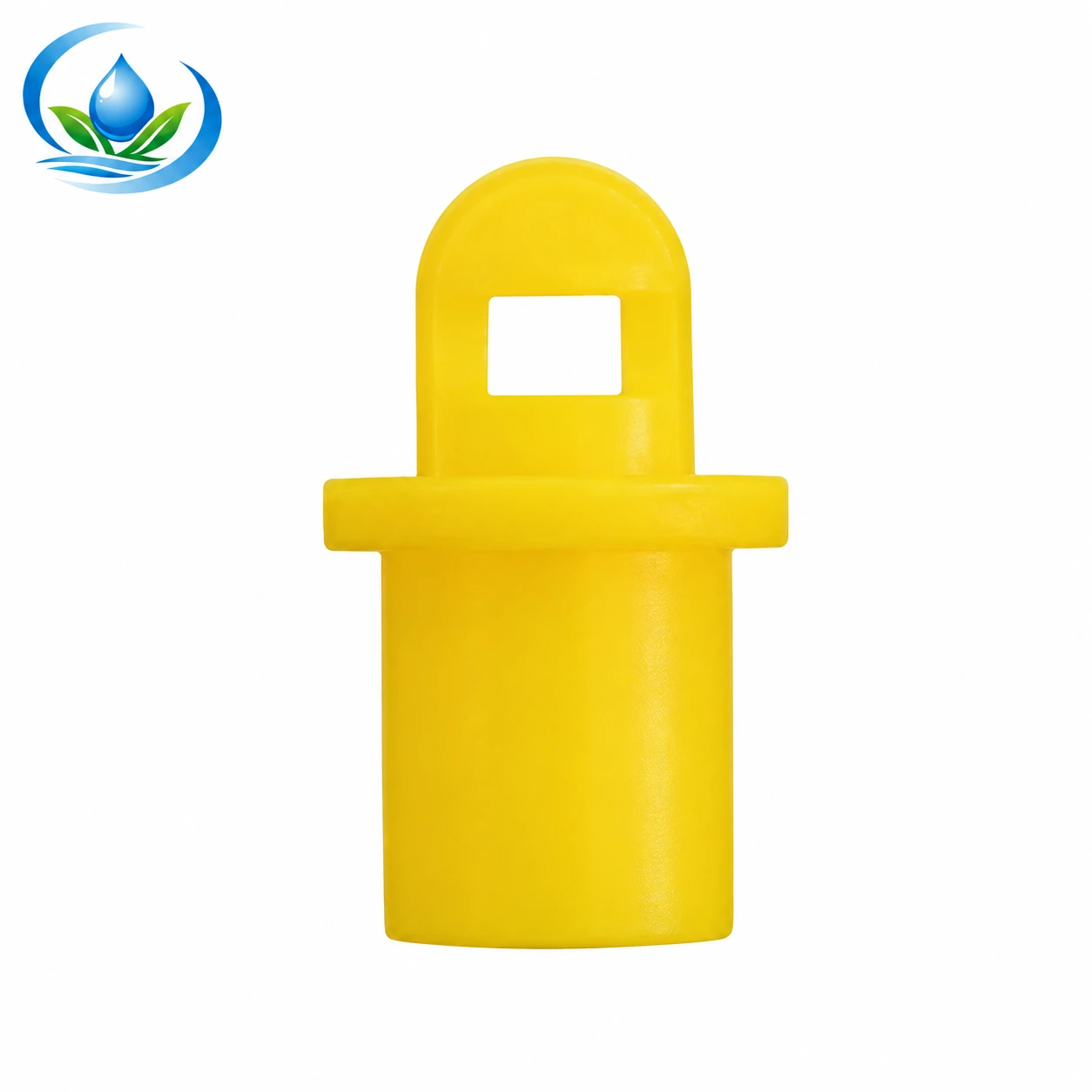
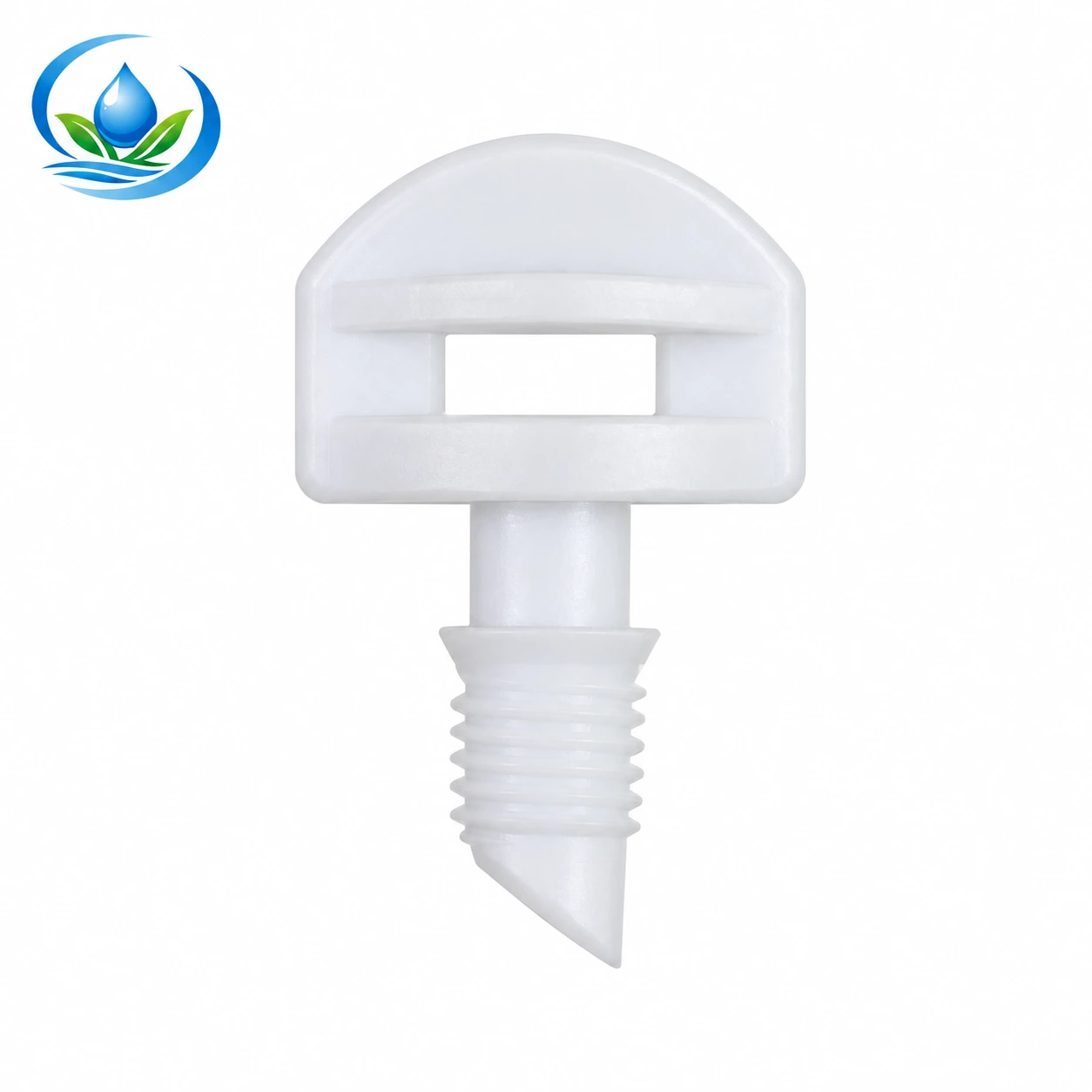
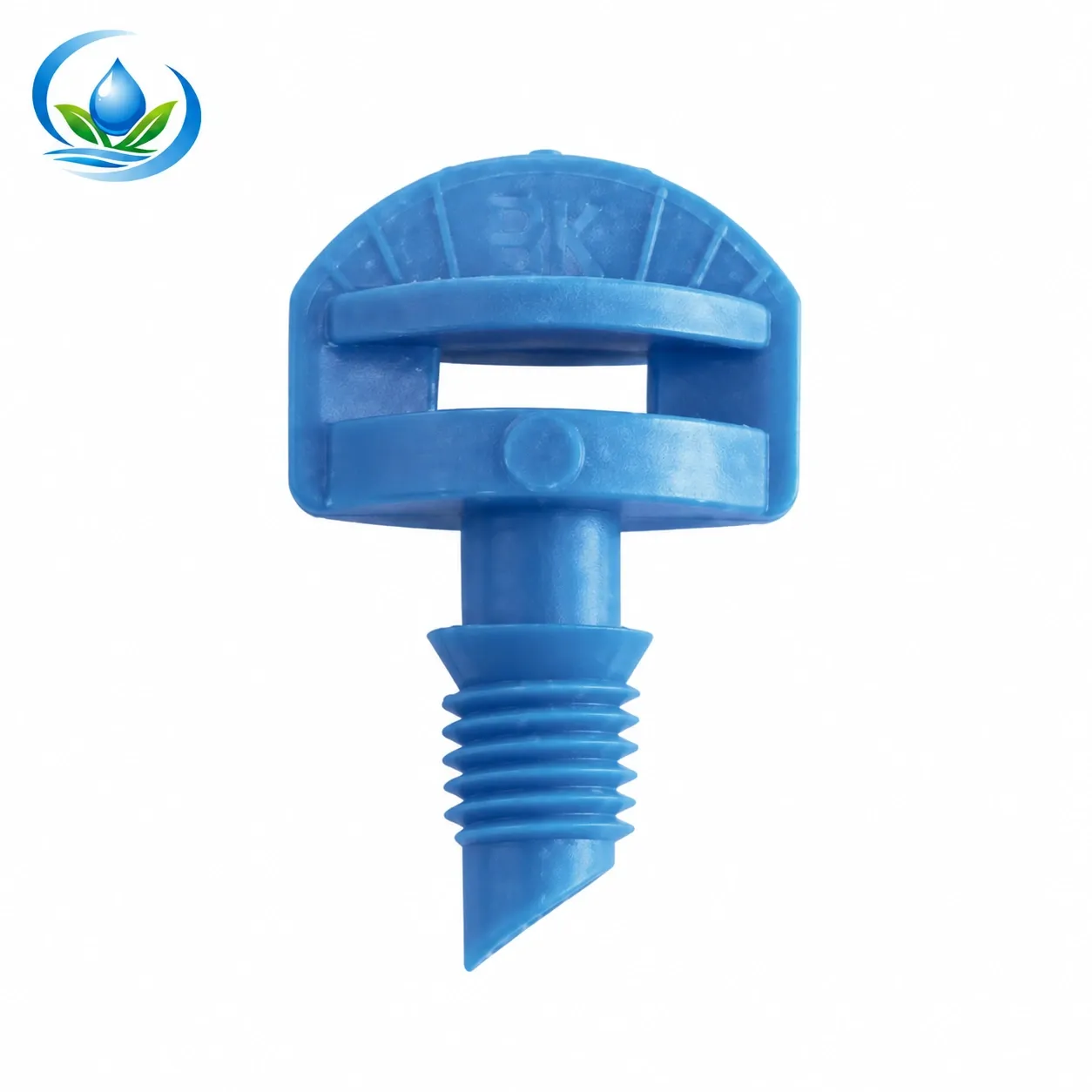
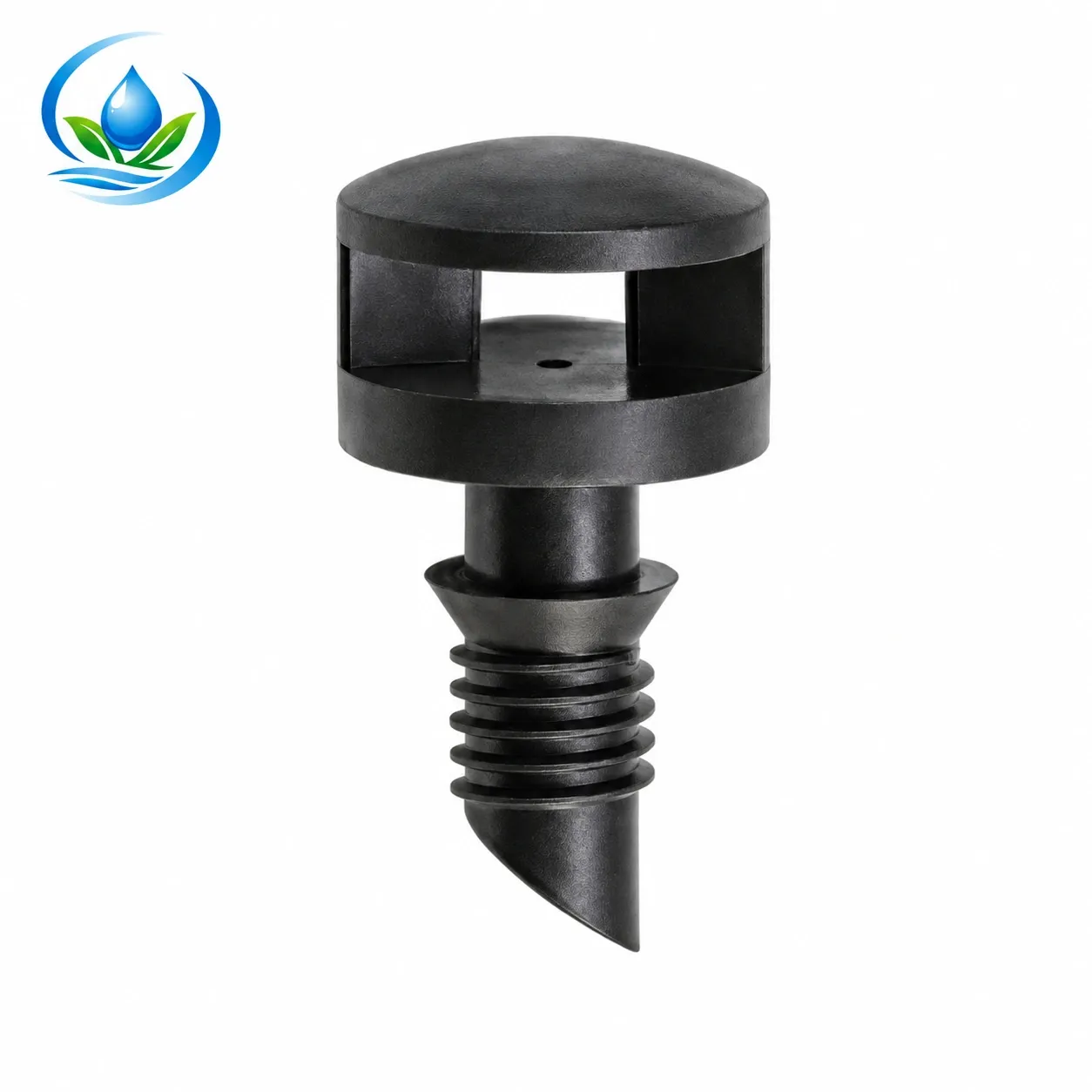
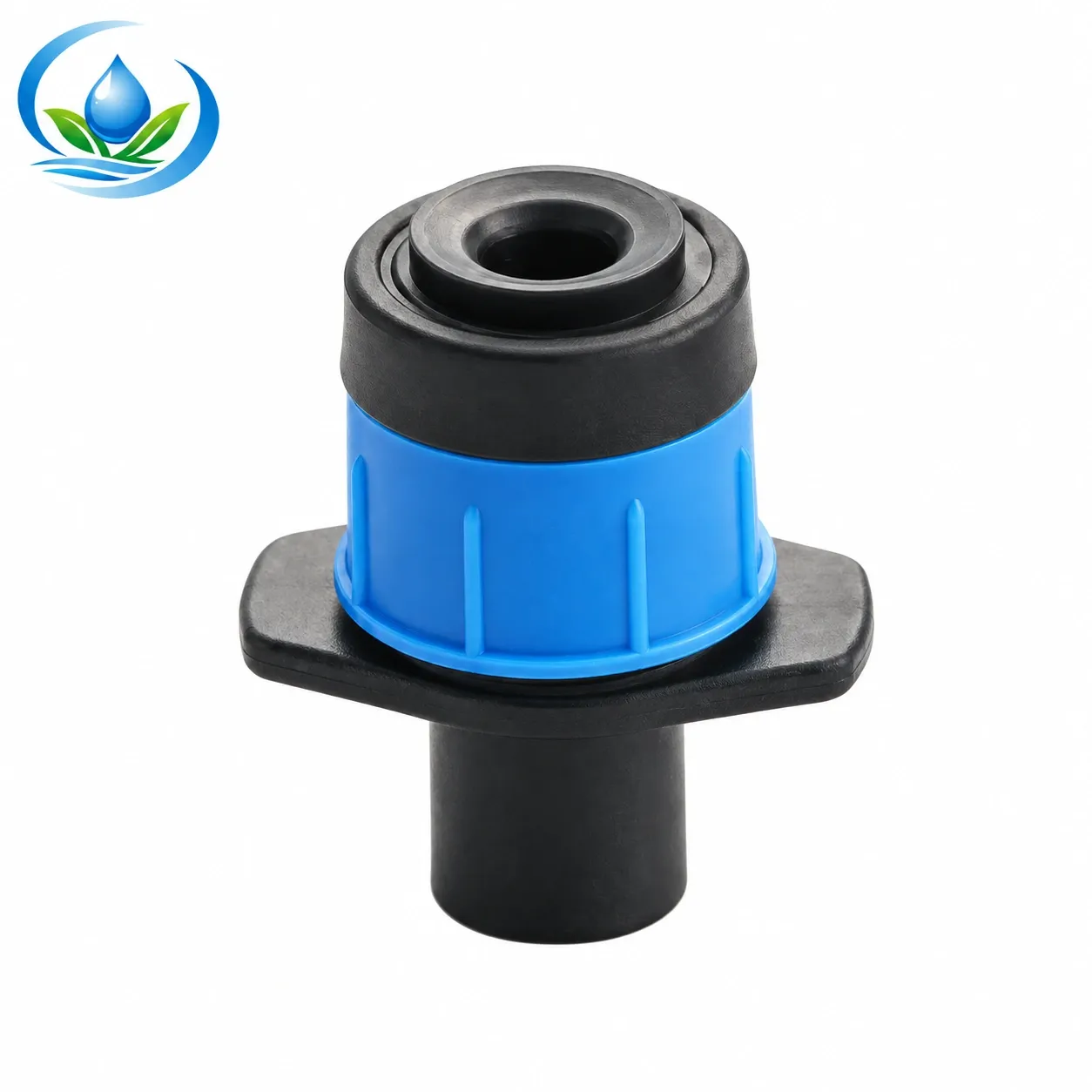
Adjustable Turbo Micro Sprinkler for Garden Bed Irrigation
A blue adjustment sleeve surrounds the central outlet of this turbo micro sprinkler.
$1.05
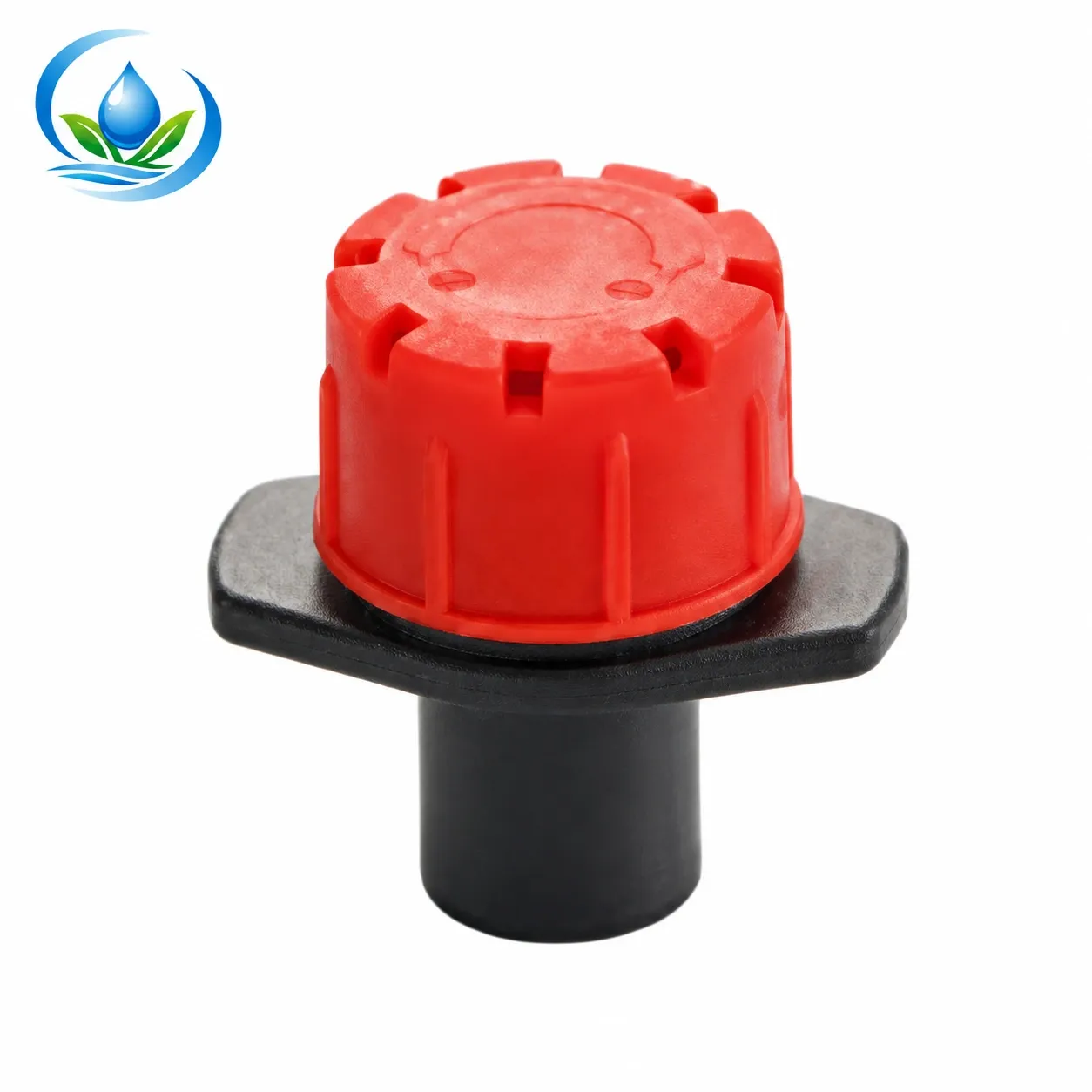
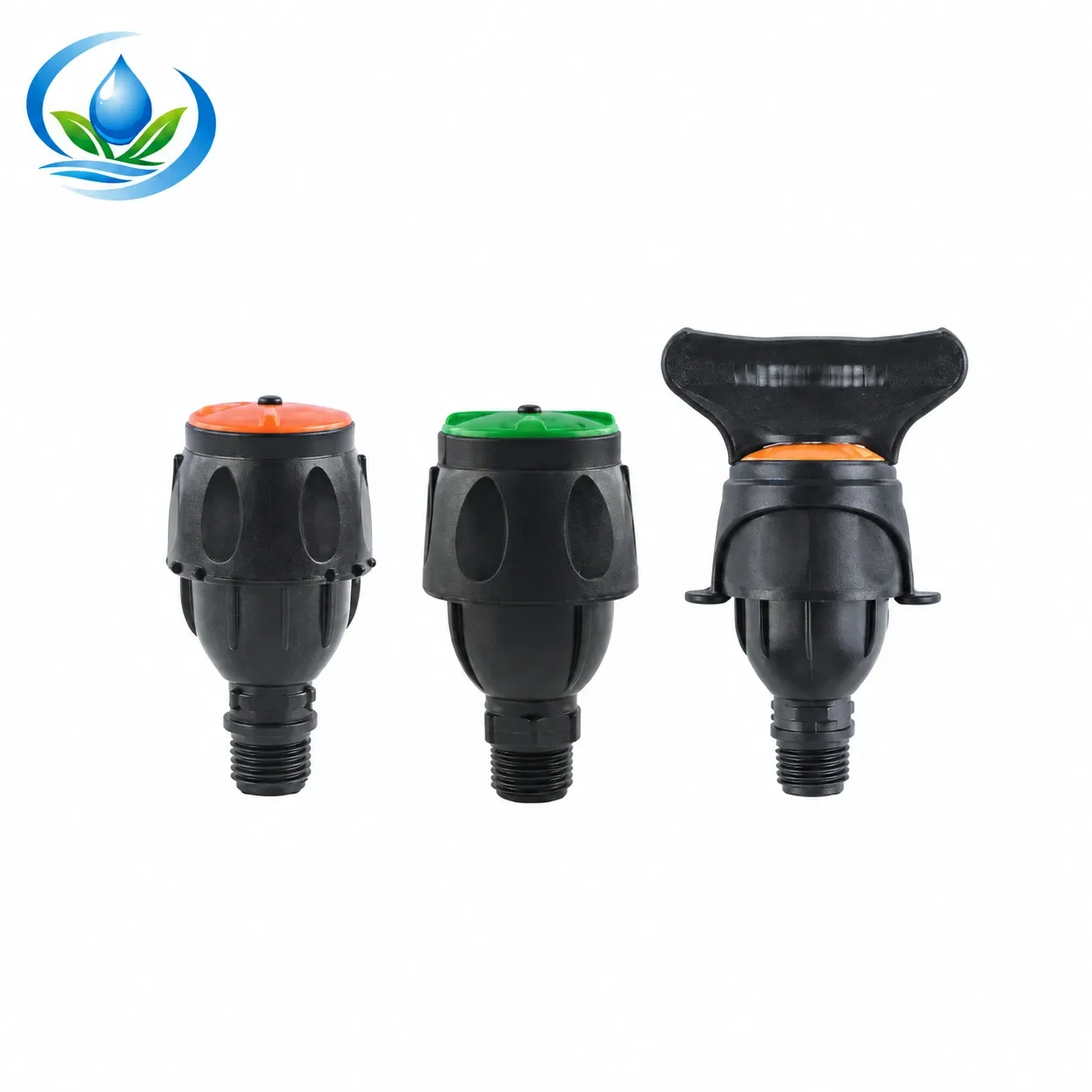
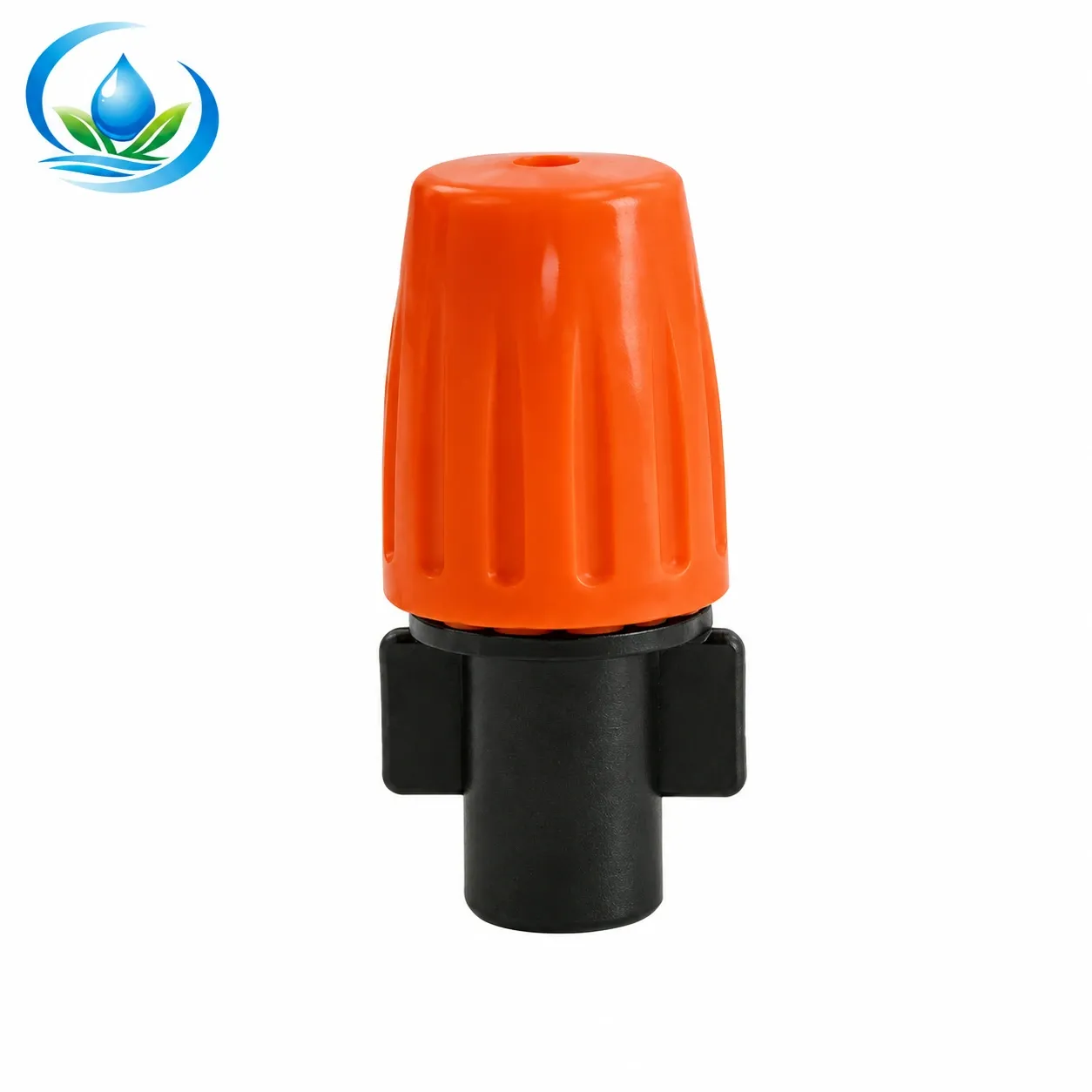
Eight-Outlet Adjustable Micro Sprinkler for Container Plants
The red adjustment cap controls an eight-outlet head for watering container plants and small planted areas.
$1.05
Check compatibility before ordering
Match your tubing diameter, connector type and water pressure before you add the finishing touches.
Field guide
Guide to micro sprinkler nozzles & assemblies
This diagram shelf groups micro sprinkler heads and assemblies that deliver a defined spray around plants or greenhouse benches. An irrigation misting nozzle makes a different, finer application and should be compared on its own pattern rather than treated as an interchangeable sprinkler head.
Use product-specific nozzle flow, wetted diameter, working pressure and mounting style to plan spacing. Confirm filtration and the thread or tube connection, and check whether the head, stake and supply tube are included together.
Where and when to use it
Micro sprinkler heads and nozzles set the spray pattern at the crop. This diagram route includes many nozzle-related products, so select the actual model for orchard, nursery or greenhouse use rather than treating them as one pattern. An irrigation misting nozzle may be listed nearby but can serve a different humidity or droplet-size goal. Mark obstructions and target wetted area first.
How it works
A nozzle shapes water as pressure drives it through a small opening. Geometry, flow rating and mounting position control droplet pattern and wetted diameter. A tiny nozzle can clog quickly with poor filtration, and an oversized nozzle can exceed the zone's available flow. A pressure figure should be checked at the operating head, not only at the pump.
How to plan and install it
- Choose the target wetted circle or strip and whether foliage should stay dry.
- Read the nozzle's rated pressure, flow and pattern and total simultaneous demand.
- Install the specified connector, filter and mount with enough clearance for the intended spray.
- Test distribution at the farthest head and adjust position within the product guidance.
Operation and maintenance
Clean blocked nozzles with the maker's method and inspect filter condition. Compare spray shape across similar heads; a distorted pattern may indicate wear or damage. Keep replacements organized by size and color code so mixed nozzles do not unbalance a zone.
Common questions
How to install a micro sprinkler system?
Estimate each nozzle's flow and wetted diameter at operating pressure, lay out enough overlap for the crop, and size the filtered supply for the simultaneous outlets. Fit compatible stakes and tubing, flush the line, then test the farthest nozzle and adjust spacing for wind and obstructions.
Is a micro sprinkler nozzle the same as a misting nozzle?
Not necessarily. Misting often targets much finer droplets and different coverage or control.
Technical reference: USDA NRCS, National Engineering Handbook: Microirrigation. Use the selected product manual and local requirements for final design.