
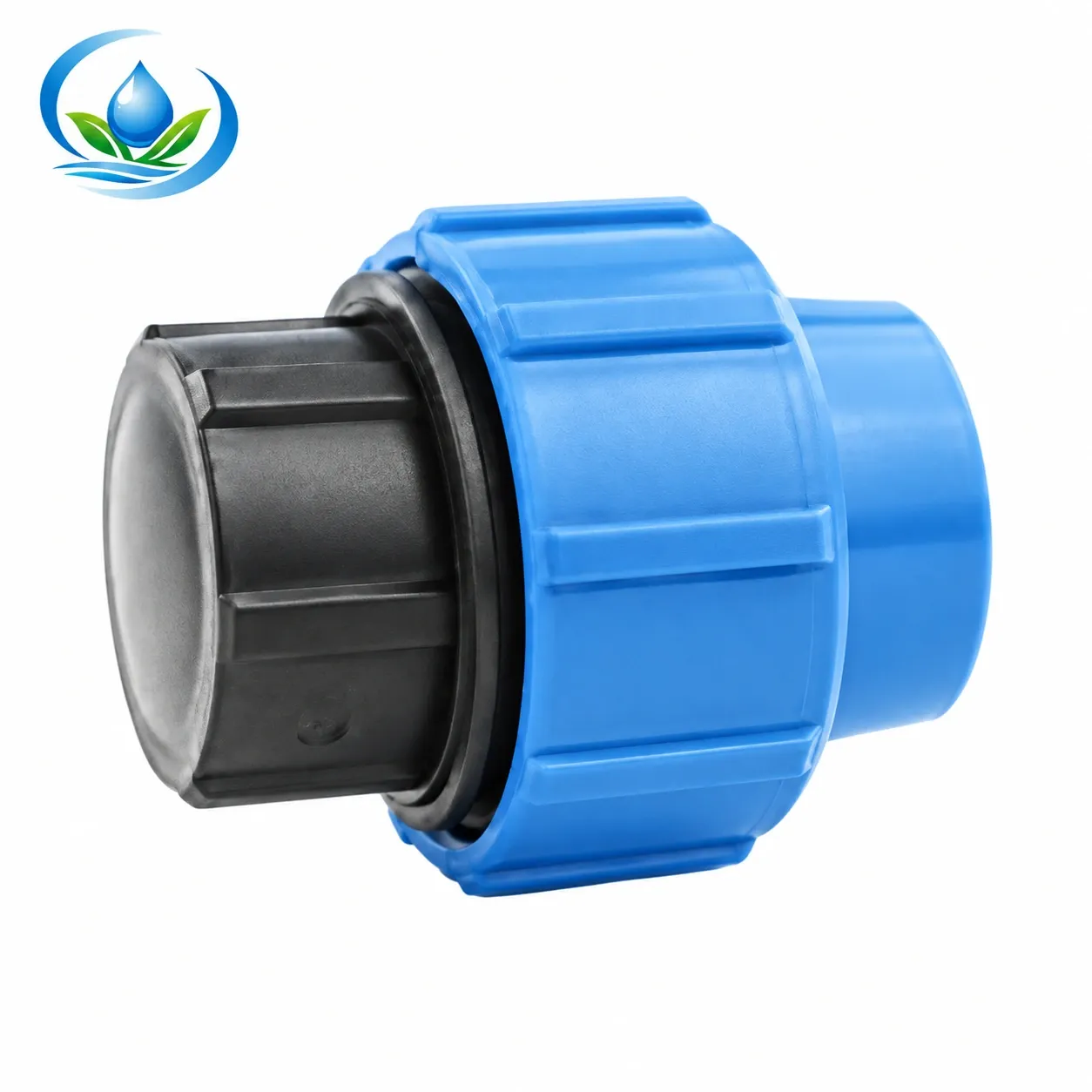
PE Pipe Compression End Cap
20 × 20 mm / 25 × 25 mm / 32 × 32 mm / 40 × 40 mm / 50 × 50 mm / 63 × 63 mm / 75 × 75 mm / 90 × 90 mm / …
From$0.83
Choose optionsAgricultural irrigation, direct to you
 Click to zoom1 / 5
SKU: 713025
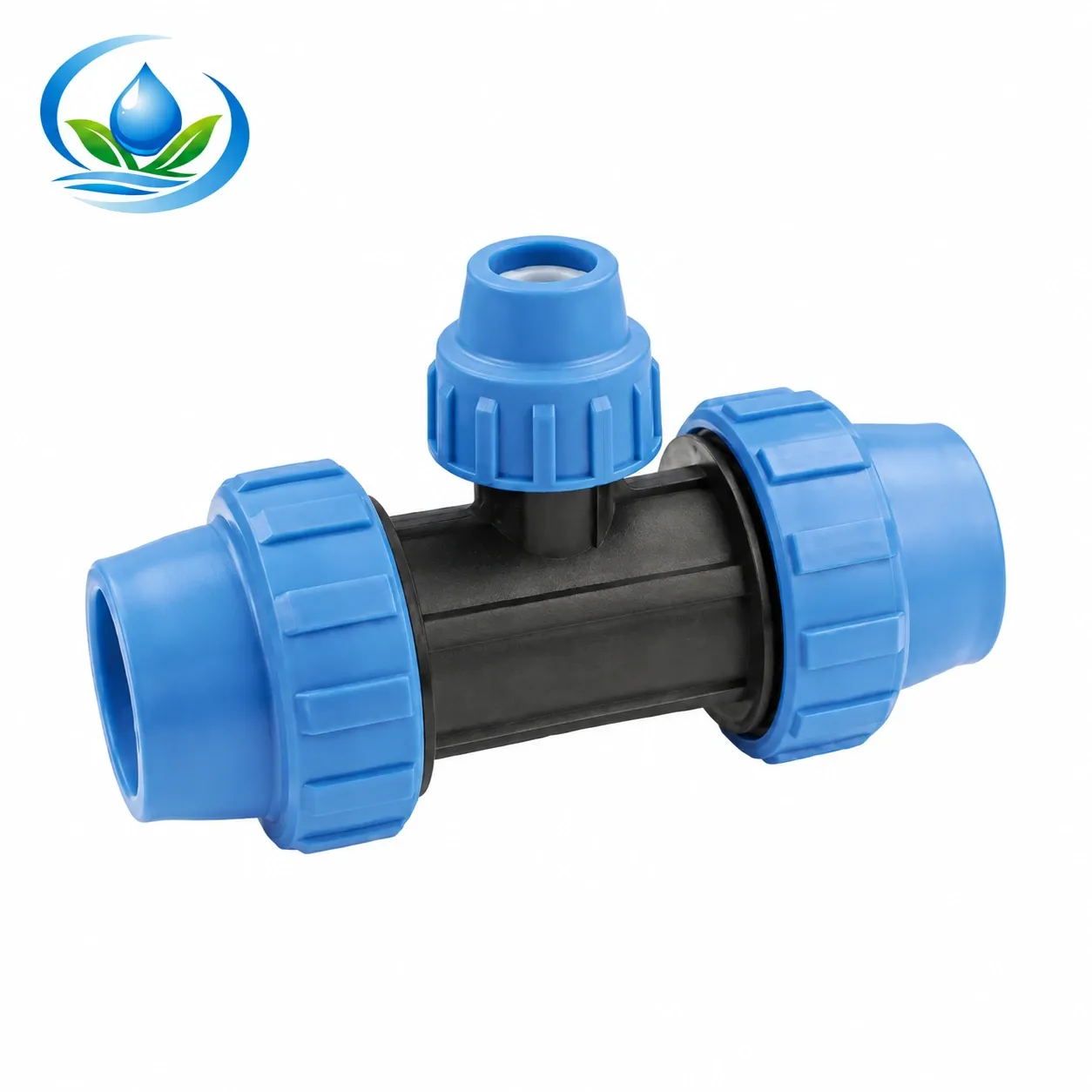
Add a smaller branch to a PE irrigation main with a reducing compression tee. Confirm the main-run and branch diameters for the selected option.
$2.42
USD · per selected optionItems subtotal: $2.42 · Shipping calculated at checkout.
A reducing compression tee adds a smaller side branch to a larger polyethylene irrigation run. The T-shaped black body carries two opposing main-line sockets and a perpendicular branch socket with a smaller blue nut. This arrangement helps route water from a supply line into a narrower distribution line while continuing the main run.
Check the outside diameter of the main pipe and branch pipe before ordering. Reducing tee size labels can use different port sequences, so confirm which measurement belongs to the side outlet when planning the connection. Keep all three pipes aligned and supported; do not use the branch as a handle to pull the main run into position.
Compression fitting sizes refer to the pipe connection diameter. Check the actual outside diameter, pipe material and wall specification rather than relying on an inside-diameter measurement. The selected option must match every connected pipe. Confirm the permitted pressure and temperature for your complete system before installation; the weakest component determines the usable operating limit.
Turn off the water and release pressure before working on the line. Cut the pipe square, remove loose debris and check the end for scratches or distortion. Follow the fitting assembly instructions for insertion depth, any required pipe support and tightening. Keep the sealing surfaces clean and avoid forcing a misaligned pipe into the socket. Bring the zone up to pressure gradually, inspect every connection and resolve any leakage before covering the pipe.
Check the route and number of outlets as well as the size. Leave the joint accessible during the initial test and provide space for later inspection. A correctly selected fitting should suit the planned layout without twisting the pipe or putting unnecessary strain on the connection.
| Parameter | Value |
|---|---|
| Available connection sizes | 25 × 20 mm / 32 × 20 mm / 32 × 25 mm / 40 × 20 mm / 40 × 25 mm / 40 × 32 mm / 50 × 20 mm / 50 × 25 mm / … |
Compare sizes, connections and specifications to choose the right option for your system.
Scroll sideways to compare all specifications.
| Option / Size | SKU | Specifications |
|---|---|---|
| 25 × 20 mm | 713025 |
|
| 32 × 20 mm | 713031 |
|
| 32 × 25 mm | 713032 |
|
| 40 × 20 mm | 713038 |
|
| 40 × 25 mm | 713039 |
|
| 40 × 32 mm | 713040 |
|
| 50 × 20 mm | 713047 |
|
| 50 × 25 mm | 713048 |
|
| 50 × 32 mm | 713049 |
|
| 50 × 40 mm | 713050 |
|
| 63 × 20 mm | 713059 |
|
| 63 × 25 mm | 713060 |
|
| 63 × 32 mm | 713061 |
|
| 63 × 40 mm | 713062 |
|
| 63 × 50 mm | 713063 |
|
| 75 × 40 mm | 713073 |
|
| 75 × 50 mm | 713074 |
|
| 75 × 63 mm | 713075 |
|
| 90 × 63 mm | 713089 |
|
| 90 × 75 mm | 713090 |
|
| 110 × 75 mm | 713091 |
|
| 110 × 90 mm | 713110 |
|
Review delivery information and available shipping options before placing your order.
View shipping informationRead the returns process and contact our team if your order needs attention.
Read the returns policySend the model, tubing size and working pressure so our team can help you choose.
Contact product support20 × 20 mm / 25 × 25 mm / 32 × 32 mm / 40 × 40 mm / 50 × 50 mm / 63 × 63 mm / 75 × 75 mm / 90 × 90 mm / …
From$0.83
Choose options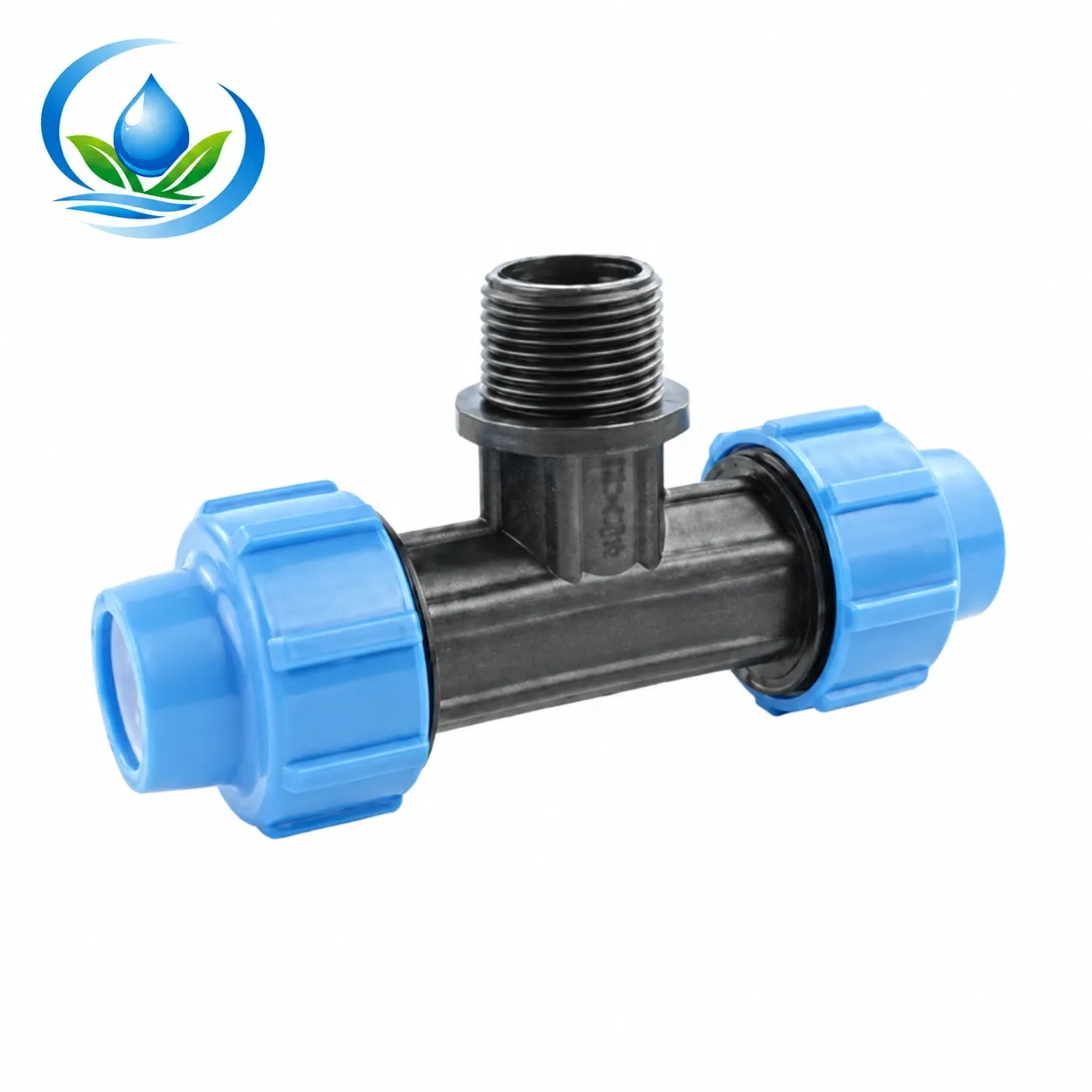
20 × 1/2" / 20 × 3/4" / 25 × 1/2" / 25 × 3/4" / 25 × 1" / 32 × 1/2" / 32 × 3/4" / 32 × 1" / …
From$1.18
Choose options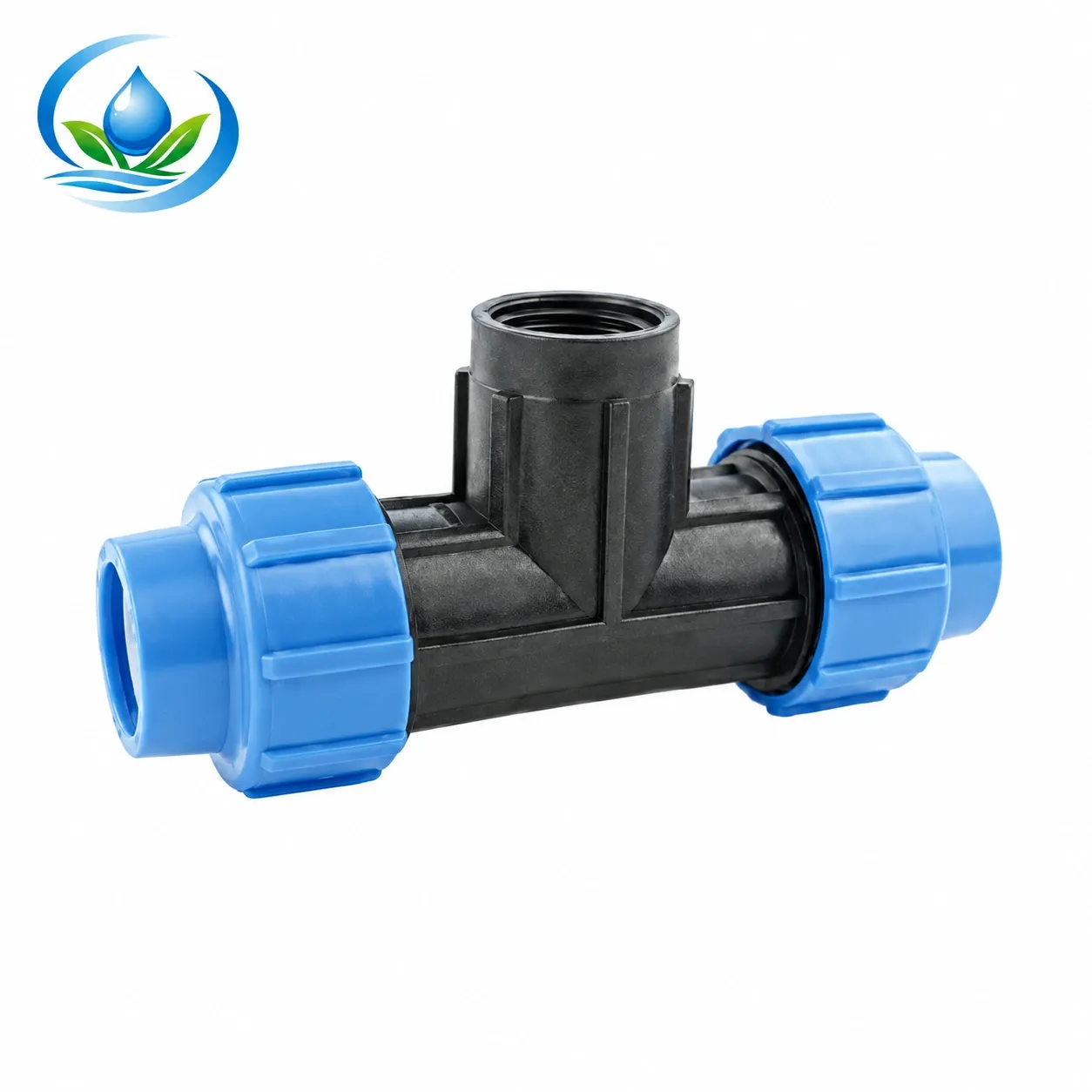
20 × 1/2" / 20 × 3/4" / 25 × 1/2" / 25 × 3/4" / 25 × 1" / 32 × 1/2" / 32 × 3/4" / 32 × 1" / …
From$0.73
Choose options
20 × 1/2" / 20 × 3/4" / 25 × 1/2" / 25 × 3/4" / 25 × 1" / 32 × 1/2" / 32 × 3/4" / 32 × 1" / …
From$0.50
Choose options