
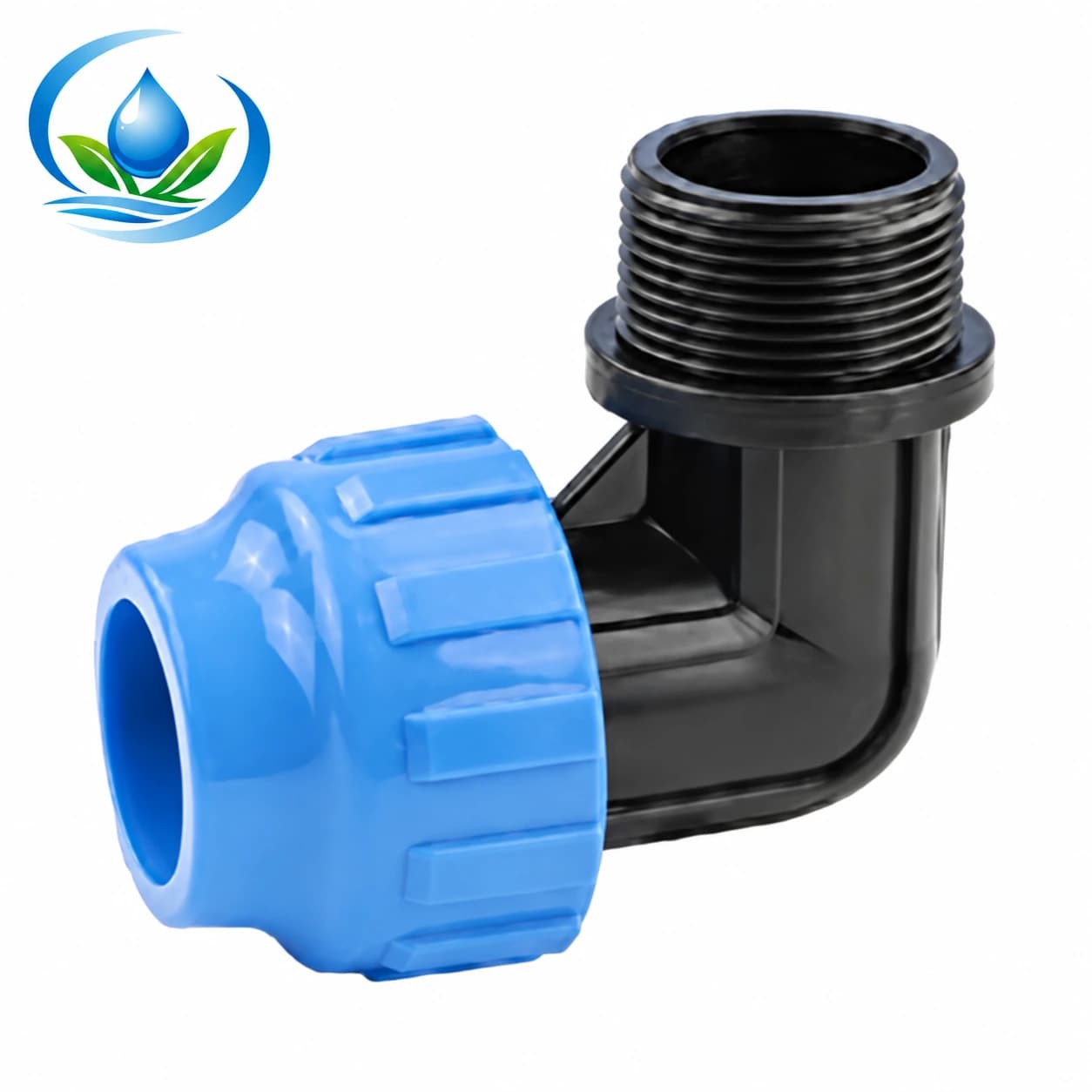
compression fittings
Blue-Nut Compression Elbow with Male Thread
- Available connection sizes
- 20 × 1/2" / 20 × 3/4" / 25 × 1/2" / 25 × 3/4" / 25 × 1" / 32 × 1/2" / 32 × 3/4" / 32 × 1" / …
From$0.50
Choose optionsAgricultural irrigation, direct to you
Shop irrigation fittings for drip lines, hose and pipe, including barbed, compression and takeoff connectors. Match dimensions and pressure.
85 products
Showing 73–85
compression fittings
From$0.50
Choose options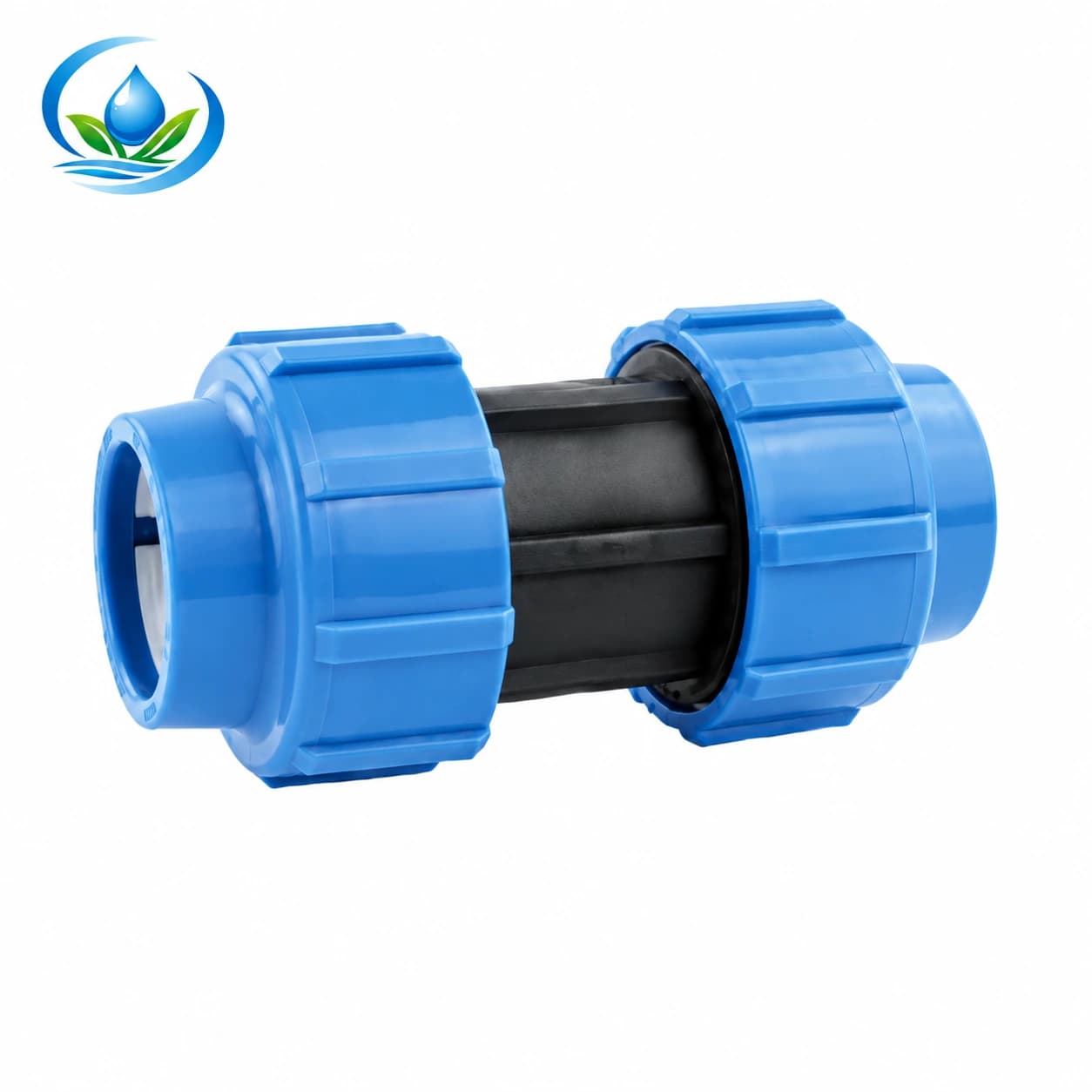
compression fittings
From$1.23
Choose options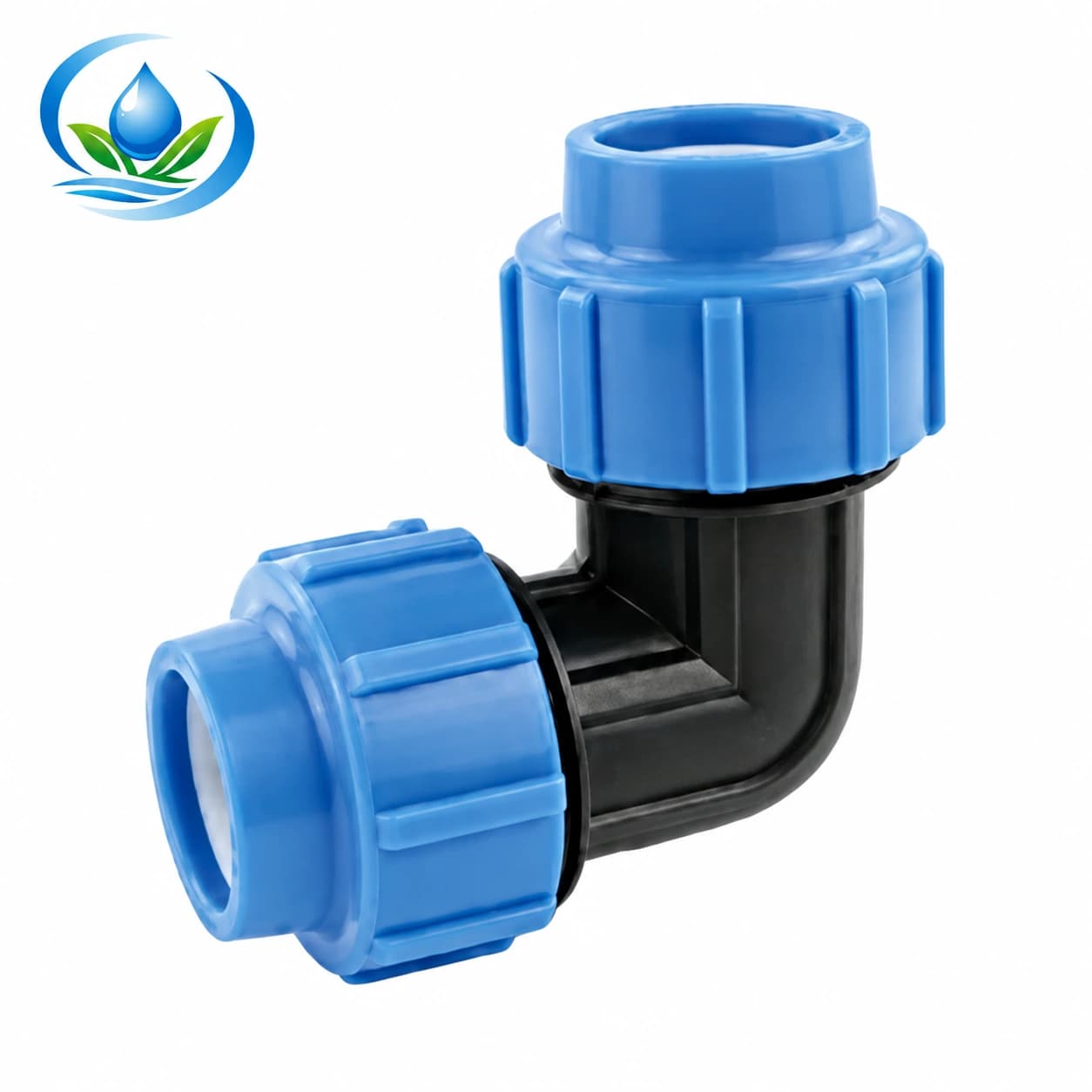
compression fittings
From$1.42
Choose options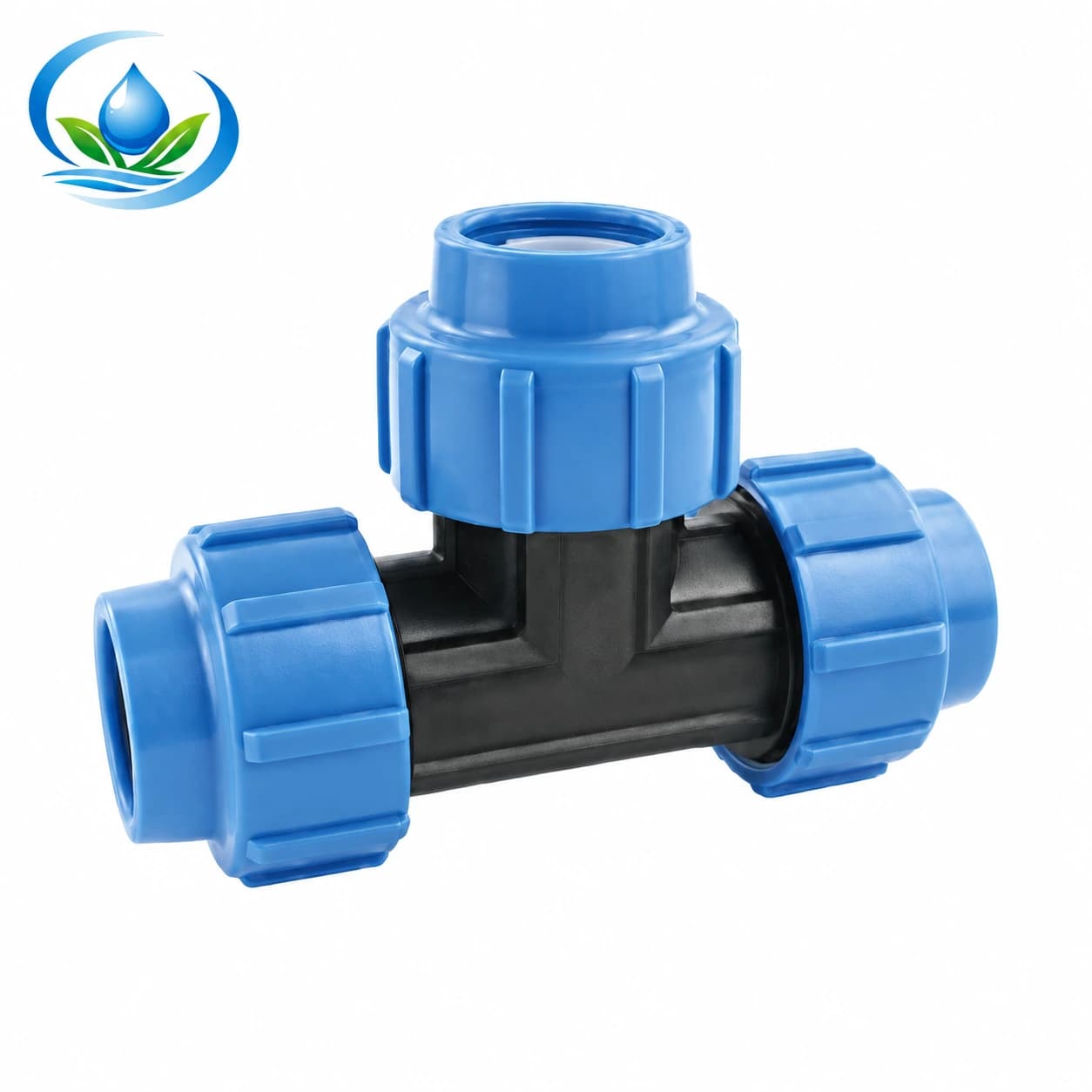
compression fittings
From$1.55
Choose options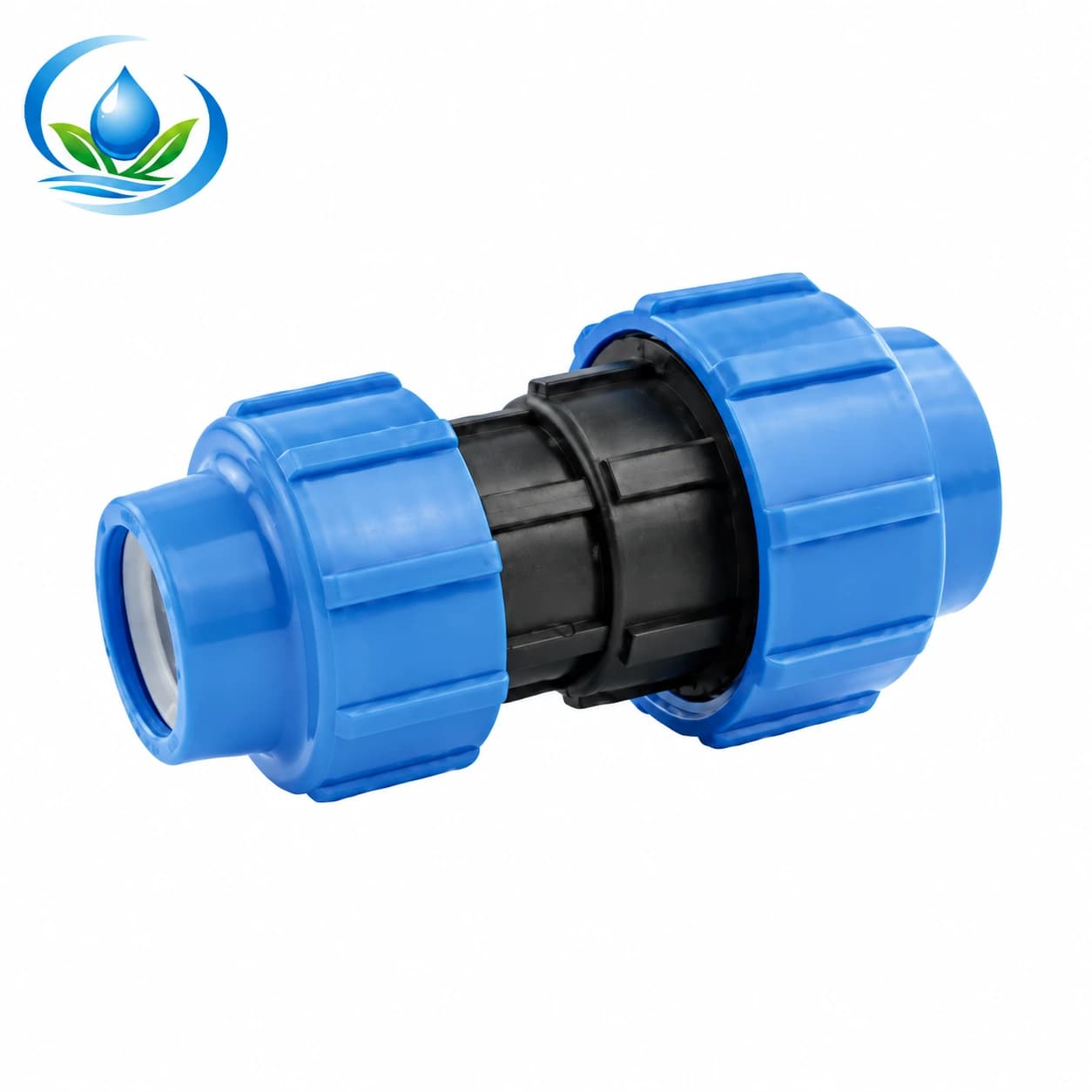
compression fittings
From$1.55
Choose options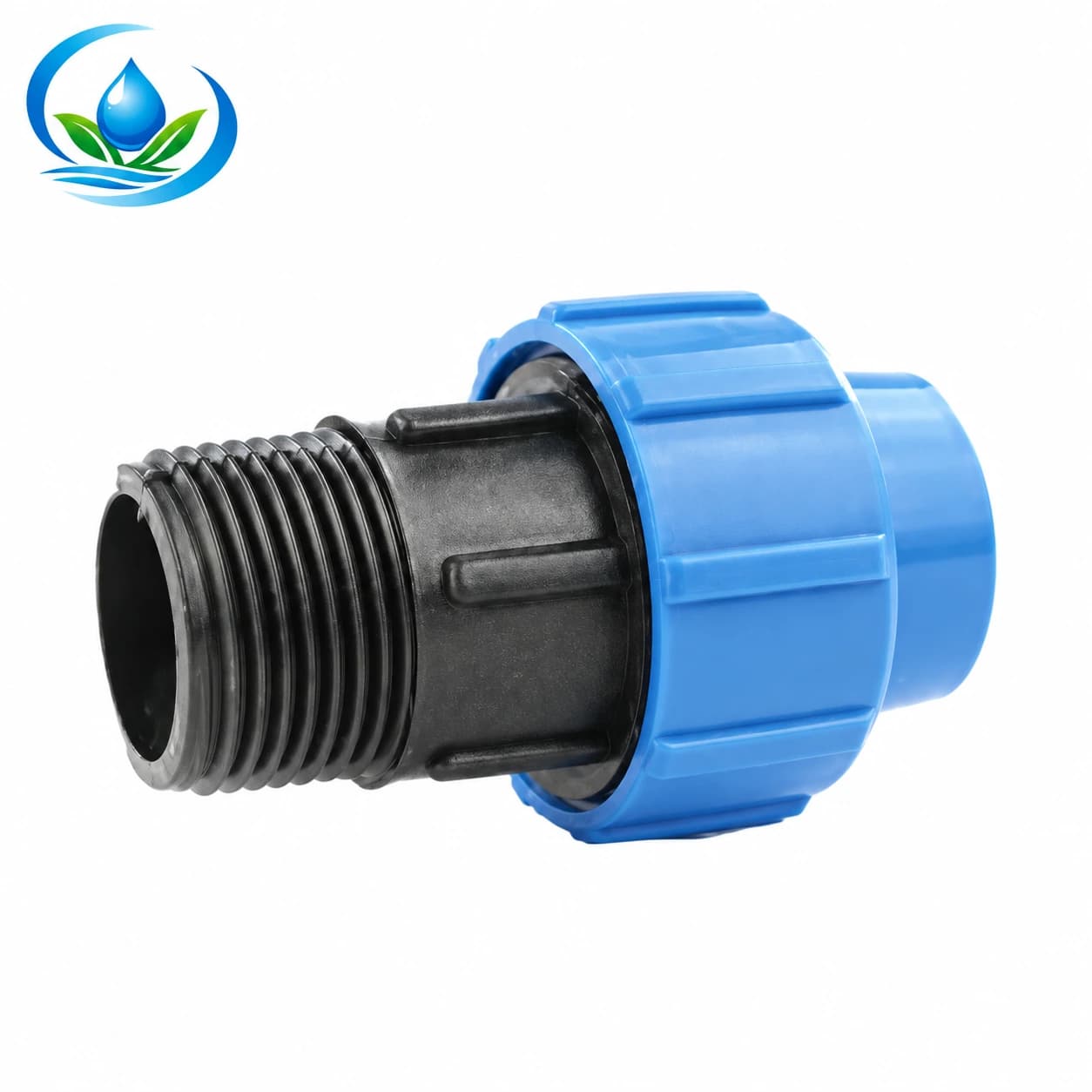
compression fittings
From$0.45
Choose options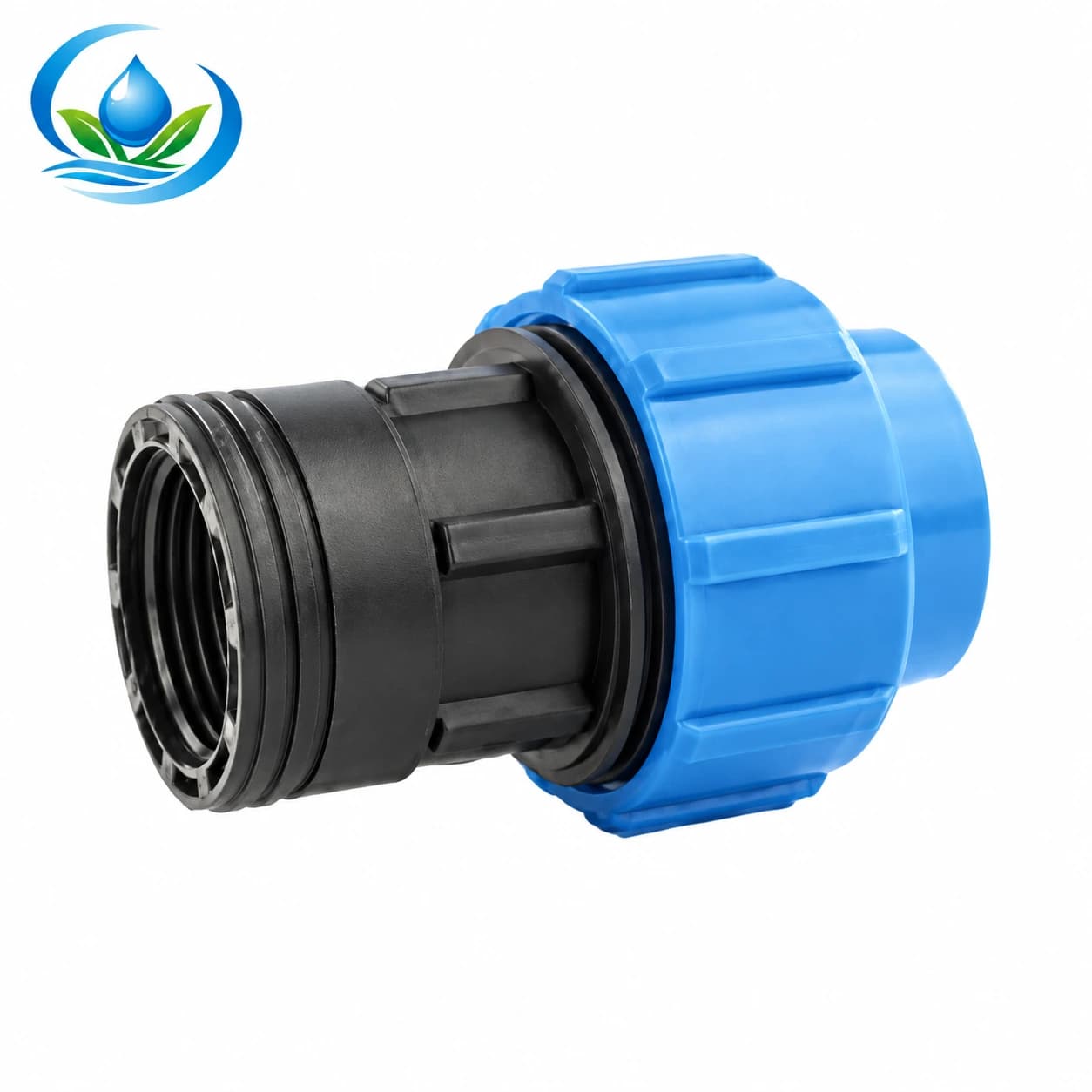
compression fittings
From$0.56
Choose options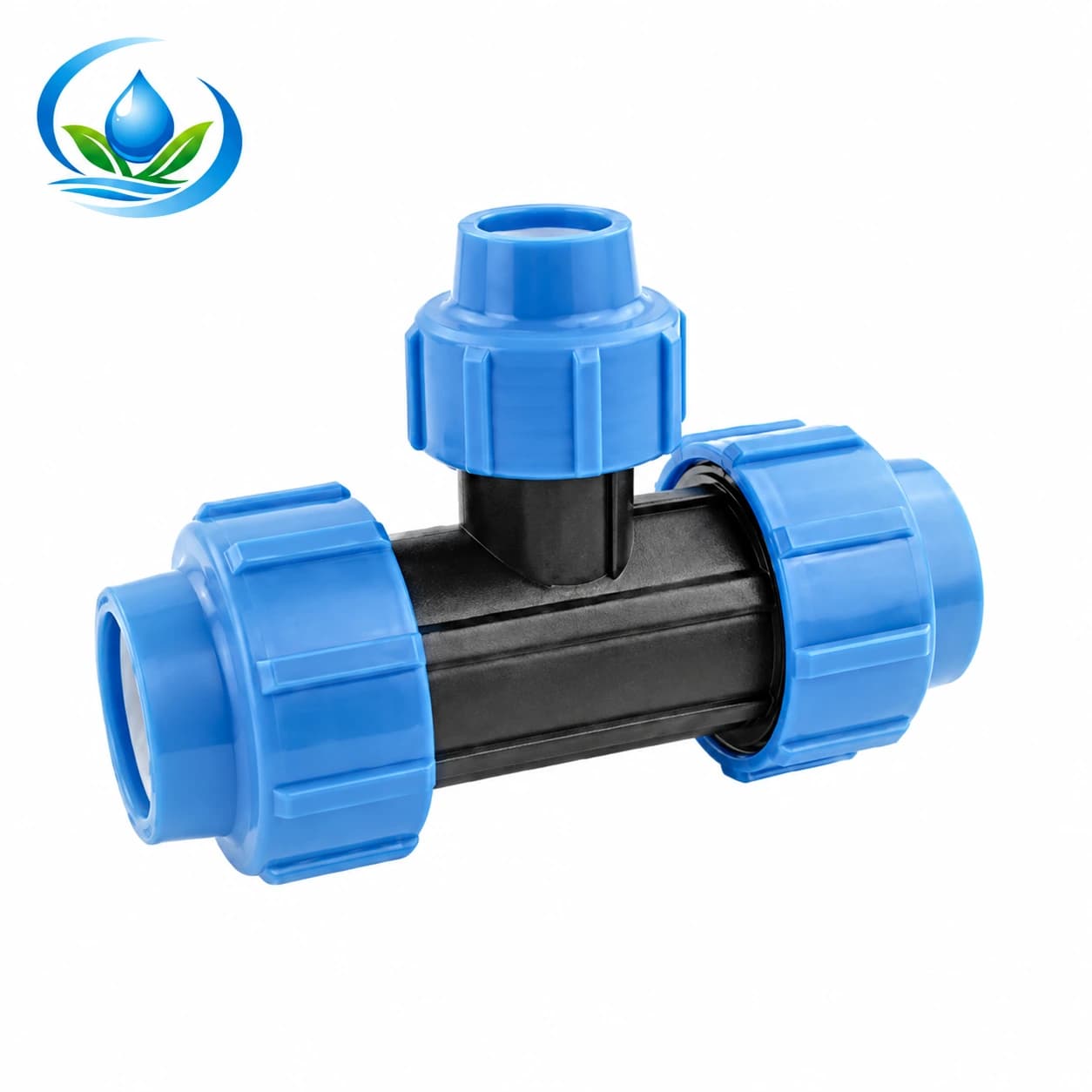
compression fittings
From$2.42
Choose options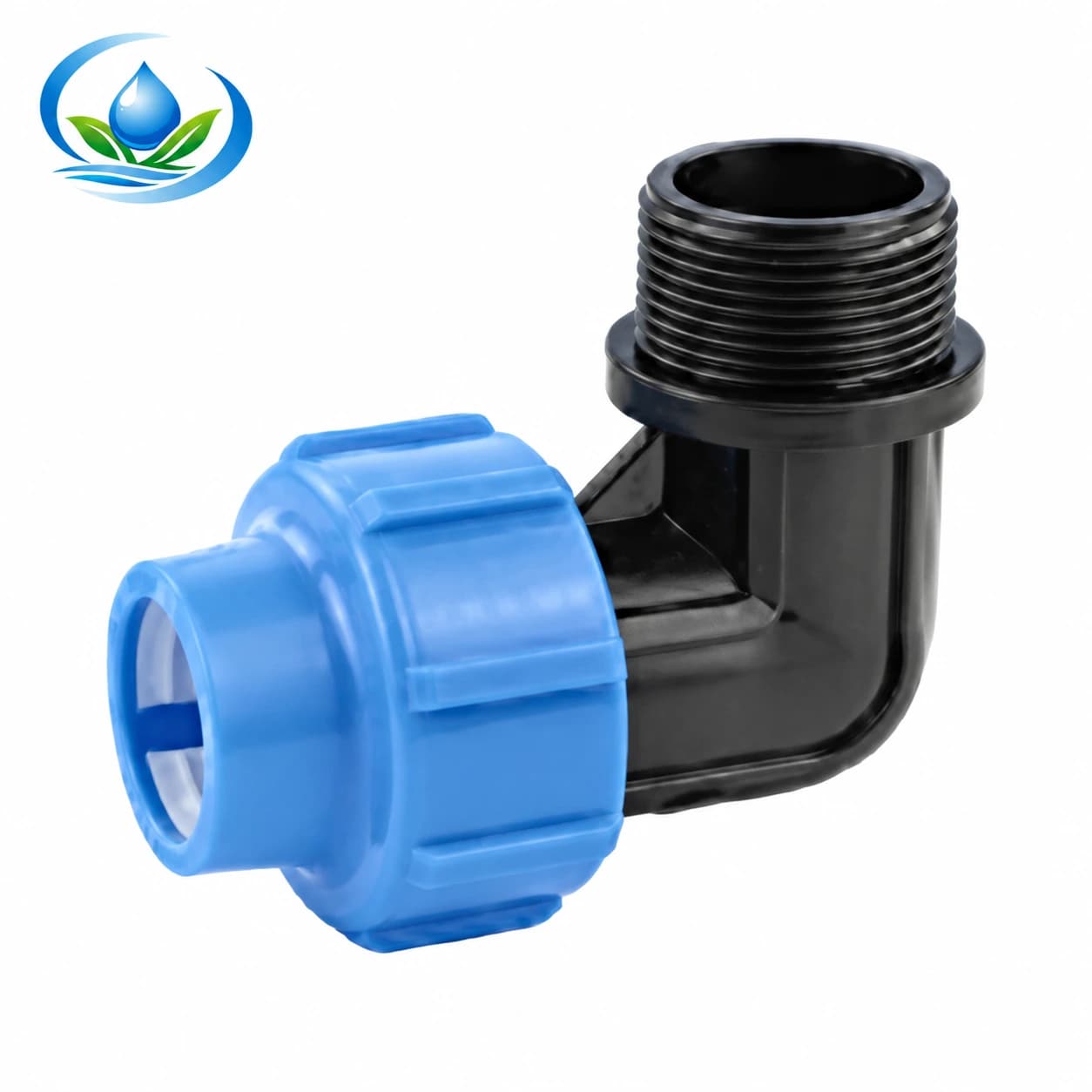
compression fittings
From$0.50
Choose options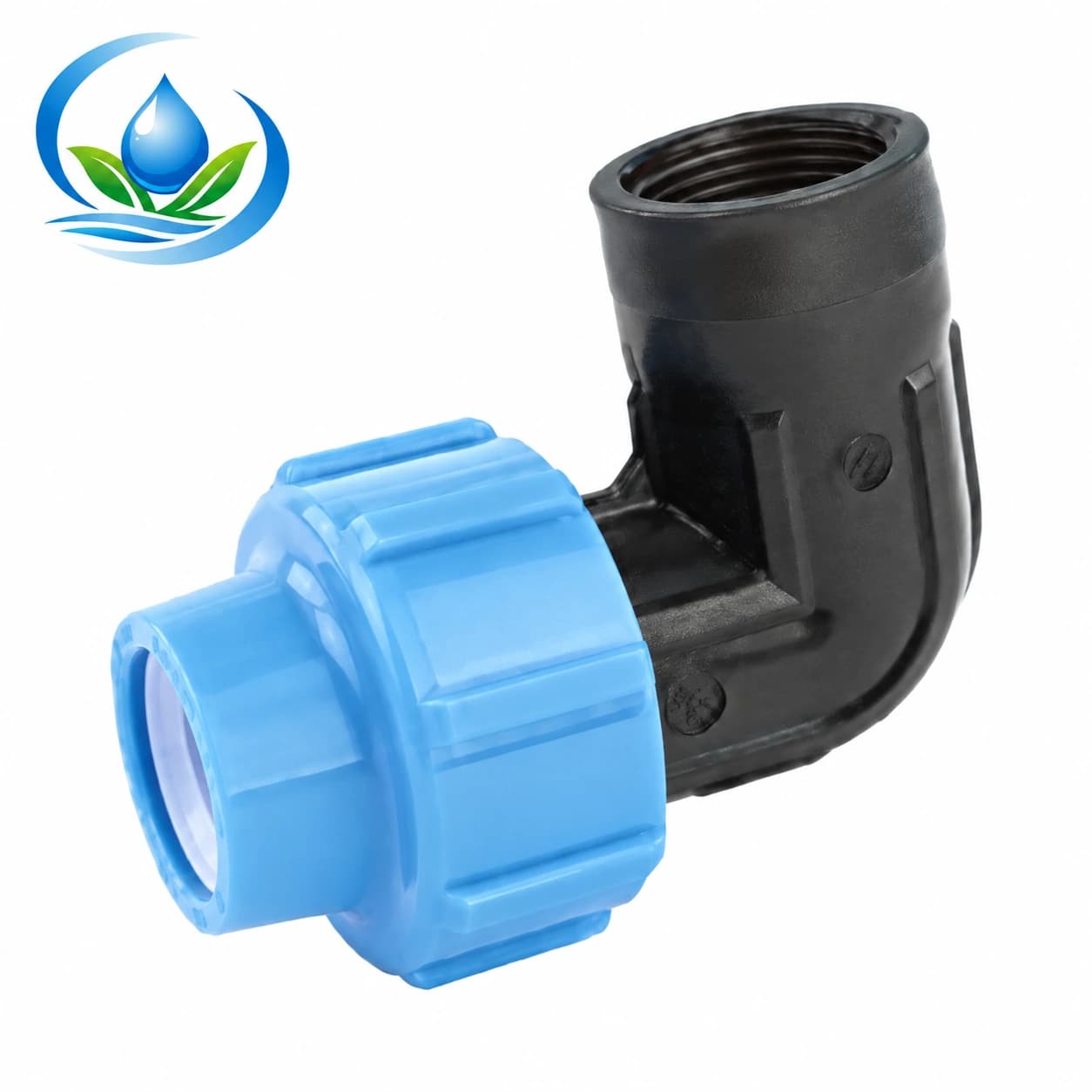
compression fittings
From$0.67
Choose options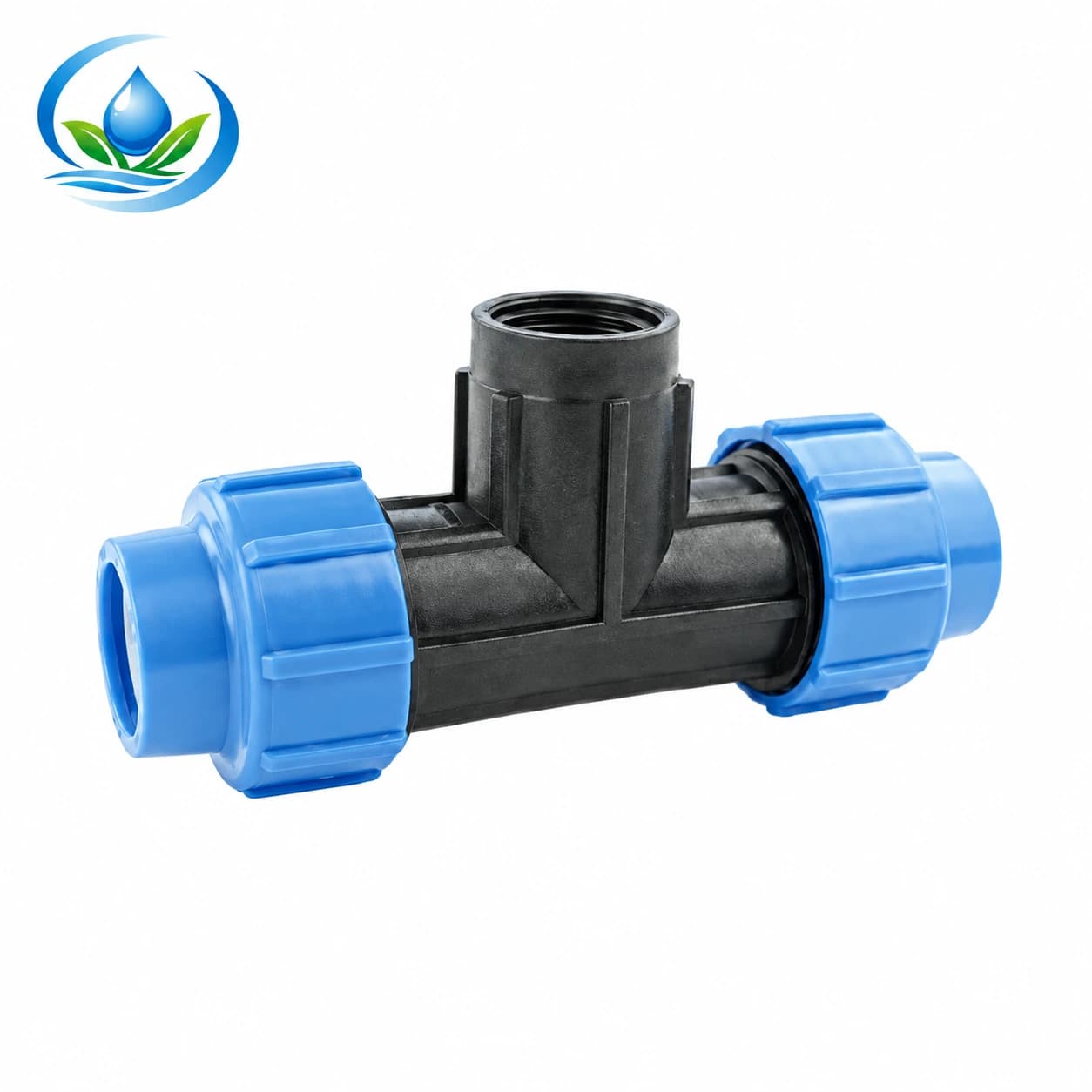
compression fittings
From$1.53
Choose options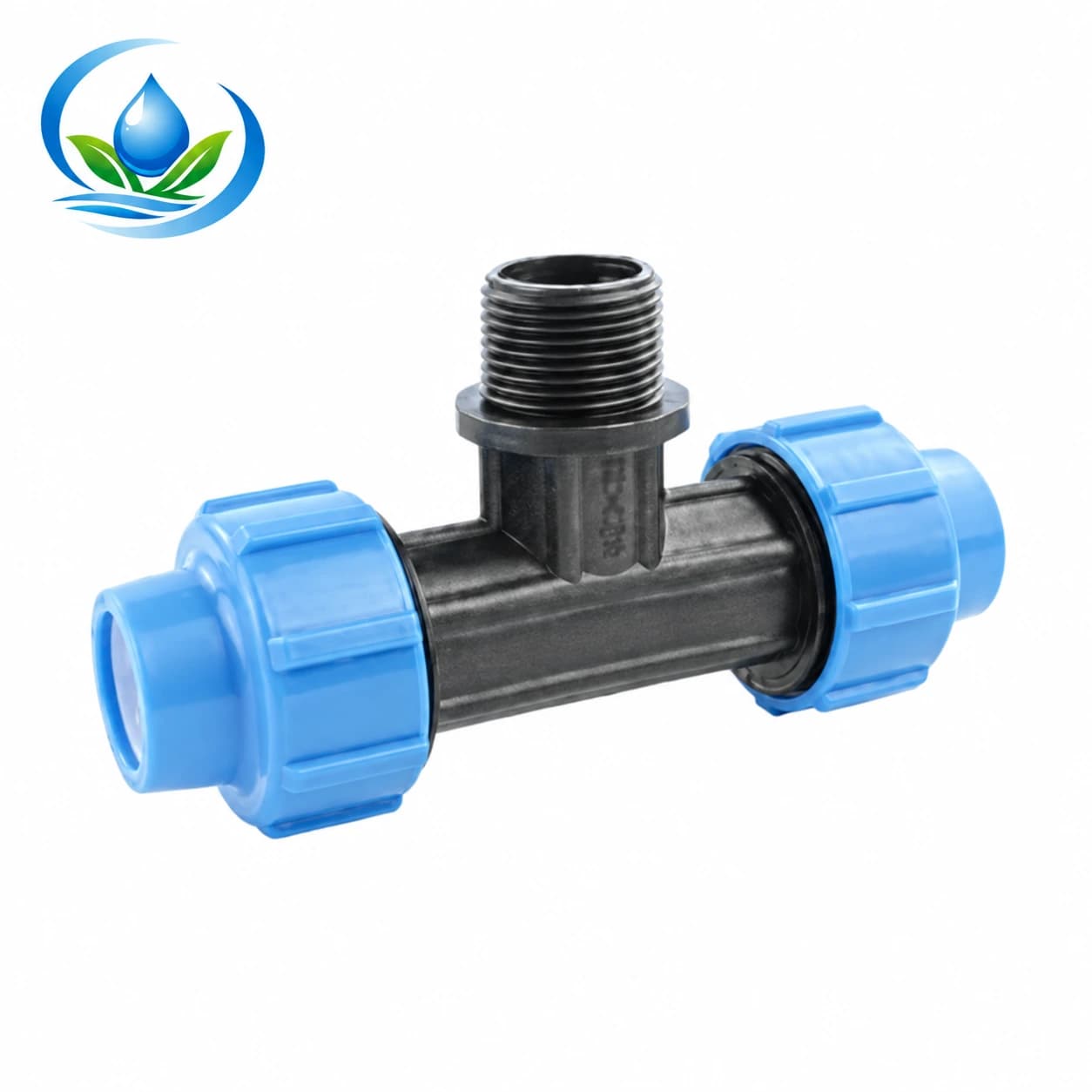
compression fittings
From$1.53
Choose options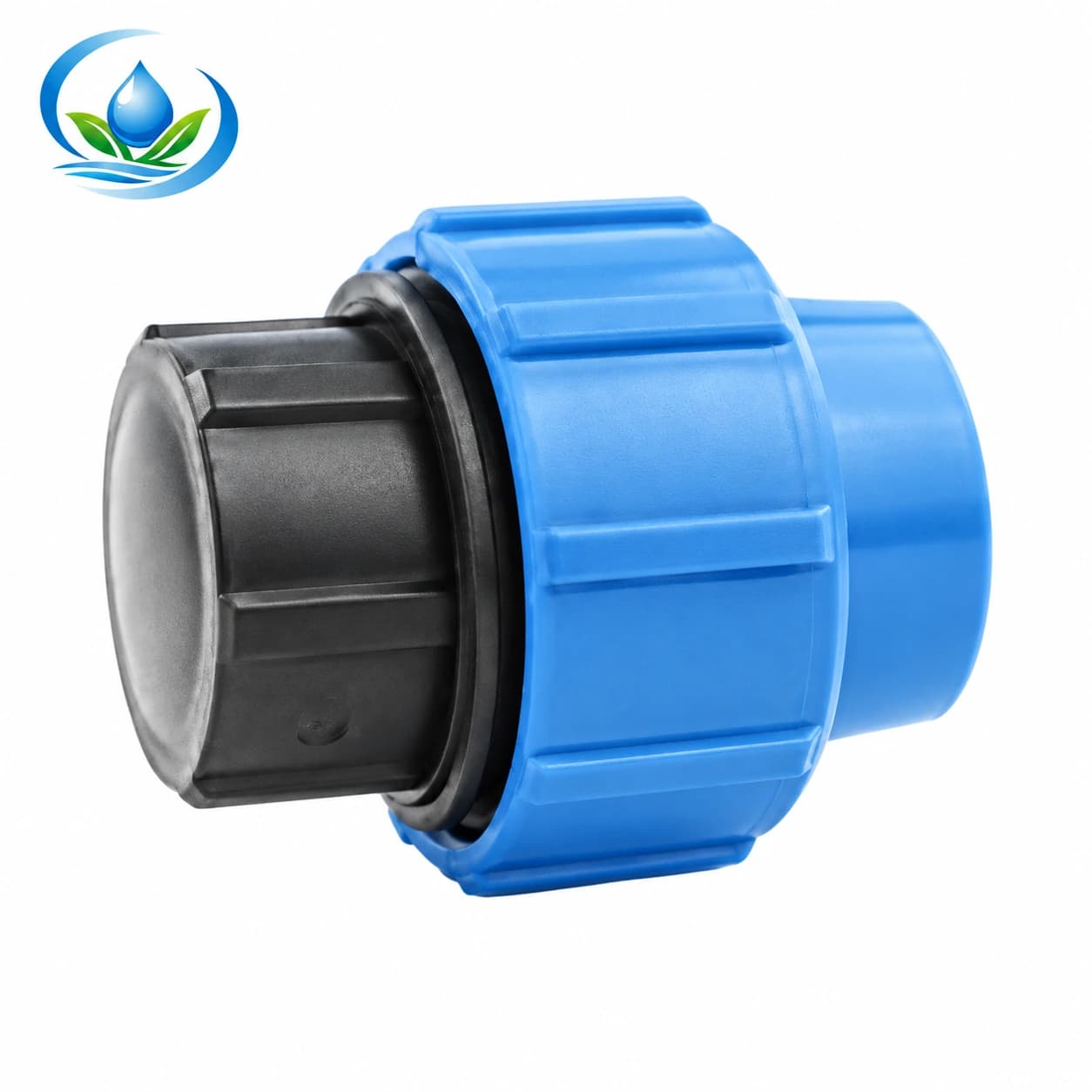
compression fittings
From$0.83
Choose optionsMatch your tubing diameter, connector type and water pressure before you add the finishing touches.
Field guide
Irrigation fittings join, branch, reduce or close a water line. The selection spans drip connectors, hose fittings and irrigation pipe fittings, but parts that look alike may fit different outside diameters, wall types or thread standards.
Identify the material and measure the actual mating sizes before ordering. Compare the connector style, pressure rating and whether a clamp, gasket or punch is needed. Use the product variant and photo to verify both ends of a fitting; nominal pipe names alone may be insufficient.
Irrigation fittings connect a source, mainline, submain and crop laterals without changing their basic hydraulic job. A field might need larger irrigation pipe fittings near the pump and small takeoffs at every drip row. Prepare a simple pipe schedule before ordering: material, nominal and actual dimensions, pressure rating, thread standard and quantities at every branch. Fittings that look similar in a photo may seal in very different ways.
A fitting either joins, redirects, branches, adapts or closes a line. Compression parts seal around a correctly sized pipe; barbs grip compatible hose or tube; threaded joints require the matching thread form and sealing method. Each connection adds some pressure loss and creates a possible leak point, so use the fewest practical adapters and avoid forcing a near-match.
Drip irrigation fittings include barbed, compression and threaded connections with different sealing methods. Match the actual tubing outside diameter or thread standard to the selected fitting; a similar-looking adapter can leak or restrict flow.
Inspect fittings after seasonal temperature changes and line movement. Replace cracked or distorted seals rather than overtightening a leaking joint. Keep spare repair couplers matched to the actual pipe dimensions. A leak at a fitting can be caused by a cut pipe end or unsupported load, so repair the underlying issue as well as the joint.
Only where the fitting manufacturer's instructions call for thread sealant on a compatible threaded joint. Do not put tape on a barb, compression grip or gasket face; those seal by other mechanisms. Check the thread form and avoid over-tightening plastic parts.
Only through a rated adapter with matching thread and barb dimensions. Support the connection and pressure-test it before regular use.
Technical reference: USDA NRCS, National Engineering Handbook: Microirrigation. Use the selected product manual and local requirements for final design.