
sprinklers
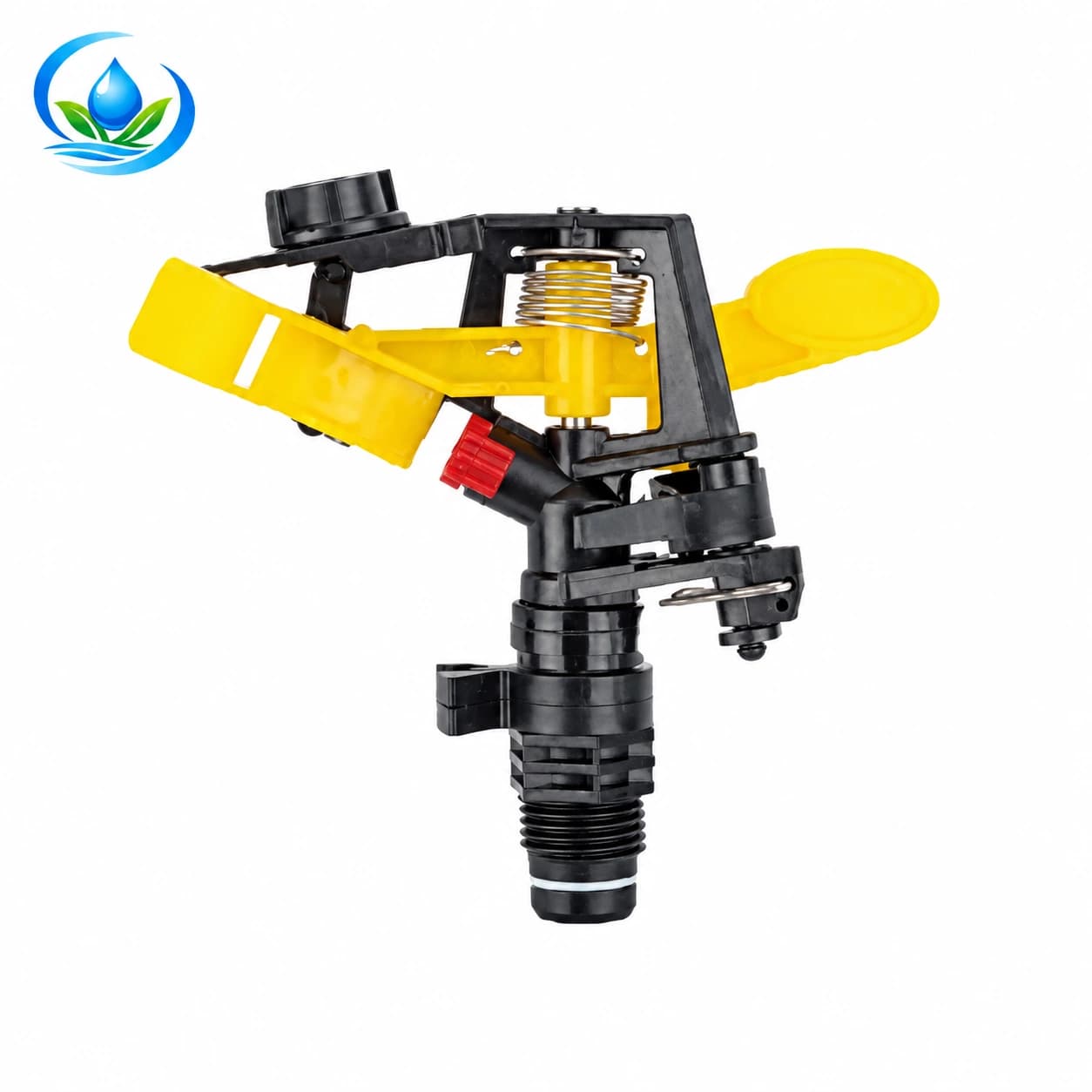
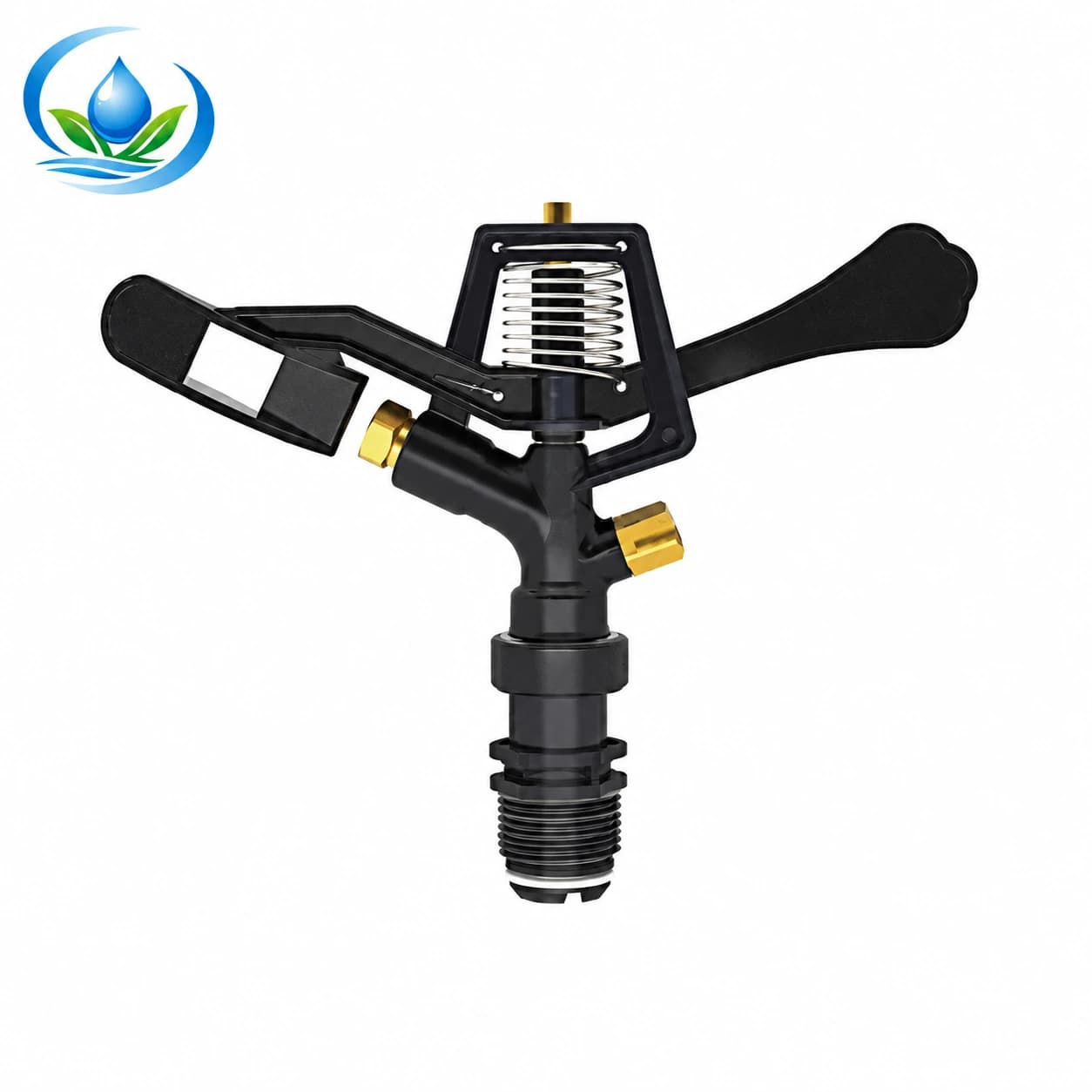
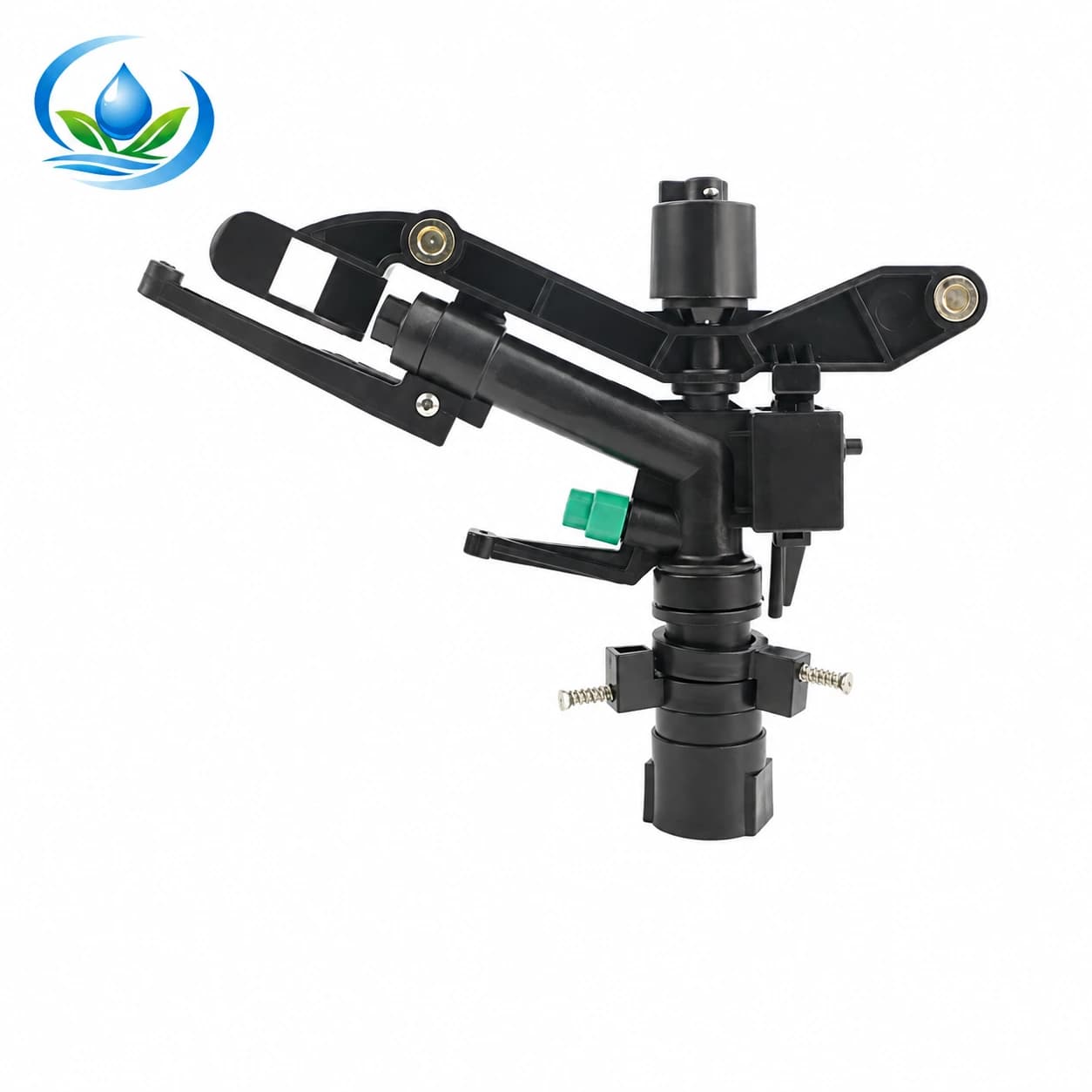
Plastic Impact Sprinkler for Field Irrigation, 1/2-Inch Male-Thread Inlet
- Inlet
- 1/2"M
- Working Pressure
- 0.5-2.5Bar
- Spraying Radius
- 5-10m
- Flow Rate
- 14.8-28L/min
$6.52
Agricultural irrigation, direct to you
Shop impact sprinkler and other irrigation sprinkler heads for field and garden coverage. Compare throw, nozzle size, flow and inlet connection.
40 products
Showing 19–36
sprinklers
$6.52
sprinklers
$8.45
sprinklers
$8.45
sprinklers
$8.45
sprinklers
$8.45
sprinklers
$18.38
sprinklers
$18.38
sprinklers
$8.45
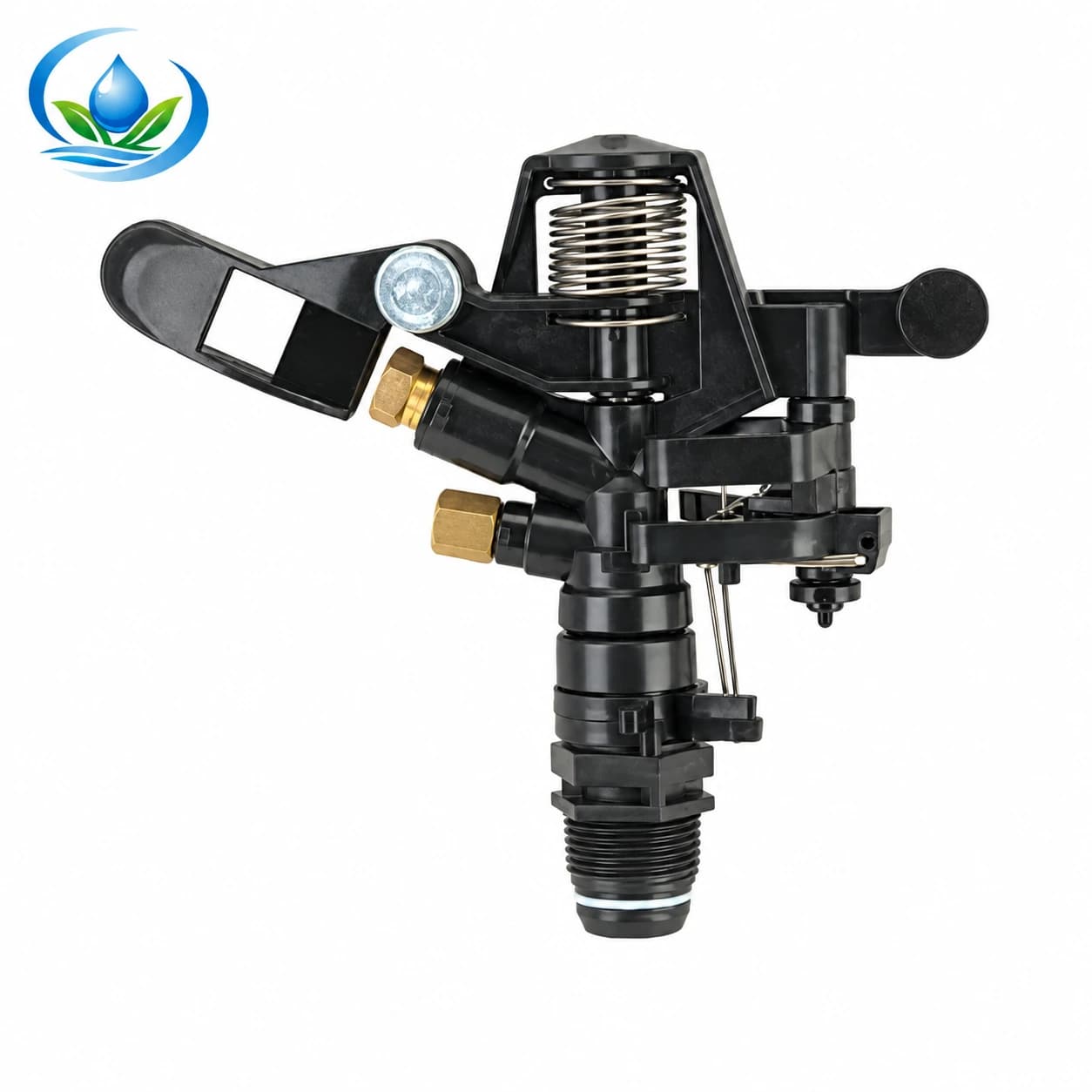
sprinklers
$8.45
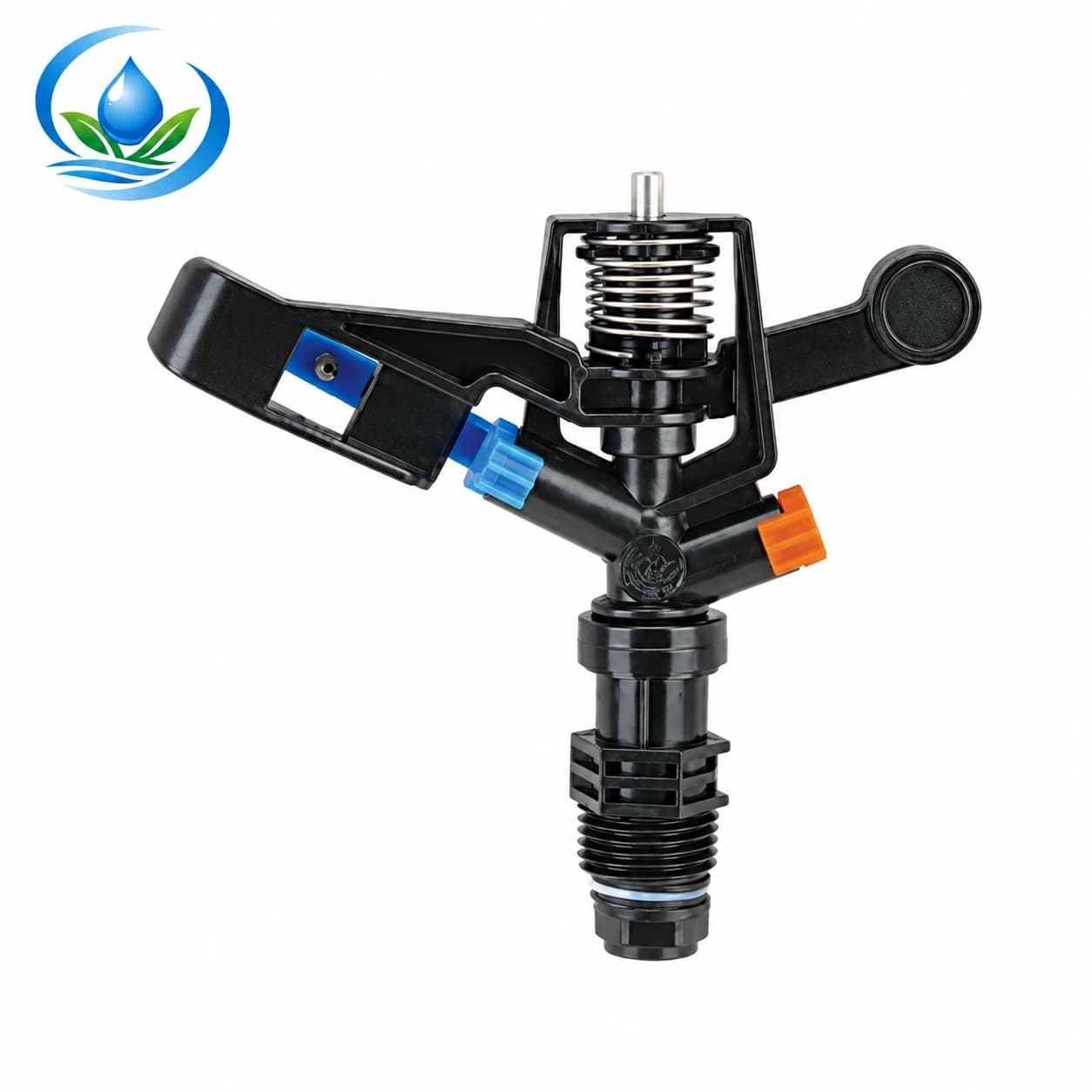
sprinklers
$8.45
sprinklers
From$12.95
Choose options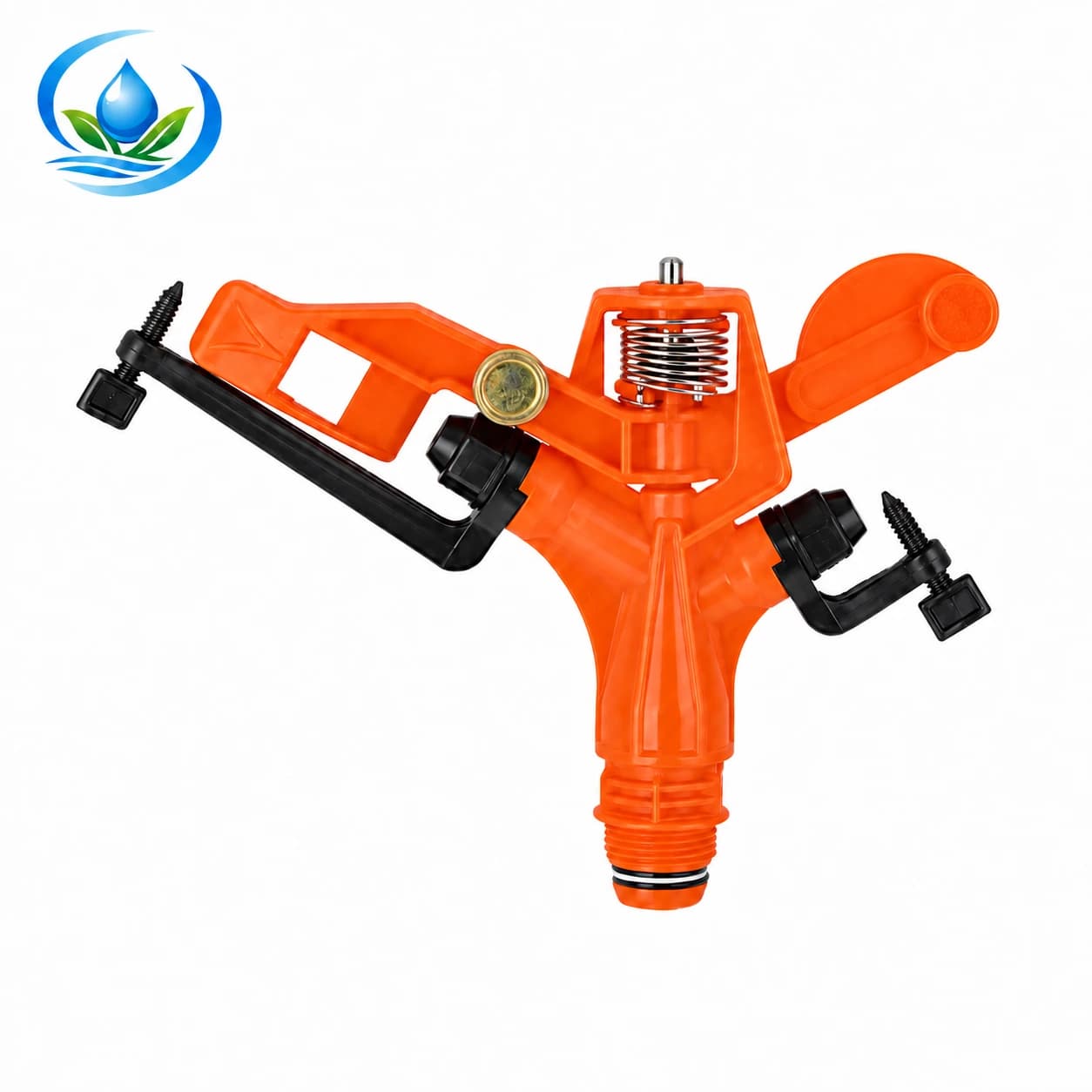
sprinklers
$8.45
sprinklers
$7.75
sprinklers
From$20.60
Choose options
sprinklers
$8.45
sprinklers
$7.75
sprinklers
$7.75
Match your tubing diameter, connector type and water pressure before you add the finishing touches.
Field guide
An impact sprinkler uses a rotating arm to distribute water over a larger area; this category also includes other sprinkler styles and rain-gun options. Agricultural sprinklers should be matched to the site width and available supply rather than selected only by their advertised radius.
Review each model's nozzle size, pressure and flow range, arc adjustment and inlet thread. Use the actual spacing and wind exposure in the layout, and verify that the pump or supply can run the intended number of sprinklers at once.
Impact sprinkler heads can cover an open field or large garden where a rotating pattern is practical. Other listed heads and rain-gun options cover different areas, so identify the actual device before designing spacing. A field edge may need an adjustable arc to avoid paths or buildings, while the interior needs suitable overlap. Record width, length, wind exposure and source capacity before choosing agricultural sprinklers.
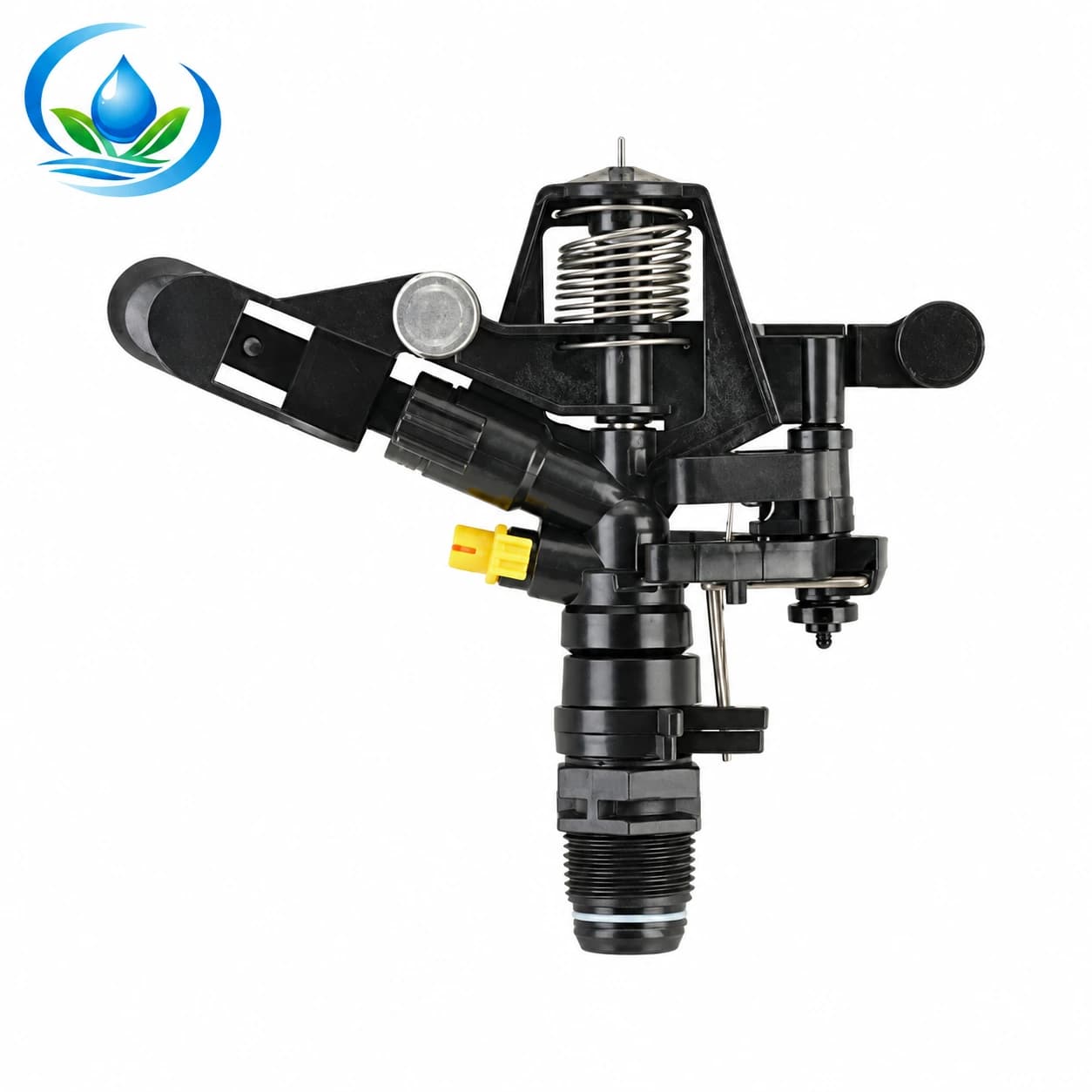
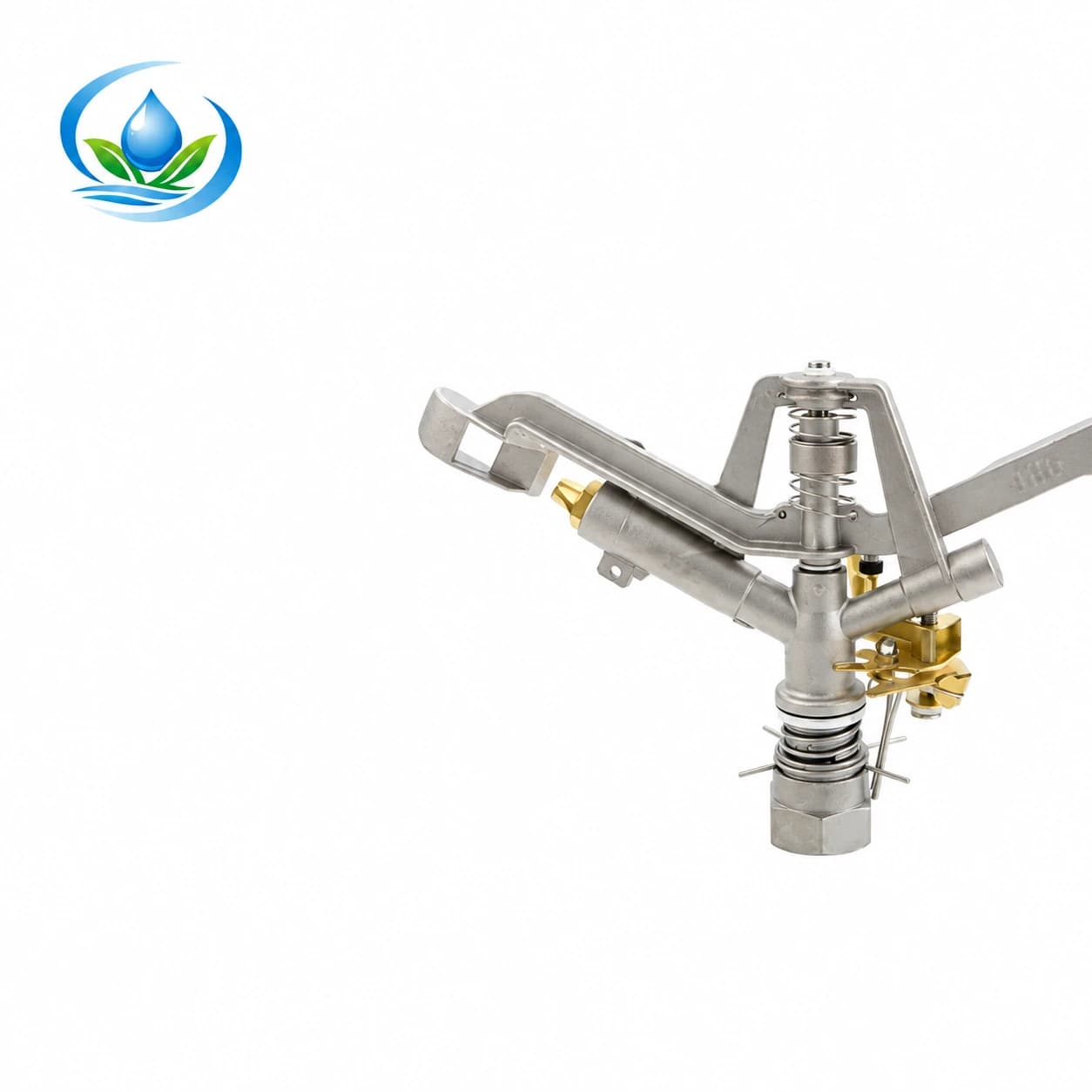
In an impact sprinkler, the water jet moves a spring-loaded arm that advances the head step by step. Nozzle size and pressure set the flow and influence throw; a larger radius often also demands more supply. Overlap is needed because the spray is not perfectly even from center to edge. A rain gun has very different flow and support requirements from a small garden head.
A rain gun sprinkler can cover a wide field area but needs a matched pump, nozzle and operating pressure; a small impact sprinkler has a different flow and throw. Check the listed model's pattern and water demand before assuming that either suits the same zone.
Keep the nozzle clear and check that the impact arm rotates freely. Inspect seals, risers and joints for leaks; a stuck head can leave one area soaked and another dry. Wind changes real coverage, so assess the pattern during typical operating conditions. Drain or protect the assembly as the site climate and product instructions require.
With the zone running at its specified pressure, set the arc stops or reversing collars according to the model, then adjust the diffuser and nozzle angle if provided. Watch the full rotation for dry gaps and overspray, and keep the required overlap with nearby heads.
Possible causes include low pressure, debris in the nozzle or impact arm, or mechanical wear. Isolate the head, clean and inspect it using the maker's instructions, then retest pressure.
Technical reference: UGA Extension, Irrigation and Technology Assessment. Use the selected product manual and local requirements for final design.