Irrigation Automation System: Buy and Prove One Trial Zone First
Buy a limited one-block trial, verify water at the crop after each command, and prove a safe manual watering route before adding zones.
Published by IrriNex Store
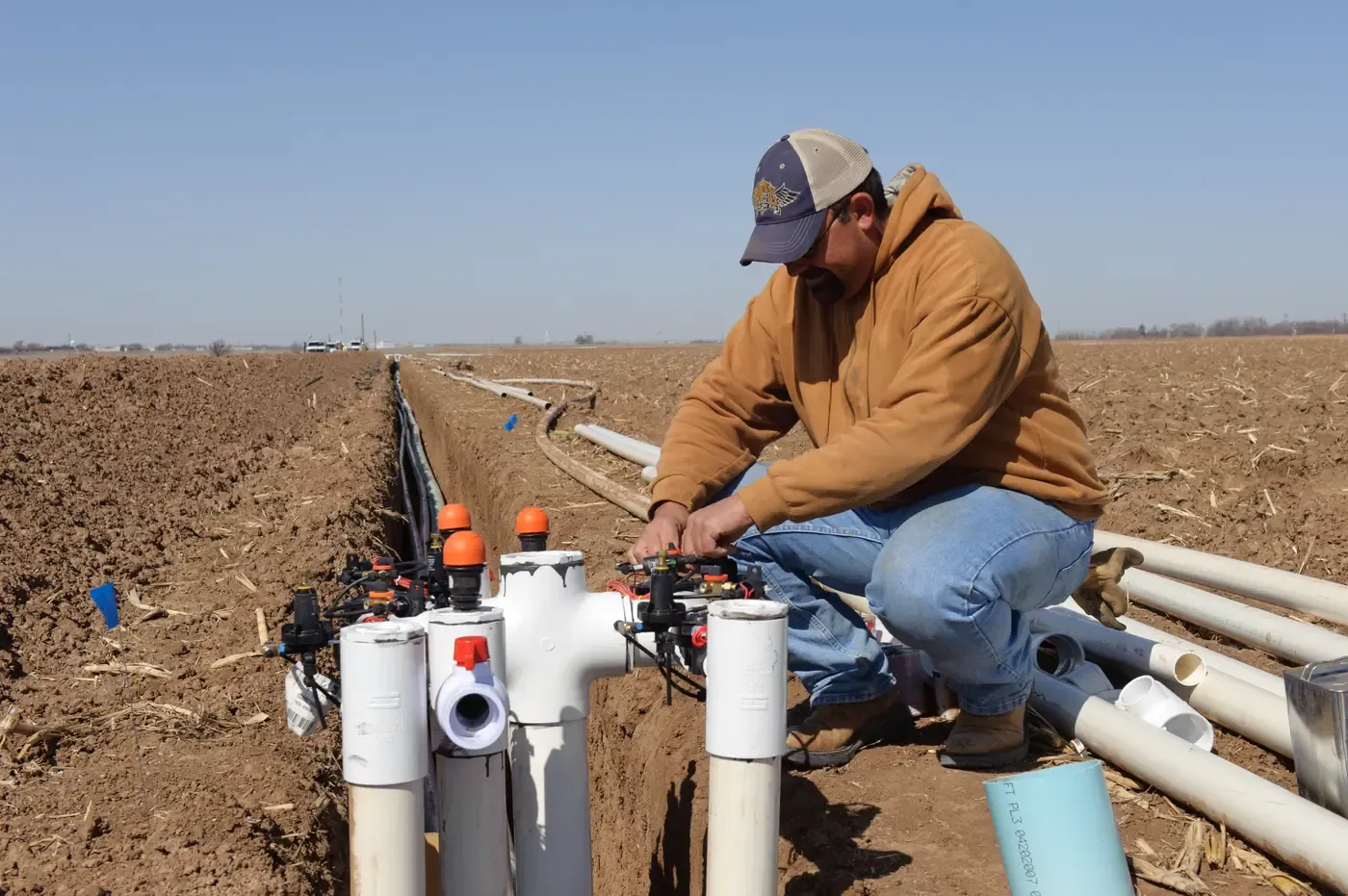
An irrigation automation system is easier to buy wisely when it has to prove one job first: water one named crop block, stop when requested, and leave the crew a usable way to water if control is unavailable. Choose a block whose source capacity, filtration, pressure and outlet layout have already been checked under normal operation. The pilot is not a chance to make an undersized supply line behave like a larger one. Its result is a field record that connects each command to actual water at the crop, plus a documented recovery route that the people on duty can use.
Suppose the existing north vegetable block runs from a protected source through the usual pump, filter and pressure control to a header and several drip rows. It is currently opened by a person. The proposed trial changes only the way this one block is requested and observed; it keeps the approved water duties and protective equipment. The farm zoning guide helps establish that boundary before any automation purchase. If the block has not passed its hydraulic check, resolve that work first and record a new baseline.
Choose the trial block and keep its water duty fixed
Put the trial block on a simple field sketch. Name the upstream source, pump, protection and filter, pressure control, current hand-operated points, proposed control point, near and far rows, and any other zone that may run at the same time. Make the label on the sketch match a label at the field. The installer and operator should be able to stand at the proposed control point and agree exactly which outlets it serves. A command aimed at the wrong header makes a clean controller log worthless.
Use the already validated operating group to record its ordinary run duration, allowed overlap with other blocks, observed flow and pressure at the points the farm normally checks, and the far-row response. The figures are the farm's measured reference, not ratings for a proposed valve. Note how a partially plugged filter, a closed hand valve or a harvested row would change an observation. If crops or emitters have since changed, verify the baseline again before treating the old measurements as acceptance limits.
Keep the working source protection, pump controls, filter, pressure regulation and normal service isolation in their approved roles. Automation should request a run through those arrangements; it must not be used to bypass a pump protection, a source-protection device or the usual shutoff procedure. If the block sometimes receives fertilizer, the first trial is water only. Isolate or disable fertilizer addition under the farm's approved procedure and verify its status before the trial, so an operator's fallback cannot unintentionally inject into the crop line. Do not infer that a controller includes a fertilizer safeguard because it has a display.
Buy the smallest complete trial, with the missing parts named
A one-zone order needs more than a screen or a valve photograph. Write a short bill of the intended field-control element, its exact inlet and outlet connections, the compatible command route, the required power and communications equipment if any, mounting and weather protection, and an accessible local operating method. Add the instruments or existing observation points that will prove flow, pressure and delivery. The bill should say which items are already on the farm, which are supplied, and which must be purchased separately. A supplier quotation for the exact configuration is a reasonable comparison tool; it is not a promise of a turnkey installation.
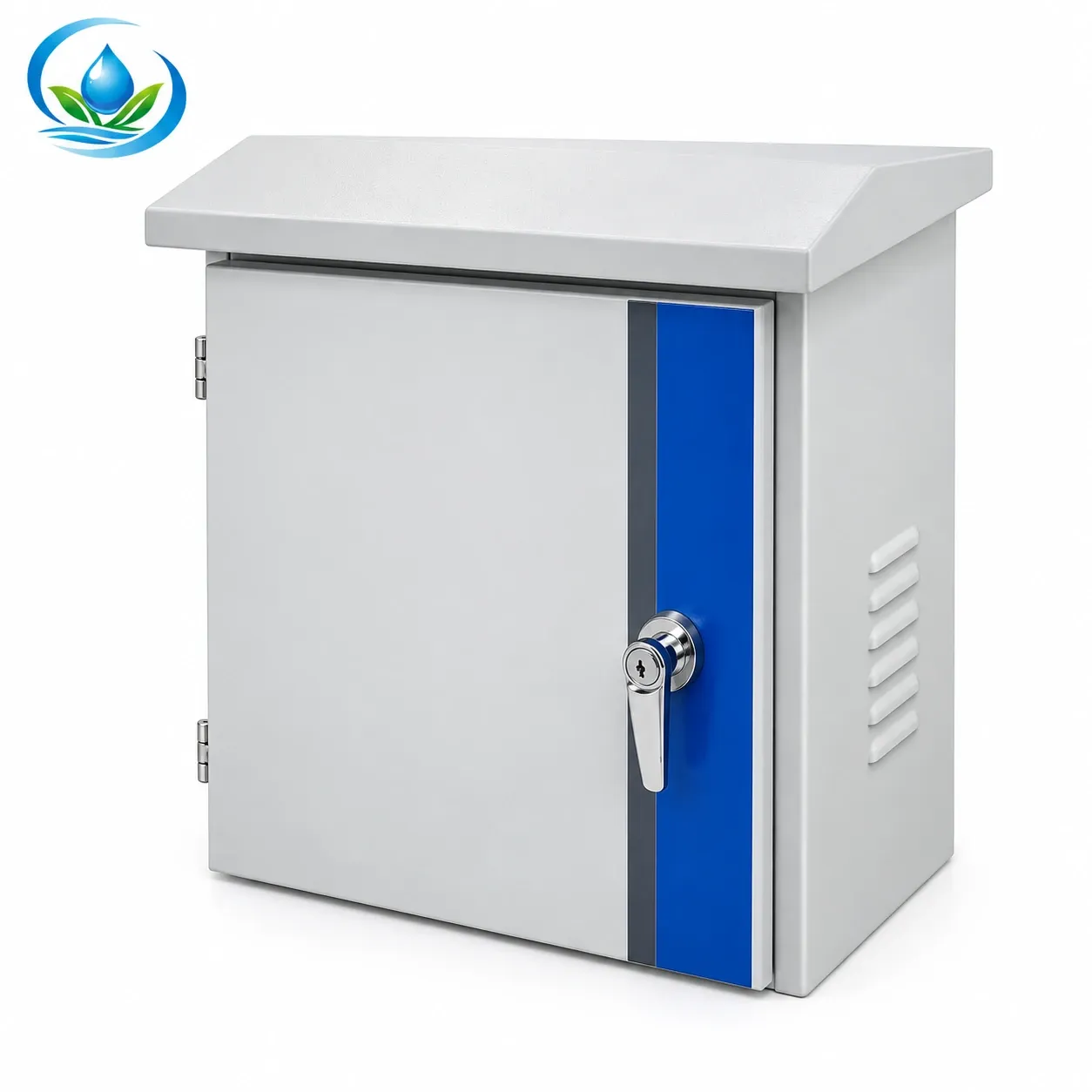
The Smart Irrigation Control Cabinet is one possible control candidate when a compatible field valve and the farm's pump interface can be documented. For this pilot, ask for the selected cabinet configuration and a written match to the actual valve, output and existing protections. The cabinet listing describes zone and pump control, but it does not establish that an existing hand valve becomes powered, or that every field device in a sketch is supplied. This cabinet is quoted by configuration rather than available through direct checkout; obtain the precise contents and availability before ordering the trial.
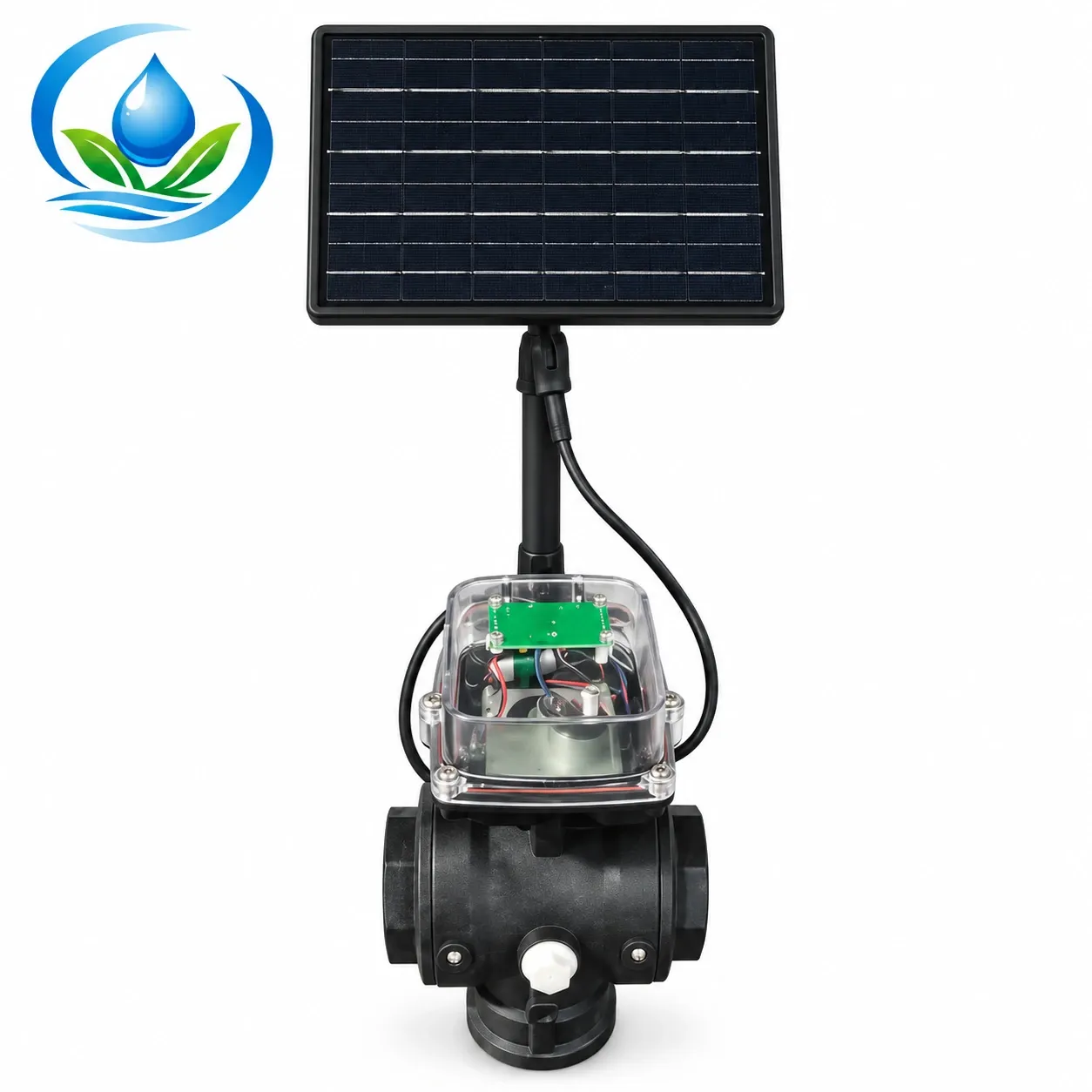
The Solar Remote Irrigation Ball Valve is another candidate for a suitable remote control point. Its product family lists several size and communication choices, but the exact selected option, connection, power components, site exposure and usable communications route require confirmation. It is also quoted by configuration rather than available through direct checkout. Do not assume a cabinet can command this solar valve directly: a supported protocol, compatible hardware and the specified operating method would have to be shown for those exact options. They are candidates to compare, not a matched complete kit.
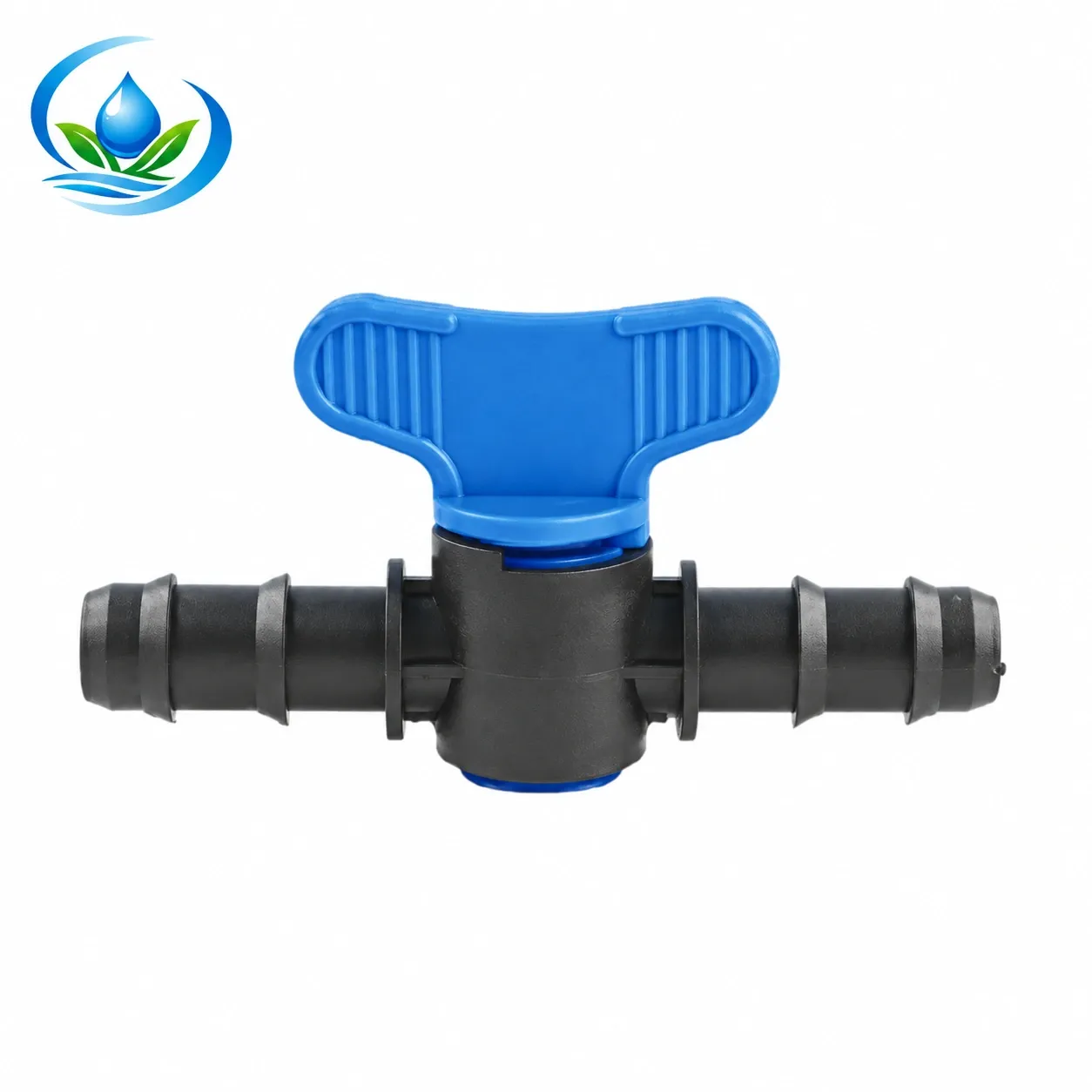
The blue-handle Maxi Valve can be considered only where the selected 16 mm or 20 mm branch option physically and hydraulically fits the intended small tubing point. Check the chosen variant, mating connections, operating limits and a safely reachable handle. It is not a default mainline bypass, a substitute for a properly sized block valve or a backflow device. If the trial block is controlled at a larger header, the manual operating part must be sized and documented for that header instead. The manual valve buying guide covers connection and quantity checks in more detail.
Compare the routes against the same block rather than comparing prices for unlike items. A cabinet route might use a separately specified powered field valve and a documented interface to existing equipment. A remote valve route may need its own supported control service and a locally approved recovery action. An existing correctly sized manual valve may remain the best first option if a person is already present at every water window. Where a new control element is added, ask the seller and qualified installer to identify the exact component and evidence for every interface; do not infer a flow curve, pressure range or fail position from a family name.
Make a command prove water at the rows
Before installation, decide what the person accepting the trial will observe. A schedule entry or a successful command means only that a request was made. A reported valve position, if the exact option provides one, says more about the valve but still does not prove the pump delivered water, the filter was clear or the far rows received it. Tie the command time to an independent check: an installed flow meter or a timed volume observation where appropriate, pressure readings at named points, and a representative far-row outlet inspection. Use only observation methods that suit the existing system and its safe operating procedure.
For the north block example, the operator might note the displayed request, the time water movement is first seen at the existing meter, stable header pressure, and a near-row and far-row observation after the line has filled. The operator also notes the existing pump and filter indications. Those are proposed fields in a trial log, not claimed results or a guarantee that each farm has those instruments. If the farm has no reliable meter, specify another defensible method before ordering, such as an approved measured discharge check at a designated point; do not call a flashing icon a flow measurement.
Use the same named points for the manual baseline and the automated run. The University of Minnesota Extension's specialty-crop irrigation setup guidance is a useful reminder that water delivery depends on the source, filter, pressure control and field layout together. If the far row is weak after the new command, compare the upstream reading, filter condition, header pressure and outlet response before blaming the controller. A valve may have received the right command while a hydraulic fault still limits delivery.
What is the minimum proof that a remote command actually irrigated the crop? Agree on the answer in advance: a named water-side reading and a field observation within an agreed time window, with a person assigned to respond if either is missing. Keep that requirement even if a selected model later offers position feedback. The acceptance sheet should distinguish requested, indicated and observed conditions in separate columns.
Write the stop and manual-watering route before installation
Ask what the exact selected equipment does if mains power, solar energy or communication is interrupted during a run, between runs and while a command is being sent. Record the expected physical valve condition, what the operator can see locally, what the control record may show, and what must be inspected before restart. The answer comes from the model instructions and the proposed assembly, not from a generic assumption that motorized valves fail open or fail closed. A stale screen indication must not be treated as proof of a present field state.
Name the person on each shift who can stop the run and the reachable device or procedure they use. The stop route must still respect the pump's required sequence and the farm's source protection. It may be an approved local control on the selected actuator, or the farm's documented manual operating arrangement after the system has been put in the appropriate state. If neither route is physically reachable and understandable to the crew, the trial order is incomplete. The planned line-work shutoff guide explains a different task: safely isolating water before opening a line. A normal operator stop is not automatically proof that a pipe can be opened.
How can the crop still be watered during a control outage? Write the actual steps as an operator procedure: who authorizes the change, which approved local control or correctly sized hand valve is used, how the pump and filter remain protected, how the run is timed, how delivery is checked, and who restores normal control afterward. Do not treat a small blue-handle branch valve as a new bypass around the automated block. Any alternative flow path would need its own approved hydraulic design, isolation and source-protection review. The manual block watering-window guide helps test whether the human sequence fits the farm's water window.
Keep fertilizer outside this fallback unless a separate approved procedure explicitly covers it. A hand-opened water route must not silently energize an injector or defeat a water-availability safeguard. Mark the normal valve positions and the authorized reset person on the field sheet. If a worker cannot tell whether an override is still active after the outage, require a clear local indication or an inspection step before an automated schedule can resume.
Commission water only, then verify one interruption safely
Start the trial on a day when the block can be observed without sacrificing a necessary irrigation window. Before the first controlled start, the qualified installer and operator identify the physical zone, check the installed option against its documentation, confirm protection devices remain in their approved arrangement, and verify that fertilizer addition is off. They record the pre-run meter or other water observation, pressure, filter condition and valve state. They also agree on the stop signal and the person watching the far row. No crop should depend on an unobserved first automated run.
Open only through the approved startup sequence for that source and equipment. When water has stabilized, compare the named water-side observations with the block's valid manual baseline. Look for leaks at new joints and delivery at representative near and far outlets. Then request a normal stop and observe whether water movement and field delivery end as expected, while the source and pump follow their required sequence. If the controller records success but the meter or rows disagree, stop treating the control as accepted and diagnose the water path. An after-rain decision is a separate crop question; the crop-row scheduling guide helps the operator decide whether the next run is needed, regardless of how it is started.
Once a normal water-only cycle is understood, plan one power or communication interruption appropriate to the exact candidate. The maker's instructions and the qualified installer should define how to verify the response without unsafe live electrical work, forced disconnects, disabled pump protections or improvised operation under pressure. If an interruption cannot be safely created on that installed system, use the manufacturer's approved simulation or documented alternative verification and mark the untested field condition clearly. Observe the local state and actual water movement during the event; then use the documented recovery procedure, including any required inspection or deliberate restart. Never infer that power restoration itself makes a zone safe to resume.
Run the manual-watering procedure once with the operator who would actually cover an outage, under approved conditions and with fertilizer isolated. Time the steps and record the same water observations. If the person must search for a key, cannot reach a handle safely or cannot tell which block is open, revise the arrangement before calling it a fallback. A paper procedure that depends on unavailable equipment is not an accepted operating route.
Use acceptance evidence to decide whether another zone deserves a purchase
Define pass criteria before the equipment is installed. The existing block's verified water readings and crop-delivery checks set the comparison range; the selected equipment documents set its allowable operating conditions. Write down how many ordinary starts and stops must succeed, the acceptable ranges for the same meter or other water observation, header pressure and far-row response under comparable conditions, and the time allowed to recognize and respond to missing water. Set those numbers from the block's duty and available staff, not from an invented universal flow percentage or time saving. Keep dated records of the manual baseline, controlled start and stop, measured water response, far-row check, interruption verification, manual watering and restoration. Note the valve option, control configuration, weather or crop changes that affect comparison, and the people who performed each step.
What evidence justifies paying for a second zone? Look for repeatable delivery through the named block, normal and interrupted stops that match the documented behavior, an accessible manual route that the crew can carry out, and no unresolved protection or fertilizer conflict. The operator should be able to explain a missing-flow alert or inspection result without guessing whether the problem is a command, power, valve, filter or supply issue. If acceptance fails, repair the identified cause and repeat that part of the test. Replacing a controller will not fix a blocked filter; a larger valve will not create pump capacity.
Only then map the next zone's own hydraulic duty and interfaces. A second block may have different pipe ends, pressure, crop duration or field access, so the first order cannot certify its valve size or communication route. The purchase record should preserve the working pilot configuration, its separately required parts, the observed water evidence and the approved recovery procedure. That is a stronger reason to scale an irrigation automation system than an attractive dashboard: the farm knows exactly which control request became crop water and exactly how it will water the block when that request cannot be made.
Before you order
Compare this guide with the specifications for your exact product, selected option, water supply and field conditions. Your equipment requirements take priority over a general example.
Compare irrigation products