Irrigation Scheduling After Rain: Check Crop Rows Before the Next Run
Separate rain recorded from water available to crop roots. Check exposed, covered and sheltered rows, document pause or restart decisions, and verify manual valve operation.
Published by IrriNex Store
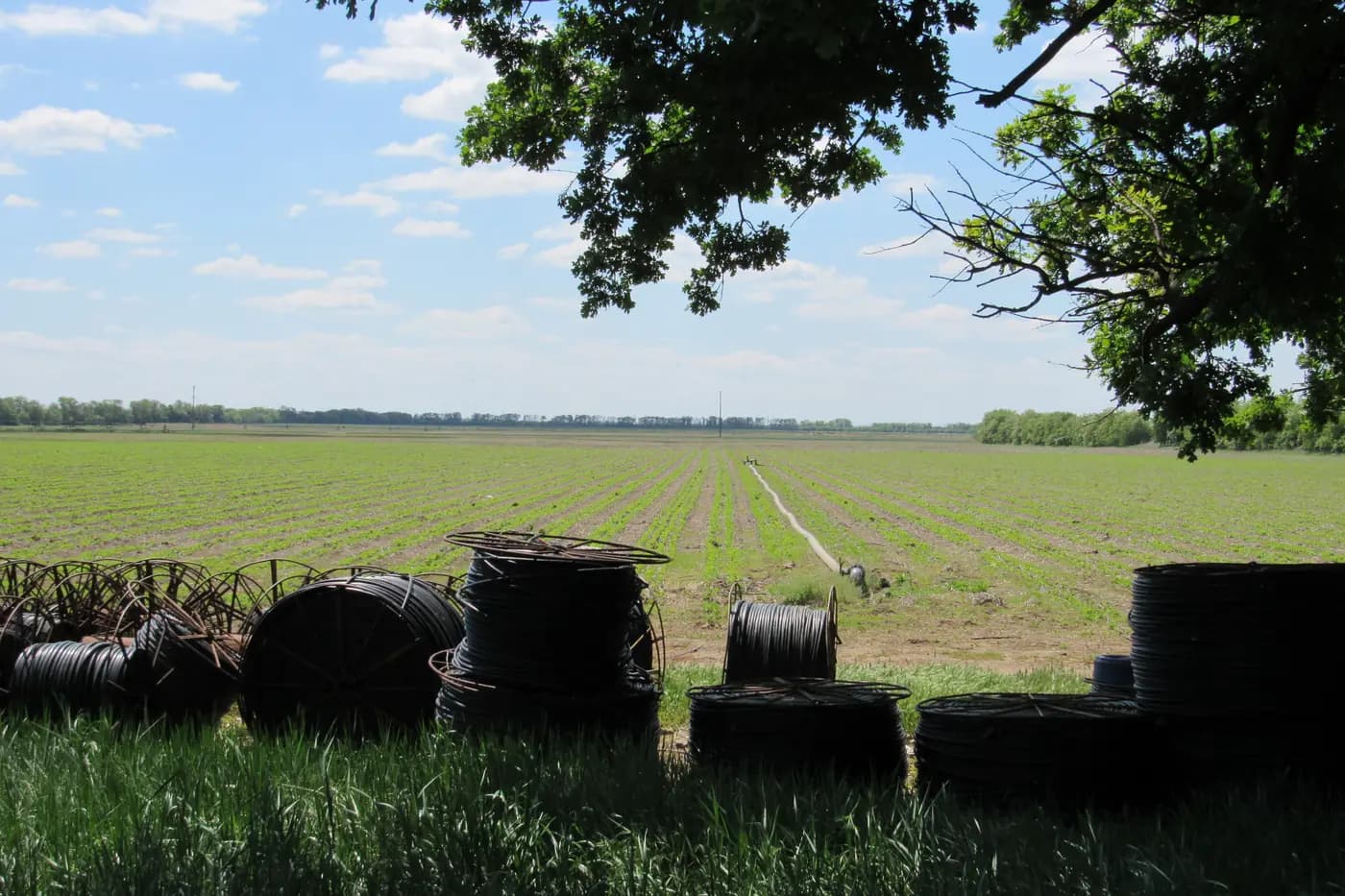
Irrigation scheduling after rain begins with the crop rows that would receive the next drip run. Record what fell, then check where that water reached and what remains available around the active roots. A wet access track, a full rain gauge or a cancelled run elsewhere on the farm does not establish the condition of every planted bed. A covered-bed rain check matters because rainfall at the gauge may not reach soil beneath plastic or shelter.
For an installed agricultural drip system, the immediate decision is whether to pause a named block, resume its approved watering plan or collect more evidence first. This guide follows that decision from rainfall observation to the next field check. It does not set a universal rainfall allowance or translate every millimetre in a gauge into a fixed number of minutes removed from the schedule.
Which crop rows are due in the next run after rain?
Find the block name, its crop and growth stage, the last irrigation event and the next planned operation. List the valves and rows included in that operation. A remembered farm-wide schedule is too vague when one part of the crop is under cover and another is exposed to rain.
Record whether irrigation was running during the rainfall and when it stopped. Water delivered before or during the storm remains part of the recent history. If nobody knows whether a valve stayed open, mark that uncertainty rather than assuming the rain replaced the planned irrigation perfectly.
Use an existing field map or a simple marked sketch to identify the observations. The person who makes the next round should be able to return to the same row positions. This is especially useful when several workers share the valve operation or when neighbouring beds contain crops at different stages.
Did measured rainfall reach the active root zone?
Write the rain reading with its location and observation time. Note whether it came from an on-farm gauge or a nearby weather report. A report from another location can describe the event without establishing an identical amount on your field. Keep the reported quantity and its uncertainty visible in the record.
Rainfall arriving at the surface can follow different paths: entering the soil, running away, collecting in a low place or passing below the layer that currently supplies the crop. The useful contribution is water retained where the roots can use it. Do not assume the entire recorded depth became that contribution.
Describe the event as well as its total when those observations are available. Rain over a longer period and a brief intense downpour can leave different conditions, even with similar gauge totals. Visible runoff or ponding is a reason to inspect the affected positions; it is not a numerical estimate of how much water the crop gained.
Separate exposed beds, plastic-covered beds and sheltered rows
Mark which soil surfaces actually received rain. Plastic covering can redirect water toward bed edges and planting openings, while a roof or tunnel changes direct exposure. A wet aisle beside either arrangement is not proof of an equally wet crop root layer. Inspect the cultivated bed rather than substituting an accessible path for it.
A covered bed is not automatically unaffected by every storm either. Water may enter through openings or move from exposed edges, depending on the site. The correct response is a separate observation, not a blanket assumption that all rain counts or that none ever contributes.
Split the decision record when soil, shelter or crop conditions differ. The farm zone-planning guide explains how operating groups are defined. For this event, work within the actual controllable boundaries and identify any group that contains rows needing different treatment.
Choose inspection positions that represent the decision
Include positions within the crop's served root area and places likely to respond differently to rain, such as an exposed edge and a more sheltered section. Relate those observations to the normal drip outlet positions. One unusually wet hollow should not stand for a whole block, just as one dry margin should not determine every row's operation.
Use the farm's established soil-moisture method or appropriate installed sensors, interpreted for the soil and crop. Where physical inspection is needed, choose an approved location and method that avoids damaging roots, film or hidden dripline. This guide does not prescribe a universal sampling depth or require puncturing a covered bed.
Note when the observation was made relative to the rainfall. Water may still be redistributing after the event. Keep that timing with the result so a later reading is not mistaken for a contradiction simply because it represents a different point in the wetting and drainage process.
Interpret moisture with the current crop, not surface colour alone
Compare the observed condition with the crop's locally appropriate scheduling limits and active root layer. Those limits depend on soil, growth stage and the farm's management method. A damp top layer can coexist with a different condition below it; a drying surface does not by itself establish that the crop needs immediate irrigation.
University of Minnesota Extension's rainy-period guidance emphasizes soil moisture and field checks before another irrigation. Its regional worked examples do not set a waiting interval for your crop.
Record plant observations alongside the moisture evidence, without treating a single symptom as a diagnosis. A wilted-looking plant does not automatically prove a dry root zone. When crop appearance and soil observations disagree, investigate with appropriate local agronomic support instead of repeatedly adding water to test a guess.
Write a pause, resume or recheck decision for each block
A pause is justified when the checked root-zone condition and crop guidance support delaying the next planned event. Name the affected block and the specific operation being held. Do not describe it merely as “irrigation off,” because other blocks may still need their normal attention.
A resume decision needs its own evidence: the block's condition calls for water under the established scheduling method, and the delivery system can serve the intended rows. Rain elsewhere does not prevent that decision. Keep the accepted event target with the block instead of automatically restoring an old duration from memory.
Use recheck when the evidence is incomplete or conflicting. Write what is missing, who will inspect it and the next review time or field condition. Recheck is an active task, not an indefinite shutdown. Set its urgency from the crop and site guidance so uncertainty is resolved before it becomes an unattended operating gap.
Make manual valve changes identifiable and reversible
Follow the site's approved sequence for the source and distribution system when pausing a block. Do not close every branch against an operating pump merely to create a rain delay. Label the changed valve state and tell the next operator which rows it controls. A handle position without a block identity is an unreliable handover.
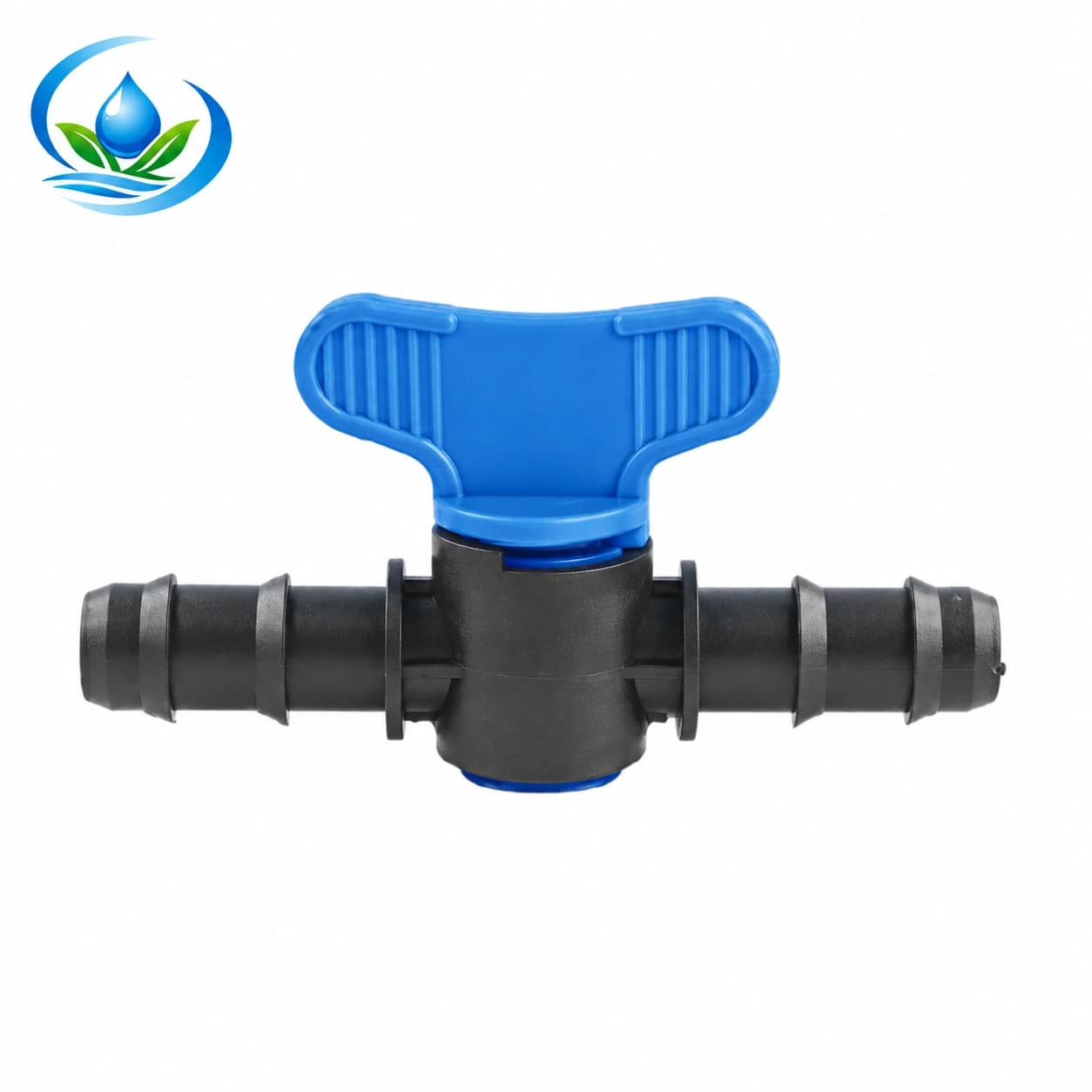
For a compatible manual connection, the blue-handle Maxi Valve lists the 16 mm choice as V16A1 and the 20 mm choice as V20A1. These are manual isolation components. Neither a handle nor a nominal size provides rain sensing, automatic scheduling or calibrated pressure regulation.
If a valve must be added or replaced, confirm both connection interfaces and operating suitability before purchasing. Do not assume the same nominal number makes it a direct tape connector. Installation or service requires the specified isolation and pressure-release procedure; the rainfall decision itself is not a reason to dismantle a working connection.
Check whether the remaining open group is an approved operating case
Pausing some rows can change the demand seen by the source, filter and regulator while other rows remain open. Confirm that the remaining combination is one the installation is designed to operate. Less total flow is not automatically a valid condition for every device, particularly where a component has a stated minimum flow.
Record the exact valve combination used when another block resumes. If the approved design requires a different sequence, follow it rather than improvising a few partly closed handles. A manual row valve is not a calibrated way to redistribute a missing rainfall allowance.
The flow-demand guide supports a review when the operating group changes. Keep that hydraulic review separate from the soil decision: the crop may need water while the proposed valve combination still needs correction before it can deliver reliably.
Inspect the installed line before using the resumed event
Look along accessible portions for movement, damaged joints, trapped sections or sediment around service points after runoff and field work. A pause caused by rain can coincide with a delivery fault, but the two problems are not interchangeable. If the crop needs water and the line is damaged, record the repair task explicitly.
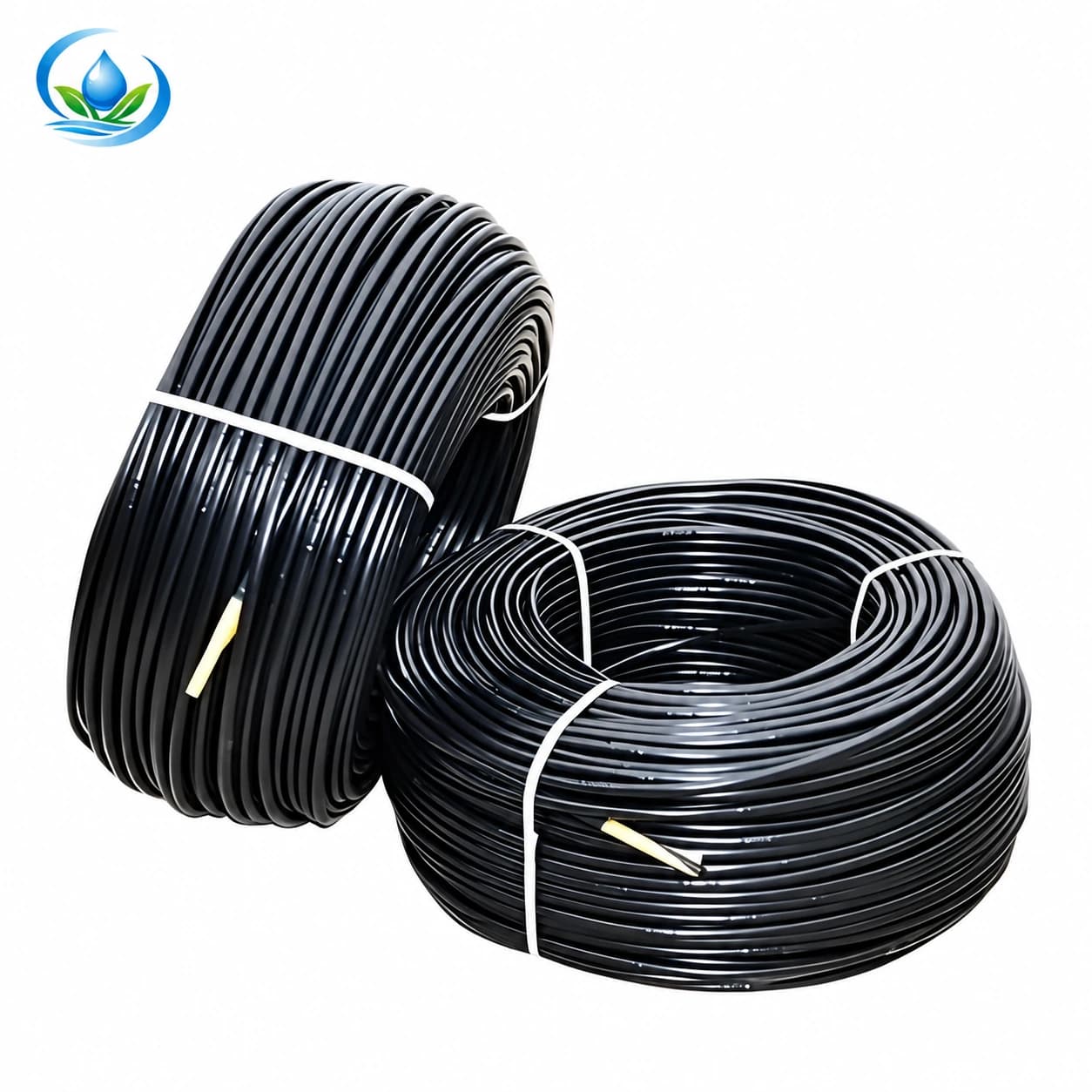
Keep the installed product identity in that record. One inline dripline option, IS-3-8CDA6B18CD, pairs nominal 2 L/h outlets at 30 cm intervals with a 16 mm tube, 0.8 mm wall and a 500 m sale roll. These details identify material; they do not determine whether a rainy block should run today.
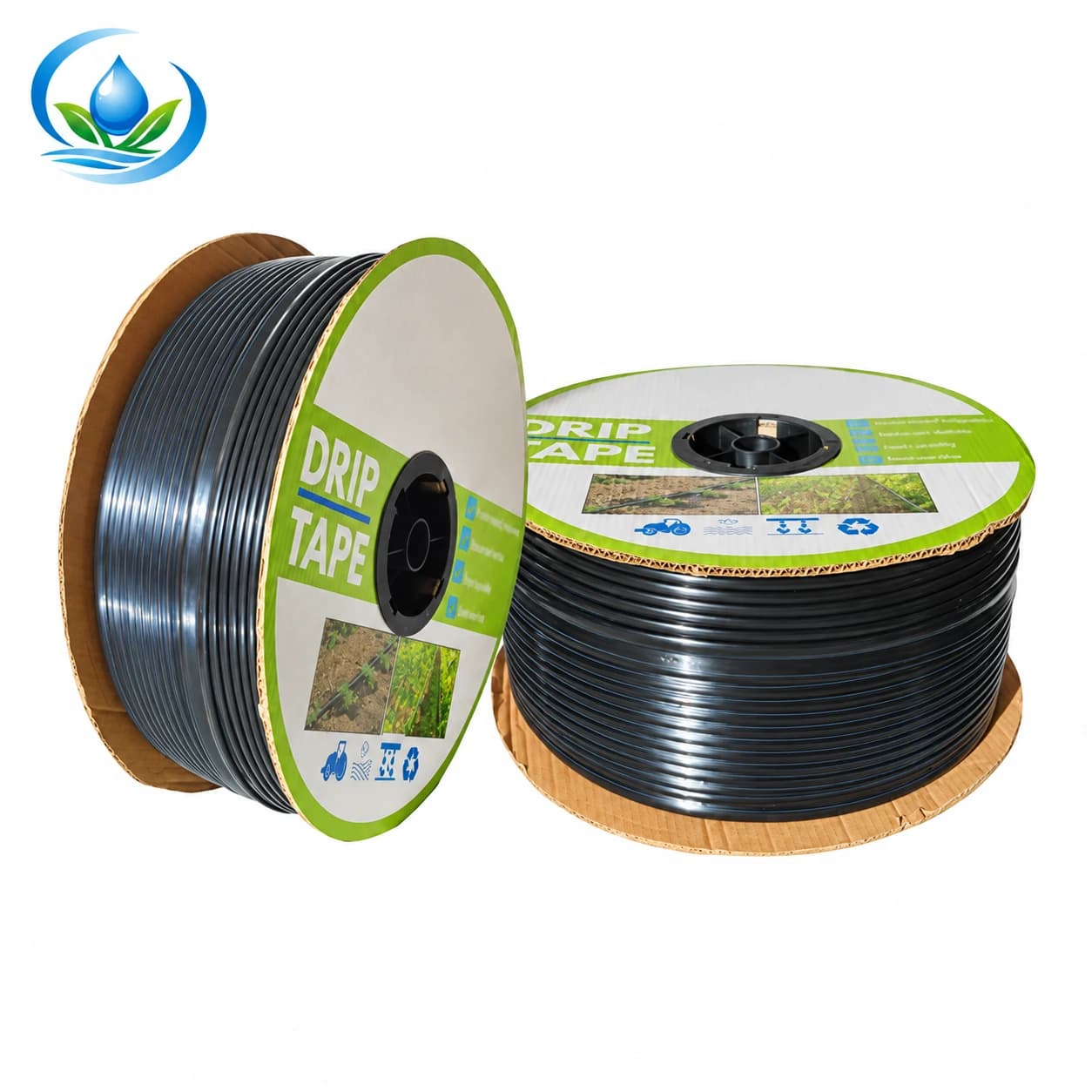
The flat-emitter tape option IS-2-C526AC2D85 identifies a 16 mm configuration with 30 cm outlet spacing, 0.2 mm wall and 2,000 m per roll. Its exact flow basis still requires confirmation. Neither tape dimensions nor roll quantity establish a crop water target or a universal pressure limit.
Observe delivery when the chosen block restarts
Resume using the approved system procedure and inspect representative outlets under the intended operating arrangement. Distinguish a closed valve, a kink or a leak from a soil-moisture question. A wet field surface can hide poor delivery at one row, so the first resumed run deserves an operating check even when the pipe appeared intact.
Where rain or runoff has changed the source-water condition, inspect the actual filtration arrangement according to its instructions. The filtration guide helps identify the relevant source and emitter questions. Rain does not justify removing protective elements or choosing a new filter grade without the component requirement.
If repair changes outlet flow or spacing, review the event calculation using the runtime guide for replacement emitters. That is a separate trigger from this rain review. With unchanged hardware, the task here remains deciding the next event from the checked crop and soil condition.
Close the record with a review time and a named operator
Keep rainfall evidence, inspection locations, moisture observations, crop notes, decision, valve changes and operating results together. Name the person responsible for the next check. A forecast can help plan that check, but forecast rainfall is not water already stored in the root zone.
Return to the selected locations as required by the crop's management plan and the changing conditions. A paused block may later need irrigation; a resumed block may receive another storm. Record the new decision without erasing the previous one so the sequence remains understandable across shifts and successive rain events.
For a practical comparison, imagine an exposed block with adequate measured moisture and a sheltered block with an established need for water. They can legitimately receive different decisions after the same storm. This example illustrates the record structure, not measured results, a recommended waiting period or permission to run an unverified valve combination.
Buy only the part that the field check shows is needed
A rainfall review may require no new hardware. If the problem is an unlabelled valve, unclear operating responsibility or missing soil observations, solve that task directly. A new roll of tape does not establish a moisture threshold, and a manual valve cannot decide when a crop should resume irrigation.
Where inspection identifies a damaged line or unsuitable isolation connection, request the exact replacement variant and compatible parts. Provide the block map, photographs and measured dimensions through IrriNex Store support. Confirm the supplied unit, quantity and delivery terms, then recheck the affected operation after installation. The useful result is a documented rain response that staff can follow and revisit as the field changes.
Before you order
Compare this guide with the specifications for your exact product, selected option, water supply and field conditions. Your equipment requirements take priority over a general example.
Compare irrigation products