
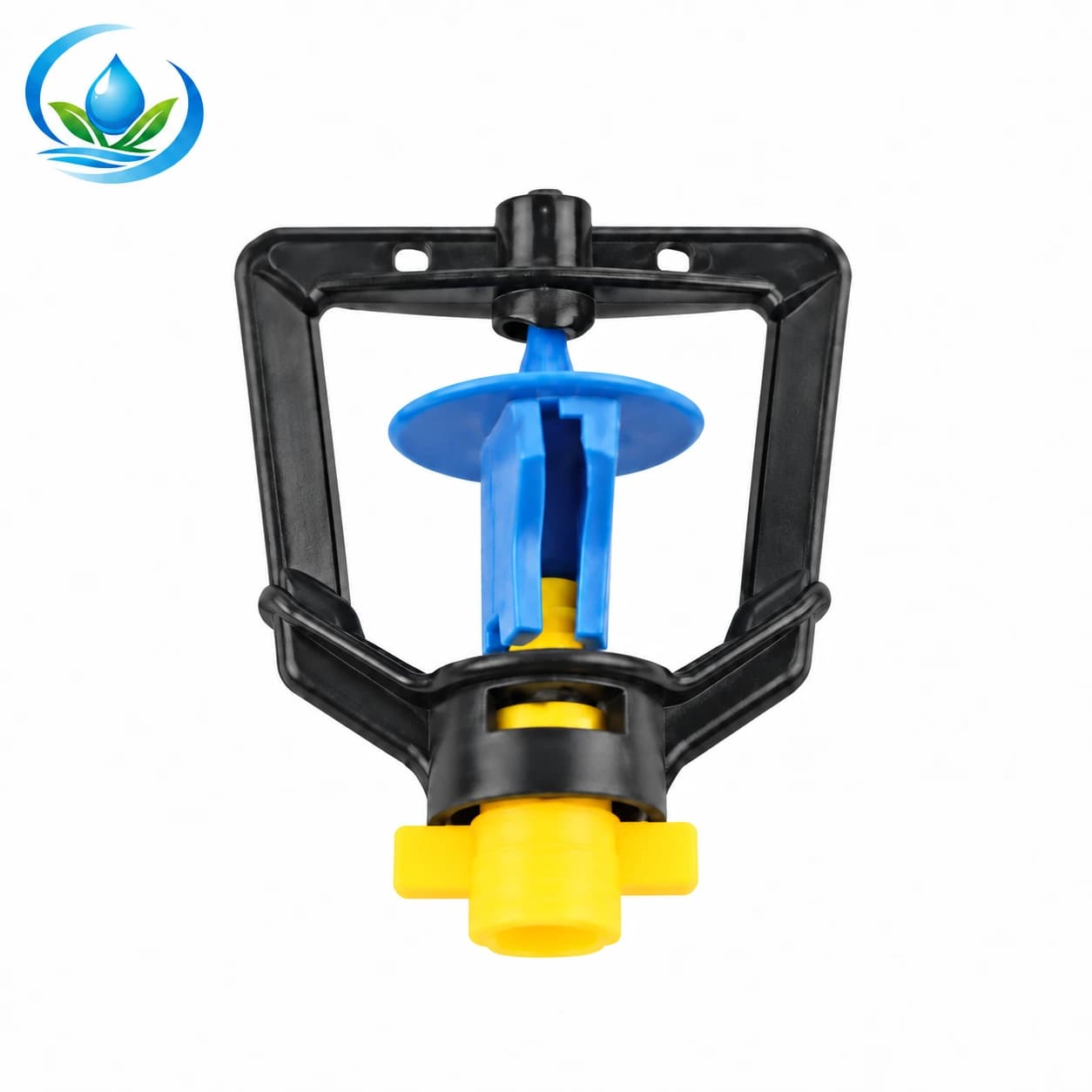
micro sprinklers
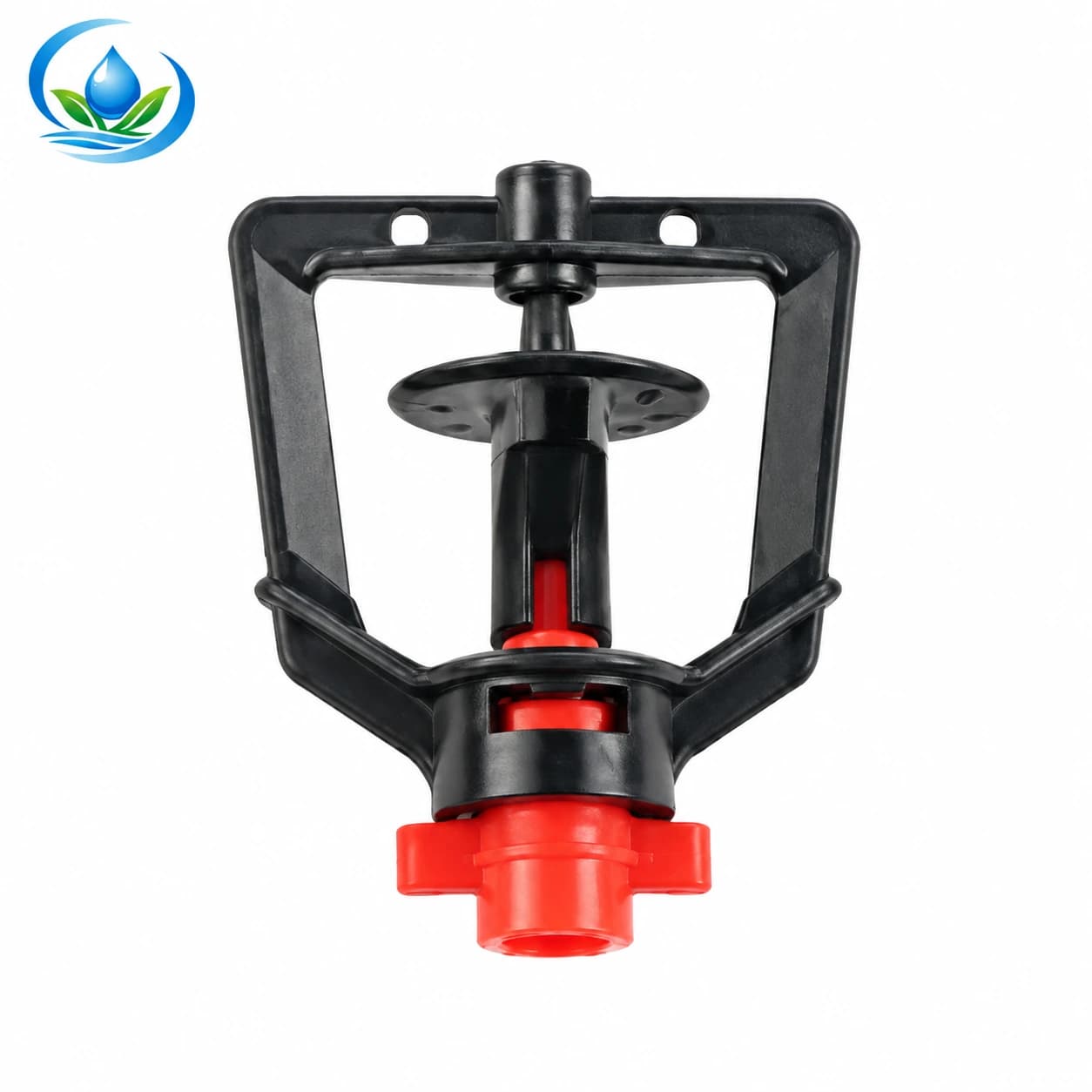
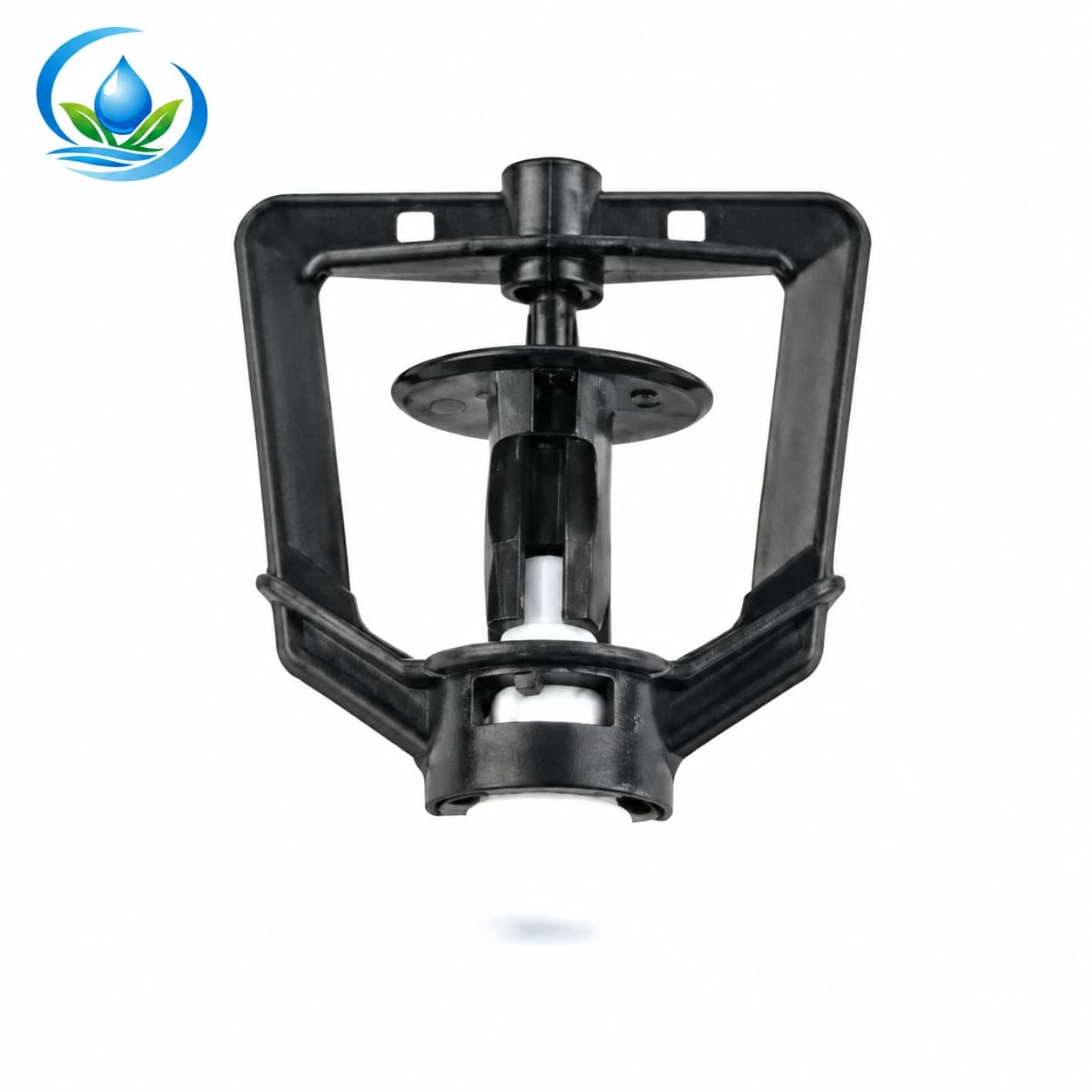
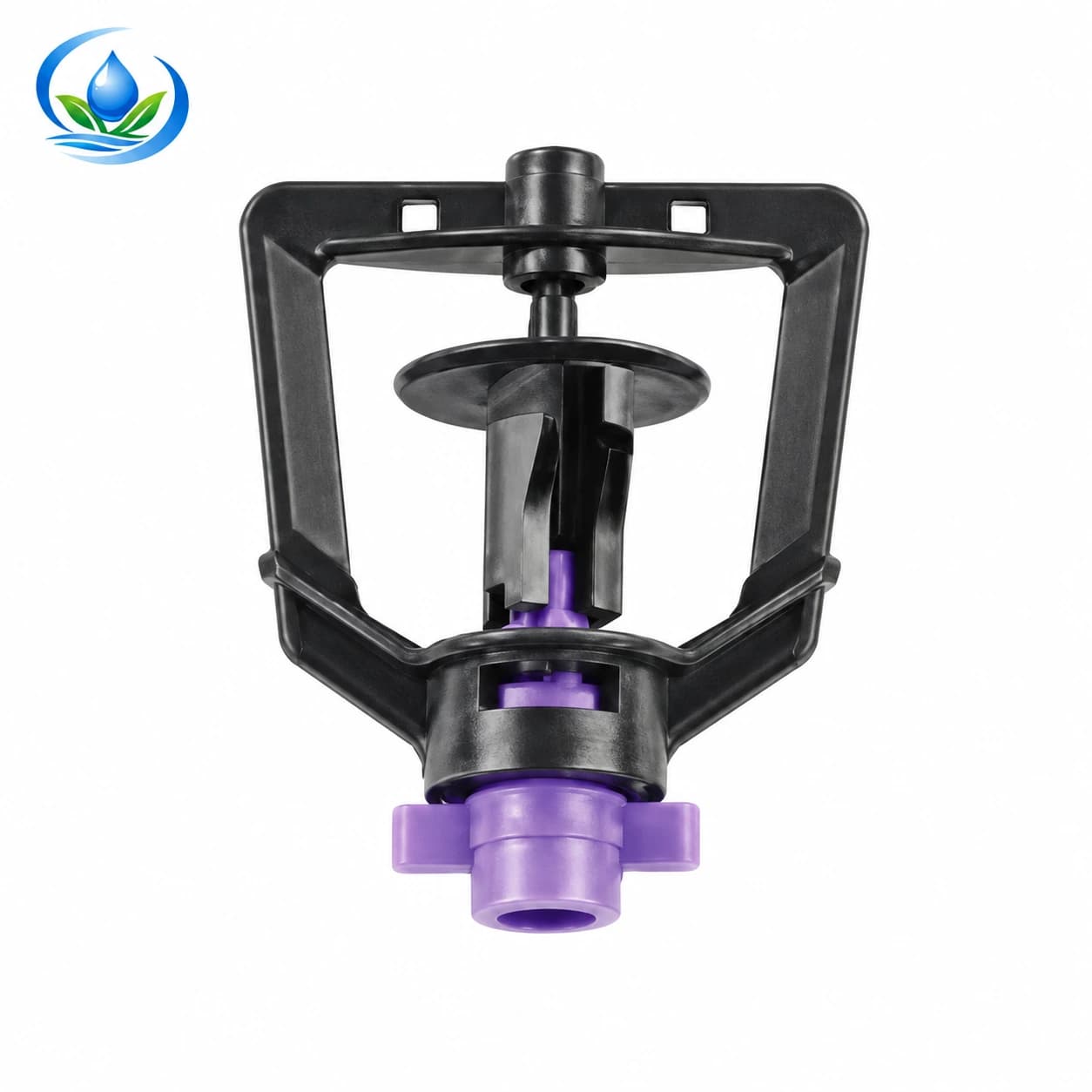
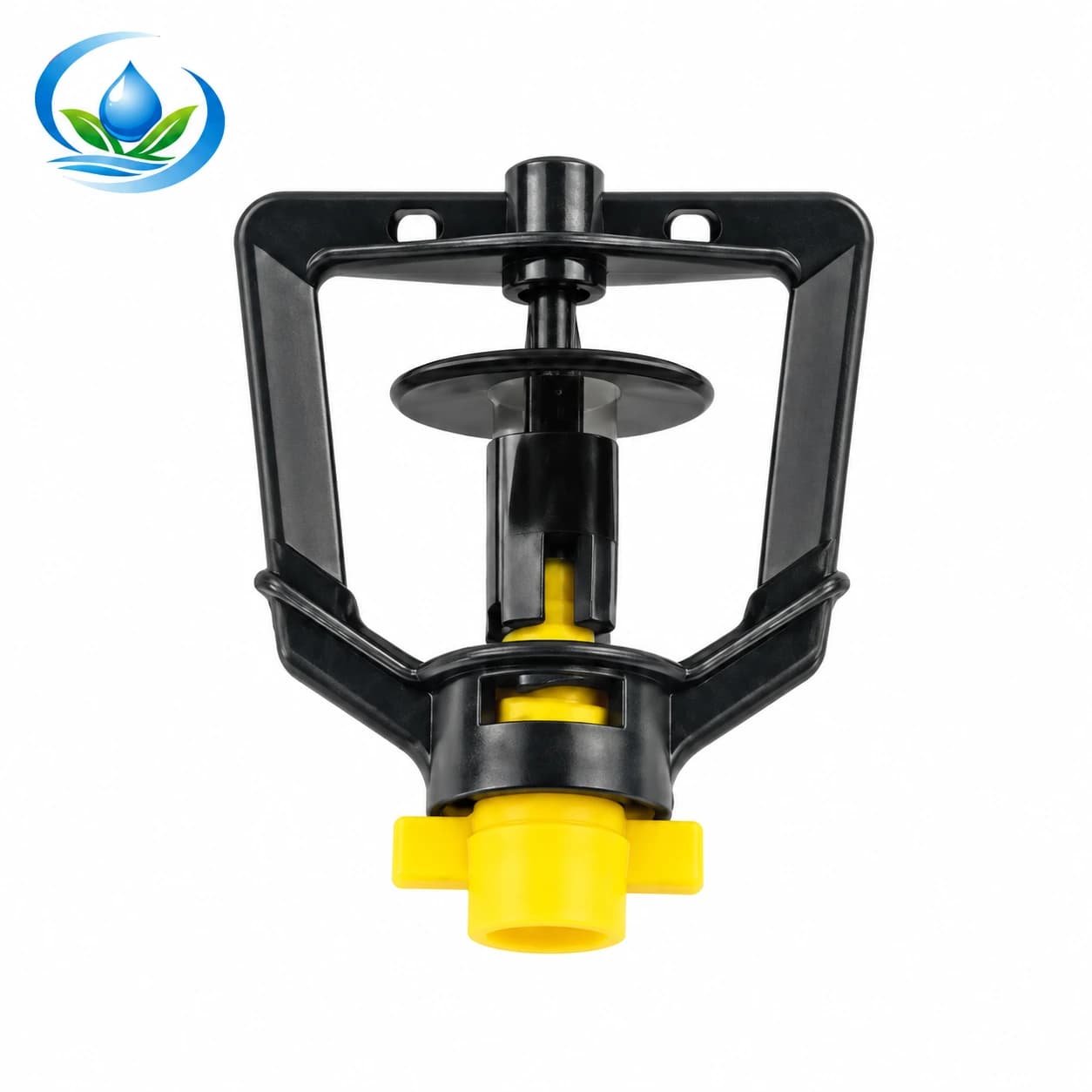
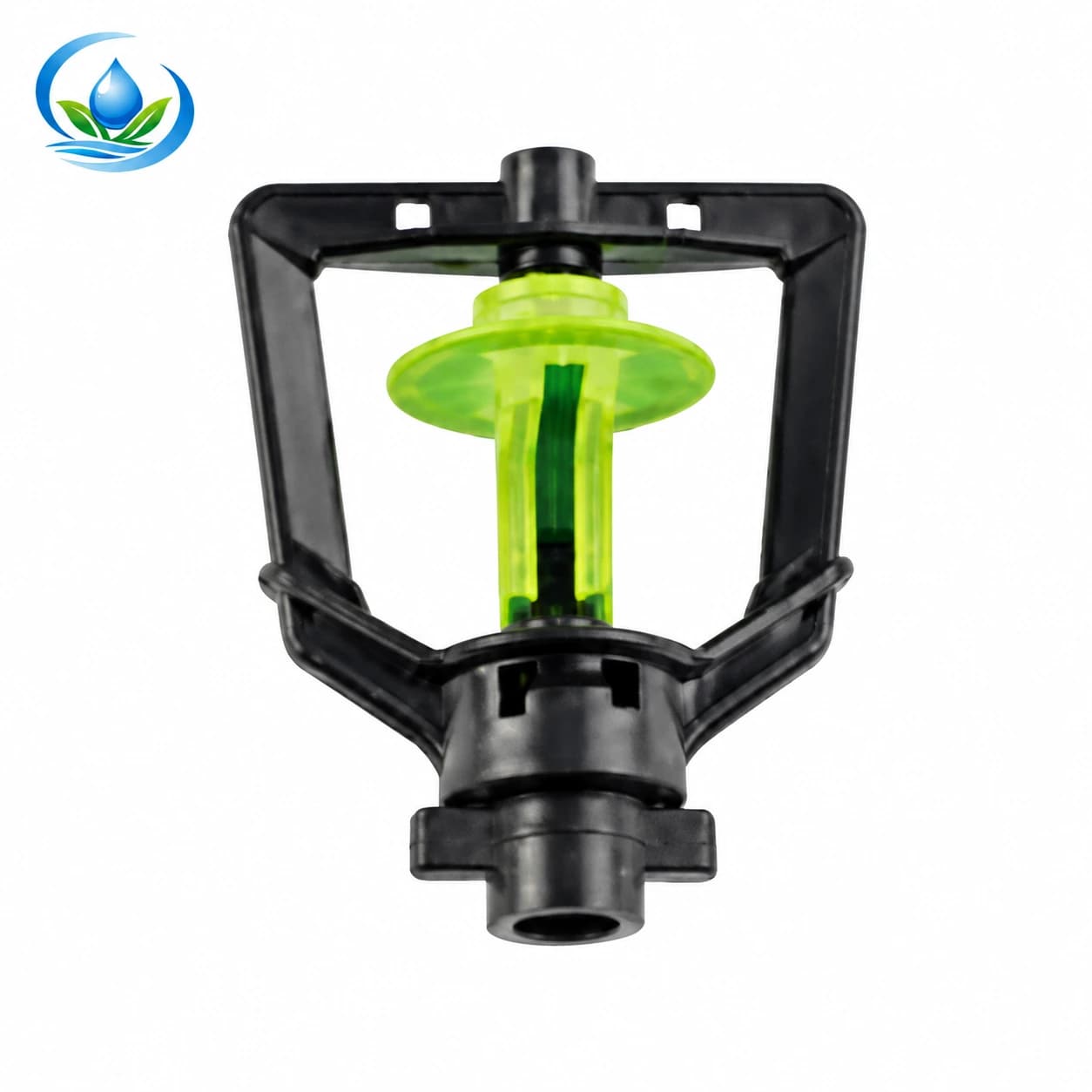
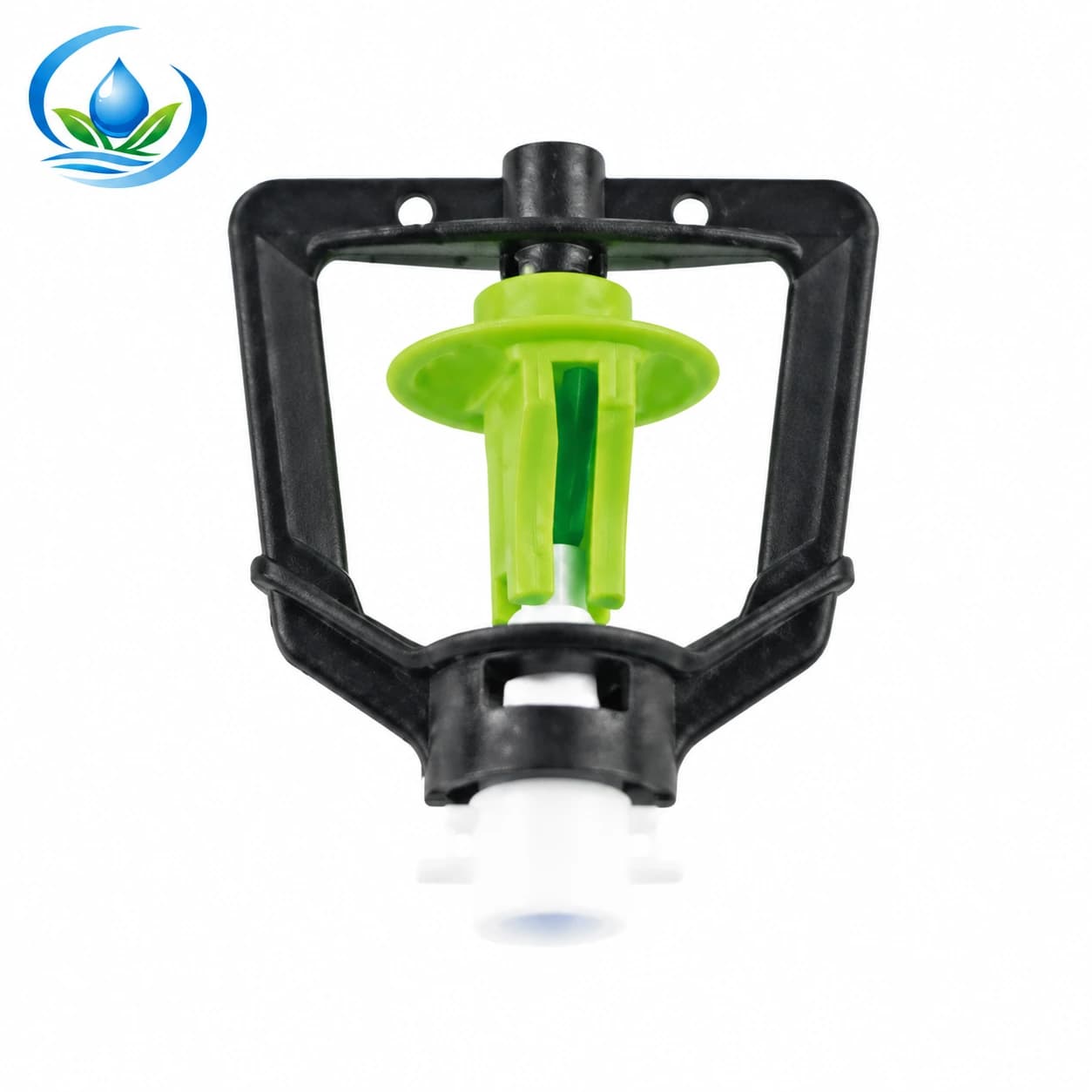
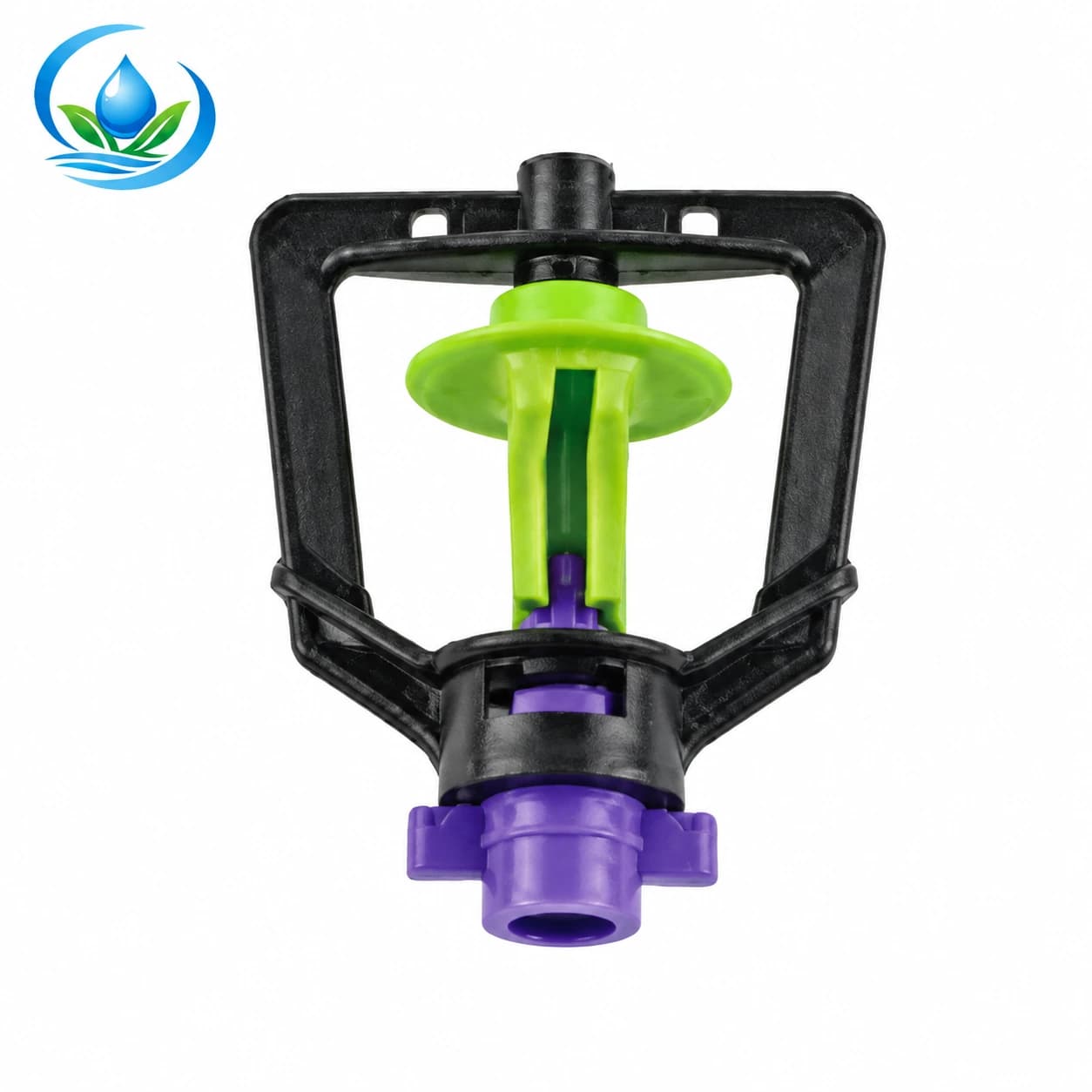
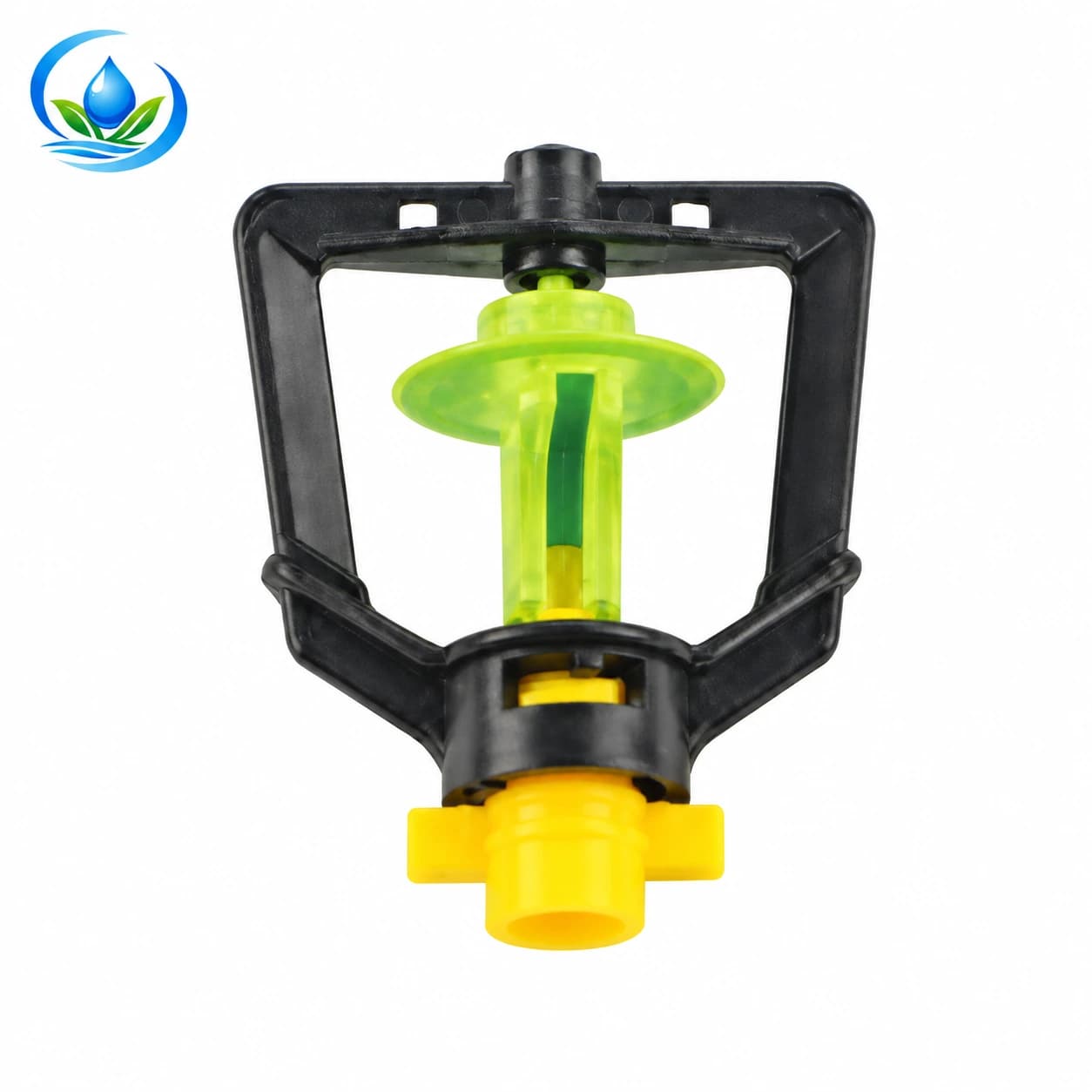
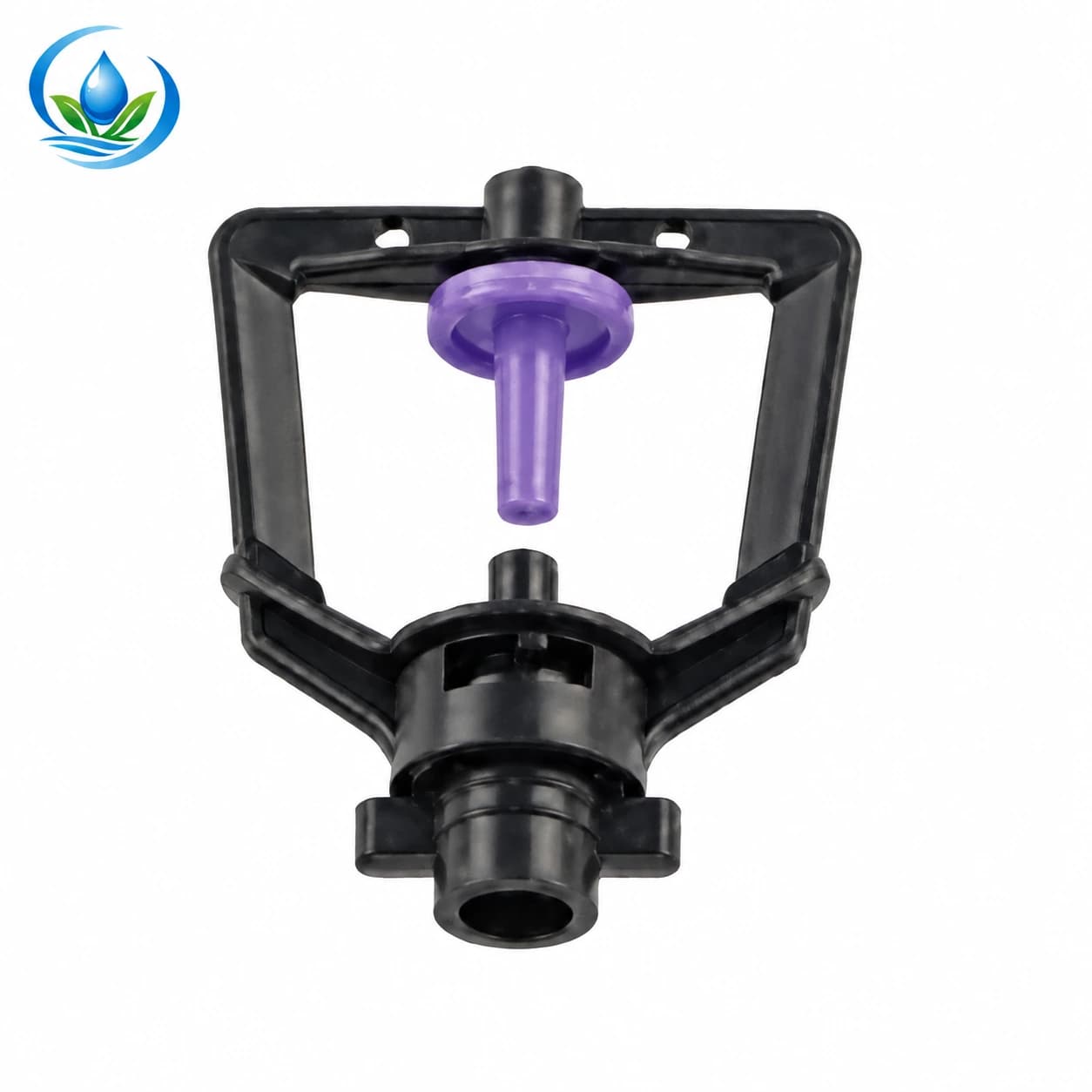
2.0 mm Hanging or Stake-Mount Rotary Irrigation Sprinkler
- Diameter
- 2.0mm
- Flow Rate
- 200L/h
- Working Pressure
- 2.0Bar
- Spraying Radius
- 4m
$0.75
Agricultural irrigation, direct to you
Explore irrigation sprinklers and micro irrigation components for fields, orchards, nurseries and greenhouses. Compare coverage, nozzle flow and pressure.
115 products
Showing 19–36
micro sprinklers
$0.75
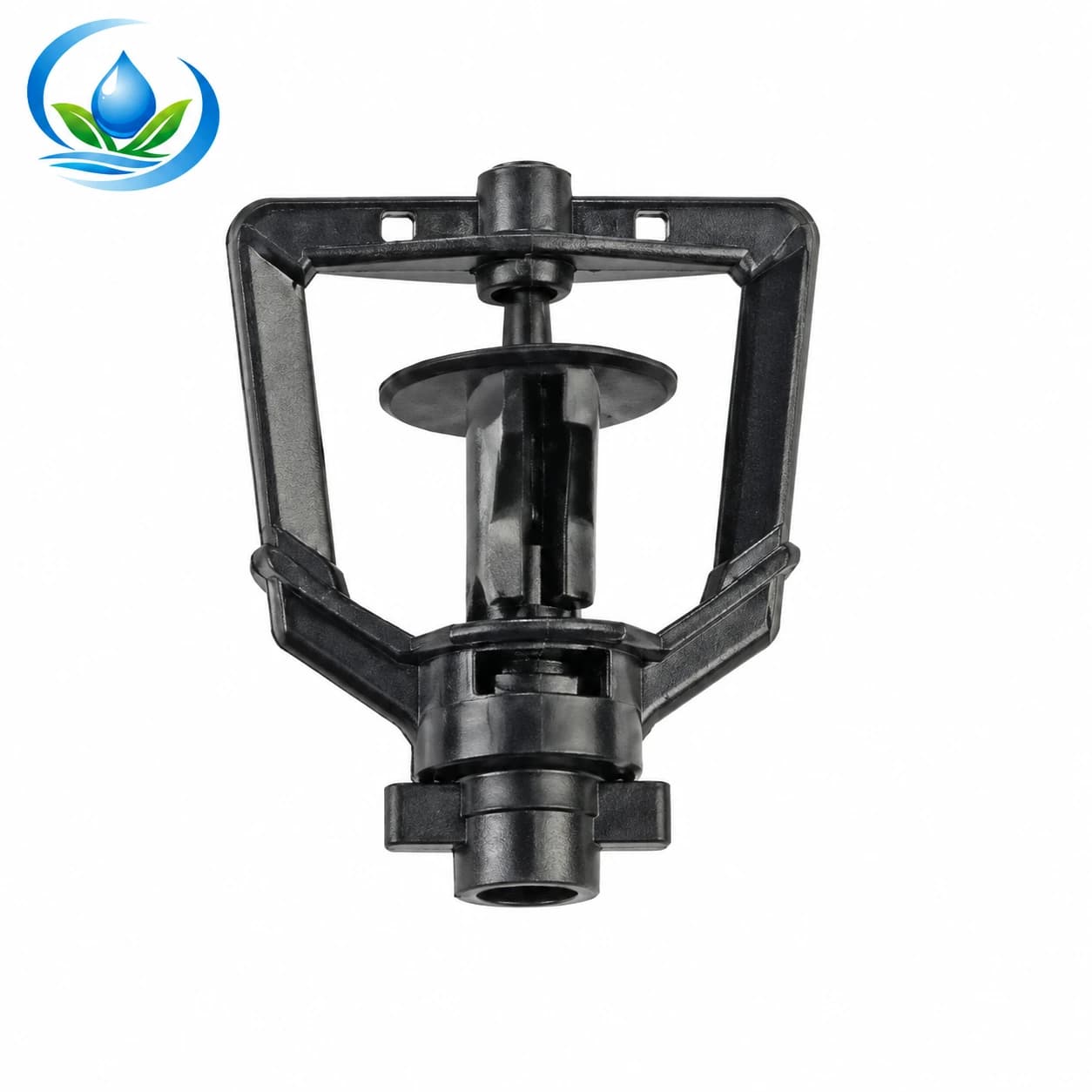
micro sprinklers
$0.75
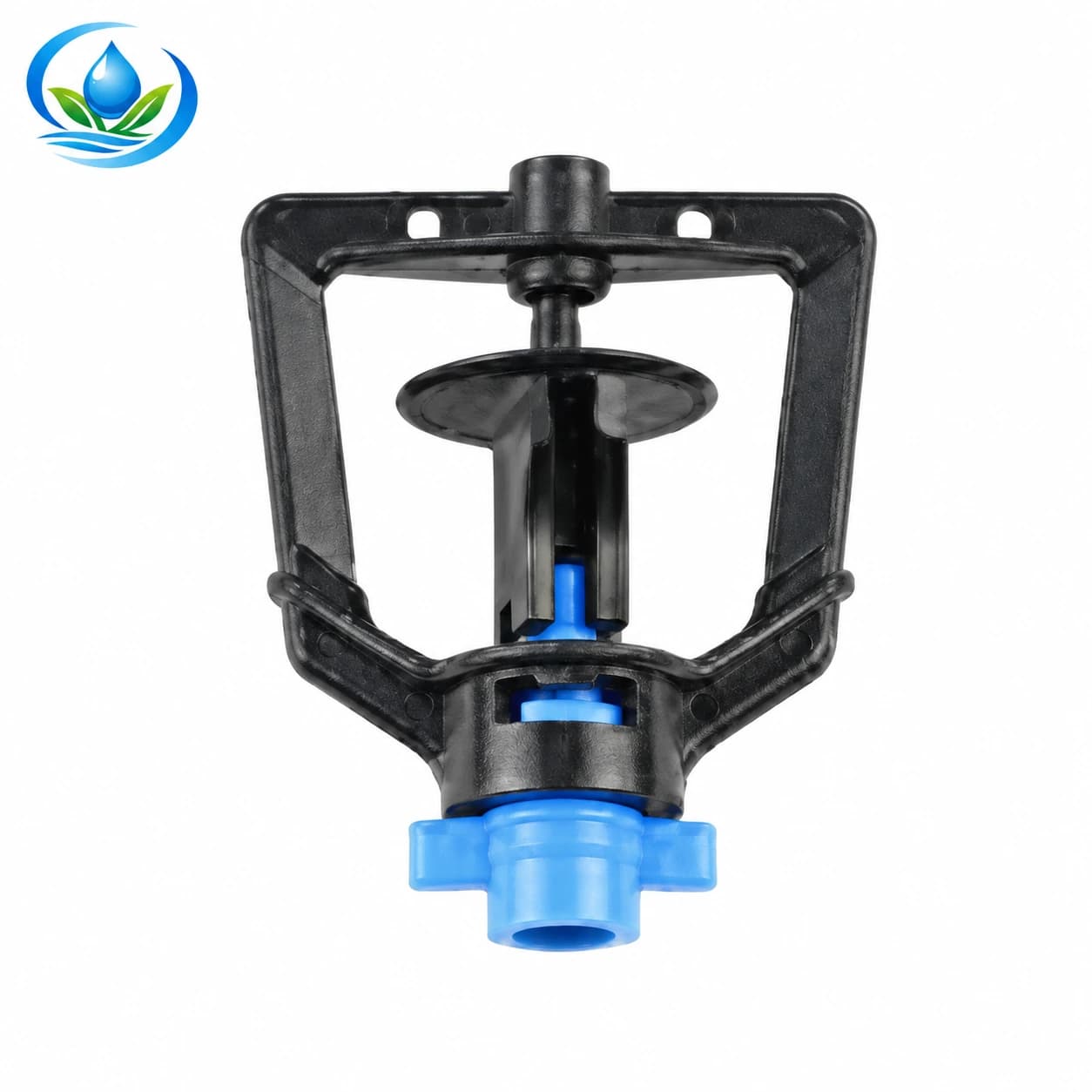
micro sprinklers
$0.75
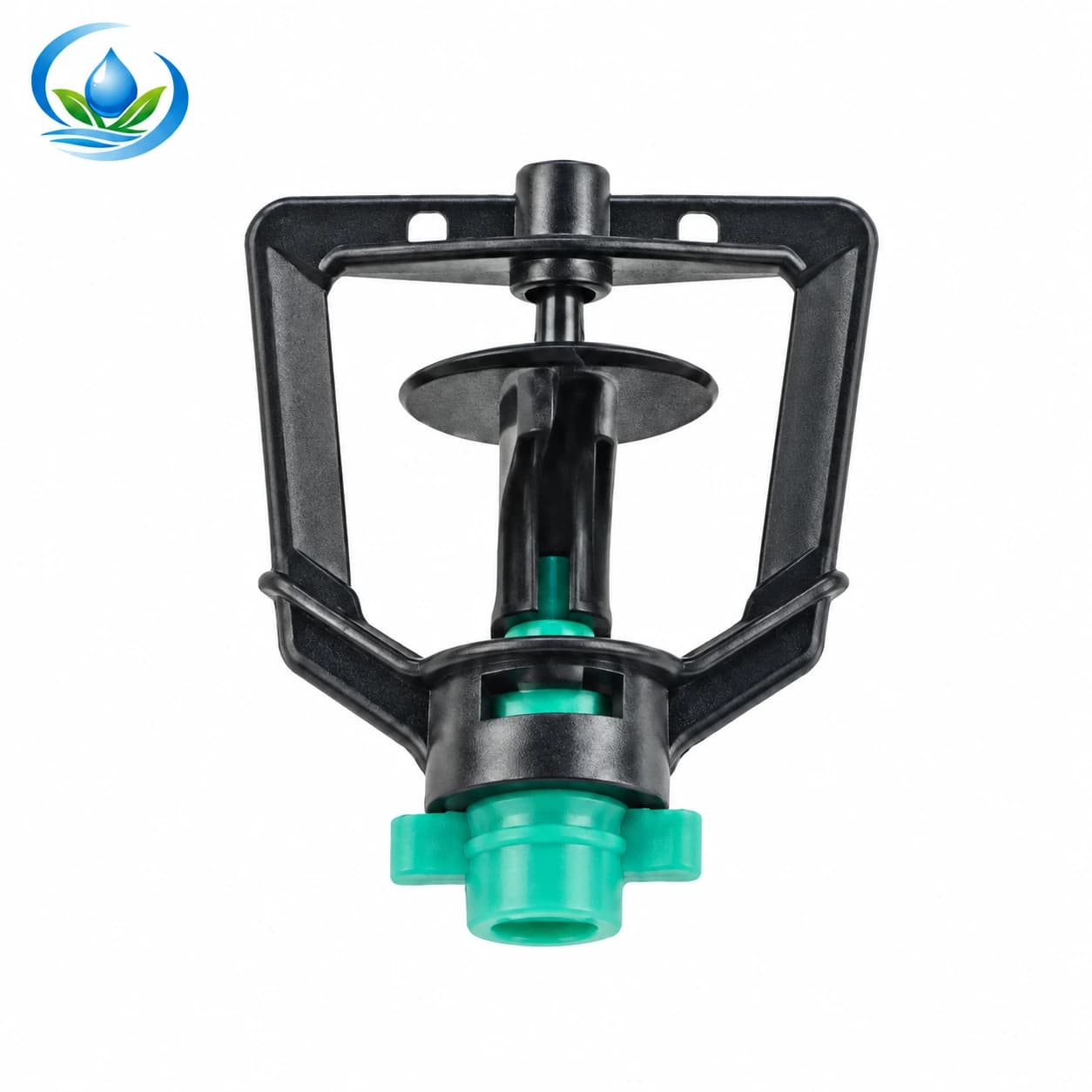
micro sprinklers
$0.75
micro sprinklers
$0.75
micro sprinklers
$0.75
micro sprinklers
$0.75
micro sprinklers
$0.75
micro sprinklers
$1.95
micro sprinklers
$1.95
micro sprinklers
$1.95
micro sprinklers
$1.95
micro sprinklers
$1.95
micro sprinklers
$1.95
micro sprinklers
$1.95
micro sprinklers
$0.23
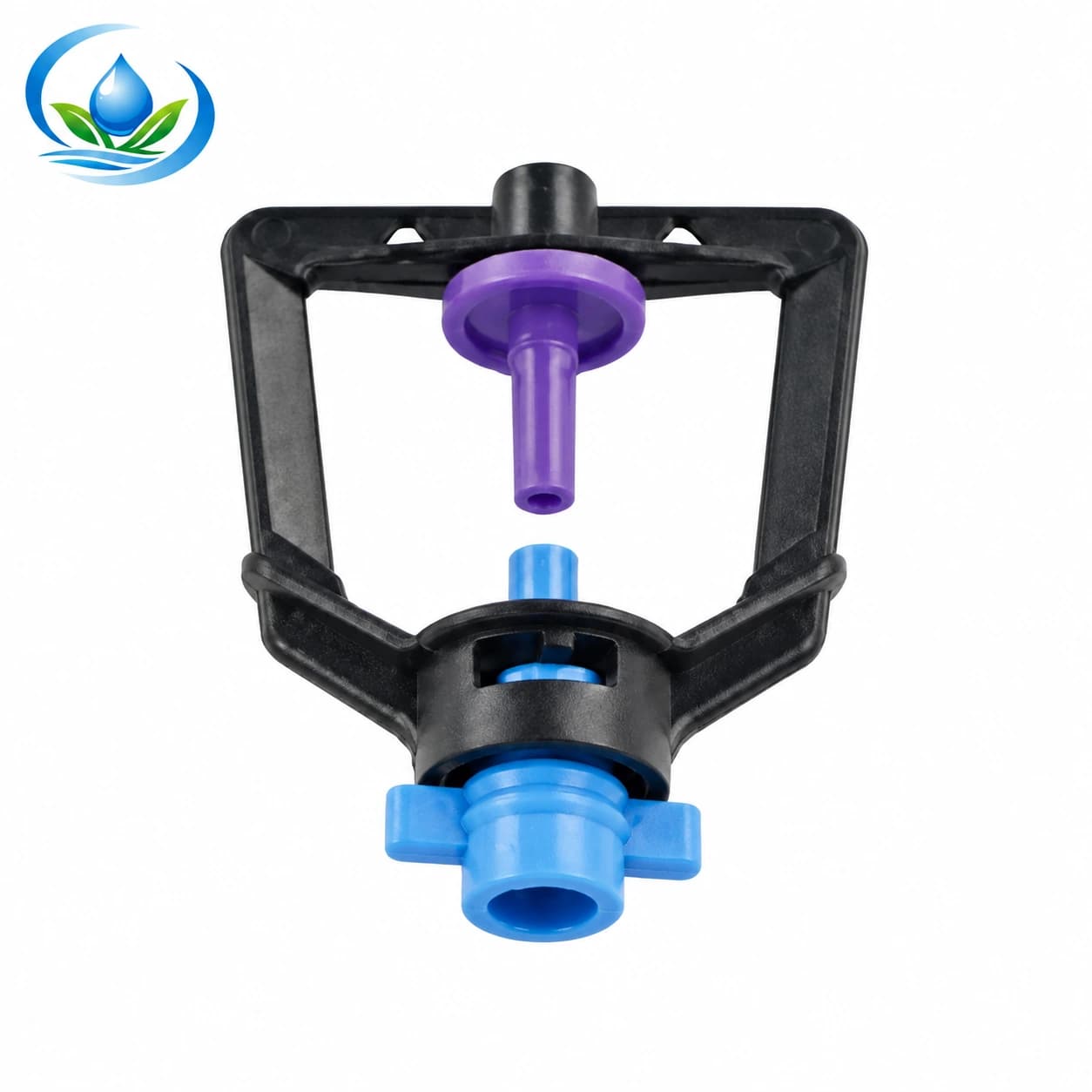
micro sprinklers
$0.23
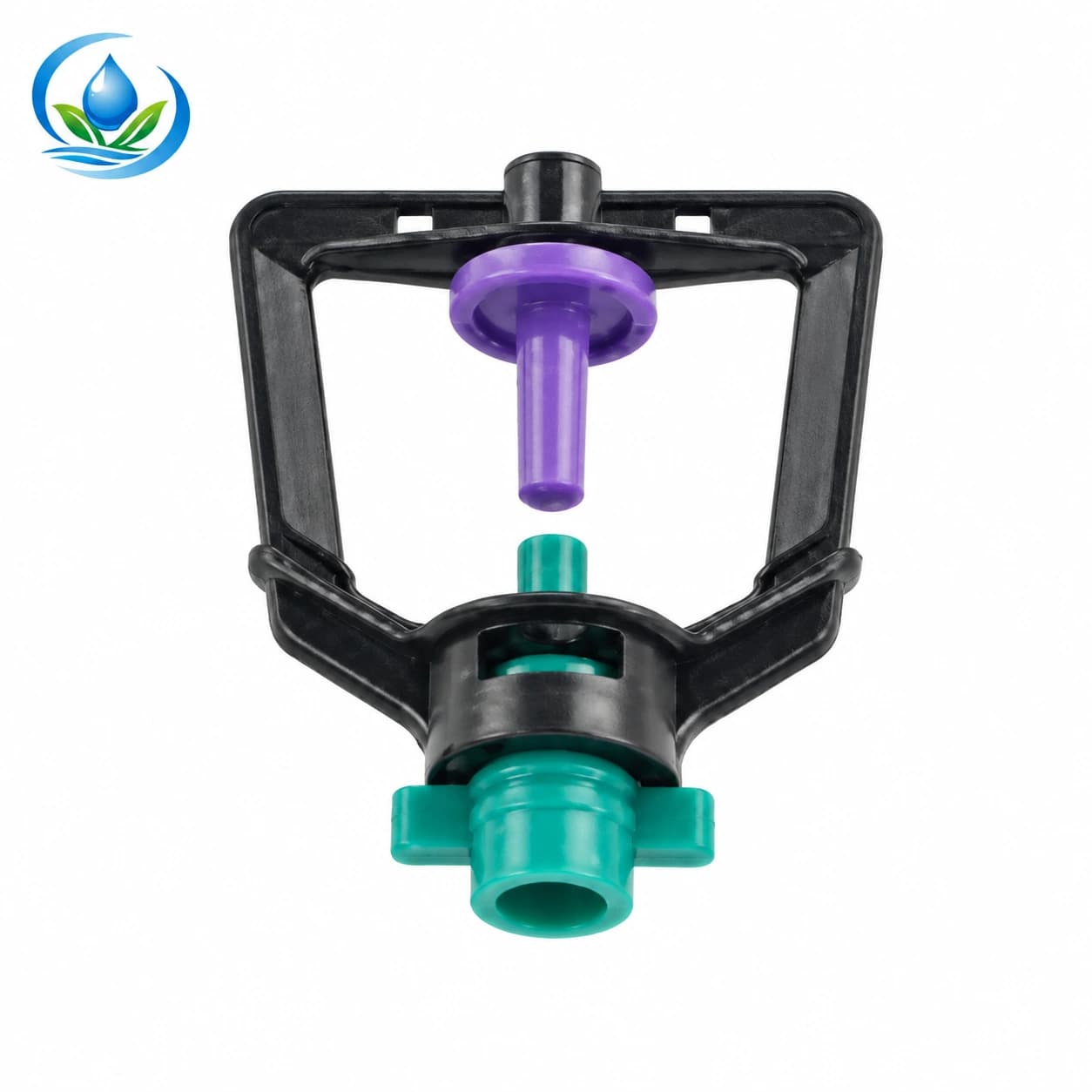
micro sprinklers
$0.23
Match your tubing diameter, connector type and water pressure before you add the finishing touches.
Field guide
Irrigation sprinklers distribute water over an area instead of at a single drip point. This category combines full-size sprinklers, micro sprinklers and misting parts, so the required wetting pattern varies widely. Micro sprinkler irrigation near young plants needs a different throw and flow from field-scale heads.
Choose by growing area, desired spray radius, nozzle flow and available pressure. Confirm the mounting style, inlet connection and filtration needs for each model. If the crop should stay dry above ground, compare the relevant drip categories before selecting overhead application.

Irrigation sprinklers cover an area with spray, from a field sprinkler's larger throw to a micro sprinkler's localized orchard pattern. A greenhouse bench, young tree row and open field each need a different wetted diameter and application rate. Decide whether leaves should be wetted and account for wind, obstructions and head spacing before comparing hardware. The listed parts span several scales and are not one ready-made system.
Pressure forces water through a nozzle and forms droplets; head geometry determines the spray pattern. Flow and throw change with nozzle and pressure, while overlaps between adjacent patterns affect uniformity. Micro sprinkler irrigation usually targets a smaller area and lower flow than field heads. A catalog radius is a starting specification, not proof of coverage in a windy field.
A micro irrigation system can place small sprays near a plant or wet a broader root zone than one dripper. Compare nozzle discharge, wetted diameter and wind exposure with the crop spacing before combining different outlets in one zone.
Check nozzles for blockage and compare pressure at the first and last head. Observe the pattern in normal wind conditions, not only on a calm bench test. Relevel tilted stakes and protect exposed connections from damage. A dry strip may mean poor overlap, low pressure or a blocked nozzle, so identify the cause before increasing run time.
Lay out heads for the required overlap and check the manufacturer's working-pressure and spacing range. Build the supply and riser connections with compatible parts, flush the line, fit the nozzles, then run the zone and adjust coverage while checking pressure at the most distant head.
Add the rated flow of the chosen heads at their operating pressure, then compare it with the supply after pipe, filter and elevation losses.
Technical reference: USDA NRCS, National Engineering Handbook: Microirrigation. Use the selected product manual and local requirements for final design.