
Valves
Compare drip irrigation valves, offtake valves and irrigation ball valve options for zone control. Match connection size and pressure.
Valves
44 products
Showing 37–44
valves
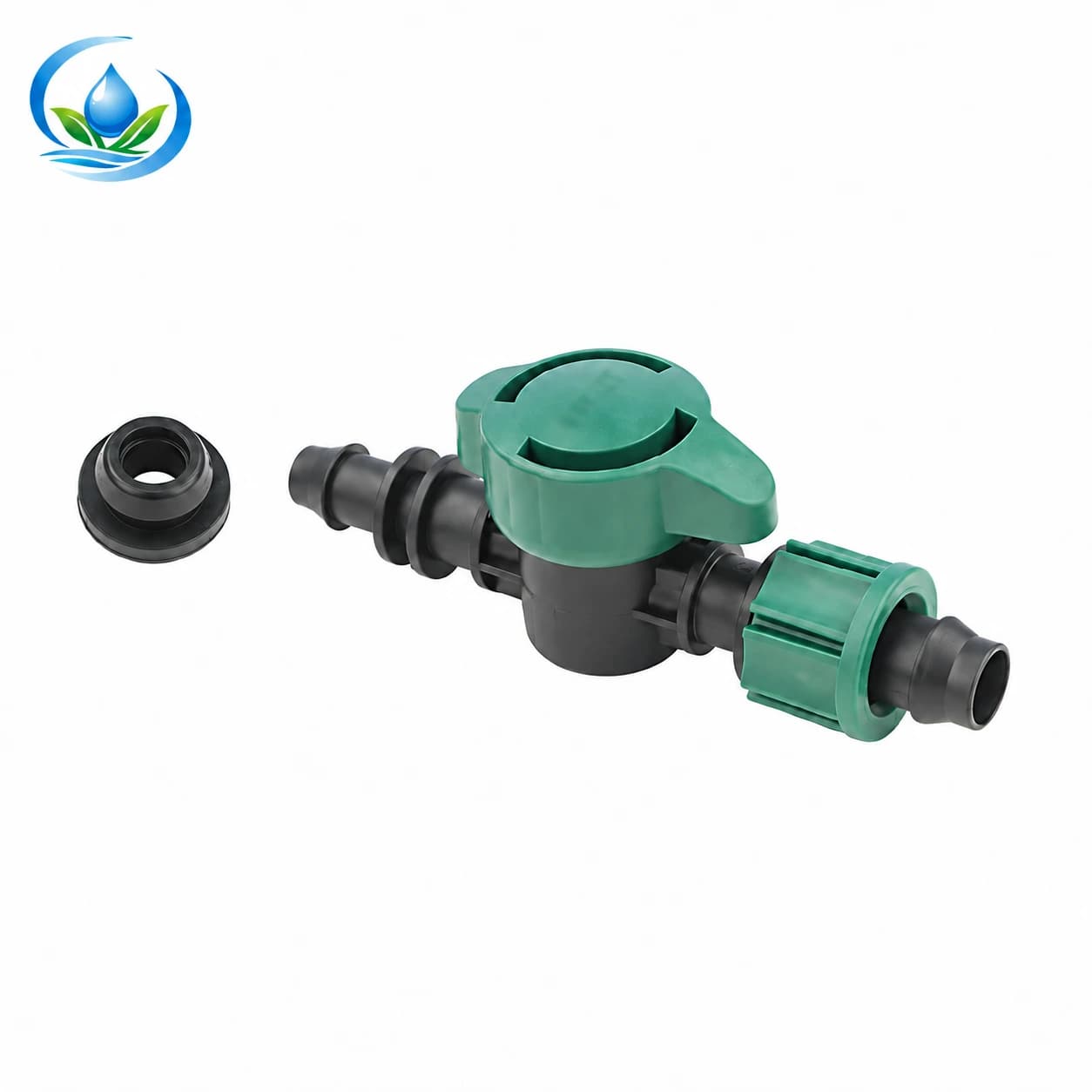
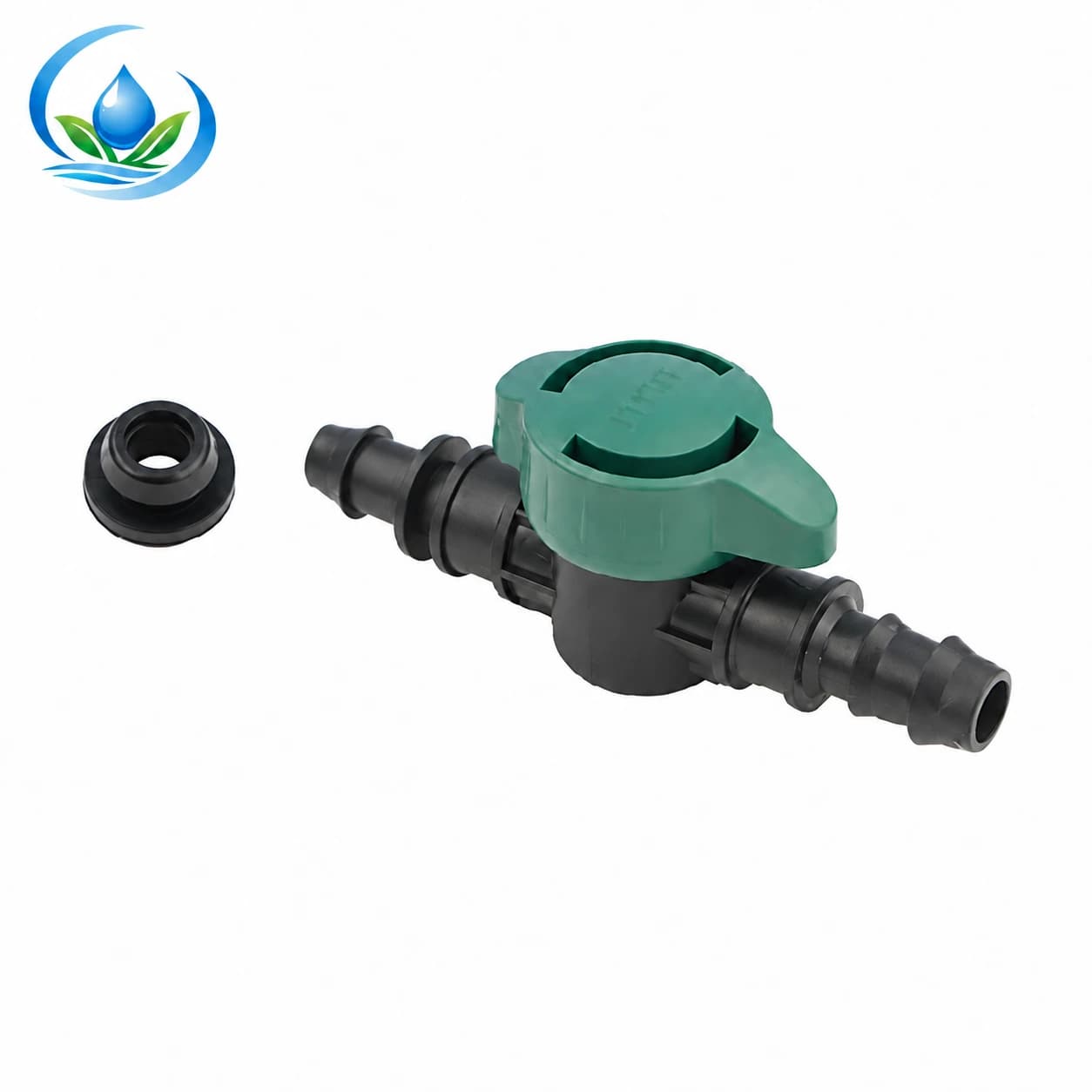
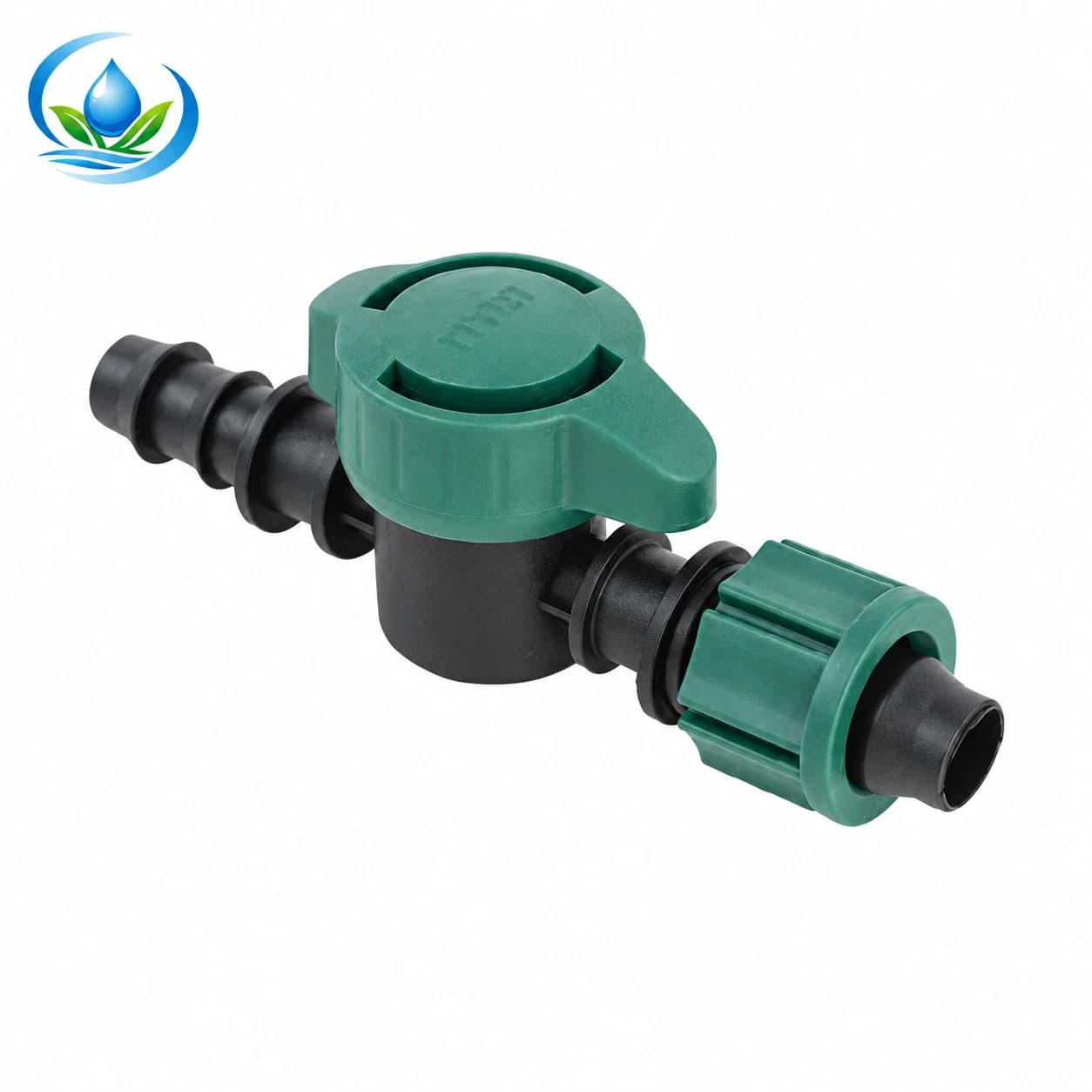
Barb Takeoff Valve for Drip Irrigation (IrriNex)
- Available connection sizes
- 16 mm / 20 mm / 25 mm
Out of stock
View details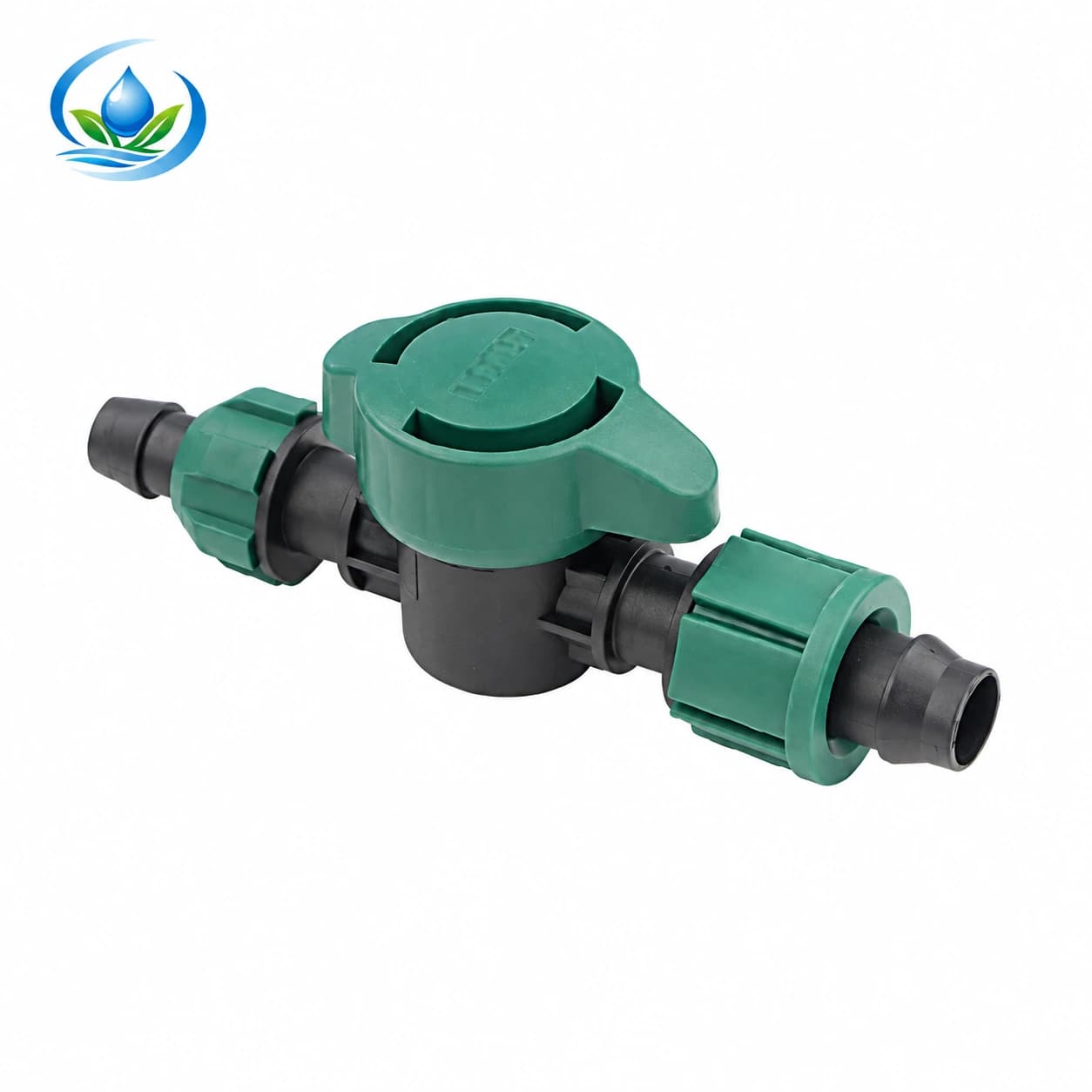
valves
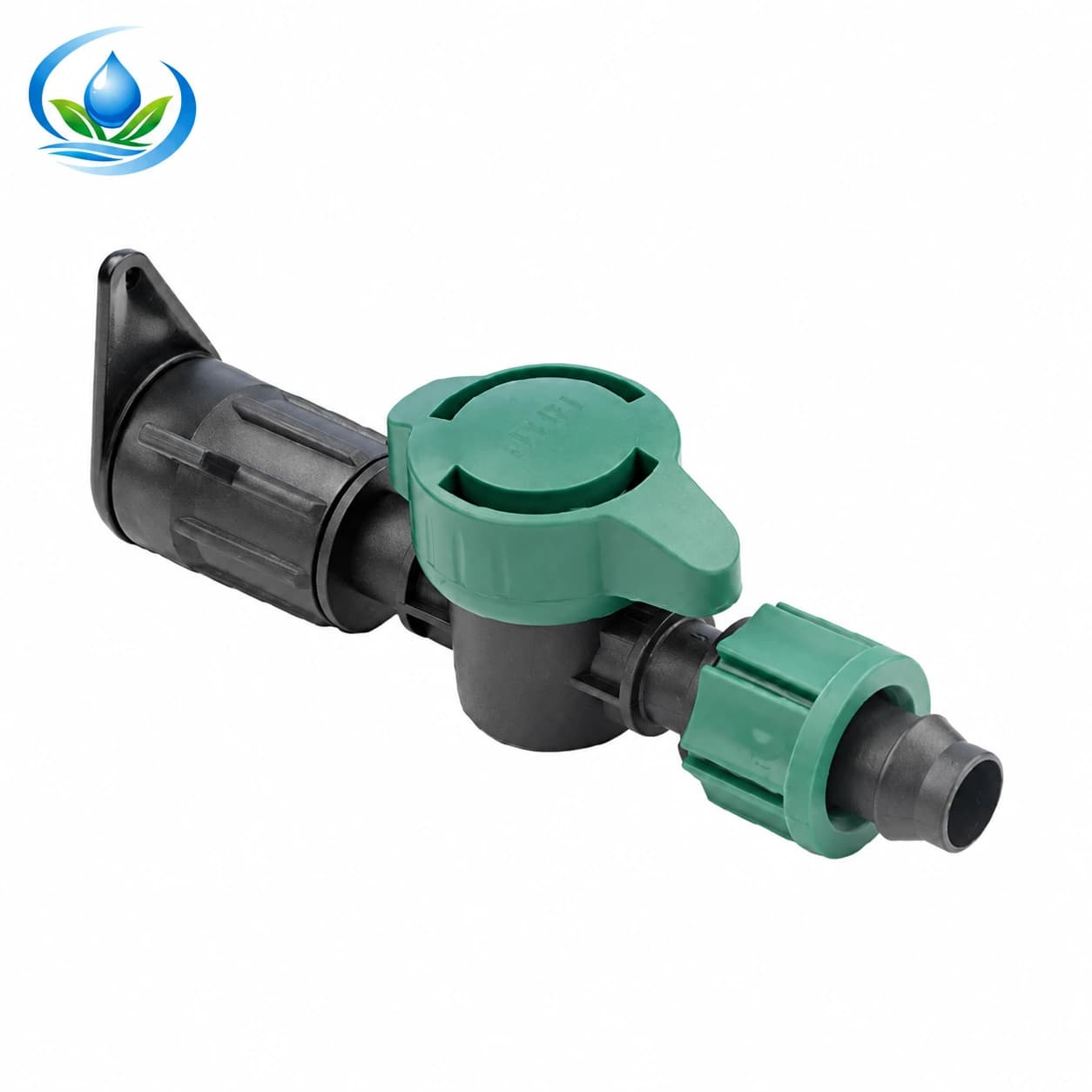
Takeoff Valve for Drip Tape (IrriNex)
- Available connection sizes
- 16 mm / 20 mm
Out of stock
View details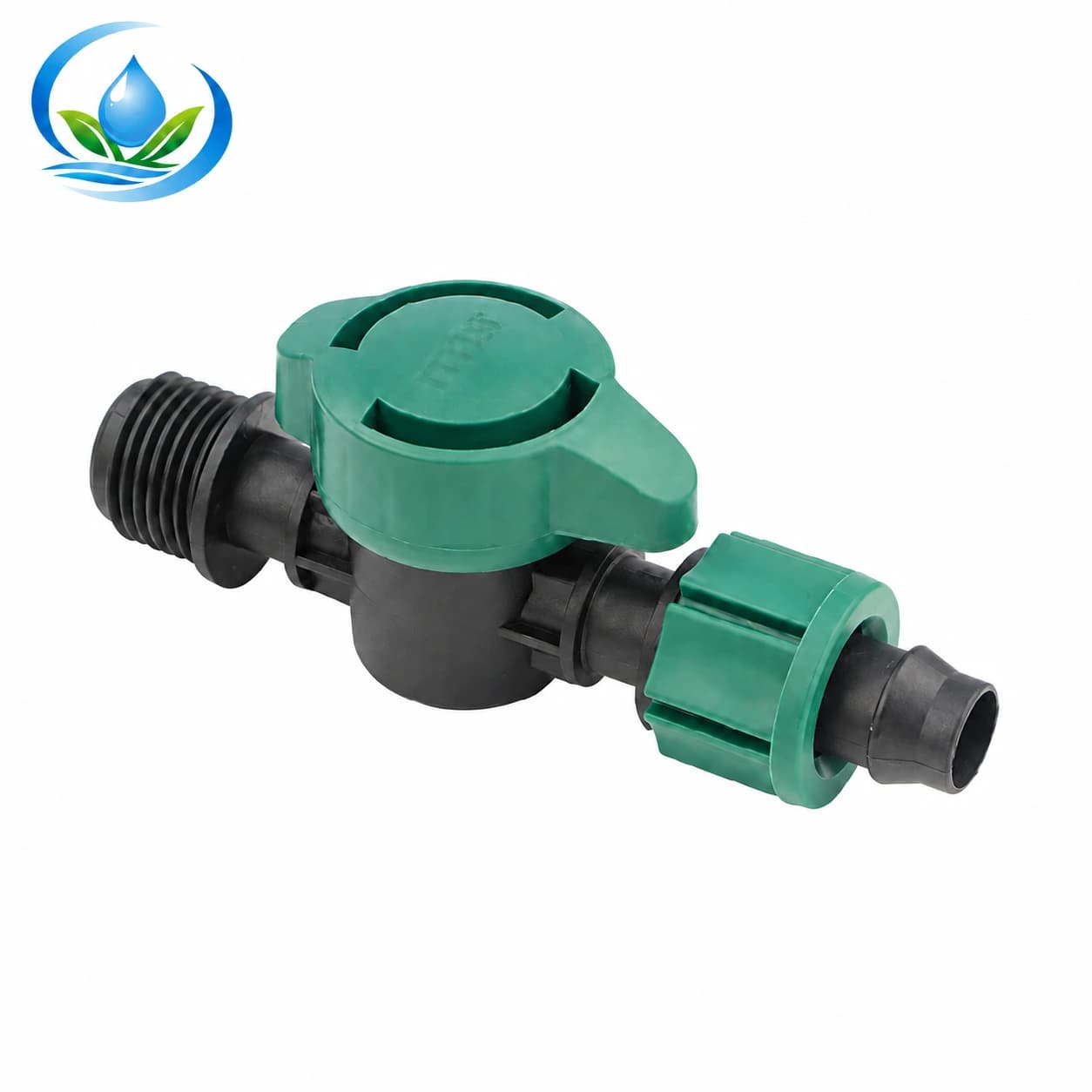
valves
Locking Male Thread Valve for Drip Tape (IrriNex)
- Available connection sizes
- 16 × 1/2" / 16 × 3/4" / 20 × 1/2" / 20 × 3/4"
Out of stock
View details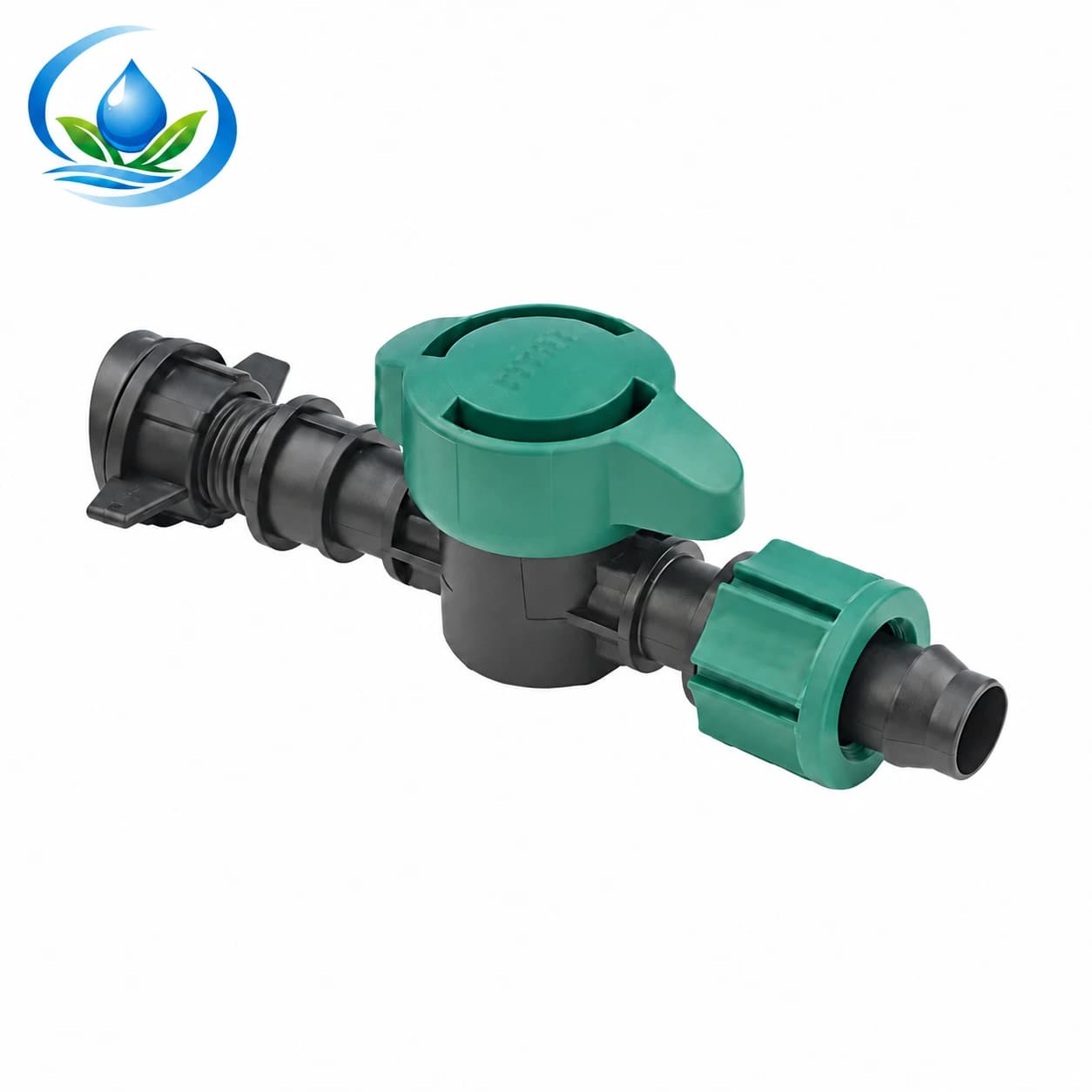
valves
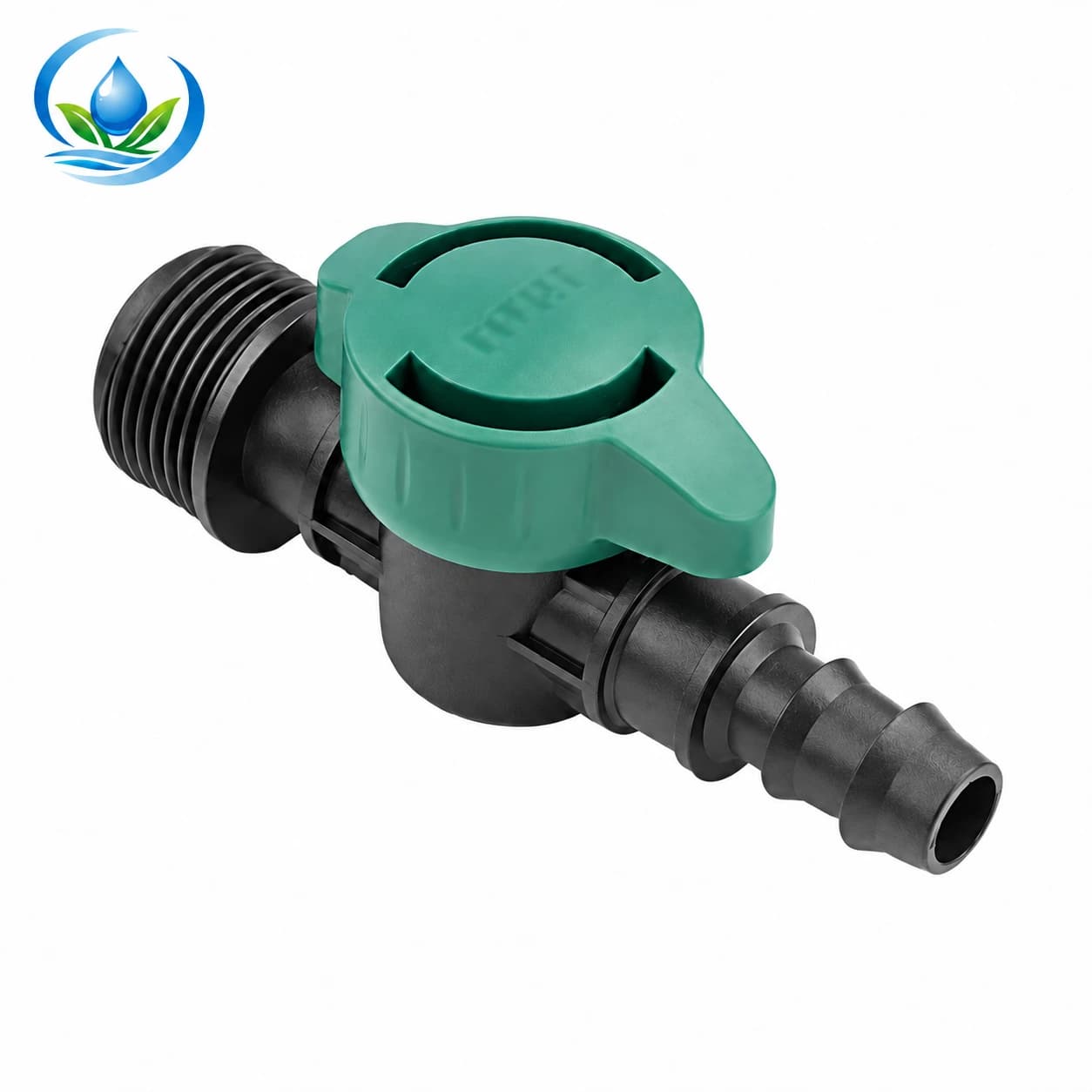
Barb Male Thread Valve for Drip Irrigation (IrriNex)
- Available connection sizes
- 16 × 1/2" / 16 × 3/4" / 20 × 1/2" / 20 × 3/4" / 25 × 3/4"
$1.13
Check compatibility before ordering
Match your tubing diameter, connector type and water pressure before you add the finishing touches.
Field guide
Guide to valves
Drip irrigation valves let growers isolate laterals, branches or a main zone for operation and maintenance. An irrigation ball valve is commonly used for manual shutoff, while small inline or offtake valves serve narrower tubing connections. Select the valve function before comparing handle or body shape.
Check thread or barb size, flow direction where marked and the model's working pressure. Leave access for operation and cleaning, and verify that the selected valve does not restrict the intended zone flow.
Where and when to use it
Drip irrigation valves allow one crop block to run while another remains closed. A manual irrigation ball valve can isolate a filter or branch; a solenoid valve may be used where a compatible controller runs the zone. Do not assume that an item listed as a valve also regulates pressure or prevents backflow. Put valve locations on the field plan where an operator can reach them.
How it works
Closing a valve interrupts flow through its rated passage; opening it restores the supply. A full-port design, if specified, may have less restriction than a reduced passage of the same nominal size. Automatic valves require the correct voltage, pressure range and control arrangement. Seals and threads must suit water quality and the operating environment.
A solenoid valve for irrigation needs a controller output and a compatible coil; an irrigation air release valve serves a separate air-management function and should only be selected where the hydraulic design calls for it. This category includes differing valve types, so check the actual item rather than treating the terms as interchangeable.
How to plan and install it
- Define the zone flow and pressure, and select the correct valve function and size.
- Check thread or socket standard and leave straight, supported pipe where the maker requires it.
- Install with the indicated flow direction and allow room to open the handle or service the actuator.
- Flush the pipe, test shutoff and leakage, then label the controlled zone.
Operation and maintenance
Operate manual valves gently; forcing a stiff handle may break it rather than clear sediment. Check around unions and stems for leaks. In an automated zone, inspect electrical connections and verify opening and closing at the valve. Record which valve isolates each branch before maintenance or winter draining.
Common questions
How to replace irrigation valve?
Isolate power and water, relieve pressure, and document flow direction, port size and wiring before removing the old valve. Install a replacement with the correct pressure, flow, connection and coil specification, then flush debris, restore the supply and test the zone for leaks and shutoff.
Can a drip irrigation valve be automated?
Only if that model supports a suitable actuator or solenoid and matches the controller, power and pressure requirements.
Technical reference: USDA NRCS, National Engineering Handbook: Microirrigation. Use the selected product manual and local requirements for final design.