
Bypass & Offtake Valves
Find irrigation bypass valve and offtake options for branching or isolating a system line. Check flow direction and connection size.
Bypass & Offtake Valves
16 products
Showing 1–16
valves
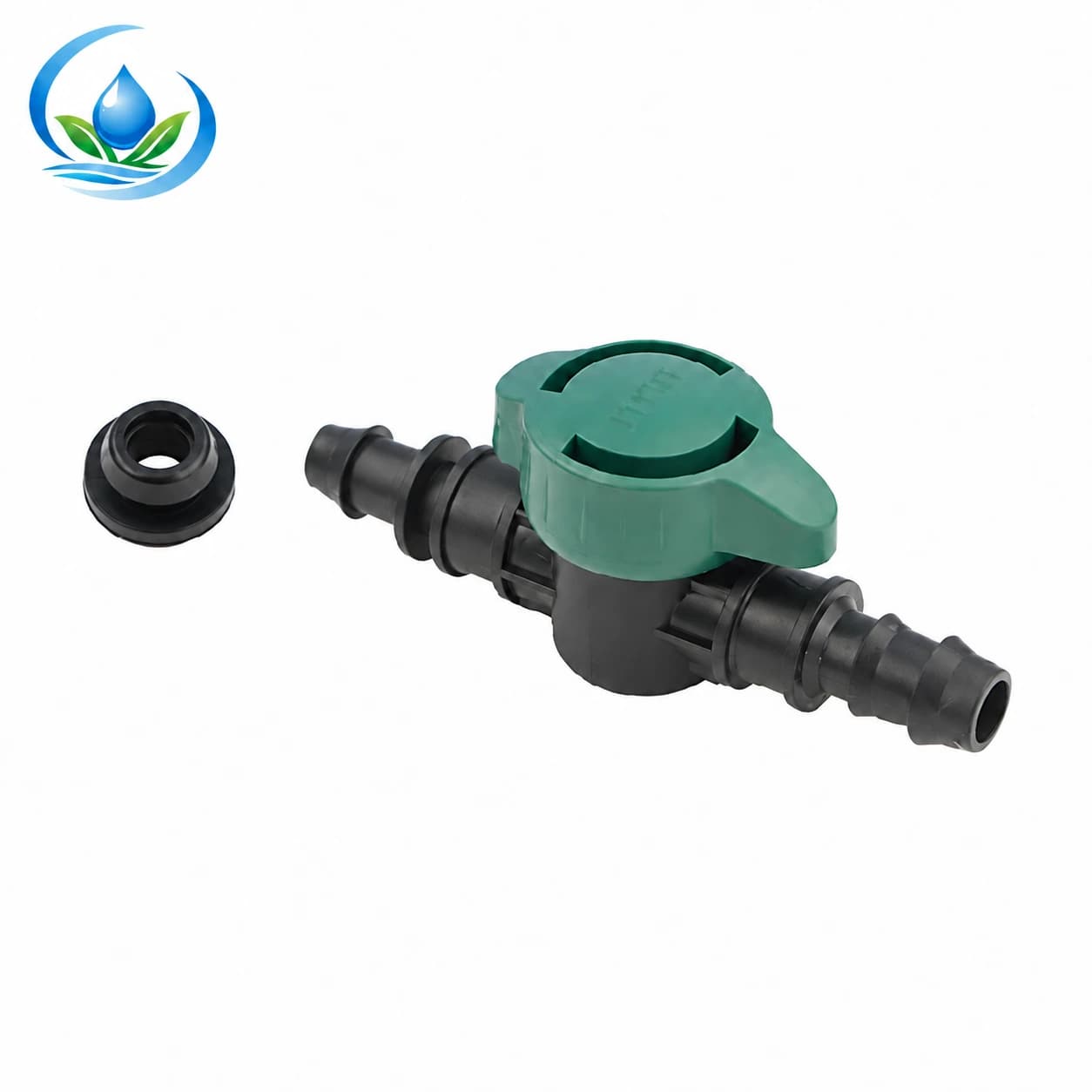
Locking Ring Takeoff Valve (40–63mm) for Drip Irrigation
40 mm / 50 mm / 63 mm
Out of stock
View details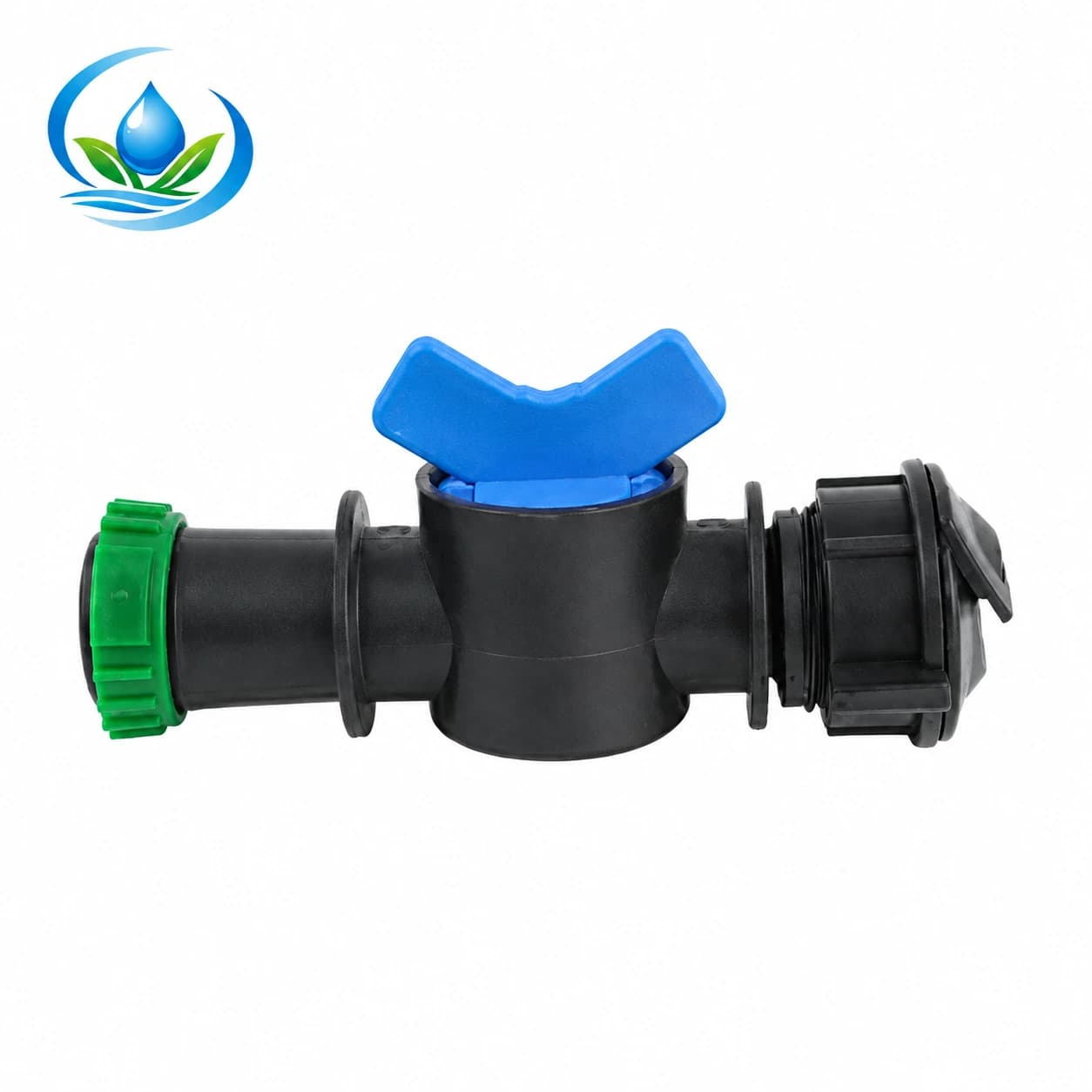
valves
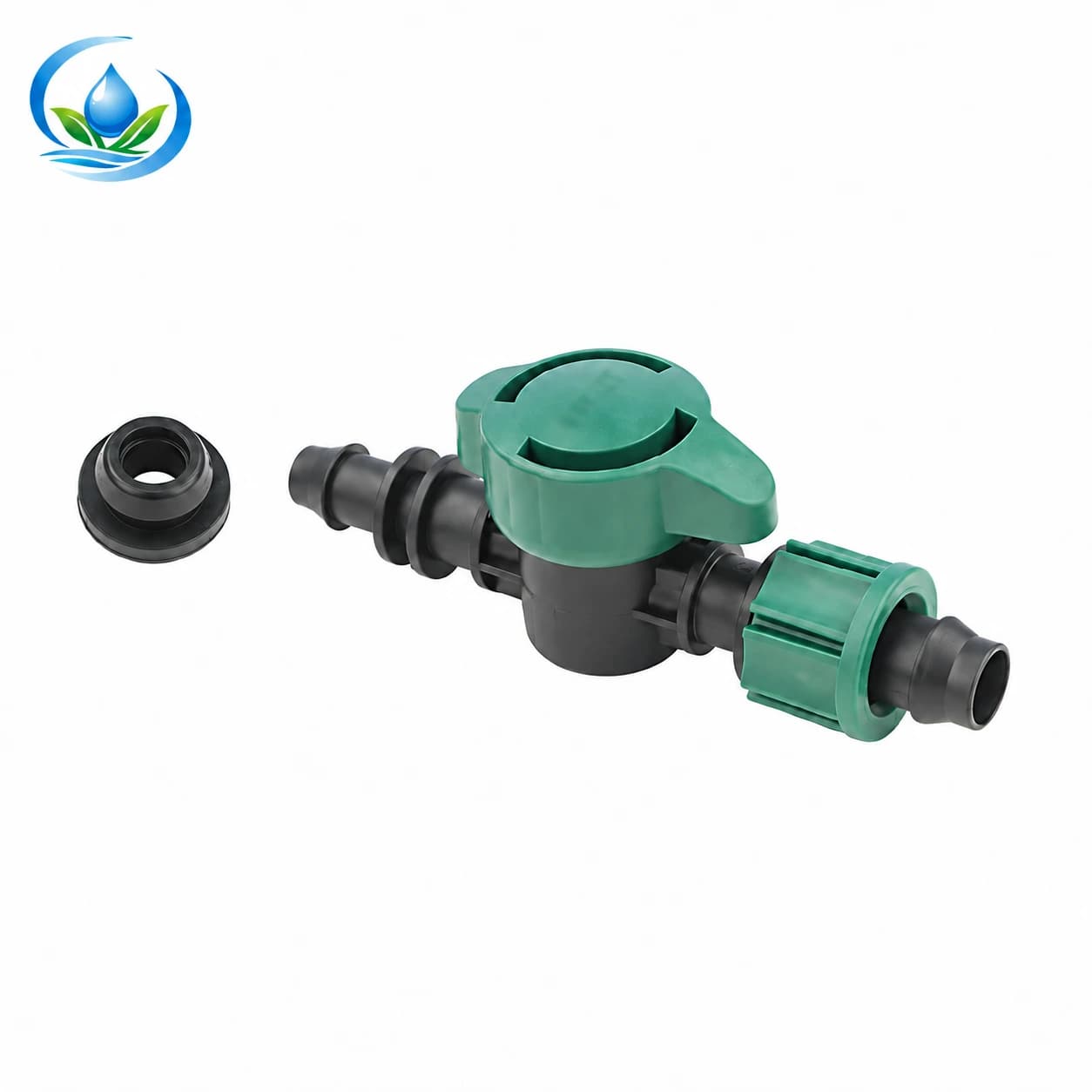
Locking Ring Takeoff Valve (25–32mm) for Drip Irrigation
25 mm / 28 mm / 32 mm
Out of stock
View details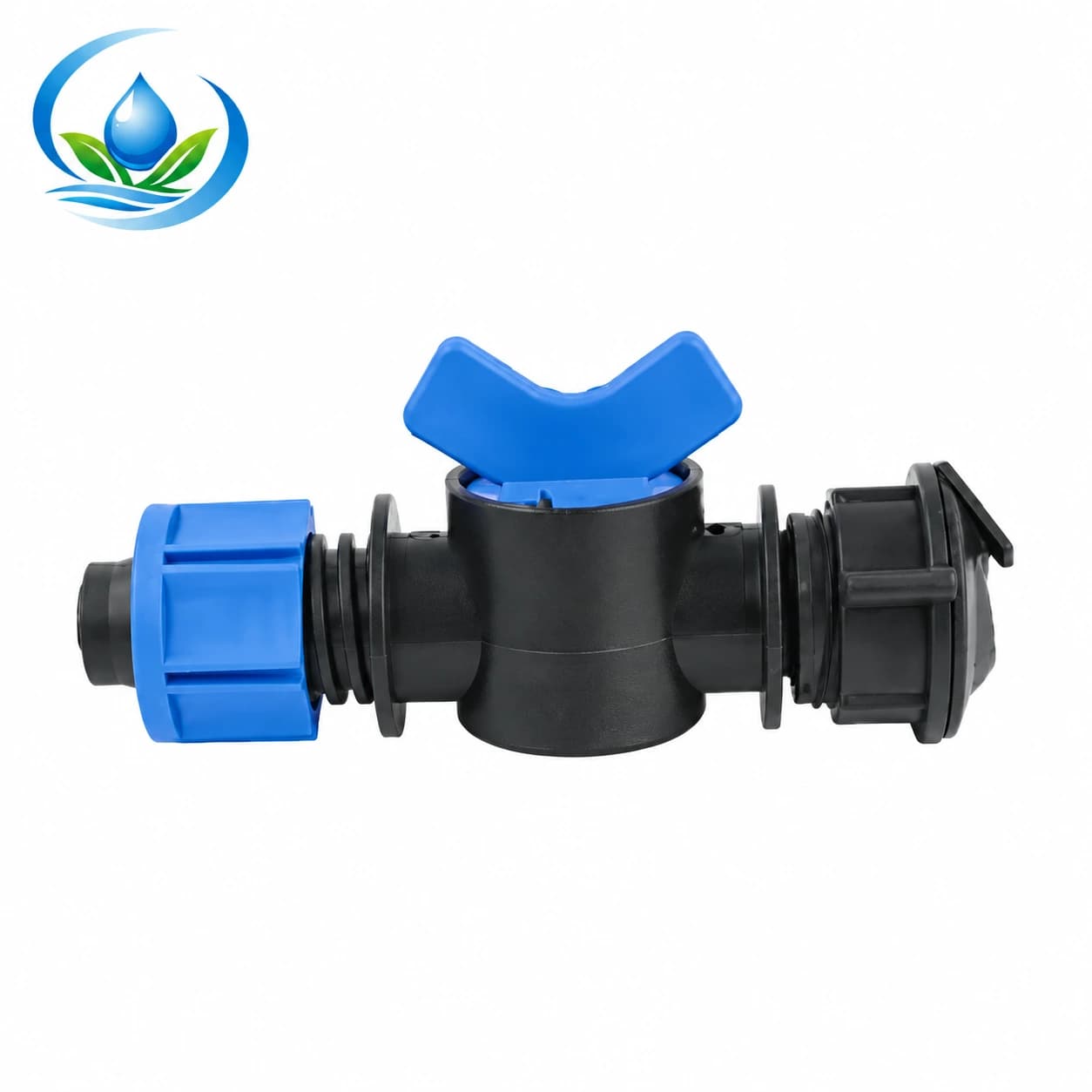
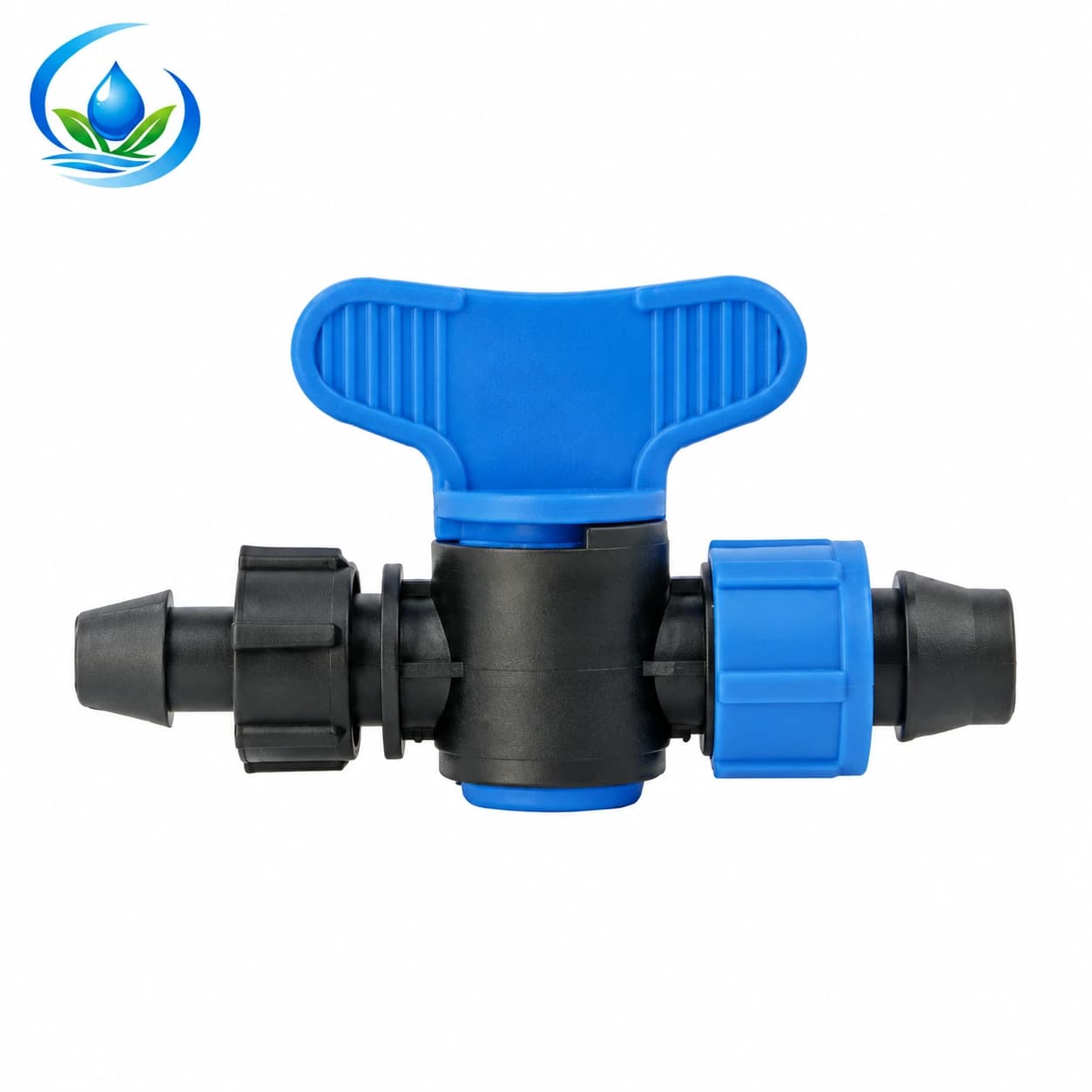
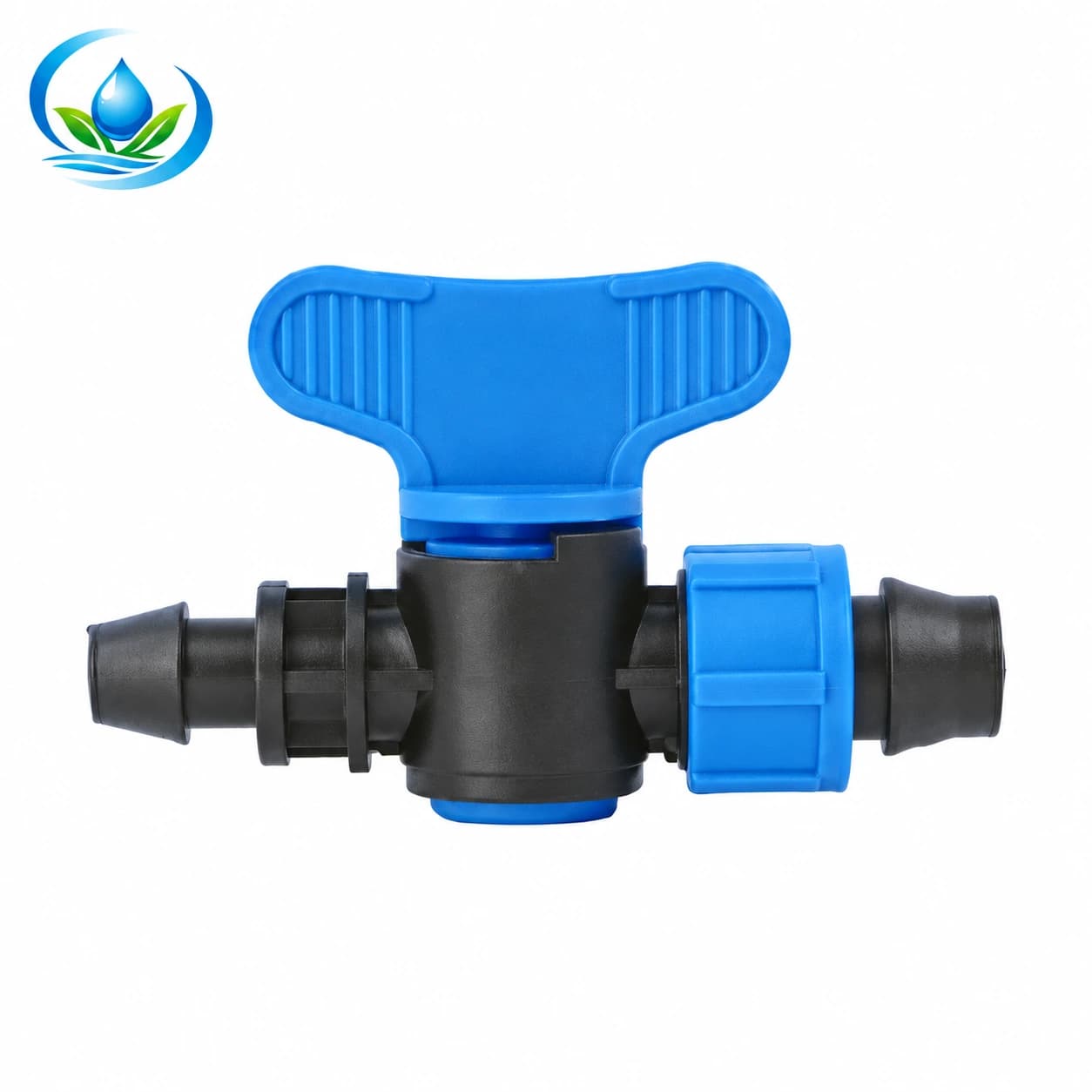
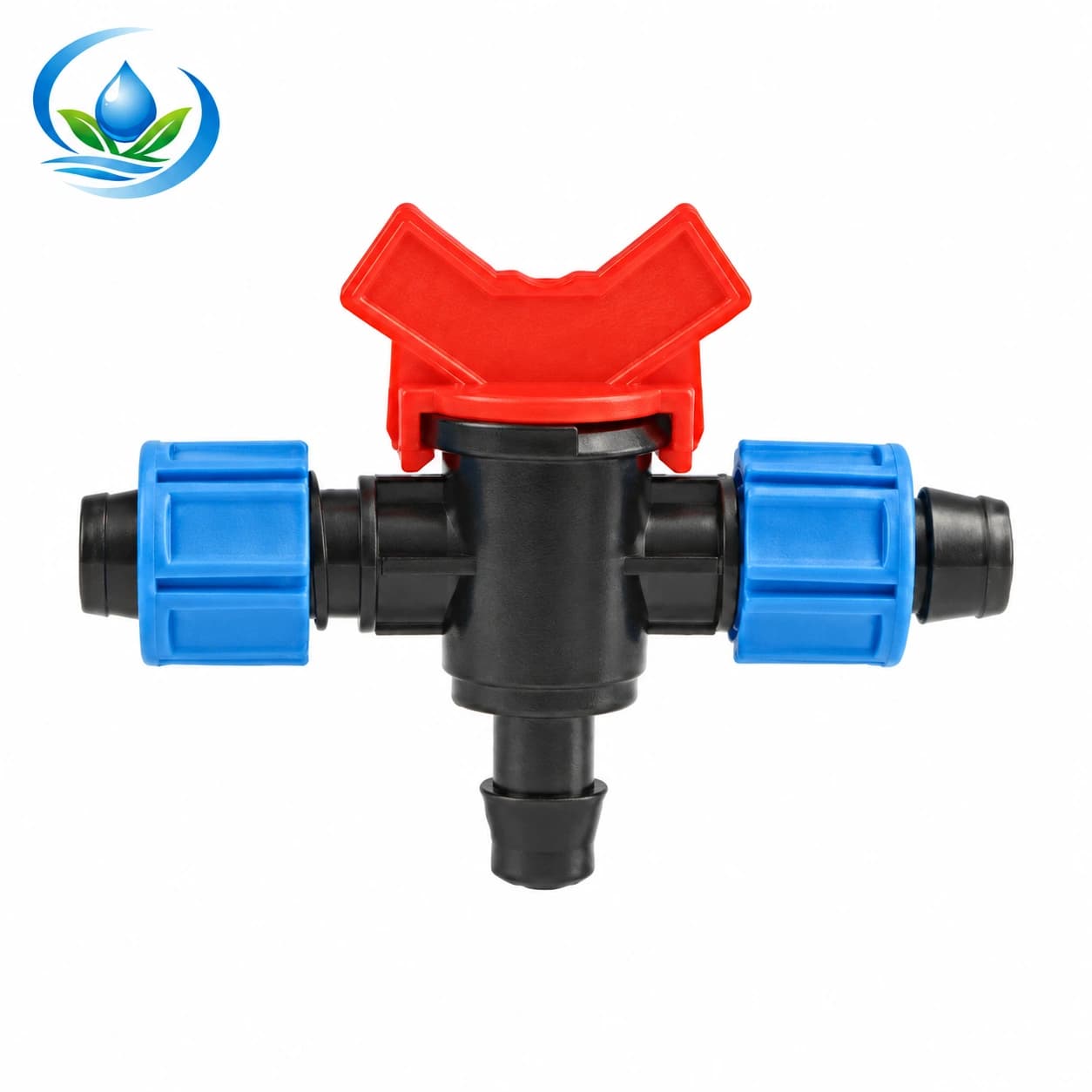
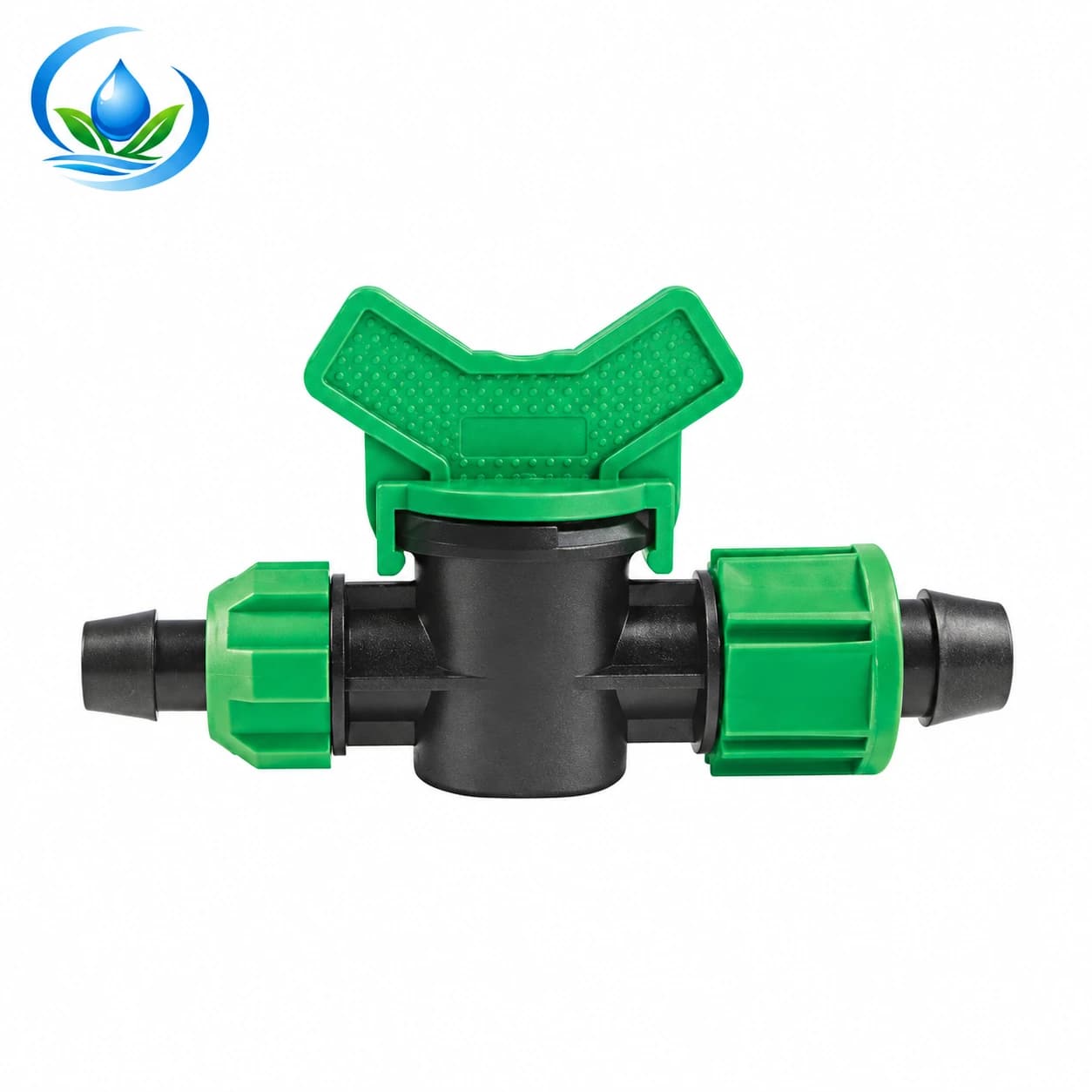
valves
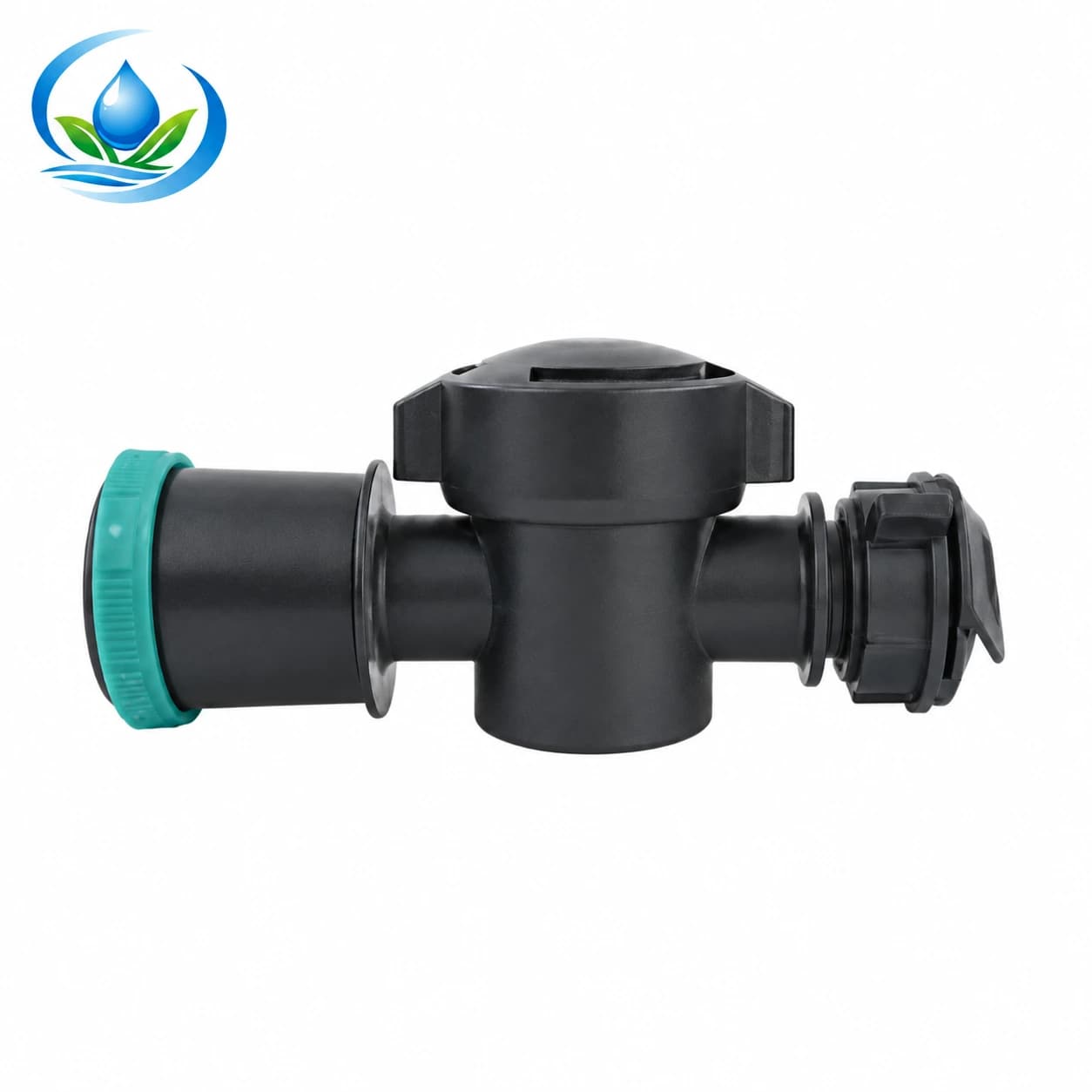
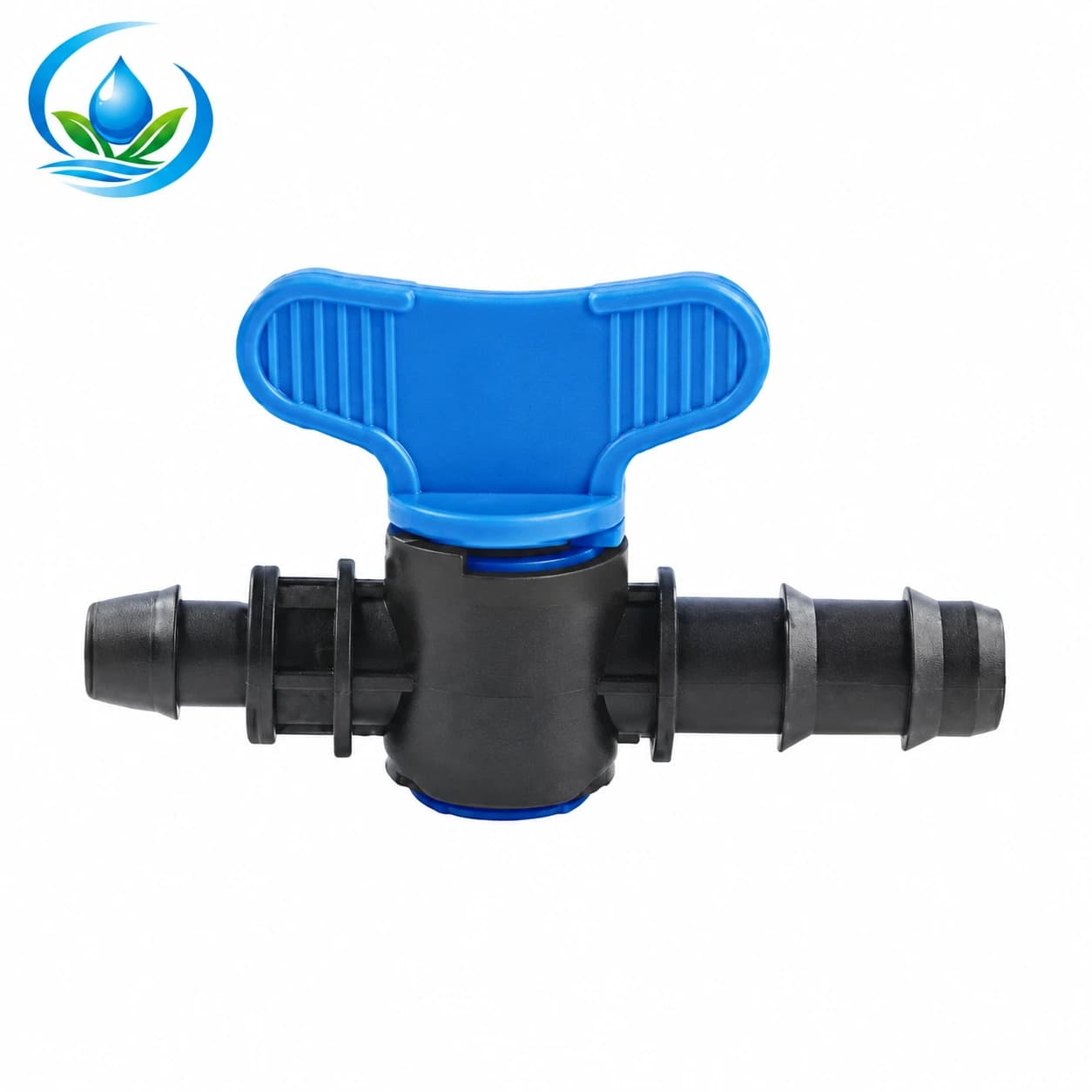
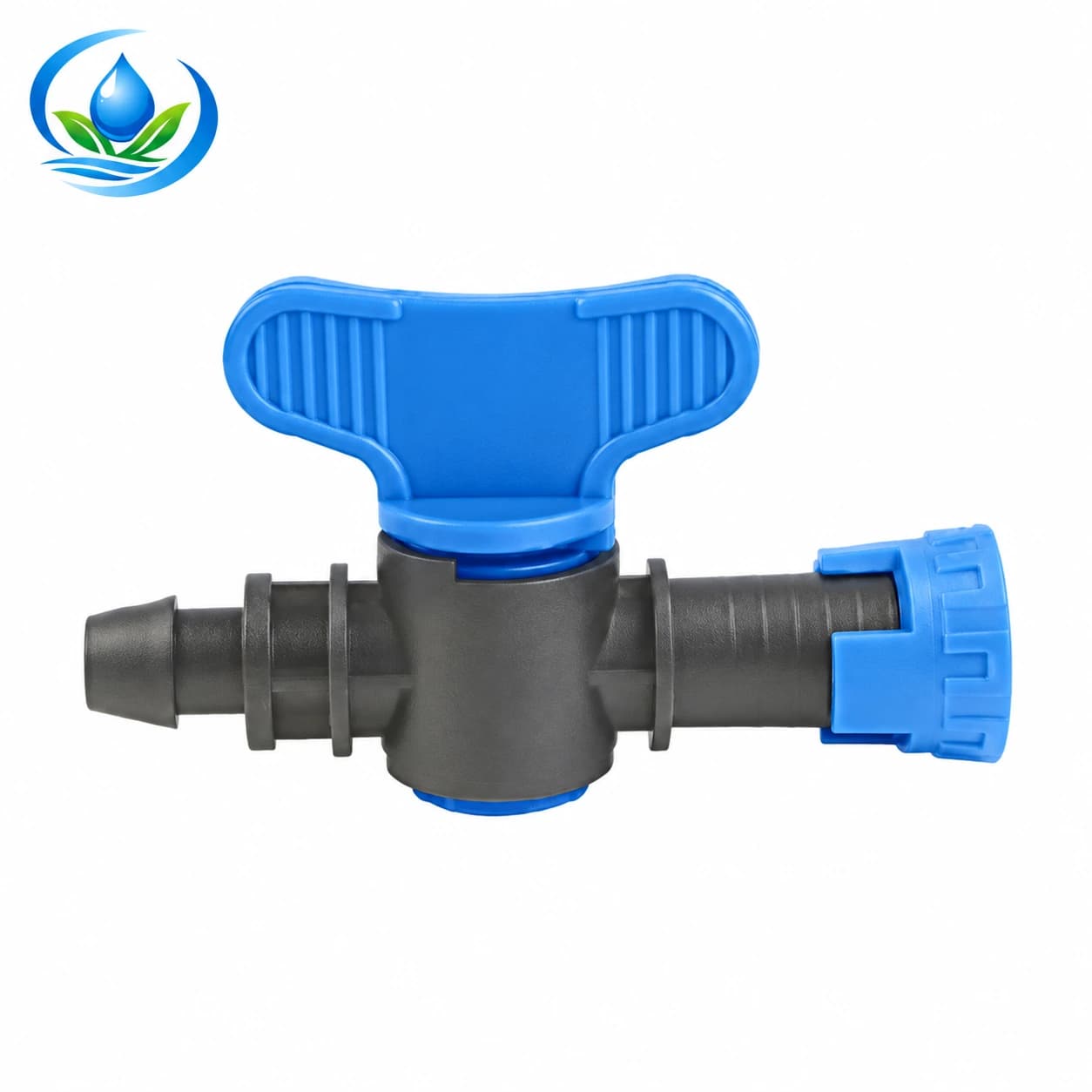
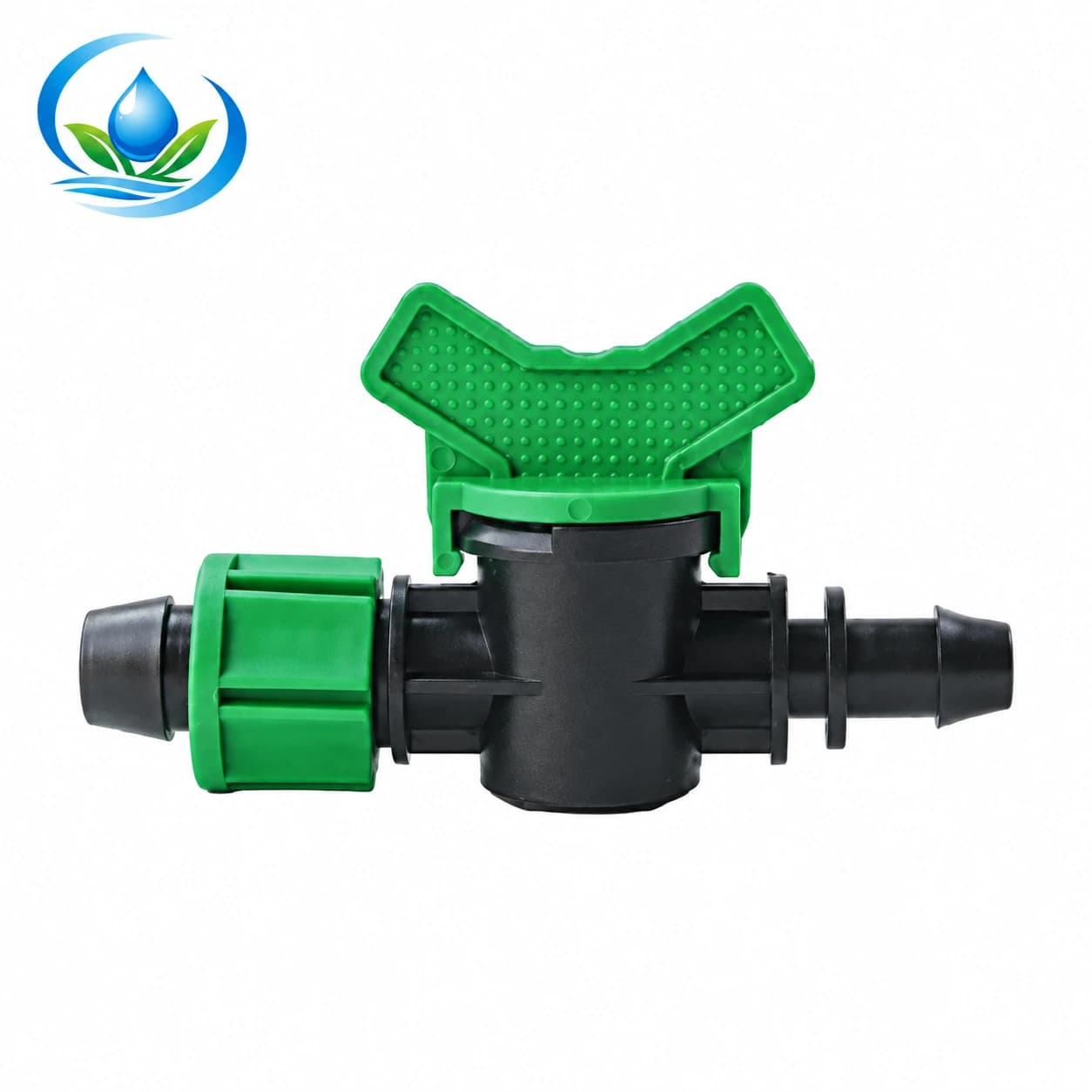
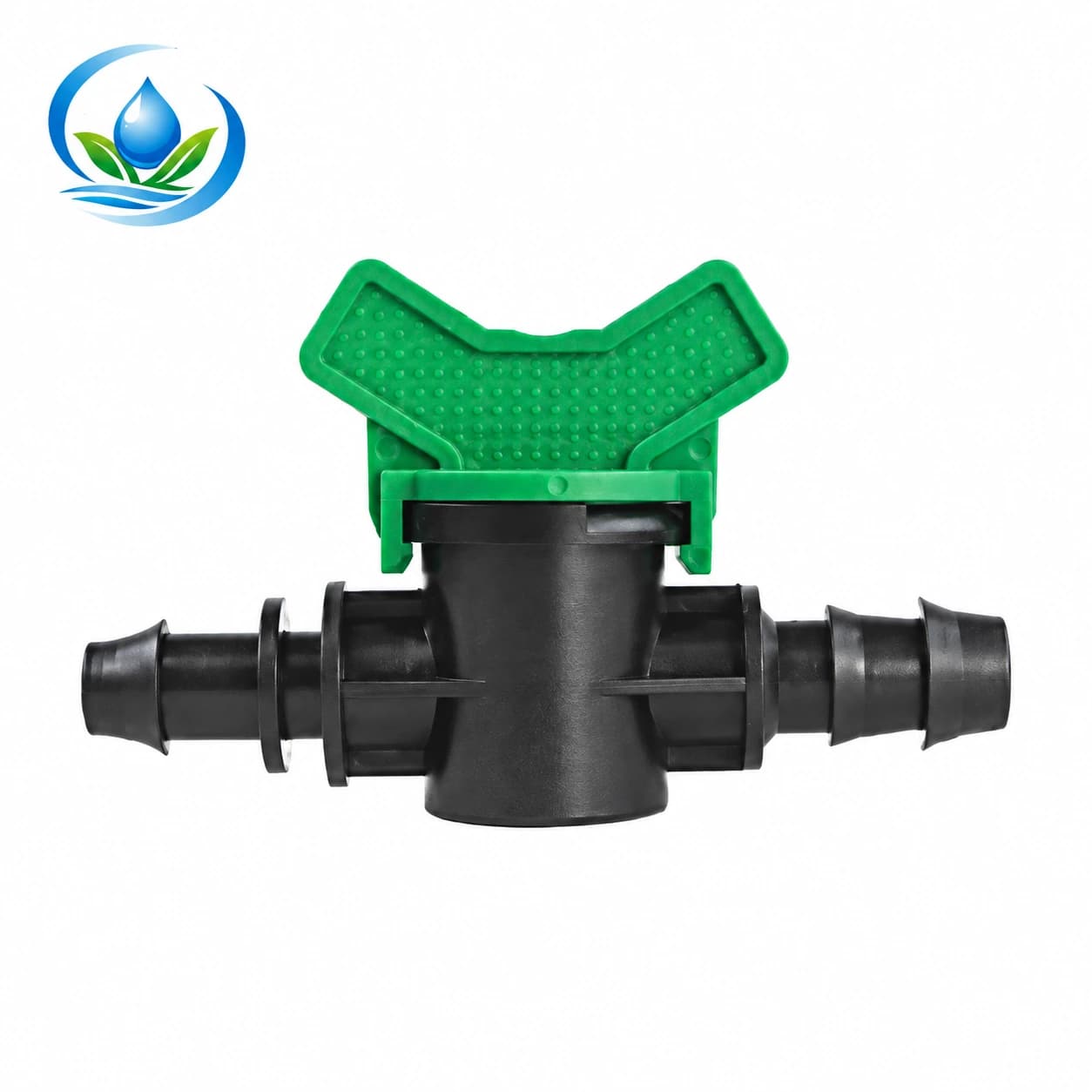
Barb Takeoff Valve (Green Handle) for Drip Irrigation
16 mm / 20 mm / 25 mm
Out of stock
View details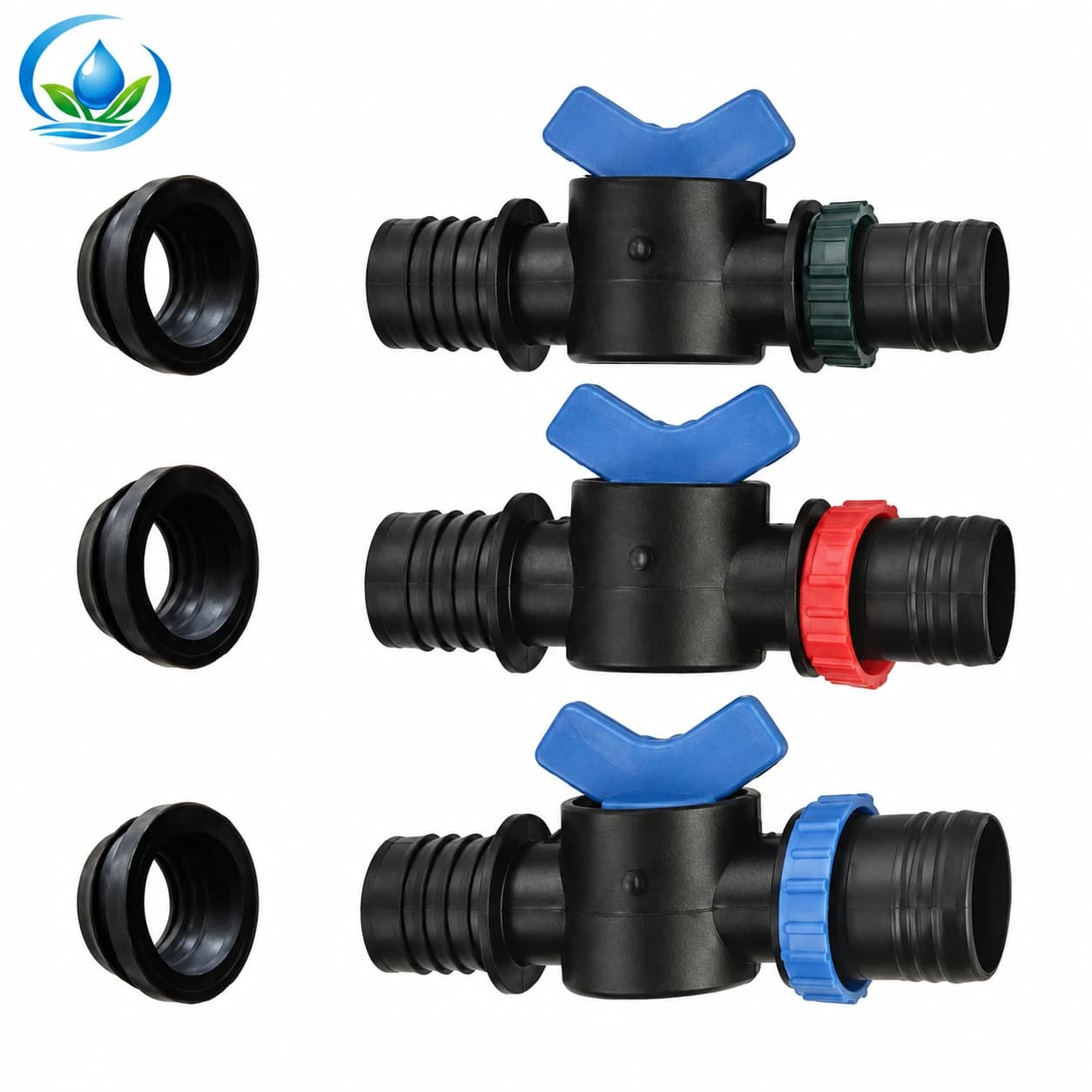
fertilizer injectors
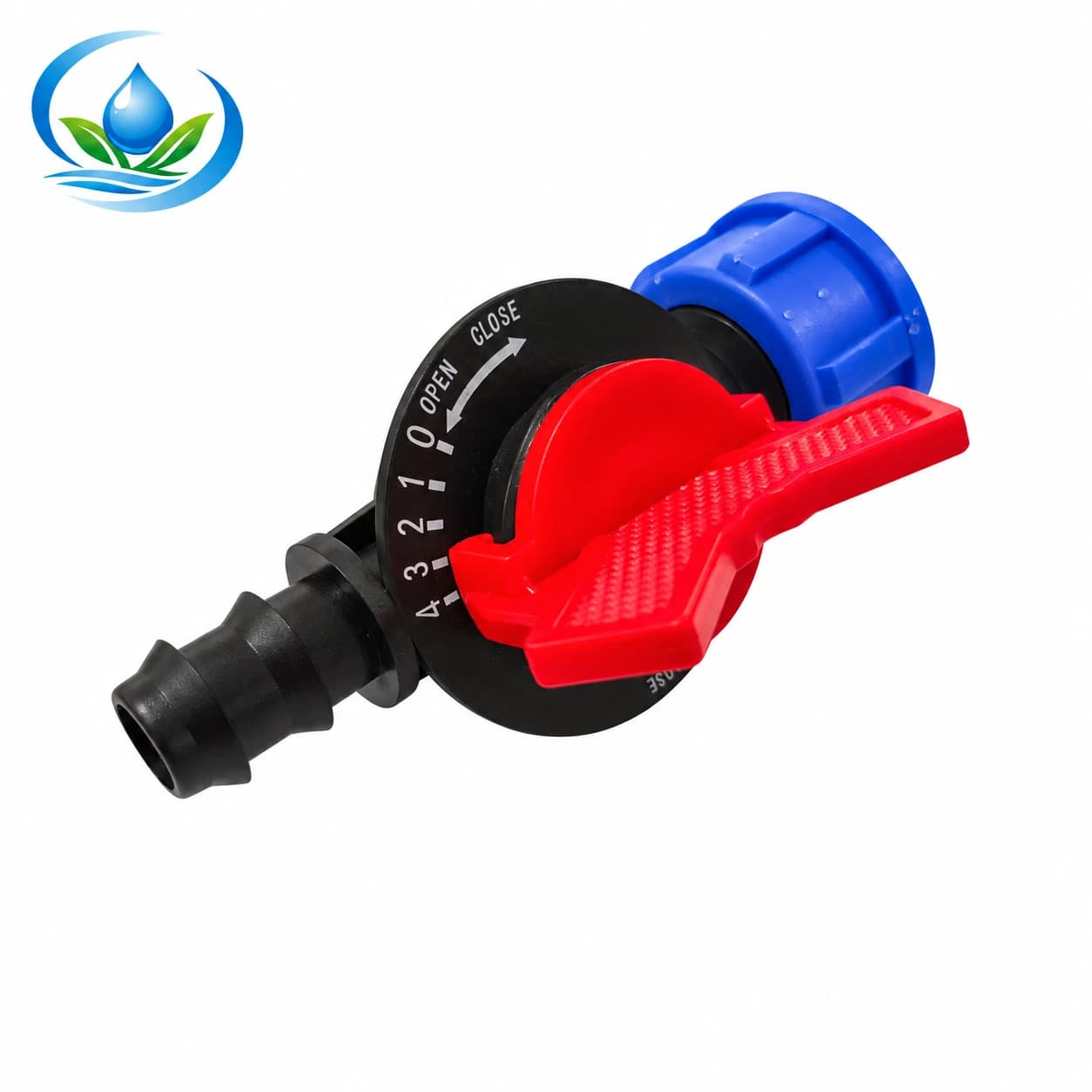
Bypass Control Valve for Venturi Fertilizer Injectors
Adjust water through a compatible Venturi bypass with this control valve. Use it to set the pressure difference needed for fertilizer suction.
Out of stock
View detailsCheck compatibility before ordering
Match your tubing diameter, connector type and water pressure before you add the finishing touches.
Field guide
Guide to bypass & offtake valves
An irrigation bypass valve routes water around a component or adjusts a branch, while an offtake valve controls a lateral connection. This diagram shelf includes several valve styles, so check the function of the individual product. A fertilizer injection system may use a bypass arrangement, but the valve alone is not a complete injector assembly.
Map the branch, identify the two mating connections and confirm the operating pressure and intended flow. For a Venturi layout, verify the pressure difference required by the injector and any needed isolation or backflow components.
Where and when to use it
A bypass valve can create a parallel flow path around an injector or service component in a fertilizer injection system. The diagram route currently points to related components rather than guaranteeing a complete bypass assembly. A greenhouse or field block needs a bypass layout that maintains safe pressure and makes it clear which valves are open during water-only operation, injection and maintenance.
How it works
Flow follows the available paths between two connection points. By throttling or closing the main path where the equipment design requires it, a bypass can establish the pressure differential used by a Venturi injector. Valve position changes total flow and pressure, so an improvised bypass can underfeed the crop or alter injection rate. Backflow protection is a separate requirement.
A drip irrigation valve used on a Venturi bypass should be sized for the injector's required pressure difference and the mainline's normal flow. A bypass is not a substitute for required source protection or injection-line safety devices.
How to plan and install it
- Draw the normal water path and the proposed parallel path around the intended device.
- Check injector pressure-differential and flow requirements plus valve and pipe ratings.
- Install accessible, labelled valves and the required source-protection devices.
- Commission water-only flow first, then calibrate injection at the actual valve positions.
Operation and maintenance
Label the operating sequence and log valve positions during calibration. Check for bypass leaks and unexpected pressure changes. Do not inject through a configuration that lacks the approved backflow or interlock arrangement. Recalibrate after changing a valve or pump setting.
Common questions
Why use an irrigation bypass valve with a Venturi injector?
A properly designed bypass can create the pressure difference that draws solution while preserving required flow through the system.
Is a bypass valve a backflow preventer?
No. It manages a flow path; source protection needs its own approved devices and design.
Technical reference: UGA Extension, Fertilizer Injectors: Selection, Maintenance and Calibration. Use the selected product manual and local requirements for final design.