
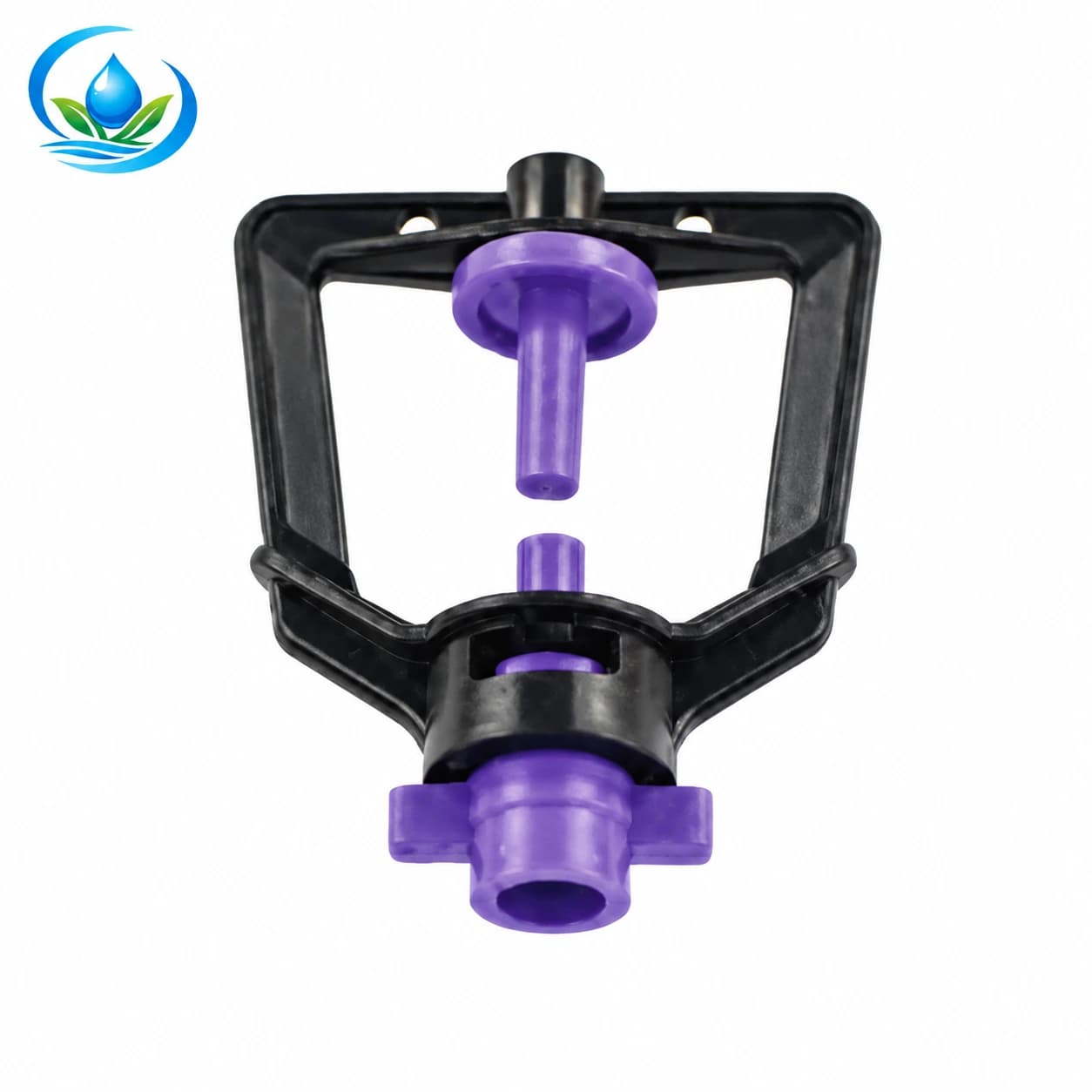
micro sprinklers
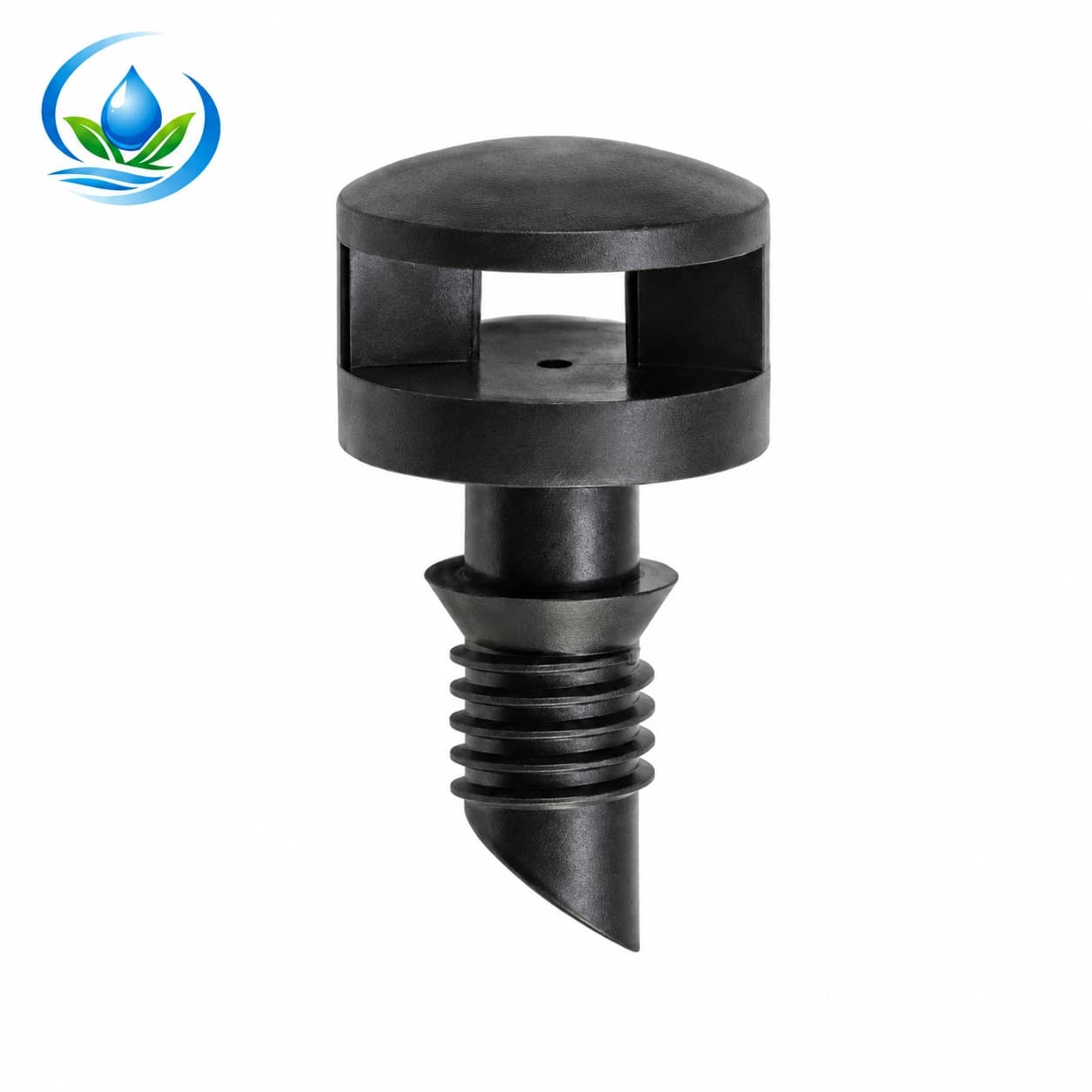
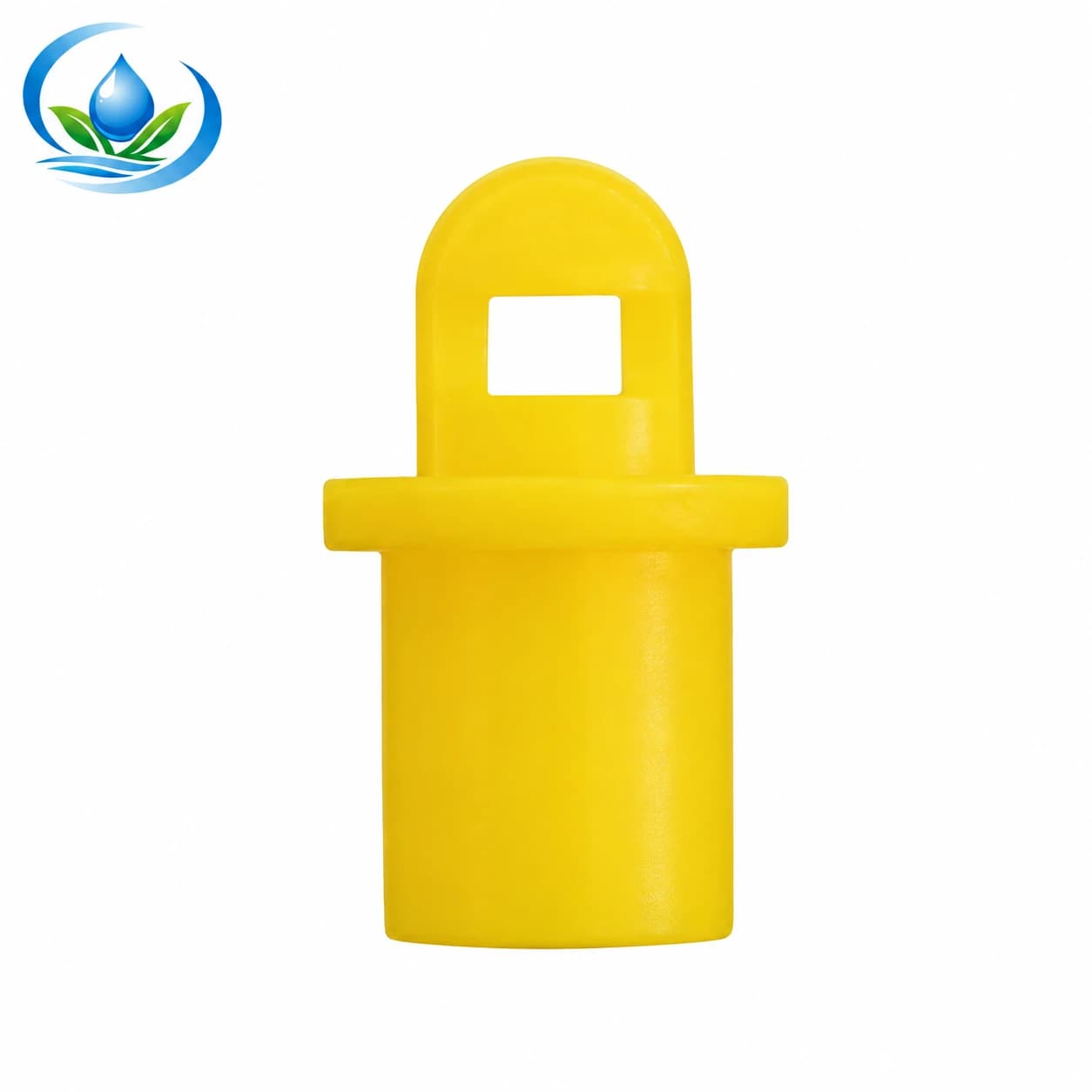
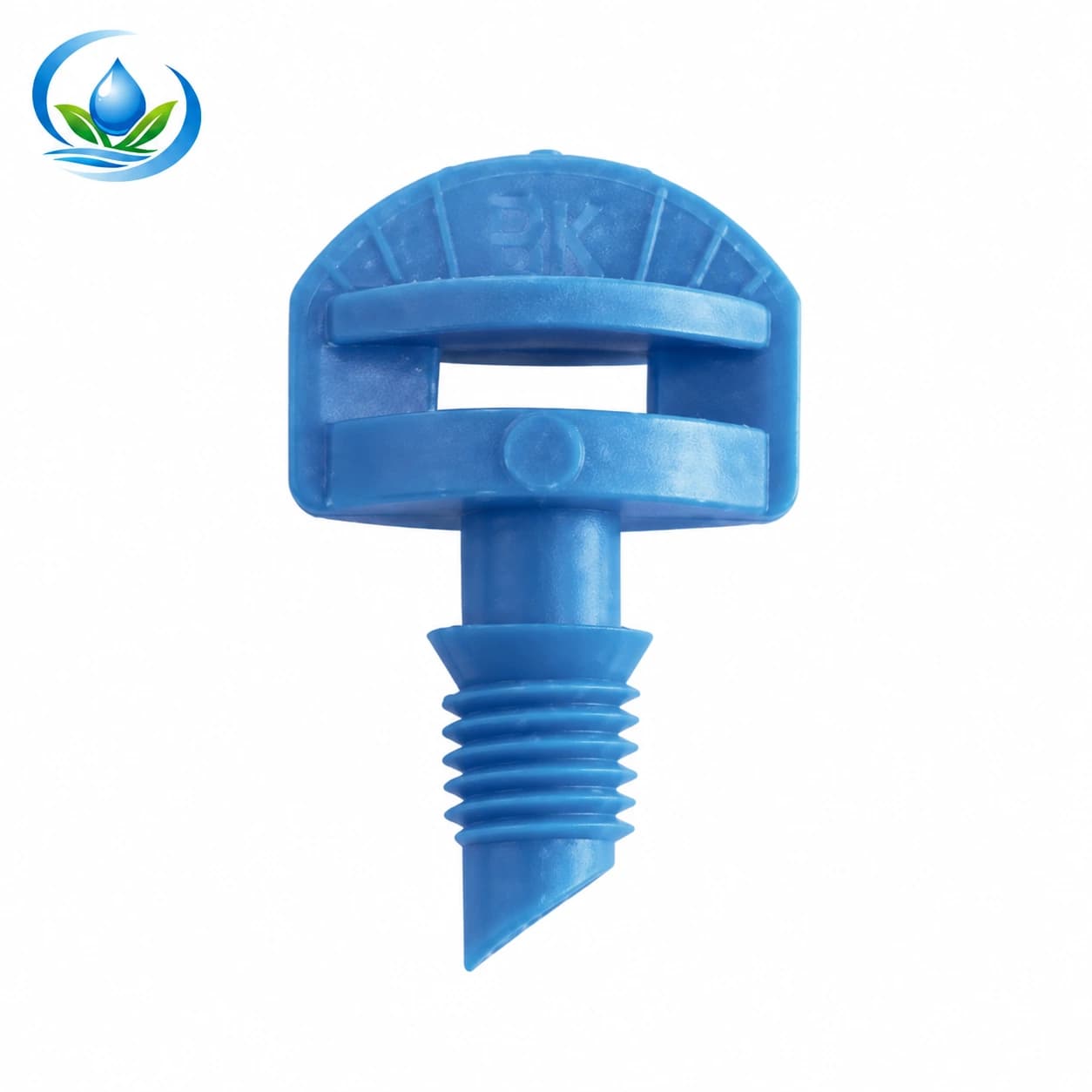
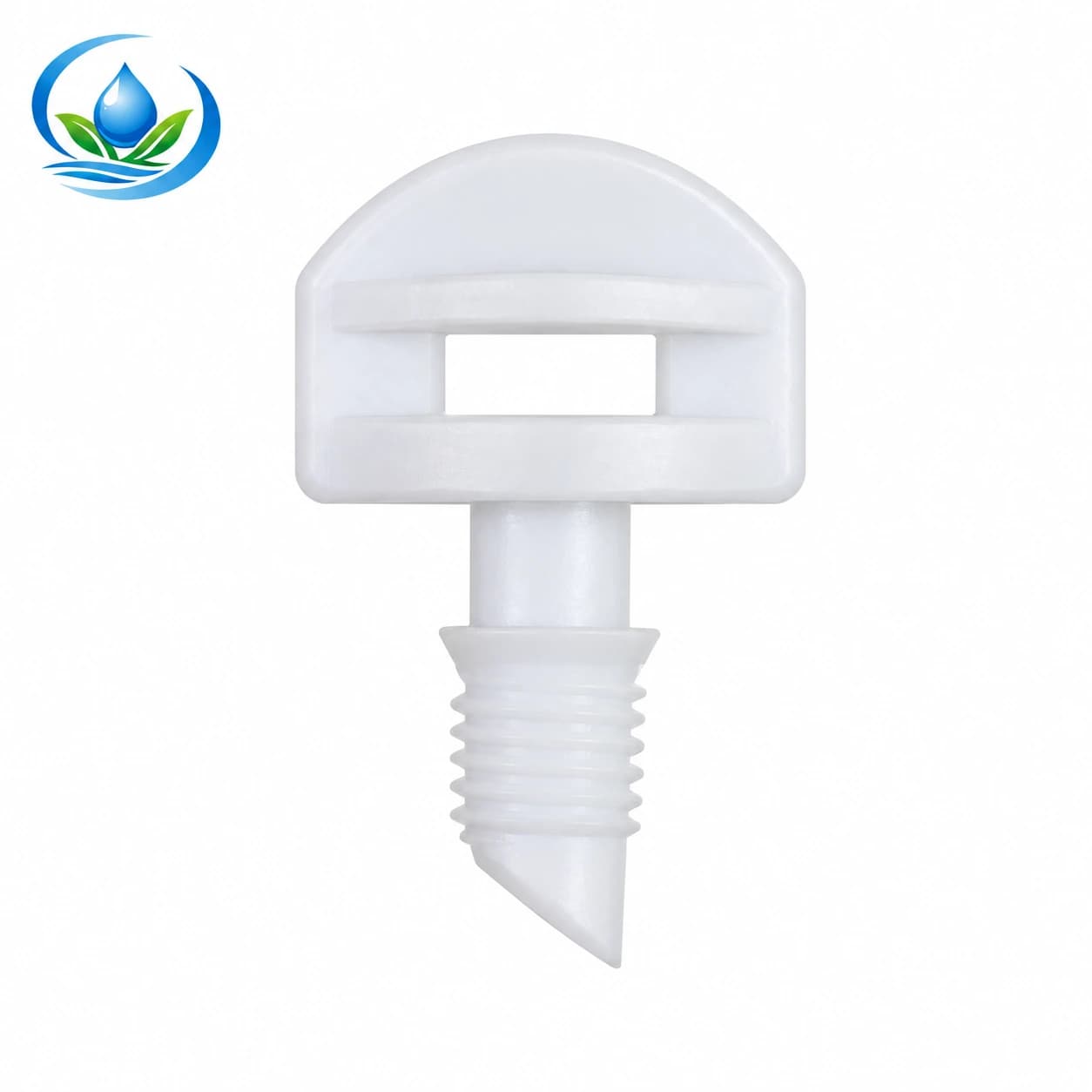
1.8 mm Short-Range Refraction Mist Sprinkler for Nursery Beds
- Diameter
- 1.8mm
- Flow Rate
- 170L/h
- Working Pressure
- 2.0Bar
- Spraying Radius
- 1m
$0.23
Agricultural irrigation, direct to you
Browse micro sprinklers for targeted orchard, nursery and greenhouse coverage. Compare nozzle flow, wetted radius, pressure and mounting options.
65 products
Showing 37–54
micro sprinklers
$0.23
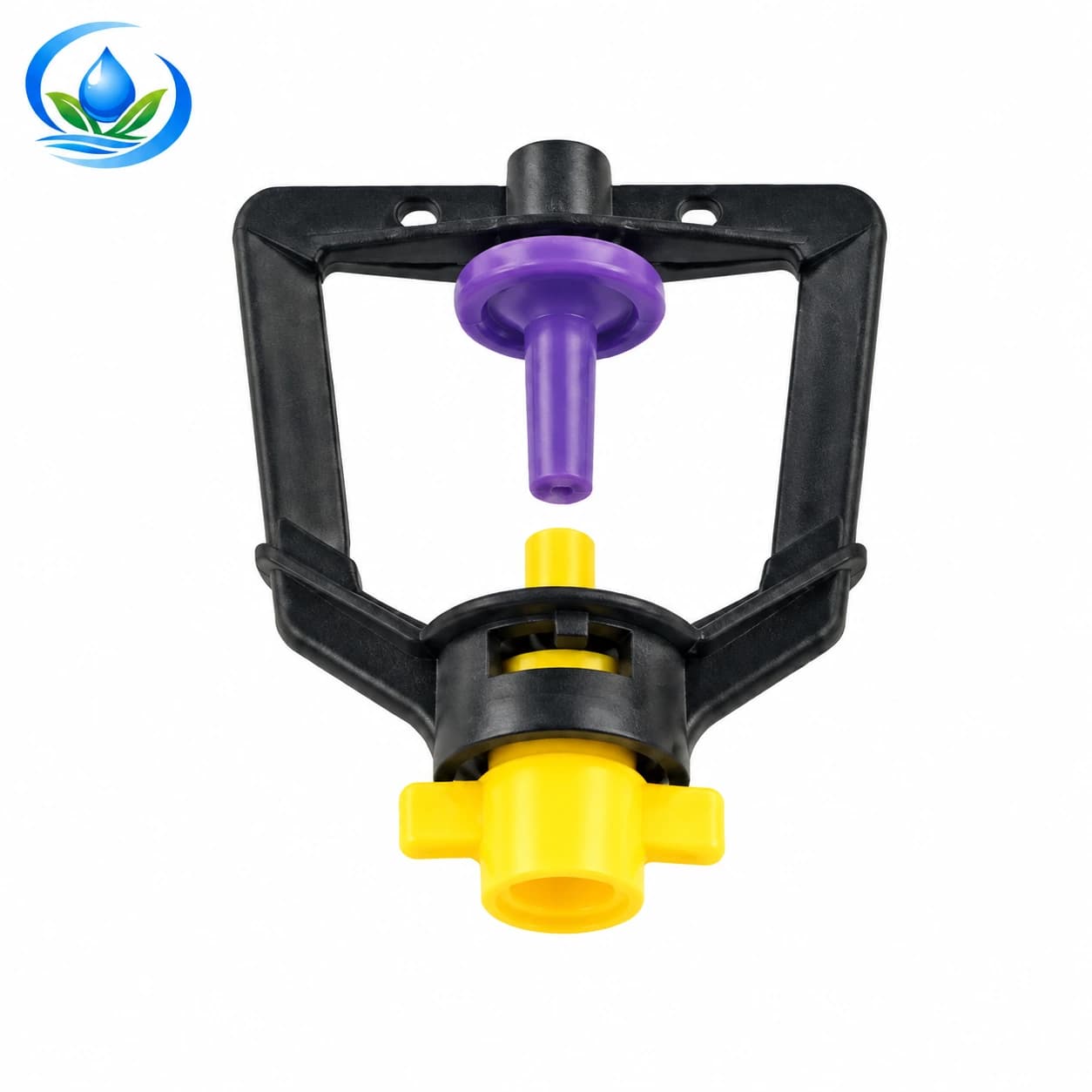
micro sprinklers
$0.23
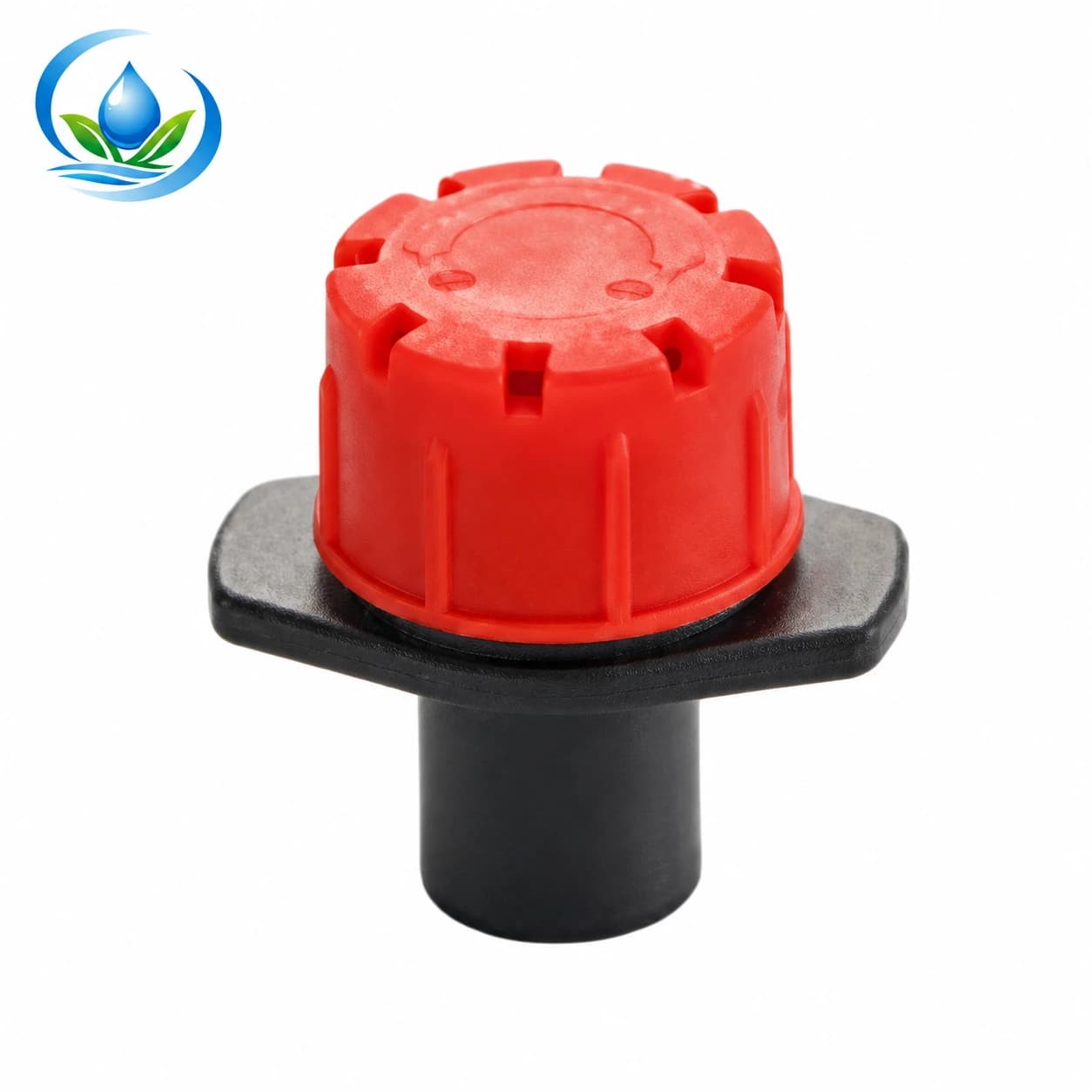
micro sprinklers
$1.05
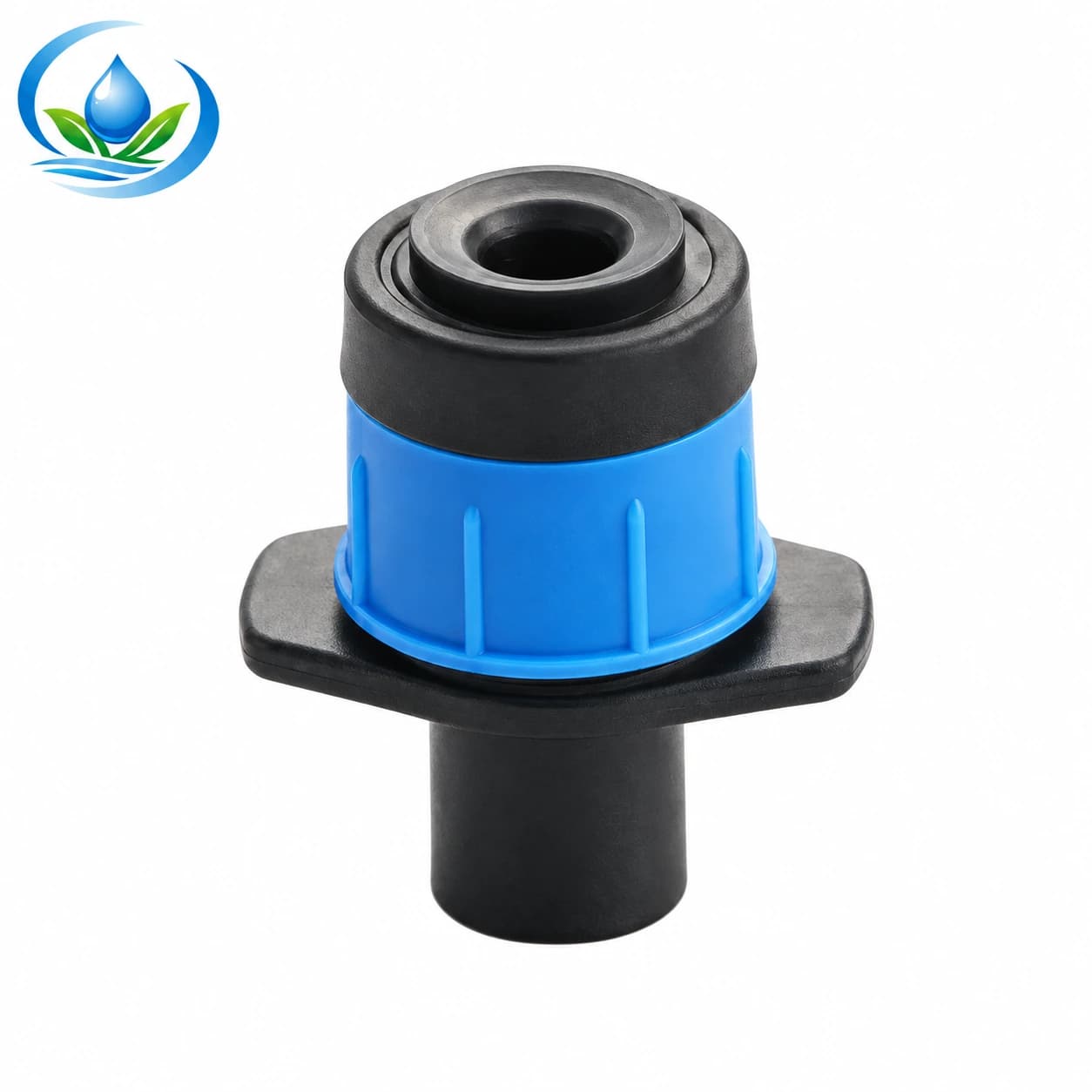
micro sprinklers
$1.05
micro sprinklers
$0.23
micro sprinklers
$0.23
micro sprinklers
$0.23
micro sprinklers
$0.23
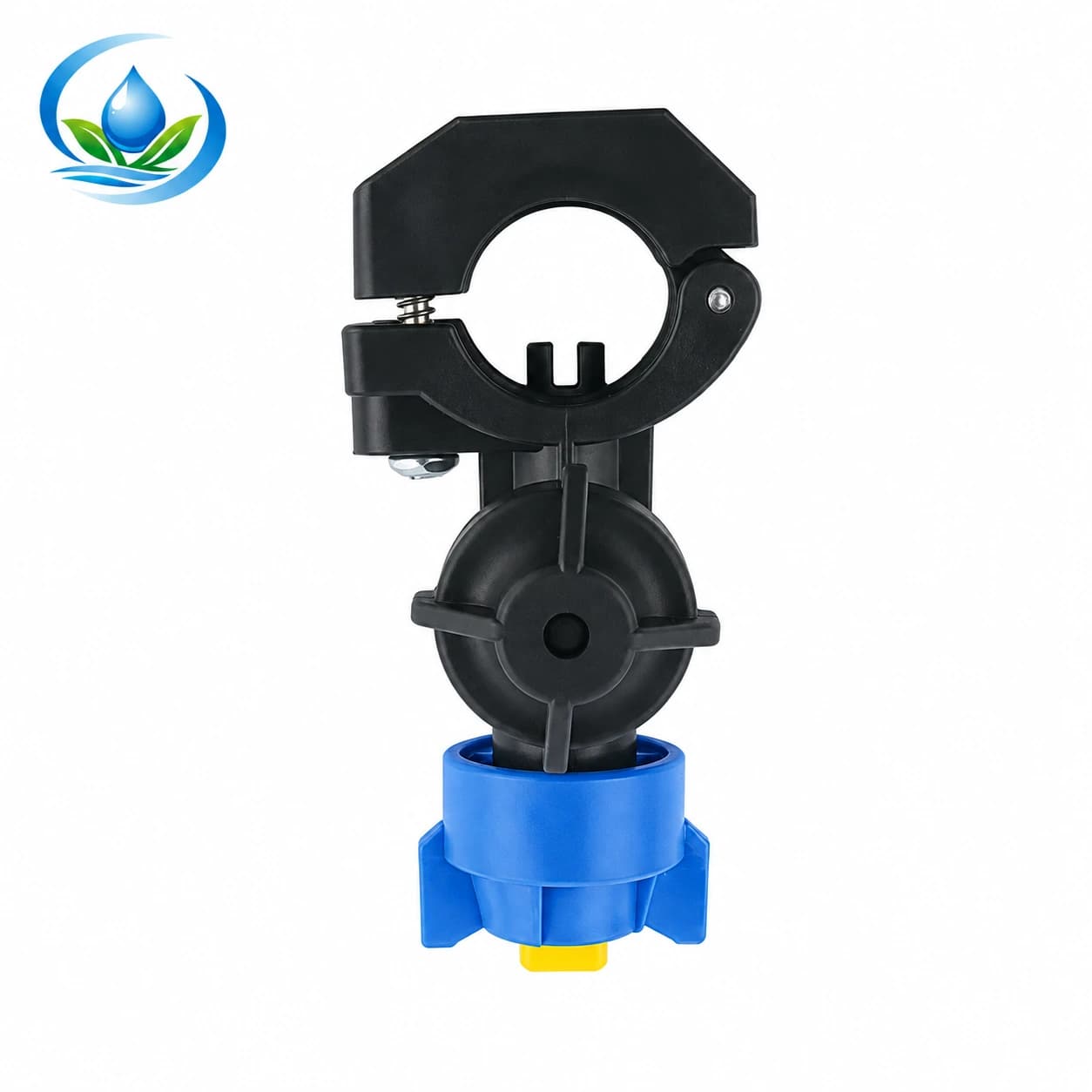
micro sprinklers
From$0.85
Choose options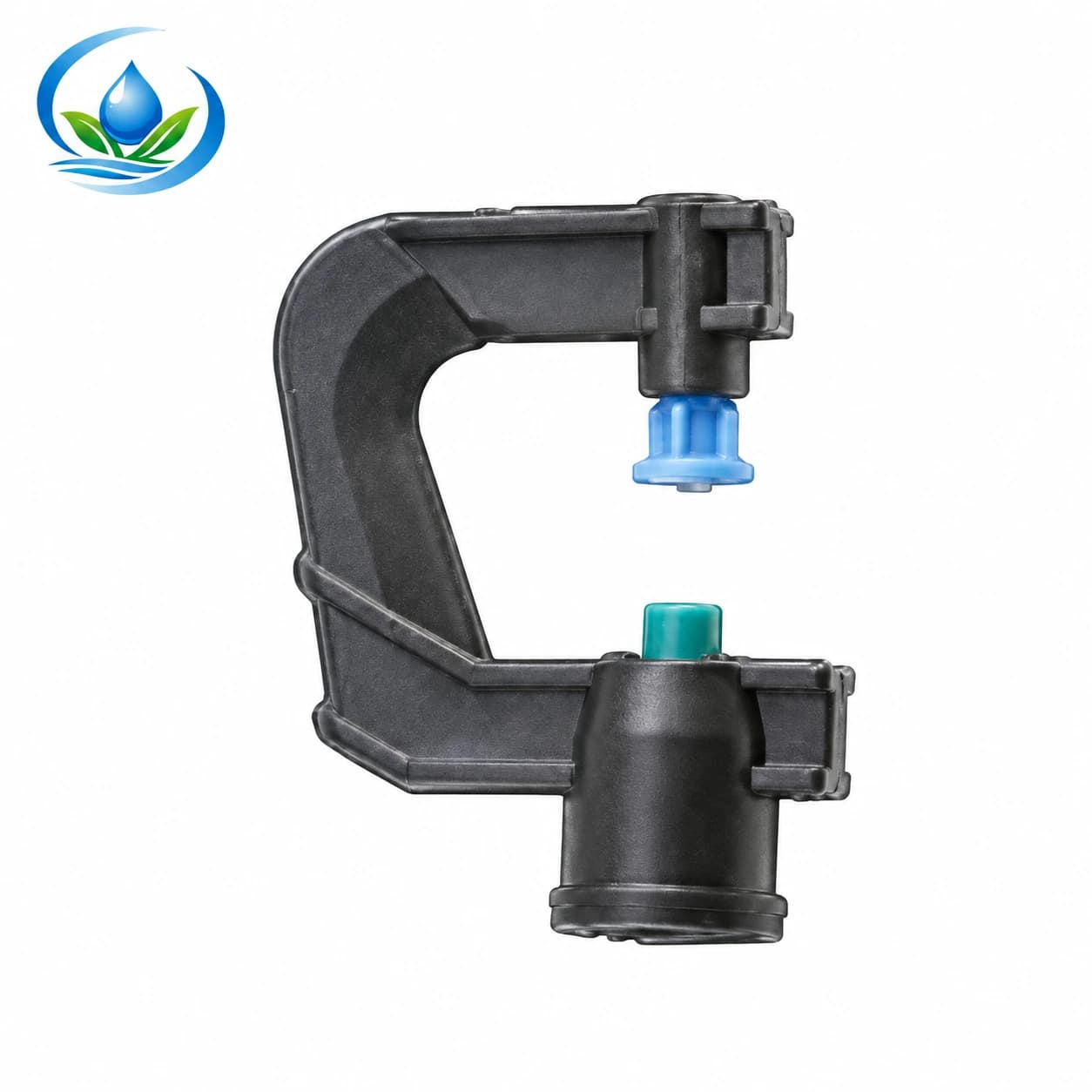
micro sprinklers
From$0.23
Choose options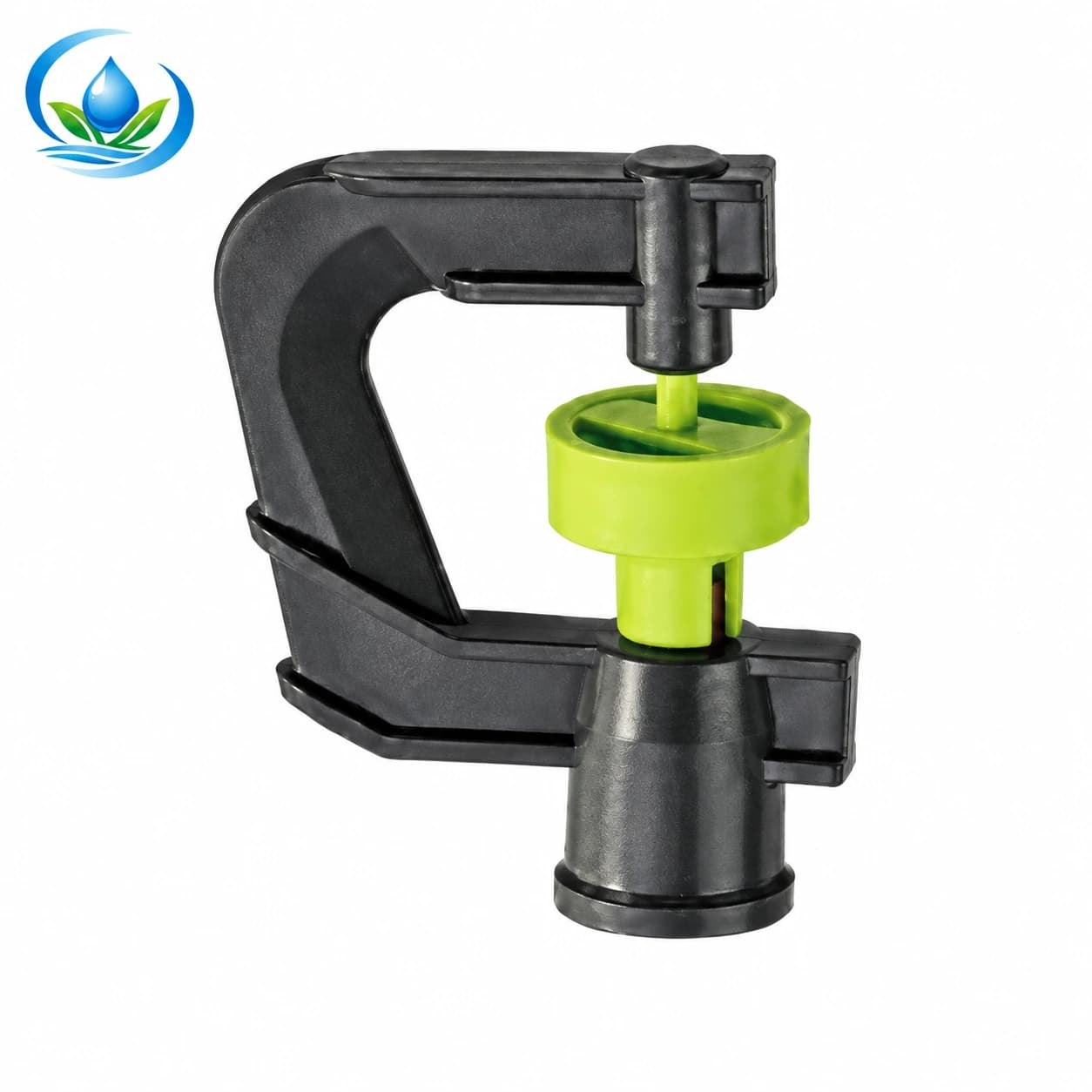
micro sprinklers
From$0.75
Choose options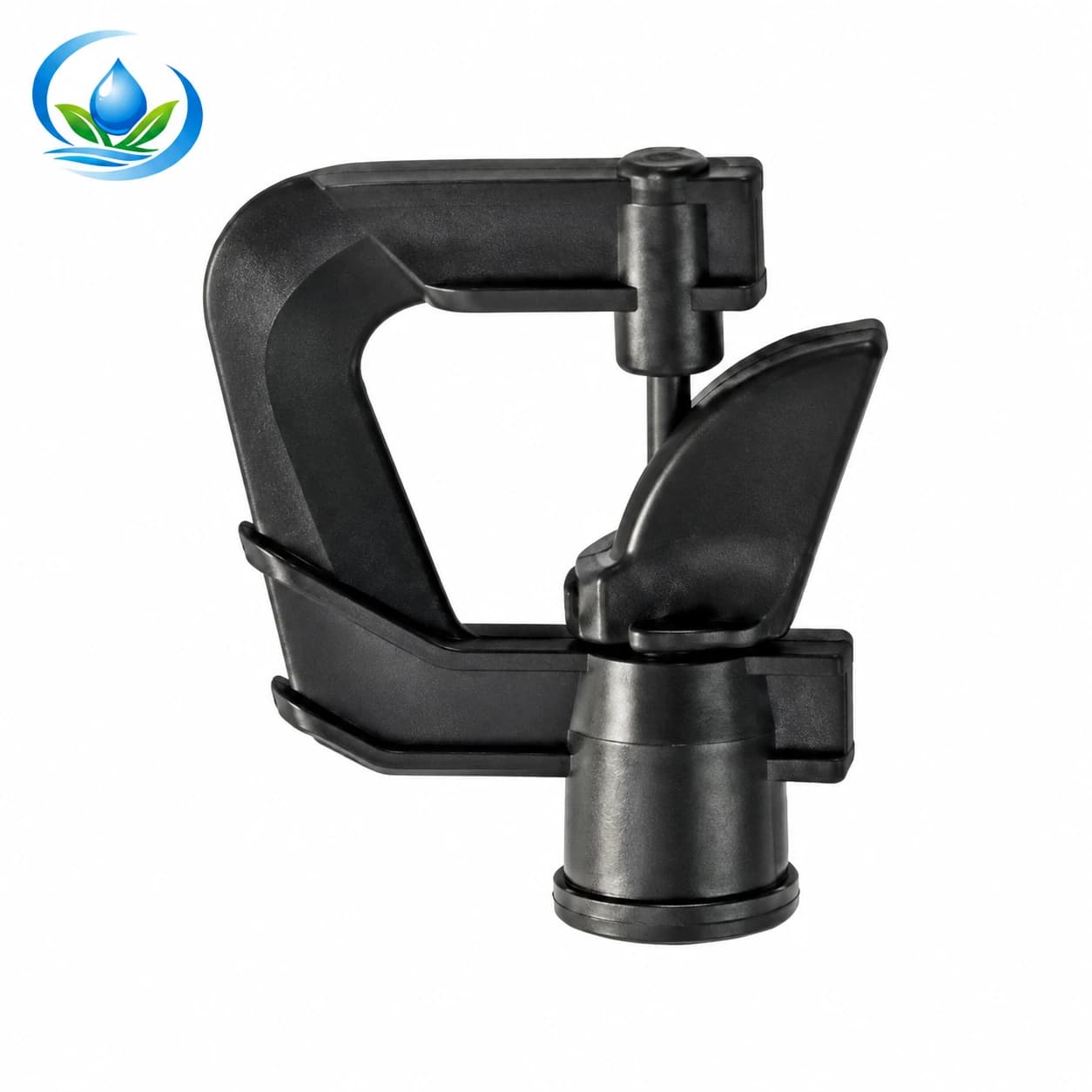
micro sprinklers
From$0.75
Choose options
micro sprinklers
$0.23
micro sprinklers
$0.23
micro sprinklers
From$5.35
Choose options
micro sprinklers
Out of stock
View details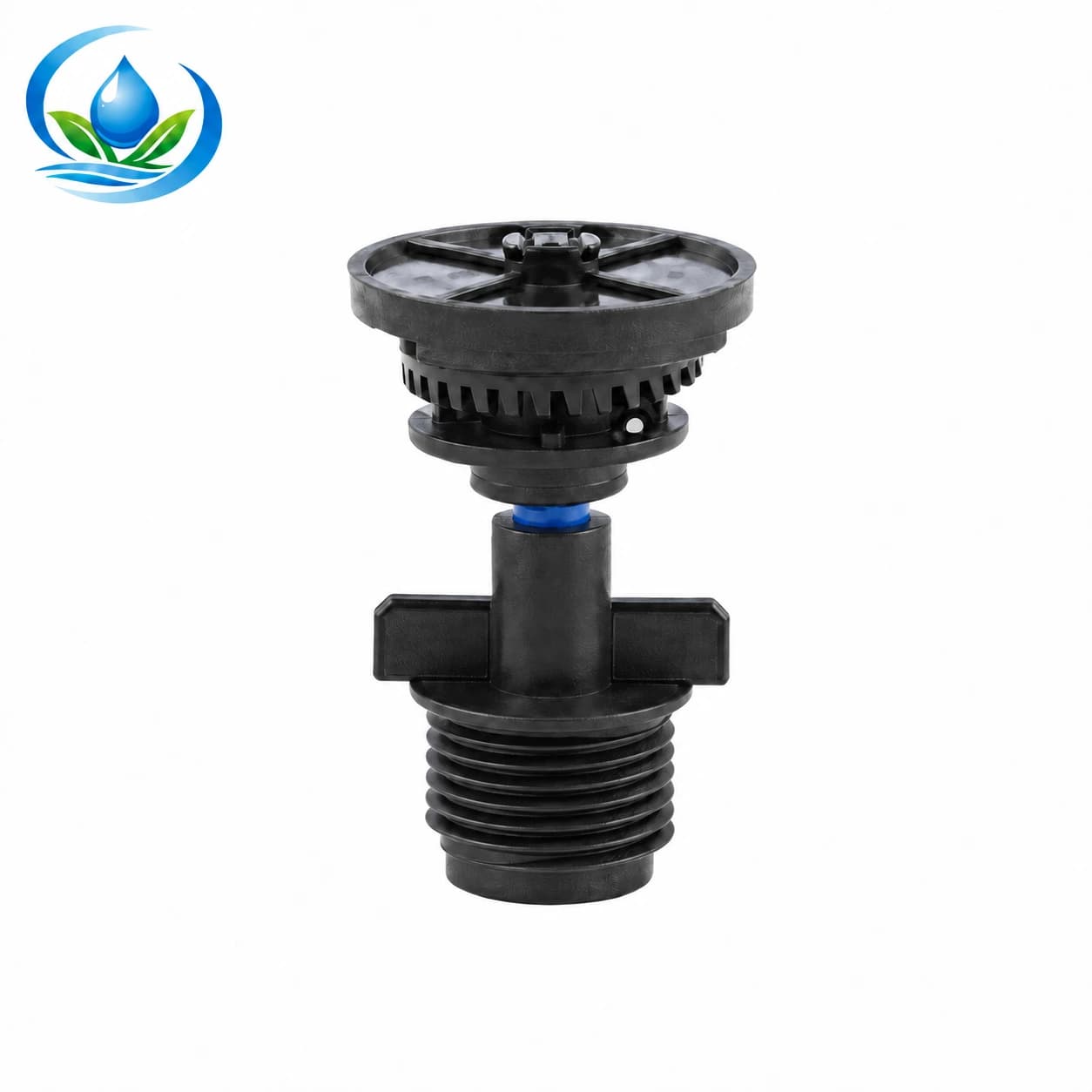
micro sprinklers
$5.35
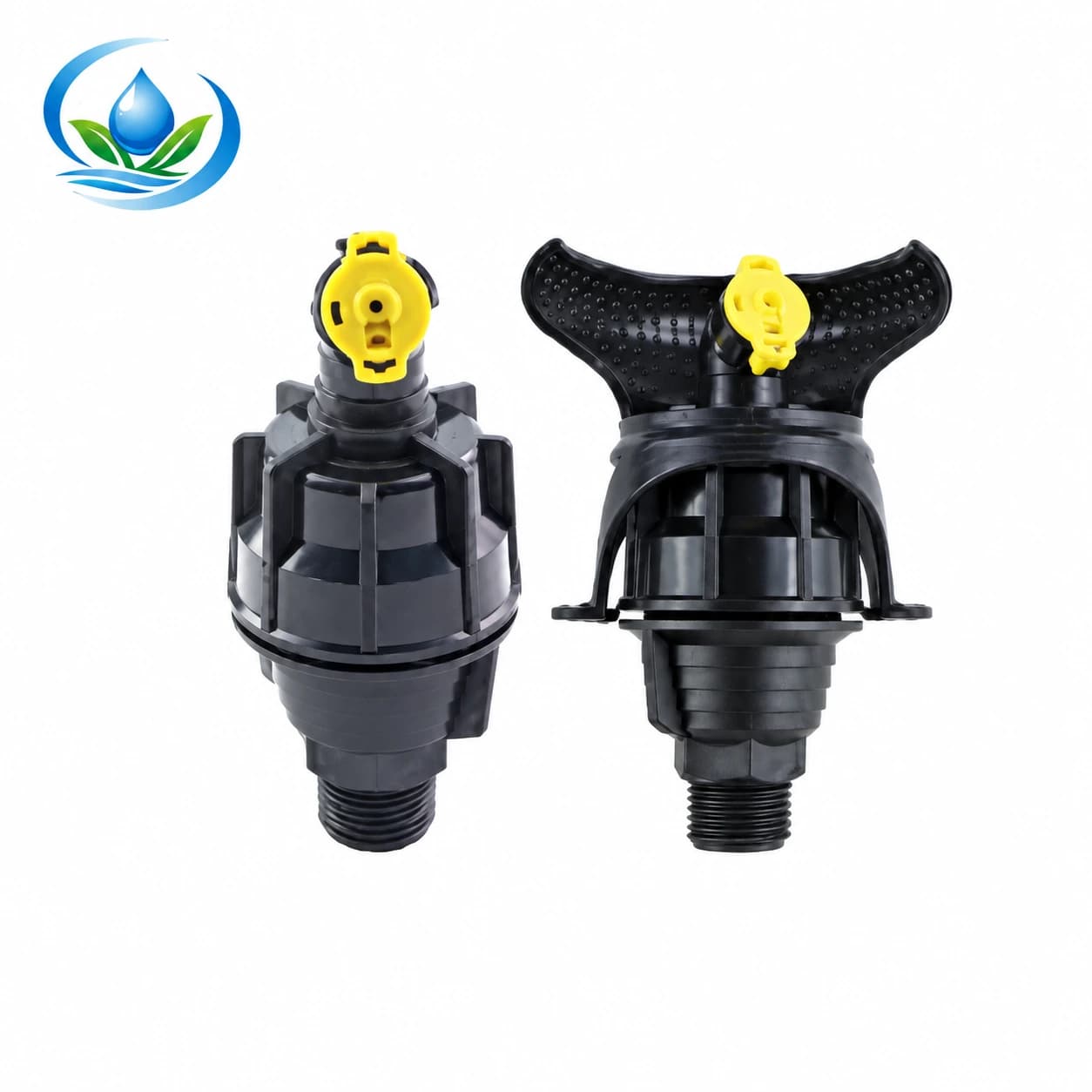
micro sprinklers
$5.35
Match your tubing diameter, connector type and water pressure before you add the finishing touches.
Field guide
Micro sprinklers wet a defined area around crops and can be mounted on stakes or hanging assemblies where the model allows it. Orchard micro sprinklers are chosen for the desired root-zone wetting pattern, while greenhouse units may need a smaller radius or different mounting height. The listed sprinkler families do not share one universal spray pattern.
Compare the nozzle, flow rate, pressure range and wetted diameter shown for each product. Confirm connection size and filtration, then lay out spacing around the crop and obstructions before choosing quantities.
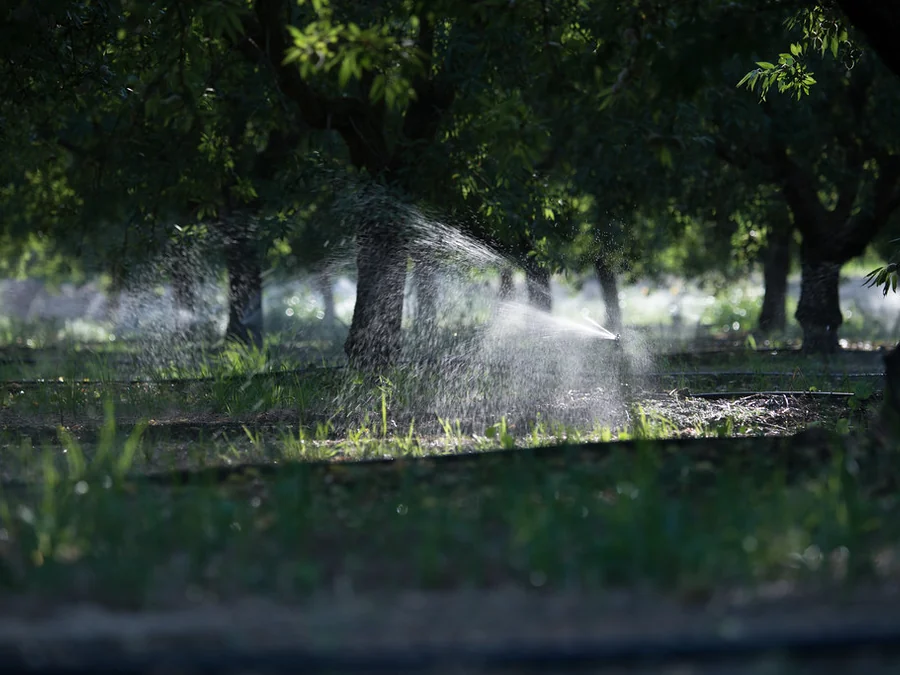
Orchard micro sprinklers can wet a defined patch under trees where point emitters would create too small a footprint. Nurseries may use smaller patterns around containers or bench groups. Mounting height, branch clearance and trunk protection influence the position. Different nozzles can have distinct patterns even when sold under the same micro sprinkler name, so plan with the actual model chart.
A nozzle turns low-volume pressurized flow into a local spray. Pressure, nozzle geometry and height determine the wetted diameter and distribution. Micro sprinklers do not automatically cool a canopy or supply frost protection; those uses need a separate design. Uniform coverage depends on the combined pattern across the zone and on clean outlets.
Micro sprinkler irrigation wets a defined patch around a plant rather than only the point beneath a dripper. In an orchard, compare the nozzle's wetted diameter with tree spacing and root area, then check wind drift and overlap at the actual pressure.
Inspect nozzles after dirty-water events and check pressure at remote positions. Keep stakes upright and clear spray paths of weeds or branches. If a sprinkler wets the trunk or misses the root area, reposition it rather than compensating only with longer watering. Flush laterals before seasonal start-up and after repairs.
It uses small sprinkler outlets to distribute water over a local wetted area at the crop. The design still needs filtered water, adequate pressure and a nozzle and spacing plan; the wetted area differs from point-source drip irrigation.
They can be an alternative where a broader wetted footprint is needed, but they wet a different area and may be more affected by wind and evaporation.
Technical reference: UGA Extension, Drip Irrigation in Pecans. Use the selected product manual and local requirements for final design.