
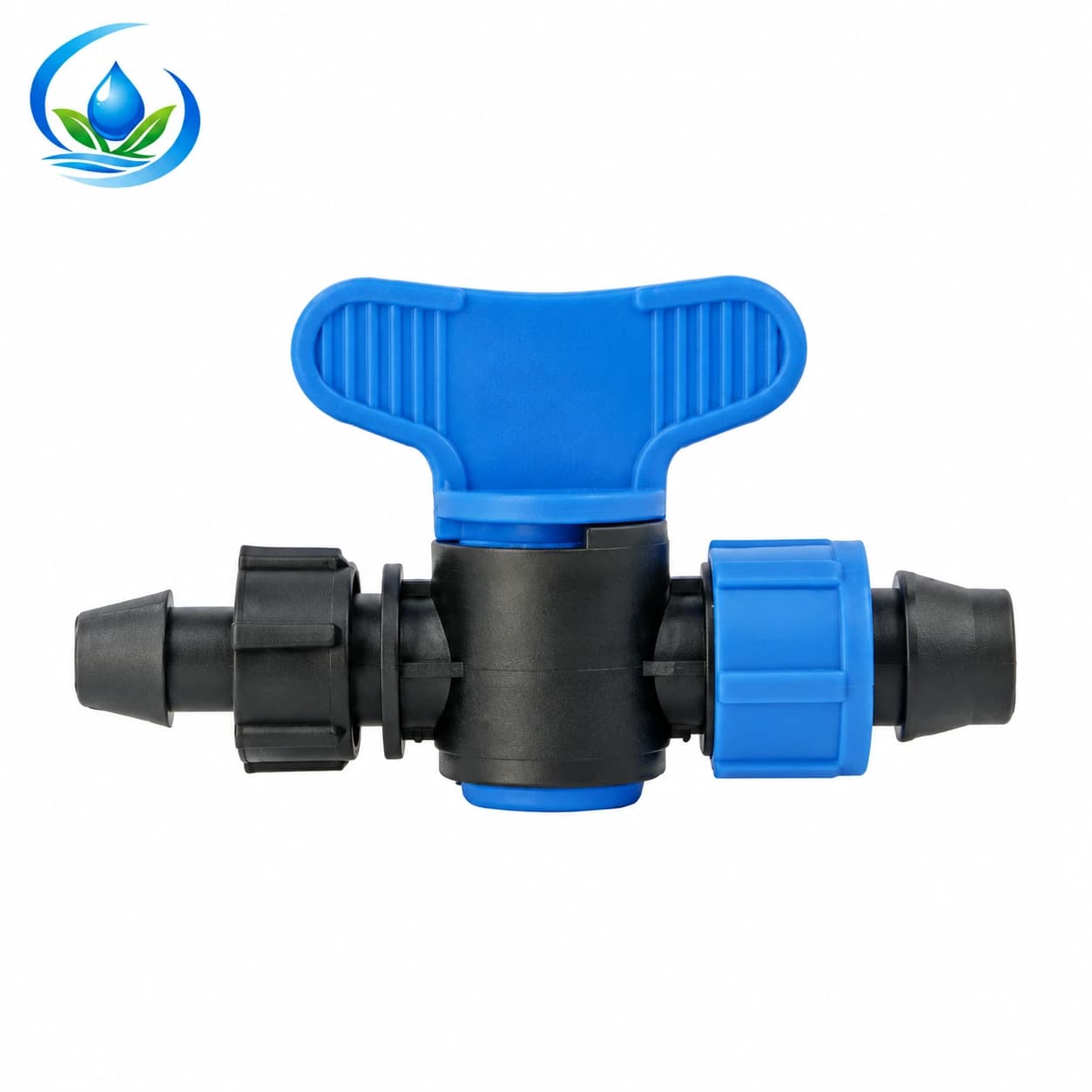
valves
Fixed Locking Takeoff Valve for Drip Tape
- Available connection sizes
- 16 mm
Out of stock
View detailsAgricultural irrigation, direct to you
Shop irrigation valves and flow-control parts for isolating lines and managing zones. Compare valve type, connection, flow and pressure.
45 products
Showing 19–36
valves
Out of stock
View details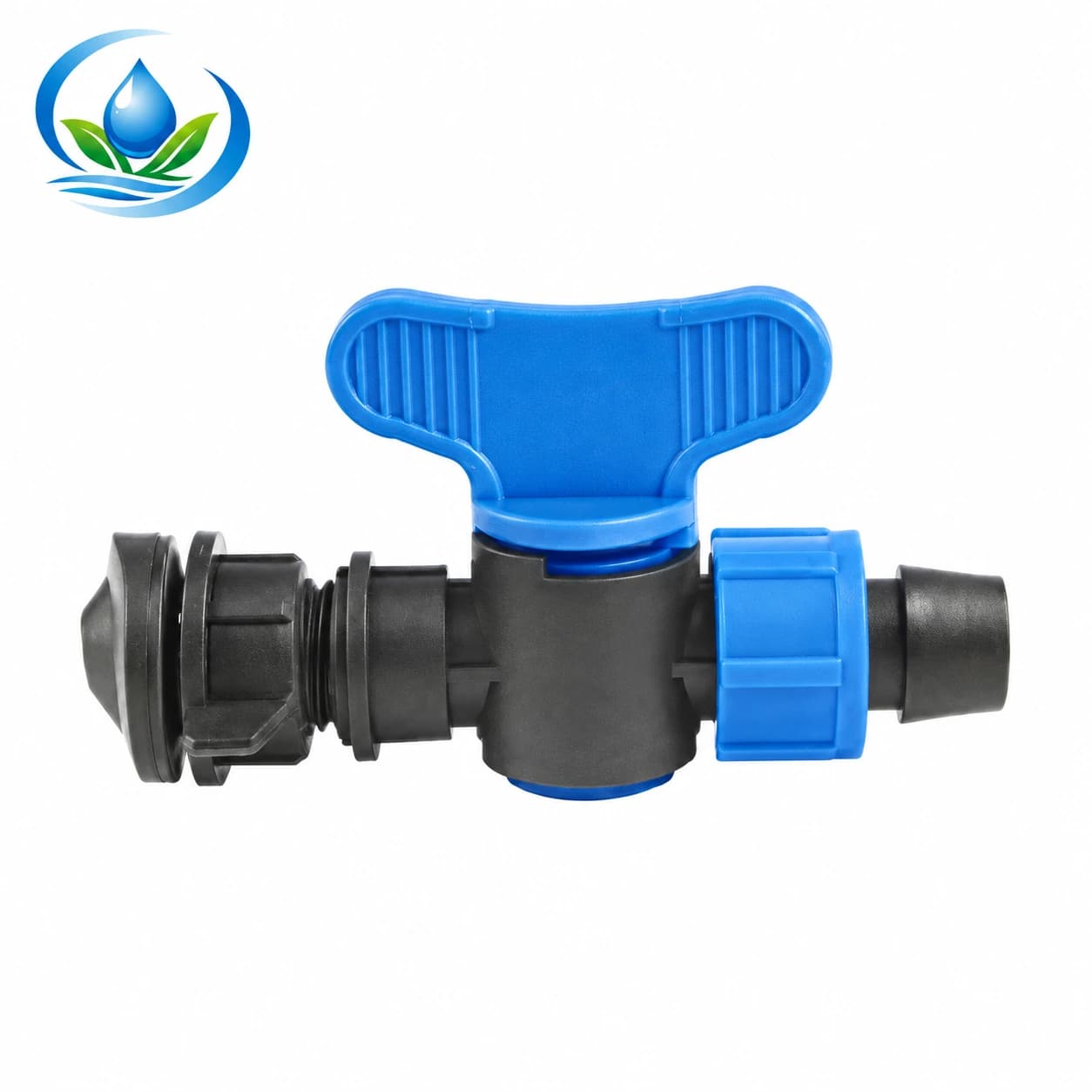
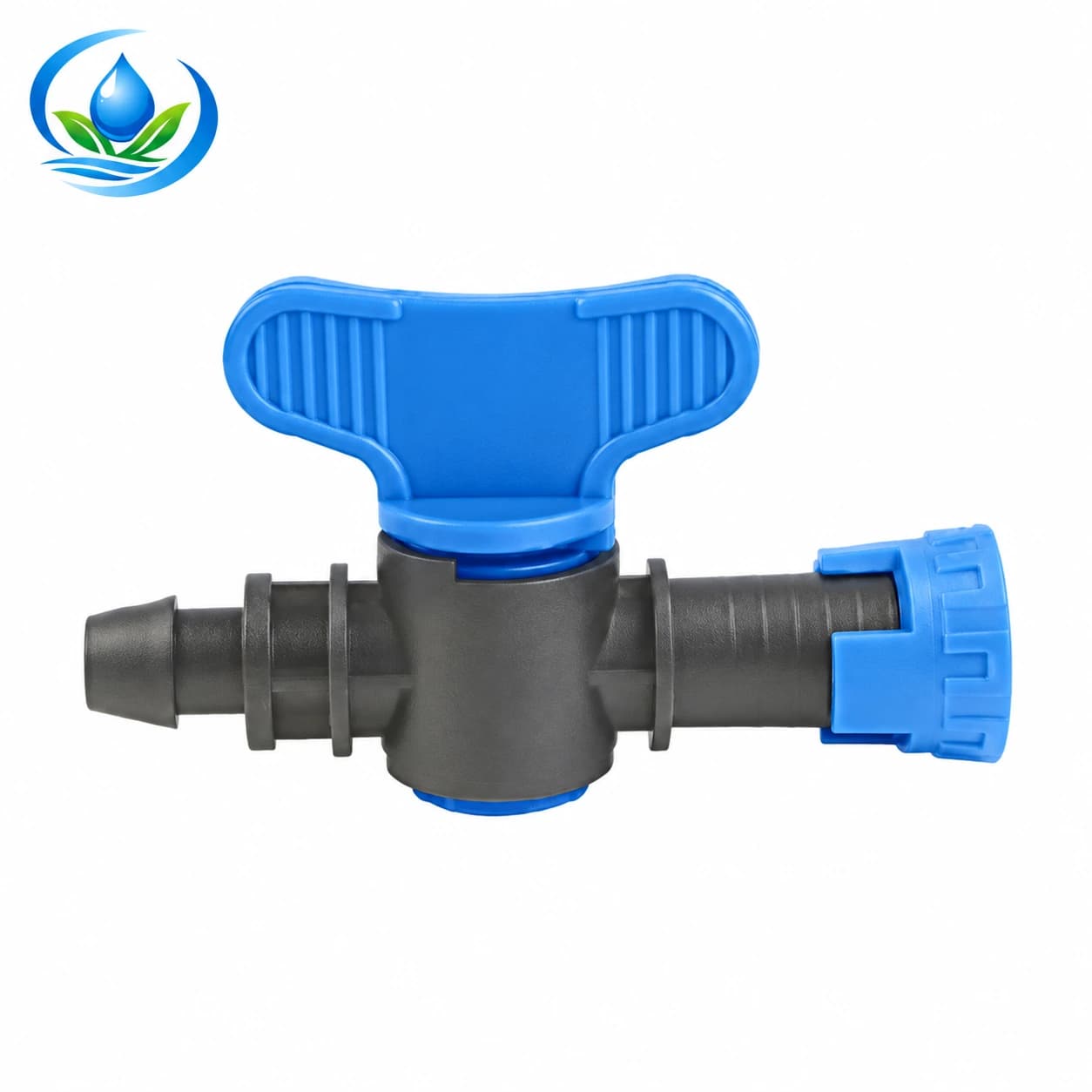
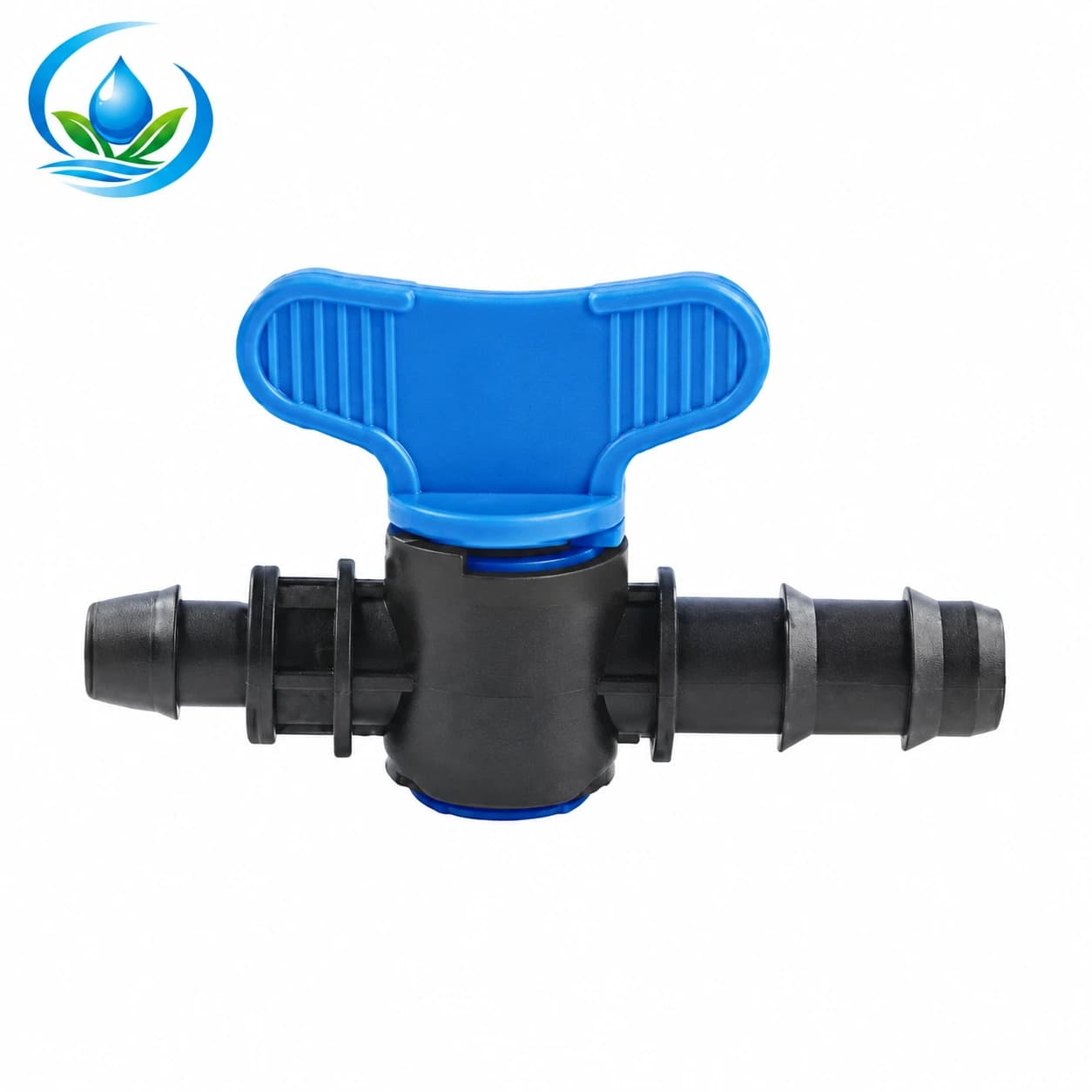
valves
Out of stock
View details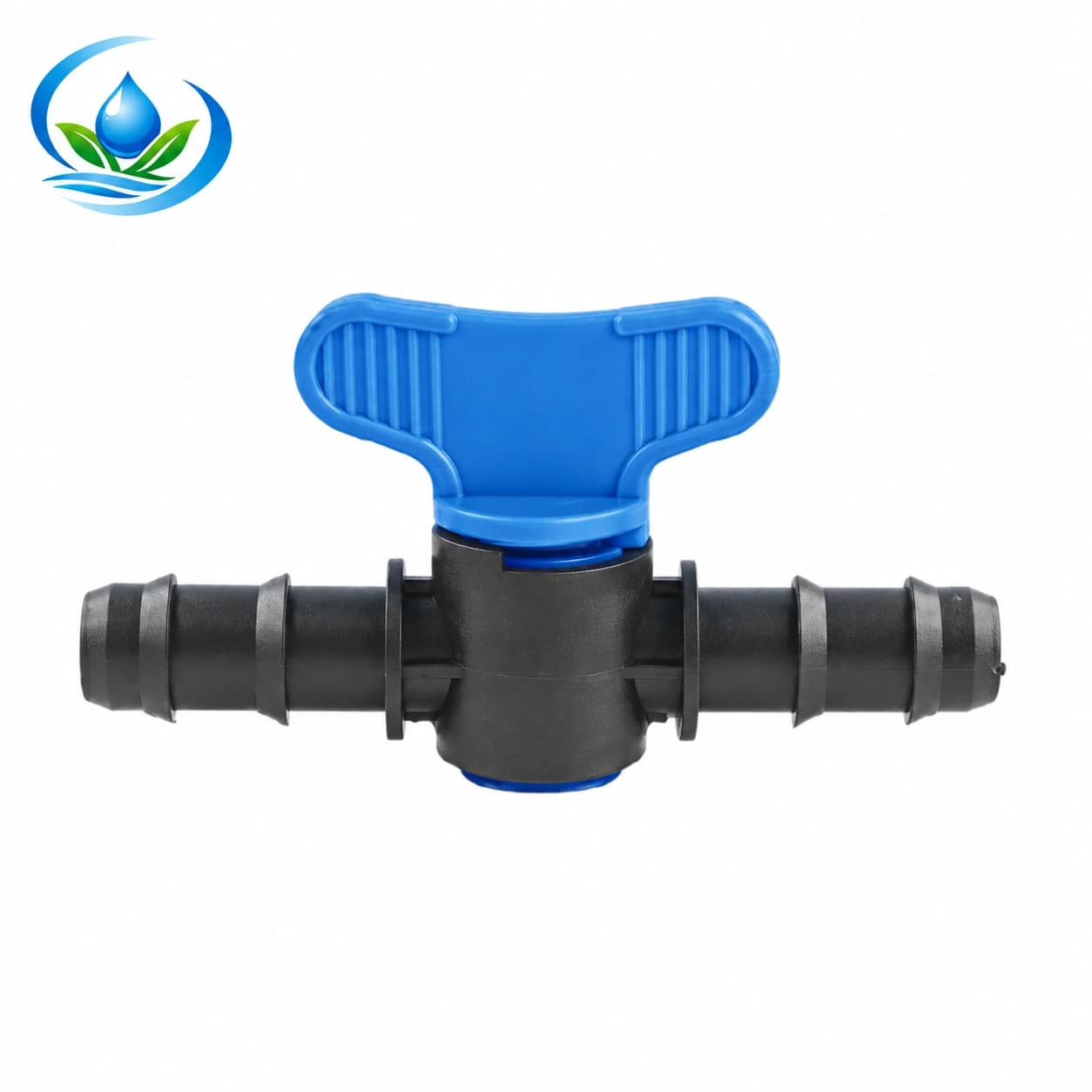
valves
$1.10
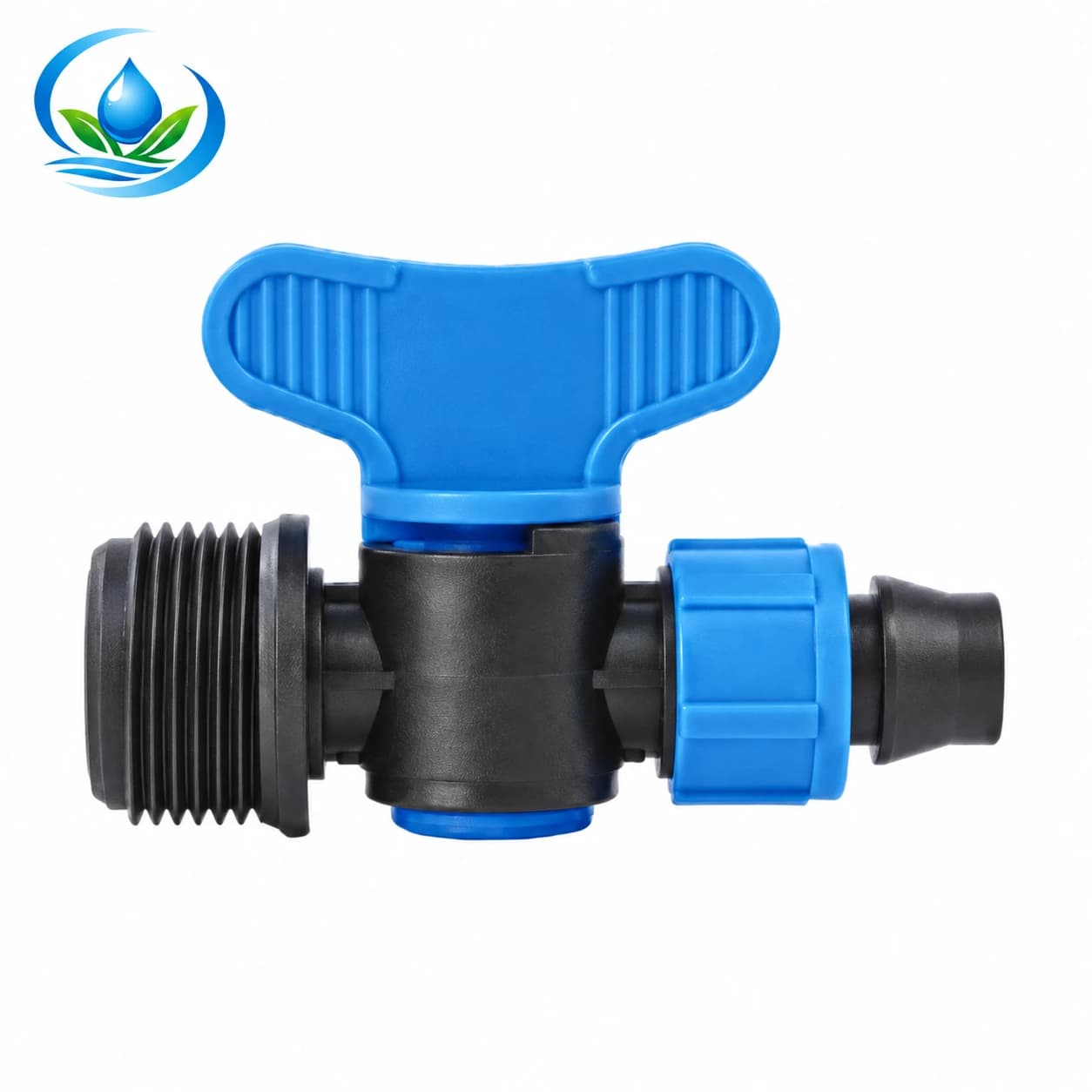
valves
Out of stock
View details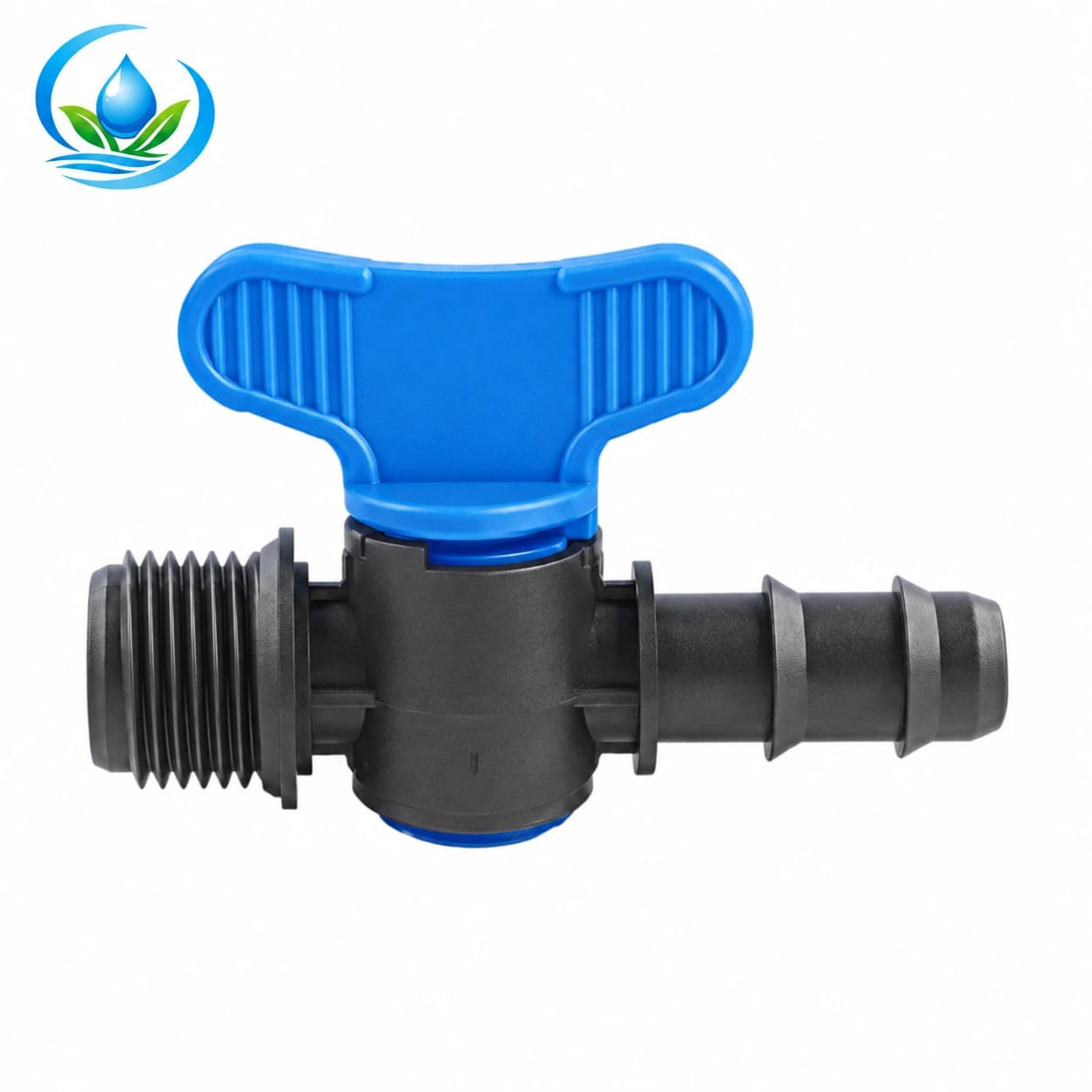
valves
$1.13
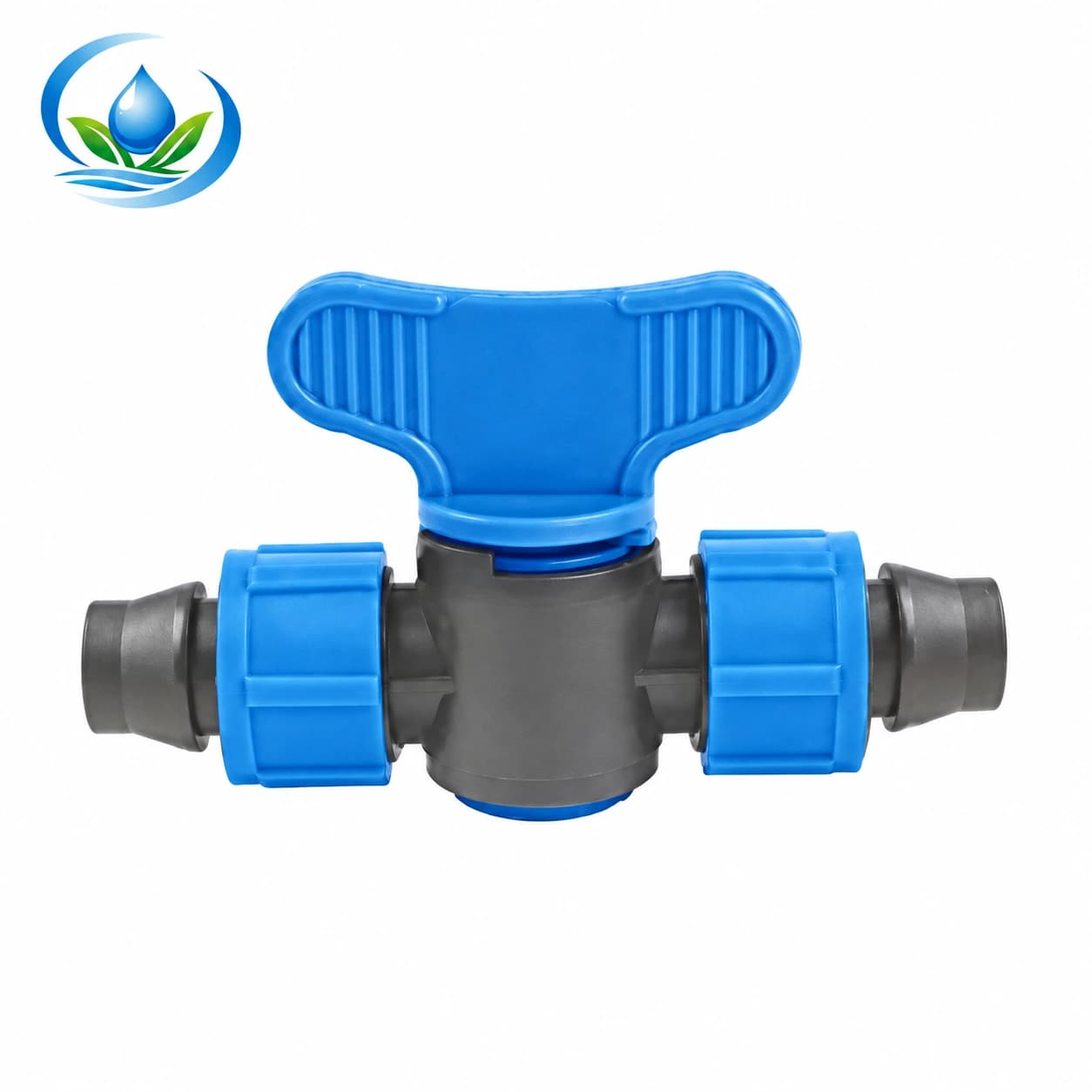
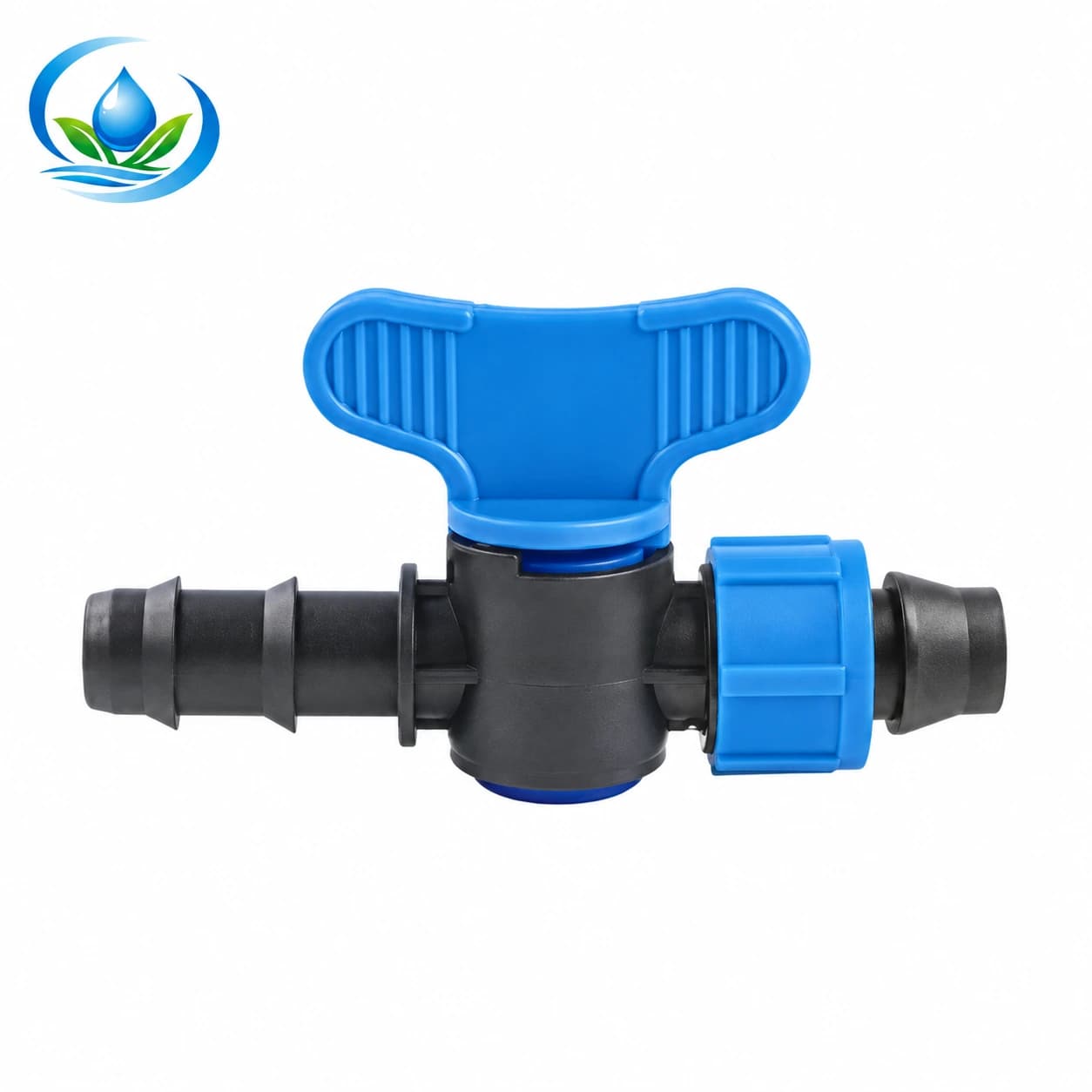
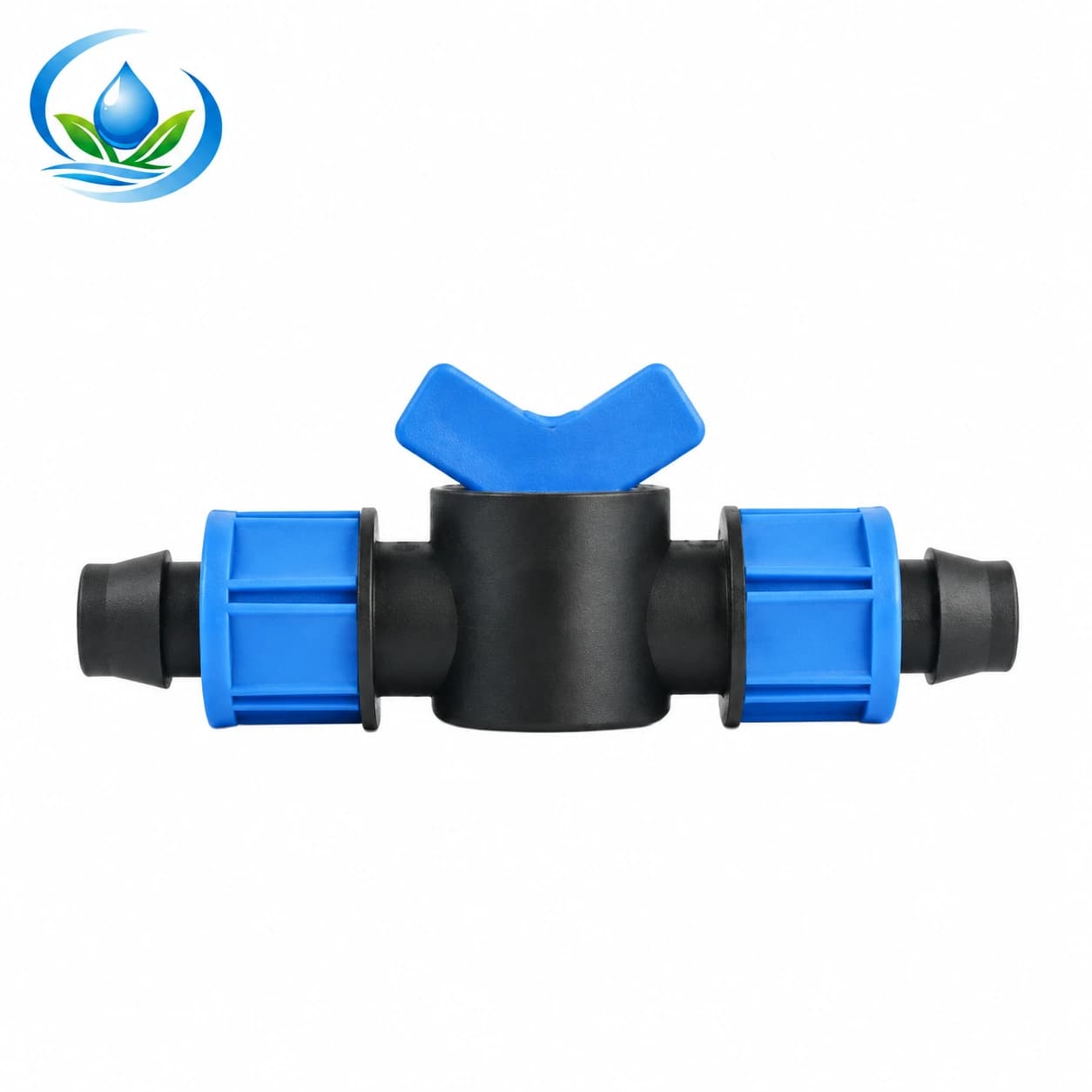
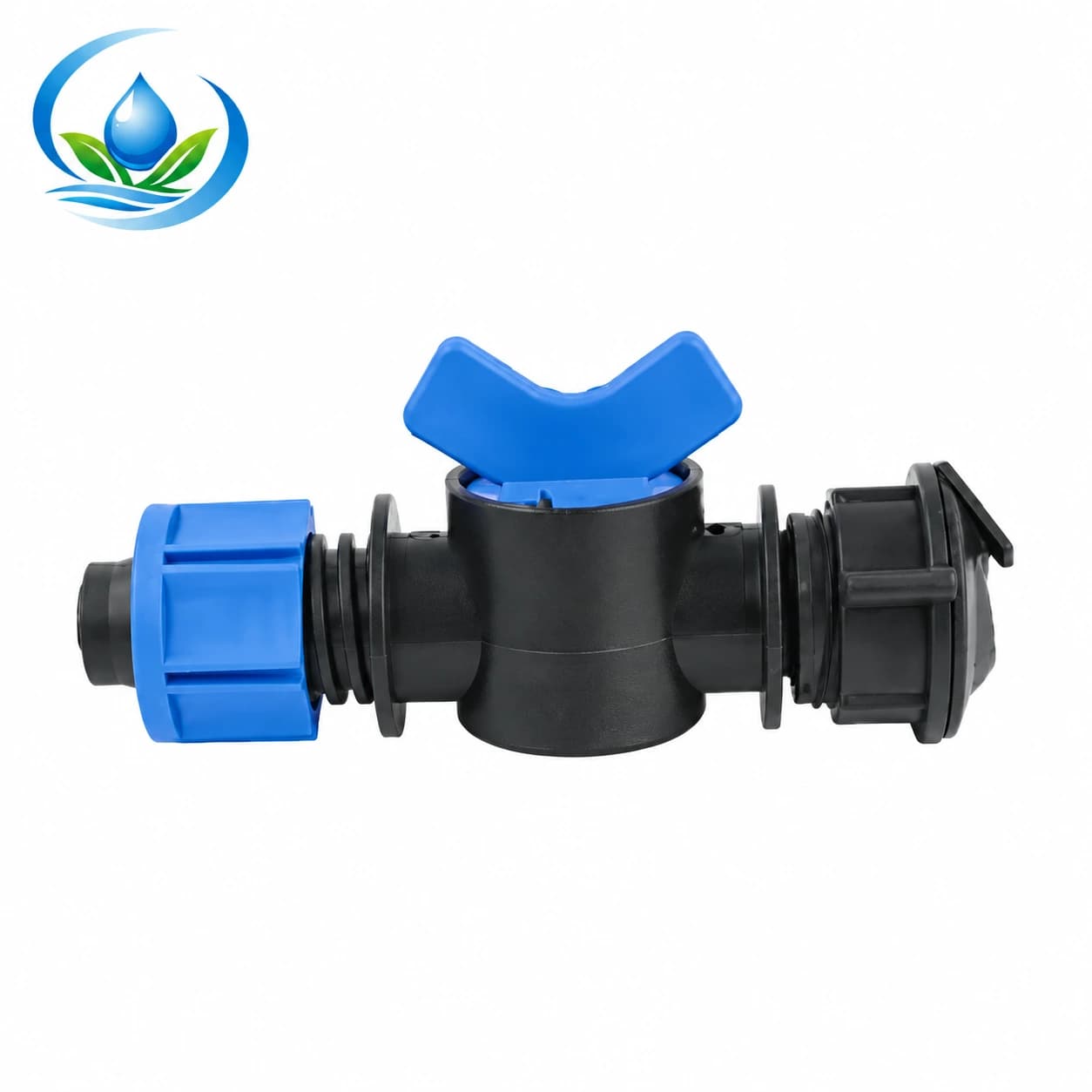
valves
Out of stock
View details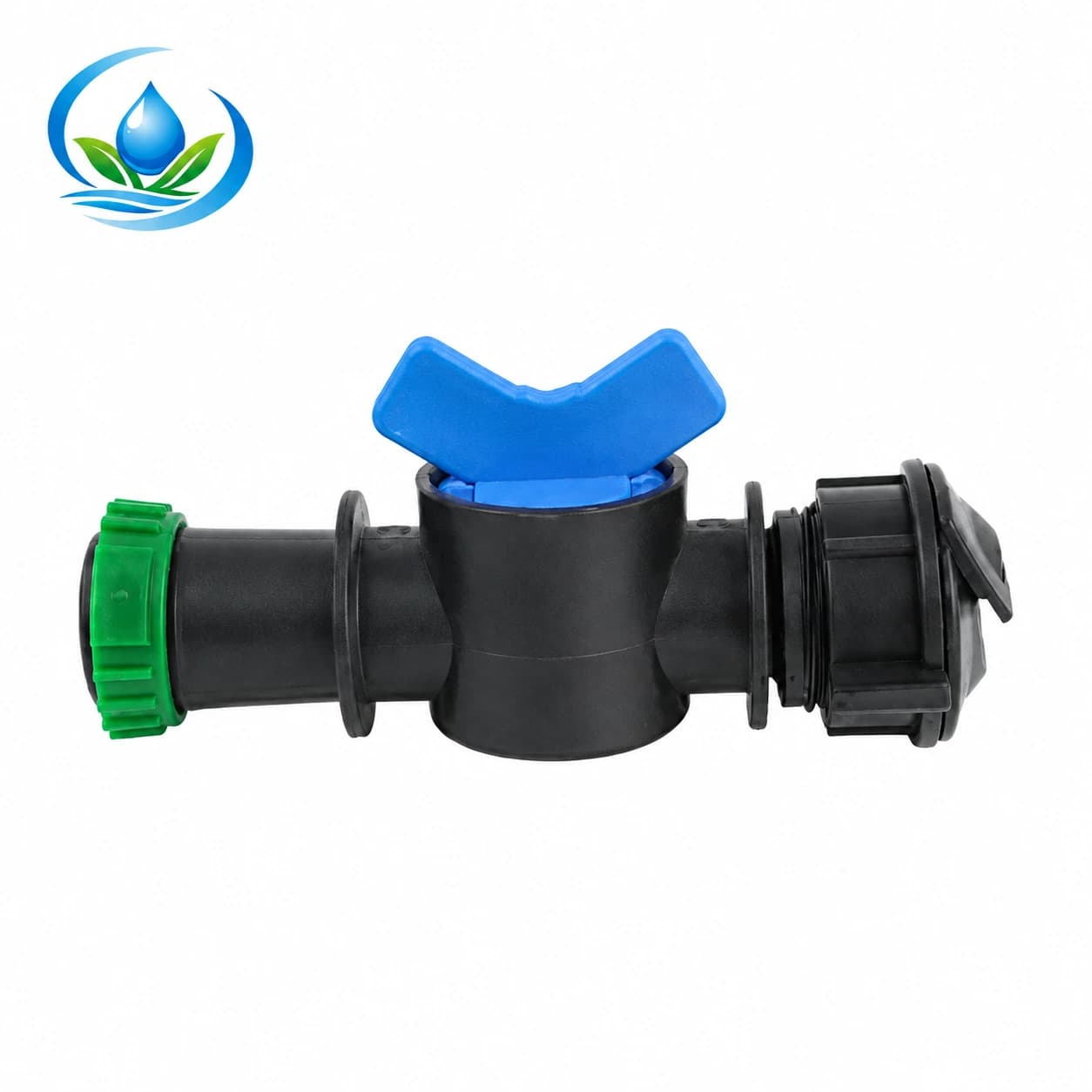
valves
Out of stock
View details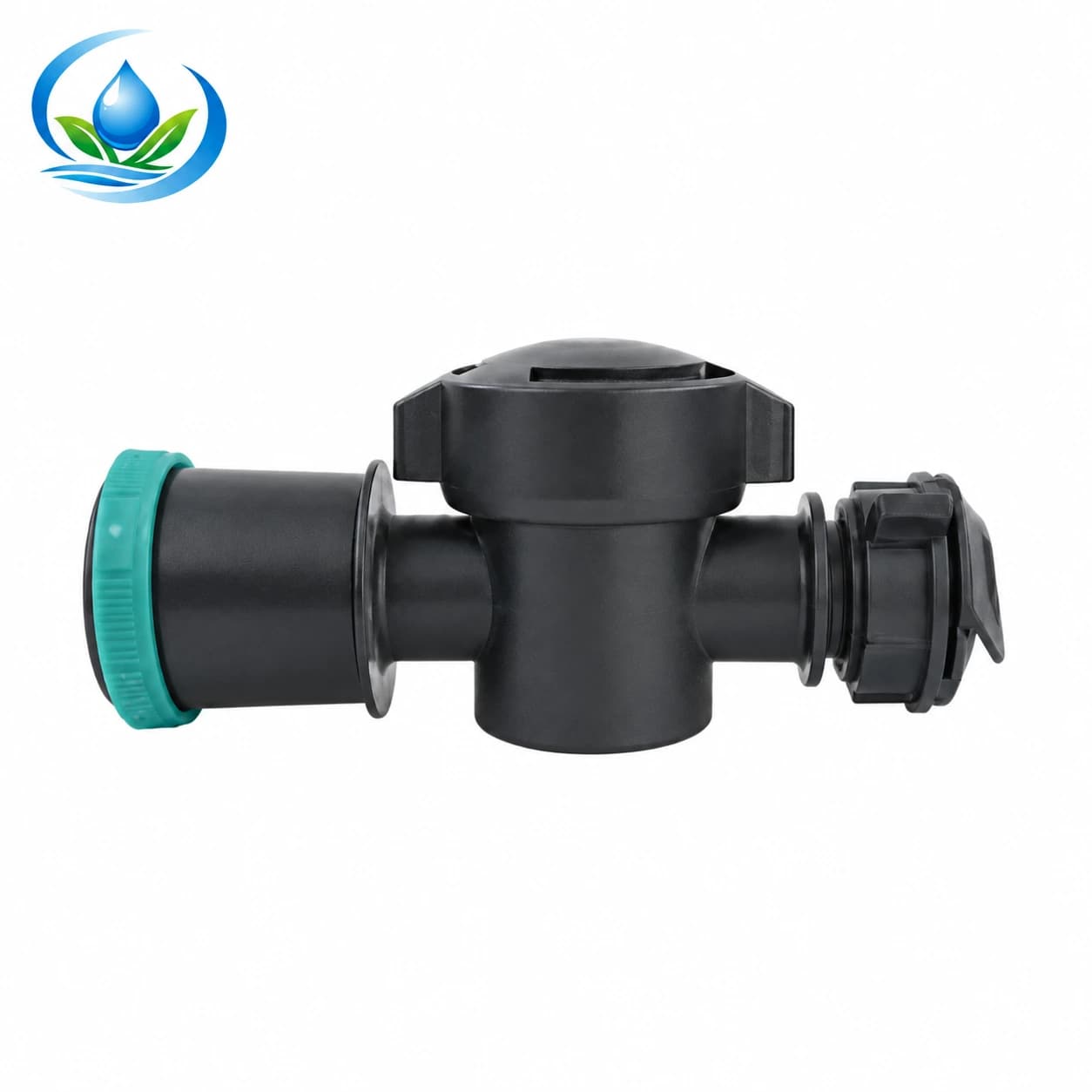
valves
Out of stock
View details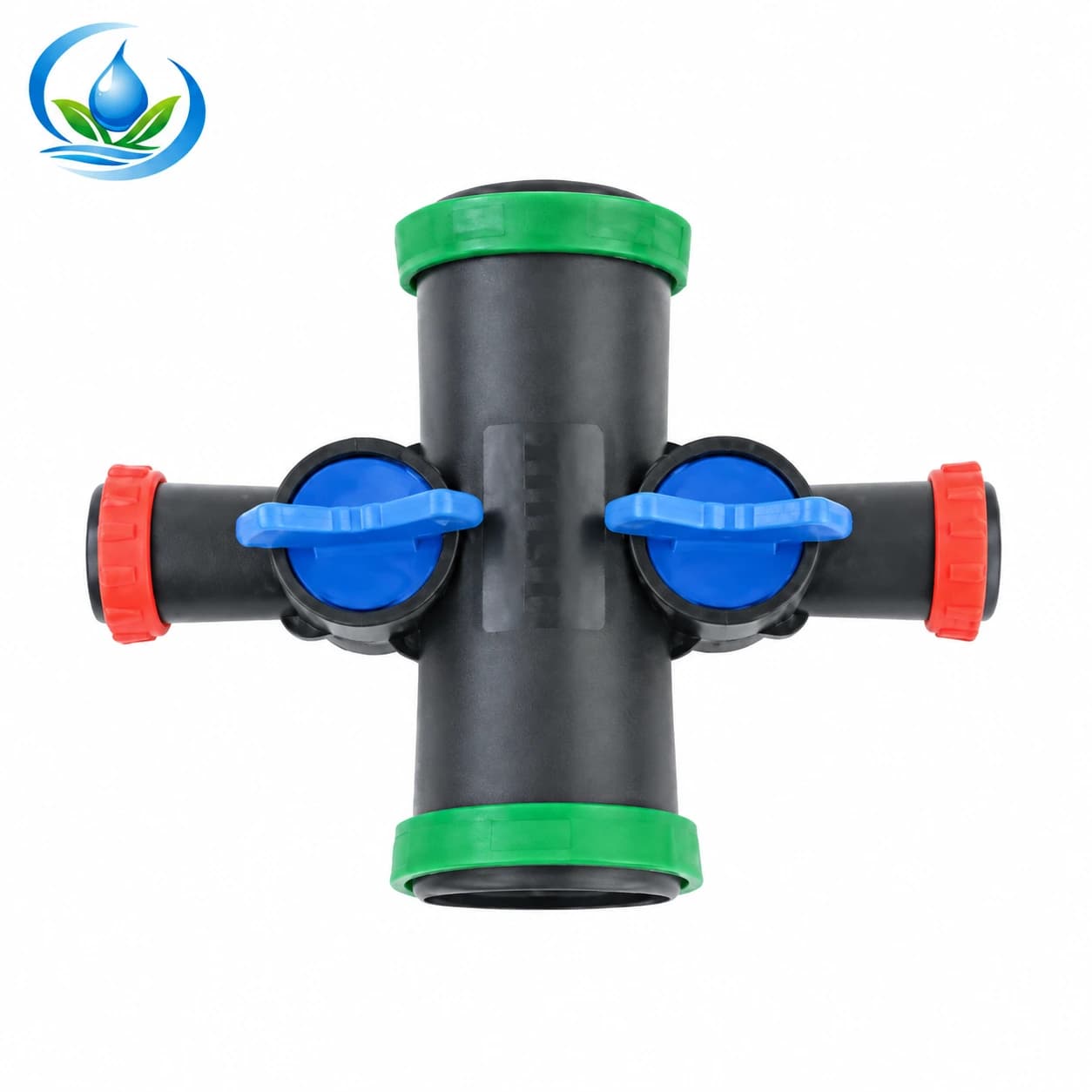
valves
Out of stock
View details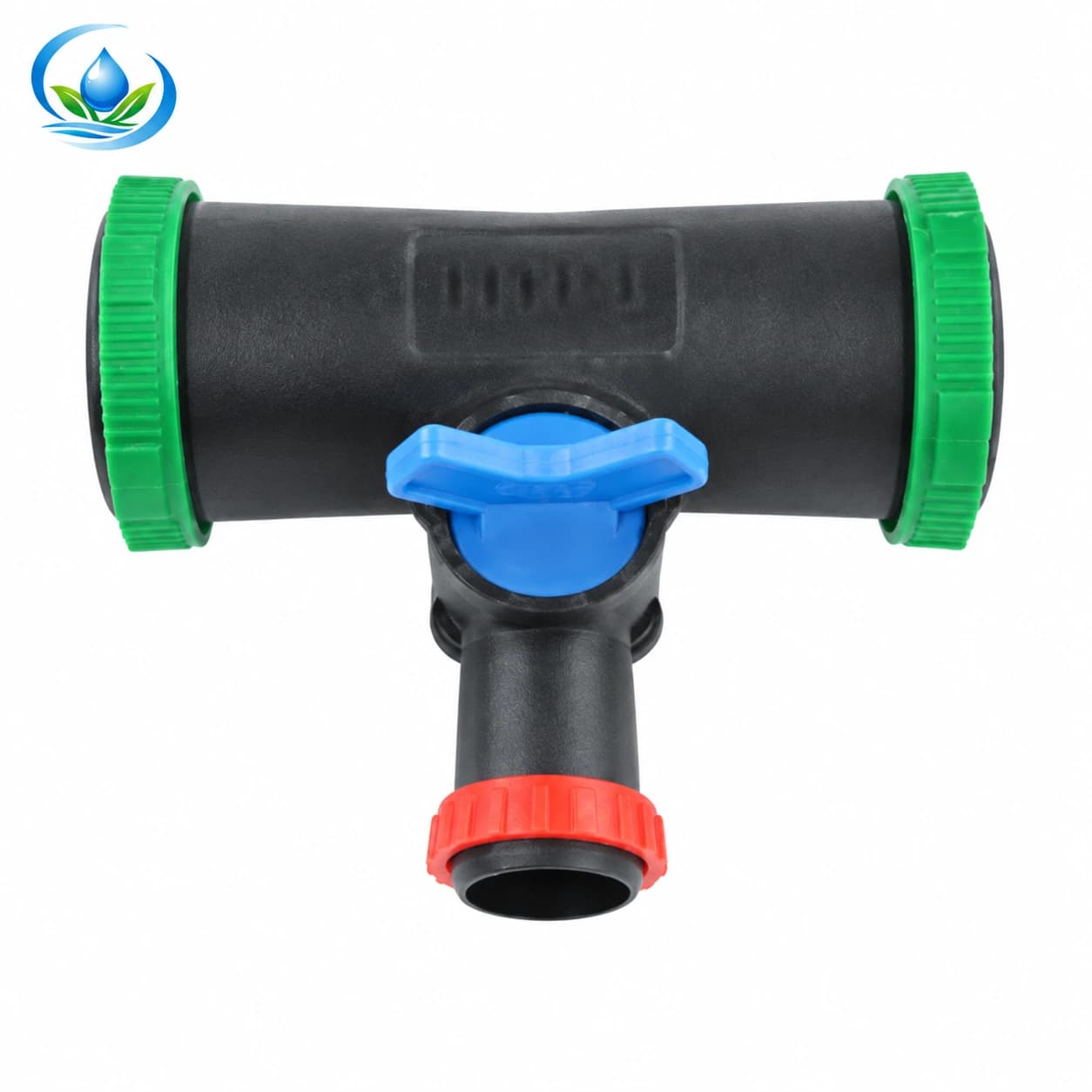
valves
Out of stock
View details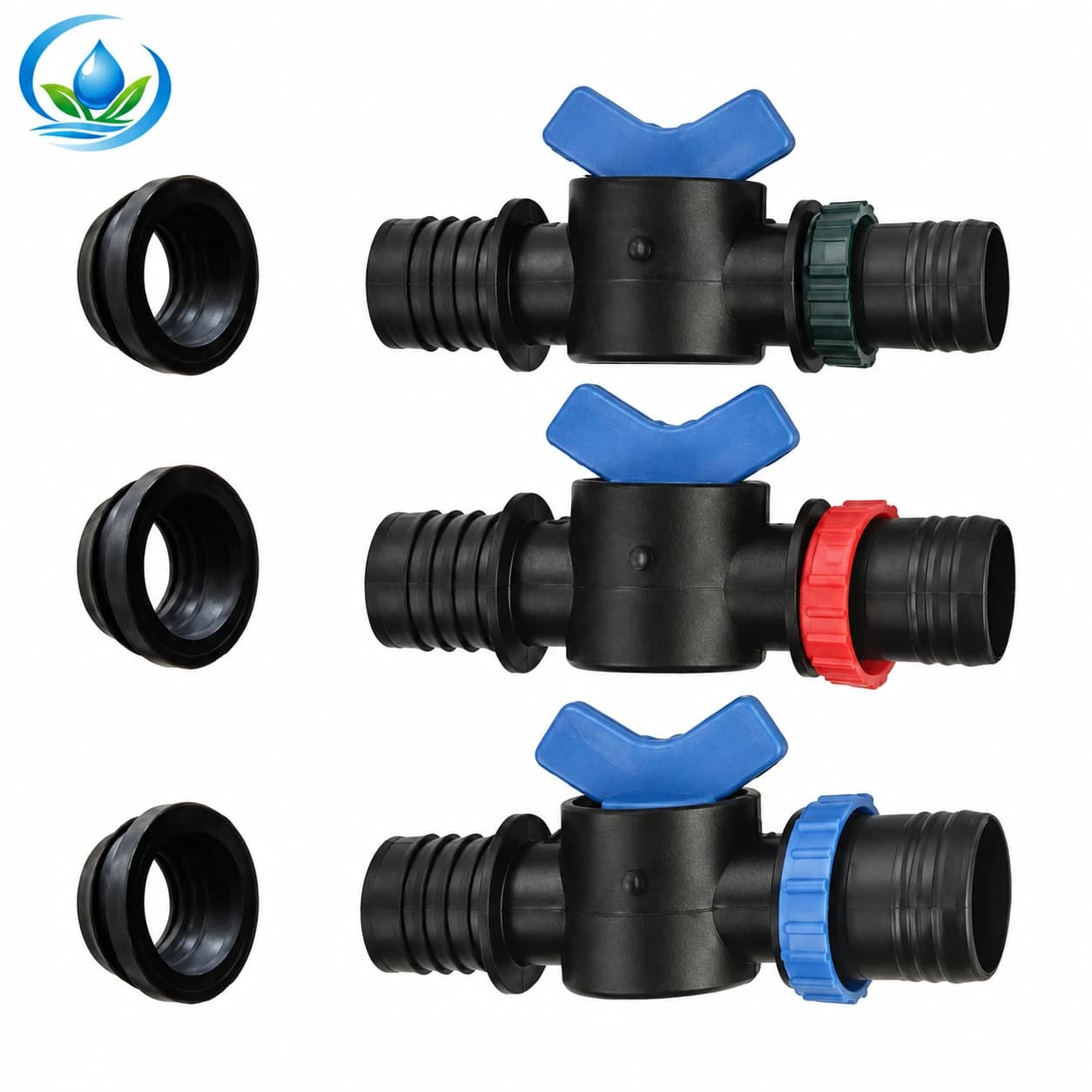
valves
Out of stock
View details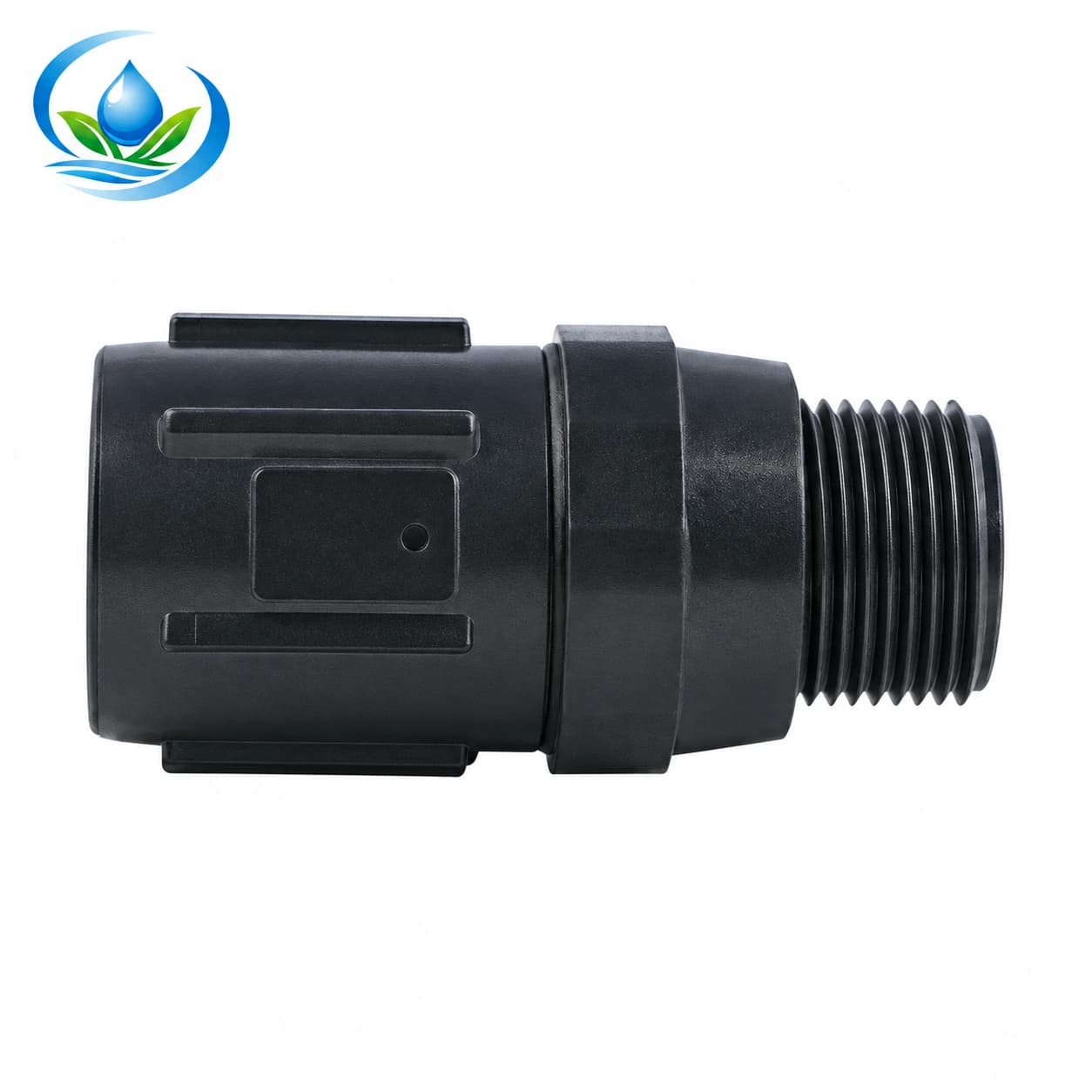
pressure regulators
From$14.30
Choose options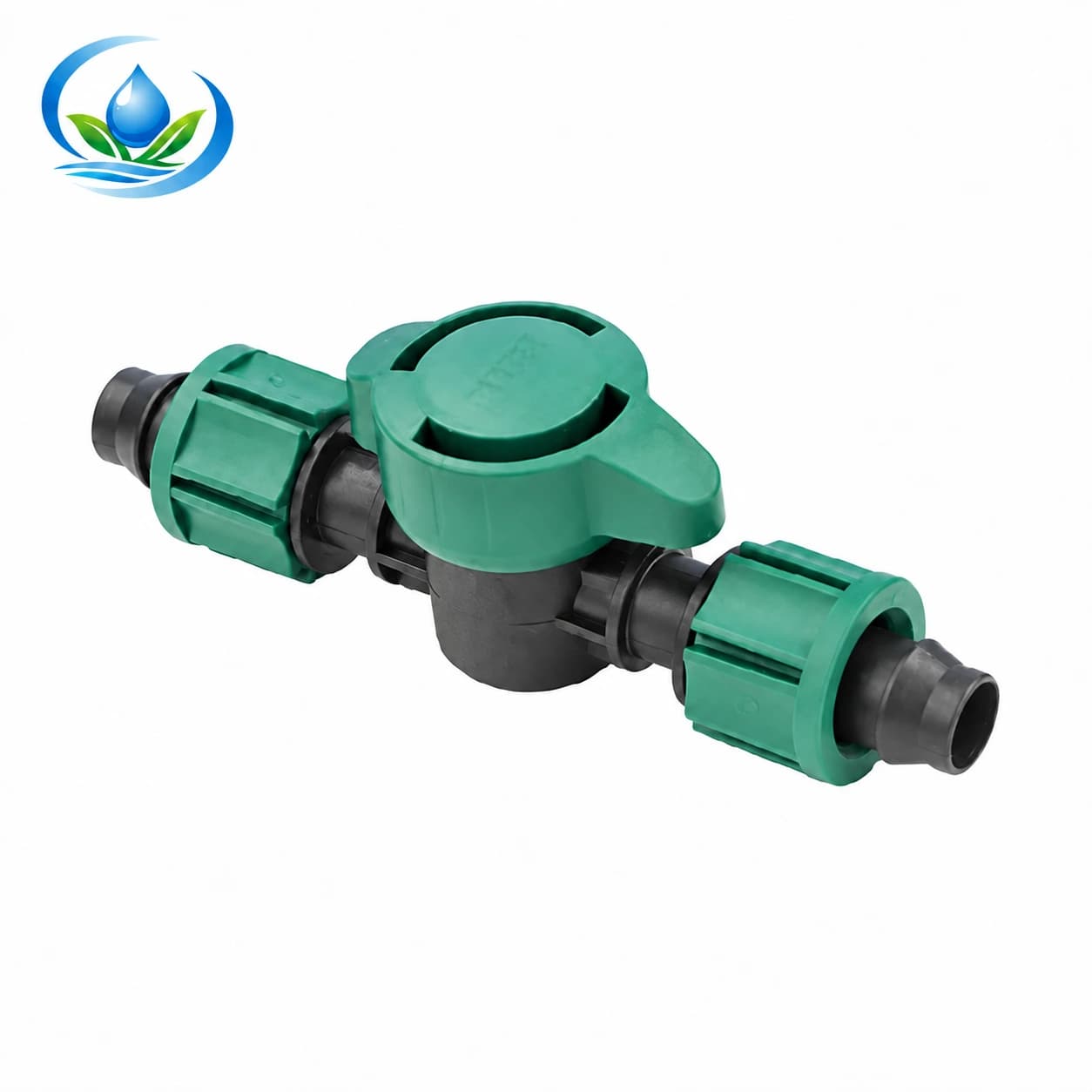
valves
Out of stock
View detailsMatch your tubing diameter, connector type and water pressure before you add the finishing touches.
Field guide
Irrigation valves open, close or regulate sections of a water network. This category brings together manual valves, pressure regulators and related components; an irrigation flow control valve is selected differently from a simple on/off valve.
Map the zone and its normal flow before choosing a valve. Check connection size and thread, direction of flow, pressure limits and whether operation is manual or powered. For a regulator, confirm its working flow range and target outlet pressure against the downstream emitters.
Irrigation valves divide a network into manageable zones, isolate equipment for service and sometimes control pressure or flow. A field system may need a main shutoff, branch valves and a separate irrigation flow control valve at a sensitive block. Map what each valve should do before shopping: isolation, regulation, one-way protection and automation are distinct functions.
A manual ball valve rotates a port between open and closed; a regulator reduces downstream pressure within its working range; a check valve resists reverse flow. Some valves throttle, but not every shutoff valve is intended for continuous flow adjustment. Valve size and pressure rating do not alone establish capacity: inspect the product's pressure-loss and flow data.
A drip irrigation valve isolates or operates a zone; irrigation valve fittings must match the valve ports and the connected pipe or tubing. Record buried valve positions on a plan and allow access for servicing before backfilling a manifold.
Exercise service valves periodically, inspect seals and watch for pressure change across a valve. A stuck or partly open valve can starve downstream emitters. Keep handles and solenoids accessible, and identify each zone in a simple site map. Replace a valve only after checking whether sediment, control power or upstream pressure caused the symptom.
Start with the controller's zone map and trace the line from the water source or manifold. Look for accessible valve boxes and listen or feel for the correct zone switching only when safe to operate. A locator can help with buried wiring; document the position once found.
Usually one control point per independently operated zone, plus appropriate isolation and source protection. The final count follows the hydraulic and maintenance layout.
Technical reference: USDA NRCS, National Engineering Handbook: Microirrigation. Use the selected product manual and local requirements for final design.