What Are the Advantages of Fertigation in Agriculture? Check a Trial Block
Test a first injector against the farm's current application work, water delivery, crop observations and full costs before expanding.
Published by IrriNex Store
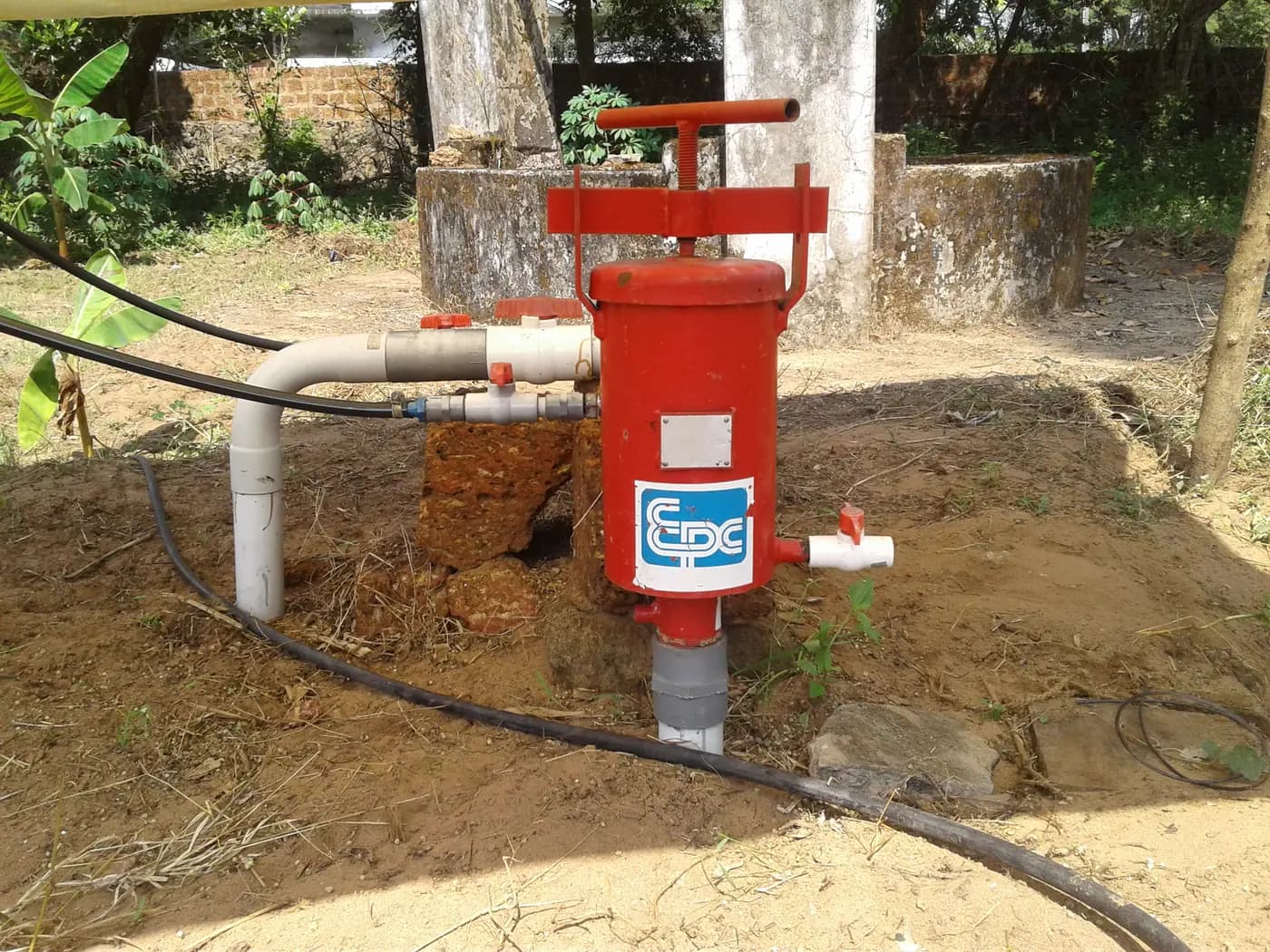
What are the advantages of fertigation in agriculture? Delivering a permitted nutrient solution through an existing irrigation zone may replace some separate field passes and make application easier to coordinate with crop watering. Whether it actually saves your farm time or money depends on the injector, the crop block and the work it adds. A small, matched field trial can answer the buying question more reliably than a headline about fertilizer efficiency or yield. Compare the work and observations before and after injection, including preparation, checks, maintenance and clean-up, before ordering equipment for more blocks. A fertigation field trial labor comparison needs the existing application passes recorded before assessing which tasks injection replaces or adds.
Start with one crop and one manageable irrigation zone whose water delivery is already understood. Keep the crop nutrition plan under the product label and qualified local advice. The trial tests a delivery method; it does not establish a new fertilizer dose or authorize a chemical. If source protection, filtration, permitted input or safe isolation are unresolved, complete those decisions before any nutrient is injected. Record what the farm currently does so the new method has a real baseline.
Design a small fertigation trial the farm can interpret
Choose a trial block and a comparable reference block with the same crop, similar planting date, soil, irrigation equipment and management where feasible. Record meaningful differences before the trial begins. If only one block is available, preserve a carefully dated baseline from previous applications, but expect weather and crop growth to make that comparison weaker. A side-by-side trial can still be misleading if one block receives more water, a different nutrient amount or substantially different labour support.
Decide in advance what the trial must show. A useful question might be whether the crew can complete a planned application with fewer separate field visits while keeping irrigation delivery acceptable. Another might be whether the new procedure fits the labour available during harvest. Write the desired benefit as a measurable observation, not as a promise of higher yield. List the minimum operating and crop conditions that must remain acceptable. An injector that saves one trip but leaves the far rows with irregular delivery has not passed a practical buying test.
Mark both blocks and their irrigation groups on a field sketch. Note area, row count, crop stage, emitter or lateral type, soil differences and the date of each activity. Use the same observation locations throughout: a near row, a middle row and a distant or challenging row, for example, chosen because they represent the real route. Record the irrigation schedule already planned for the crop. Do not extend watering simply to empty a nutrient vessel; any clean-water period after injection must follow the approved equipment, input and agronomic plan.
Compare a fertilizer injector for drip irrigation with existing field passes
For the present application method, count the people involved and time spent loading, travelling, preparing equipment, applying the approved material, cleaning up and recording the job. Include tractor or vehicle travel, field access and interruptions to other work. Count actual visits rather than assuming a field pass disappears: the farm may still need scouting, a separate product application or a return trip for equipment. Keep the baseline for a comparable area and date so later totals use the same boundary.
For an injector trial, record time to prepare the approved stock, inspect the source-protection arrangement, establish the irrigation zone, perform water-only checks, monitor delivery, finish the required clean-water sequence and clean or store the injection equipment. Include a second person's observation time if the first run needs one. A shorter application window at the field edge can be offset by more preparation at the head unit. The relevant result is the whole job, not only the minutes during which the suction tube is drawing.
Travel and labour are often where a grower expects an advantage. Write down the number of vehicle trips, distance or fuel use if it can be measured, and any task the crew can perform during a reliable unattended interval permitted by the system. Do not count automation as a saving if the selected injector has no approved automatic controls. Likewise, a water-driven unit does not remove the need to prepare, verify and maintain the installation. Compare the observed staff hours and trips with the baseline only after every required task has been included.
Make the existing irrigation zone a trustworthy baseline
The nutrient solution follows the water distribution route, so poor water uniformity can become poor nutrient distribution. Before the first injection, record the normal operating group, working flow and pressure at useful measurement points, filter condition and representative outlet delivery. Examine the near and far rows for leaks, blocked emitters and unusual wet or dry patches. If the zone is already unreliable, repair and establish its new baseline first; otherwise an injector trial can be blamed for an older irrigation problem or credited with an unrelated repair.
University of Minnesota Extension's specialty-crop irrigation guidance describes fertilizer injection as equipment that works with an irrigation system and emphasizes backflow prevention where chemicals enter irrigation water. Use the source to frame the safety and equipment questions; the device required for your source and location must still be selected under applicable rules. A suction-line check component or the presence of bypass valves does not, by itself, prove that the source is protected.
Label the trial's source, valves, injector location, stock container, measurement points and downstream irrigation group on one drawing. Confirm that the existing system can be isolated, depressurized and returned to its normal state according to its actual instructions. Leave a service route around the unit and enough access to observe it without opening a live connection. The filter and injector access guide helps review the physical location; this trial still needs the selected equipment's own installation and source-protection requirements.
Compare the Venturi and proportional injector options
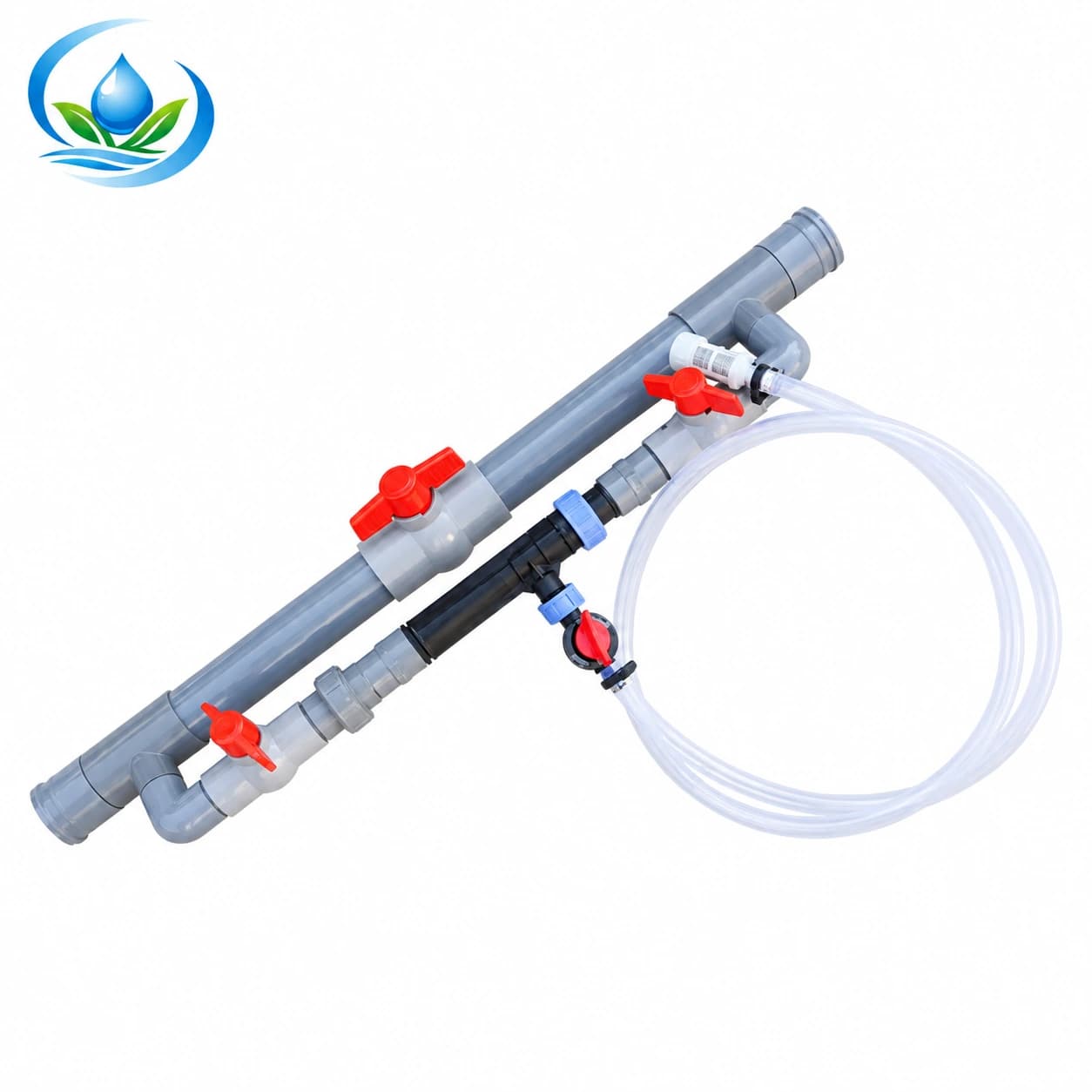
The assembled Venturi bypass set offers a Venturi injector with a listed bypass-valve and fitting arrangement. A Venturi needs appropriate flow and pressure conditions to draw; a component described as assembled does not establish that it matches your mainline, stock container, backflow device or downstream irrigation pressure. Obtain the exact supplied package and the selected unit's performance and installation instructions. A failed suction trial could reflect the hydraulic operating point rather than a lack of value in fertigation itself.
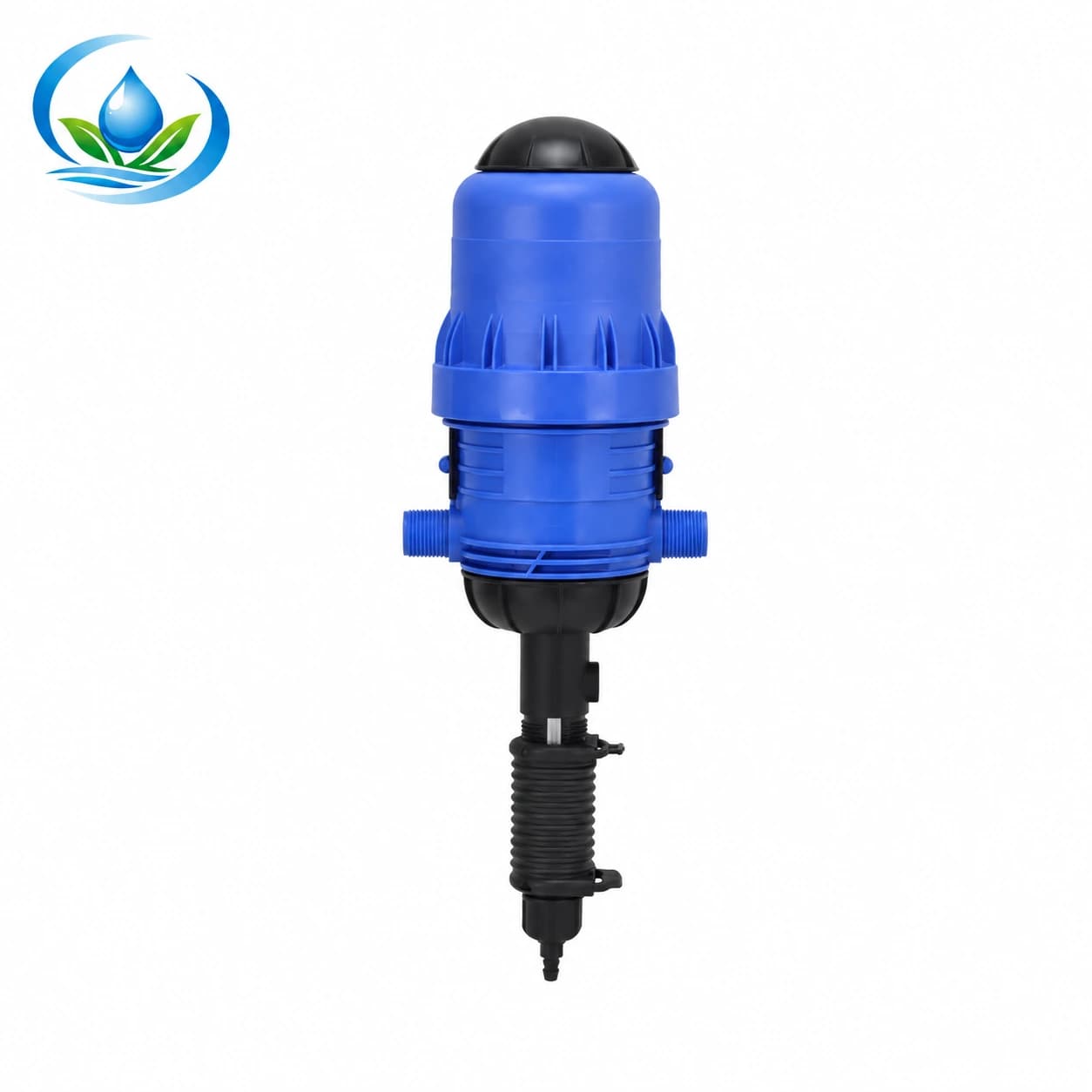
The water-driven proportional fertilizer injector is a different product route. It is intended to dose in relation to water flowing through the unit, within the limits of the exact delivered model. Confirm its permissible flow, pressure, connection, materials, setting definition and service steps before purchase. A ratio stated on a family page is not an agronomic prescription and does not certify the setting of the particular unit that arrives. Do not substitute a competitor's adjustment method or tank feature for the instructions supplied with this injector.
For both routes, record what the unit must achieve under the irrigation group's actual running conditions. Ask whether its water path and stock-solution path can be observed and measured without altering the crop's normal watering. Identify the required water-only verification method and the parts needed to connect and isolate the device. The injector package guide checks what body, suction pieces and bypass components are actually supplied. This field trial asks whether the verified arrangement improves the farm's complete application job.
Verify delivery before reading crop responses
Use clean water in the stock container for the initial equipment check and follow the selected model's procedure. Record the actual zone, time interval, water passing through the relevant line and stock-side volume moved. Repeat under comparable conditions if the trial will use more than one irrigation group. The clean-water ratio test explains how to keep the numerator, denominator and measurement interval tied together. A falling container level alone does not show where or how much solution was delivered.
Check that the irrigation group remains within its permitted operating conditions when the injector is active. Compare named near and far outlet observations with the clean-water baseline, and record any altered pressure, flow, leak or filter behaviour. A Venturi's suction may change as its hydraulic conditions change; a proportional unit also needs to remain within its own range. If the Venturi does not draw, use the no-suction diagnostic guide to collect relevant evidence, rather than repeatedly changing valves without the exact manual.
Only after the water-only check passes should the farm apply an approved nutrient solution according to its crop plan, label and equipment instructions. Record the material identity, approved planned amount, application date, active block, observed settings and actual delivery evidence. Follow the approved finish and clean-water sequence without adding unnecessary irrigation merely to dispose of remaining fertilizer. Keep remaining material under its label's handling and disposal rules. Never interpret an empty tank as proof that the crop received a uniform dose.
Compare crop results on the same basis
Choose crop indicators before the trial begins. They may include growth stage, visible condition, a soil or plant sample specified by the crop adviser, and observations at the same marked near, middle and far rows. Record rainfall, irrigation changes, pest pressure, field work and any other nutrient application during the comparison period. Photograph the same viewpoints and keep dates with every measurement. When an indicator changes, ask what else changed before crediting the injector.
A single block cannot isolate all causes of crop response. A better-looking row may have different soil or a repaired lateral. A poorer-looking row may reflect weather, disease or a blocked outlet unrelated to injection. Treat the trial as evidence about operational fit and observed delivery, not proof that fertigation caused a yield change. Harvest data, if available later, should be compared on the same area and quality basis with the limitations recorded. Results from another crop or farm do not predict the outcome in this block.
Watch for a cost of the new method that the crew might overlook: extra filter visits, stock preparation, injector seals, service time, water-only checks, and any change in irrigation uniformity. The lateral flushing access guide concerns line maintenance, which may remain necessary whether nutrients are injected or not. Record maintenance as a real trial input; neither a new injector nor a clear line end guarantees unobstructed crop outlets.
Add every relevant cost before deciding to expand
Make two columns for the same trial area and comparable period. In the existing-method column include paid labour, machinery time, travel, application setup, material handled and any needed service. In the injection column include the injector purchase or an appropriate trial share of it, installation and source protection, fittings, verification equipment, preparation, monitoring, cleaning, replacement parts, operating energy and disposal obligations. Use actual invoices or recorded hours where possible. Mark estimates explicitly so a guessed cost does not silently become a measured saving.
Compare total recorded cost and crew time alongside acceptable water delivery and crop observations. Do not claim a payback period from one convenient day. One trial may show fewer trips but higher setup costs; another may show similar cost with easier timing during a busy week. Both findings are useful because they identify the reason to continue, change the arrangement or keep the existing method. If the comparator used a different nutrient plan or watering amount, revise the comparison rather than treating the difference as an injector advantage.
At the end, choose one of three practical actions. Extend the trial if delivery and safety are acceptable but labour or crop evidence is too uncertain. Keep the current method if the complete injector job adds cost or disturbs water delivery without a valued benefit. Expand only after the equipment is verified for the next zone and the trial record shows an advantage the farm actually values. Check each selected product page for current option, sale unit, price, availability and delivery; use Store support where the exact package or compatibility cannot be established. Keep the trial sheet with the equipment so the next decision starts from measured work rather than an advertised benefit.
Before you order
Compare this guide with the specifications for your exact product, selected option, water supply and field conditions. Your equipment requirements take priority over a general example.
Compare irrigation products