Irrigation Controller: Which Unit Can Run Farm Valves and Fertigation?
Map crop-water, fertilizer and fault states before comparing a zone cabinet with an integrated fertigation controller.
Published by IrriNex Store
An irrigation controller is a useful purchase only when it can command the equipment your farm actually has through every required watering and fertilizer state. An existing farm may have three crop blocks, hand valves at some headers, powered valves at others, a pump with its own starter, and an injector operated separately. A display that shows three zones does not establish that one product can control that whole arrangement. Before asking for a configured controller, write down what must open, run, stop, remain available, and be checked by a person. That short operating brief makes the choice between a zone control cabinet and an integrated fertigation controller much clearer.
Start with the farm's real operating boundary
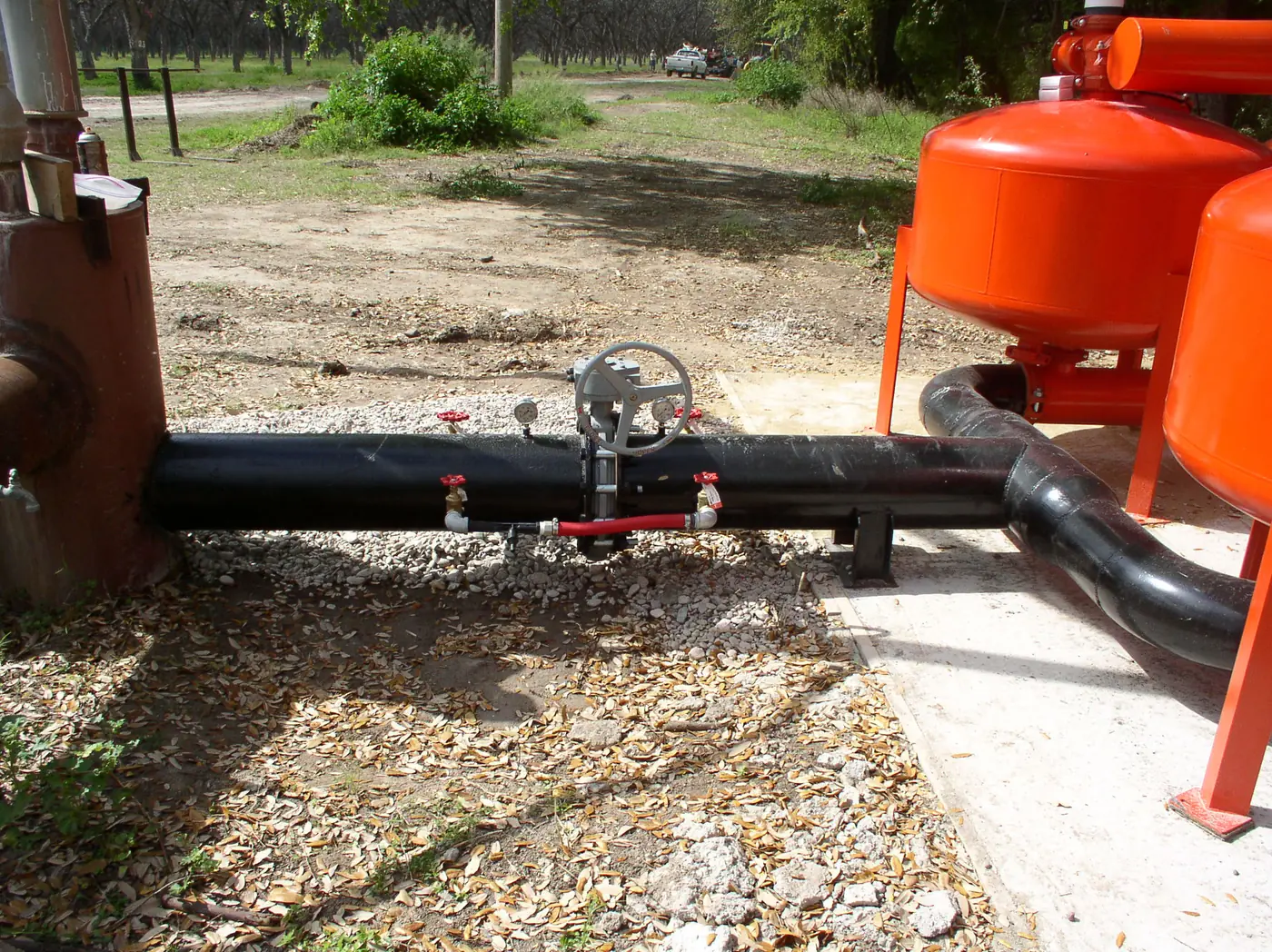
Mark the source, pump, filter, injector, mainline, block valves and crop outlets on one current drawing. Give each block a name that matches the label at its field valve. Record which block combinations are already permitted by the hydraulic design, and which are never allowed together. The farm zoning guide helps establish those water delivery groups; the controller decision begins after those groups are defined.
Identify the boundary of automation honestly. A manual header valve that a worker must open remains a manual step unless a specified powered valve and actuator arrangement is supplied and installed. A pump that starts at its own panel may need a documented command or permissive interface before the new controller can coordinate it. Write down which existing functions will continue to be handled by a person. A good proposal can leave some work manual, provided the operating sequence and responsibility are explicit.
A three-block farm could require three water commands, a pump interface, an injector command, and several observations. Record which devices change state and how the installed system confirms each change.
Make a named control-state matrix before choosing hardware
Use one row for each operation the crew expects to perform. The example below describes a possible three-block farm with Blocks North, East and Orchard; it is a template for questions, not a claim that either Store product has these functions. Replace every entry with the farm's approved crop and equipment procedure. In particular, do not infer that selecting a screen command automatically creates a physical protection function.
| Named state | Water route and pump | Injector | Required observation or handover |
|---|---|---|---|
| Ordinary water: North | North route permitted; source and pump follow the approved starting sequence | Off | Confirm correct block and stable delivery |
| Permitted fertilizer feed: East | East route confirmed under its approved operating conditions | Feed only when the farm's documented conditions are met | Identify who verifies water flow and feed status |
| Water-only finish: East | Keep the approved East water route operating for its established finish procedure | Off, with a way to verify addition has stopped | Record the handover to water only |
| Stop, fault, or restart | Use the documented shutdown and restart sequence for the actual pump and valves | Show how unintended feed is prevented or stopped | Identify alarm, reset authority and field check |
For each row, add the initiating event, the person allowed to request it, the expected device indications, and the evidence that the transition really happened. A programmed timer and a field confirmation are different things. If a valve sticks or a water supply drops, the displayed schedule may continue while the field condition has changed. Ask the supplier and qualified installer what the selected configuration detects, what it merely commands, and what remains for the operator to inspect.
The water-only finish is a distinct command state: fertilizer addition ends while the intended water route continues under the farm's established procedure. The clean-water finish guide covers the detailed single-block handover. Here the purchasing issue is whether the proposed system exposes separate, verifiable water and injector control across every block that needs it.
Inventory outputs, interfaces and evidence at the installed equipment
Walk the farm with the person responsible for its electrical and pump equipment. For each powered field valve, record the exact model and coil marking, current control method, cable route, and any field relay or decoder already installed. For each manual valve, record its location and role without counting it as an available electrical output. The manual irrigation valve guide helps identify its physical isolation job, which is separate from a controller command.
At the pump, record the actual starter or variable-speed interface and which existing protection devices and operator controls must remain in charge. At the injector, identify the device that starts and stops addition, how its status can be confirmed, and whether it can be operated independently of the water route. Inventory installed flow, pressure, tank-level or other sensors by exact model and signal interface. Note whether each reading is visible locally, wired to another panel, or available to a prospective controller. A sensor on the pipe is not automatically a signal available to a new cabinet.
Make a separate column for what the farm needs the controller to command, what it needs to observe, and what must remain a protected function of existing equipment. This prevents a proposal from treating a pump-start request as proof of water flow, or an injector-off command as proof that injection physically ceased. Include normally used override controls and the person who authorizes them. A qualified installer should compare this inventory with the actual device documents and proposed wiring and commissioning plan; operators should not be asked to experiment on energized equipment.
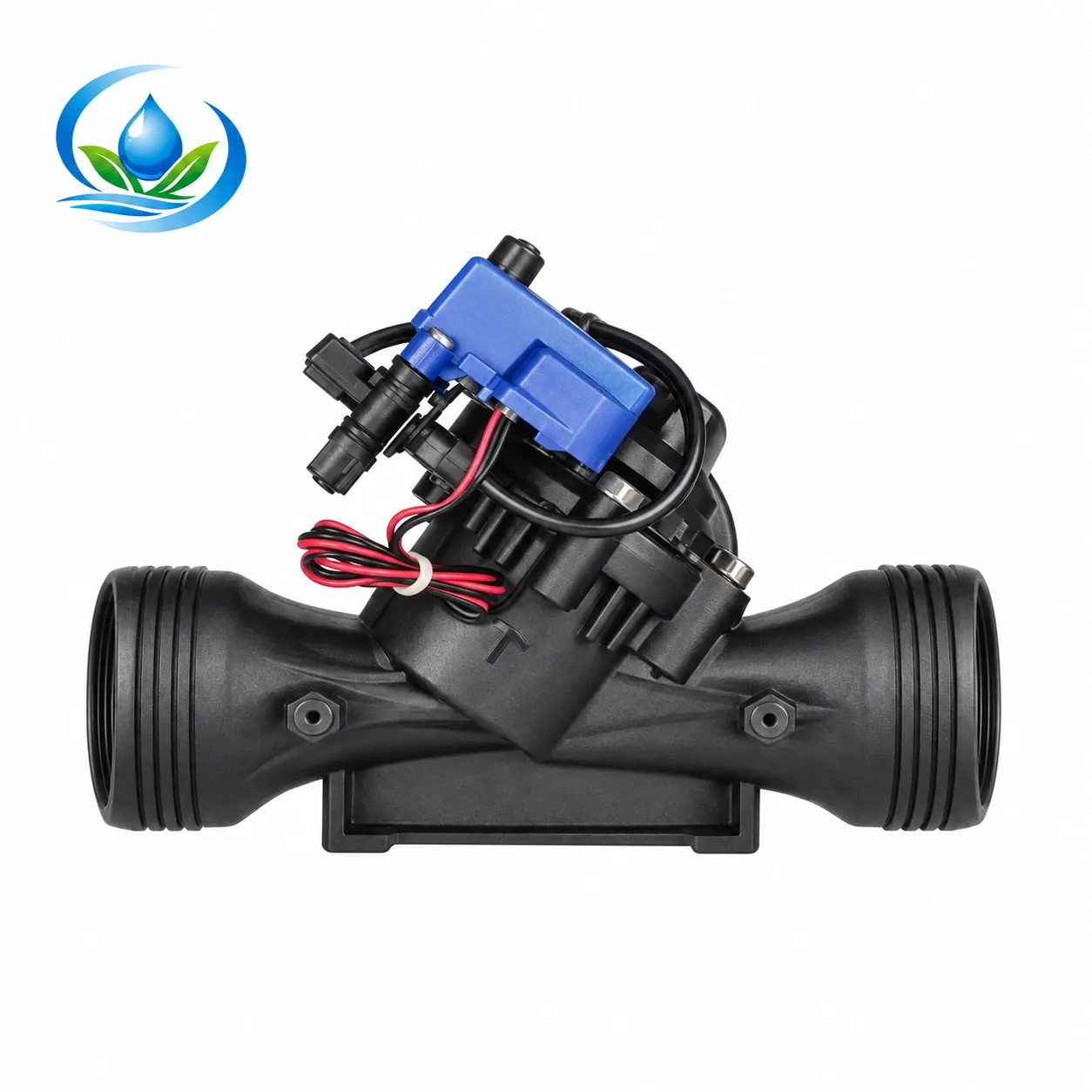
The Store's electric diaphragm irrigation solenoid valve is an example of a field valve family to put on an interface list. Its listing does not prove that the selected coil works with either controller. Request the exact valve variant, coil and connection documentation alongside the exact proposed controller output or intermediary device. Likewise, an existing valve with a similar name or size cannot be assumed to share its electrical interface.
Compare the two Store routes by required functions
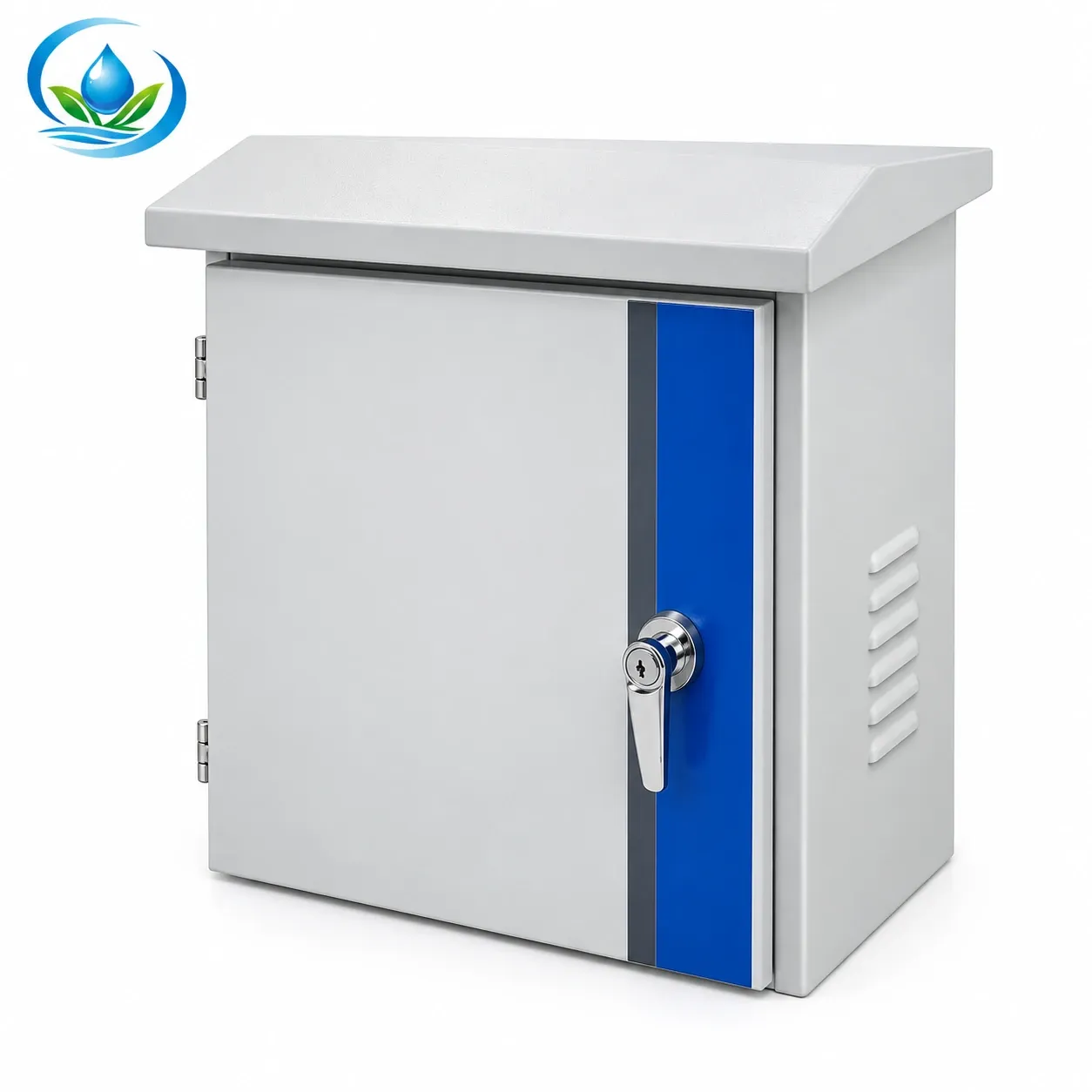
The Smart Irrigation Control Cabinet is a plausible route when the main purchasing problem is coordinated block and pump control, while the farm's fertilizer equipment has a separately documented control arrangement. Ask whether the selected cabinet configuration provides the required field commands, pump interface, schedule and state indications, and whether it can participate in the actual fertilizer sequence. If fertilizer permission, feed stop or water-only operation must be coordinated there, require those functions to appear explicitly in the proposed configuration and operating description. Do not infer them from the word “smart.”
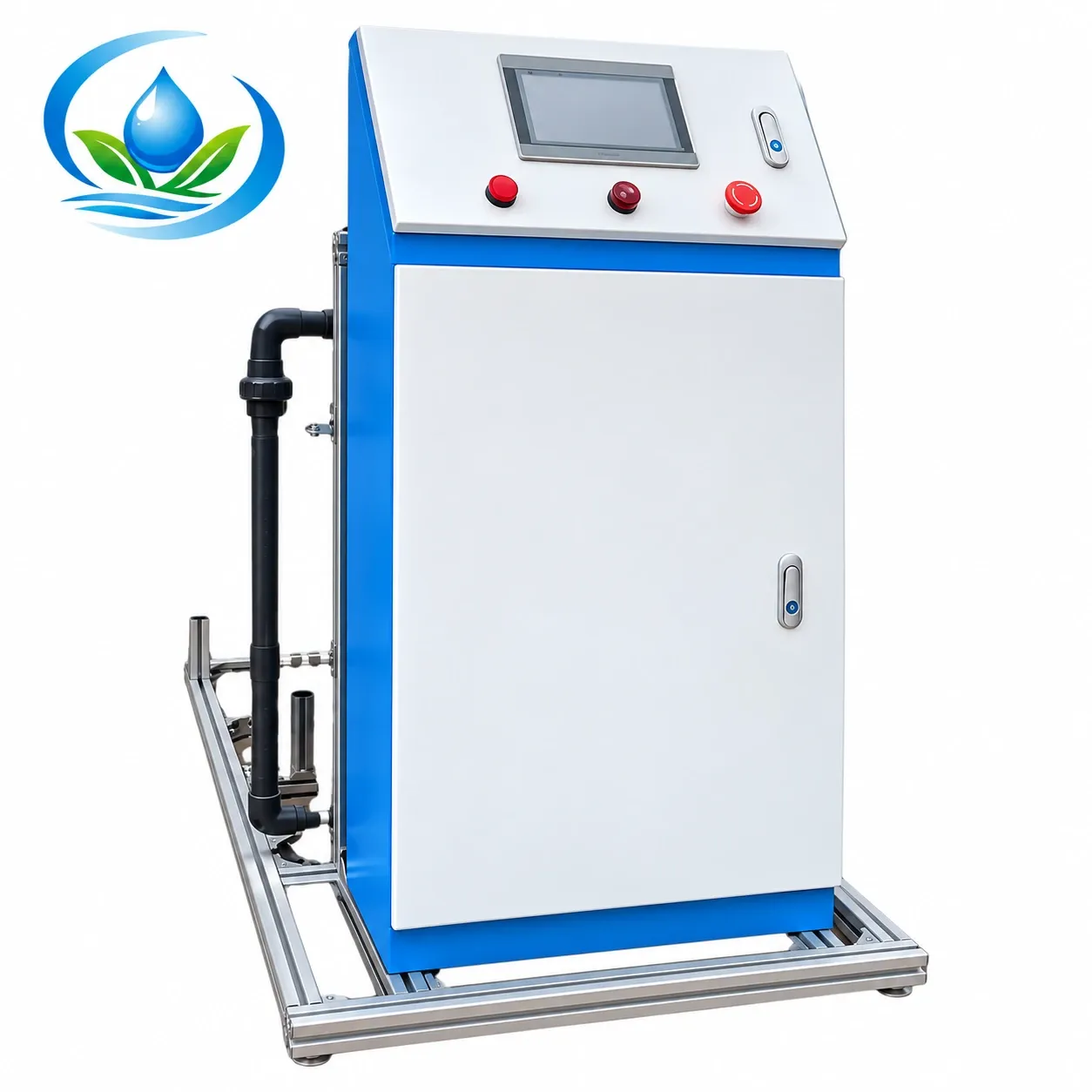
The AC150 Intelligent Fertigation Controller is the other route to examine when the farm wants one proposed control arrangement to cover irrigation and fertilizer operation. Ask which AC150 configuration is offered, which injector and water-side devices are included, which are separate, and how each named state in the matrix is executed and verified. A controller described within an integrated machine range does not mean the standalone listing supplies every pump, station, sensor, valve or injector shown in a catalogue arrangement.
Compare the offers line by line against the same farm brief. If both can meet a state, ask what components, documents and commissioning steps are needed for each. If one cannot meet a required state, the supplier should identify the missing function or separately specified equipment rather than treating an operator workaround as equivalent. Neither product page supplies a universal answer for every installed farm. The useful decision is a documented exact configuration that covers the required functions and interfaces.
Screen size is an operator-interface detail, not evidence of field capability. A pictured display, including a 10-inch AC150 presentation or the cabinet's display options, cannot establish the number or type of outputs delivered for this order. A WBUS option named in catalogue material likewise does not prove that compatible field components, wiring or stations are supplied. Ask for the precise bill of supplied control and field components and the model-specific connection information.
Give fertilizer permission its own proof
Fertilizer feed needs a defined permission tied to the farm's water operation. The University of Minnesota Extension's chemigation guidance explains the general concern: injection can continue after irrigation water stops unless the equipment arrangement addresses that condition. For this purchase, ask how the proposed exact installation establishes water availability, stops feed when water operation is interrupted, and prevents an unintended restart of feed. Ask for a demonstration plan, not an unverified promise of an automatic interlock.
Also ask the installer to identify the source-protection arrangement for the actual water source and fertilizer equipment, using the applicable equipment documents and local requirements. The controller's screen alone does not establish physical source protection. Record which protective devices are supplied, which already exist, and who will verify their installation and function. Avoid turning a general safety principle into a claim that a particular controller contains a specified protection device.
The injector's uptake and stock-mixing check is a separate task covered by the injector ratio test guide. Its result may inform a farm procedure, but it does not answer whether a controller can independently command feed off while water continues. Keep crop nutrition decisions and any approved finish duration with the farm's agronomic plan. Ask the control supplier to show the state transition, its indication and its response when a required condition is lost.
Specify stop, fault and restart as operating cases
“Stop” can mean a normal end of irrigation, an operator stop, loss of source water, a pump fault, a power interruption or a sensor report outside its accepted range. List the cases relevant to the farm and the intended operator response for each. Ask which conditions the proposed system can actually detect. If it cannot observe a condition, assign a field check rather than writing it into an imagined alarm feature. Do the same for a damaged cable or a valve that does not move as commanded.
For a fertilizer run, ask the supplier to document the physical sequence after a water interruption: what happens to the injector command, pump interface and selected water valves, and what evidence is available to the operator. Then specify who can reset the system, what must be inspected, and whether fertilizer feed needs a new deliberate permission after water is restored. Do not assume a power return resumes in the desired state. Require the exact product and installation documents to establish restart behavior.
Document manual operation for controller outages, including who has authority over the pump and injector. The manual block watering-window guide helps check whether that human-operated sequence fits the farm day.
Request a configuration that can be accepted in the field
Send the seller a current diagram, the named state matrix, and an inventory with photographs of model plates and existing interfaces. State which blocks may run together, which require fertilizer, which water-only finish is required, and which tasks the crew will continue to do manually. Ask for an exact-model proposal showing supplied and separately required field valves, injector interface, pump interface, sensors, control outputs, display option, communication option and source-protection components. Have the installer reconcile the proposed interfaces with the actual device documents before any equipment is ordered for connection.
Make acceptance observable. During commissioning, the qualified installer and farm operator should demonstrate ordinary water to a named block, permitted fertilizer feed under the farm's approved conditions, a deliberate change to water only, a normal stop, and the relevant interruption and restart cases. Record both the controller indication and the observed field response. If a condition cannot be simulated safely, agree on a documented verification method from the equipment supplier. A successful display sequence alone does not prove the pump, valve and injector did what the display requested.
Before choosing between the cabinet and AC150, ask these exact-model questions: Which of our listed valves and coils can this supplied configuration command, and through what specified interface? Which pump and injector devices are included or required separately? What confirms water availability before fertilizer feed, and what happens to feed when water stops? Can the selected block remain on water after addition stops? Which faults are sensed, which only rely on an operator check, and what is the documented restart state? What source protection and field components are included, and who verifies them? Request the configuration and commissioning answers through the relevant Store product pages with the farm brief attached. Order against that agreed equipment list, then accept the installation only after its named states have been demonstrated on the farm.
Before you order
Compare this guide with the specifications for your exact product, selected option, water supply and field conditions. Your equipment requirements take priority over a general example.
Compare irrigation products