Automatic Screen Filter or Manual Unit: Which Cleaning Work Can Your Farm Support?
Compare a serviceable manual screen with a documented automatic-cleaning proposal using actual cleaning events and total operating needs.
Published by IrriNex Store
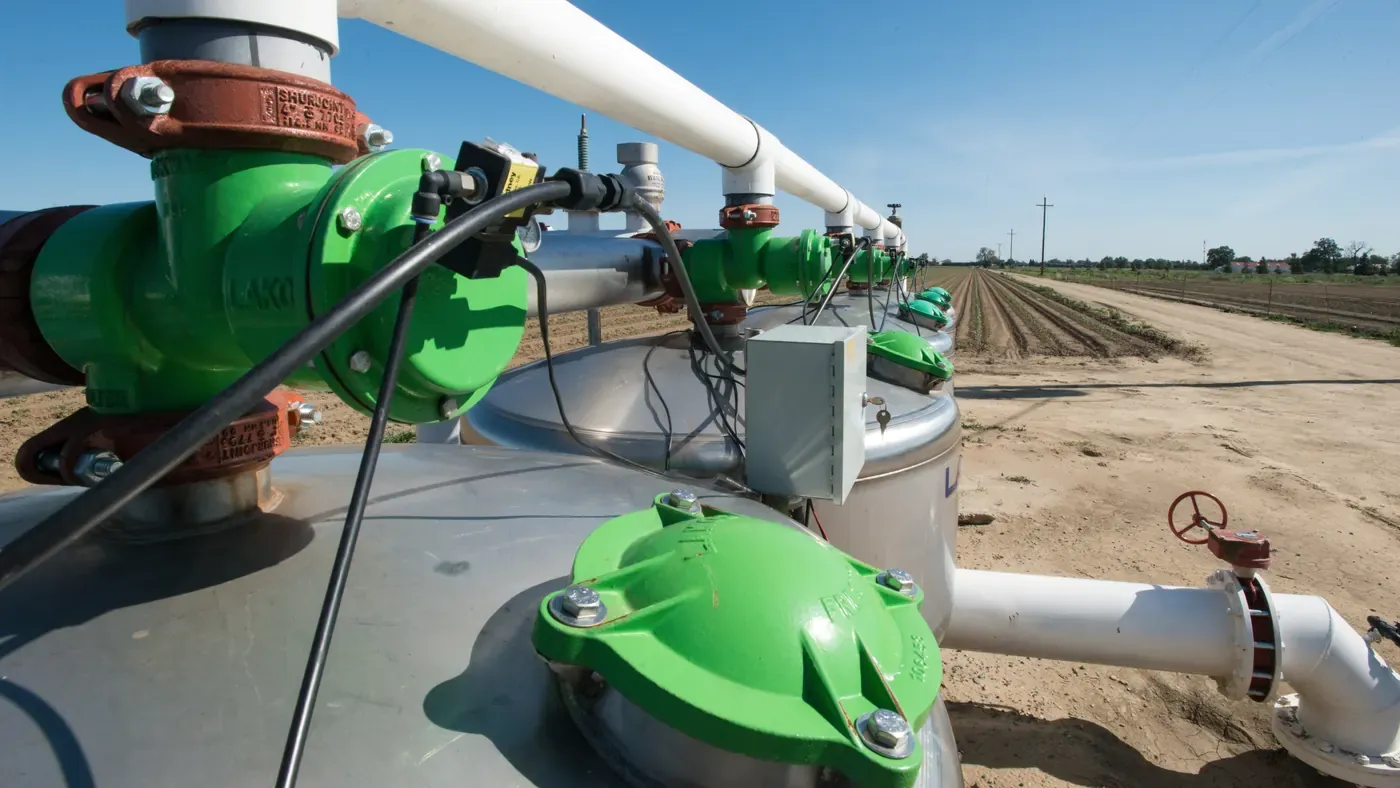
An automatic screen filter may be worth pricing when cleaning a correctly selected manual screen repeatedly interrupts crop irrigation. The decision starts after the farm has checked its source water and the filtration grade required by the protected emitters. It is then a question of service capacity: can a worker reach, isolate, clean and return a manual unit to duty often enough without leaving a crop zone short of water, or does a specified automatic cleaning system make better operational sense? A catalogue maximum flow, an attractive controller and a single dirty-filter episode cannot answer that question. The farm needs one named zone, comparable pressure and flow readings, a season of cleaning records, and two offers that cover the same filtration duty.
Define the zone and water conditions before comparing prices
Name the block and valve zone that will set the purchase duty. Record the crop and growth period, emitter model, number of simultaneously open laterals, ordinary operating flow, highest expected operating flow, irrigation hours, and the pressure the emitters need while that zone is running. State which other zones or uses can run at the same time. A filter described only as suitable for a pump's nominal capacity may be too small for the actual combination of open zones, while an oversized proposal may add cost without solving a service problem. Use the same duty description in the request for each offer so that the prices refer to the same field job.
Describe the source as it behaves across the irrigation season, not just on the day a salesperson visits. Note whether water comes from a well, canal, reservoir or mixed supply; when pumping stirs settled material; and whether sand, fine mineral sediment, organic fragments or algae change after rain, drawdown or source maintenance. Keep dated photographs or retained samples if they help identify a change, but do not turn appearance alone into a filter specification. Where source conditions vary, record the clean and troublesome periods separately. The purchase comparison should say which period sizes the unit and which period drives cleaning work.
The screen grade remains the one justified by the protected emitter and the source assessment. The Store's filtration buying guide covers that prior choice; its answer should travel into this comparison as an explicit requirement on both offers. If a label says only “120 mesh,” obtain the actual element identification and opening evidence for the selected product as explained in the screen grade guide. Do not accept a manual screen at one grade and an automatic offer at another, then credit automation for a change caused by the element. Neither route removes dissolved constituents from the water.
Measure clean and service pressure at comparable flow
Take a clean-filter baseline after the existing manual screen has been serviced by its proper method and the system has settled into normal operation. With the named zone open, record date, source condition, pump and valve arrangement, flow, pressure immediately upstream of the filter, pressure immediately downstream, and pressure at a representative point serving the crop if that point is available. Record meter and gauge locations so the next operator can repeat the test. The difference between the two filter gauges describes filter pressure loss at that measured flow; the downstream crop reading shows whether useful pressure still reaches the field after the rest of the route. A pressure number without its concurrent flow is a weak comparison.
Repeat those readings just before a real service event, while the same zone and normal concurrent uses are operating. Label this the farm's observed service condition rather than a universal cleaning threshold. Try to compare at similar flow and pump state; a partly closed valve or a different set of open zones can change both gauge readings without a meaningful change in screen loading. If source level or pump operation has changed, record it and take another comparable reading rather than forcing a misleading clean-to-loaded difference. Note whether the loaded screen still gives the crop its required delivery, whether a zone runs longer to compensate, or whether an irrigation set has to stop.
The exact manual model determines when and how it should be serviced, and an automatic candidate has its own allowed pressure and trigger requirements. A single pressure difference from another farm or another brand is not a setting for either unit. Ask each offer for a pressure-loss curve or tabulated operating points for the actual element grade at the expected flow, plus the maker's permitted operating range. Compare the expected clean loss and acceptable loaded operation with the pressure available to the crop. If that information is absent, a maximum flow and maximum housing pressure cannot establish that the filter will perform at the farm's working point.
Keep a service log that captures the work and the missed water
For each cleaning event, record the date, named zone, source condition, flow, clean or pre-service readings, reason service was started, and the time workers were actually paid to deal with the filter. Include travel to the installation, isolation, cleaning, reassembly, restart and confirmation that the zone has returned to its intended delivery. If a worker is already beside the unit for another task, record the incremental time rather than charging an entire visit to the screen. If a callout needs a second person or special transport, write that down. The useful measure is the farm's recurring labour demand, not a guessed “minutes per cleaning” copied from a brochure.
Record crop-water interruption separately from labour. Which valves were stopped, for how long, and was the planned irrigation volume later delivered within the crop's useful window? A paused zone may simply resume its set after service; in another block, a long queue of zones or a restricted pumping window can leave a genuine shortfall. Log the metered volume or the unfinished set where possible. Do not automatically price every minute of stoppage as crop loss, and do not treat an employee's labour minute as proof that crop delivery was interrupted. These are different consequences and may have different values on the farm.
Dirty water and captured solids also need an entry. State whether cleaning discharges into a managed drain, a settling area, a collection container or somewhere that creates another job. Record approximate or measured discharge volume when it can be captured and any time spent clearing a route or removing solids. A proposed automatic cycle may transfer work from opening a housing to handling frequent flush discharge; it does not make that water disappear. Before opening any manual filter housing, isolate it and release stored pressure according to its exact original manual. The screen service or replacement guide addresses individual unit condition; here the log is for deciding whether repeated service remains affordable across a season.
One clearly hypothetical calculation shows how to use the labour column without pretending to know a filter price: eight cleaning events at 35 paid minutes each equal 280 minutes, or 4 hours 40 minutes. Multiply the farm's own recorded minutes by its actual labour rate only when making its cost sheet. That arithmetic says nothing by itself about the purchase, installation, water use or maintenance cost of an automatic system. Also keep a separate count for inspections that would continue with either type of filter.
Compare the manual screen options and their service needs
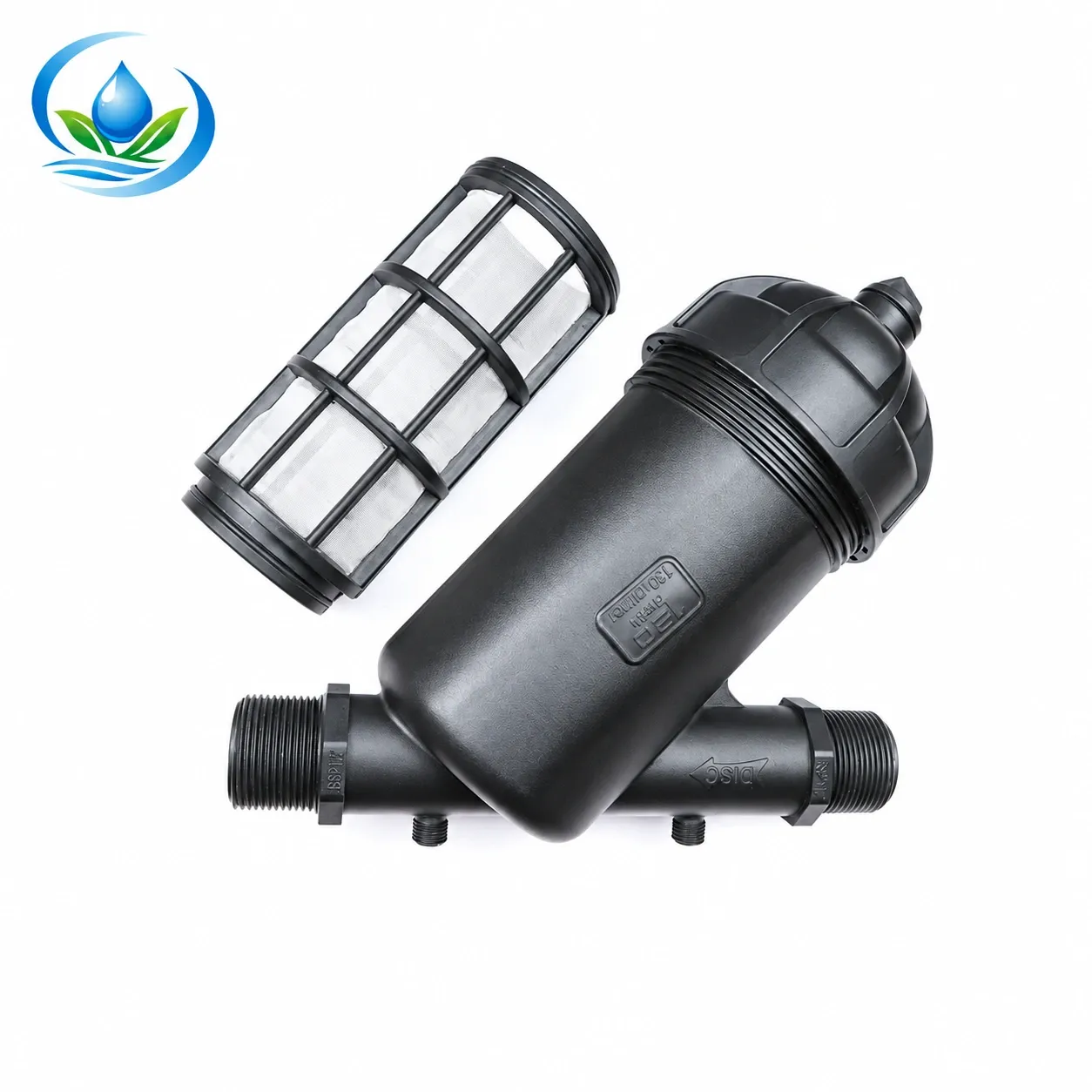
The plastic screen filter medium is a manual Y-screen option. The catalogue's F63YS row identifies a nominal 2 in/63 mm unit and 120-mesh element, with a maximum flow of 25 m3/h and a maximum pressure of 8 bar. Those are separate listed maxima, not a guaranteed combined operating point and not a clean pressure-loss curve. They do not establish how much loaded-screen loss the named zone can tolerate or how often this water will require service. Confirm the exact selected element, connections and operating information before sizing it to a measured zone.
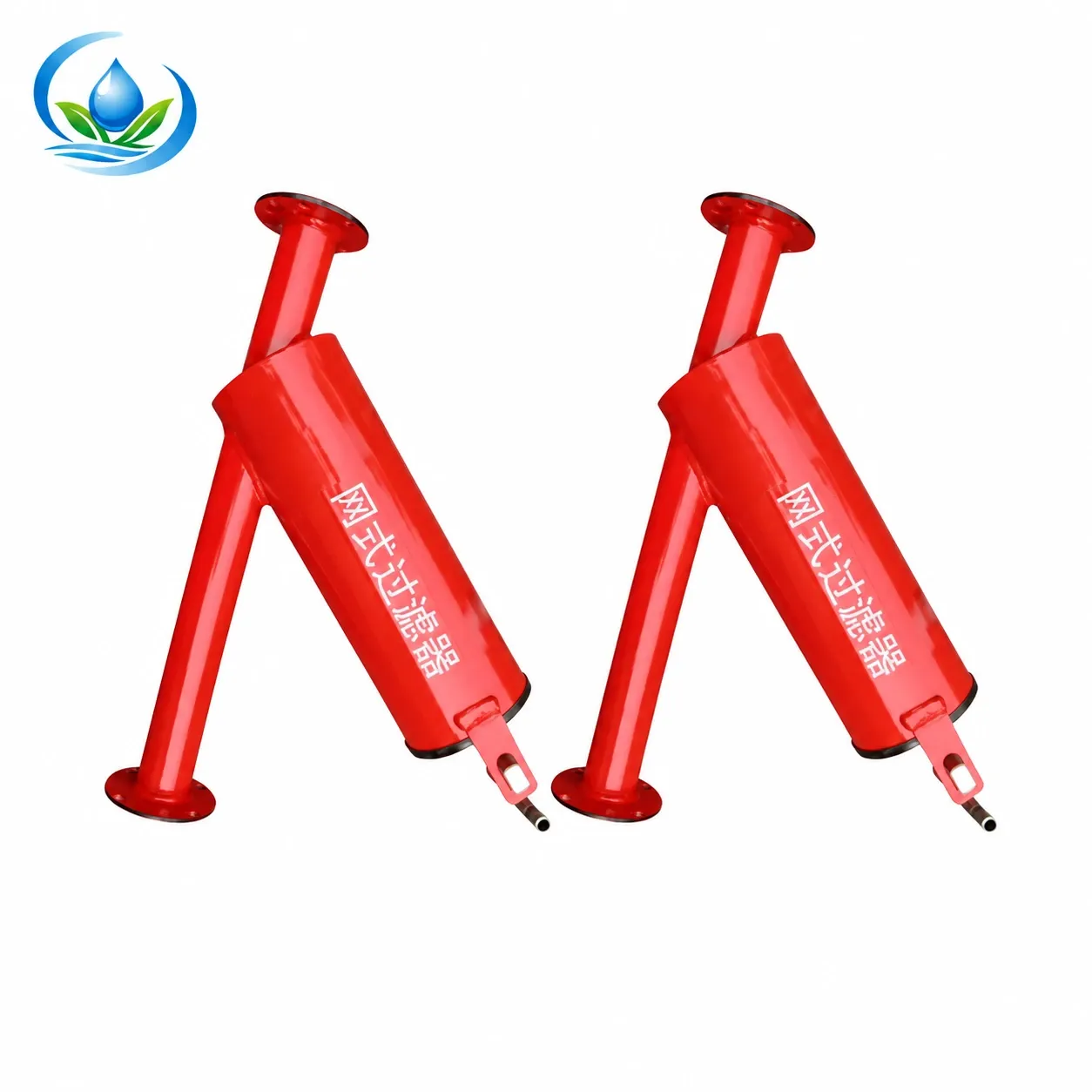
The steel screen filter describes a manual Y-screen family. Its broad size and grade options should not be read as a single exact paired model with a proved flow curve. Ask for the particular steel unit, screen element and installation requirements before comparing it with the plastic option or with an automatic quote. Housing material alone cannot determine cleaning frequency, field pressure or total ownership cost. The manual proposal must identify the complete serviceable assembly that would be installed, including accessible isolation and a workable path for cleaning discharge.
Check current price, sales unit and availability on the exact chosen page when ordering, then obtain support for any unresolved technical fit. Neither of these listings documents an automatic cleaning function, controller, wash valve or retrofit. A timer wired to a manual filter is still a timer and a manual filter unless a separately documented complete system actually cleans its element under the stated conditions.
Demand a complete description of the automatic cleaning cycle
Seek a separate, fully specified automatic-cleaning offer if the manual log shows a material service burden. Ask the supplier to identify the element grade, model, normal operating flow range, clean pressure-loss curve, maximum allowable working pressure, and the real cleaning mechanism. An automatic screen may use a pressure-difference signal, a timer, another control input or a combination, but the trigger and cleaning sequence must be described for that exact design. The useful question is what moves the retained material off the element, where the dirty water goes, and what condition ends the cycle. A controller display by itself is not evidence that the screen cleans.
Require the wash pressure and flow needed at the filter during cleaning, the expected volume discharged per cycle at the proposed settings, and the cycle duration. Ask whether those needs are additional to field delivery or are drawn from the same supply. A system that can pass the named zone's flow while clean may still require a pressure reserve for washing when the source is low or several valves are open. Confirm the proposed trigger settings and operating limits from the maker's instructions; do not copy a pressure threshold, cleaning interval or flush percentage from a general article. Agriculture Victoria's filtration guidance explains why automatic cleaning has hydraulic and discharge needs as well as labour advantages, but the candidate model must supply the numbers used in this purchase.
Get a plain statement of what happens to the crop zone during a wash. Does normal downstream flow continue at sufficient pressure, reduce temporarily, or stop? If a seller claims uninterrupted irrigation, ask for the flow and pressure available during cleaning at this farm's proposed operating point and confirm how that claim would be checked at commissioning. Count any field interruption on the same basis as the manual log. A design that washes while zones remain open can be valuable, but only if the installed pump, pipework and controls can actually supply both duties together.
The quote should identify the drain route and disposal or containment requirement, power source, controller, sensor and valve arrangement, fault or failed-wash indication, and what happens during a power or control failure. It should also state routine inspection, screen access, spare elements, seals and moving-part service, local support and warranty terms. Automatic cleaning can reduce hands-on screen cleaning, but it does not eliminate inspections, sediment removal, component replacement or the need to verify field delivery. If the supplier cannot describe the cycle and its utilities for the named duty, the farm cannot compare its ownership cost with a serviceable manual screen.
Price two complete offers against the same season log
Request one complete manual-screen offer for the named zone and one complete automatic-screen offer from a supplier that documents that system. Give both the same required grade, flow range, pressure available, water-source variation and intended irrigation hours. Price the same boundaries: filter assembly, needed isolation and bypass arrangements if applicable, gauges or monitoring, fittings, supports, installation, commissioning and training. Add a suitable drain route, electrical and control work, and any required supply changes to the automatic proposal. If a manual proposal needs changes to make safe service practical, include those too. Comparing a bare filter price with an installed automatic system price would exaggerate the difference; comparing two bare housings would omit the automatic system's real dependencies.
Use the actual season log to build a manual cost column: paid cleaning minutes at the farm's real labour cost, repeat visits, cleaning consumables and replacement parts, measured water and solids handling, and any substantiated cost of irrigation that could not be recovered in time. Add a fair share of checks and repairs that this manual unit actually needs. Build the automatic column from the supplier's stated cycle water use and the farm's expected cycle count under documented conditions, its energy and control costs, drain handling, inspections, spares, service visits and any residual field interruption. Because future cycle frequency is uncertain, show a range tied to the farm's observed low- and high-sediment periods rather than a precise saving borrowed from another site.
Place each installed purchase quote beside its expected seasonal operating costs over the farm's chosen planning period. State the period, anticipated crop zones, use hours and any replacement assumptions. Keep common costs, such as source pumping that is unchanged, either in both columns or outside both. Avoid counting the same interruption twice as paid labour and a separate assumed crop loss; record the specific volume or missed irrigation opportunity that makes a second cost real. If the farm values owner time, declare the rate in both alternatives. The comparison can then show a total cost and service burden for each route without presenting a fabricated payback date.
Run the numbers again for a busy sediment period and for an ordinary one. The automatic offer might have a higher installed price yet protect a hard-to-staff irrigation window; it might also add wash-water, control and maintenance costs that exceed a manageable manual workload. Neither result can be inferred from a catalogue label. When the difference depends on a missing pressure curve, wash volume, reliable cycle count or parts price, list that missing item beside the comparison and get it answered before committing. The most useful purchase sheet is one a grower can update after a season, not a one-time promise of savings.
Check whether the proposed installation can sustain the choice
Walk the intended filter location with the named zone operating and with the proposed cleaning route in mind. A manual unit needs safe isolation, pressure release, access to its element and a place for the dirty wash water. An automatic unit needs those same inspection and maintenance possibilities plus its specified wash supply, drain capacity, power and control connections. Include the installation work in the offers. The filter and injector service-space guide helps plan access around a selected assembly; this purchase decision must also account for how often that access will be used and what it costs the farm.
Check the automatic proposal at the hardest credible operating condition: the low source-pressure period, the highest intended field flow and the source-water period most likely to load the screen. If cleaning needs extra flow, identify where it comes from and whether the pump and supply can deliver it without falling below the crop's requirement. Check that the discharge route can handle a cycle without returning dirty water to the intake, flooding a work area or sending sediment somewhere the farm cannot manage. These are installation questions with costs, not fine print to settle after a housing has been bought.
At commissioning, have the two offer types judged by the same named-zone measurements: clean filter loss, downstream crop pressure and flow, and the condition at which the manual unit would be serviced or an automatic cycle occurs. For an automatic installation, observe at least one real cleaning cycle and record its pressure, field delivery, discharge destination and water volume with the supplier present. For a manual purchase, verify that the supplied model can be isolated, relieved and serviced as its original instructions require. Keep these readings with the season log so later service and future replacement decisions have a trustworthy starting point.
Choose manual, seek automatic, or pause for the missing evidence
Buy or keep a serviceable manual screen when its exact grade and working-flow information fit the emitter and zone, the clean-to-loaded pressure readings still support required crop delivery, and real cleaning time fits the farm's staffing and irrigation windows. Budget its recurring service honestly and keep logging events. Manual operation is a sound choice when the worker can complete it safely and the field receives its planned water. A desire to avoid every cleaning visit is not, by itself, a measured reason to buy a more complex system.
Request a fully specified automatic quote when repeated manual cleaning events interrupt a time-critical crop set, cannot be staffed reliably, or consume enough paid work that the farm wants to price a different service model. The quote must identify its cleaning mechanism, trigger, pressure and flow needs, water per cycle, drain, controls, field delivery during washing, inspection and spare-parts support. Compare its complete installed and seasonal costs with the manual route using the same zone and actual log. Until an automatic candidate is documented in that detail, it remains an option to investigate rather than a proven saving.
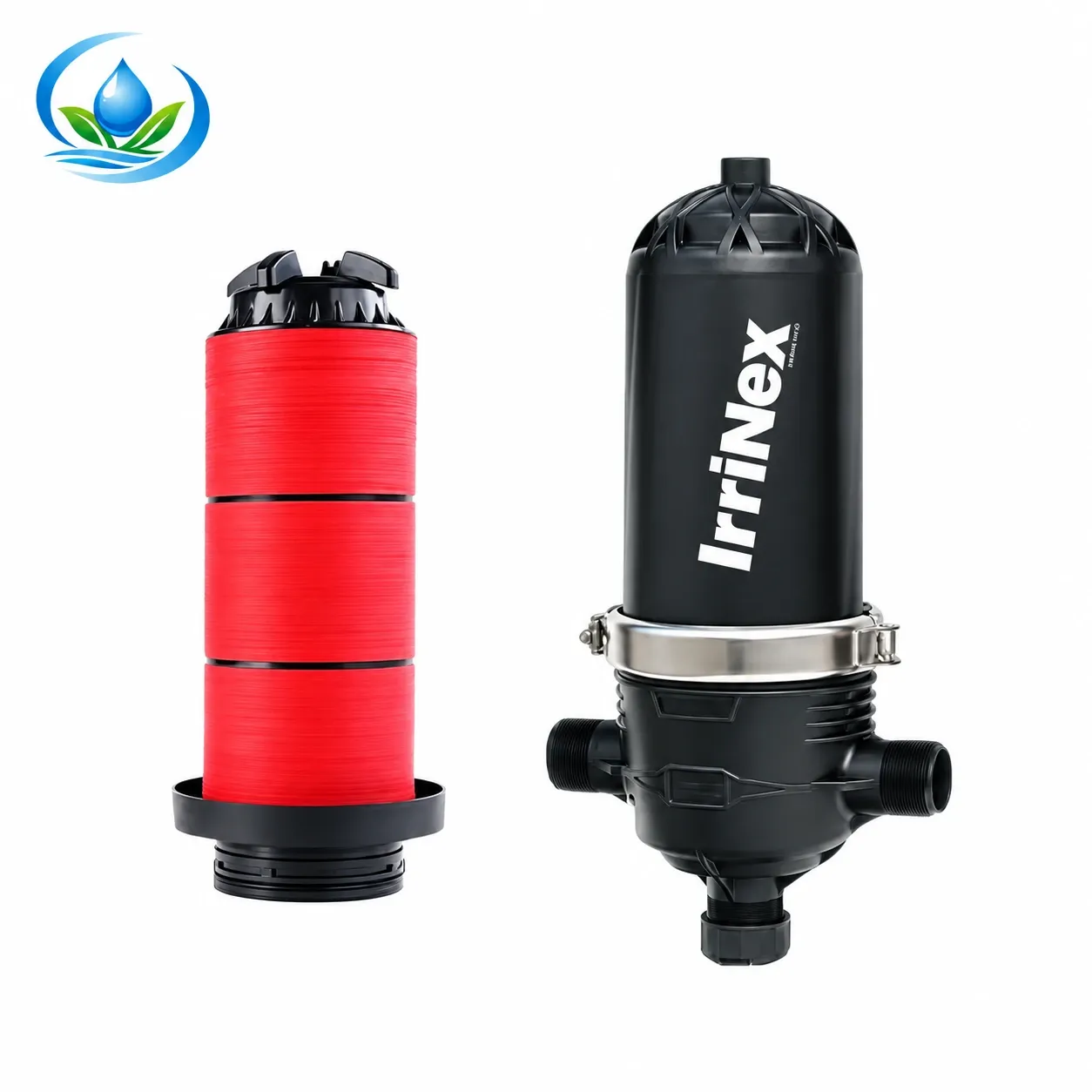
Pause the manual-versus-automatic purchase if source sediment behaviour, protected-emitter grade, measured flow or available pressure is still unresolved. Resolve that common input first; automation cannot compensate for choosing the wrong element or for water that a screen cannot treat. If a renewed source assessment points away from screens, the T-type disc filter is a different filtration route: its catalogue F63TD row lists nominal 2 in/63 mm, 120 mesh, maximum 30 m3/h and maximum 10 bar as separate maxima. It is neither a screen nor an automatic substitute, and those maxima do not describe a working pressure-loss point. The disc-stack service guide addresses that separate technology. Return to the screen cleaning-cost decision only after the actual grade, flow and source duty are settled.
Before you order
Compare this guide with the specifications for your exact product, selected option, water supply and field conditions. Your equipment requirements take priority over a general example.
Compare irrigation products