Precision Irrigation: Test One Drip-Block Change Against Soil Readings
Use one readable soil record and a measured drip event to trial, check and accept or revise one crop-block watering change.
Published by IrriNex Store
For a working grower, precision irrigation can begin with one ordinary drip block and one question: does its next watering event still fit what the crop's rooted soil is doing? A readable soil observation may justify a small manual change, but the reading does not measure how many litres the emitters delivered. First identify the block, check the soil at more than one relevant place, and verify the existing line. Then change one part of one event, record the water delivered, and inspect the root zone again before deciding whether to keep the adjustment.
Consider a working vegetable grower whose established event usually starts late in the day. The soil around active roots seems to dry sooner as the crop enters a demanding stage. The grower is considering starting the next event in an earlier available slot while keeping the valve-on duration and hardware the same. That is a testable change. It leaves room to discover that the apparent problem was an unrepresentative sensor, a partly blocked line, recent rain, or a real timing mismatch.
Name the block and the decision the observation can support
Write the block name, crop, current growth stage, planted rows, valve that controls them, and the event that is due next. Mark which other rows or uses share the water source. A sensor in one bed cannot authorize a farm-wide schedule change, and a valve that serves unlike beds may not let you treat them independently. If the control boundary includes both a sandy rise and a heavier lower area, record that constraint before changing a single event for all of them.
Describe the practical concern in field terms. Perhaps representative rooted soil is consistently dry by the normal start, while the same soil has responded to earlier irrigations. Perhaps water is still present below the crop's active roots after the event. Those observations lead to different proposals. Note the current crop plan and the local method used to judge an acceptable root-zone condition. Any moisture trigger must be justified for this field's soil and crop.
University of Minnesota Extension's vegetable irrigation guidance treats soil water, crop development and field variation as inputs to irrigation timing. Use those decision factors with local crop advice. Do not copy a regional threshold or a sample sensor depth into a different field merely because the numbers appear beside a familiar crop.
For a soybean block, a changed growth stage may call for a fresh crop-water estimate. Use the soybean block capacity guide to check whether the source can deliver that independently established need in the available window. Keep the crop target and source constraint beside the soil record when deciding whether to move one existing event.
Interpret a soil reading before treating it as an instruction
Record the observation's location, its relationship to the plant row and nearest drip outlet, the measurement time, and the actual unit displayed. A soil-water content reading and a soil-water tension reading have different meanings. Neither is an inlet meter reading, an emitter flow reading, or a direct statement of litres stored throughout the block. Compare a trend only with observations taken by a method the grower can interpret for that soil and crop.
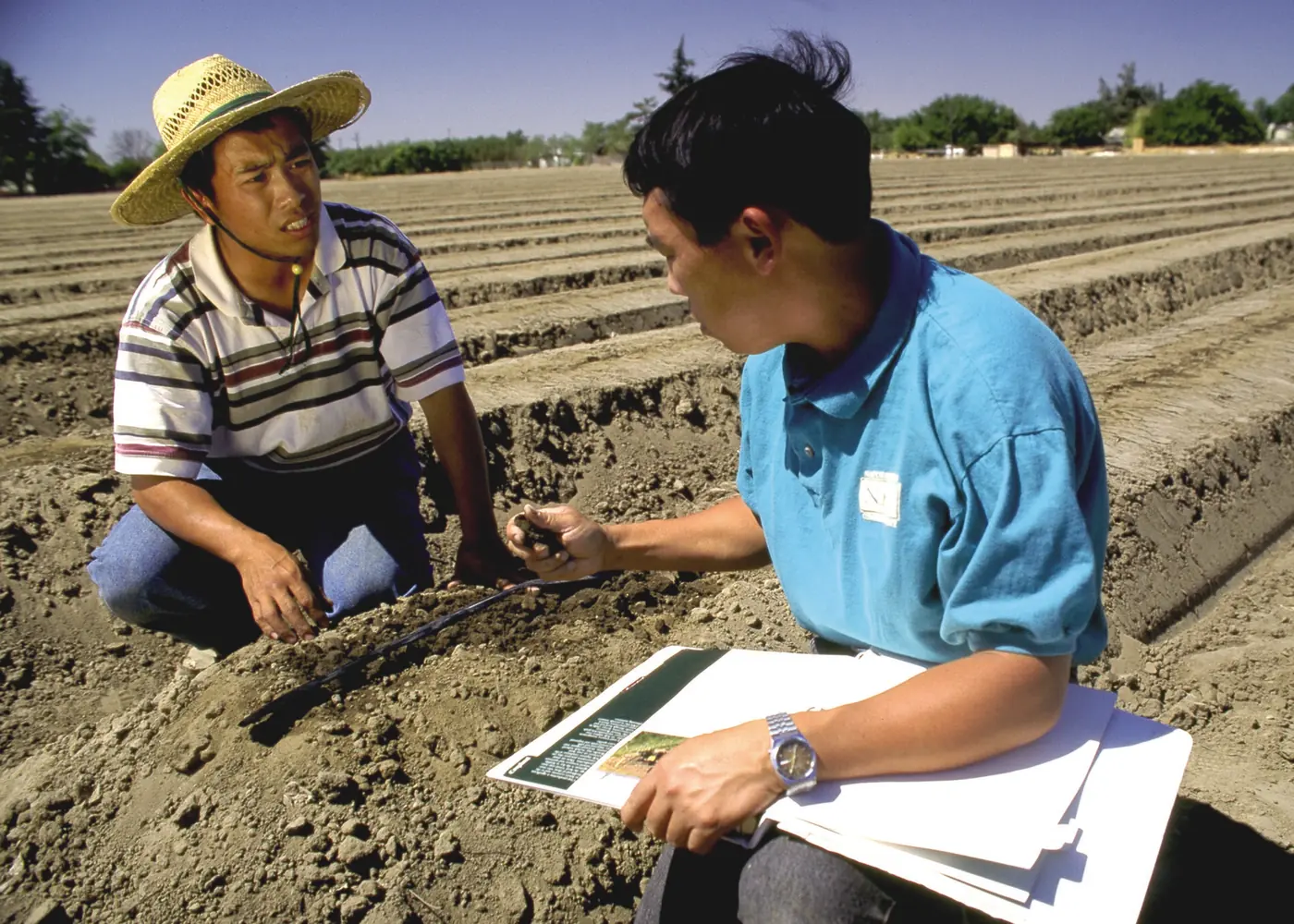
At the monitored row, inspect the soil where active roots are expected, using a suitable field method that avoids damaging the line or crop. Then visit another ordinary part of the same block, ideally with a different position along the operating lateral. Describe the soil at each place and the crop appearance. One point can be useful for watching change over time, but it is not a measured average for all rows. A deliberately dry edge, a low hollow, or a row beside a leaking connection has a diagnostic role and should be labelled that way.
Check the recent sequence before interpreting the trace: previous irrigation, rain, cultivation, line movement, a change in source pressure, and whether the crop has advanced to a new stage. If a channel shows an abrupt step with no plausible field event, confirm its timestamp and inspect whether its position or soil contact changed. A shifted or faulty sensor can create an apparent dry trend while the nearby rooted soil remains similar to other rows. Keep that anomaly in the record; do not compensate for it with extra water.
After rain, inspect whether water entered the planted bed and the active root layer before running a timing trial. Rain on a gauge or aisle may not describe a covered crop row, and a sensor near a wet edge may not describe the center of the bed. The after-rain crop-row checks provide a pause, resume or recheck path for that separate decision. Mark a rain-affected event as such rather than using it as a clean before-and-after comparison.
Make a baseline that joins the soil record to delivered water
Use a recent normal event as the baseline only if its block boundary and operating arrangement are known. Record the date, crop stage, rain and weather context, manual valve start and stop, other open zones, and filter and source condition. Write the usual event duration and the farm's reason for it, without turning duration into a supposed water volume. If the baseline is poorly documented, observe the next ordinary event first; a remembered run time is a weak comparison.
Keep two columns in the field notebook. The soil column names each inspection point, its reading and units if measured, what the rooted soil felt or looked like, and the time relative to valve opening or closing. The delivery column records a block meter difference where its boundary is known, operating pressure observations, or equal-time collections from selected outlets. Label every quantity by where it was measured. A meter at a shared head may include another branch or a leak, while a cup at one emitter cannot represent the whole block.
Choose the same ordinary inspection points for the next event: one near a representative early section and another farther along the operating route, with a clear relation to the crop roots. Include any suspect place separately. Check them before watering and again after an interval appropriate to the field's soil and observation method. Keep the interval consistent across events where practical. Surface wetness immediately beside tape is a poor substitute for observing the layer the crop actually uses.
Do not average away a mismatch. If the near point responds and the far point does not, the line may have a delivery or placement problem. If the block inlet shows its usual volume while a row stays dry, ask whether that water reached the intended outlets. The baseline is useful when it shows both the soil condition and the delivered-water evidence, including uncertainty about either one.
Choose one manual change and hold the rest steady
For the grower in this example, the proposed change is to start one named drip-block event in an earlier available operating slot. The reason is that two ordinary rooted-soil checks, interpreted with the current vegetable stage and local crop plan, suggest the usual start comes after the desired condition has been lost. The valve-on duration, outlet layout, filter service state, source connection and number of other open blocks stay the same where practical. The operator writes the proposed start and the planned return to the previous schedule if the trial fails.
Check that the earlier slot is actually permitted for this manual system. Another block may already occupy it, or the source may behave differently at that hour. The manual block water-window guide helps place the trial in a real operator and source schedule. If moving the event requires a different valve combination or shortens another crop's approved run, it is no longer a one-change comparison; resolve that operating conflict first.
Choose a field day on which the usual delivery arrangement can be observed and the crop has a reason to receive its next event. Do not water merely to create a test. Record unusual heat, source changes or rainfall instead of pretending conditions are identical. A before-and-after event can guide a local decision, but weather and changing crop demand prevent one pair of runs from proving a universal cause.
Read an explicitly hypothetical two-point trial log
In this explicitly hypothetical log, a fruiting vegetable block has a stable manual valve arrangement. Point A is an ordinary row near the inlet; Point B is an ordinary row farther along the same operating group. Both are checked with the same soil method at the same relevant position in the rooted layer. The farm's established crop plan supplies the interpretation, and the example has no target moisture number or prescribed watering interval.
Before, usual late event: At the pre-event round, both points appear drier than the grower considers suitable for this crop stage. The soil observations agree with the direction of the existing readable trace, and there was no recent rain. The operator records the normal valve-on window, a block meter difference with its start and end readings, operating pressure, and equal-time outlet collections at A and B. Both sampled outlets deliver in the pattern the farm previously accepted. At a consistent post-event check, the rooted soil at both points responds without an observed wet layer continuing below the intended root area.
After, one earlier event: Before the valve opens, both points are approaching the concerning condition but remain acceptable under the farm's crop plan. The same block then runs for the same valve-on duration with its normal equipment and permitted source arrangement. A fresh meter difference, pressure check and equal-time outlet collections show no unexplained delivery change from the baseline. Both points are checked at the same field-defined post-event interval, when the usual late start would have occurred, and at the next planned crop decision. In this invented record, the rooted soil remains acceptable at those checks, with no newly observed wet layer below the intended root area.
That pattern supports keeping the earlier start provisionally for this block, with another comparable event to check persistence. It does not prove that the earlier hour alone caused the difference: weather, root activity and measurement variation may also matter. If one point stayed dry while the other responded, the next action would be a delivery and location diagnosis. If both points were already adequately moist before the earlier start, the grower would reject the advance and revisit the crop decision rather than keep watering earlier by habit.
Verify what actually came out of the drip system
Observe the trial while the intended block is running. Check the operating pressure at available relevant points, the filter's normal service indication, visible leaks, and whether the far section has reached normal delivery. If a block meter exists, record its initial and final readings and confirm that no unrecorded user shared that measurement boundary. An inlet total tells how much crossed that boundary; it cannot prove equal discharge at every emitter or storage in the rooted soil.
Collect water for the same measured interval from selected accessible outlets near the first and last served areas, and from any row that looked different in the soil check. Use the same collection method and normal operating arrangement at both events. Record individual collected amounts and locations before comparing them. A similar average can conceal one blocked outlet; a higher head total can conceal a leak that deprives the far row. If collection disturbs an outlet, restore its normal position and repeat the check.
A dry trace with apparently normal total delivery needs a local check before a longer or earlier event is accepted. The relevant outlet may be blocked while the rest of the block compensates in the total, or the sensor may sit outside the usual wetted root area. Conversely, normal local discharge with dry rooted soil at several representative points may indicate that the current timing or locally determined event target deserves review. Keep the agronomic question and the hydraulic diagnosis in separate notebook lines.
Where the trial uses the same hardware and duration, gross delivered volume should be compared rather than assumed equal. Changes in pressure, source level or another open branch can alter output. If the delivery condition is no longer comparable, repair or characterize that difference before crediting a soil change to the new start time. A pressure limit or a nominal emitter rate on a product page cannot stand in for the operating measurement at this field.
Inspect the root-zone response and decide what it means
Return to A and B after each event using a comparable observation interval and the same field method. Describe whether the intended rooted layer changed, whether the wetting reached the crop row evenly, and whether water appeared beyond that layer or at the surface as runoff. Note the relationship to the outlet position. Soil takes time to redistribute water, so a reading taken just as the valve closes and one taken later answer different questions; preserve their timestamps rather than forcing them into one comparison.
Look at the next pre-event condition as well as the immediate response. An event that wets the root area but leaves it unsuitable well before the next planned start may prompt a timing review. An event that leaves the rooted area excessively wet by the farm's own crop guidance may call for a different decision. A stressed-looking plant is a reason to inspect, not proof that more irrigation water is needed; pests, roots and heat can affect its appearance.
Keep the event meter totals in the field note without converting them into a water-saving claim. A shorter total can reflect a defect or a changed source condition, and equal totals do not show equal crop benefit. To assess a change in measured supply over comparable crop conditions, use the field water-use comparison guide with a defined measurement boundary. Here, use the delivery and rooted-soil response to decide the next watering instruction.
Follow the observation-to-action path before buying anything
If the trace appears dry but both ordinary root-zone checks and crop context disagree, hold the existing watering plan while checking the sensor's position, contact, units and timestamp. Mark a moved probe or atypical row in the log. Repeat a representative observation before changing the event. A second monitoring point may improve future interpretation, but the current graph does not justify extra irrigation or replacement dripline by itself.
If the representative rooted soil is dry and delivery is normal at the sampled near and far positions, test the one manual timing change against the established crop plan. Keep the same hardware and event duration for this trial, measure the next event, and inspect the response. If the crop plan instead calls for a different delivered amount, make that a separate proposed change after this trial, with a new measurement record. Do not fold a timing change and a duration change into one unexplained result.
If local delivery is blocked or uneven, stop treating the soil trace as a scheduling verdict. Trace the affected run through valve state, operating pressure, filter condition, leaks, kinks and sampled outlets. Clean or repair according to the installed equipment's procedure, then measure the affected positions again. Only a confirmed line or emitter fault that cannot be restored with the existing parts makes a replacement line an order candidate. Recheck crop water delivery after any repair.
If rain intervenes, record where it reached the beds and whether the intended root layer changed. Pause or recheck the event using the crop plan rather than crediting the earlier start with a rain-driven response. Resume a timing comparison when the field and source conditions are interpretable. The rain entry stays in the history so a later worker can understand why two seemingly similar traces led to different valve decisions.
Match a proven delivery fault to the correct product question
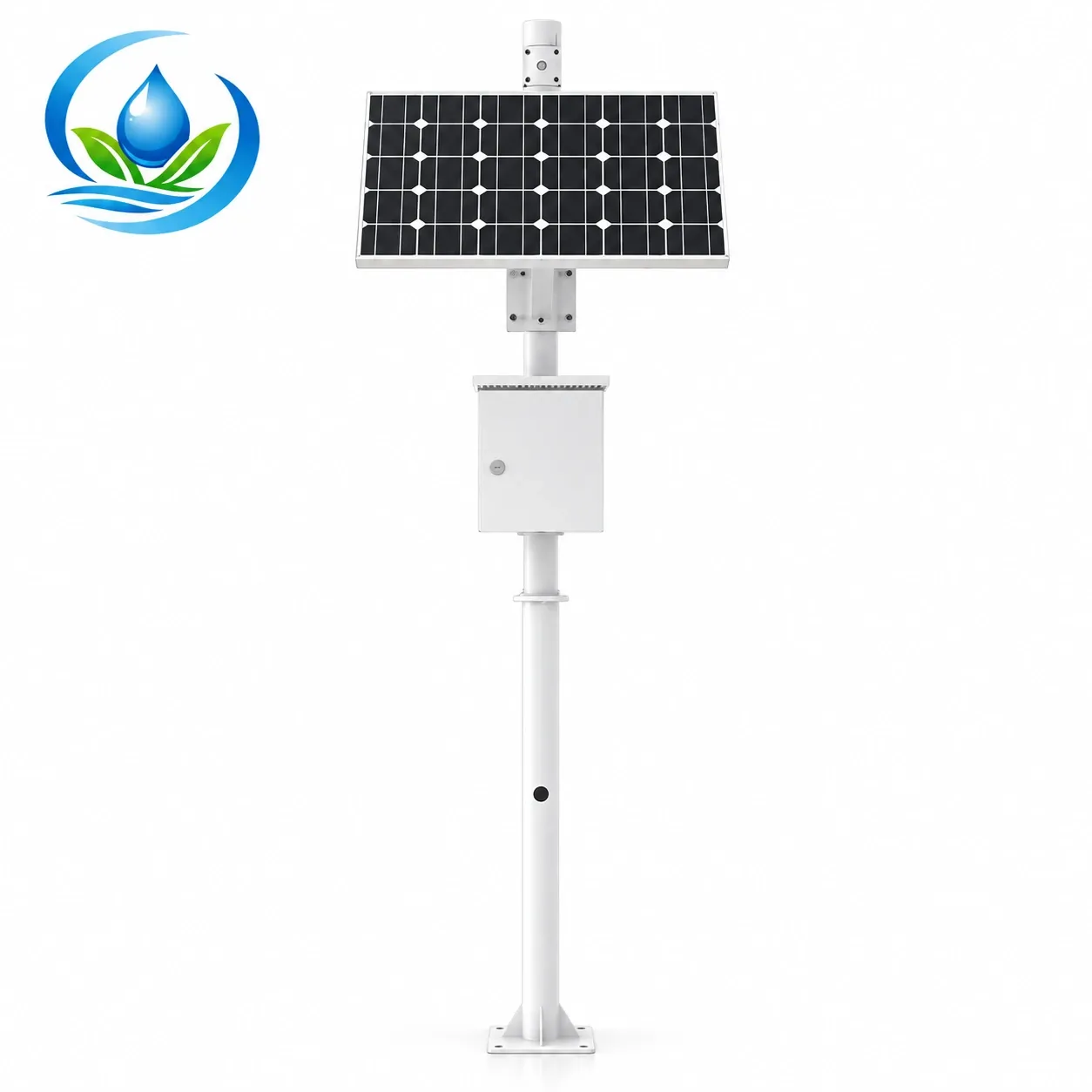
If the observation record itself is inadequate for repeated decisions, the soil-moisture monitoring station page is a starting point for a project-specific configuration discussion. Ask for the exact selected probe count and sensing positions, the measured quantities and units, how readings are retrieved and dated, and the package contents. Include the block map and the field question the readings must answer. A station request improves the observation plan; it is not a substitute for checking water at the emitters or for a manual valve decision.
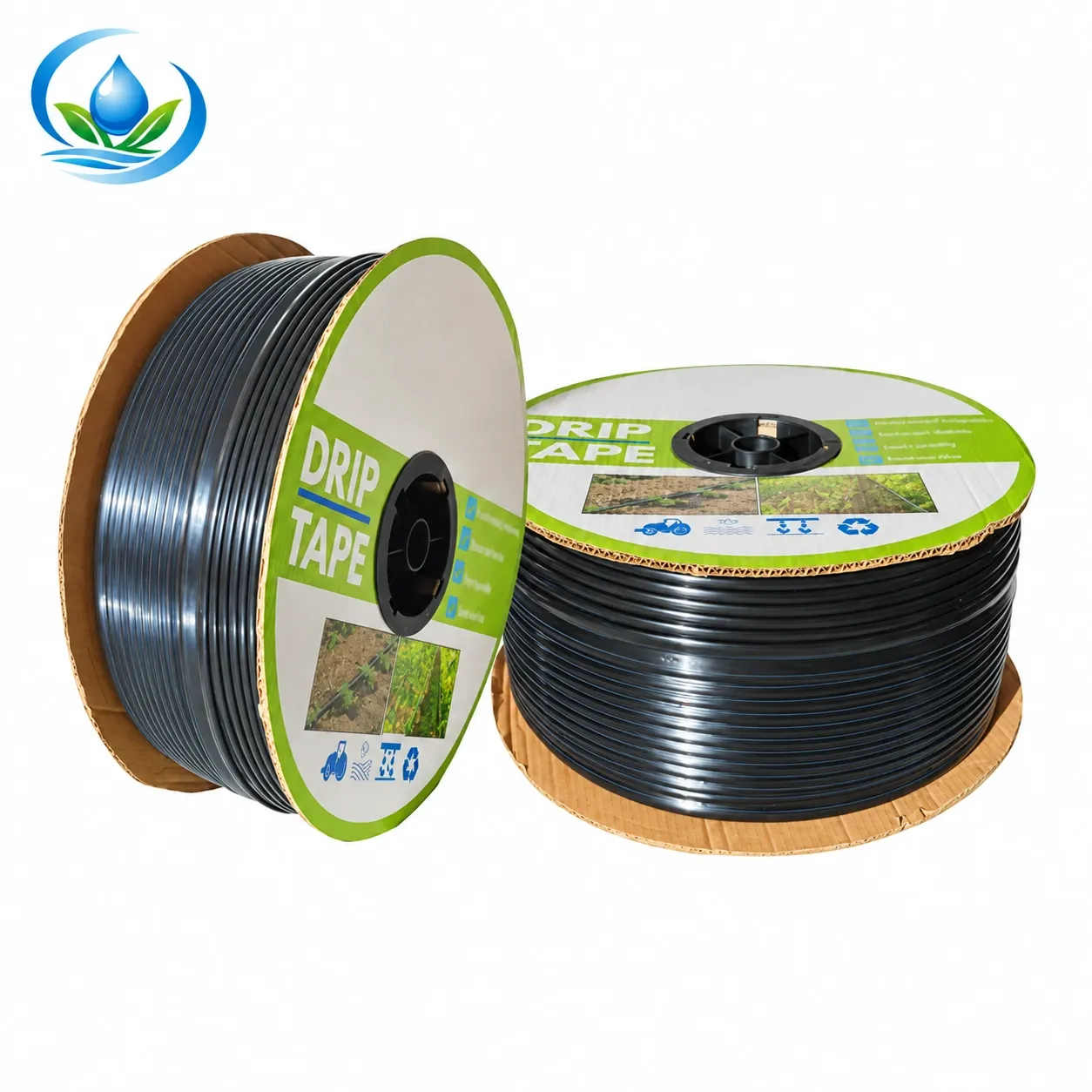
Where inspection confirms a damaged or unsuitable delivery line, identify its installed material, connector interfaces, row length, slope, outlet positions and measured operating pressure before choosing a replacement. One flat drip tape option is 16 mm diameter, 0.2 mm wall, 30 cm emitter spacing and a 2000 m sale roll. Confirm the emitter discharge for that exact selected option at the intended working condition before estimating block demand. Those roll metres do not define a permitted single lateral run or a dose for this crop.
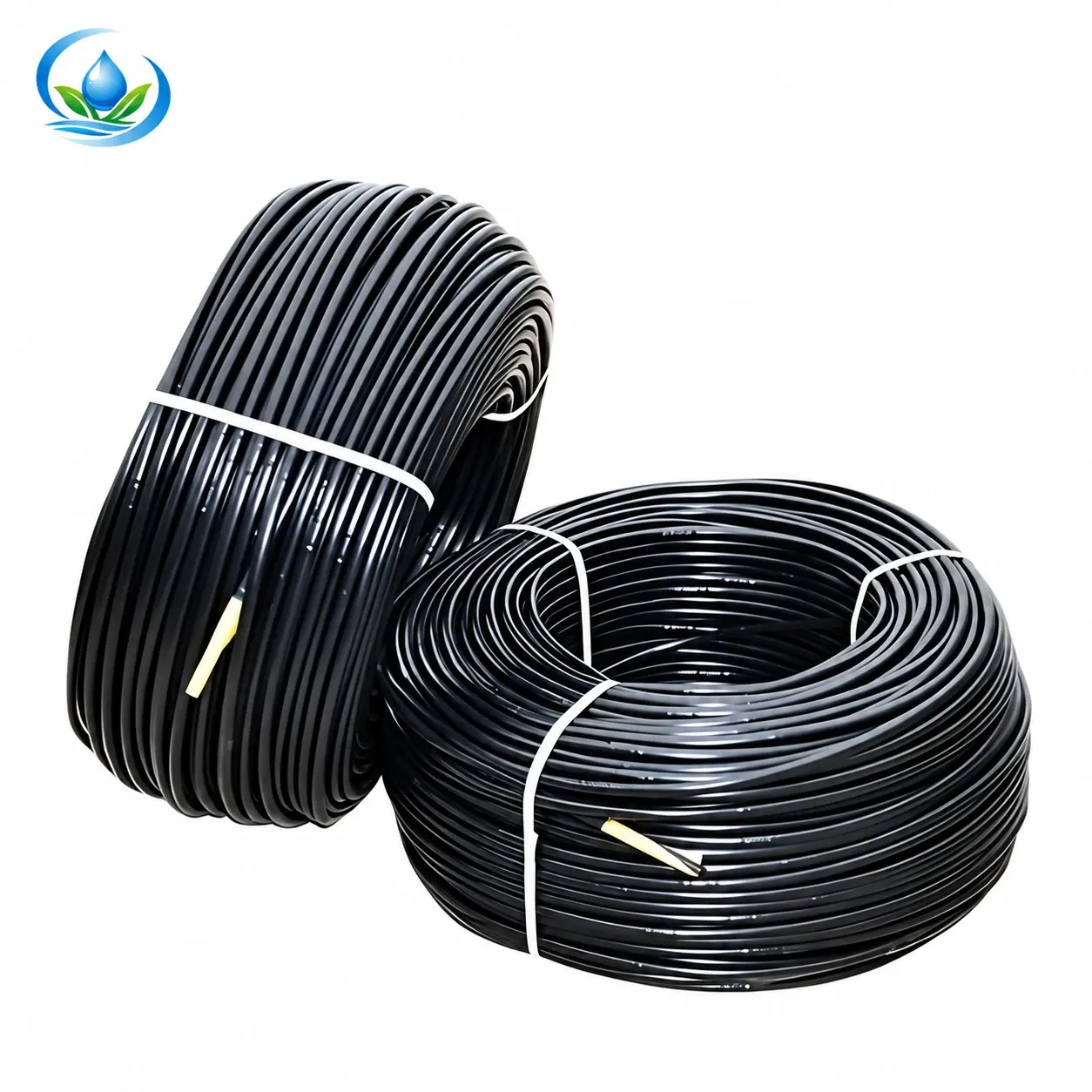
The inline drip pipe has a selected 16 mm option with 0.8 mm wall, 30 cm spacing, nominal 2 L/h emitters and a 500 m sale roll. That nominal outlet rate is one specification, not the amount each installed emitter has delivered in this block. Compare its exact operating requirements, line layout and fittings with the measured fault and the available supply. A thicker wall, closer outlet pattern or longer roll does not automatically solve a blocked far section.
After a line or emitter change, the old event duration needs a separate delivery calculation and field check. The changed-emitter runtime guide covers that commissioning task. Keep the original soil-led timing trial in the record, but do not carry its accepted minutes unchanged onto different discharge hardware. Ask for technical fit information when pressure, run length, outlet rate or connection details are unresolved before ordering a variant.
Close the trial with a repeatable field instruction
Put the baseline and trial on one page: block and crop, why the change was proposed, the one manual action, valve start and stop, source and weather context, named soil points, delivery measurements, root-zone observations and the next operator's check. Keep original readings and collection amounts rather than replacing them with "looked fine." A dated note lets the crew repeat the accepted operation and recognize when the crop or field conditions have changed.
Mark keep when representative rooted soil improves in the way the local crop plan requires, actual delivery remains suitable, and no relevant area shows an adverse response; recheck on the next comparable event. Mark revise when the field supports irrigation but timing, source arrangement or soil coverage needs another single-change trial. Mark reject when the reading was misleading, the advance was unnecessary, or the delivery and root-zone checks contradict the proposal. Restore the documented previous event until a better supported change is ready.
For the next action, keep the earlier manual start only if the recorded delivery and two rooted-soil checks support it. Otherwise change one tested event condition and measure again. If a delivery defect remains after service, send the block map, line dimensions, pressure and outlet collections for technical fit review, then order only the exact replacement option that resolves that verified fault.
Before you order
Compare this guide with the specifications for your exact product, selected option, water supply and field conditions. Your equipment requirements take priority over a general example.
Compare irrigation products