Greenhouse Irrigation: Check Overhead Drain-Down Before Ordering Parts
Drips after an overhead group stops may come from stored line water, continuing supply or water on the operating head. Locate the path before choosing parts.
Published by IrriNex Store
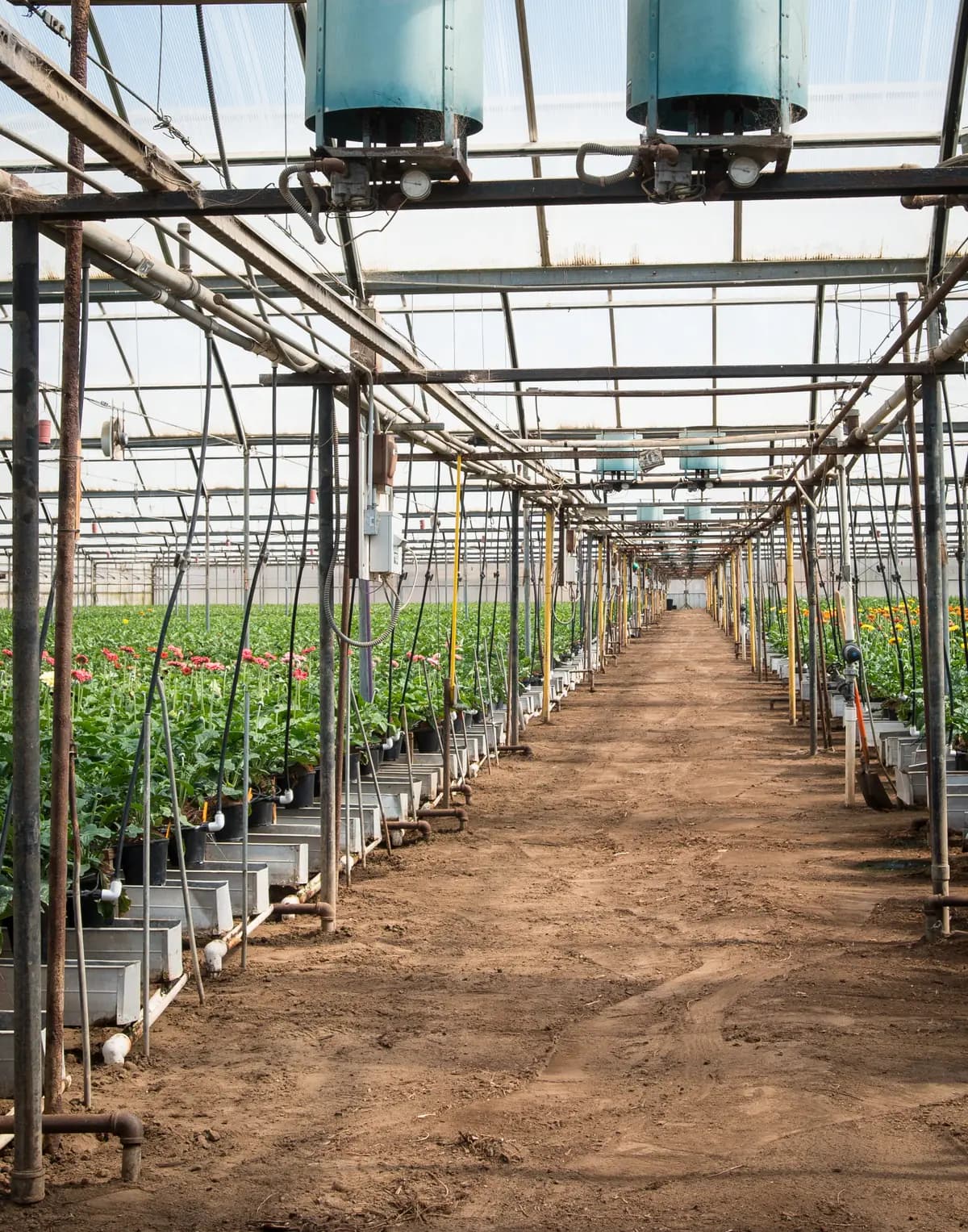
Greenhouse irrigation can leave a small but important question after an overhead group stops: why are drops still landing on one tray while the rest of the bench is quiet? Water already held in a raised line can leave through a lower hanging outlet after the supply closes. A valve that continues to pass water can look similar at first. Water that runs off a sprinkler body while it is operating is a third observation. Follow the timing and the water route before buying an anti-drain part or a replacement head. Mark the low outlet that drips after stopping and compare it with a higher outlet on the same controlled section; the location pattern helps distinguish stored line water from continuing supply. Greenhouse overhead sprinkler drain-down is a post-shutdown pattern to map by outlet position before blaming a replacement head.
Imagine a flower grower who sees a wet patch beneath two hanging heads after a normal watering event. The heads appeared to rotate during the run, and the control screen now says the group is off. The useful first purchase decision is not “which anti-drip device looks right?” It is whether the installed line is emptying a finite stored volume, whether fresh water continues entering, or whether the wet patch was made mainly while the heads were running. Each answer points to a different component and a different compatibility check.
Why do overhead greenhouse outlets drip after shutdown?
Identify the crop group, valve and overhead branch before the next ordinary irrigation event. Mark the tray positions beneath the suspect outlets, one comparable dry position and the low and high sections of the visible pipe route. Observe from a safe floor position or another approved access point. A short time-stamped video can show whether drops begin while spray is operating, immediately after the normal stop, or only later. Do not touch a suspended, pressurized connection to make the observation.
Record whether the discharge fades, remains similar, or restarts without another scheduled cycle. Note whether it comes from a nozzle opening, the outside of the head, a tube joint, or water running along the support. A tray can receive water from an overhead frame even when the head above it is dry. Follow visible water to its first accessible source instead of assuming the nearest sprinkler is responsible. Keep the control event time beside the video; an off display reports a command, not the complete hydraulic state.
Check more than one run if the symptom is intermittent. Compare the same locations under the same operating group, and record any other branch that opens, a tank that refills, or a line that changes elevation. A single wet mark after a cleaning shift may not represent ordinary irrigation. The aim is a reproducible pattern, not a universal number of minutes after which all dripping must stop.
Drain-down, passing valve, or spray runoff: which timing fits?
Residual line drainage is water that was already downstream when the supply stopped. A raised header, hanging drops, elevation changes and the path through the outlets determine where that stored water can leave. The lower head may continue to drip after a higher head stops. The amount and duration depend on the installed volume, slope, air entry and outlet construction. A diminishing discharge after each normal stop is consistent with this explanation, but it is not proof by itself.
Continuing supply means water is still entering the branch. A passing upstream valve, another connected feed or an unintended programmed event can replenish the line while the grower thinks it is off. If discharge persists or resumes, have the responsible operator compare the branch map, controller event and a suitable upstream flow observation using the site's normal test method. The valve-leak field guide explains the distinct question of water crossing a closed valve. An outlet anti-drain feature cannot repair an upstream valve that continues feeding water.
Operating drip-off happens while water is being sprayed. Water may collect on a head bridge, suspension, pipe or frame and fall onto a tray during the run. That is a geometry and water-path observation, not the same as downstream line drainage after shutdown. A head assembly documented to reduce operating drip-off is a separate product choice from a device documented to retain water in the line after closure. One feature name does not establish the other.
A useful diagnosis may contain more than one cause. A wet bridge can drip briefly after the spray stops while the raised header also drains through a low outlet. Record the two paths separately. If a line joint leaks throughout the run, investigate its exact connection and condition rather than labelling it as anti-drain failure. If several heads show weak rotation or a distorted spray while operating, the stalled-rotor field check addresses that different symptom.
Trace the held water from valve to low outlet
Sketch the branch from its control valve to the last overhead outlet. Mark the supply header, any vertical drops, high and low points, branches that share water, and the exact tray positions where drops appear. You do not need to estimate a hidden pipe volume to start: identify which sections remain full when the normal valve closes and where air might enter as water leaves. If a relevant pipe size and length are documented, the installer can use them in a model-specific drain-down assessment.
Look for a local change made since the dripping began: a moved head, a replaced drop tube, a sagging support, a new tray directly under a previously harmless drip point, or a different control grouping. Such a change can move the visible low point without changing the valve. The nursery-pot line reset guide deals with point feeds after containers move; for this overhead group, the map identifies where retained water may fall after shutdown.
Do not calculate a guaranteed stop time by dividing a guessed line volume by the head's nominal running flow. Running discharge occurs at a stated pressure; post-stop flow changes as pressure falls and air moves through the line. Also avoid treating a clear tray as evidence that all pipework has emptied: water may be retained elsewhere or leave onto an aisle. The observation that matters to the purchase is the actual branch geometry and the specific outlets that cause unwanted post-stop deposition.
If the water route is inaccessible, have an installer inspect approved points. Do not climb above crop trays to reach a live line, loosen a hanging joint under pressure, or plug an outlet to see where water goes next. Each of those actions can create another leak or redirect water onto a different crop. First finish the normal observation and isolation record; physical inspection follows the site's approved shutdown procedure.
Ask what an anti-drain arrangement actually does
An anti-drain or anti-drip device may be designed to stop stored water leaving through an overhead outlet when pressure drops. The useful question is whether a specific, documented assembly fits the installed head, its connection and the branch's operating conditions. Ask the maker for the device's intended orientation, opening and closing conditions, allowable pressure range, flow effect, connection sizes, service access and whether it is supplied separately. These details decide whether the crop still receives its planned watering during the next run.
A device that closes at low pressure can change how a line fills and empties. Check its behavior at the most demanding and most remote heads under the actual permitted operating group. An added fitting also creates another joint and can alter suspension length or head position. The outcome to verify is both less unwanted post-stop dripping at the marked trays and adequate normal spray at the intended crop locations. Do not accept a dry tray if the selected assembly also leaves part of the crop short of water.
The opening and closing pressures of another manufacturer's greenhouse accessory are not interchangeable specifications. Nor does a pressure-compensating label automatically mean a head includes an anti-drain closure. Ask for the exact compatibility statement and instructions, especially where the part is intended to sit relative to the head and supply tube. If none is documented for the existing assembly, consider a different complete head-and-drop arrangement with an explicitly documented drain behavior instead of assembling unrelated parts by appearance.
Do not use a closed-end clip, a folded microtube, an improvised weight or a plugged nozzle as an anti-drain substitute. Such changes can distort spray, strain the suspension or move the water to another outlet. An anti-drain part also does not correct a valve that leaks through, a joint that seeps during operation, or water falling off a bridge while the head is running. Match the remedy to the observation before the purchase.
Read the Store hanging head as a head, not a complete kit
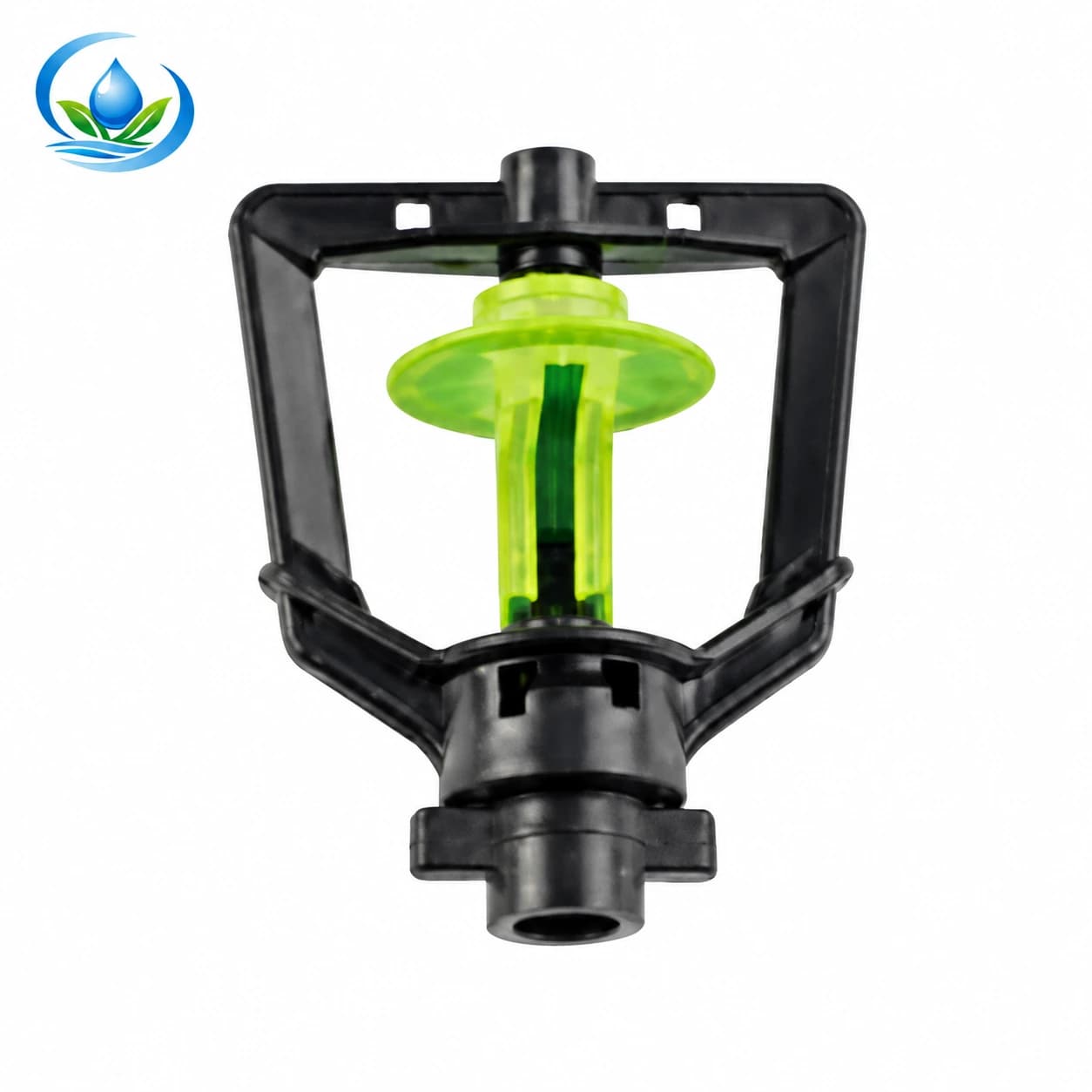
The 251TDG085 hanging rotary micro sprinkler is a relevant Store head to compare when the installation already calls for a hanging outlet. Its original catalogue entry gives a 0.85 mm nozzle, 40 L/h at 2.0 bar, and a 3 m spraying-radius reference measured 2 m above ground in windless conditions. Those figures describe one reference operating point. They do not establish the mounted crop footprint, a full allowable pressure range, a particular drop length or the pressure needed by an added anti-drain device.
The 251TDG085 entry does not document an included anti-drain valve, pressure compensation, a special bridge-free design or a complete suspension kit. Keep the head code and any proposed drain-control part on separate lines in the order record. The 251T hanging-versus-standing guide compares orientation, nozzle, pressure and package questions. Here the buyer must add the post-stop water path and confirm a complete compatible hanging assembly for that particular greenhouse branch.
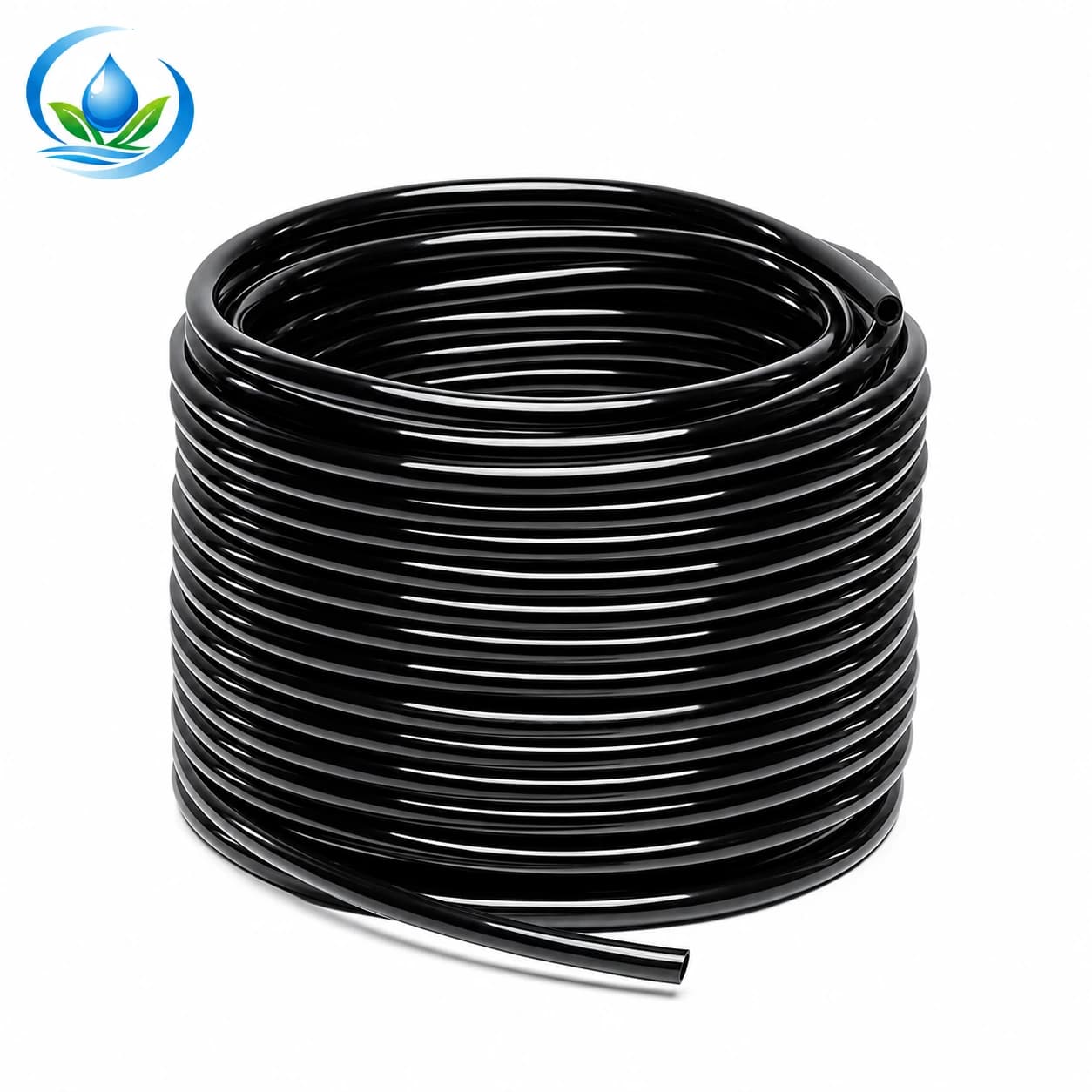
The micro-distribution tube listing offers size pairs stated as inner diameter by outer diameter, including 3 × 5 mm and 4 × 7 mm in the catalogue. A tube-size pair is not proof that it fits this head's inlet, a suspension connector, or a separately selected anti-drain part. Check each mating dimension, wall and retention method with the exact assembly documentation. A visually similar tube can slip, leak or alter the hanging position even when its nominal numbers look familiar.
For a replacement order, write down the existing head's full code, mounting orientation, nozzle, head-side connector, tube ID and OD, header-side interface, support and any already installed device. Photograph each component after the section is properly isolated, without mixing old and proposed pieces in the same bag. Count how many heads will run together, not just how many are being bought. Confirm the selected configuration's normal operating pressure and flow against the available group before replacing many outlets.
Test the proposed change without losing crop coverage
Use one representative branch or a small approved group for a documented trial. Before physical work, have the responsible operator isolate the section, prevent unintended restart and confirm stored pressure is relieved under the site's procedure. The exact device maker's instructions govern assembly and service. After installation, return to the normal planned irrigation event; do not add extra watering simply to make the trial look successful. Compare the marked tray positions during operation, at the normal stop and through the observed drain-down period.
During the run, check whether the hanging heads start and rotate as intended, whether water reaches the same crop positions, and whether a new joint leaks. After the stop, record which positions still drip and whether the pattern diminishes. If the group has changed flow, compare a suitable running-pressure reading and the actual wetting pattern. The sprinkler catch-test guide explains why visible spray reach alone cannot prove delivered water; adapt any collection check to the greenhouse crop and approved layout rather than importing field spacing or runtime.
If the tray stays wet despite a documented anti-drain assembly, return to the three-way diagnosis. Fresh water entering the branch requires a supply-side investigation; water tracking along a frame requires a geometry check; a continuing joint leak requires a connection check. Repeatedly adding outlet devices without finding the route can increase parts and pressure loss while leaving the cause in place. If the new head changes the spray rather than the post-stop drip, review its exact operating data before enlarging the trial.
Order only the parts supported by the branch record
A practical shopping list has four columns: observed symptom and location, existing exact model and connection, proposed documented component, and the evidence still needed for fit. Add a sketch of the overhead branch, the normal stop time, and whether discharge faded or persisted. Keep the running-spray observation separate from the post-stop observation. The buyer can then distinguish a head replacement, a tube or joint replacement, a documented anti-drain assembly, and a supply-valve investigation.
For the Store head and tube, check the selected option's current price, sale unit, availability, delivery and purchase method before buying related components. If the head page has no purchase option, ask Store support how to order that exact code and whether a compatible assembly is documented. Do not treat the product photograph as a list of included fittings. If no suitable anti-drain part has been verified for the chosen head, obtain model-specific guidance before ordering it elsewhere.
Keep a short after-trial record with the changed part codes, connection details, normal spray result and post-stop tray observations. Review the same positions when a header, suspension or crop tray position changes. This record turns a recurring wet patch into a clear choice: correct the water still entering, choose a documented outlet arrangement for stored drainage, or address water falling from the operating hardware. The crop's normal irrigation still has to work after the drip is gone.
Before you order
Compare this guide with the specifications for your exact product, selected option, water supply and field conditions. Your equipment requirements take priority over a general example.
Compare irrigation products