Meet IrriNex Store: Agricultural Drip Irrigation Supplies for Growers
Meet IrriNex Store, a retail catalog for agricultural drip tape, dripline fittings, irrigation filters and fertigation equipment, with product details that help growers check compatibility before ordering.
Published by IrriNex Store
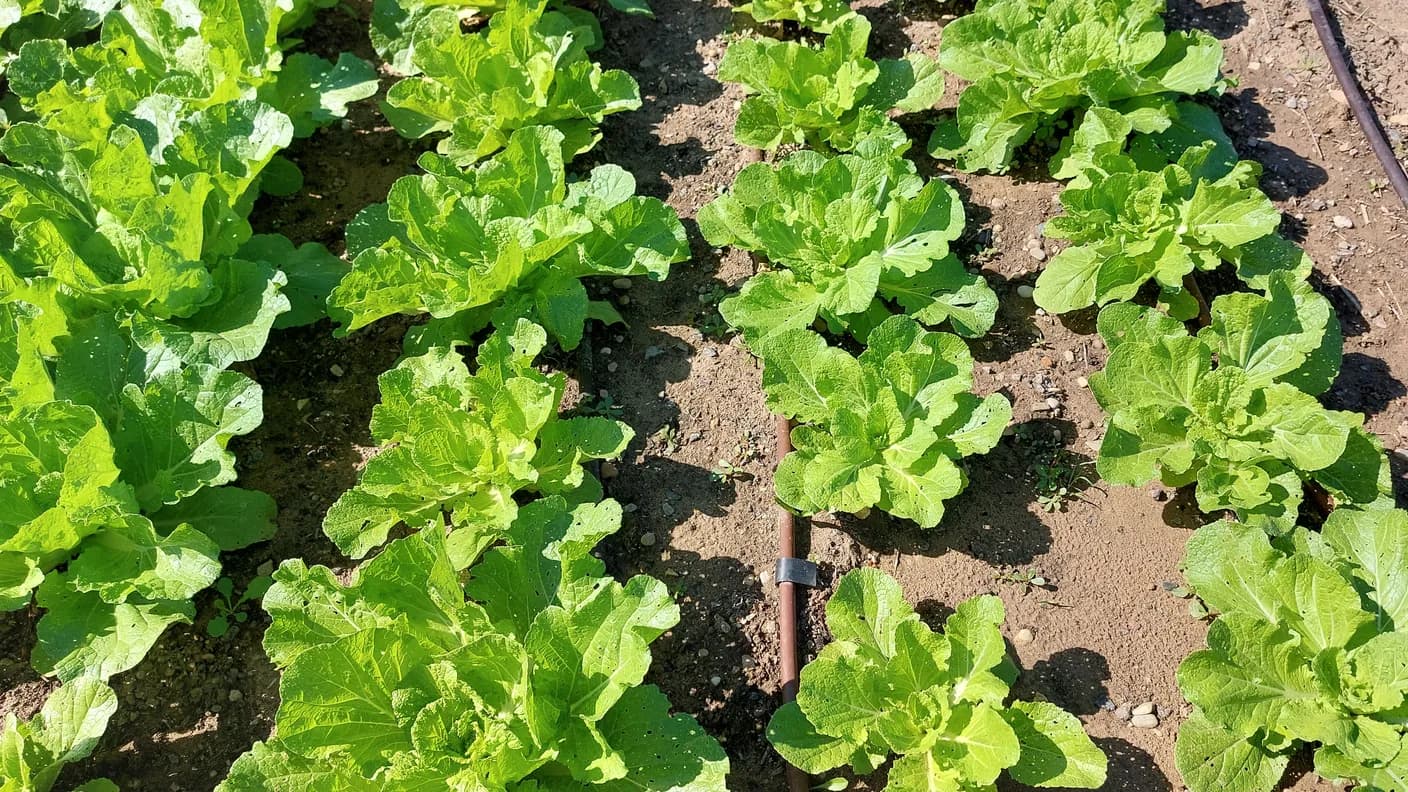
IrriNex Store is a retail catalog for agricultural drip irrigation supplies. Growers can compare drip tape, inline dripline, compatible fittings, row valves, water filters and fertigation equipment, then buy the specific option that fits a crop layout. The store focuses on practical product selection rather than project quotations or general irrigation solutions.
What is IrriNex Store?
IrriNex Store is the retail side of the IrriNex product range. It is designed for a grower, farm manager, greenhouse operator or irrigation installer who already has a field task in mind and needs to identify the parts that fit it. The current catalog concentrates on agricultural drip irrigation: drip tape, inline dripline, emitters, connecting parts, row-control valves, filtration and fertilizer injection equipment.
That retail focus changes the way products are presented. A useful product page should help you answer concrete questions before checkout: What diameter is the line? Which connection does the fitting use? What pressure range applies to the selected model? Is the listed length a roll length or a finished row length? Which filter grade protects the emitter? These details matter because two parts described with the same nominal size may still use different outside diameters, threads or locking systems.
The store does not assume that one standard kit suits every field. Instead, it lets you build a component list around the crop rows, water source and equipment you already have. If a specification is unclear, use the contact details on the product page and send the product link, selected option and measurements. That gives support staff enough context to check the listing with you.
What field measurements belong on a drip-supplies shopping sheet?
The fastest way to waste time on irrigation parts is to start with a product photo and guess the size. Start with the field. A short worksheet makes the product catalog much easier to use and gives you a record to check when the order arrives. A crop-row drip irrigation supplies list is more useful when the measured pipe outside diameter sits beside the proposed row-start fitting.
- Crop and planting pattern: record row count, row length, bed width and plant spacing.
- Water source: note whether the system draws from a well, pond, canal, storage tank or pressurized supply.
- Available flow: measure or confirm the flow that can be delivered while the intended zone operates.
- Pressure: record pressure at the head unit and, where possible, at the start of the laterals.
- Elevation: mark meaningful rises and falls across the block because they change pressure along a row.
- Water quality: note visible sand, silt, algae, organic debris or mineral deposits.
- Existing connections: photograph markings and measure actual pipe outside diameter; identify BSP or NPT threads where relevant.
- Operating plan: decide which rows run together and whether each row needs an individual shutoff.
Do not use crop spacing alone to select an emitter layout. Soil texture changes how water moves away from each outlet, and available flow limits how many emitters can operate at once. Treat the worksheet as a starting point for comparing listed options, then test the wetting pattern in a representative row before applying the same run time across the whole field.
Drip tape or inline dripline for crop rows: which route fits?
Drip tape and inline dripline both place outlets at fixed intervals, but they are not interchangeable. Drip tape is a thin-wall product commonly laid in straight crop rows. Inline dripline has a rounder, heavier tube wall with emitters built into the line. The better choice depends on the crop cycle, layout, working pressure, handling plan and how often the material will be installed or recovered.
| Selection point | Drip tape | Inline dripline |
|---|---|---|
| Typical layout | Long, straight seasonal crop rows | Permanent or repeat-use laterals, curved routes and orchard rows |
| Key option fields | Diameter, wall thickness, outlet spacing, flow and roll length | Tube diameter, wall, emitter spacing, emitter flow and pressure behavior |
| Connections | Tape-specific locking starts, couplers, valves and ends | Barbed, lock-nut or lock-ring fittings matched to actual tube size |
| Handling | Avoid twisting, stretching and sharp folds | Avoid kinks and verify the bend radius and fitting engagement |
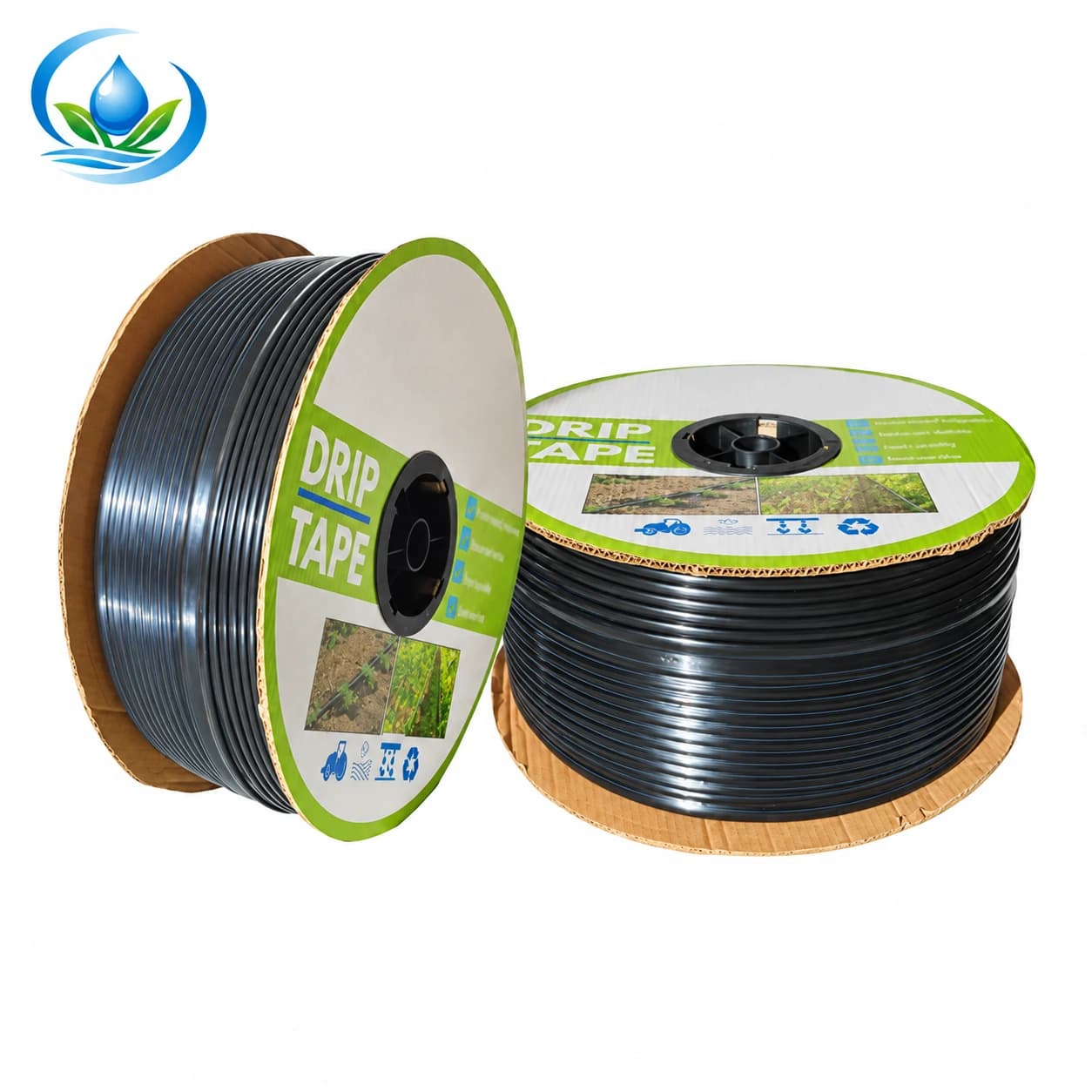
IrriNex Store currently lists flat-emitter drip tape options. The family lists 16mm and 20mm sizes with a 0.04–0.15 MPa family operating range. A family range does not mean that every size, spacing, wall and length combination is offered together. Confirm the exact specifications of the selected option before ordering.
If the field has substantial elevation changes, compare pressure-compensating emitters or a suitable zoned design rather than assuming the nearest drip tape will deliver uniformly. If you need individual watering points around trees or containers, blank PE tubing with online emitters may be more adaptable than a line with fixed outlet spacing.
Build a compatible chain of fittings and valves
A drip system is a chain. The mainline connects to row starts; row starts connect to tape or tubing; branches use tees and elbows; row valves isolate sections; end closures make flushing possible. One mismatch can stop installation even when every item appears to be “16mm.” The label may refer to a nominal size, a pipe outside diameter, a tape diameter or a thread connection.
Choose one connection family for each section and check every transition. IrriNex Store lists lock-nut fittings, barbed fittings and lock-ring fittings, along with takeoffs for layflat hose and PE supply pipe. A mixed system is possible, but each change needs a deliberate adapter. Do not force a barbed fitting into tubing that has not been sized for it, and do not expect BSP and NPT threads of a similar stated diameter to seal correctly.
Plan service access as well as assembly. Put a valve where a crop block needs separate scheduling or where a row may need repair while the rest of the zone operates. Use an end closure that can be reopened for flushing. Leave enough straight pipe around filters and injectors to remove bowls, clean elements and operate valves without bending the connected line.
Match irrigation filtration to the water source
Filtration protects the smallest water passages in the system. Connection size alone does not determine whether a filter is suitable. Compare water quality, required filtration grade, zone flow, clean-filter pressure loss, allowed operating pressure and how the element will be cleaned.
| Water condition | Useful starting point | Question to verify |
|---|---|---|
| Relatively clean well or pressurized water with fine mineral particles | Screen or disc filtration | Does the filtration grade meet the emitter requirement at the full zone flow? |
| Organic matter or changing debris from a pond or storage reservoir | Disc filtration or staged media filtration | Can the element hold and release the expected debris during cleaning? |
| Heavy sand in pumped water | Hydrocyclone separator before fine filtration | Is there enough flow and pressure for separation, and where will collected sand be discharged? |
| High organic load at agricultural flow | Sand media filtration followed by a final protective stage | How will backwashing be supplied and monitored? |
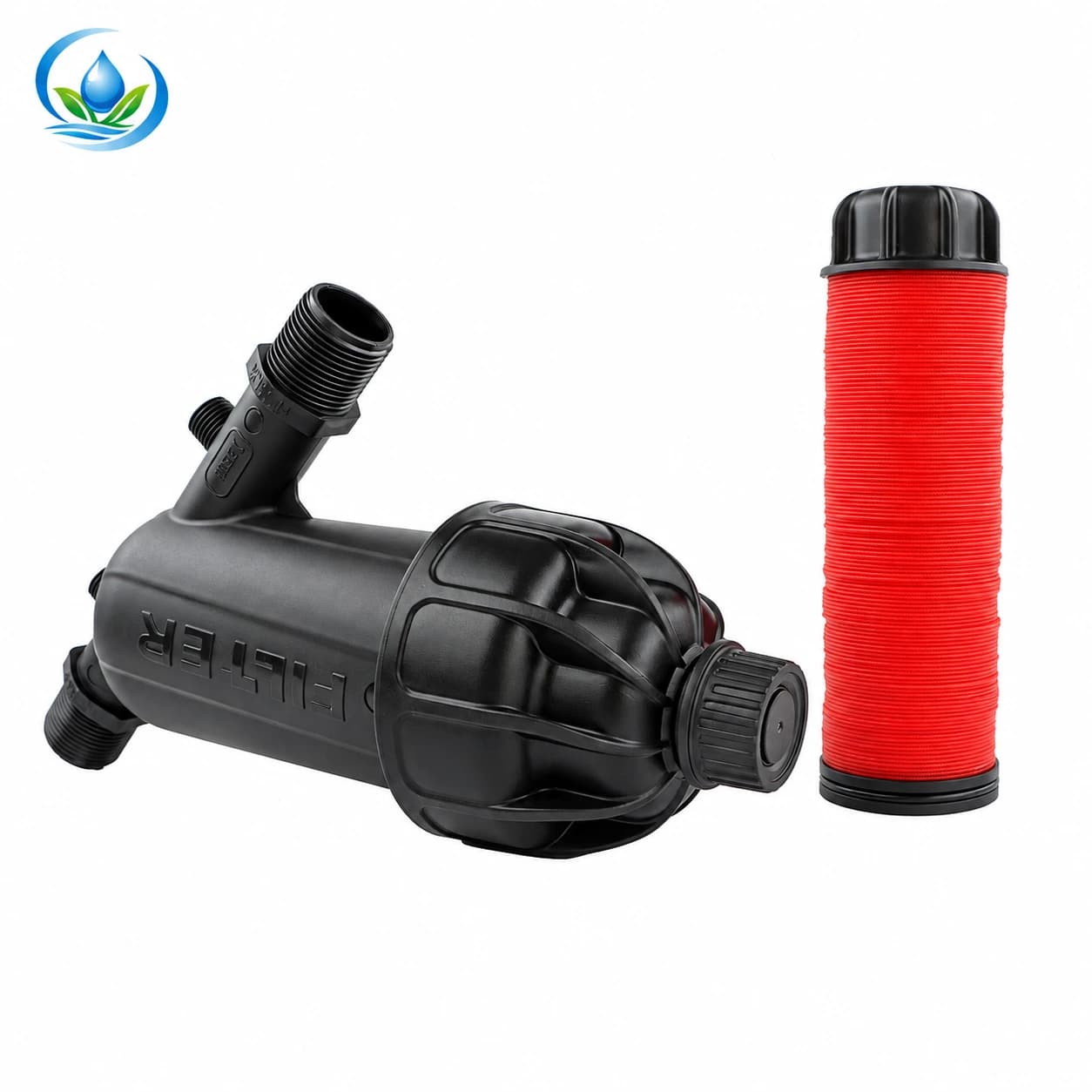
The listed Y-body disc filter family includes 3/4-inch through 3-inch connection options and an 8-bar family pressure rating. Those numbers help narrow the catalog; they do not replace checking the selected connection, disc grade and flow requirement. Install a filter with room to remove its element, isolate it before opening, release pressure and keep sealing surfaces clean during reassembly.
Inspect the filter after the first operating runs. A calendar-only cleaning interval ignores changing water conditions. A useful maintenance trigger may be a measured pressure difference across the filter, reduced downstream delivery or a documented inspection interval based on the actual source. Record the clean condition so future checks have a baseline.
Add fertigation equipment only after the irrigation zone works
Fertigation uses irrigation water to carry a prepared nutrient solution into the crop zone. It does not remove the need to understand fertilizer compatibility, backflow protection, filtration, injection rate and flushing. Commission the irrigation route with clean water first. Confirm that the intended zone reaches stable flow and pressure before trying to draw a fertilizer solution.
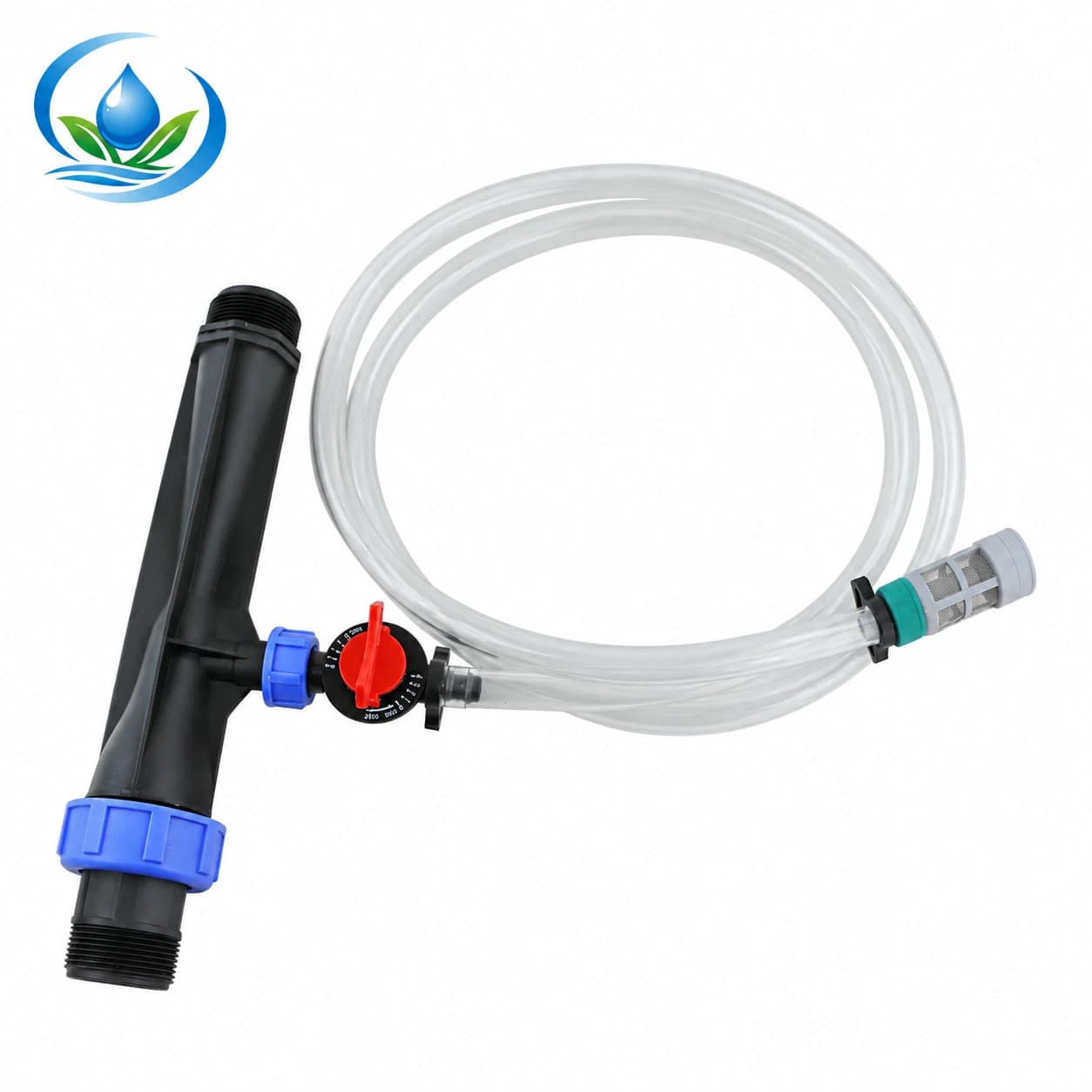
A Venturi fertilizer injector creates suction from a pressure difference. The listed IrriNex family includes 1-inch, 1-1/2-inch and 2-inch connections and an 8-bar family pressure rating. Connection diameter does not define the dose. Suction depends on the operating flow, the pressure difference across the injector or bypass, the suction line and the prepared solution.
Use only a fertilizer and concentration suitable for the crop, water and wetted equipment, following the product label and applicable local requirements. Protect the source against reverse flow with an appropriate device and arrangement. Finish the injection cycle with clean irrigation water as required for the fertilizer and system, then depressurize equipment before service. When proportional dosing is required across changing flow conditions, compare a water-driven dosing pump with the simpler Venturi approach.
How to read an IrriNex Store product page
Read the product name as the family description, then move to the selected purchase option. Check the option label, item code, price, image and any variant parameters. Review the size range and pressure rating, but remember that a page can describe several variants. The selected option is the part you are ordering.
Next, compare the main product specification with your field worksheet. For tape, check wall, spacing, flow and roll length. For a fitting, check both ends of the connection. For a filter, check filtration grade, flow and service access. For an injector, check the operating conditions that create the intended suction or dosing ratio. Save the product URL with your field notes so the same specification can be checked during installation.
Product images help identify body style and connection arrangement, but they are not measuring tools. Do not estimate a thread or tube diameter from a photograph. If you need help, send the marked dimensions and selected option to IrriNex Store support before ordering.
A practical order for building your shopping list
- Draw the water path from source to the last crop row.
- Measure available flow and pressure with the intended operating conditions.
- Divide the field into zones that the supply can operate reliably.
- Choose drip tape, inline dripline or blank tubing with online emitters for each crop block.
- Calculate the number of active outlets and the total flow for each zone.
- Select staged filtration for the water source and emitter requirement.
- List every start, transition, branch, row valve, repair coupling and flushable end.
- Add fertigation equipment after confirming the clean-water system conditions.
- Recheck every selected option against the worksheet before payment.
This order keeps the catalog connected to the real system. Buying the tape first and designing the head unit later can lead to insufficient flow, mismatched filters or missing transitions. The same discipline also makes future repairs easier because the field record identifies which connection family and size were installed.
What will the IrriNex Store guides cover?
The store’s irrigation guides are organized around decisions that occur before and after a purchase. Related guides compare drip tape specifications, explain filter mesh and emitter protection, show how to check drip fitting compatibility and help verify which injector and suction or bypass parts an order includes.
Each guide is linked to products that are currently listed in the store. The purpose is to help you turn a field question into a short list of details to compare. A general article cannot approve a complete design for every farm, so the selected product specification, fertilizer label, pump data and local requirements remain the controlling references.
Frequently asked questions about IrriNex Store
Is IrriNex Store for farms or home gardens?
The current catalog and guides focus on agricultural crop irrigation. Many components can also be used in smaller installations, but the content starts from farm rows, greenhouses, orchards, nurseries and seasonal water-distribution systems rather than decorative landscape watering.
Does the store sell complete irrigation kits?
The current retail scope emphasizes individual drip tape and dripline components, fittings, valves, filters and fertigation equipment. Building from compatible components lets a grower match the existing water supply and crop block instead of assuming a fixed kit fits every field.
How do I know whether two 16mm parts fit?
Check what the 16mm label describes and measure the actual line. Compare outside diameter, wall type, connection mechanism and any thread standard on the transition. Use the selected product option rather than the family name as the final reference.
Which filter should I buy for drip tape?
Start with the drip tape manufacturer’s filtration requirement, total zone flow and water-source contaminants. A screen, disc, hydrocyclone or media filter handles different loads. Some sources need two stages. The smallest emitter passage and the actual debris determine the protective target.
Can a Venturi injector work in any irrigation line?
No. A Venturi needs sufficient operating flow and a pressure difference that produces suction. Test with the intended crop zone running, check the bypass arrangement and do not infer injection rate from connection diameter alone.
Where can I ask about a product option?
Use the contact page or email sale@irrinex.com with the product URL, option name, required quantity, destination country and the measurements or operating data relevant to the connection. For WhatsApp, use +86 191 4684 5593.
Before you order
Compare this guide with the specifications for your exact product, selected option, water supply and field conditions. Your equipment requirements take priority over a general example.
Compare irrigation products